Decorative Ceiling Fans
Enhance both the style and functionality of any room with our collection of decorative ceiling fans. Designed to not only circulate air but also elevate the aesthetic appeal of your space, these ceiling fans are perfect for adding a touch of sophistication and charm to your home or office. Whether you prefer a modern, sleek design or a more traditional look, our range of decorative ceiling fans offers something for every taste and style preference. Discover how these stylish fixtures can provide both comfort and visual interest to any living area, bedroom, or workspace.
Sort
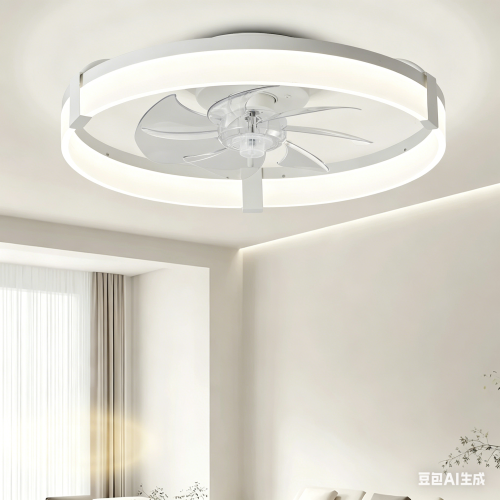
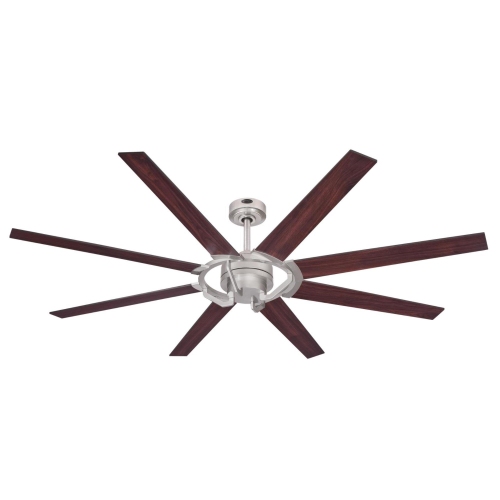
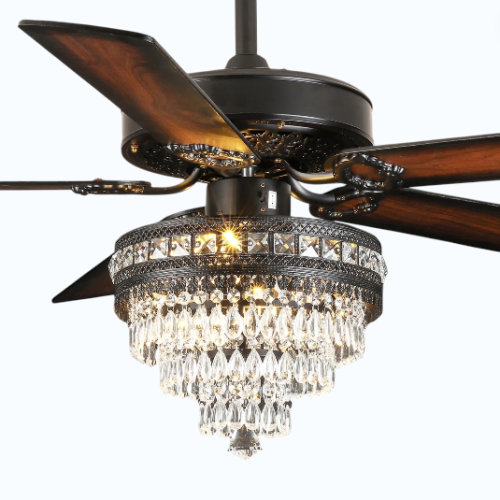
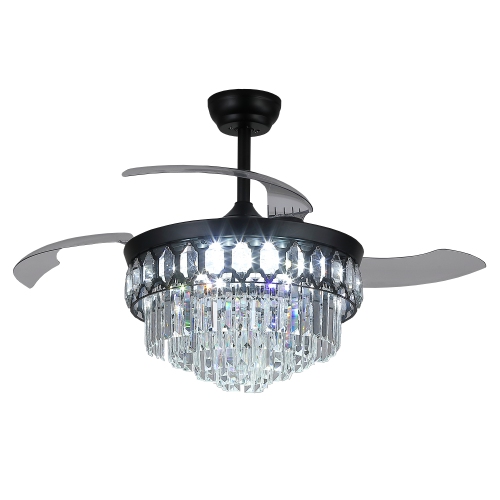


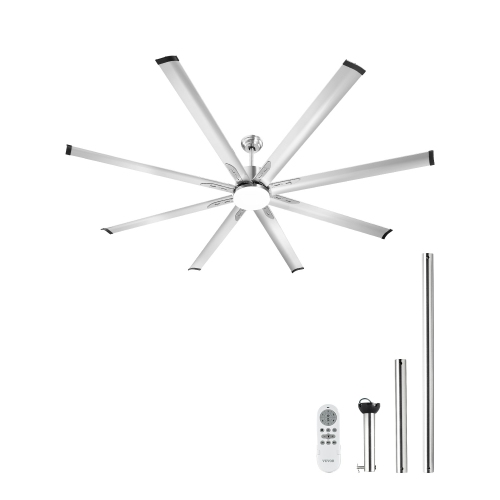
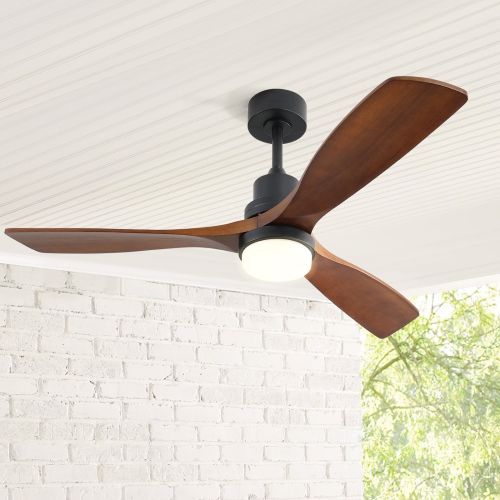
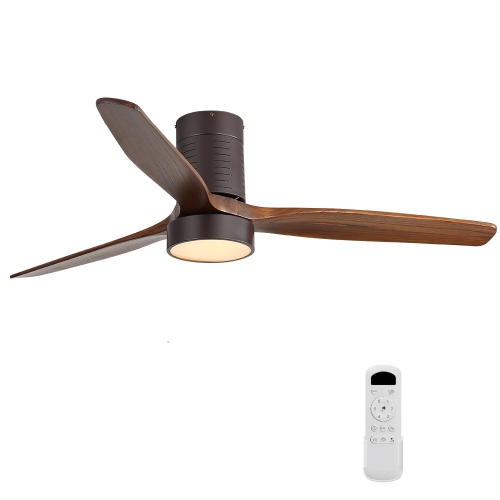
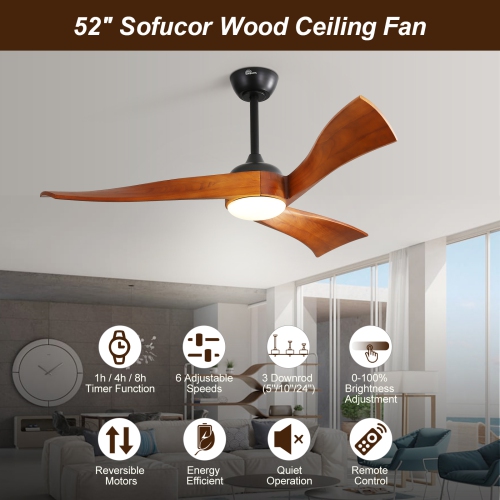

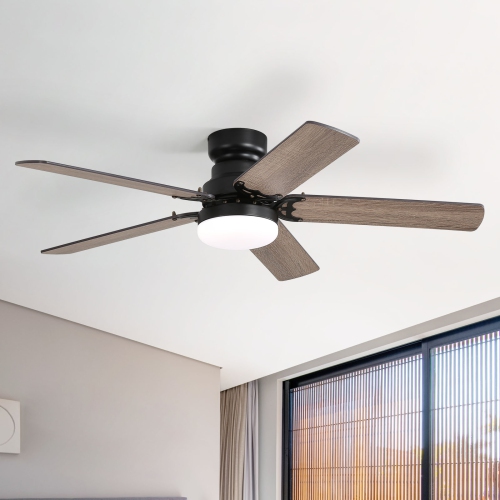
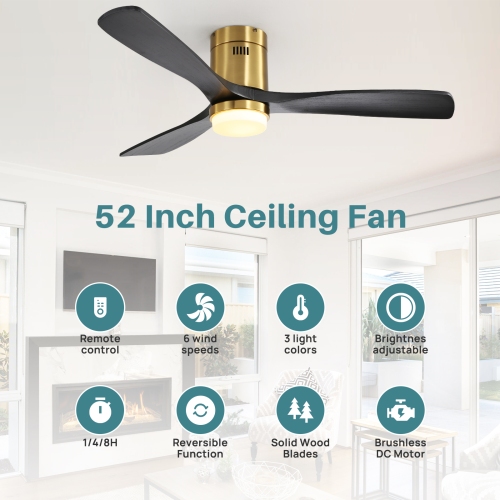

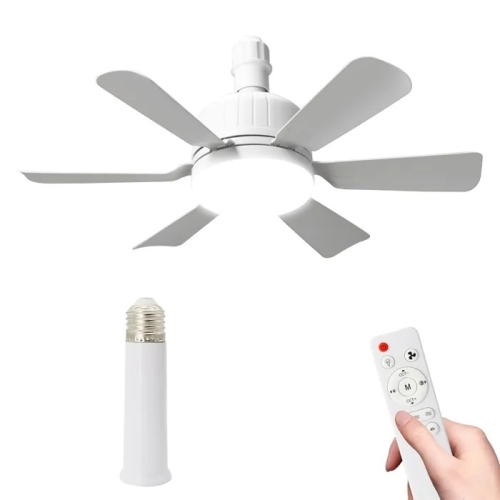
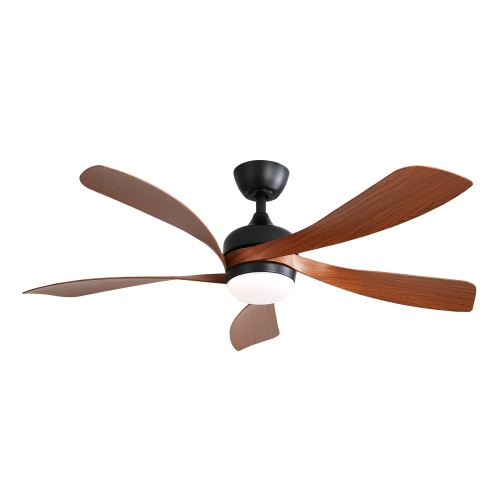

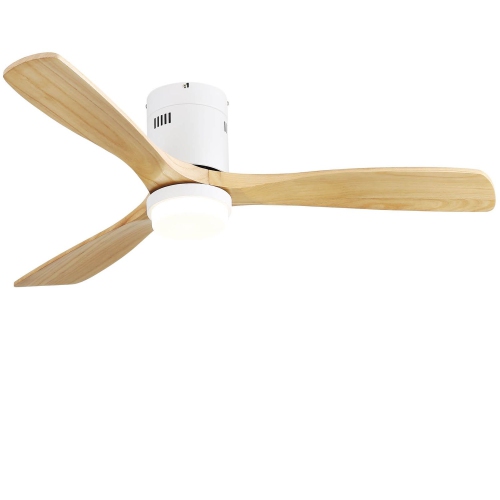
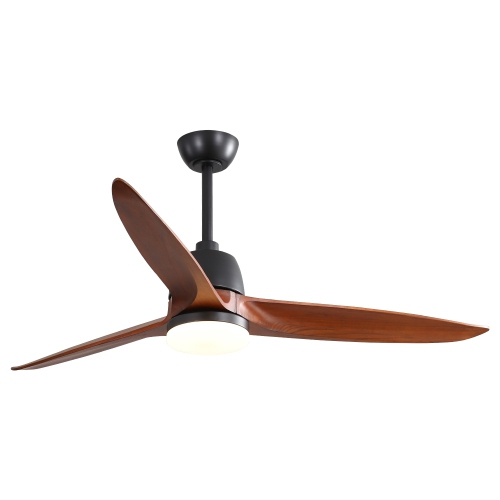
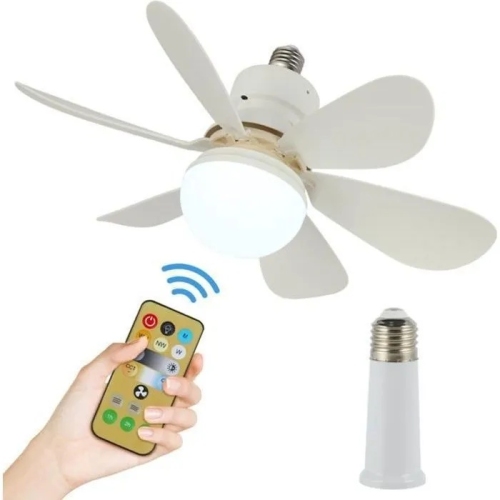
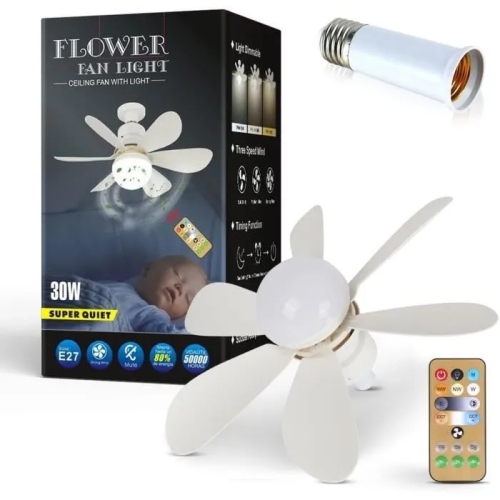


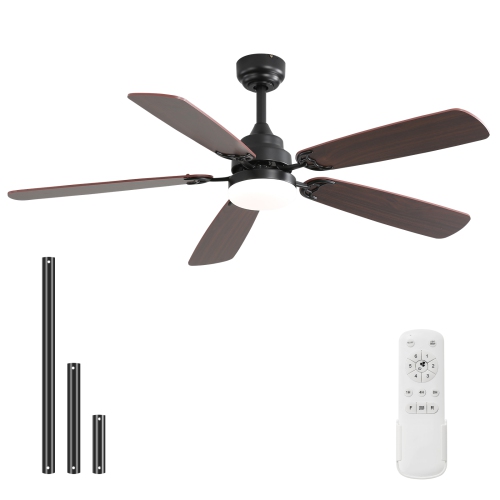
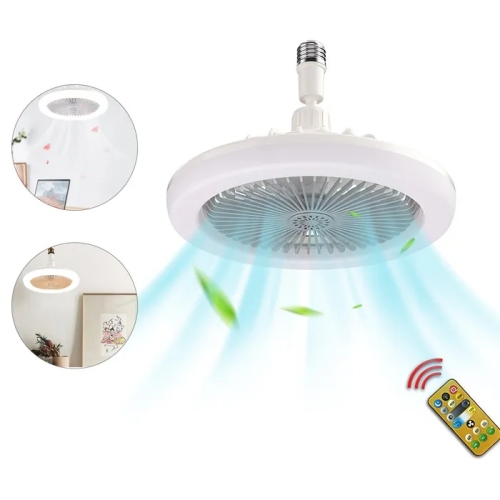
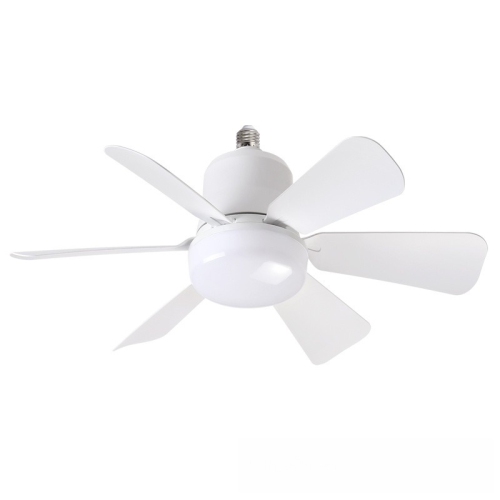
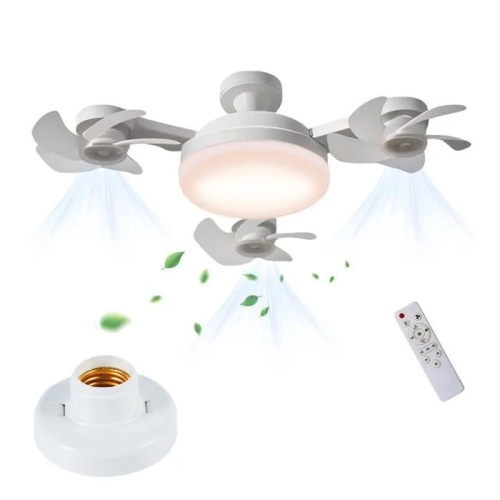

How fan design shapes the room below
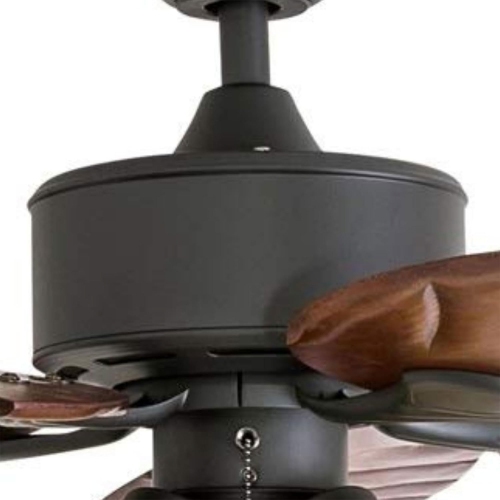
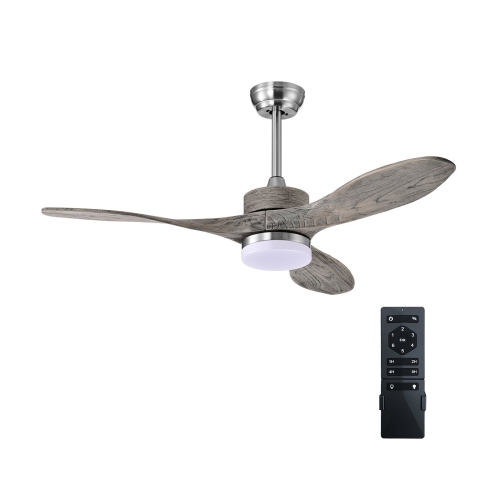
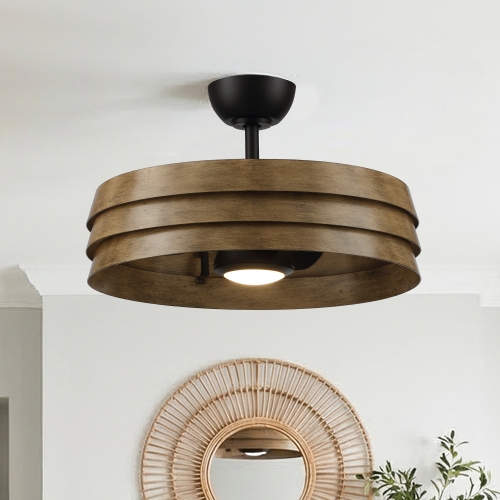
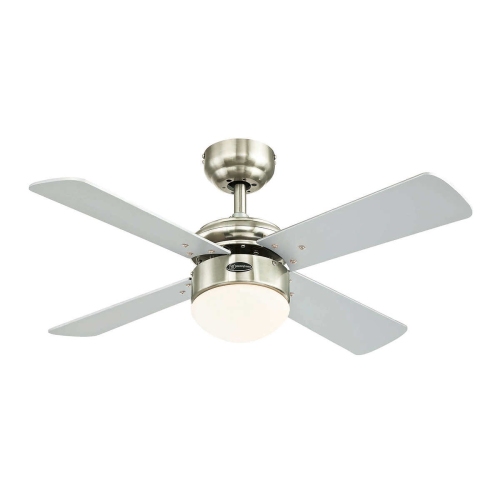
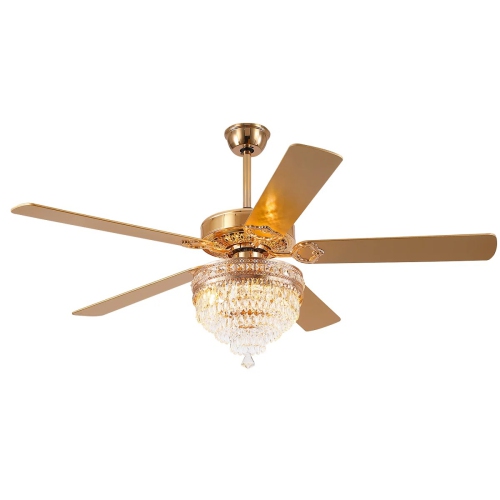
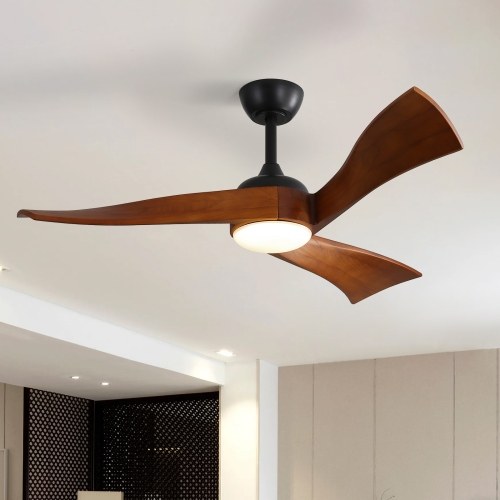
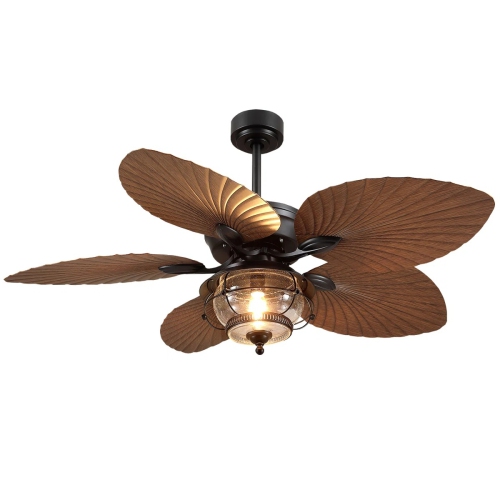
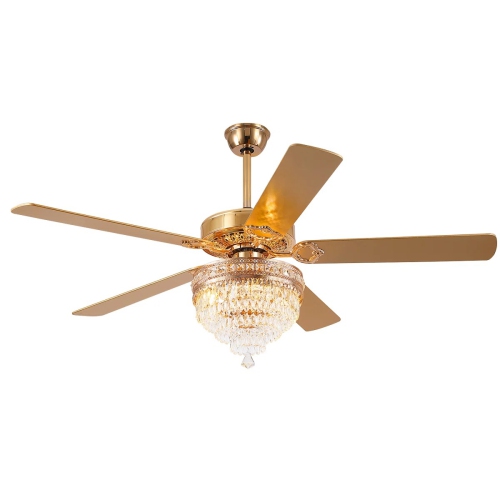
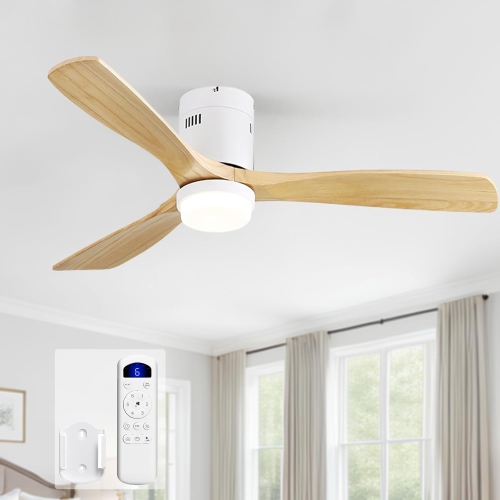
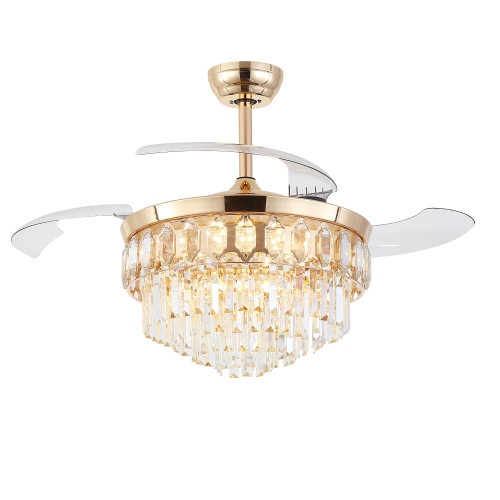
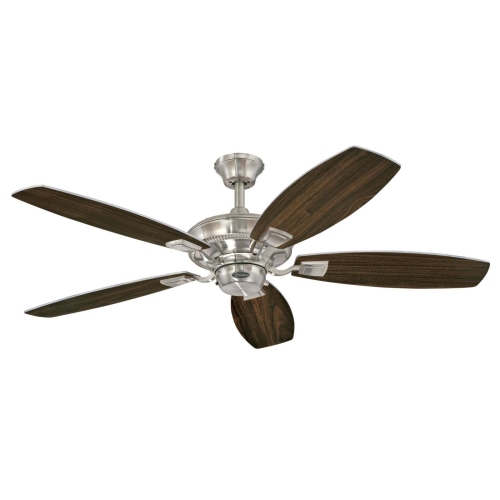
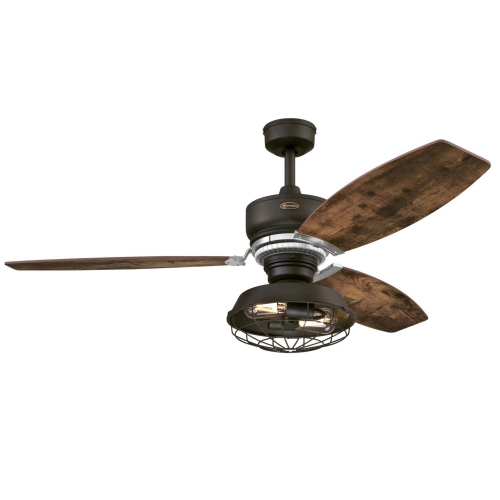
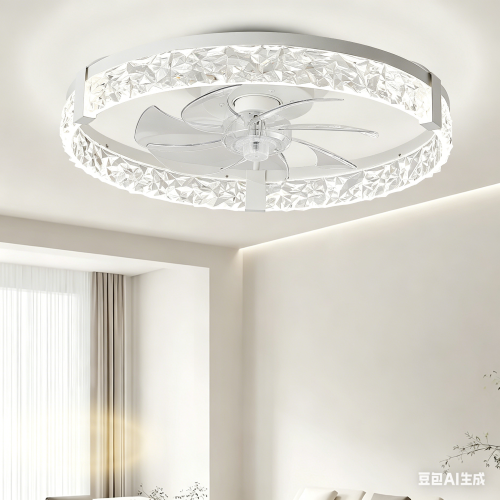
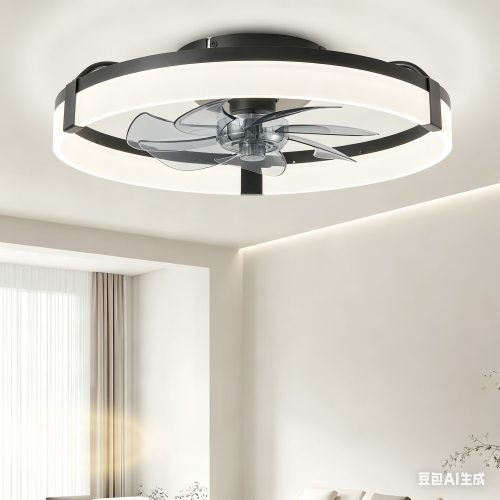
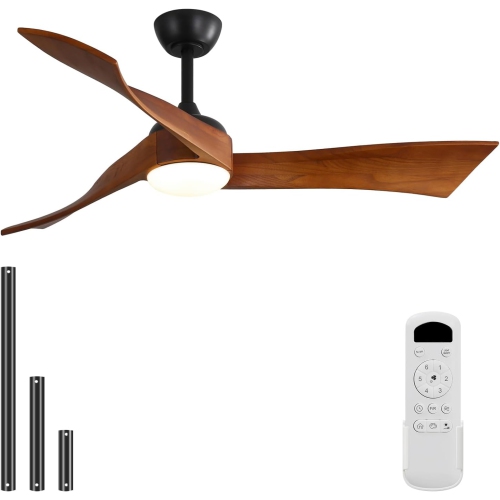
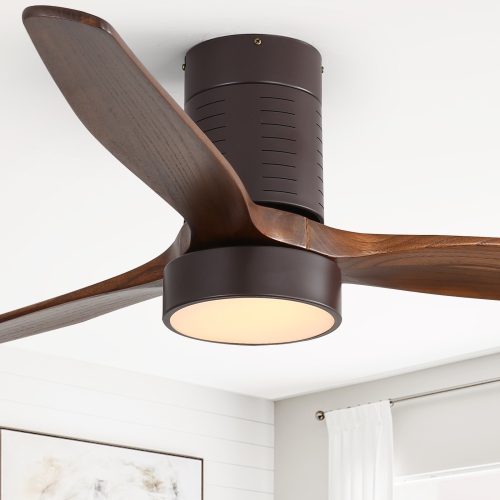
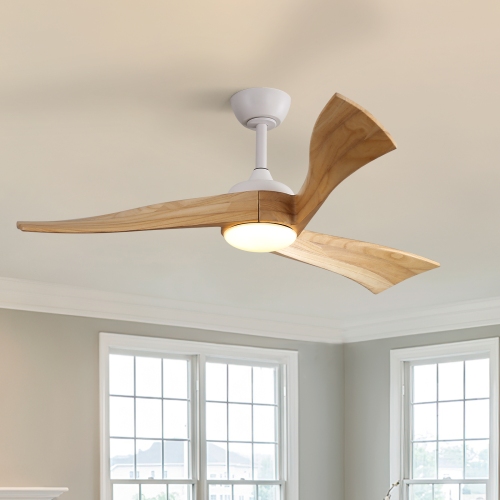
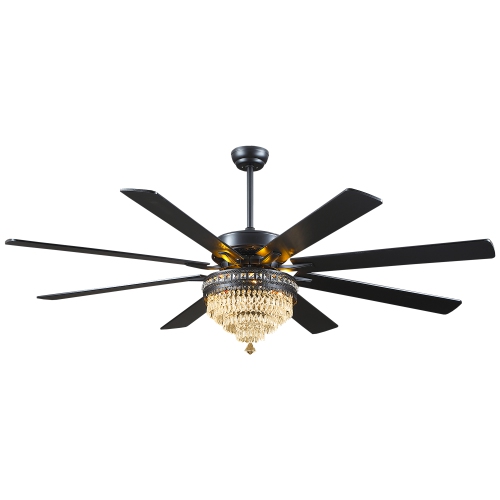
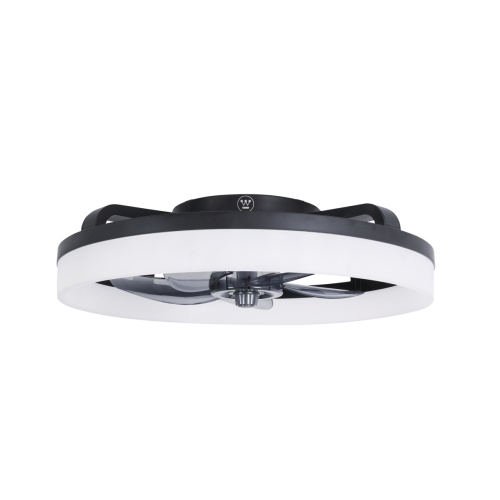
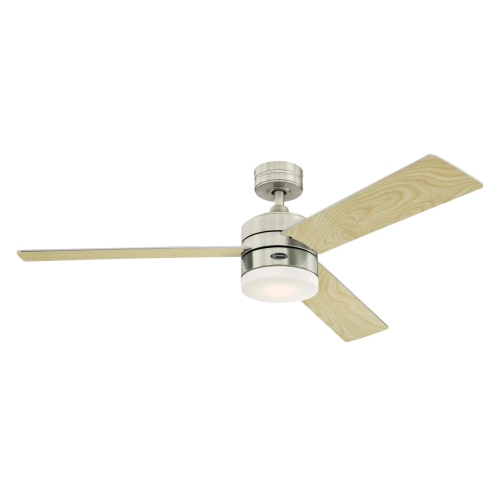
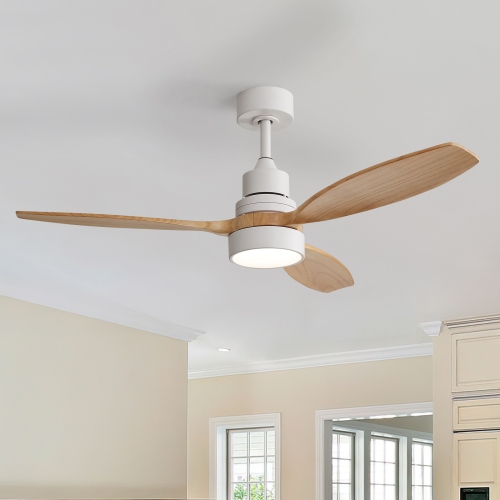
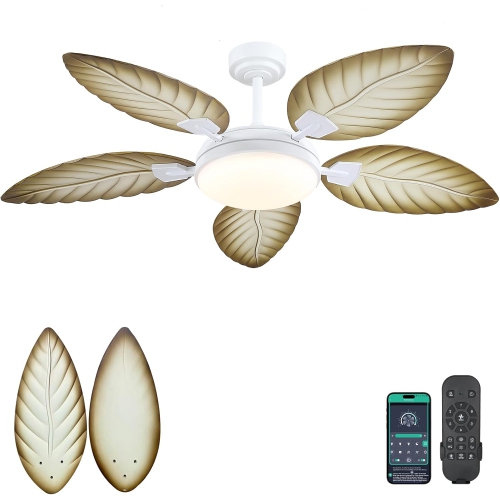
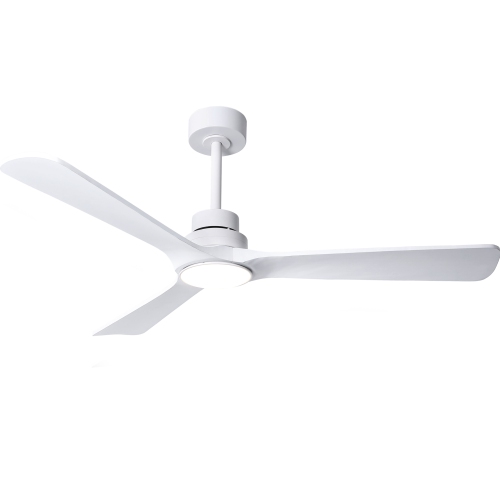
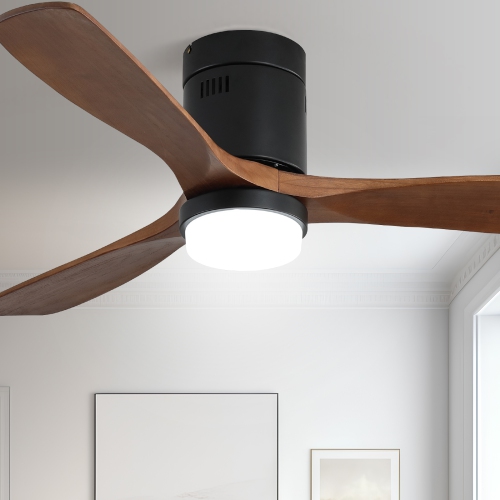
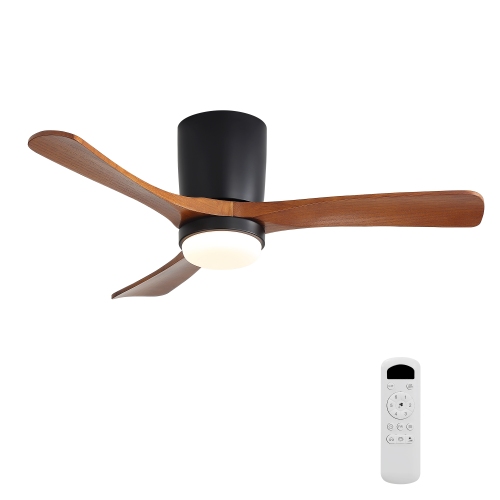
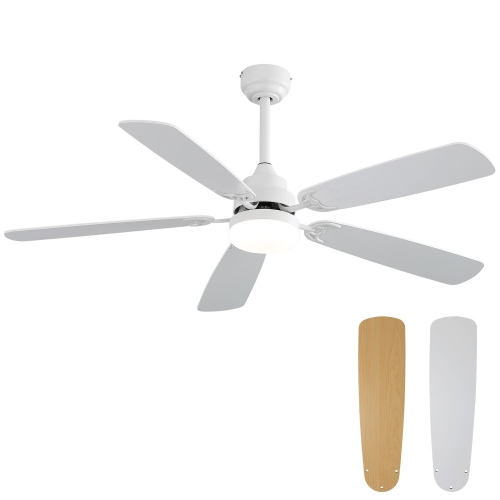
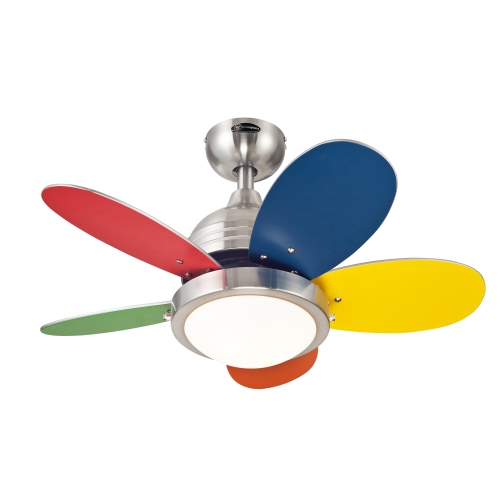
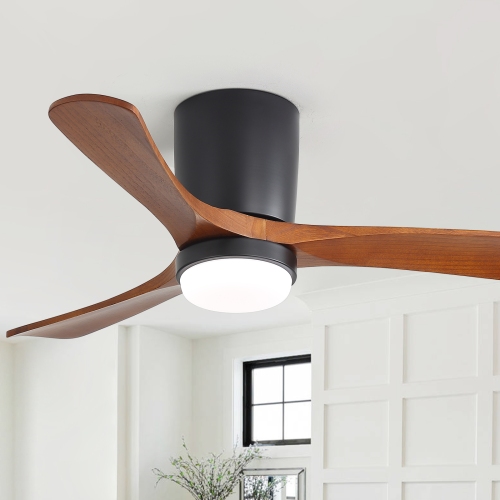
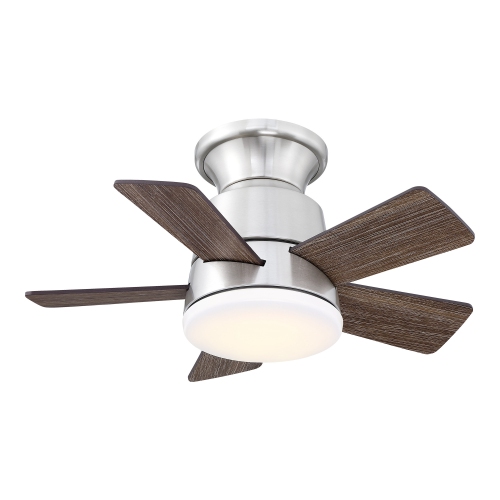
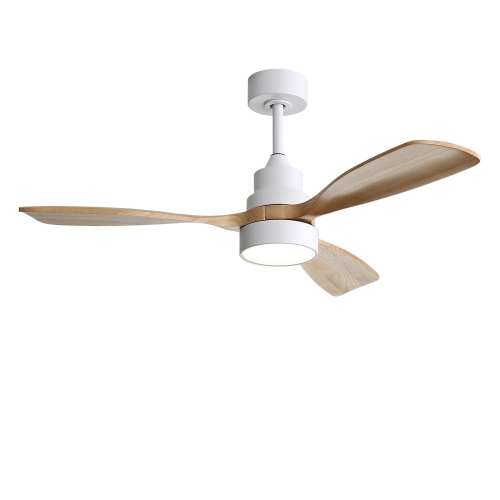
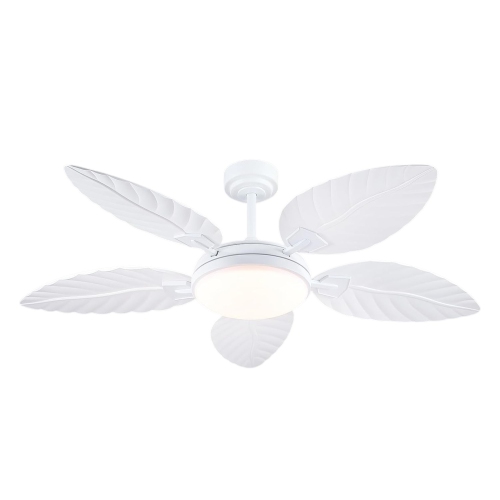
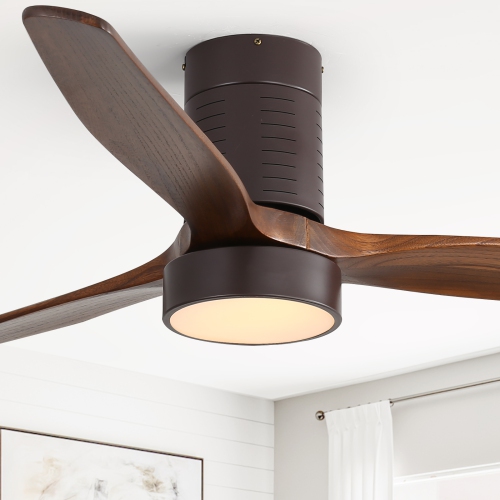
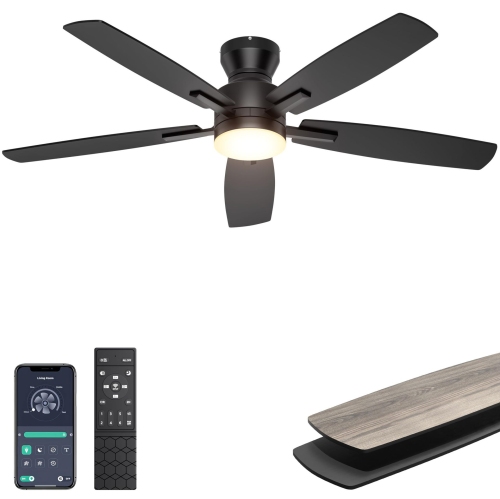
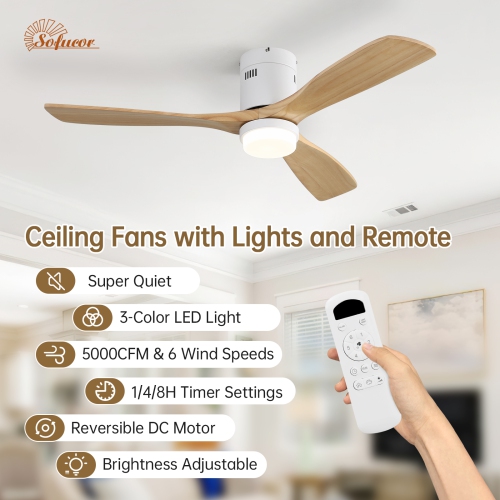
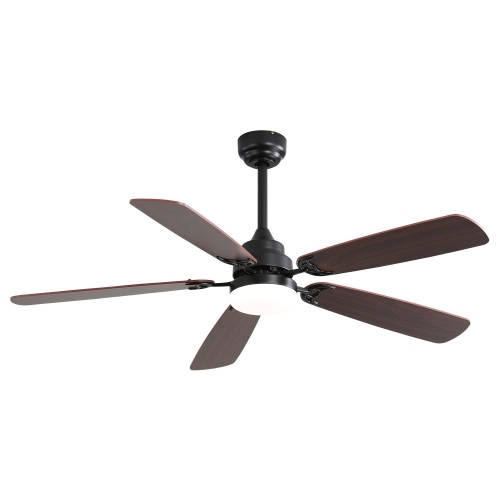
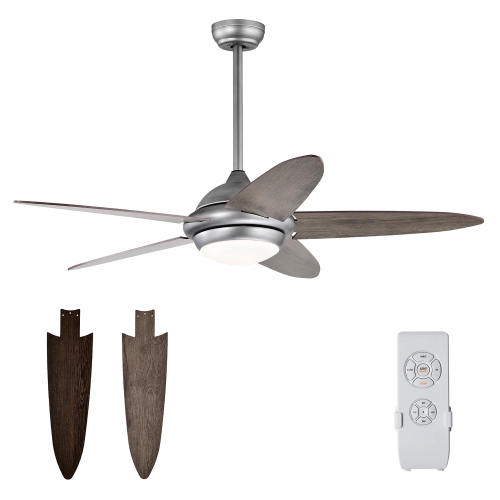
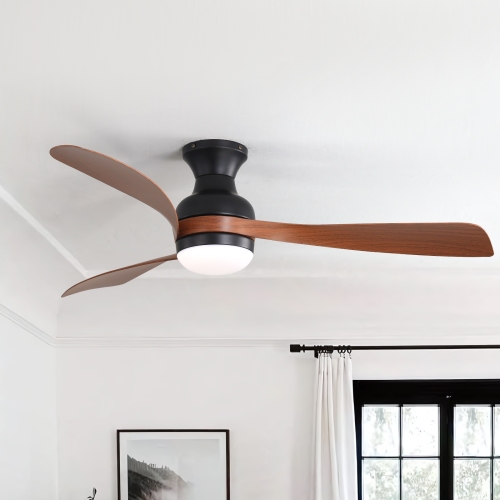
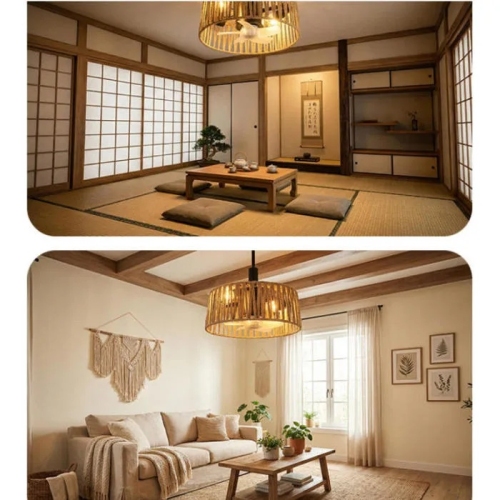
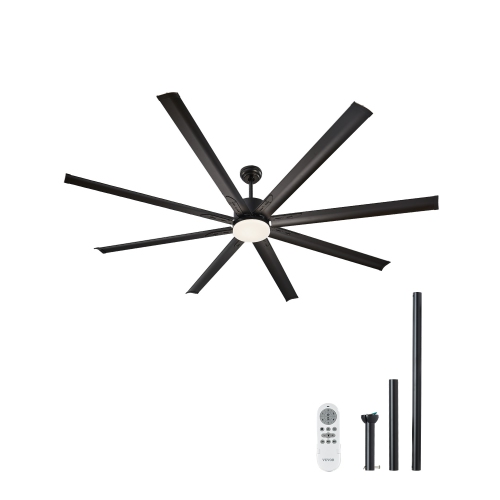
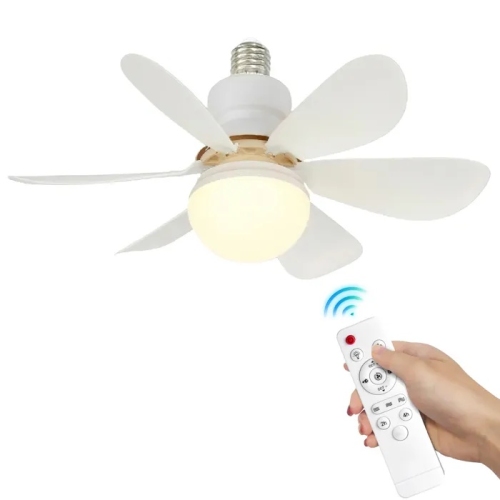
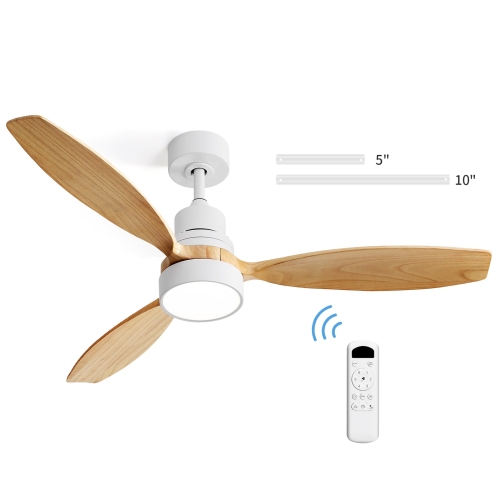
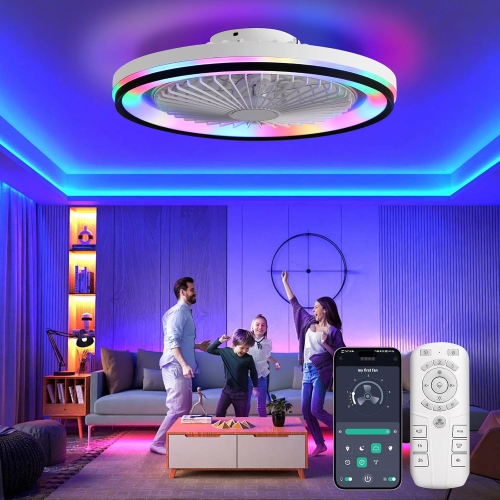
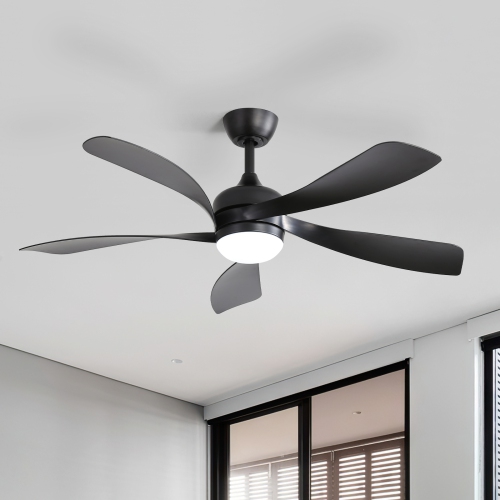
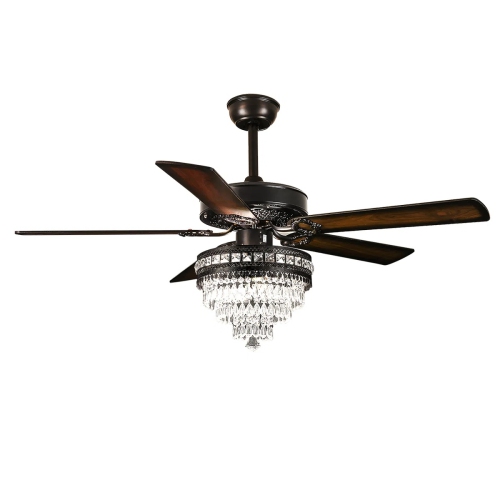
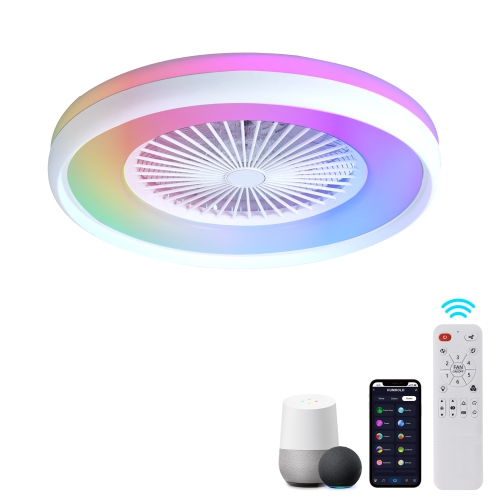
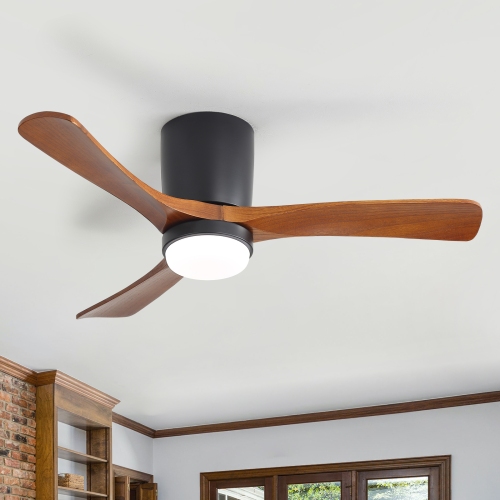
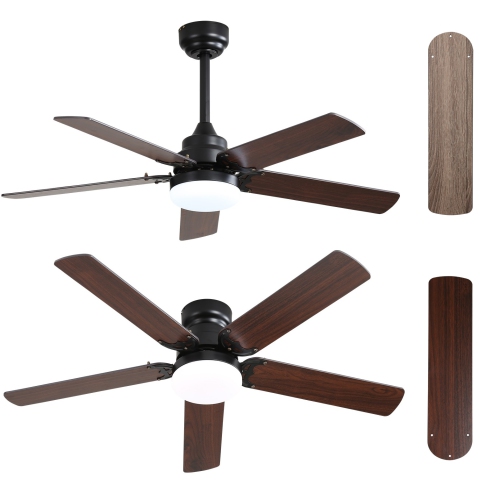
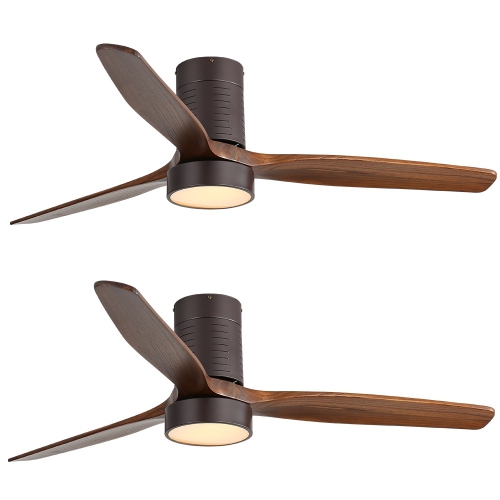
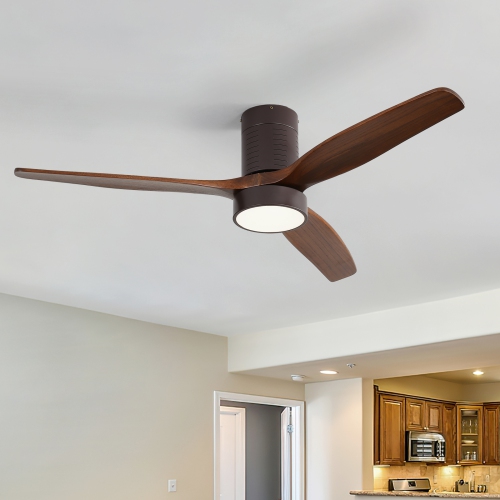
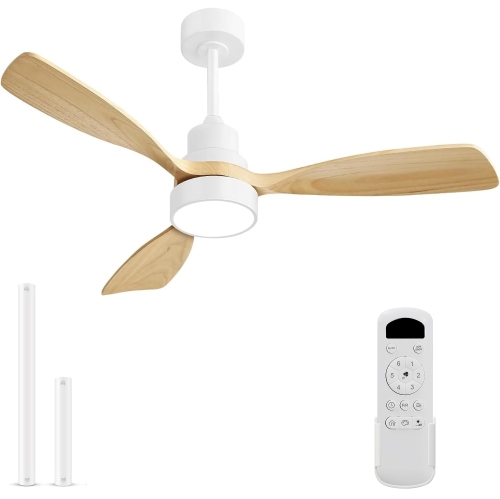
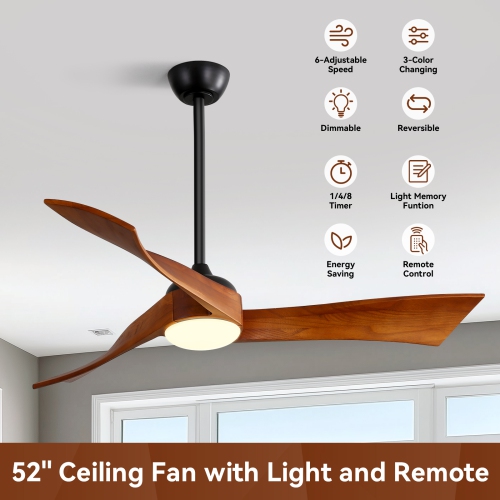
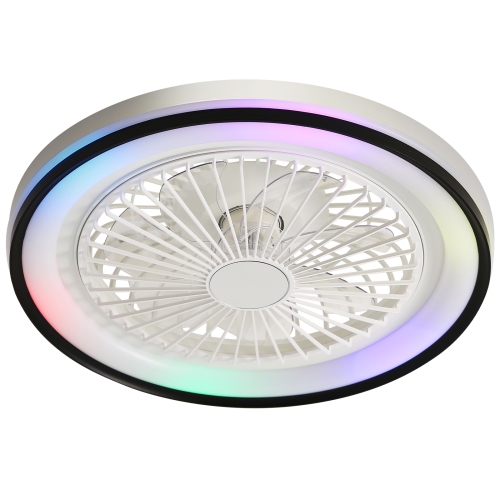
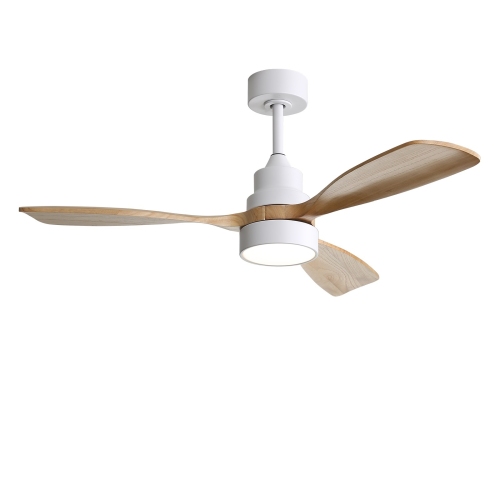
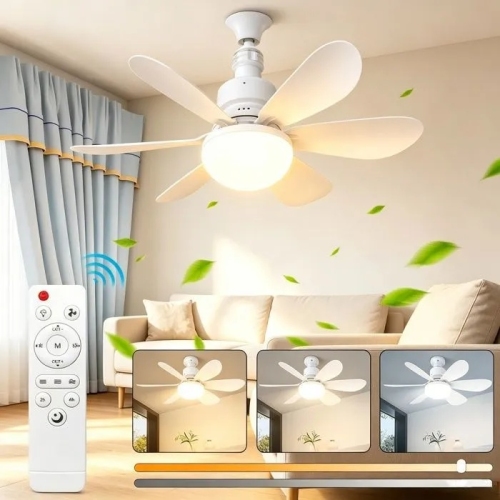
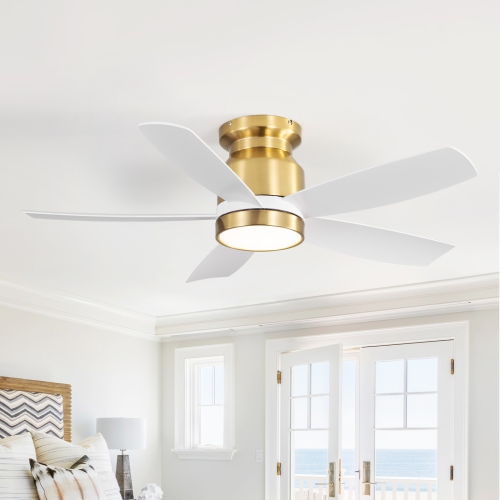
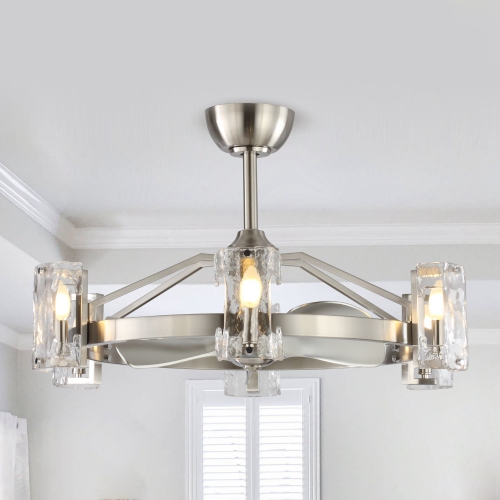
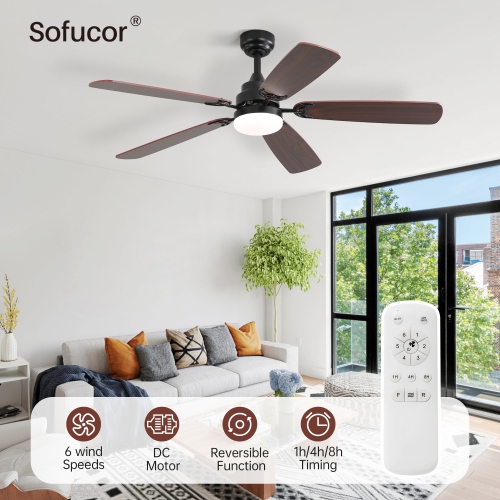
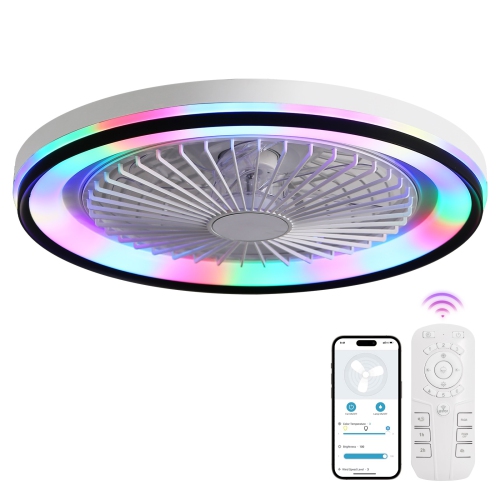
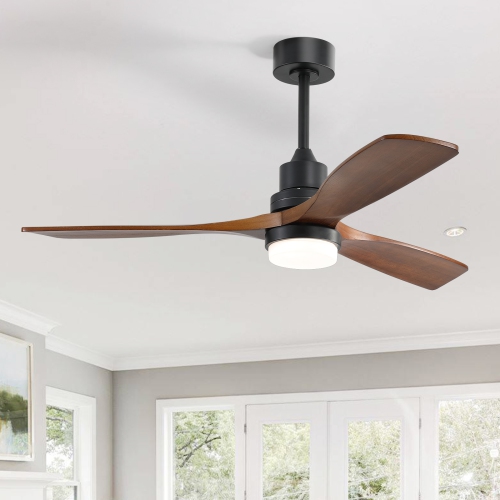
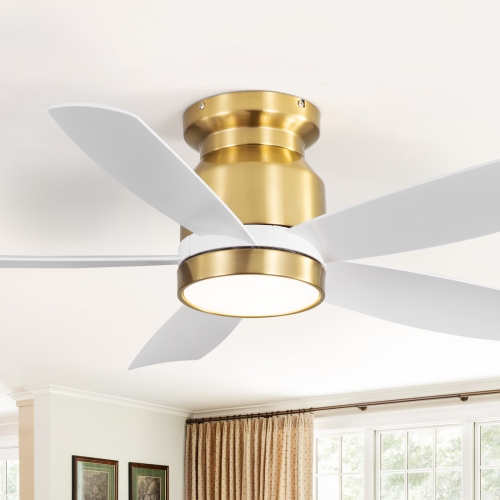
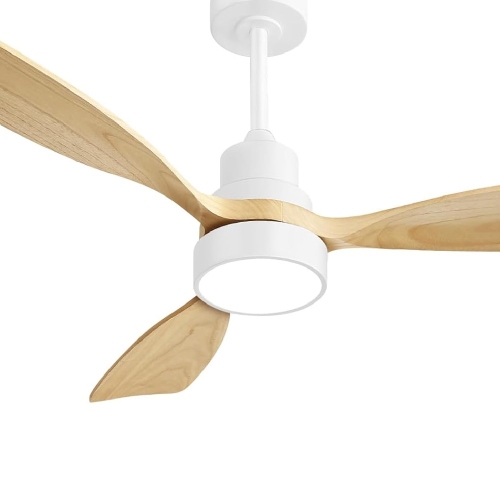
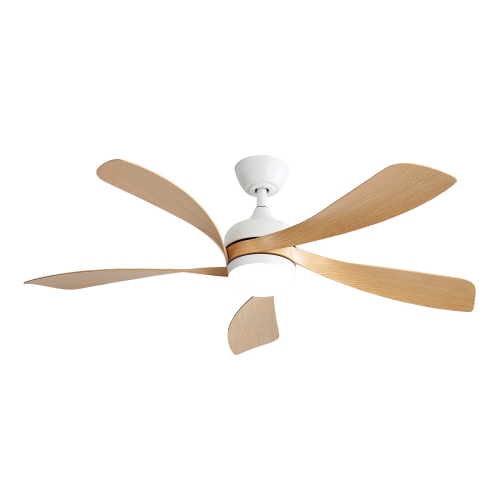
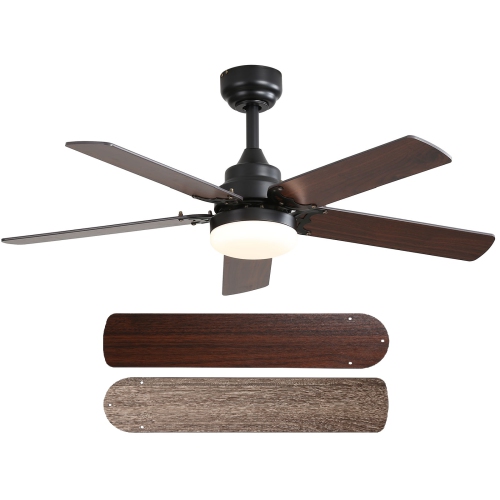
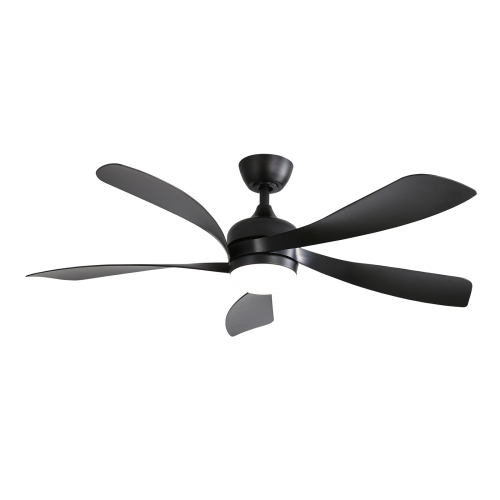
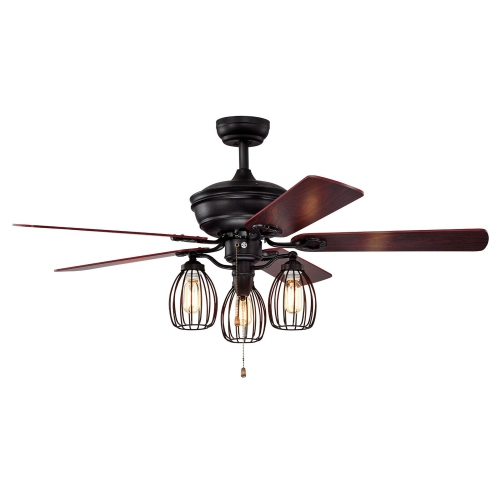
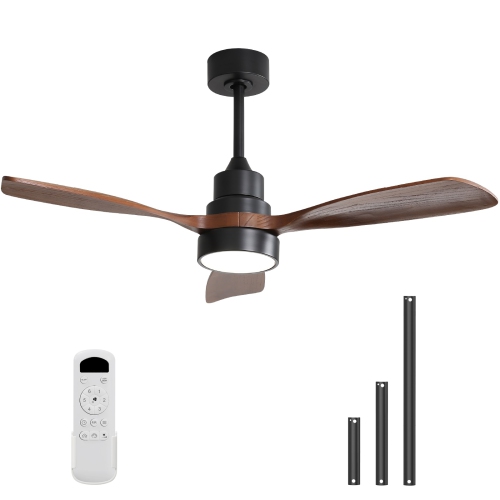
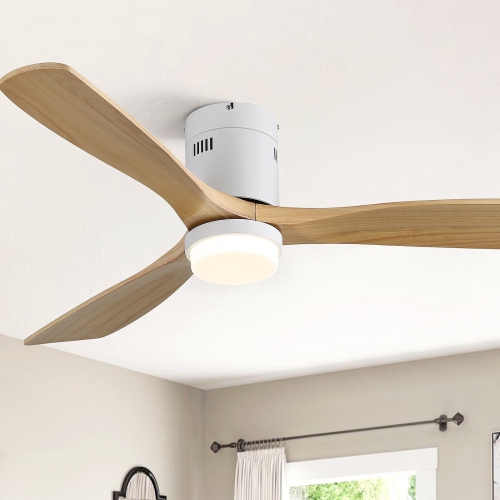
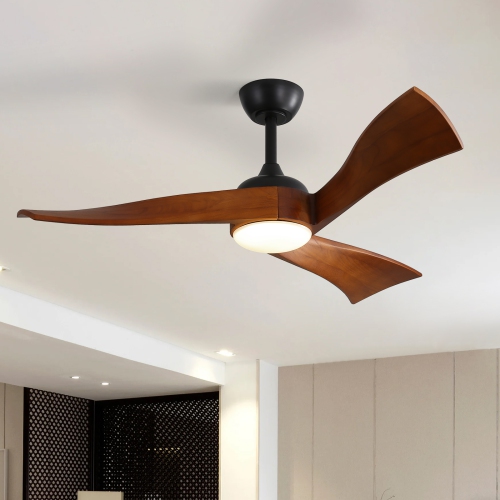
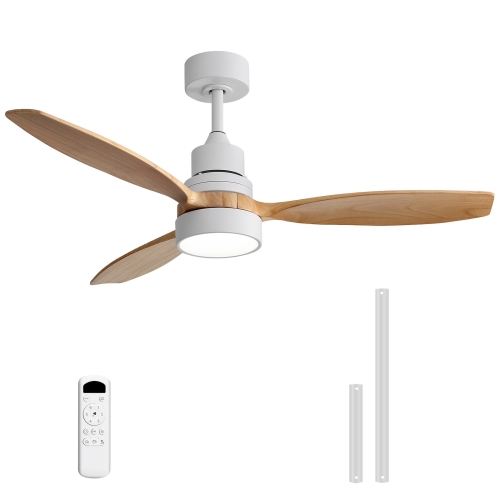
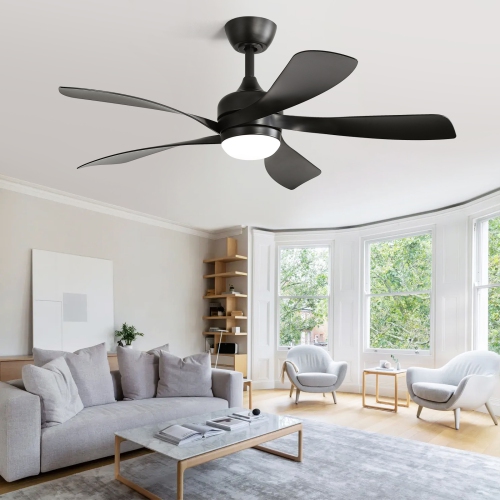
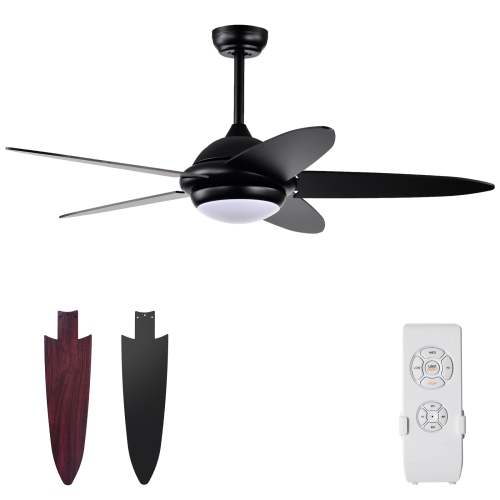
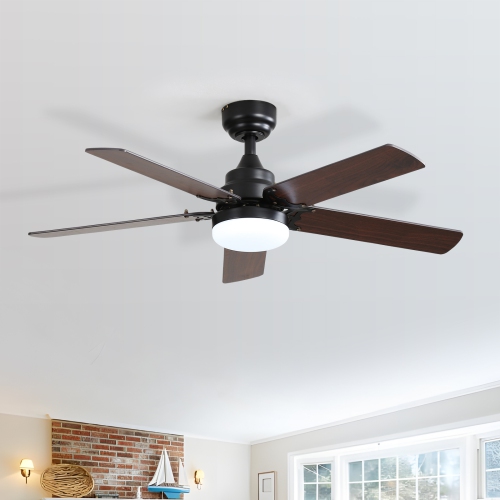
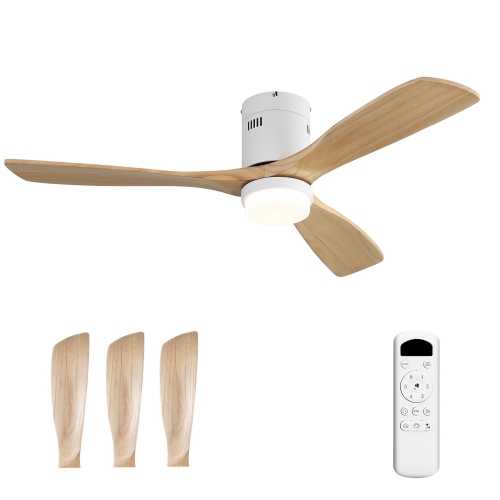
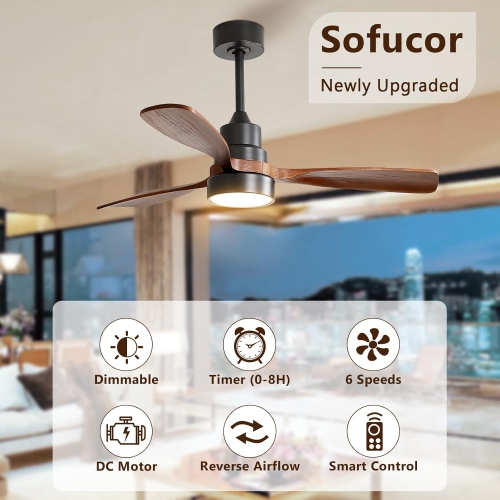
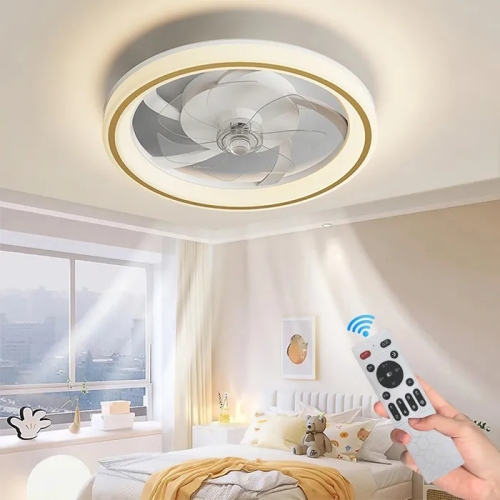
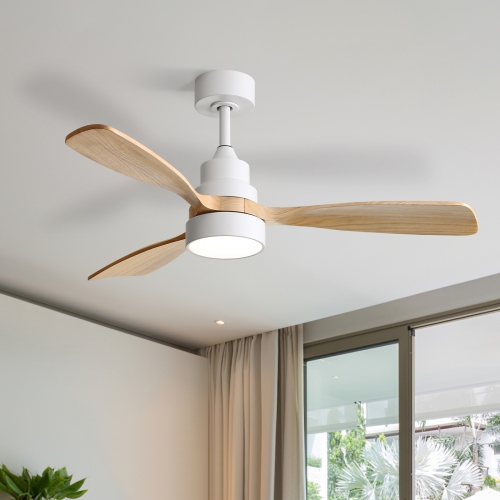
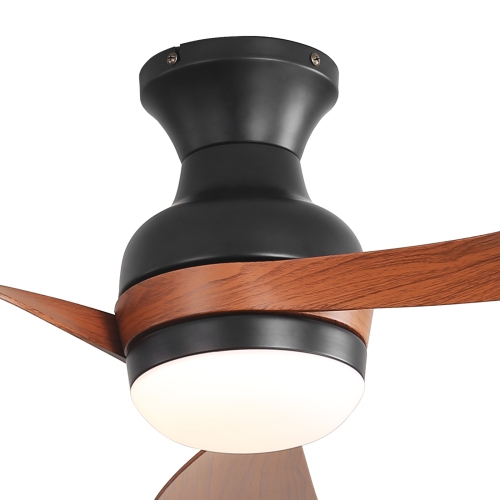
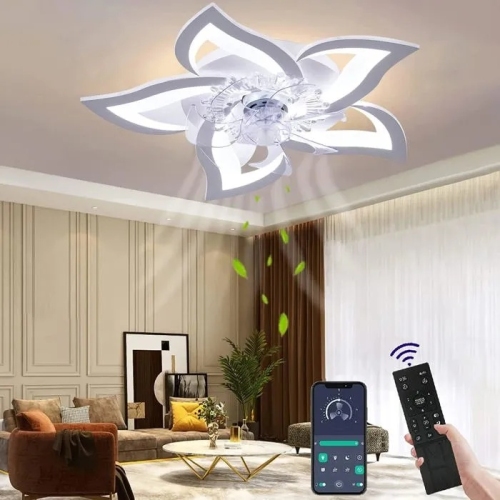
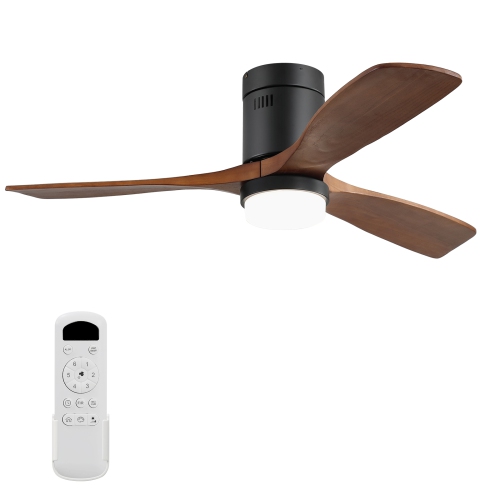
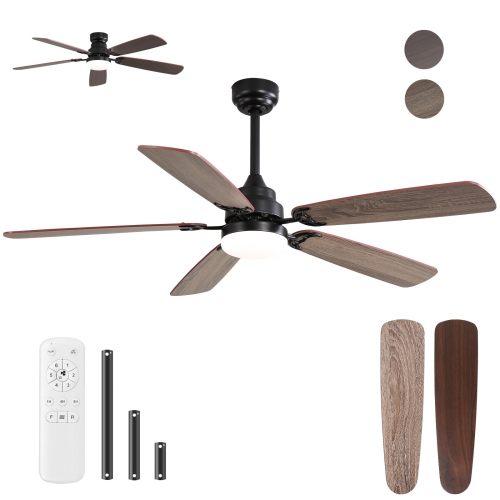
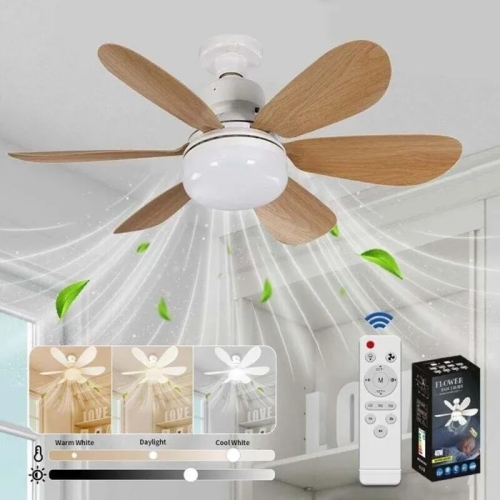
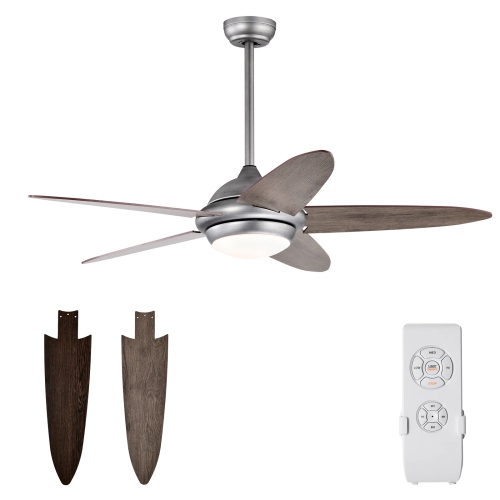
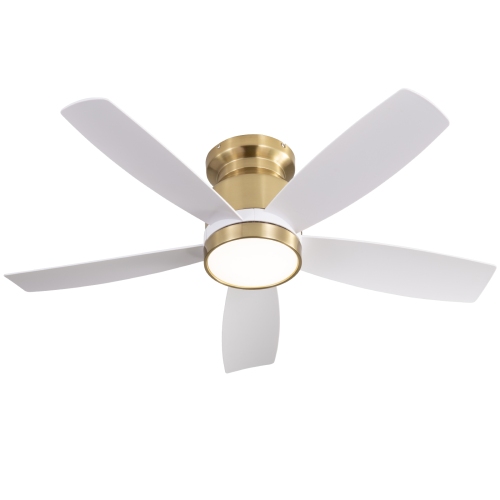
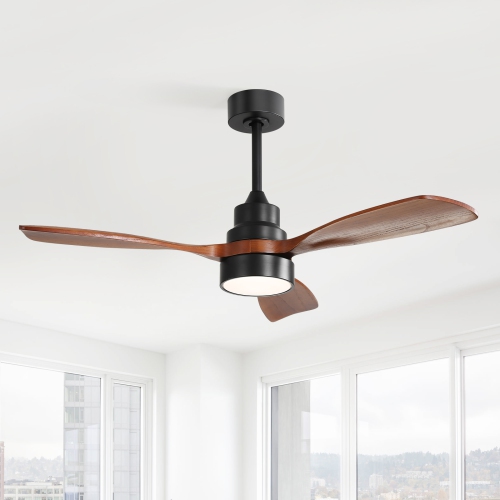
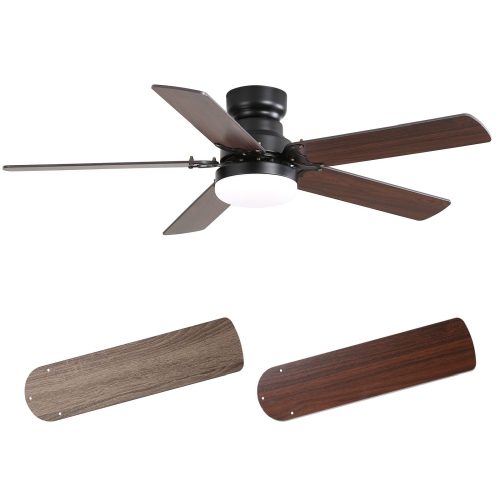
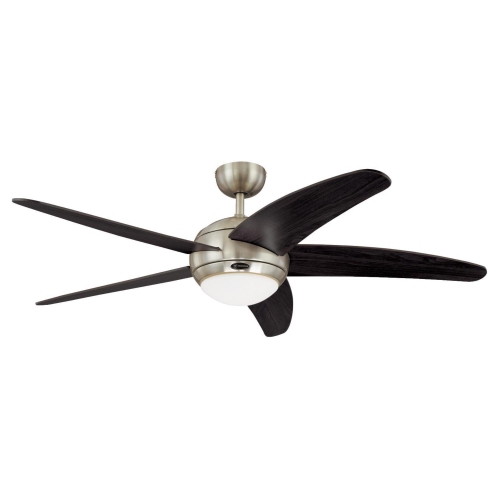
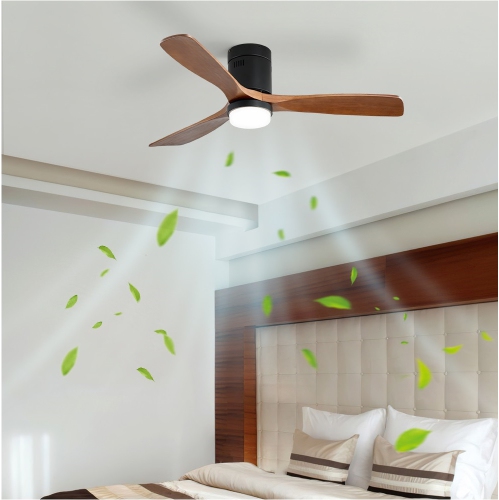
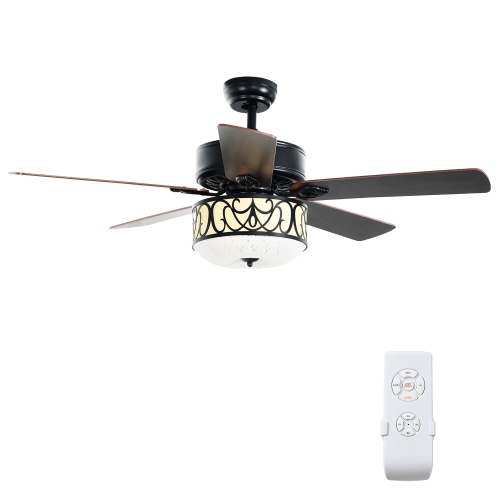
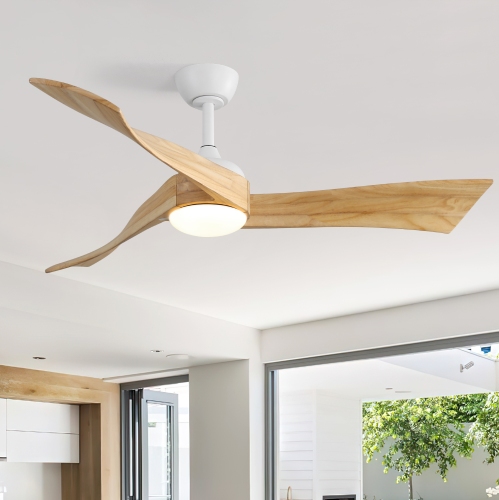
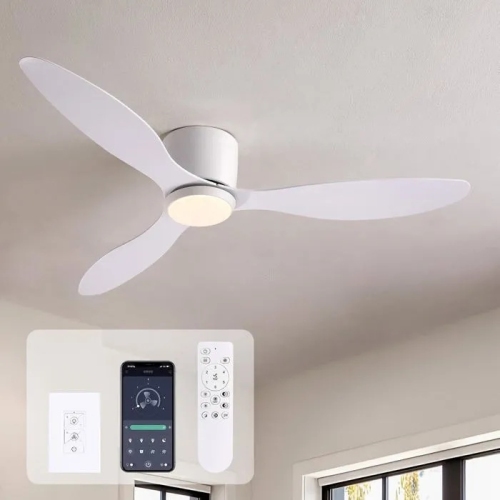
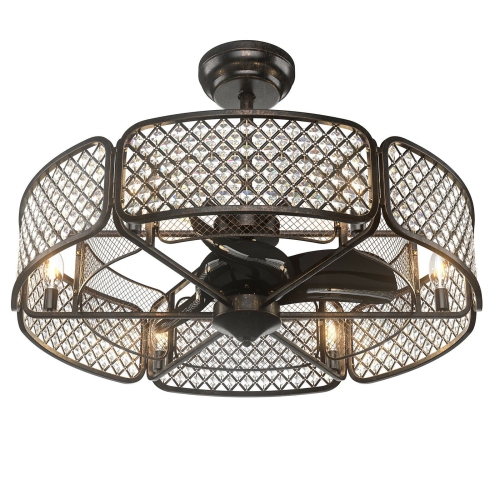
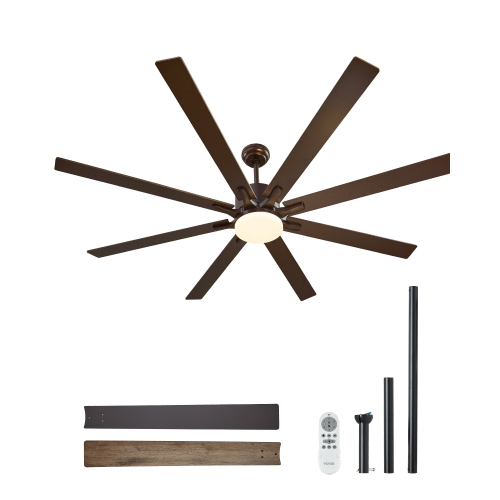
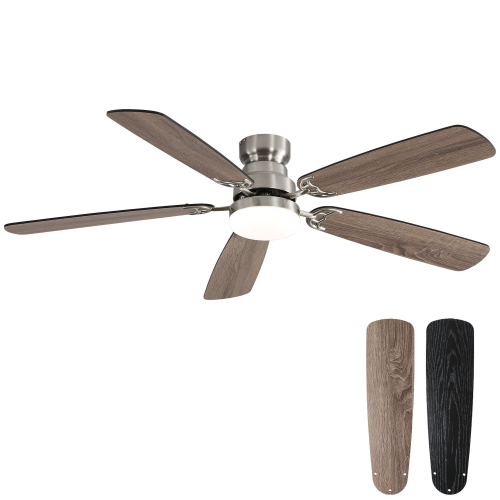
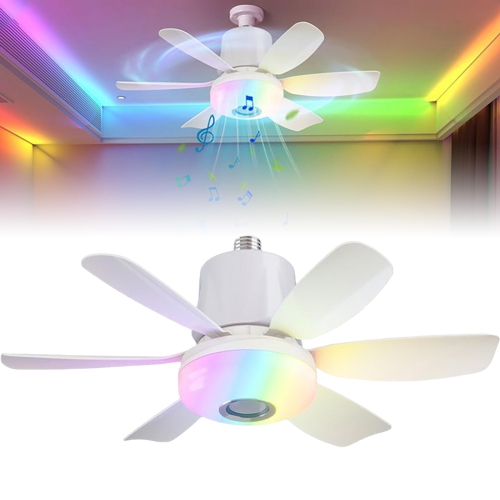
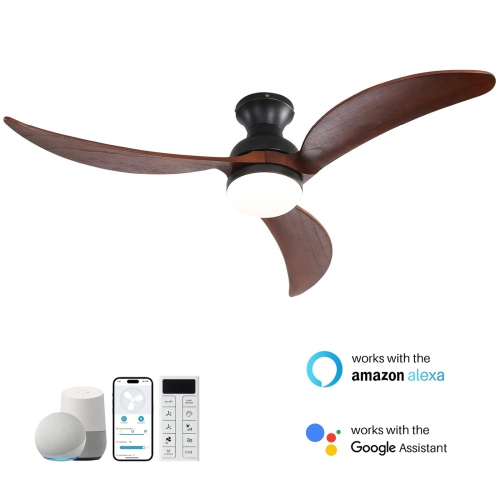
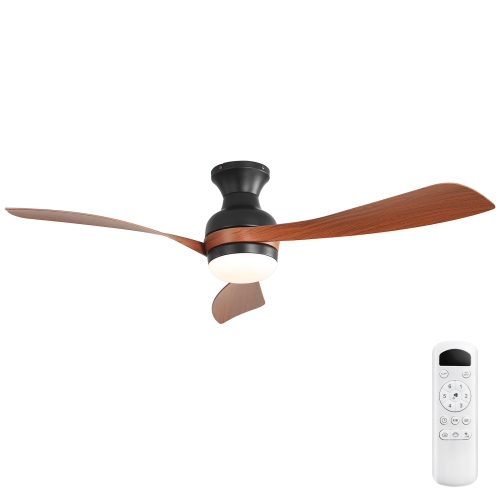
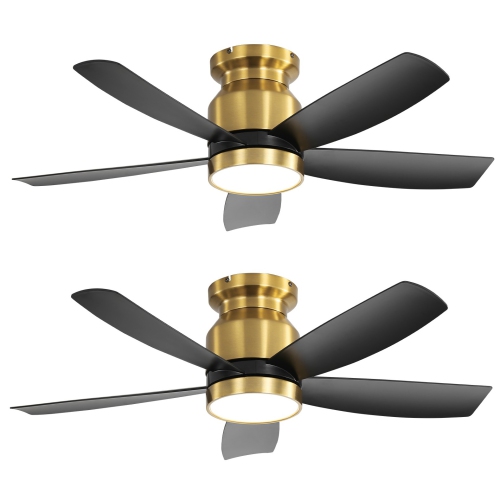
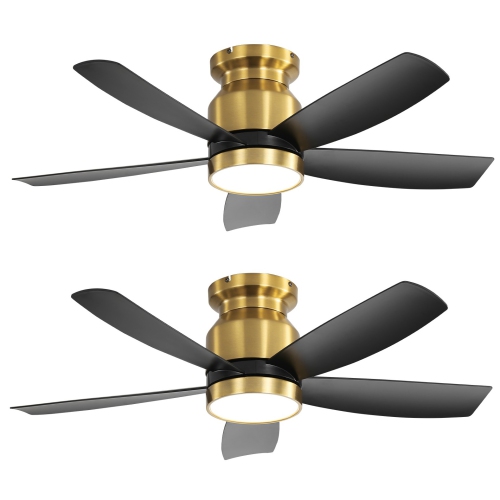
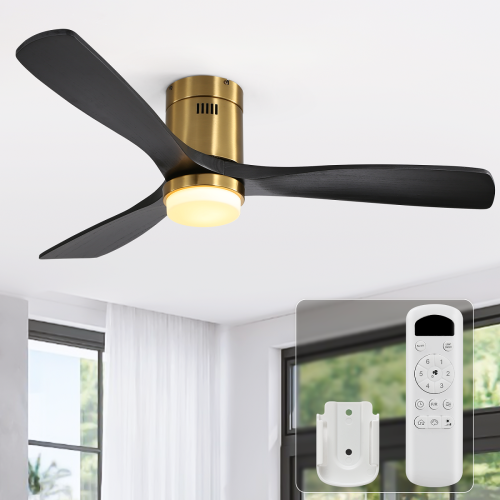
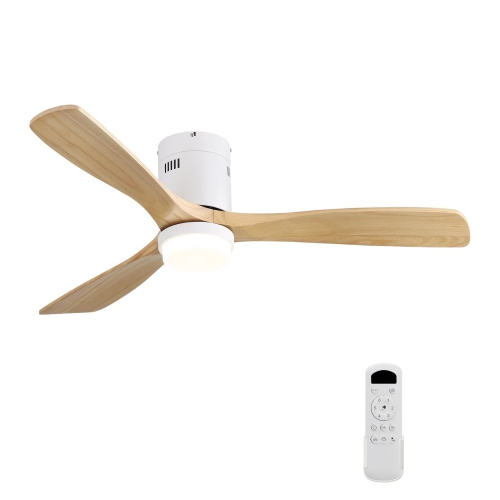
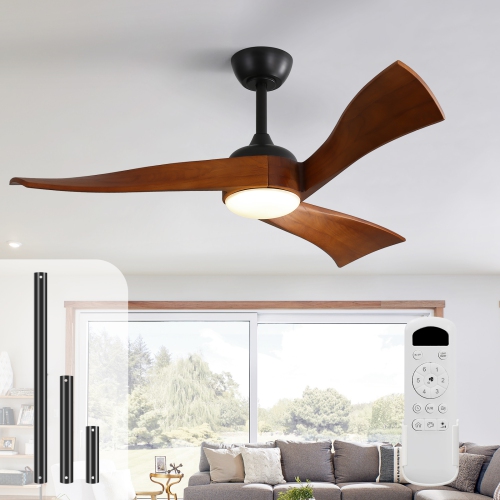
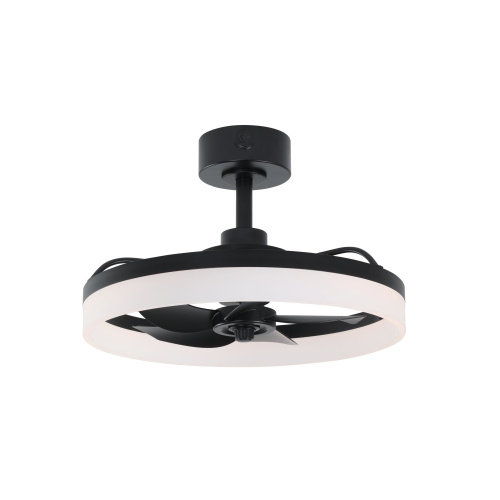
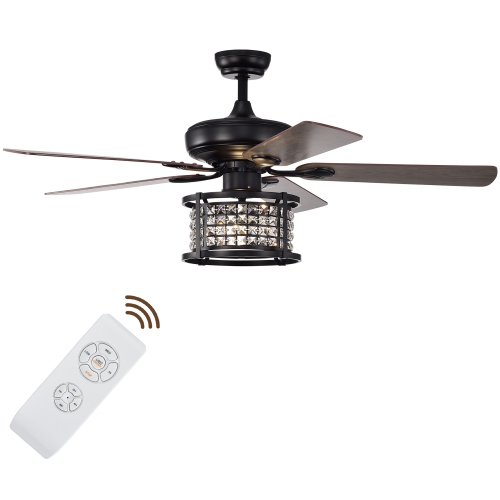
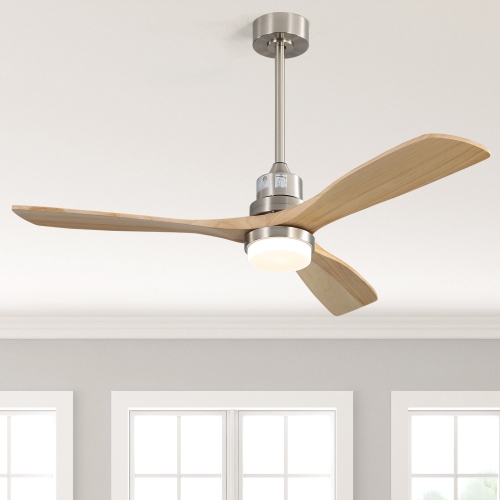
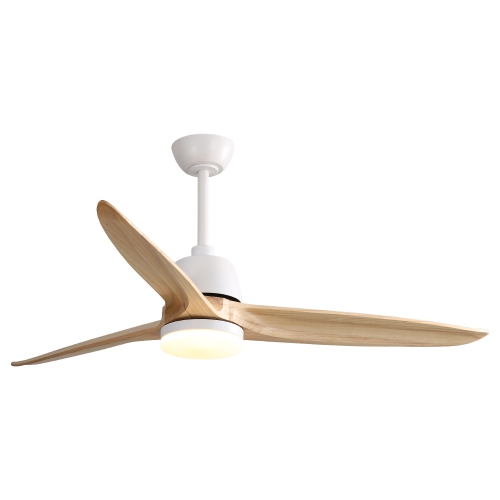
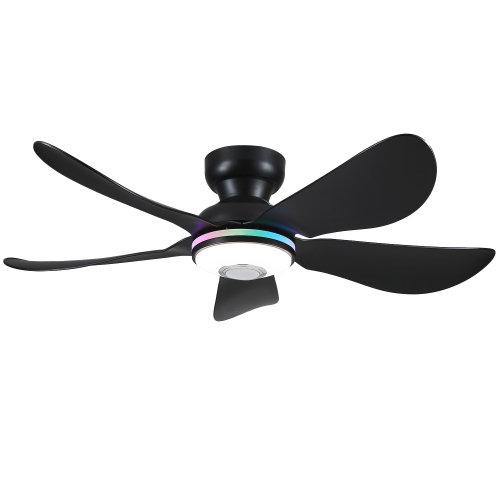
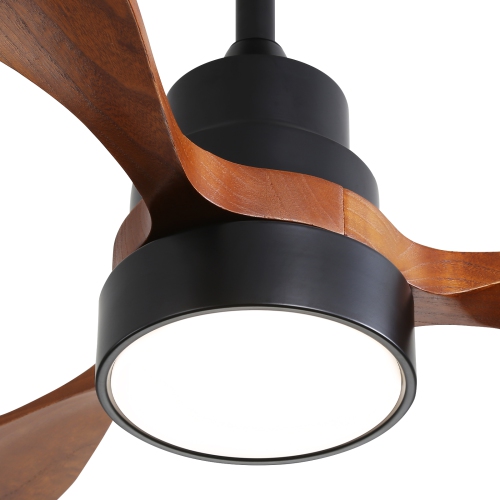
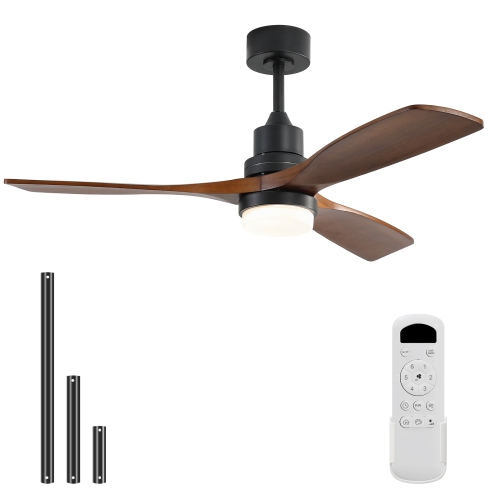
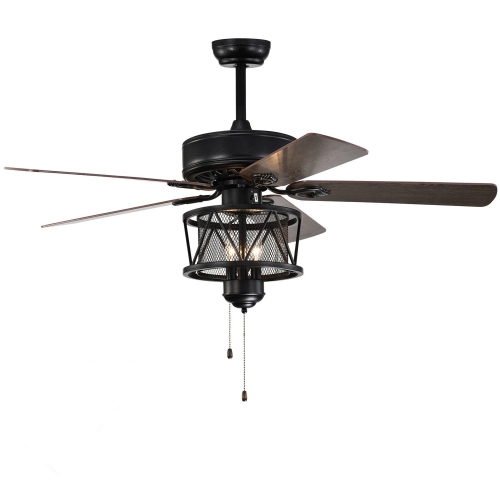
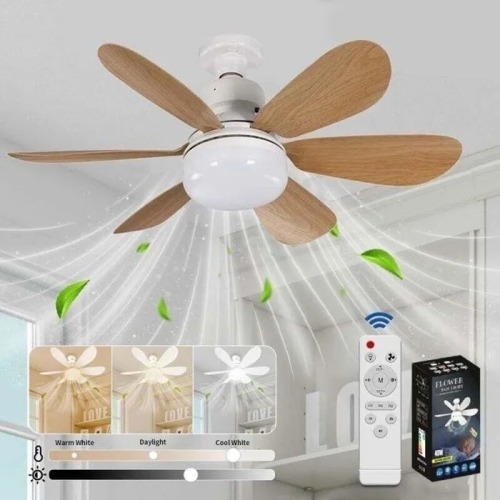
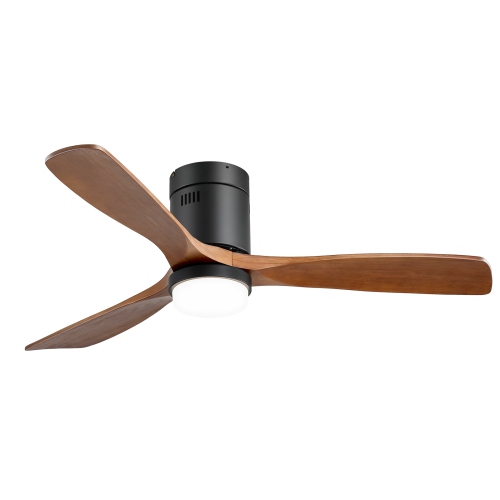
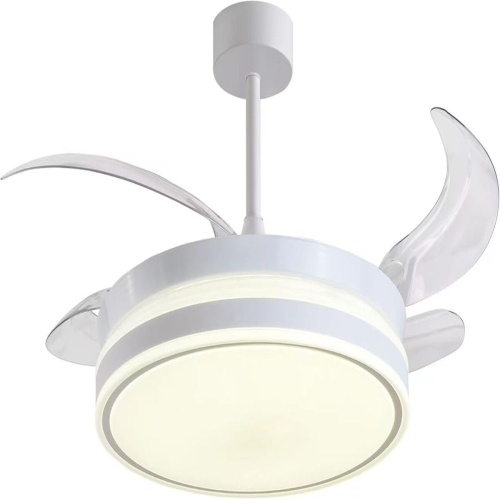
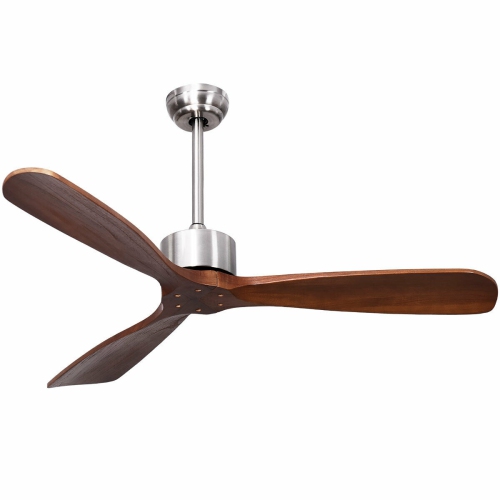
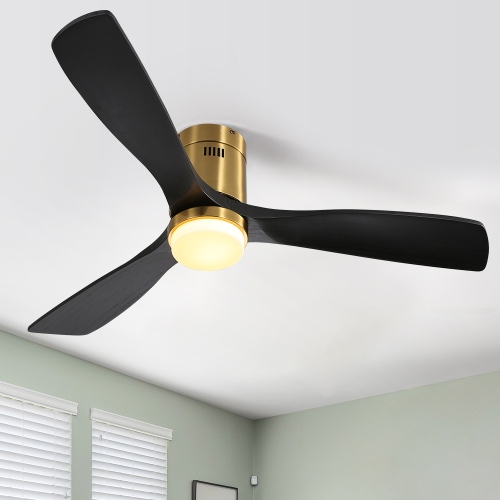
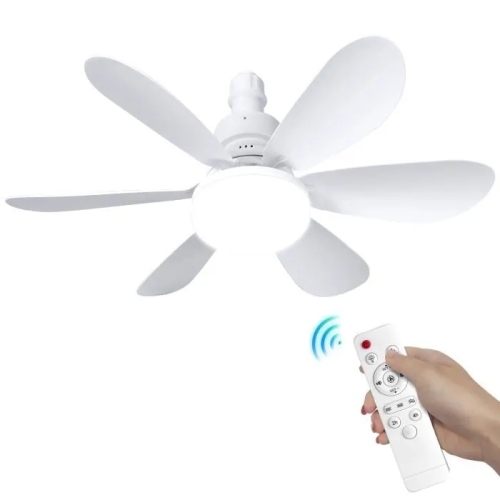
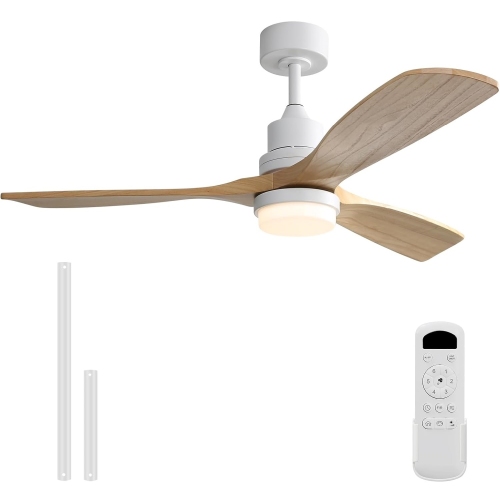
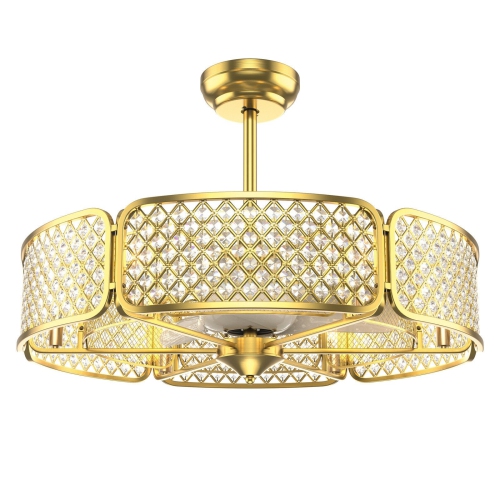
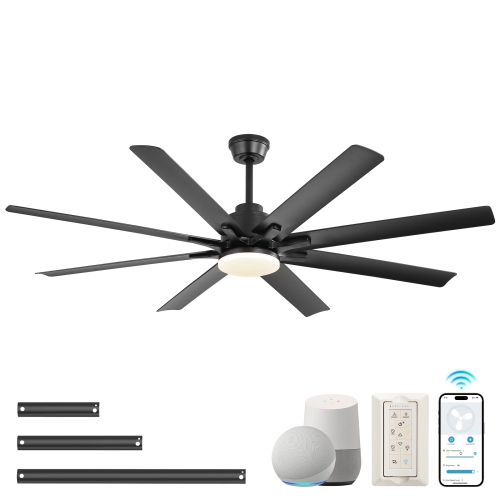
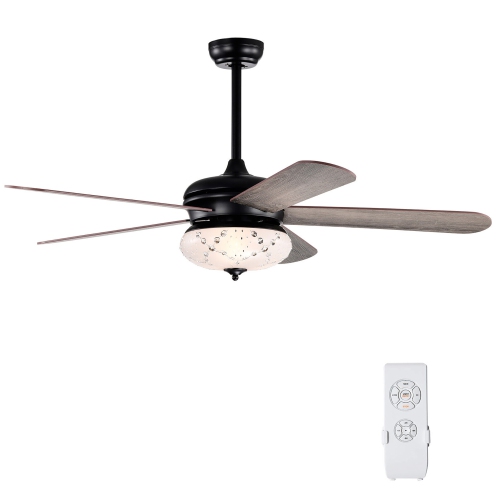
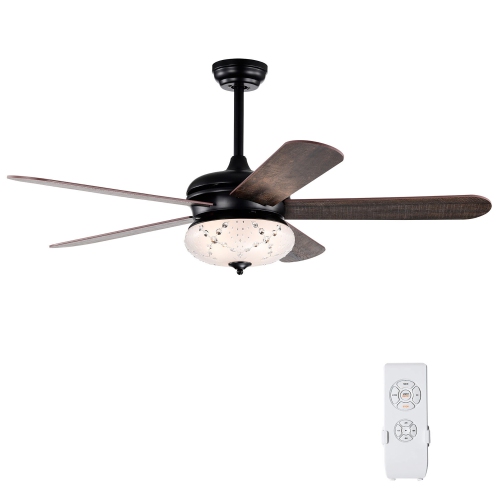
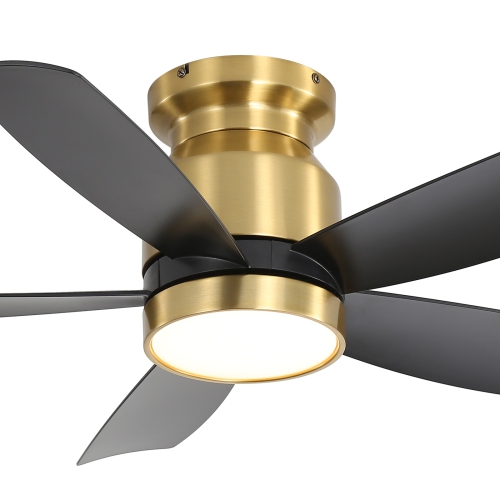
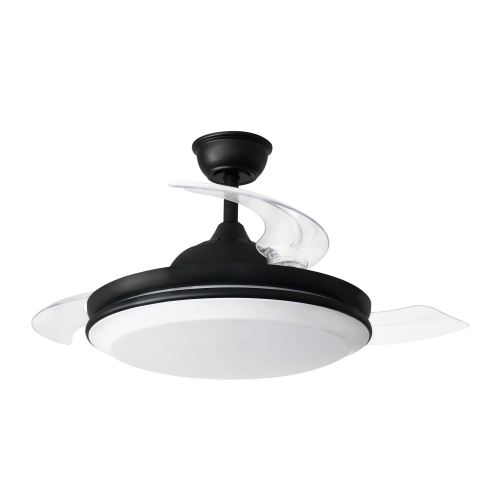
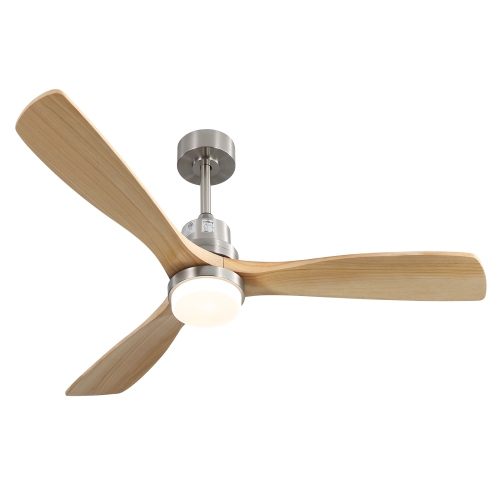
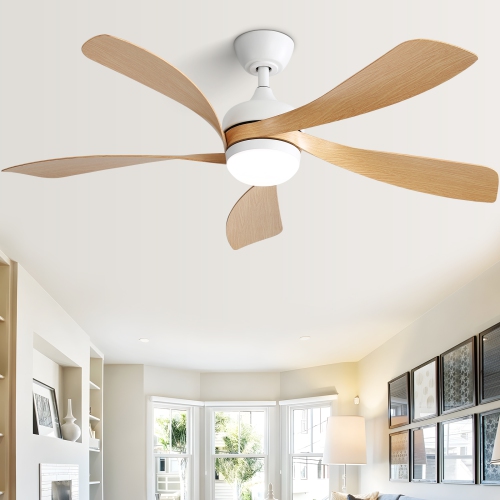
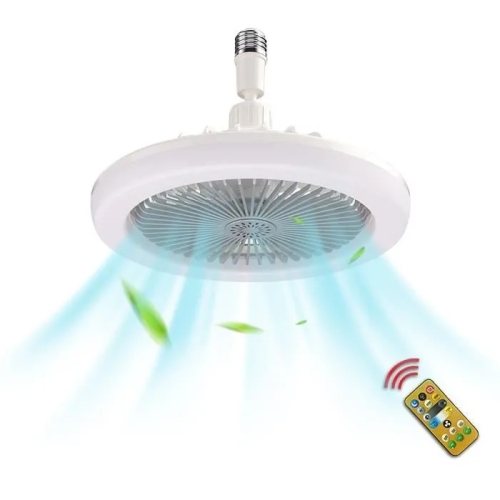
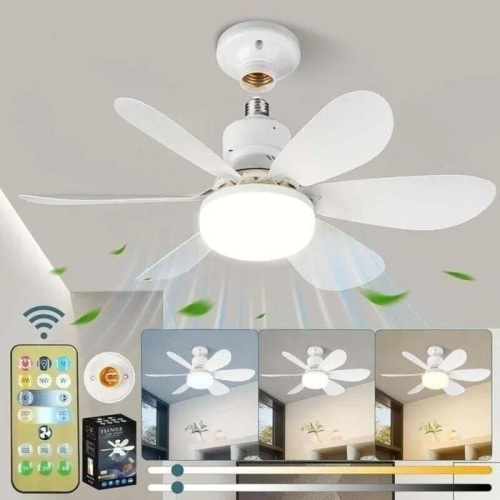
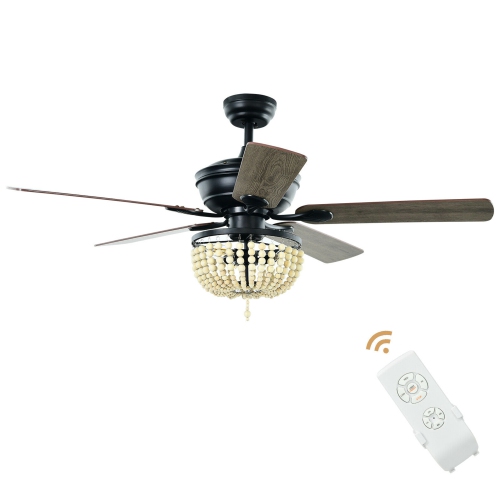
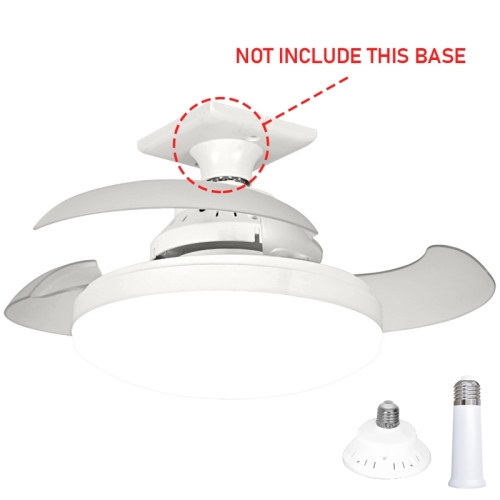
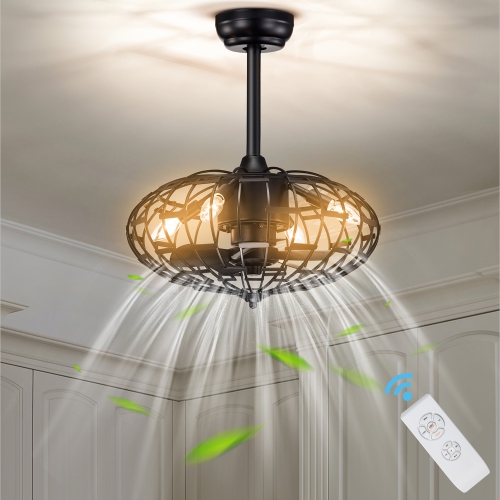
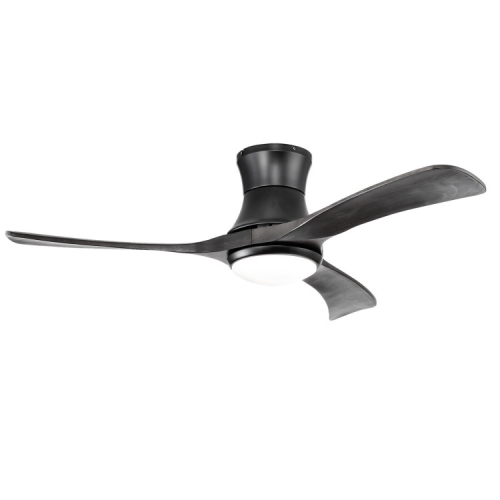
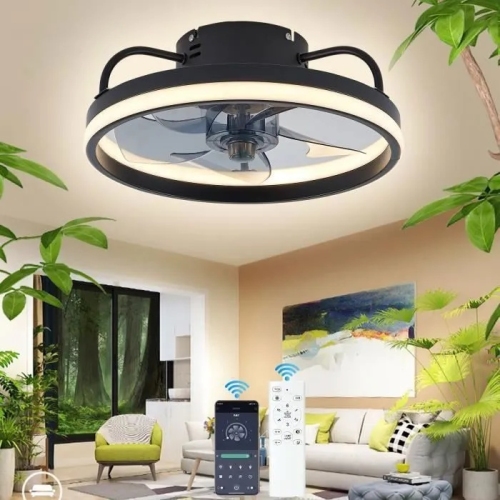
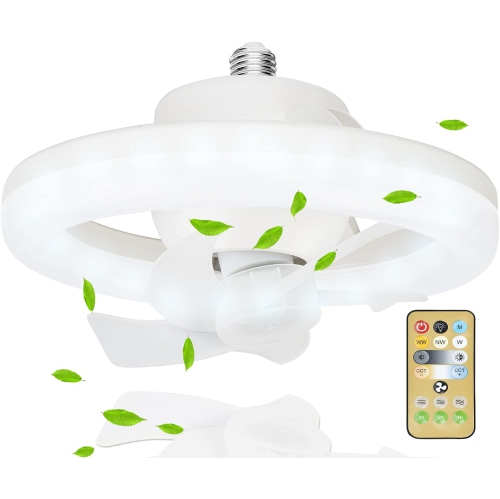
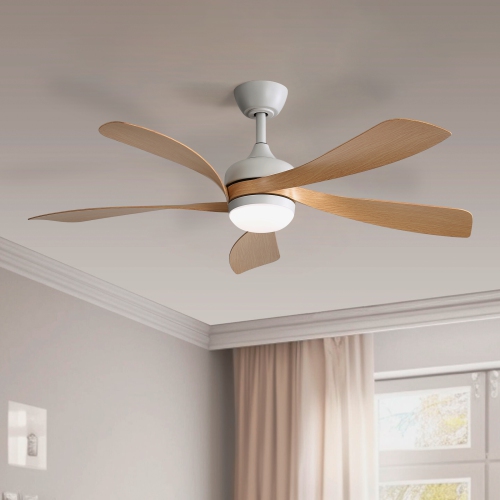
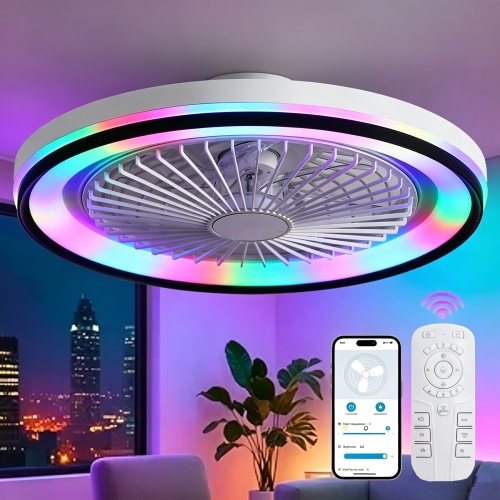
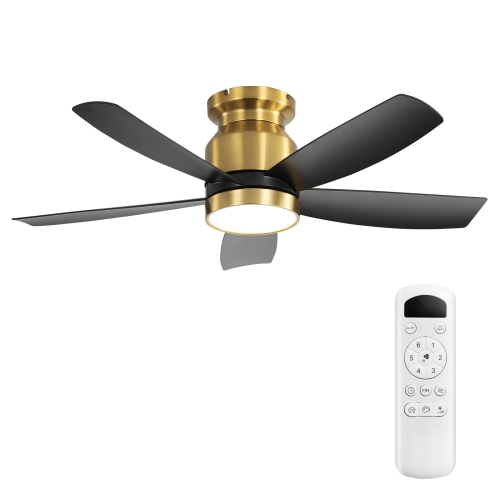
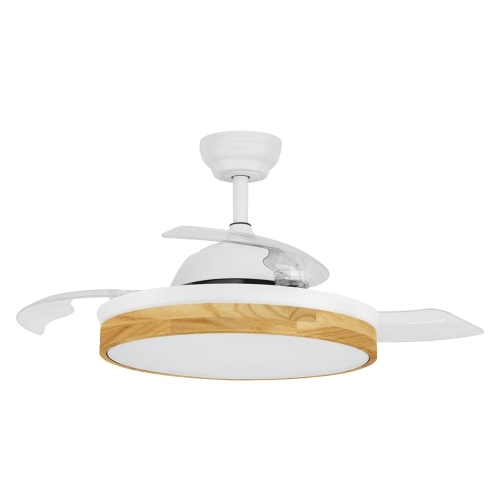
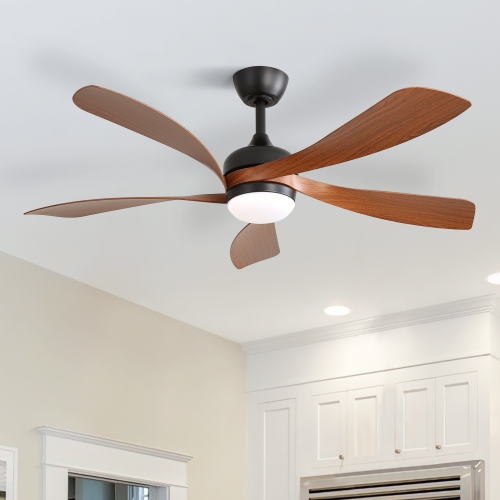
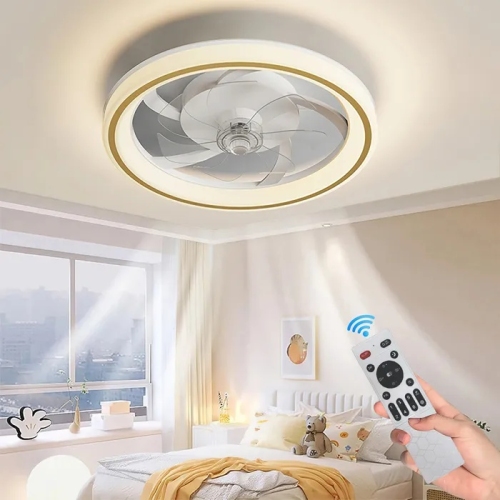
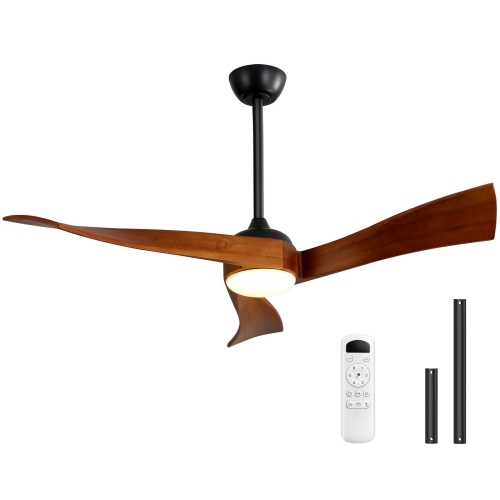
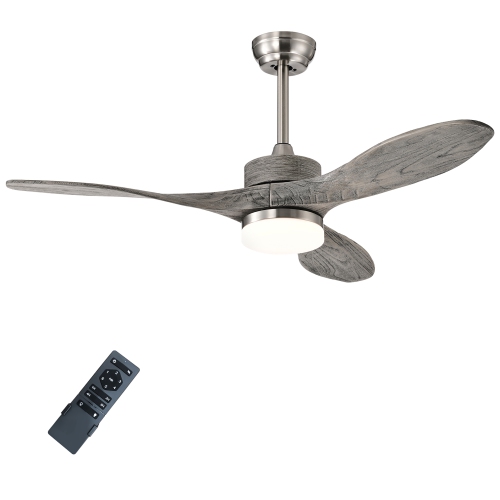
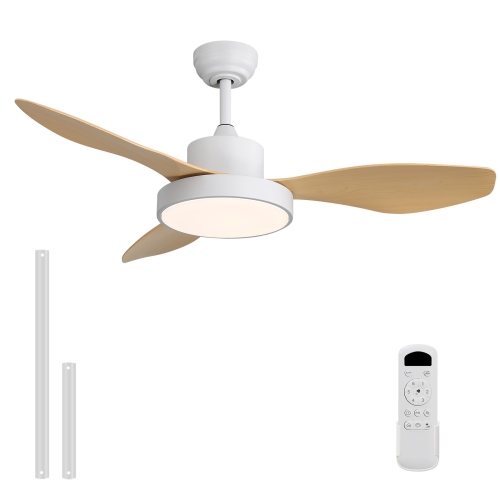
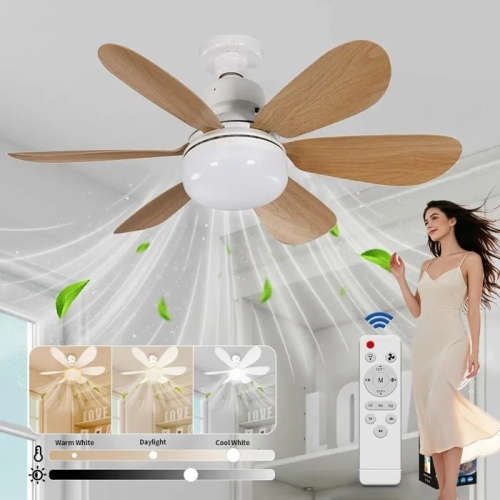
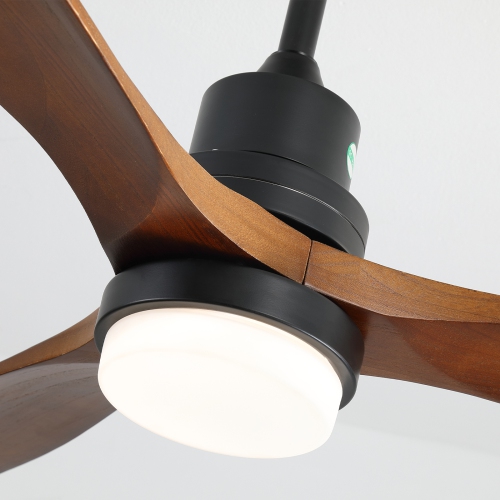
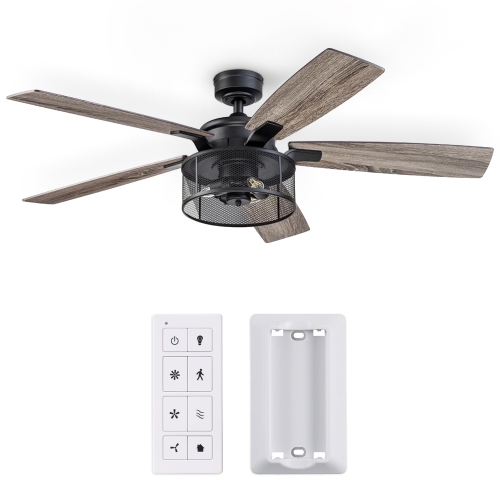
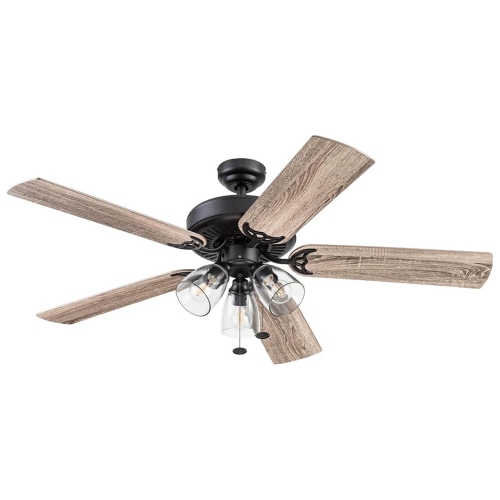
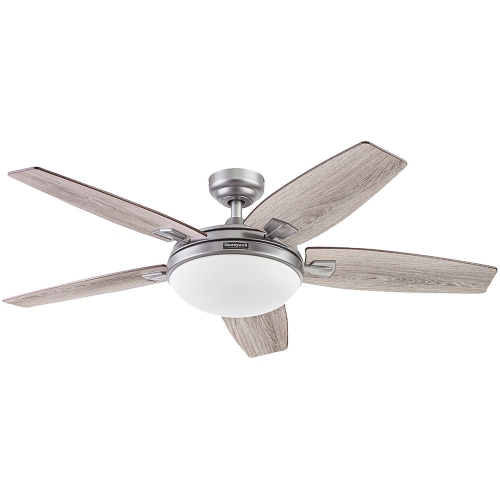
Decorative ceiling fans combine air circulation with architectural style, and designs with integrated lighting can also serve as a room’s central light fixture. Their visual impact comes from the relationship between the blades, motor housing, light shade, and ceiling mount. A streamlined fan with slender blades can sit comfortably in a contemporary living room, while a design with sculpted wood tones or aged-metal detailing can complement a more traditional interior. In an open-concept space, the finish can connect the seating area with nearby cabinet hardware, pendant lights, or furniture legs without making every fixture match exactly. Matte finishes tend to create a quieter visual presence; polished surfaces catch the light and draw more attention overhead. Blade shape matters just as much as colour. Broad, gently curved blades create a different impression from straight, angular ones, even when the overall fan diameter is similar. For rooms with prominent ceiling beams, patterned wallpaper, or detailed cabinetry, a simpler silhouette can keep the space from feeling crowded. A more expressive fan can become the focal point in a room with plain walls and understated furniture. Wood tones are particularly useful for adding visual warmth alongside upholstery, stone, and painted surfaces; Wood Ceiling Fans offer a related direction for interiors where grain and natural-looking texture are part of the design. The underside deserves attention, too, since that is the view from a sofa, bed, or dining chair. An enclosed light shade, exposed bulb arrangement, or sculptural centre housing can noticeably change that perspective. A decorative ceiling fan should feel proportionate to the furniture below it and consistent with how the room is used, whether that means a subtle fixture above a reading area or a more substantial presence in a large family room. The most successful choice feels like part of the room’s architecture rather than an accessory added after everything else.
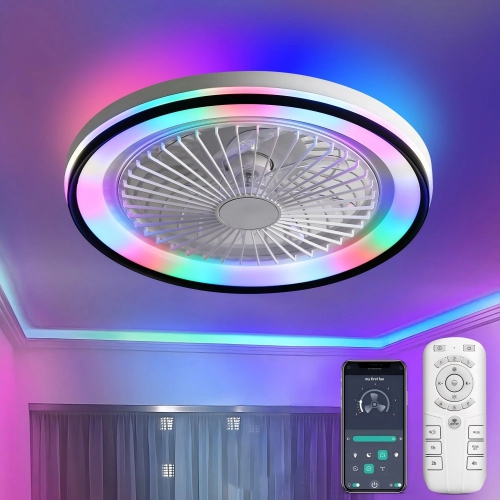
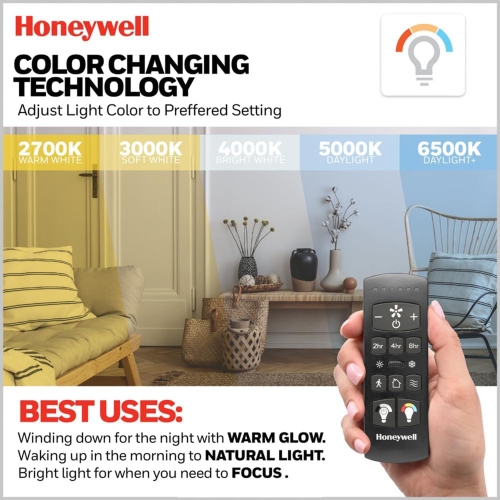
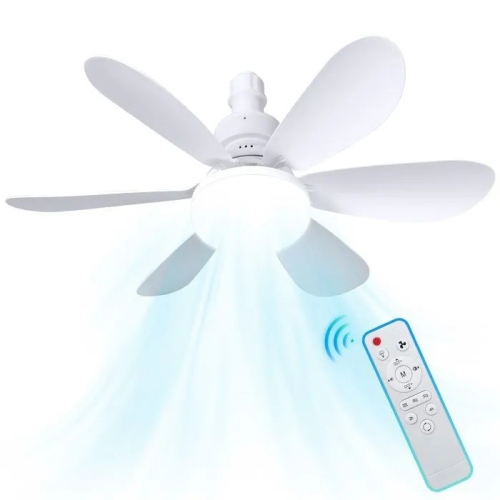
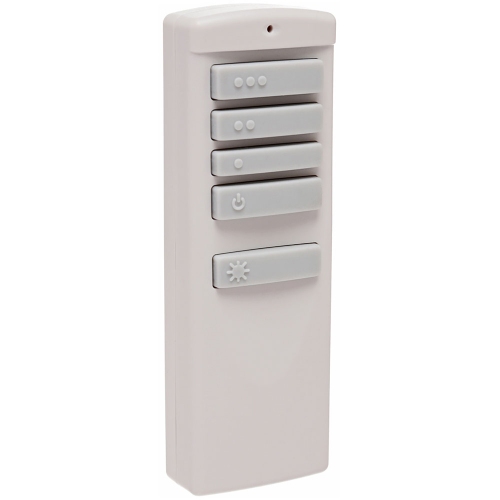
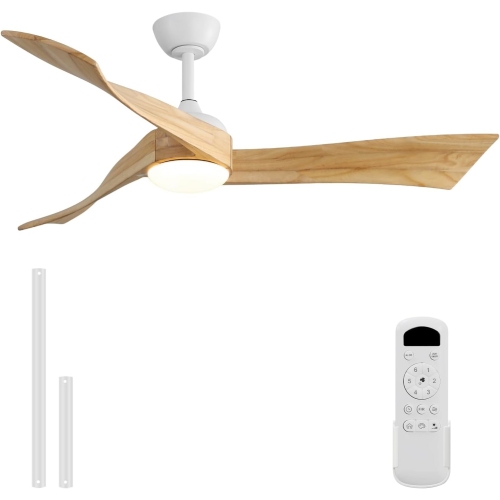
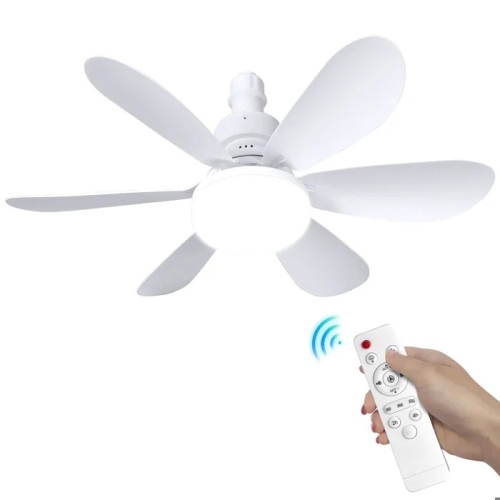
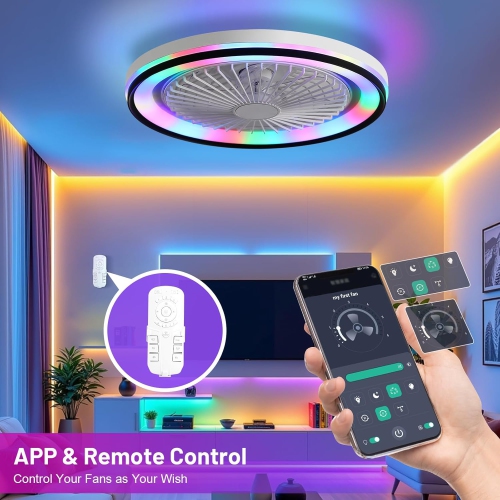
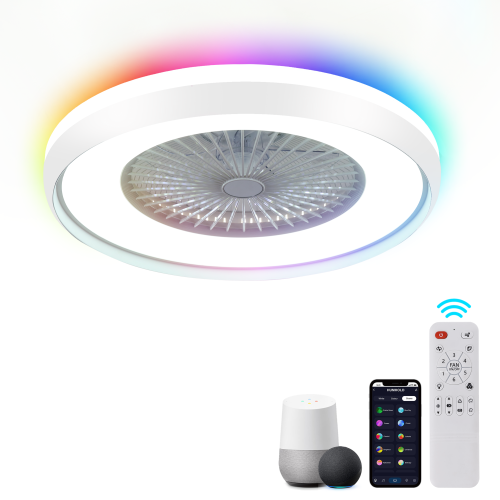
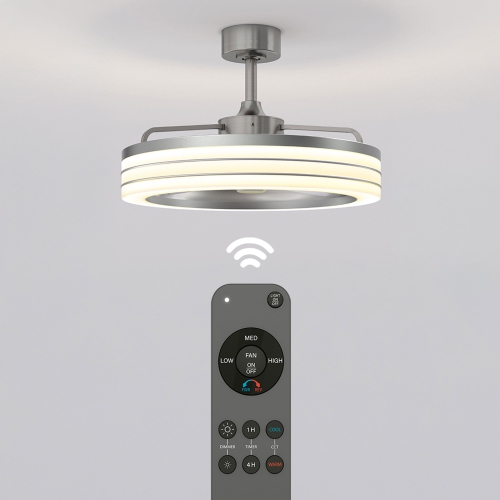
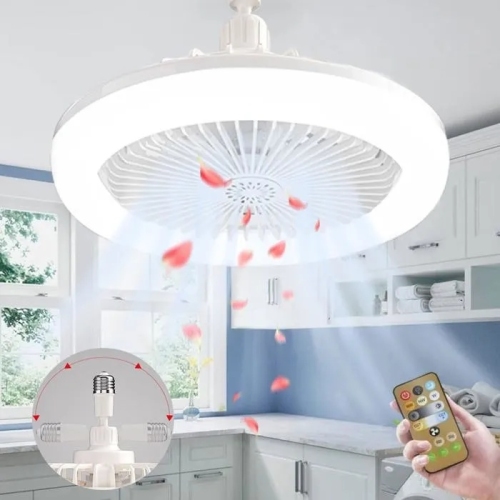
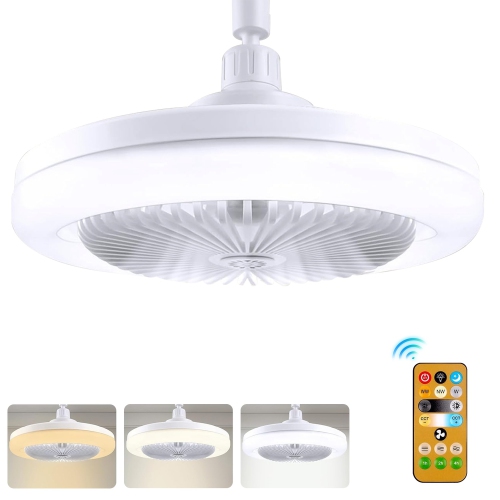
Fit involves more than choosing a blade span that looks right in a photograph. Room dimensions, ceiling height, nearby walls, and the position of doors or tall furniture all affect placement. A compact bedroom needs a different scale from a broad living area, and an oversized fan can overwhelm a narrow room even when its finish suits the décor. Measure the space and compare it with the manufacturer’s room-size recommendations, mounting requirements, and clearance instructions. Blades need adequate distance from the floor and surrounding obstacles, with applicable local electrical and building requirements taken into account. Flush-mount designs sit close to the ceiling, while downrod-mounted fans hang lower and may suit taller spaces. A sloped ceiling may require a compatible angled mount, so mounting compatibility should be confirmed before installation. The electrical box also needs to be rated to support a ceiling fan, rather than merely a light fixture; a qualified electrician can assess the location and complete the electrical work. Beyond physical fit, airflow and sound influence everyday enjoyment. Blade count alone does not establish how much air a fan moves, and a larger number of blades does not automatically mean quieter operation. Motor design, blade pitch, speed settings, and correct installation all contribute. Published airflow and sound information, where provided, is more useful than appearance alone when comparing suitability for a bedroom, home office, or shared living space. Controls deserve similar attention. A remote can make adjustments convenient from a bed or sofa, while compatible wall controls provide a familiar place to operate the fan. Separate fan and light controls allow each function to be used independently. For illuminated designs, consider brightness, light distribution, dimming compatibility, and whether the light source is replaceable or integrated. A shaded light can provide comfortable general illumination, but a reading chair or kitchen work surface may still need dedicated task lighting. These practical details help a decorative fixture work comfortably within an established room layout.
Materials and construction affect both the appearance of a decorative ceiling fan and the care it needs over time. Solid wood, engineered wood, metal, and moulded blade materials each offer different finishes and maintenance requirements. A wood-look surface may provide the grain pattern a room needs without being solid timber, so material descriptions are worth reading closely. Metal housings can range from smooth painted finishes to brushed or plated surfaces, while glass shades may be clear, frosted, or textured. These choices influence how noticeable dust and fingerprints become, as well as how light spreads across the ceiling and walls. Durability depends on more than the visible finish: secure blade attachments, a well-supported mounting assembly, and components suited to the installation location all matter. A covered porch or other moisture-exposed space requires a fan explicitly rated for those conditions; an indoor decorative fan should not be assumed suitable simply because it is sheltered. Routine care is usually straightforward when the manufacturer’s instructions are followed. Switch the fan off, wait for the blades to stop, and use safe access equipment before cleaning. A soft cloth can lift dust from blade surfaces and the housing, while abrasive cleaners or excess moisture may damage certain finishes. Light shades should be cleaned according to their material and removed only as directed. Dust accumulation, a loose fitting, or an installation issue can contribute to unwanted noise or movement, so a persistent wobble warrants attention rather than being treated as normal. In a bedroom, easy-to-reach controls and an unobtrusive light shade may be priorities; in a dining room, the relationship between the fan and the table often deserves more attention. For a home office, light placement that avoids distracting reflections on a screen can matter as much as the fixture’s decorative character. Balancing those everyday needs with the blade shape, finish, and overall proportions helps create a room that feels considered from floor to ceiling.
Top selling and popular products
-
 Your price for this item is $139.99
-
 Your price for this item is $317.99
-
 Your price for this item is $299.99
-
 Your price for this item is $208.99
-
 Your price for this item is $362.99
-
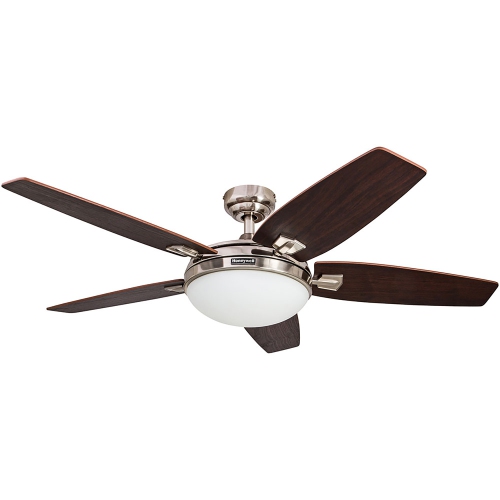 Your price for this item is $338.99
-
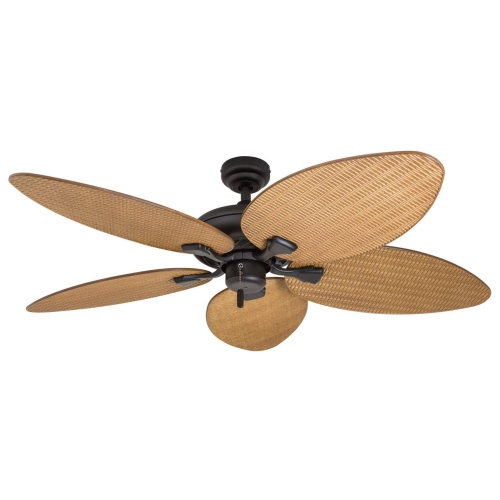 Your price for this item is $404.99
-
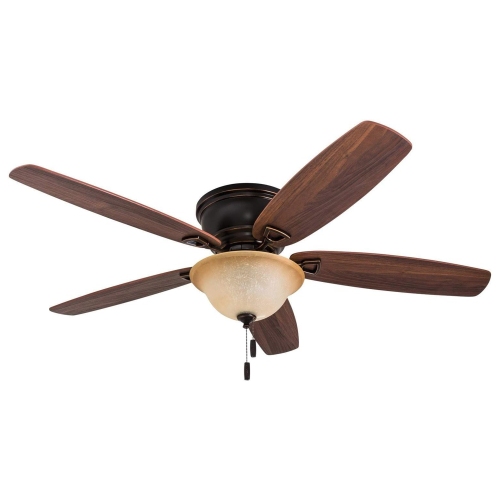 Your price for this item is $321.99
Discover more categories related to Decorative Ceiling Fans
Top Collections:
Best Black Friday Deals This Year, Best Black Friday Deals On Electronics, Kindle Devices, Pokemon Centers, Best Black Friday Deals On Apple Products, Best Cameras for Sports Photography, Dyson Airwrap, Pokémon 30th Celebration Cards, Apple iPhone 17 Pro, Canon G7X Cameras
Some products may be subject to Environmental Handling Fees
(EHF) depending on your province.
Learn more about EHFs.