Wood Ceiling Fans
Enhance the aesthetic appeal and functionality of any room with our selection of wood ceiling fans. Combining timeless elegance with efficient cooling capabilities, these ceiling fans are the perfect addition to any home or office space. Crafted from high-quality wood materials, these fans not only provide optimal air circulation but also add a touch of natural beauty to your living space. Whether you prefer a rustic, traditional, or modern design, our range of wood ceiling fans offers something for every style preference. Upgrade your interior décor and stay comfortable year-round with these stylish and practical ceiling fan options.
Sort
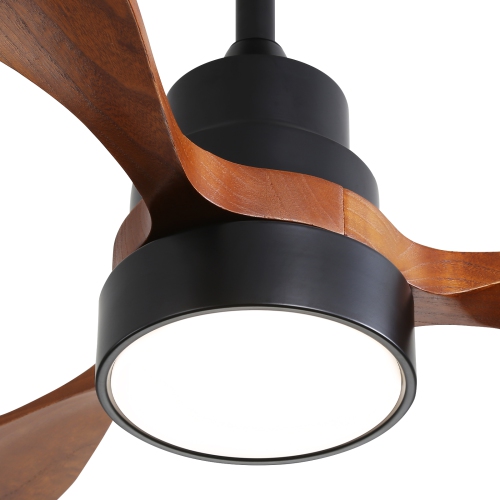
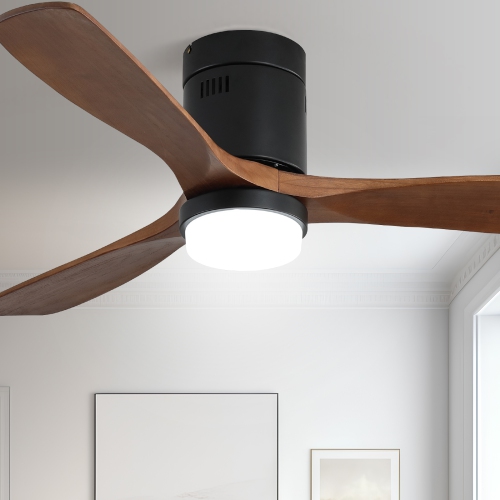
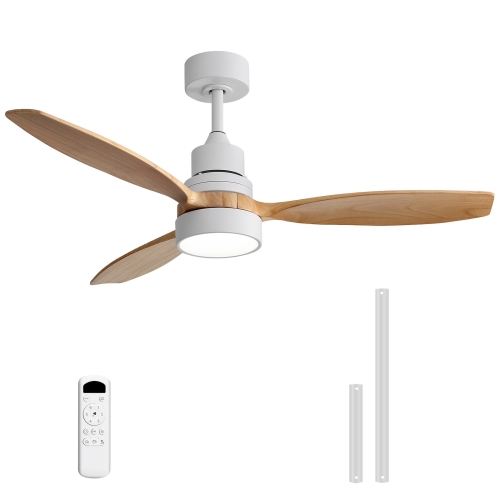
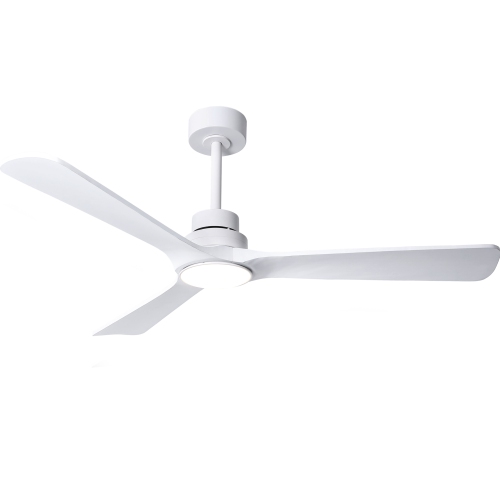
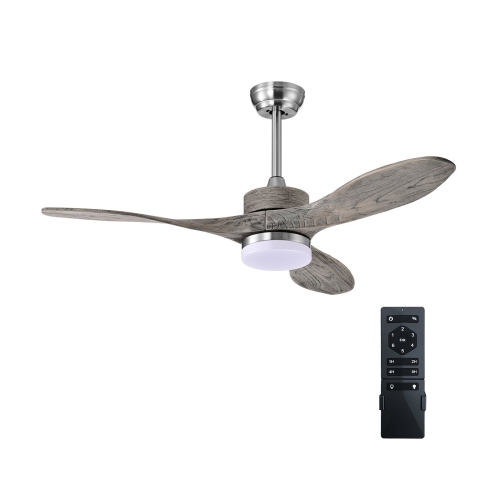
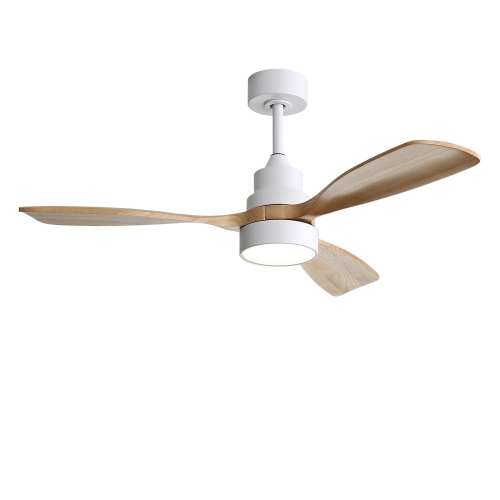
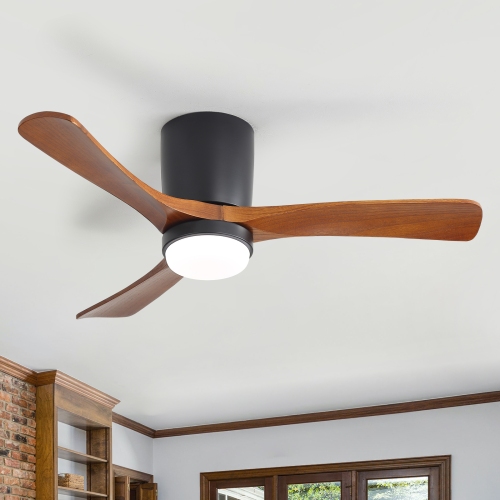
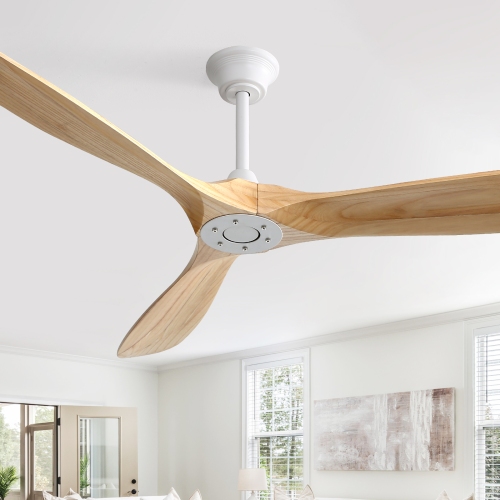
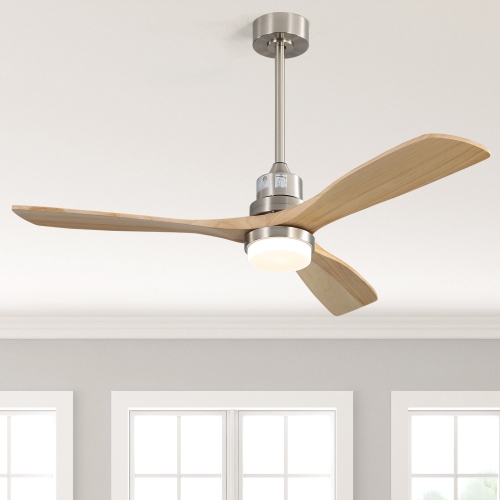
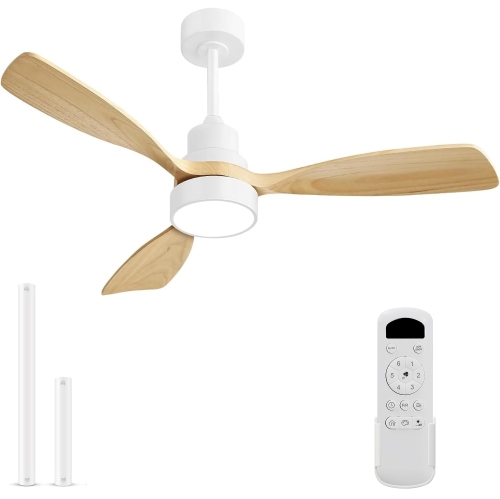
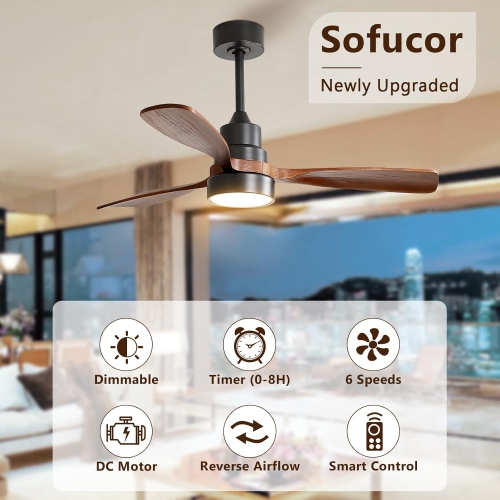
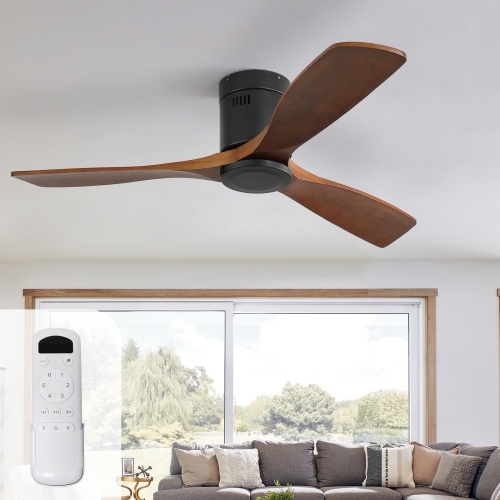
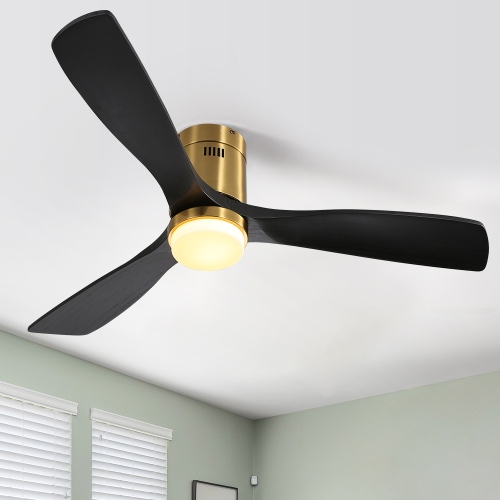
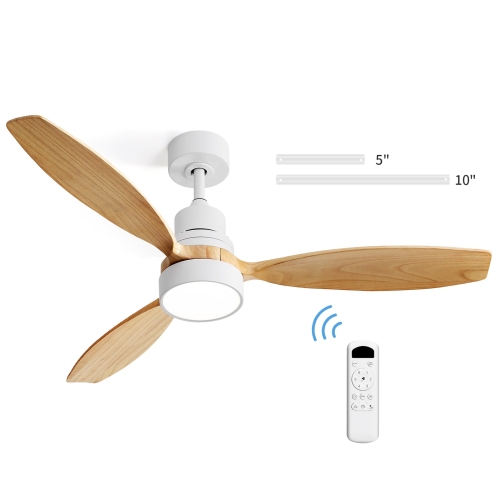
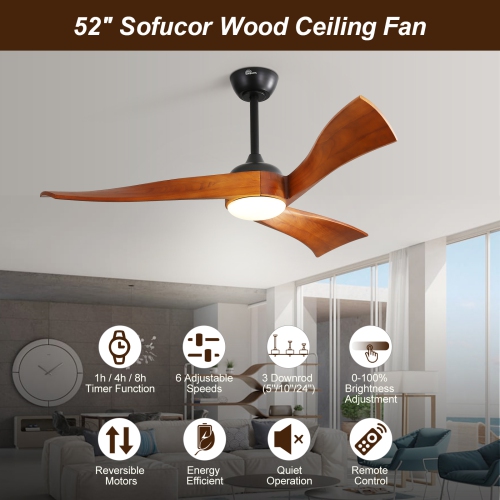
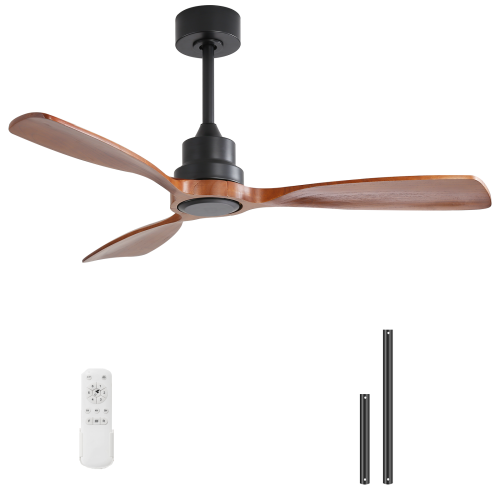
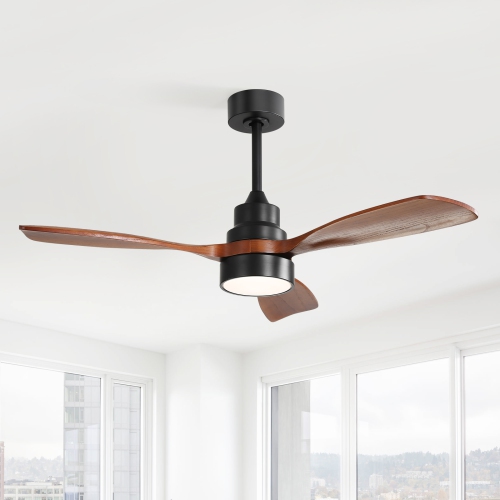
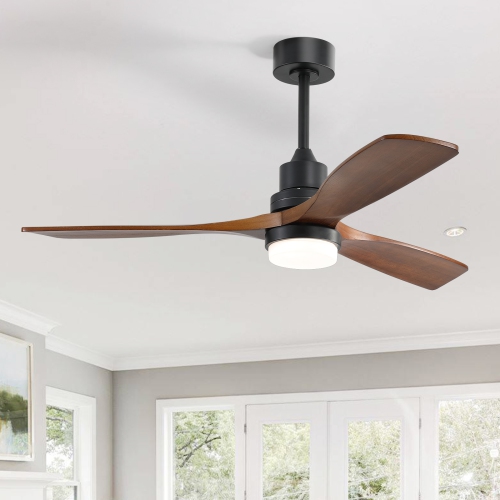
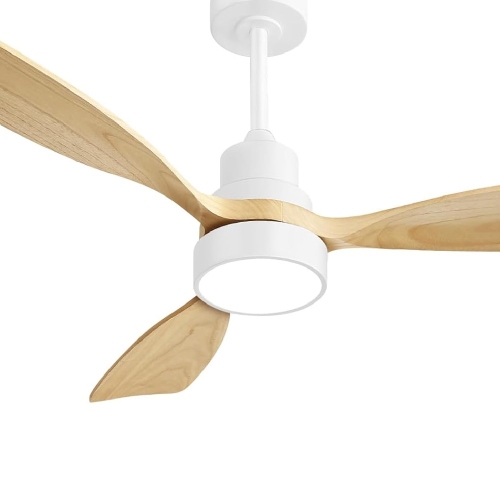
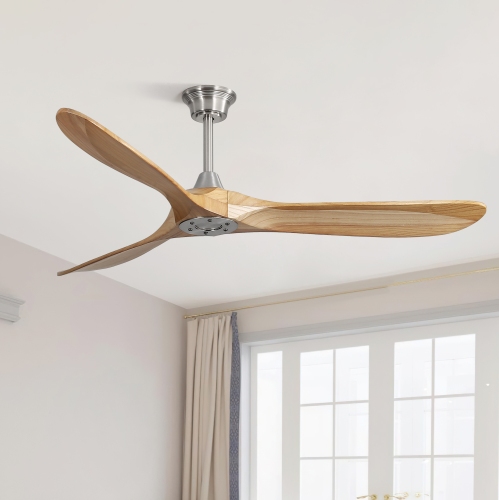
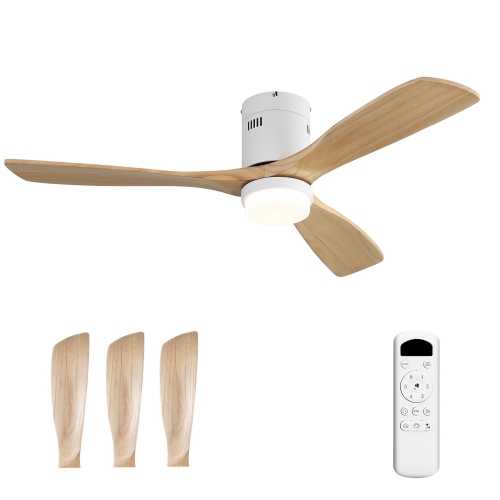
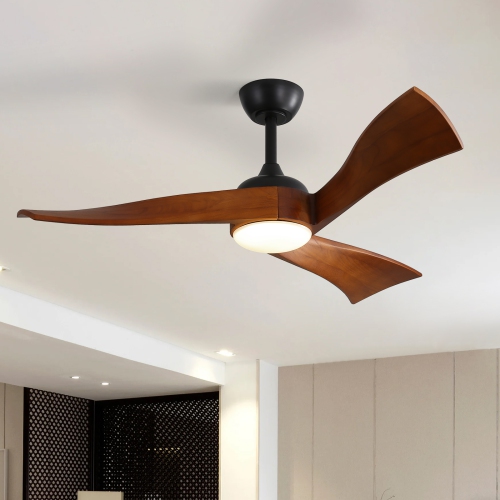
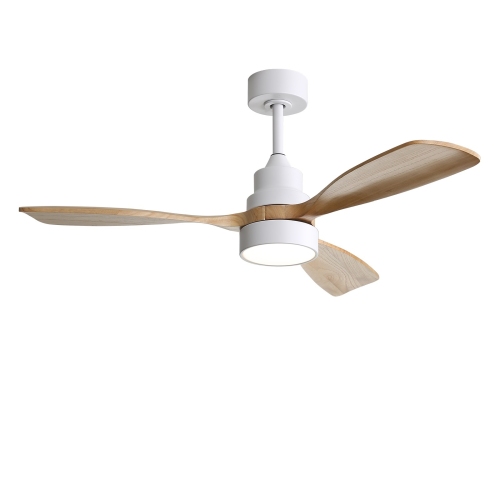
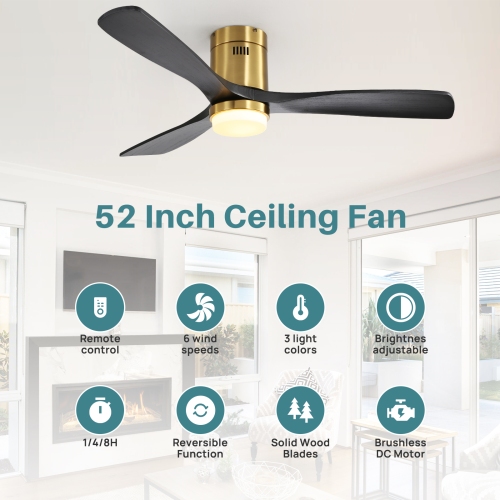
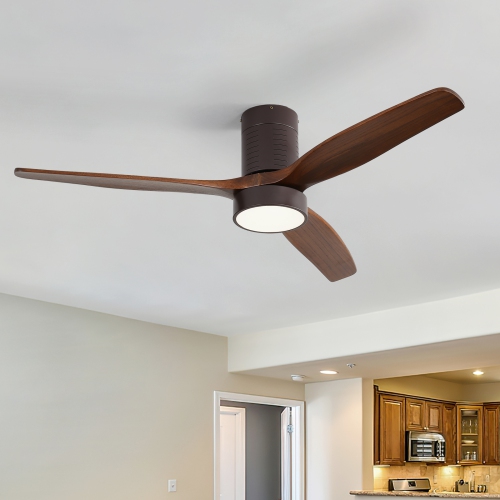
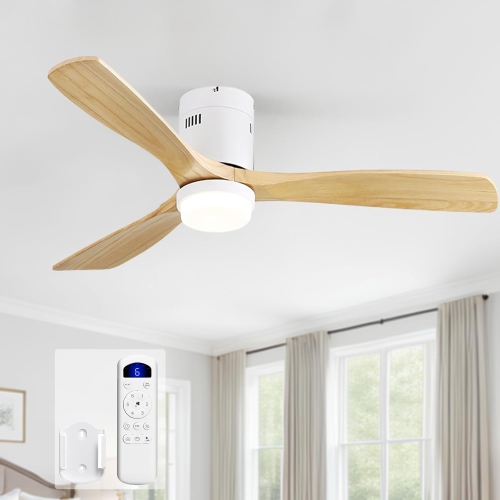
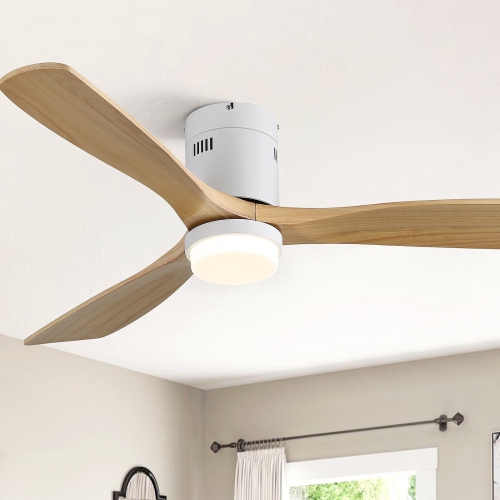
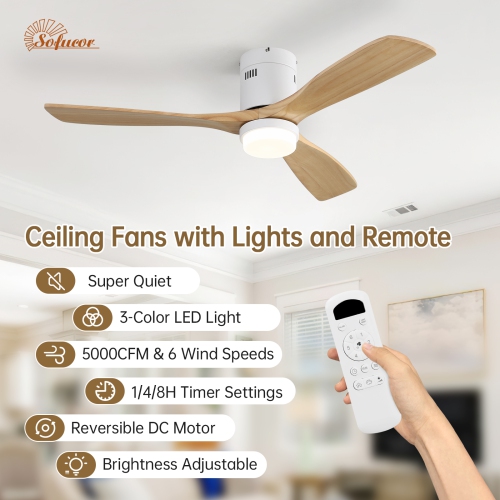
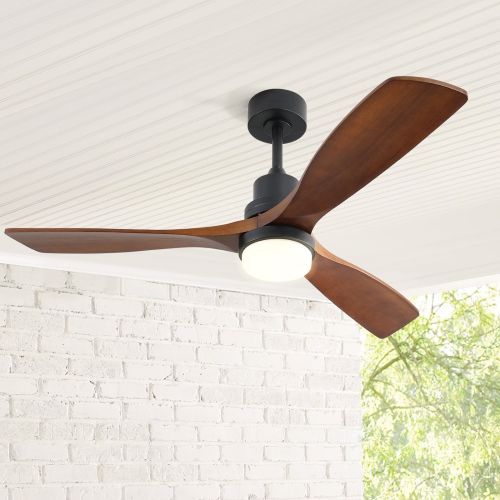
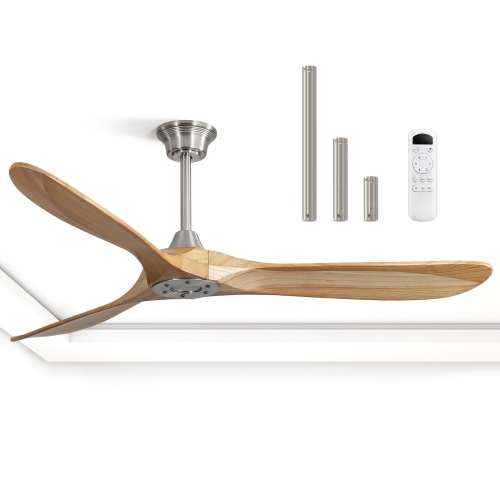
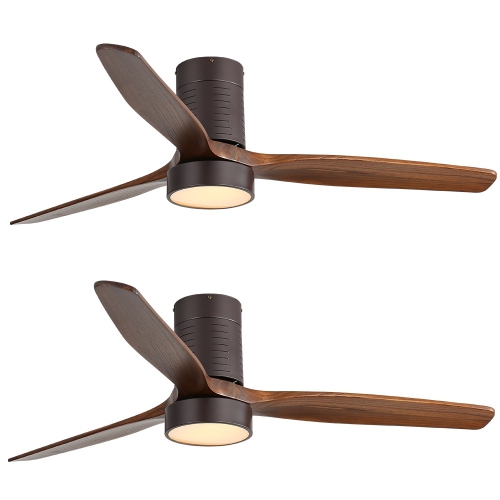
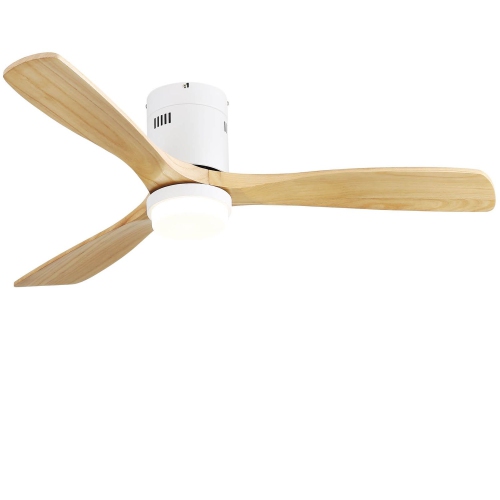
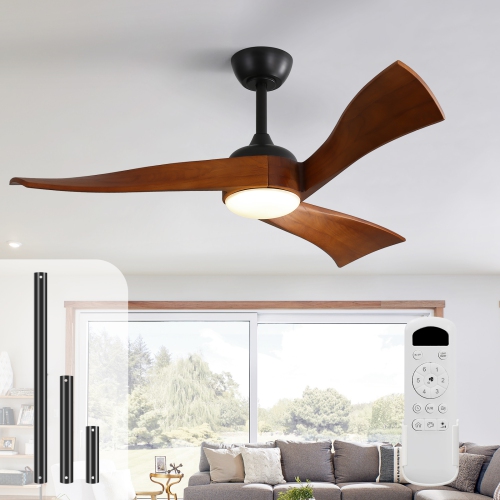
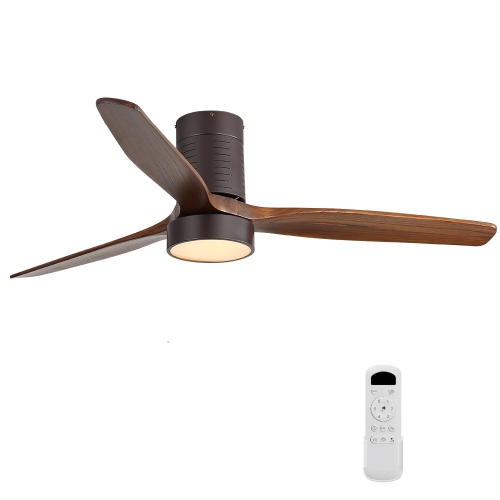
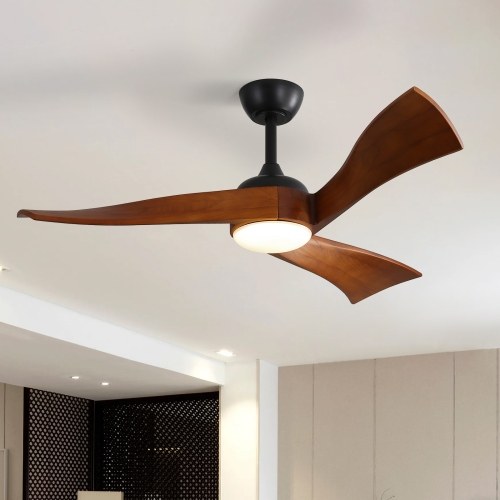
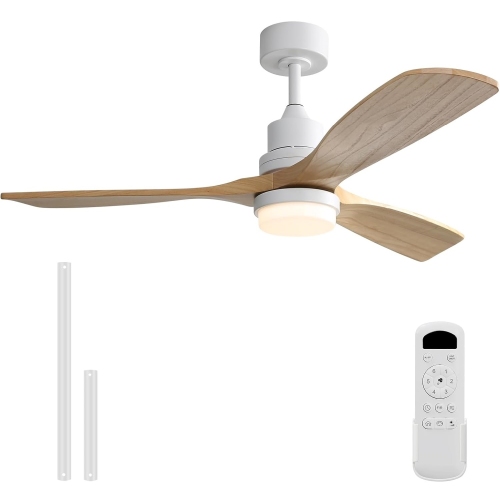
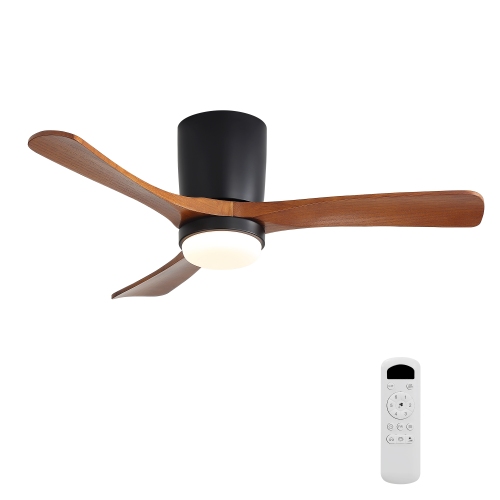
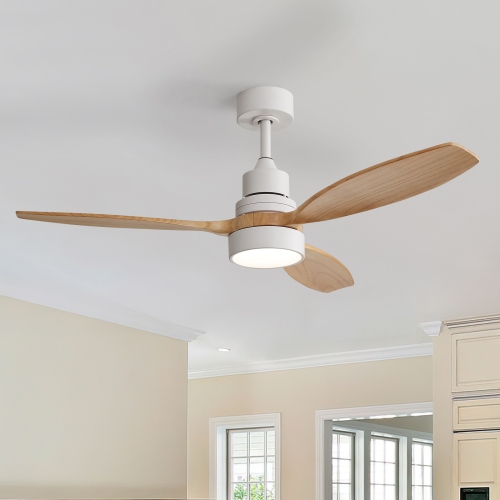
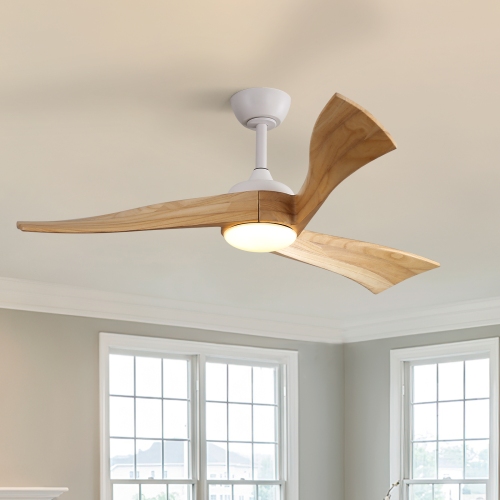
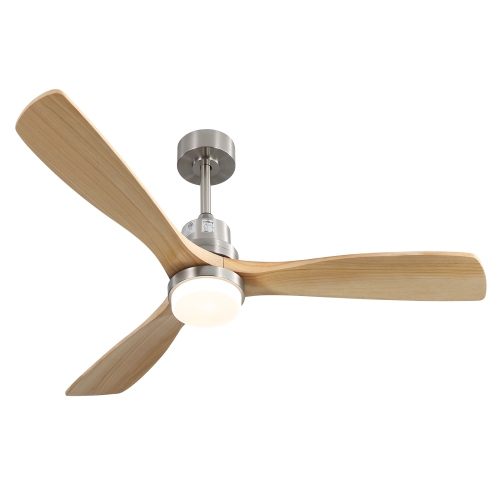
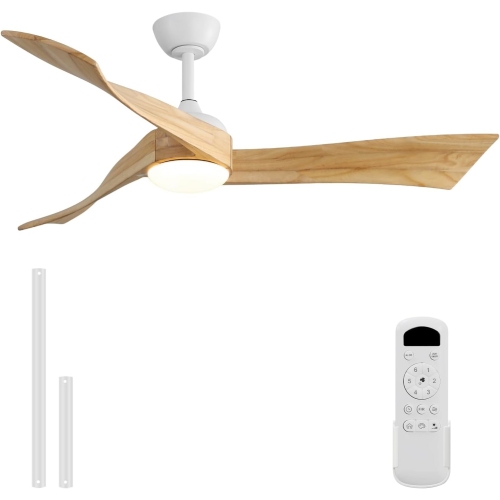
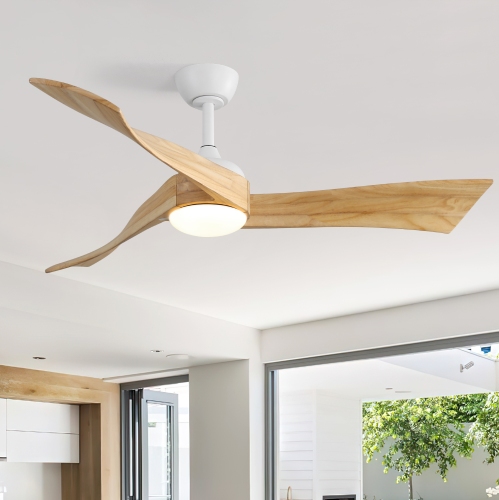
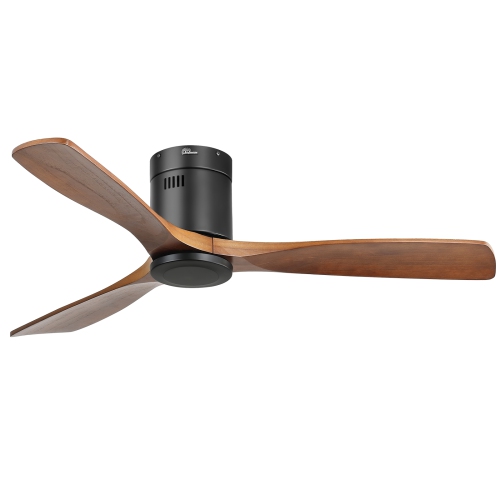
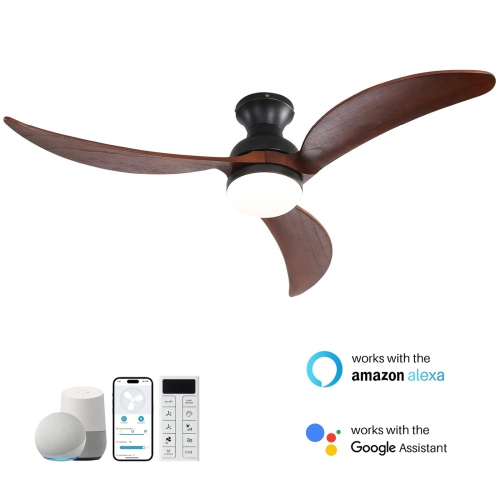
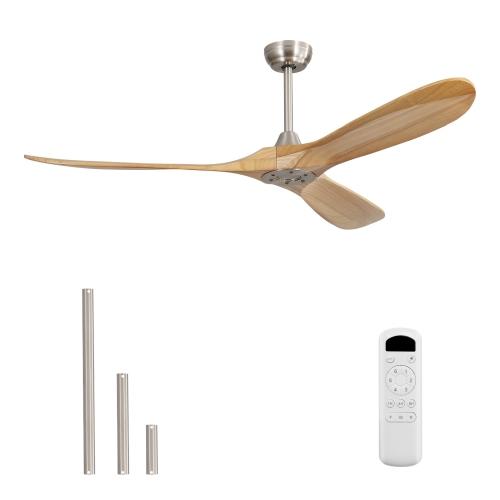
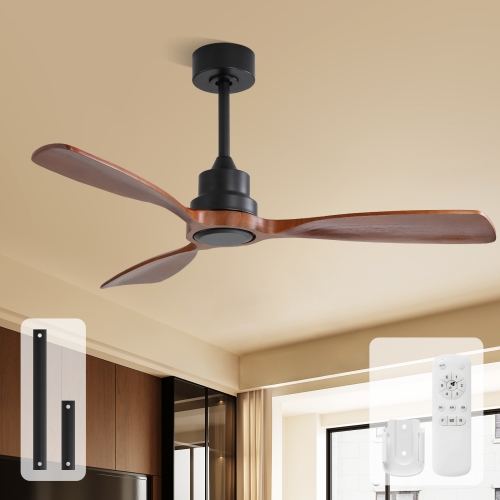
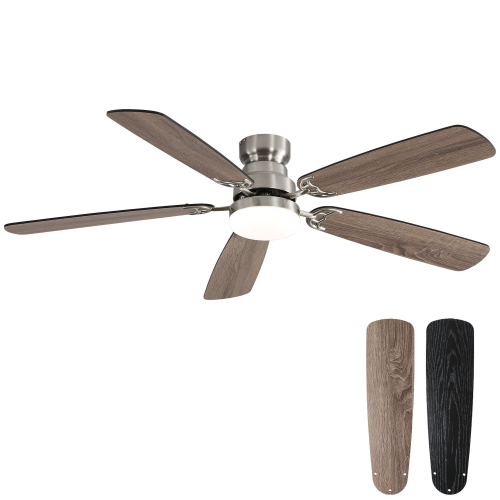
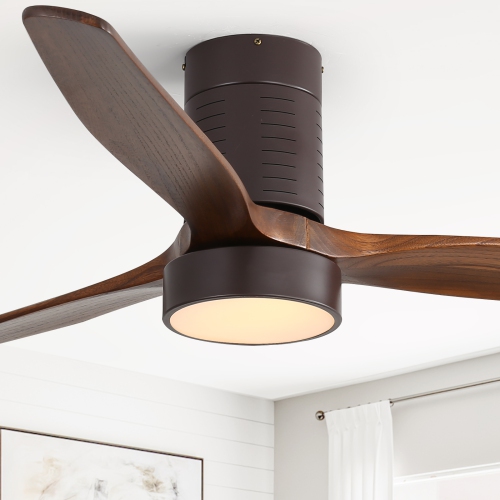
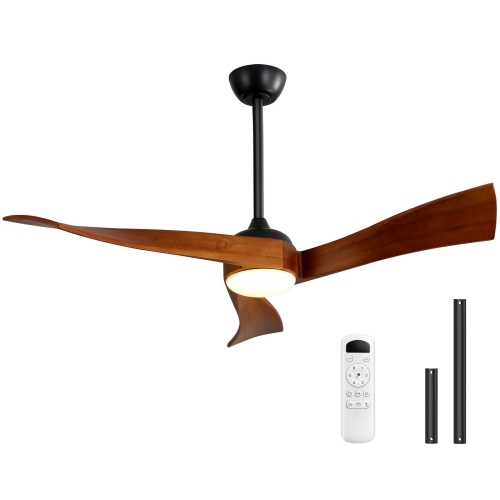
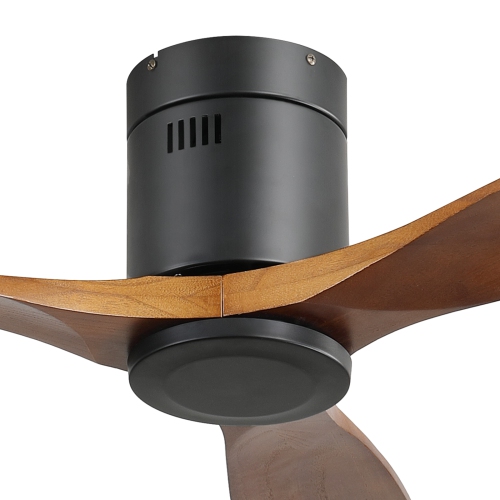
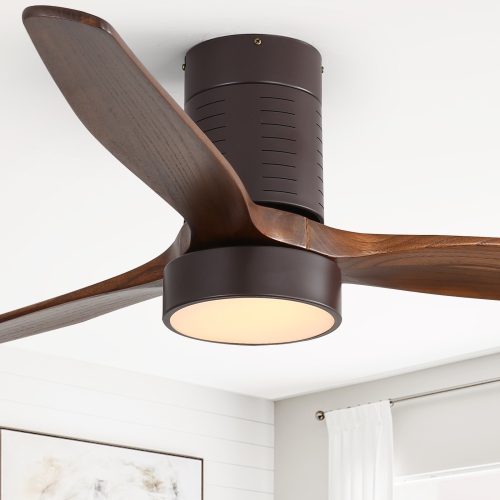
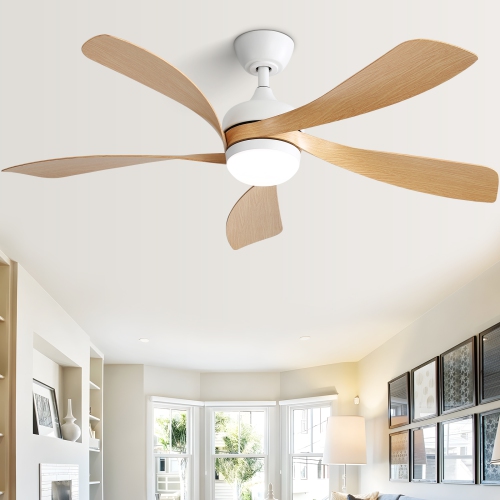
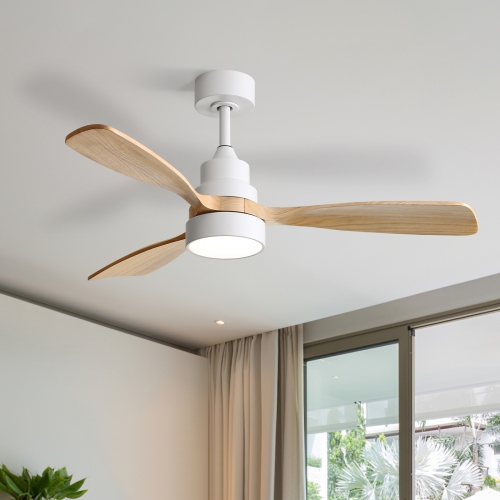
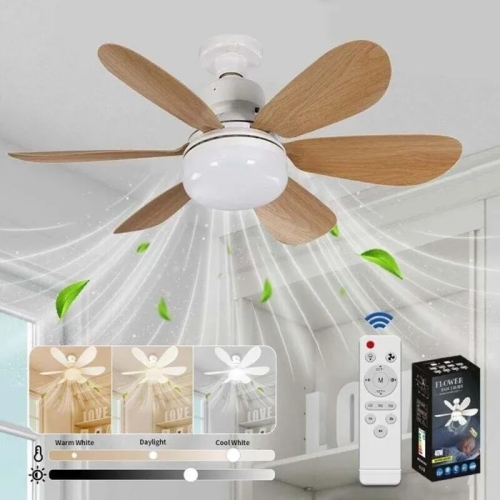
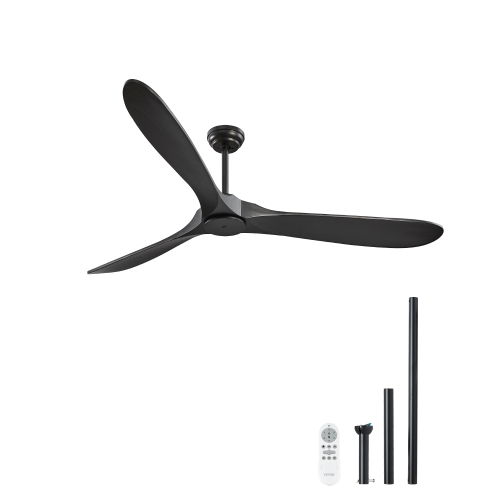
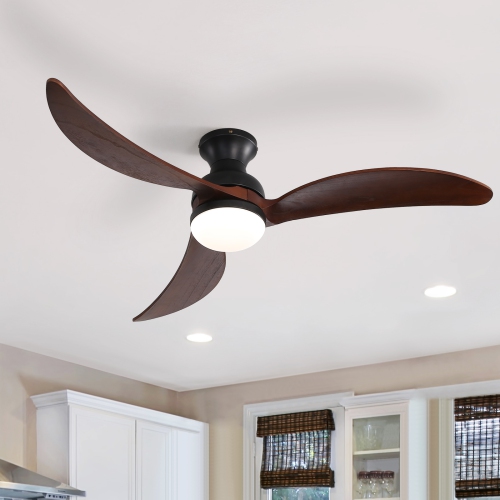
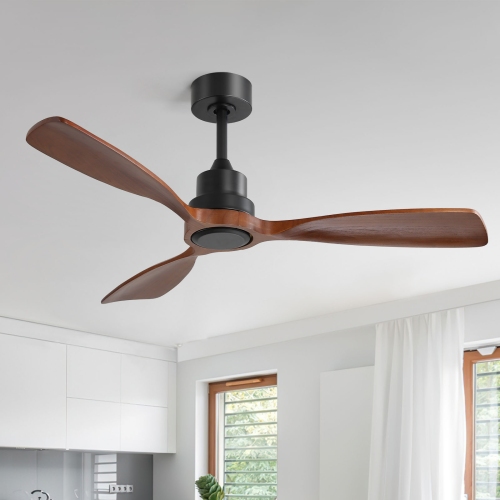
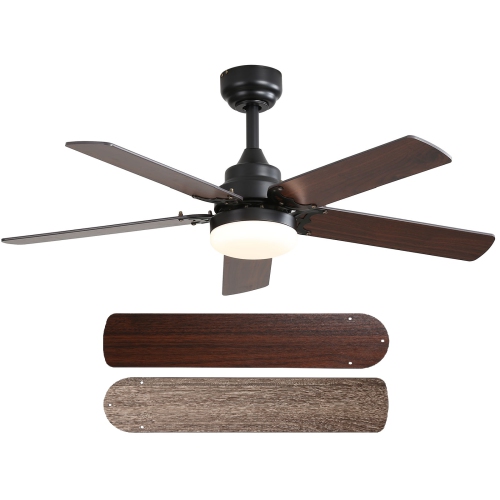
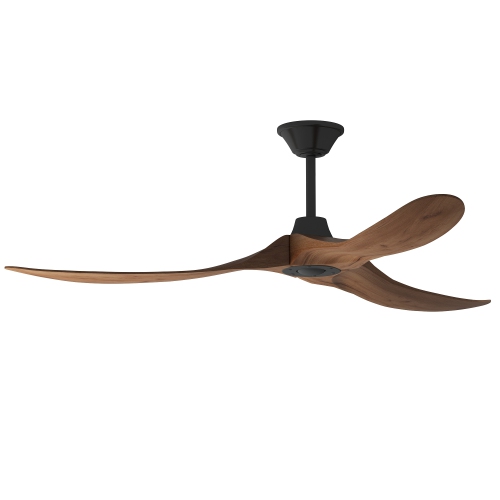
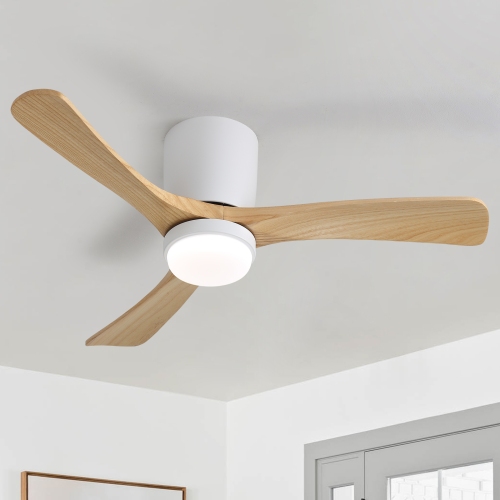
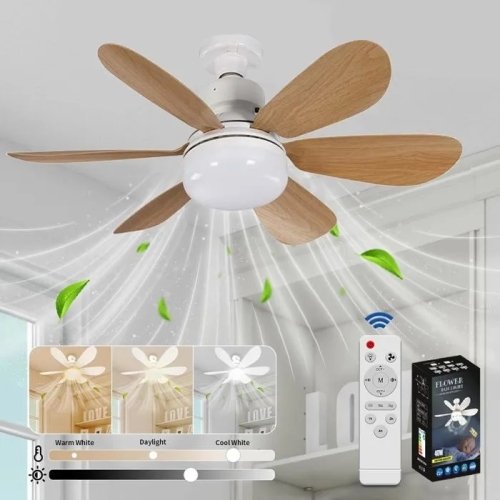
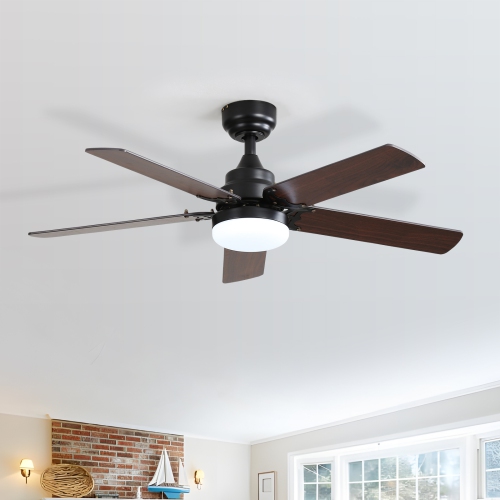
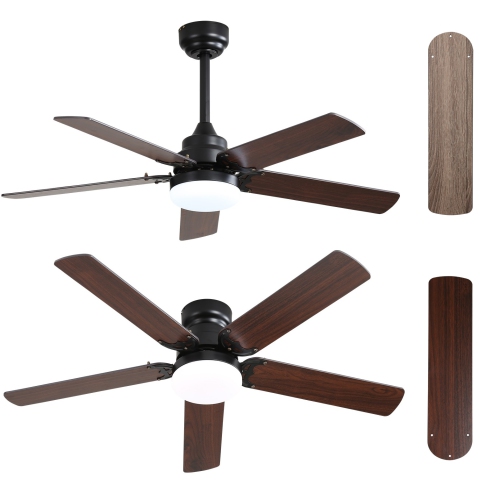
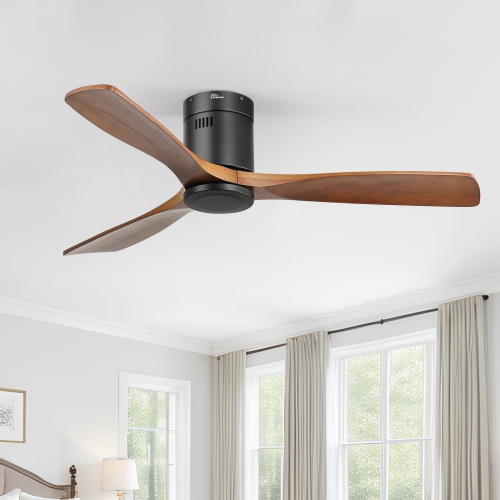
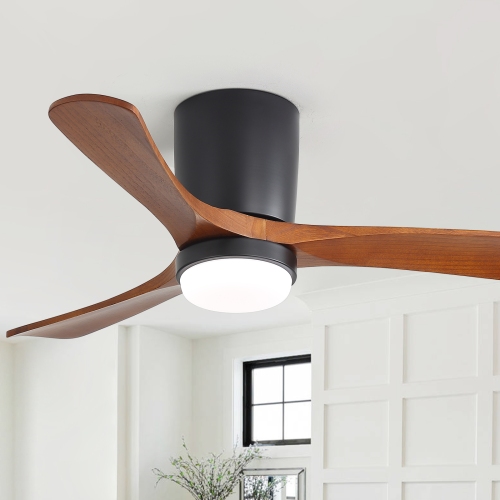
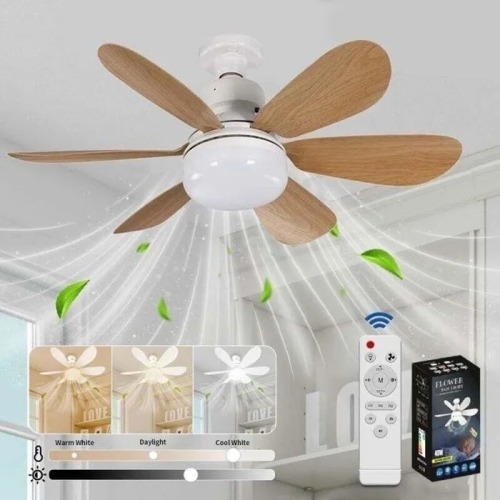
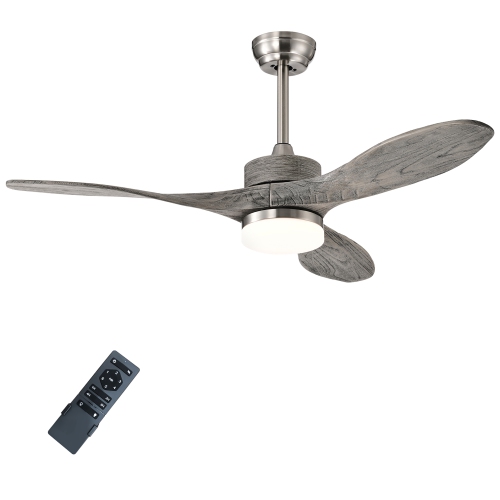
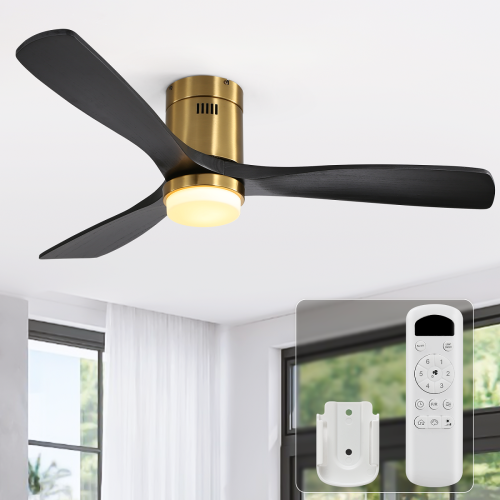
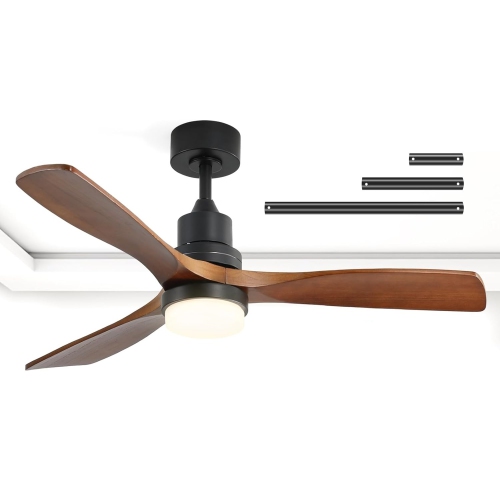
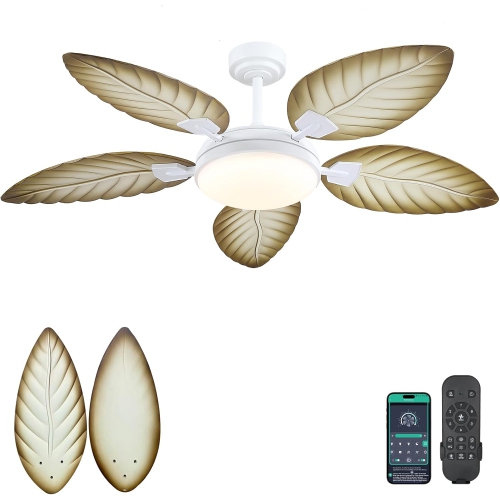
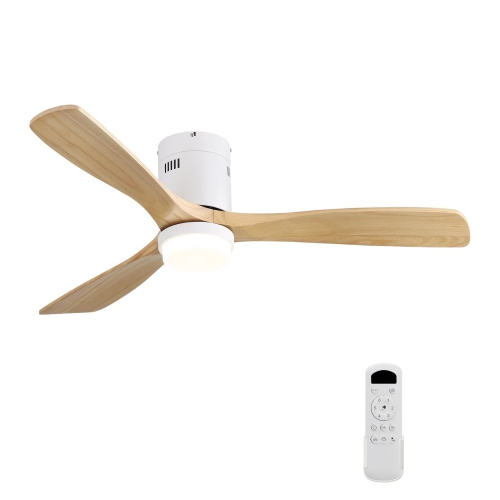
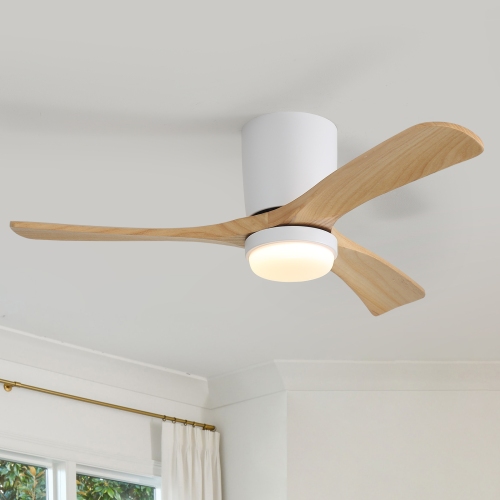

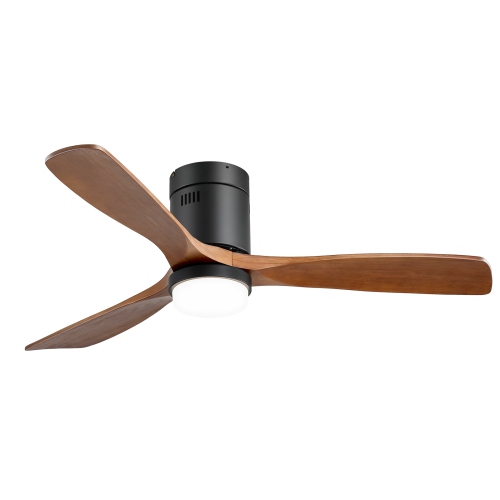

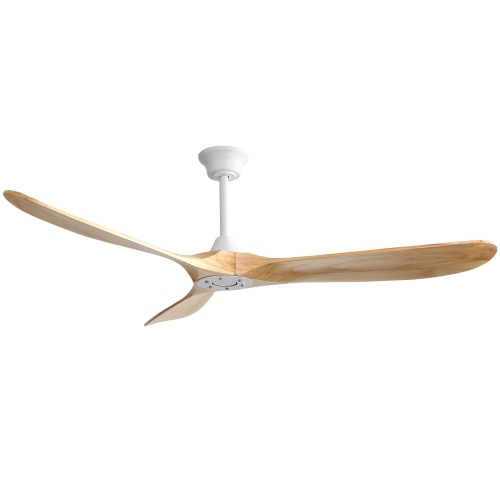
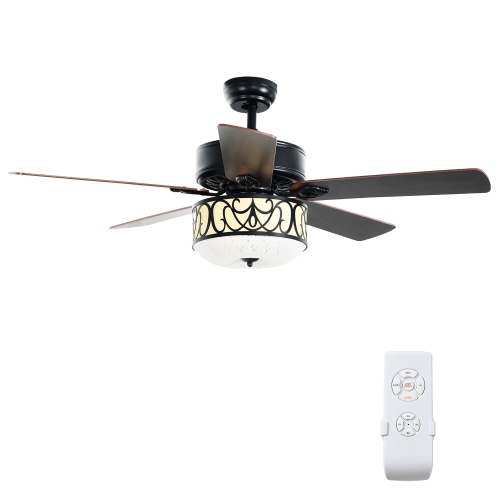
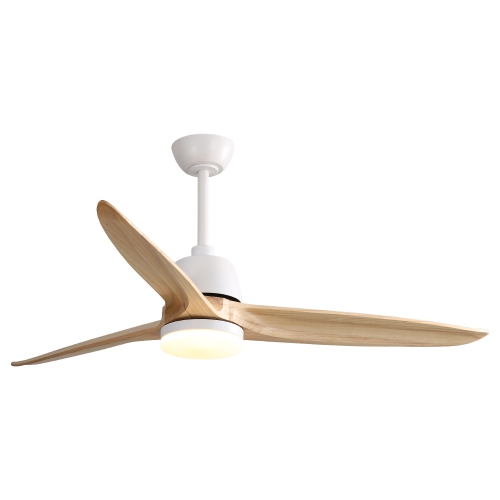
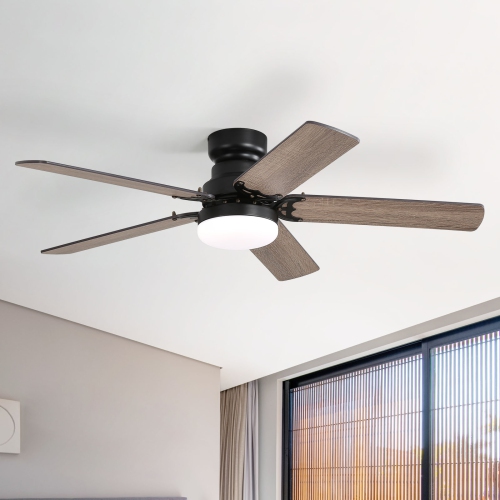
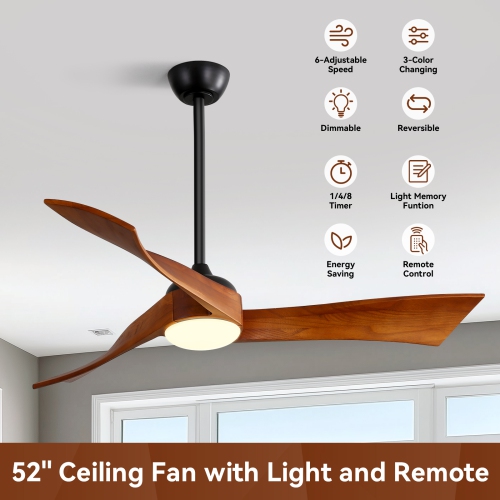
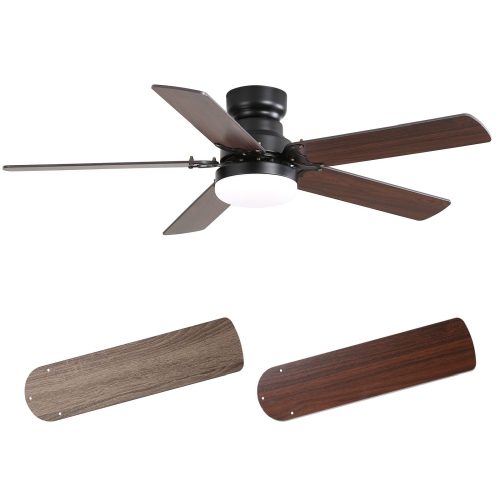
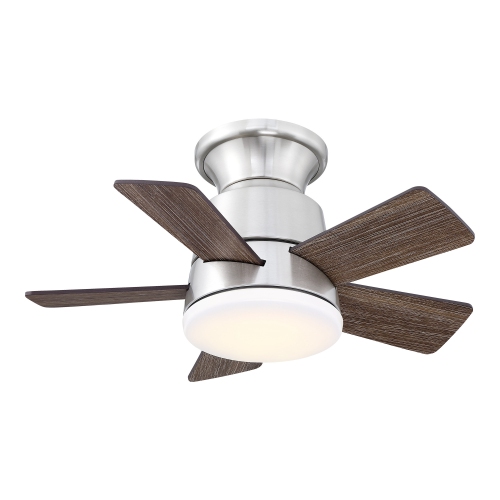
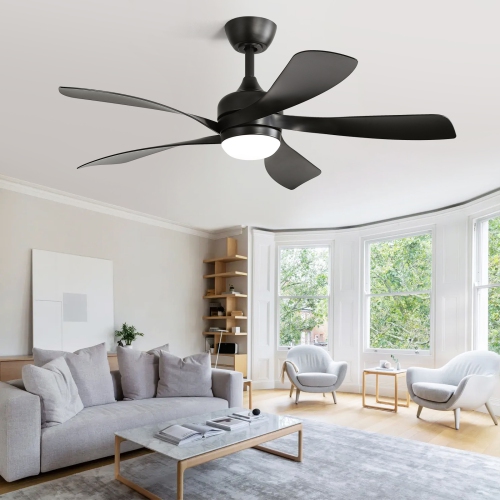
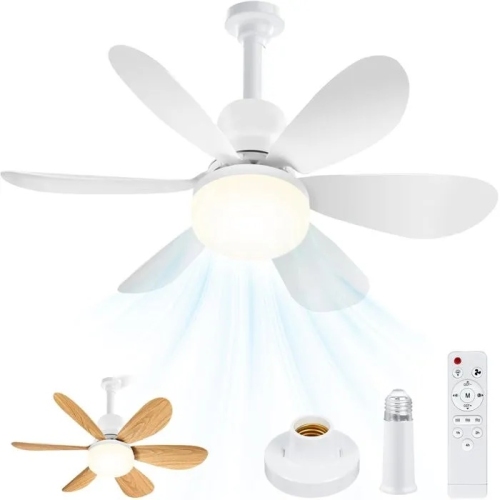
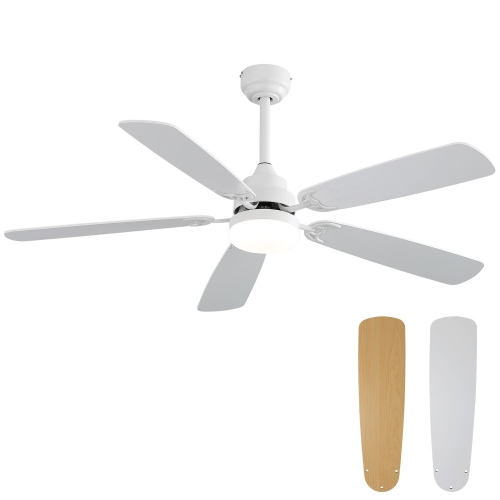
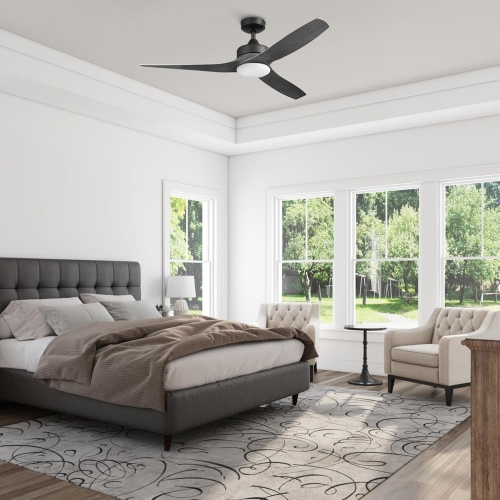
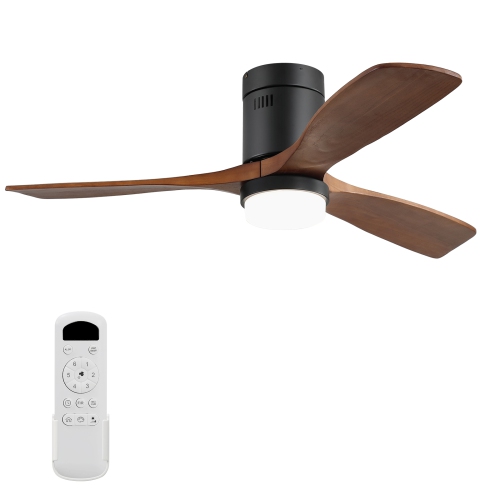
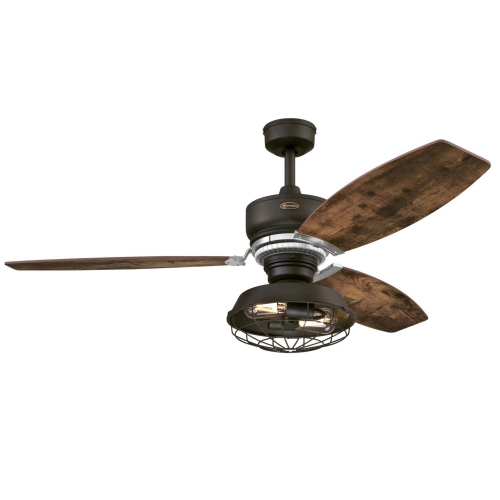
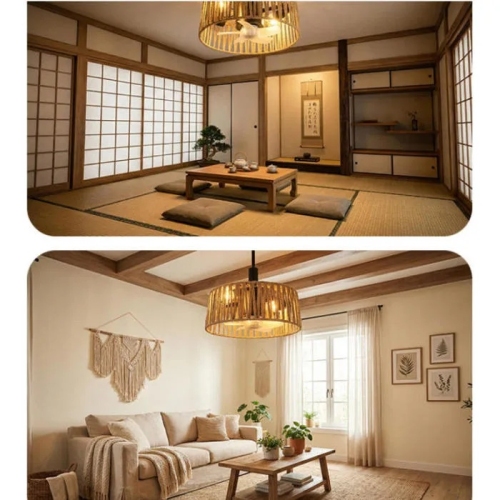

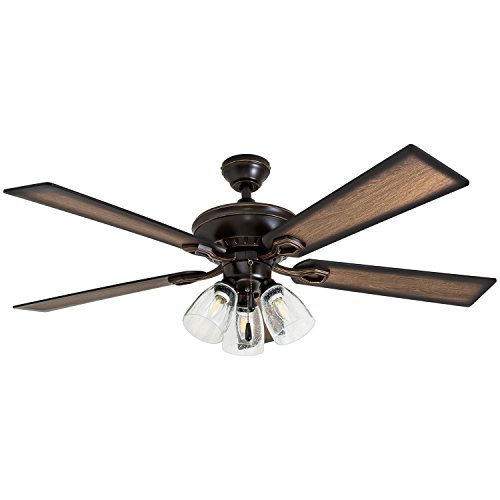
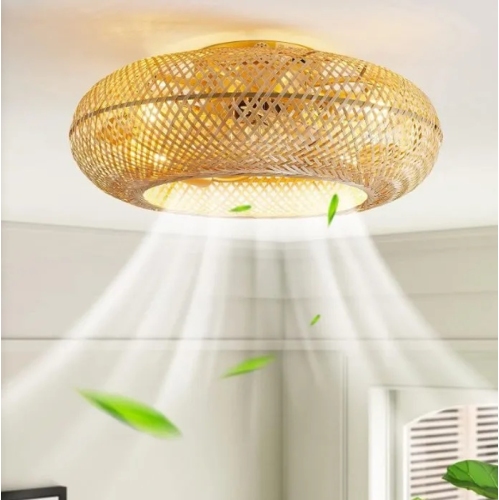
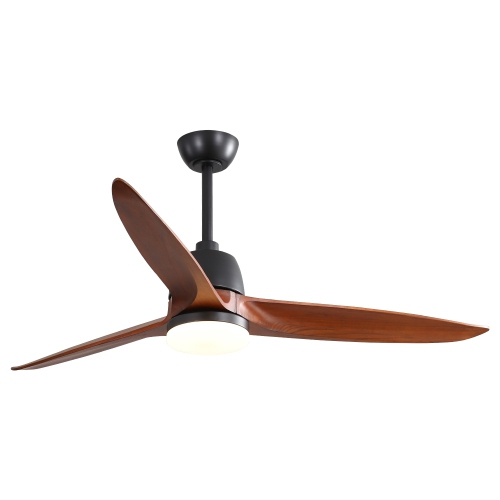
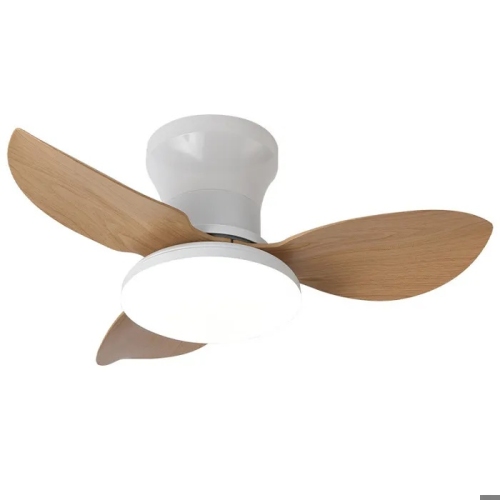
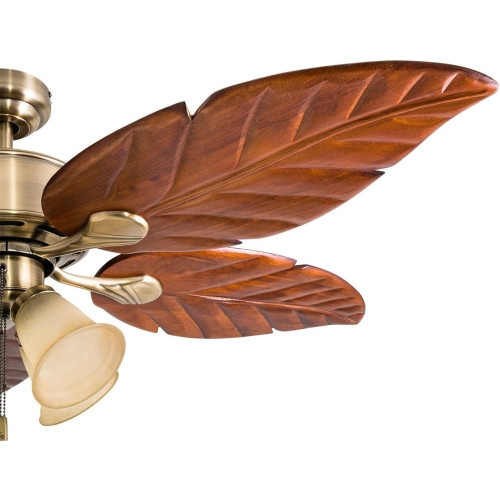
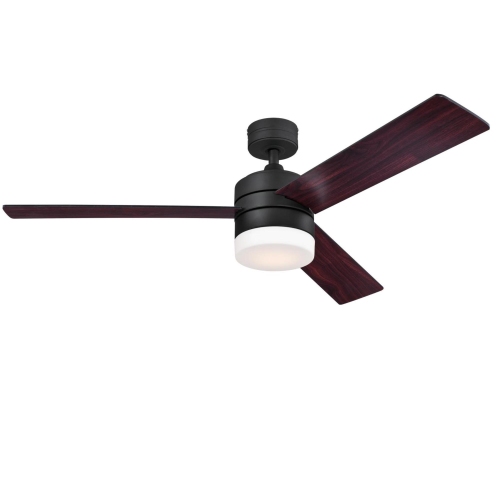
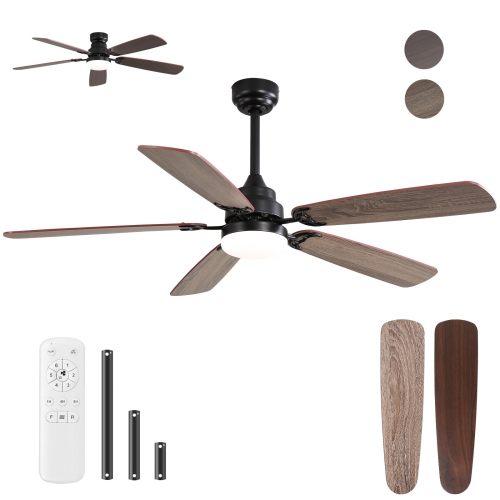
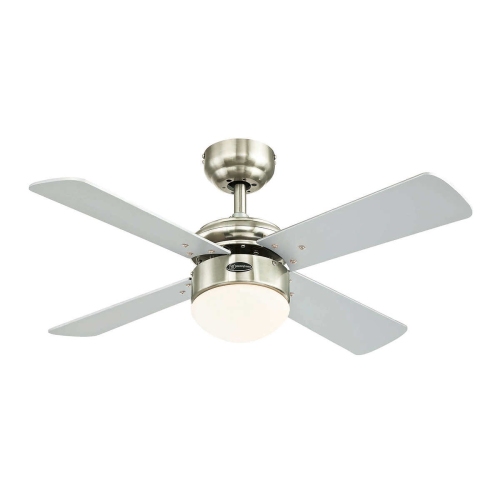
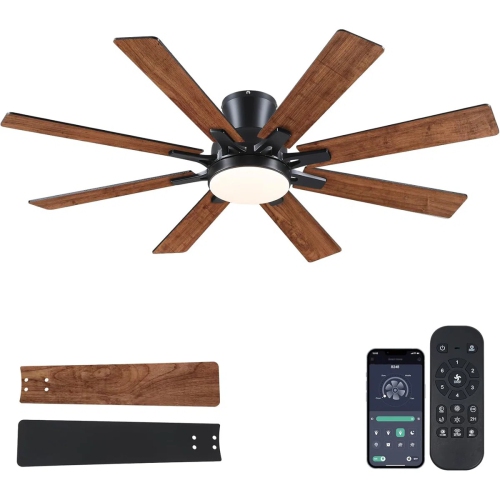
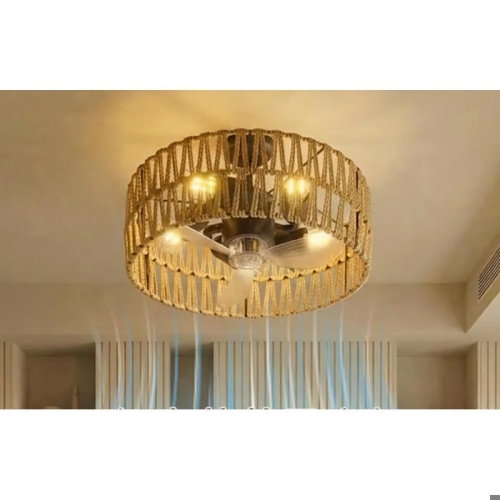
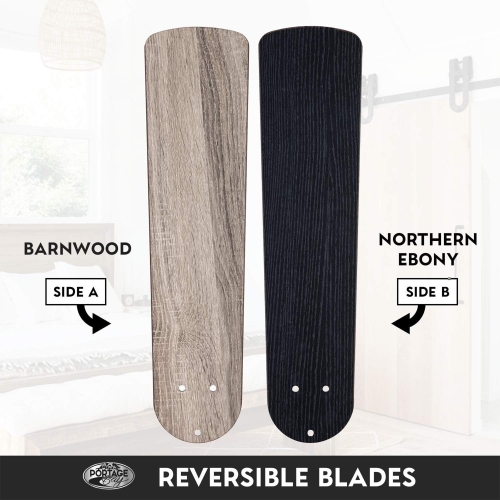
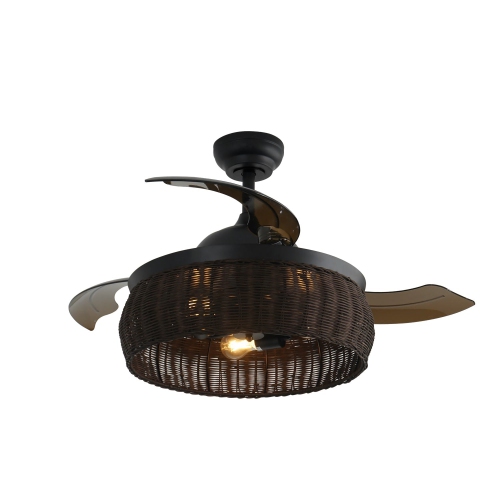

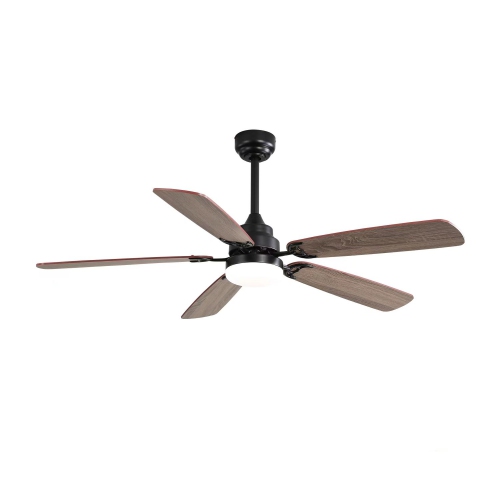
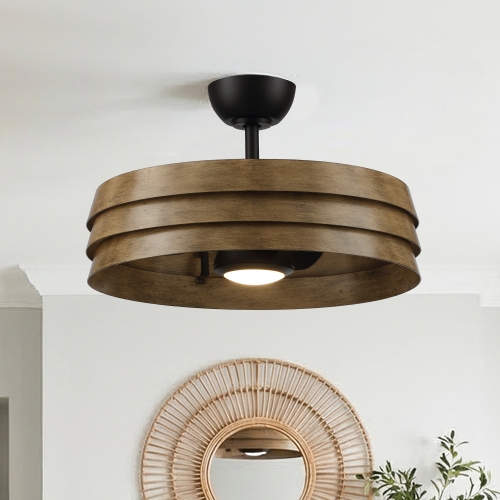
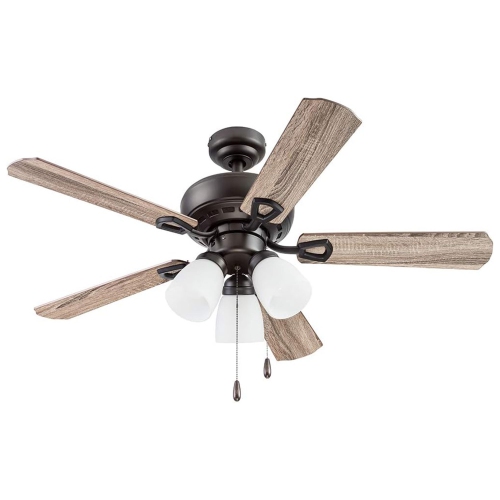
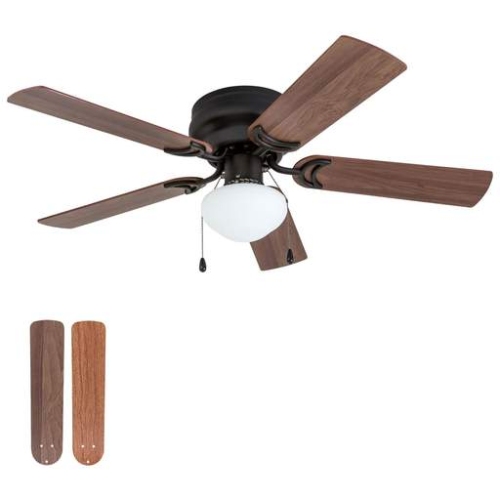
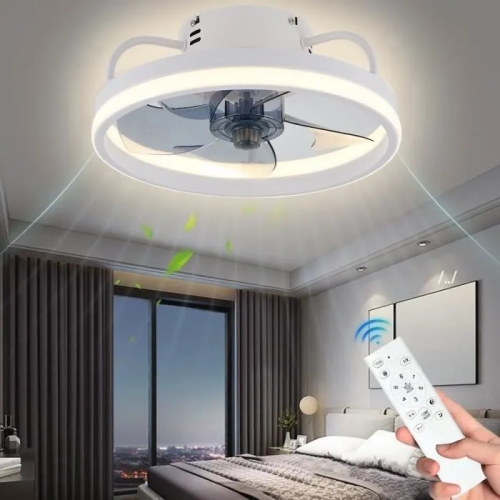
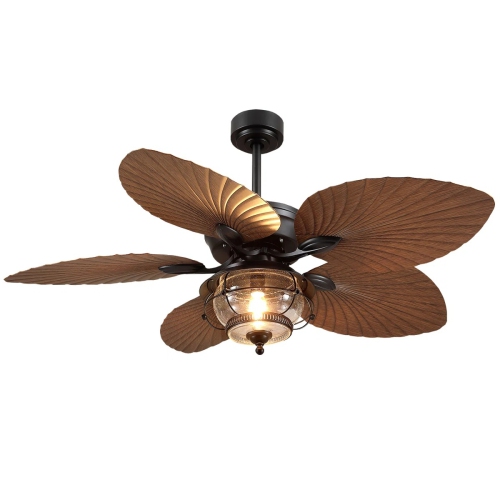
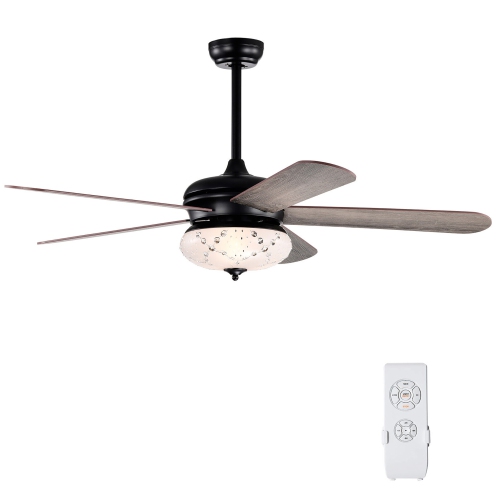
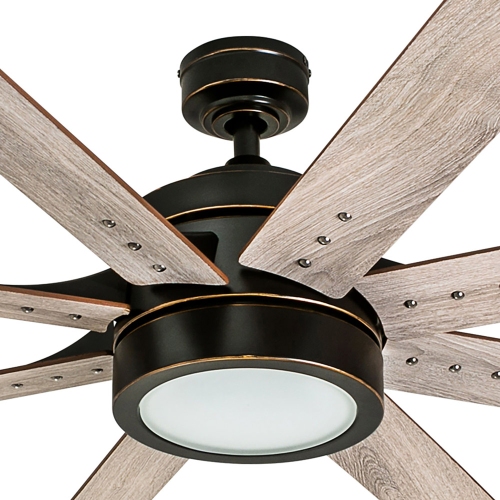
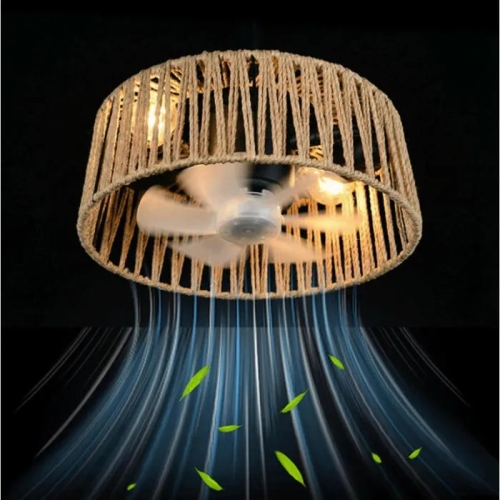
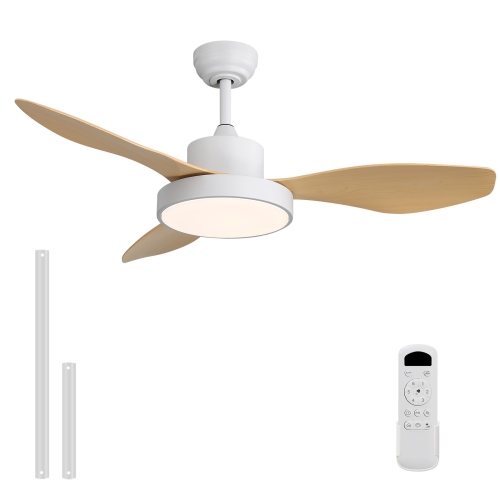
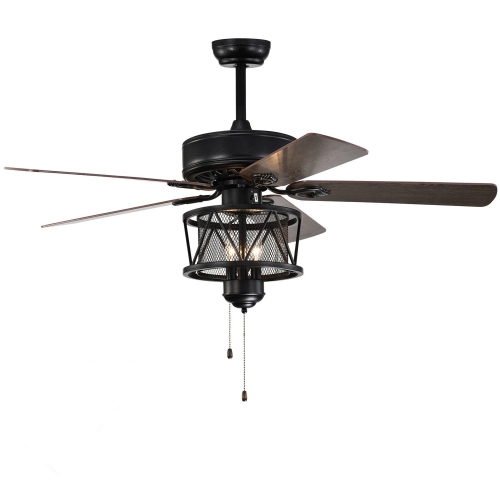
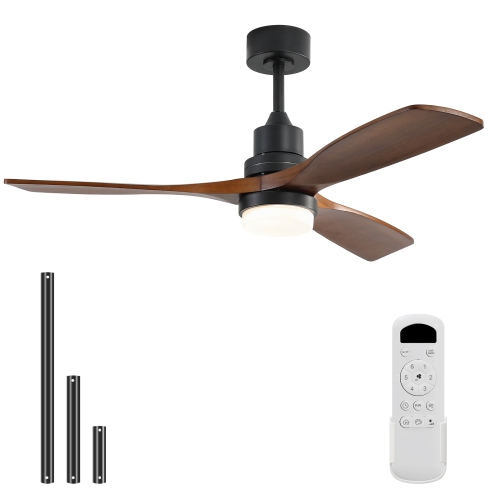
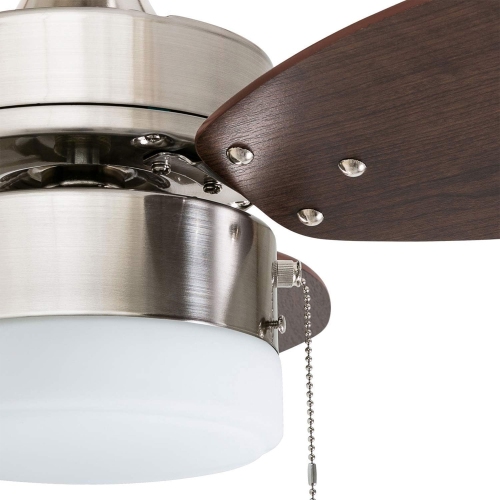
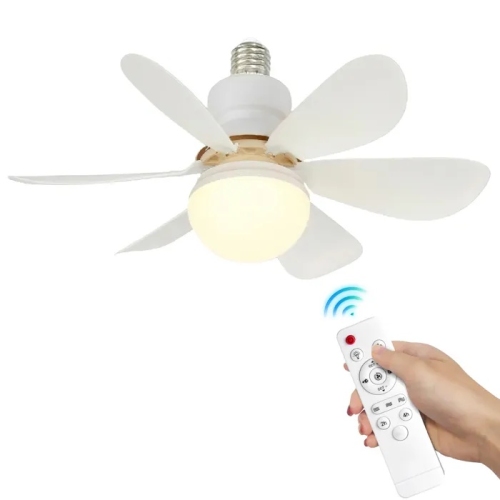
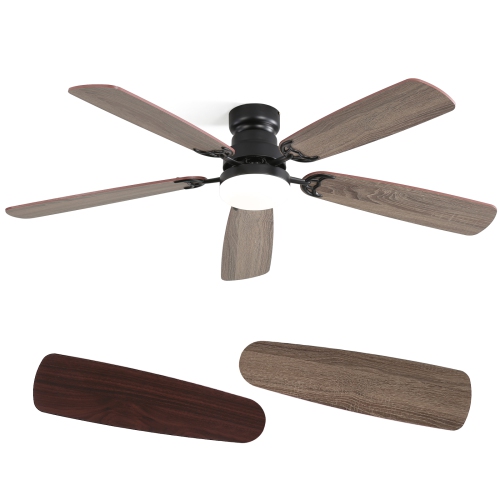
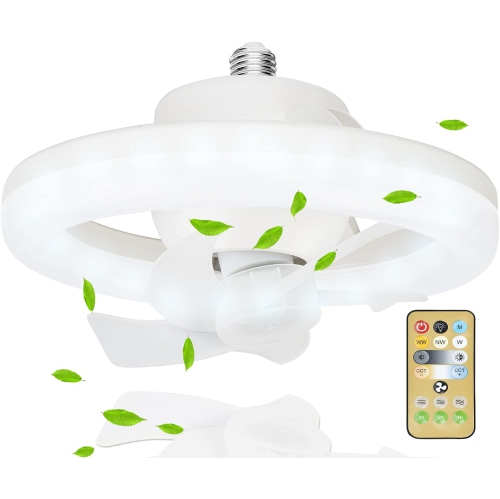
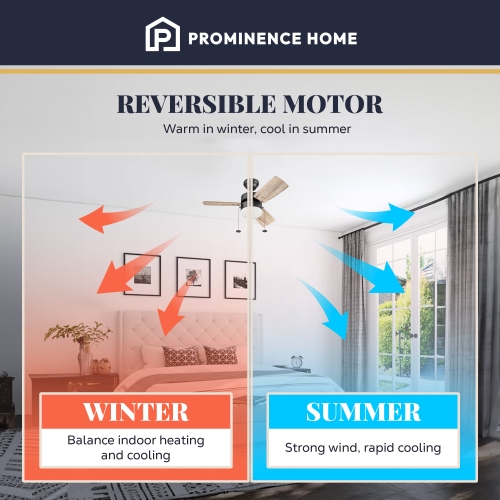
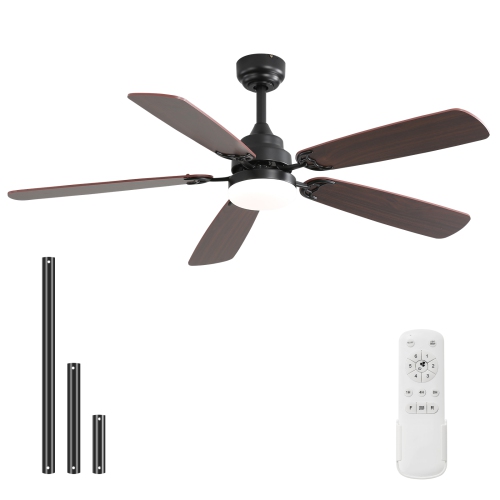
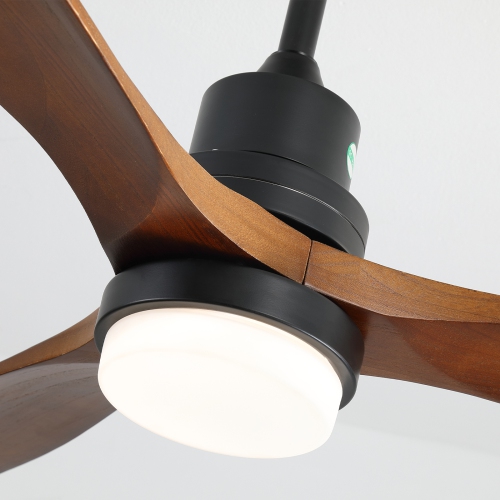

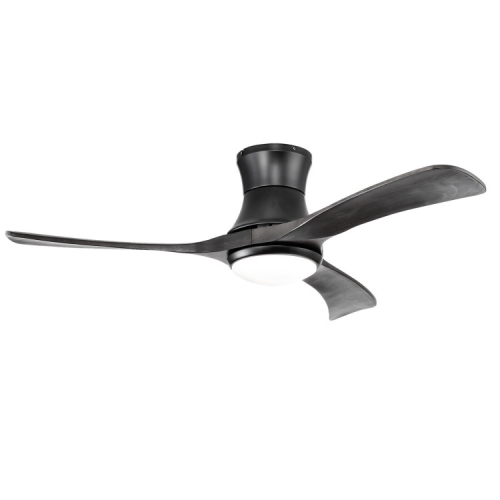
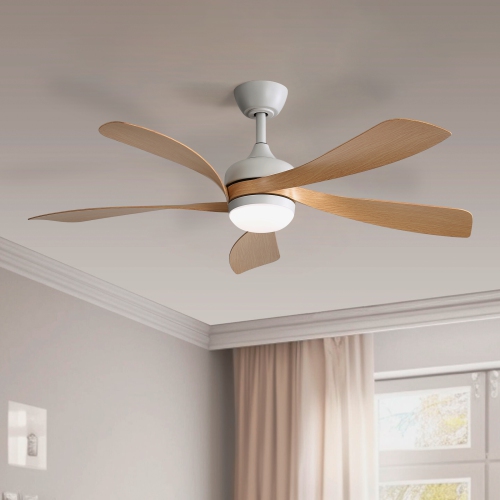
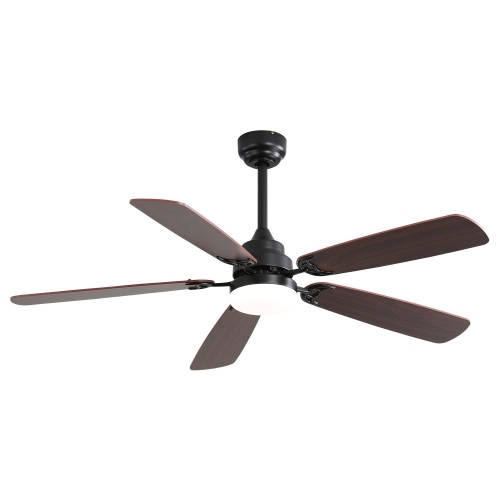
Wood finishes that tie the whole room together
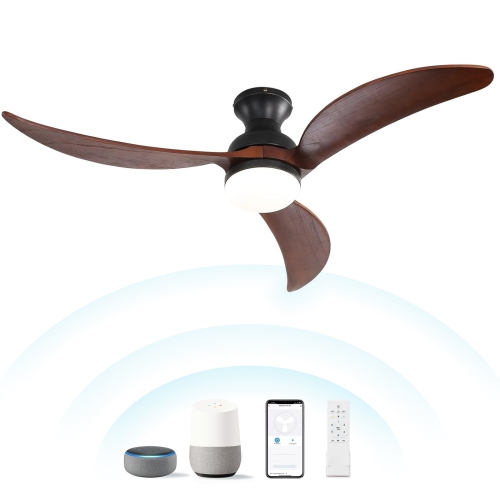
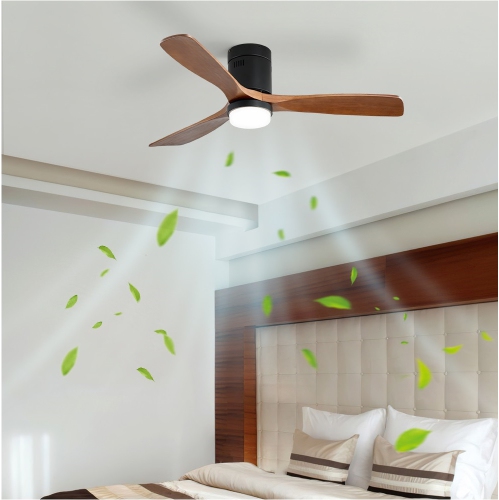
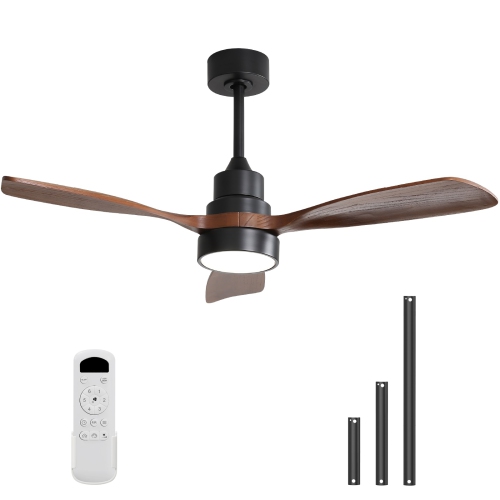
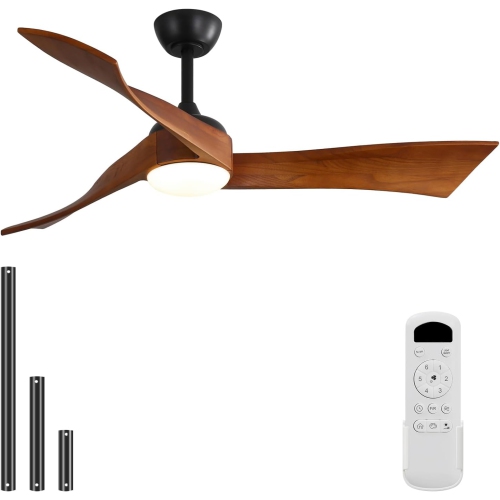
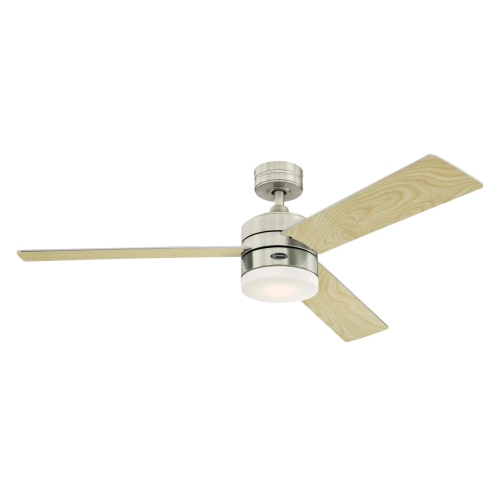
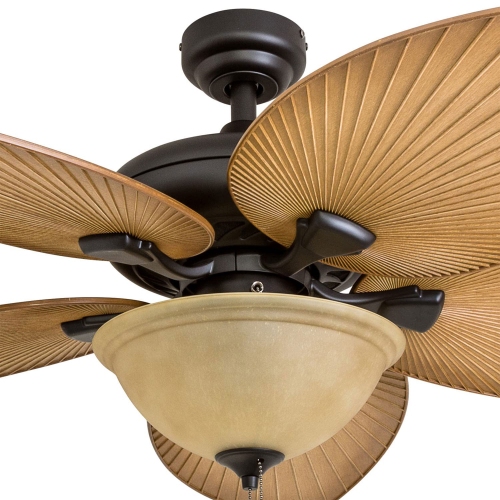
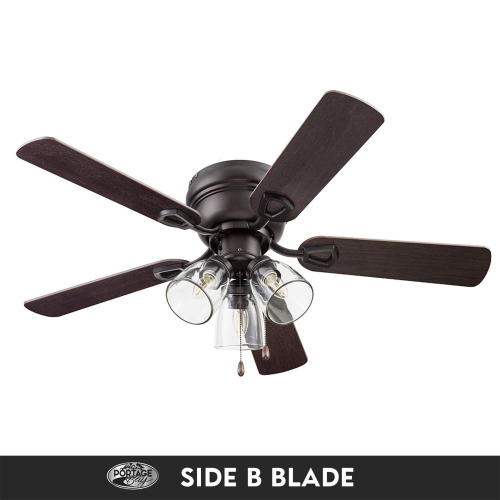
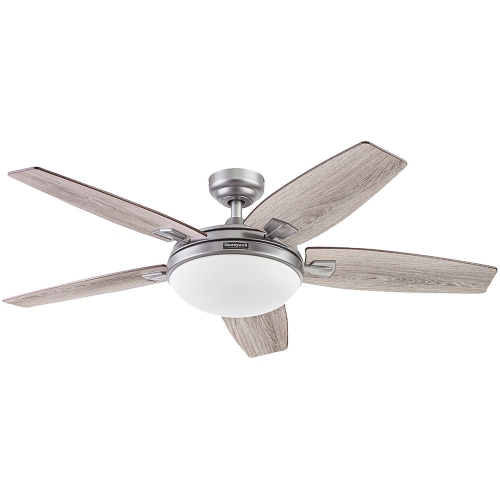
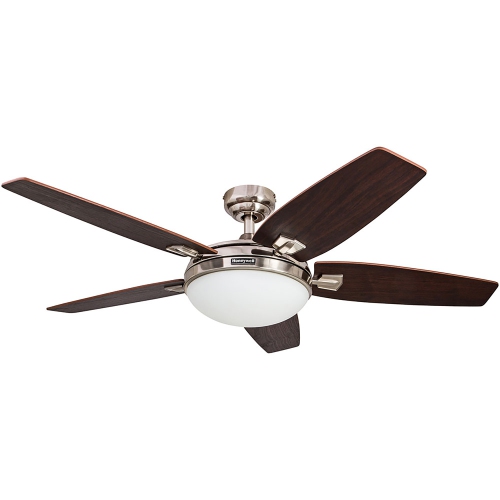
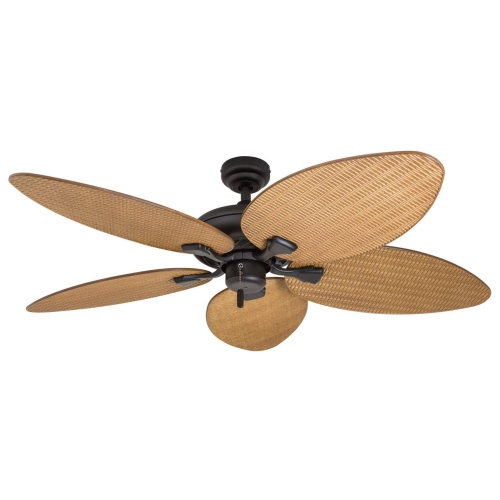
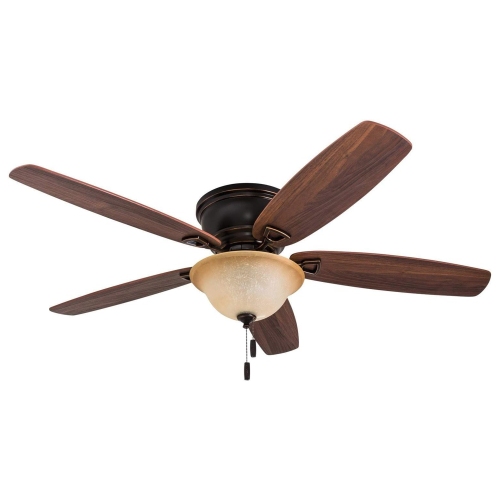
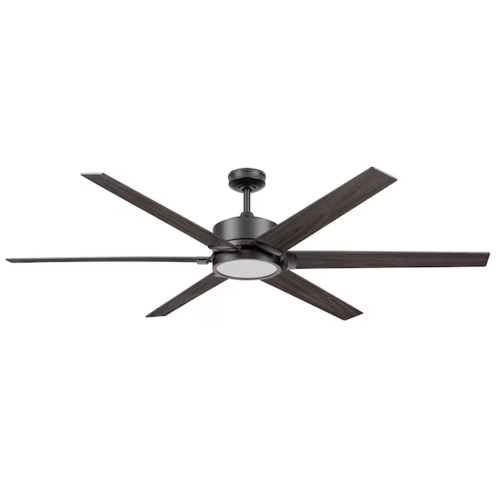
Wood ceiling fans bring the grain, texture, and character of timber into a part of the room that is often overlooked. Their appeal comes from the combination of useful air movement and a finish that feels connected to the furniture, flooring, and architectural details below. A fan with pale, smoothly shaped blades can sit comfortably above a living room with oak shelving and linen upholstery, while a deeper wood tone can complement walnut furniture, leather seating, or exposed beams. The wood does not need to match every surface exactly; a similar undertone or a repeated accent elsewhere in the room can make the combination feel intentional. These fans suit more than rustic interiors. Slender blades and a simple motor housing work well in contemporary spaces, while broader profiles and more pronounced grain can support traditional or farmhouse-inspired rooms. The term wood ceiling fan can describe several constructions, including solid wood blades, wood veneer over a supporting core, and blades made from other materials with a wood-look finish. Those distinctions matter when comparing texture, weight, care requirements, and suitability for the intended room. Solid wood may show natural differences in grain and colour, whereas a printed finish can offer a more uniform appearance. Neither the finish nor the number of blades alone establishes how effectively a fan moves air. Blade shape, pitch, span, and motor performance all contribute to its operation. For a bedroom, the attraction may be a quiet fan that blends with a timber bed frame rather than becoming the visual centre of the room. In an open living area, a sculptural blade profile can provide a deliberate focal point above the seating arrangement. Wood ceiling fans can also suit a home office, dining area, or reading nook, provided the proportions and installation requirements fit the space. Their lasting appeal depends on both the quality of the construction and how well the design belongs in the room, rather than on the wood finish alone.
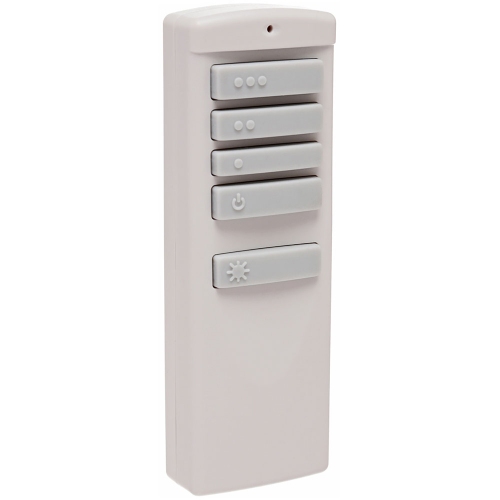
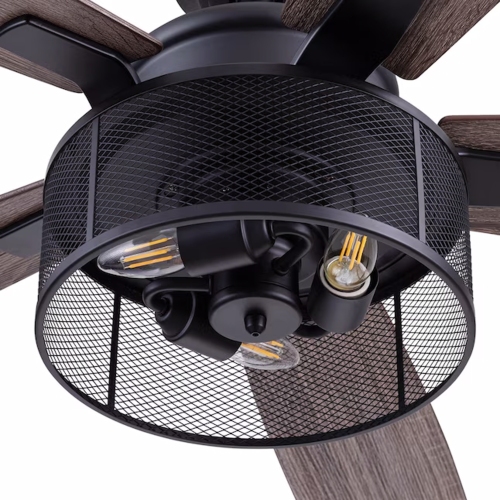
The right fit involves the full sweep of the blades, not just the size of the motor housing. A fan needs adequate clearance from walls, doors, tall cabinets, and other fixtures, with mounting height and blade clearance determined by the manufacturer’s requirements and applicable electrical rules. In a compact room with a lower ceiling, a low-profile mounting arrangement may keep the fan from feeling intrusive, but the installation still needs to meet the required clearance above the floor. A higher ceiling may call for a compatible downrod, while a sloped ceiling requires hardware approved for that angle. These details influence both appearance and performance: a fan mounted too close to an obstruction may not circulate air as intended. An electrical box suitable for a light fixture is not necessarily rated to support a ceiling fan, so confirming the support and having the electrical work handled by a qualified professional are important parts of installation. Motor type is another useful distinction. Many DC-motor ceiling fans offer several speed settings and quiet operation, although actual sound levels also depend on the design, mounting, blade balance, and condition of the fan. Wood blades are not automatically quieter than other blade materials. For a bedroom or a workspace used for calls, a gentle low-speed setting may matter more than maximum output. Controls should also suit everyday routines. A remote can make adjustments convenient from a bed or sofa, while a compatible wall control provides a fixed place to operate the fan. Smart features, where included, may offer app control or scheduling, but connectivity and control compatibility vary. Integrated lighting can help a fan serve as the main overhead fixture, particularly where ceiling space is limited. Light output, dimming support, the shade or diffuser, and whether the light source is replaceable all affect its usefulness. A fan without a light can be a cleaner visual choice in a room already served by lamps, recessed lighting, or a separate pendant.
Durability starts with matching the fan’s rating to its location. A wood finish does not indicate whether a fan is suitable for moisture, and blades intended for dry indoor rooms should not be assumed appropriate for a bathroom, covered porch, or another location exposed to damp conditions. Damp-rated and wet-rated fans have different intended uses; suitability depends on the complete assembly, including the motor, hardware, and blade material. The product’s stated rating is more reliable than an assumption based on appearance. In everyday indoor use, regular dust removal helps keep the blades looking their best and supports balanced operation. A soft cloth or suitable duster can lift dust without scratching the finish, and the manufacturer’s care instructions should govern whether a slightly damp cloth is appropriate. Soaking wooden blades, using abrasive cleaners, or applying furniture polish without approval can damage a finish or leave residue. Blade surfaces should be cleaned gently without bending them or putting pressure on their brackets. A new wobble, clicking sound, or persistent vibration deserves attention rather than simply switching to a lower speed; mounting, fasteners, or blade balance may need to be checked according to the instructions. In shared spaces, practical details can be just as important as the wood tone. A family living room benefits from controls that are easy to find and speeds that suit both conversation and everyday activity. A bedroom needs unobtrusive operation, while a dining area calls for placement that works with the table and surrounding lighting without crowding the ceiling. For offices, studios, or other larger shared settings, Commercial Ceiling Fans offer a separate category to consider when coverage, mounting requirements, and expected operating hours differ from those of a residential room. Within the home, a well-chosen wood ceiling fan balances those practical demands with a finish that remains easy to live with, whether it quietly echoes nearby woodwork or becomes a distinctive feature overhead.
Top selling and popular products
-
 Your price for this item is $139.99
-
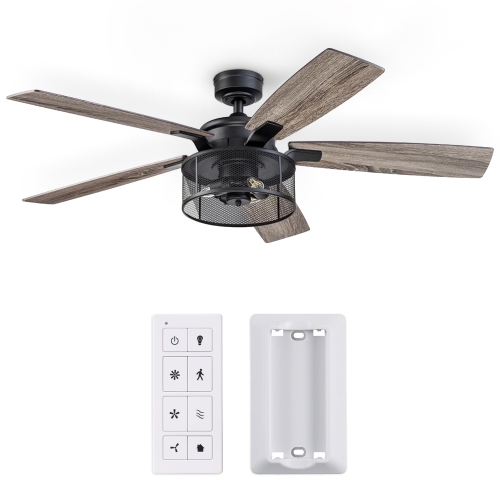 Your price for this item is $317.99
-
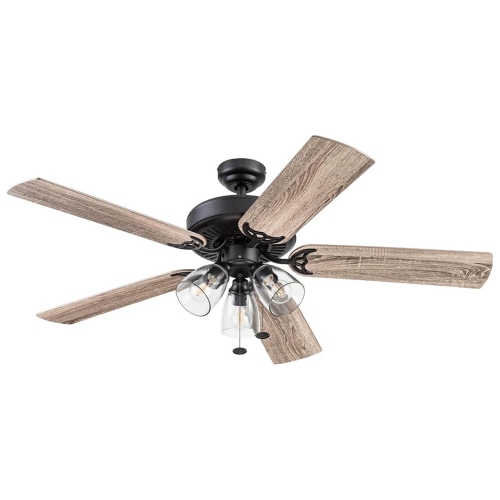 Your price for this item is $299.99
-
 Your price for this item is $208.99
-
 Your price for this item is $362.99
-
 Your price for this item is $338.99
-
 Your price for this item is $404.99
-
 Your price for this item is $321.99
Discover more categories related to Wood Ceiling Fans

Top Collections:
Best Black Friday Deals This Year, Best Black Friday Deals On Electronics, Kindle Devices, Pokemon Centers, Best Black Friday Deals On Apple Products, Best Cameras for Sports Photography, Dyson Airwrap, Pokémon 30th Celebration Cards, Apple iPhone 17 Pro, Canon G7X Cameras
Some products may be subject to Environmental Handling Fees
(EHF) depending on your province.
Learn more about EHFs.