Dehumidifiers for Student Dorms
Dehumidifiers for student dorms help create a more comfortable and inviting place to live by managing excess moisture in the air. Compact and easy to use, these dehumidifiers are designed to fit into smaller spaces typical of dorm rooms. Whether you're looking to reduce humidity levels or simply want to maintain a fresher atmosphere, dehumidifiers for student dorms offer practical solutions for everyday comfort. Explore options that suit your space and budget, so you can focus on studying and enjoying campus life.
Sort
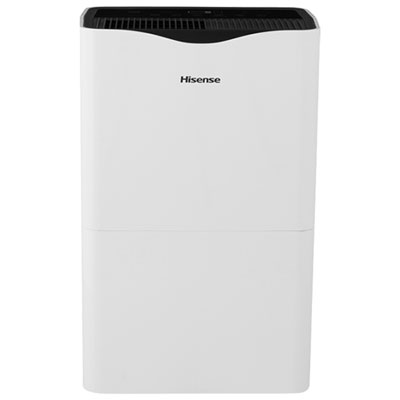
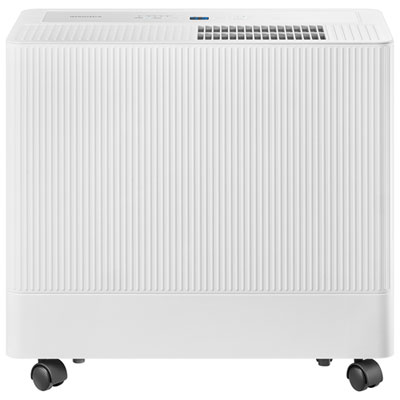
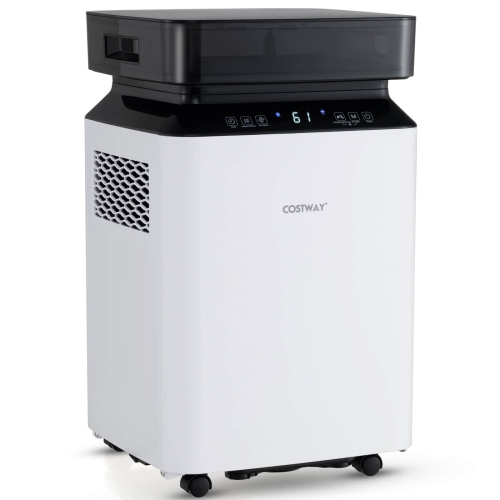
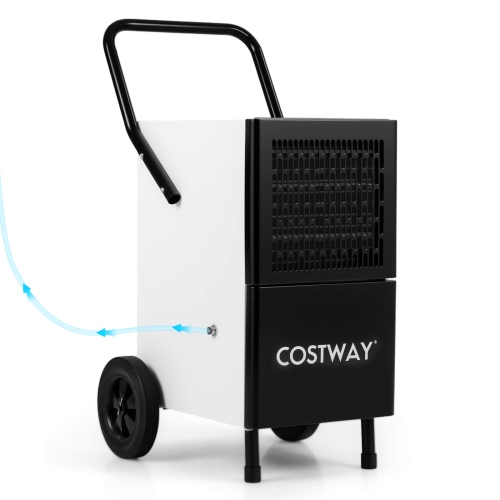
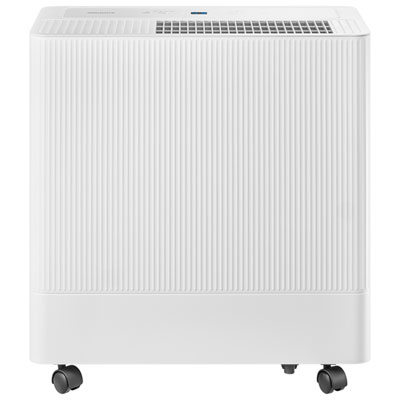

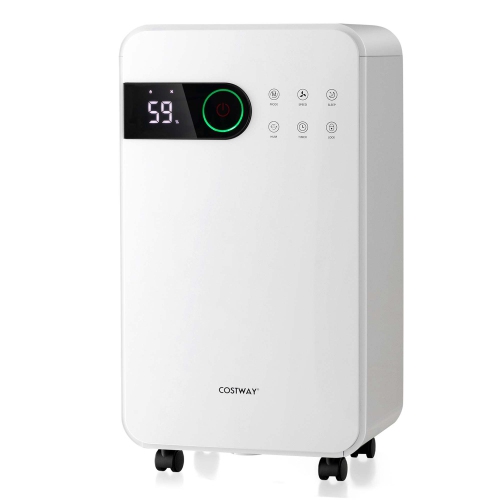
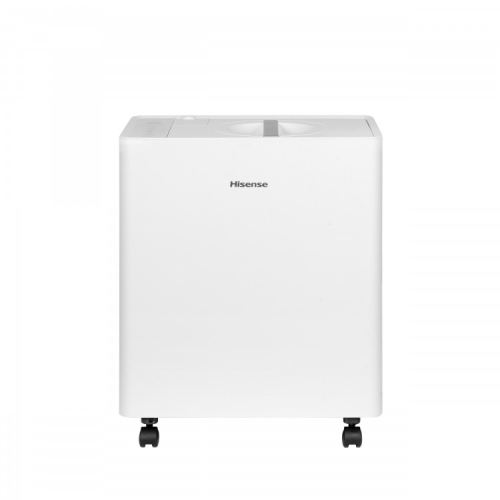
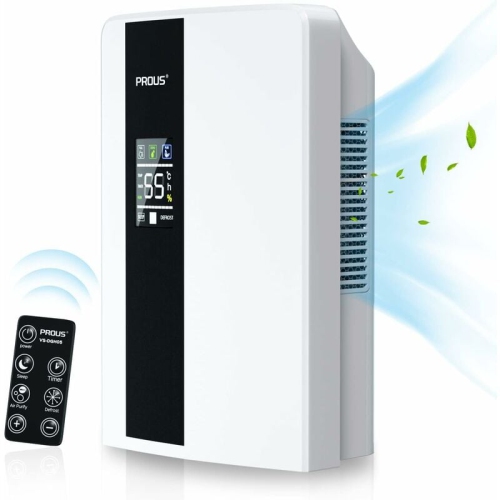
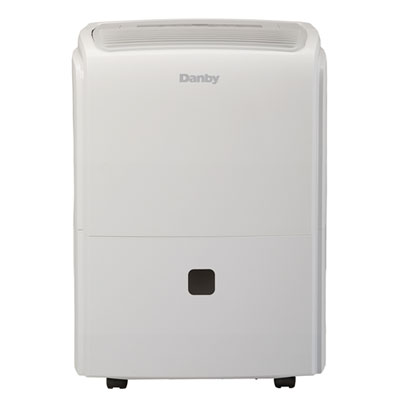
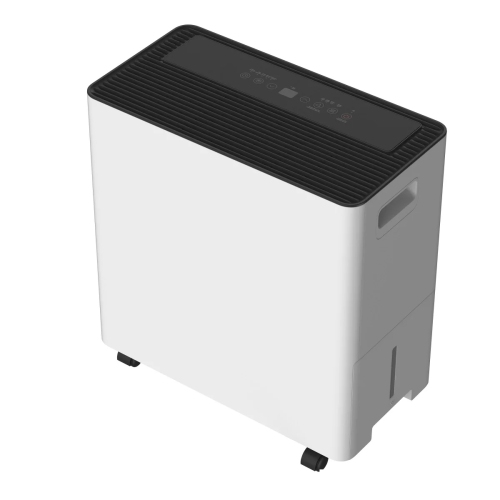
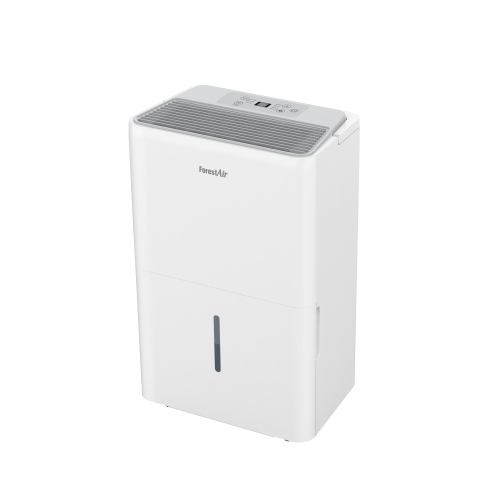
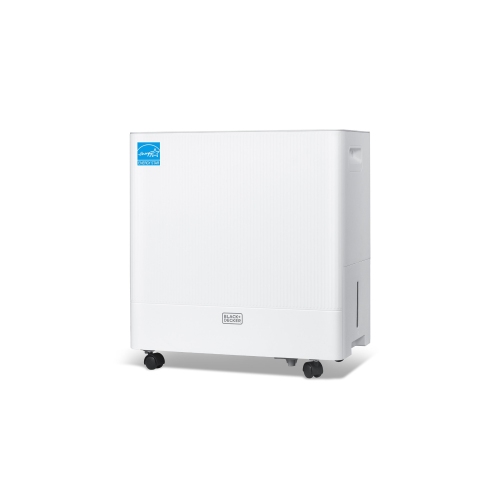
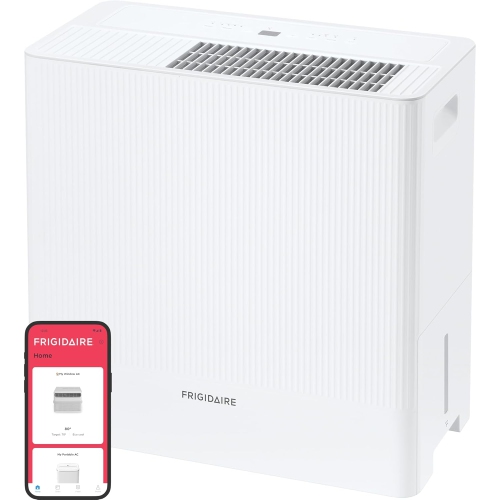
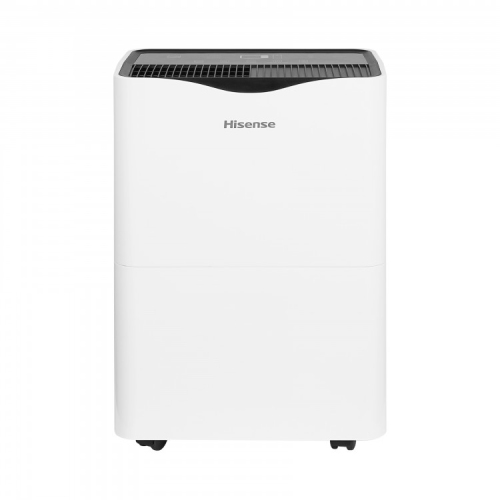
Dorm room moisture control goes beyond a small footprint
Dehumidifiers for student dorms help remove excess moisture from the air in a compact living space, making them useful where damp towels linger, windows collect condensation, or wardrobes develop a musty smell. A suitable choice balances moisture-removal capacity, physical size, noise, and everyday maintenance rather than simply having the smallest footprint. A dorm room has to accommodate a bed, desk, storage, and walking space, so a unit should fit without crowding a doorway or sitting directly beside bedding. Moisture from a shared ensuite, wet footwear, or towels drying on a rack can build up when ventilation is limited. A dehumidifier collects some of that airborne moisture as water, which must then be emptied from a tank or directed to a suitable drain if the appliance supports continuous drainage. It does not replace bathroom ventilation, repair a leak, or remove existing mould. Persistent damp patches, visible mould, or repeated condensation should also be raised with residence staff so the underlying cause can be addressed. A separate hygrometer can help establish whether excess humidity is actually present; an indoor relative humidity of about 30% to 50% is a common general target, subject to building conditions and residence guidance. The aim is a comfortable room rather than the driest possible air. Students living alone may have different needs from roommates sharing a larger suite, particularly when there is an adjoining bathroom or a closet that receives little airflow. Family members considering a practical gift can look beyond dimensions to whether the student will be able to move, empty, and clean the appliance independently. Before choosing a unit, checking residence appliance rules and the room’s layout helps avoid a poor fit. A compact dehumidifier can be useful in a small space, but its stated coverage and moisture-removal rating still need to match the room and the amount of moisture involved.
Moisture-removal capacity and water-tank capacity describe different things, and that distinction matters in a busy student routine. A rating in litres per day describes how much water a unit can extract under specified test conditions, while tank capacity describes how much collected water it can hold before emptying is needed. Actual collection varies with room conditions, so coverage figures are a starting point rather than a guarantee. A very small tank may be easy to carry to a sink but require more frequent attention. A larger tank can extend the time between emptying, although it becomes heavier when full. Automatic shut-off when the tank fills is a useful feature, along with a clearly visible full-tank indicator and a reservoir that slides out without awkward lifting. Compact thermoelectric models can suit modest moisture needs, but their smaller size generally comes with lower extraction capacity than compressor-based models. Where dampness is more persistent, extraction performance deserves more weight than a miniature design. Noise also matters when the same room serves as a bedroom, study space, and place to unwind. Published sound ratings are most useful when measured under comparable conditions, and both fan noise and compressor cycling can be noticeable during quiet reading or sleep. Adjustable fan speeds, a timer, and dimmable indicator lights may make daily use less intrusive, where those features are included. A built-in humidistat allows a chosen humidity setting instead of relying entirely on manual switching. Physical details deserve equal attention: check the space needed around air inlets and outlets, whether the tank can be removed in its intended location, and whether a carrying handle feels manageable. Smooth, wipe-clean housing and accessible controls simplify upkeep, while castors may help with heavier units on suitable flooring. These same considerations apply when browsing dehumidifiers for students' living spaces, including shared apartments and bedrooms where floor space is limited.
Placement and care have a direct effect on how well a dorm dehumidifier fits into daily life. A stable, level location with the manufacturer’s required clearance helps air move through the unit freely. Avoid enclosing it in a wardrobe, tucking it behind hanging clothes, or placing it where a chair can strike the tank. Keeping it away from bedding, books, and electronics also reduces the chance that a spill during emptying will damage nearby belongings. Follow the electrical connection instructions, including any requirement for a grounded wall outlet, and avoid arrangements that leave a cord stretched across a walkway. Continuous drainage can reduce tank-emptying tasks, but only when the model supports it and the residence permits a suitable setup. Gravity-fed drainage needs the correct hose position and an appropriate drain; a hose should never create a trip hazard or discharge into an improvised container that could overflow. For many dorm rooms, a removable tank is the more straightforward arrangement. Empty it before carrying the appliance between rooms, and follow the manual’s instructions for cleaning and drying the reservoir. If the unit has a washable filter, clean it at the specified intervals and let it dry as directed before refitting it. That filter generally protects the appliance from dust and should not be mistaken for a dedicated air purifier. Durable ownership also depends on keeping grilles clear and avoiding harsh cleaning methods that could damage the housing or internal parts. Before packing the unit for a move, drain remaining water and allow the appropriate components to dry according to the instructions. With roommates, agreeing on placement, operating times, and who empties the tank can prevent a useful appliance from becoming an overlooked chore. The best fit is one that addresses a genuine moisture issue while remaining easy to live with: appropriately sized, straightforward to maintain, and unobtrusive enough to share space with studying, sleeping, and everyday residence life.
Top selling and popular products
-
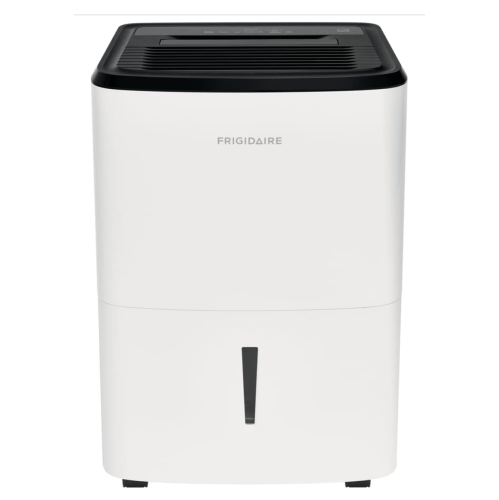 Your price for this item is $879.99
-
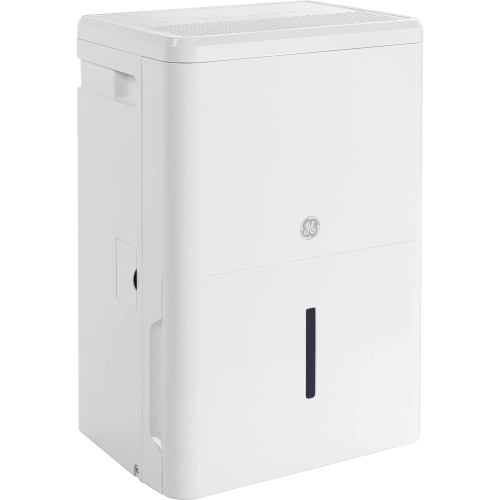 Your price for this item is $637.99
-
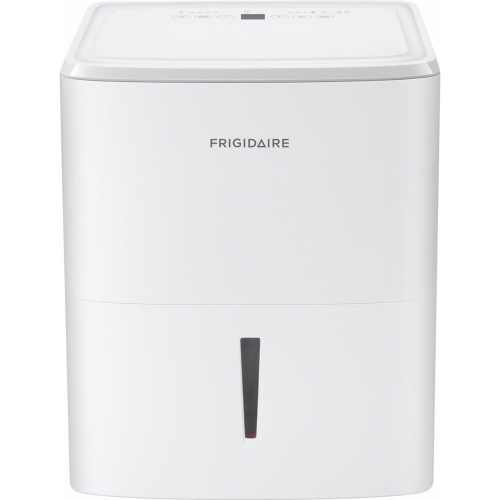 Your price for this item is $599.99
-
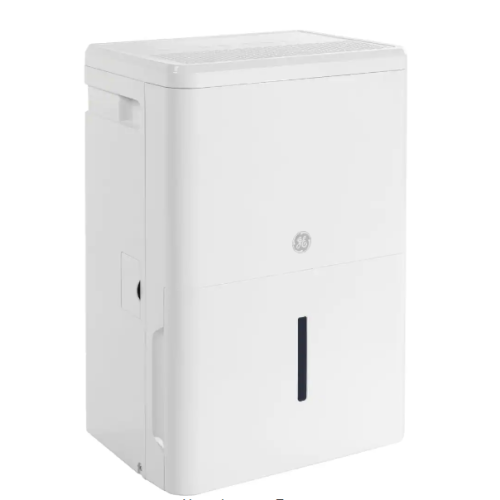 Your price for this item is $539.99
-
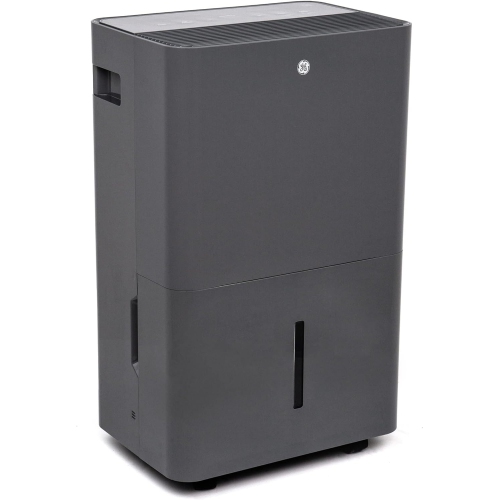 Your price for this item is $945.99
-
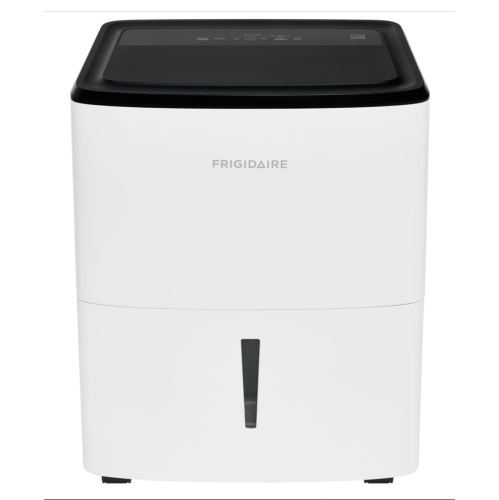 Your price for this item is $582.99
-
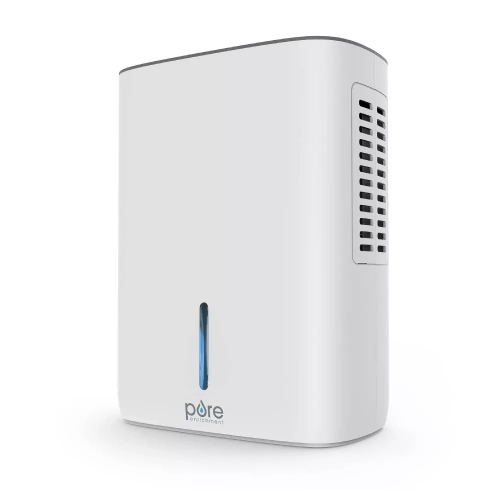 Your price for this item is $329.99
-
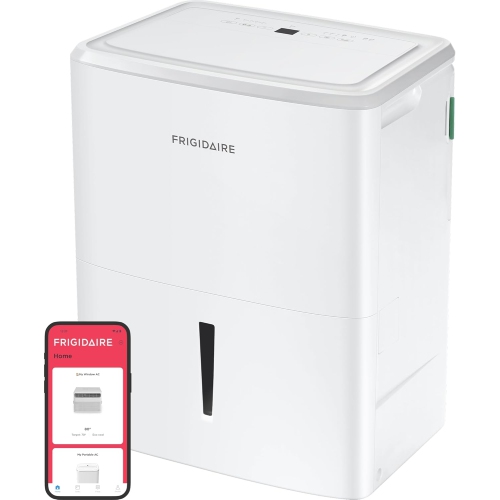 Your price for this item is $878.89
Discover more categories related to Dehumidifiers for Student Dorms
Top Collections:
Best Black Friday Deals This Year, Best Black Friday Deals On Electronics, Kindle Devices, Pokemon Centers, Best Black Friday Deals On Apple Products, Best Cameras for Sports Photography, Dyson Airwrap, Pokémon 30th Celebration Cards, Apple iPhone 17 Pro, Canon G7X Cameras
Some products may be subject to Environmental Handling Fees
(EHF) depending on your province.
Learn more about EHFs.