Humidifiers for Dorm Rooms
Humidifiers for Dorm Rooms are a great addition to any college living space, helping to create a more comfortable environment throughout the school year. Compact and easy to use, these humidifiers are designed to fit perfectly in smaller spaces while supporting a pleasant atmosphere for studying, sleeping, and relaxing. Whether you're looking to enhance your daily comfort or simply want an extra touch of coziness in your dorm, explore a variety of options to find the right humidifier for your room.
Sort
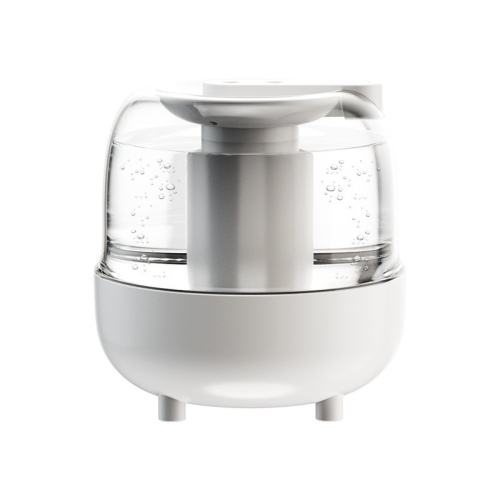
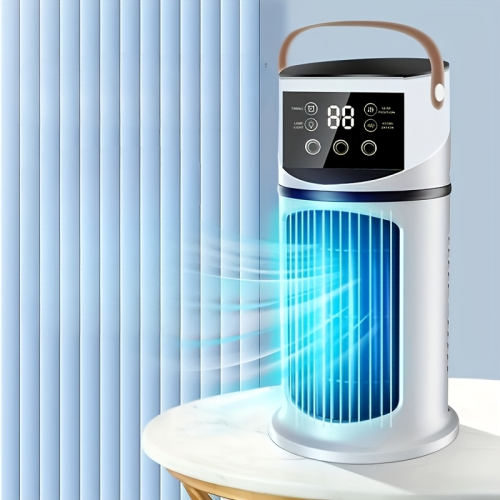
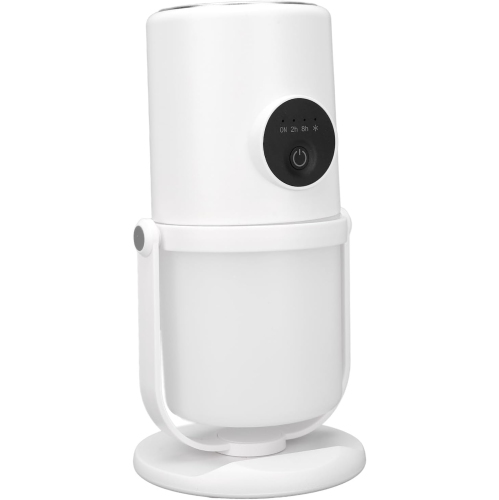
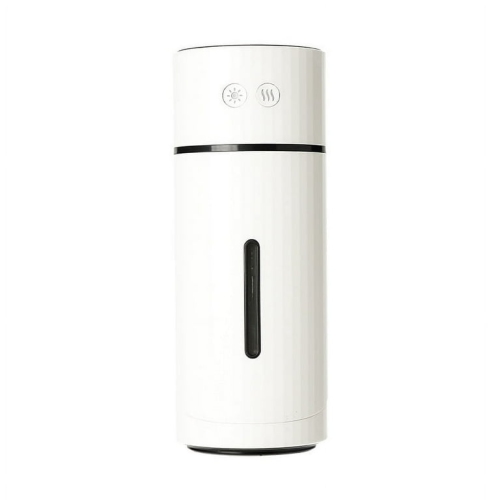


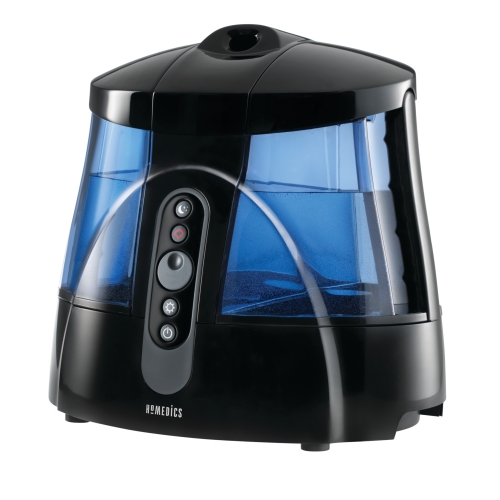
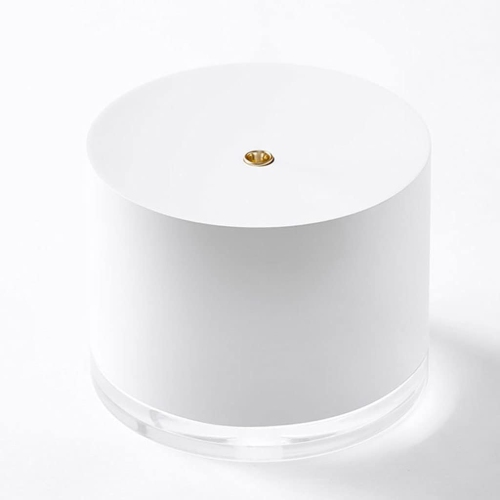
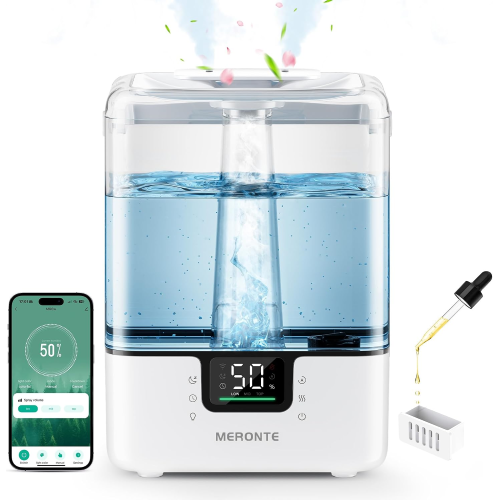
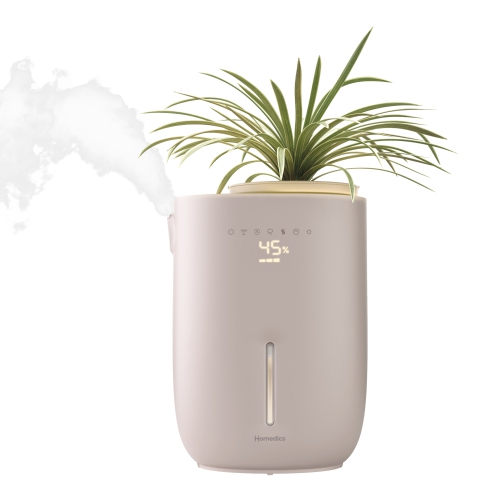
A dorm-friendly humidifier needs more than a small footprint
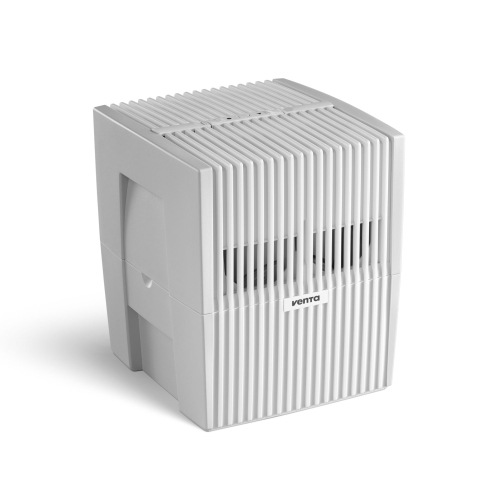
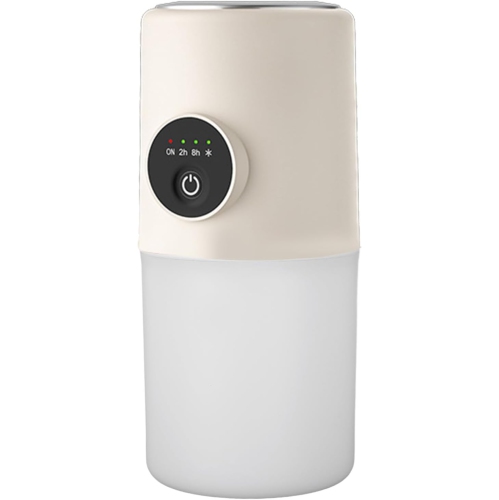
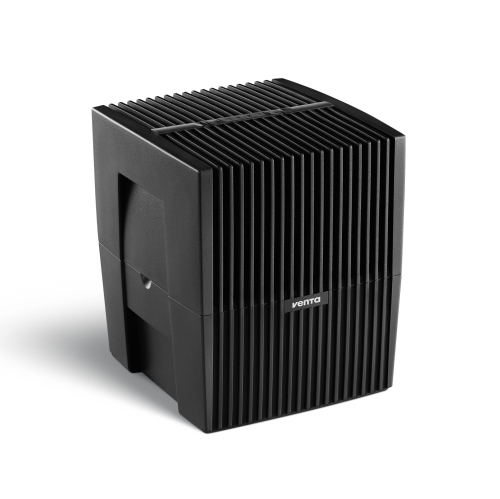
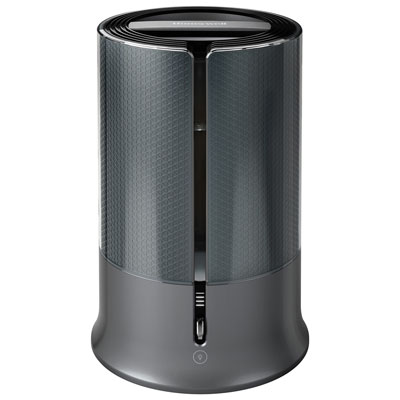
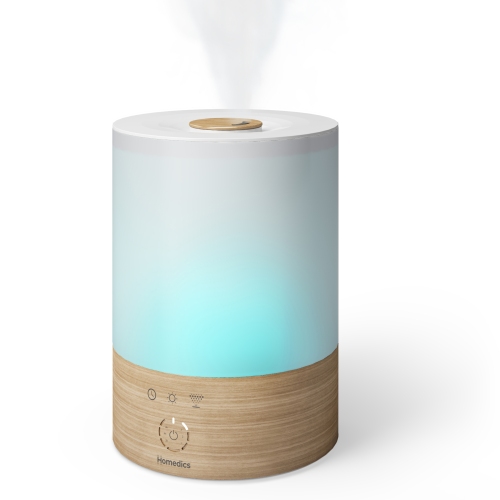
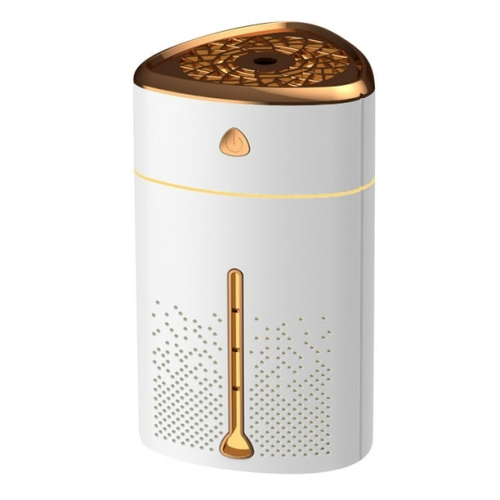
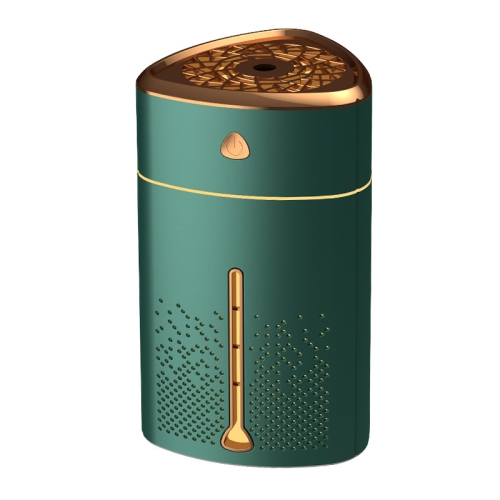
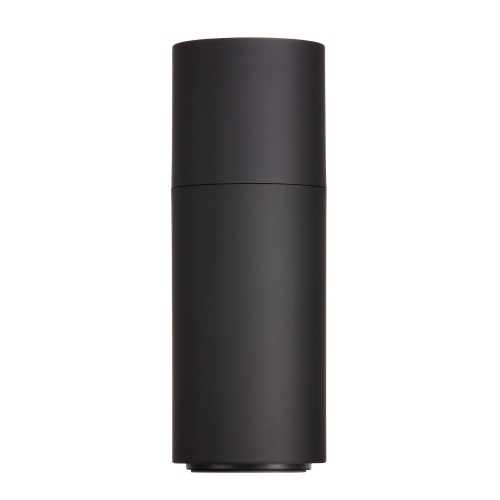
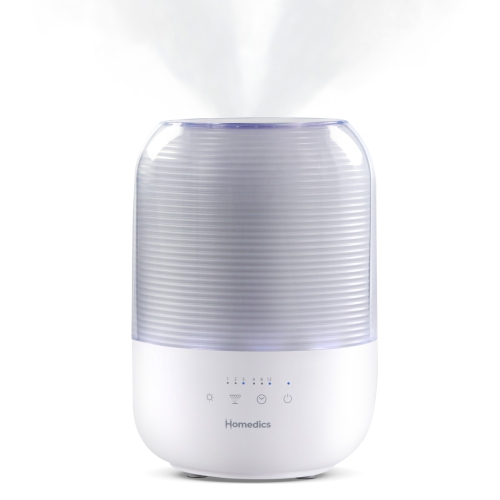
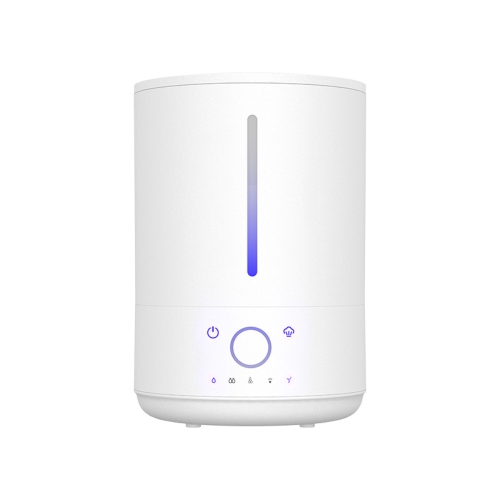
Humidifiers for dorm rooms are designed to add moisture to indoor air without taking over a space that already serves as a bedroom, study area, and place to unwind. In a compact room, the right fit depends on more than the size of the water tank. A unit needs a stable spot, enough clearance for mist to disperse, and convenient access for refilling and cleaning. A narrow bedside table might accommodate a small upright design, while a shared room with a larger open floor area may suit a model with greater coverage. For crowded study spaces, personal desktop humidifiers for dorm rooms can provide a compact option, provided the mist stays clear of laptops, textbooks, charging cables, and other belongings. Published coverage ratings offer a starting point, but ceiling height, open doors, ventilation, and the layout of the room also affect how moisture spreads. A humidifier intended for a small space should not be expected to serve an entire residence suite through an open doorway. Placement matters just as much: a level, water-resistant surface is preferable to carpet, an upholstered stool, or a shelf directly above electronics. The mist outlet should point away from bedding, curtains, walls, and furniture finishes, with the clearance specified by the manufacturer. Residence rules are another practical consideration, since some buildings restrict certain appliances or designs that heat water. For students sharing a room, the sound of a fan, the glow of a display, and the space needed around the unit can matter as much as its output. A humidifier can also make a thoughtful move-in gift when it matches the recipient’s room size, daily routine, and residence requirements. Compact proportions are useful, but comfortable access to the tank and controls helps make the appliance easier to live with beyond the first few days.
Different humidifier designs bring different trade-offs to dorm-room use. Ultrasonic models use high-frequency vibration to create mist and often operate with little mechanical sound, although water movement and control tones can still be noticeable in a quiet room. Evaporative models move air through a damp wick or filter, so fan sound and replacement-filter requirements are worth considering. Warm-mist designs heat water and need particular care around hot surfaces and steam; cool-mist options avoid that source of heat, but still require careful handling and regular cleaning. Neither style replaces an air purifier or removes the need to manage dust and other airborne particles separately. Adjustable output is especially helpful in a small room, where continuous high output may add more moisture than needed. A built-in humidistat can regulate operation around a selected humidity level, while a separate humidity monitor offers another way to check conditions away from the mist outlet. An indoor relative humidity range of about 30% to 50% is a common reference, with residence guidance and signs of excess moisture taking priority. Condensation on windows, damp surfaces, or a musty smell can indicate that output should be reduced or operation stopped. Tank capacity and advertised runtime also need to be considered together: a longer runtime may be measured at the lowest setting, rather than the output needed in a particular room. Automatic shut-off when the tank runs empty is useful, but it does not replace supervision or the manufacturer’s operating instructions. For studying and sleeping, dimmable displays, a setting that switches lights off, and clearly marked controls can make everyday use less intrusive. Smooth plastic housings are common, and a sturdy base, secure tank seating, and controls that respond without a hard push are practical details to look for. A carry handle and a tank that fits under the available tap can be more valuable than a larger capacity that is awkward to refill.
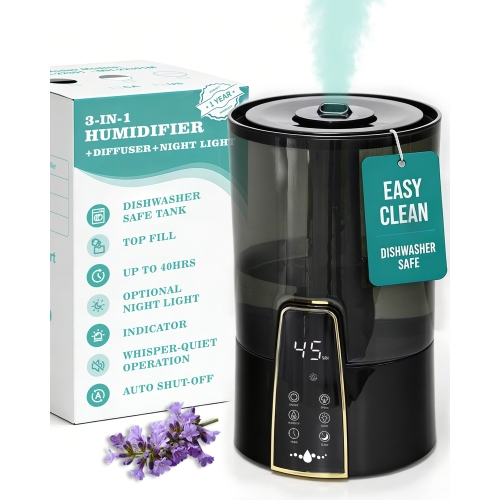
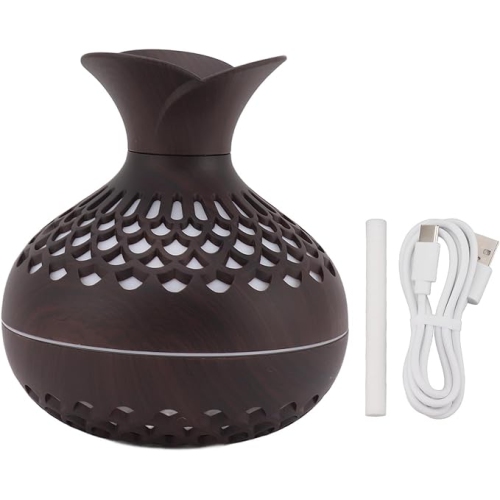
Care requirements are an important part of choosing a humidifier for student life, particularly when the nearest sink is down the hall. A wide tank opening makes it easier to reach interior surfaces, while removable parts and fewer narrow channels can simplify routine cleaning. Top-fill designs may reduce the need to turn a full tank upside down, though each design has its own filling procedure and limits. Water is heavy, so a smaller tank that is comfortable to carry may be a better fit than one that requires an awkward two-handed trip past doors and shared bathrooms. Fresh water each day, regular emptying, and allowing accessible water-contact surfaces to dry when the unit is not in use help support proper care. Cleaning frequency, approved cleaning agents, and rinsing steps should follow the manufacturer’s directions; parts should only go in a dishwasher when they are specifically identified as dishwasher-safe. Mineral buildup can affect performance, and ultrasonic models may release fine mineral residue when used with water that contains dissolved minerals. Distilled or demineralized water, where recommended, can help limit this residue, while ordinary filtered water may still contain minerals. Evaporative wicks and other replaceable components also need attention according to their condition and the instructions supplied with the appliance. Essential oils, fragrances, and other additives should stay out of the water tank unless the humidifier is expressly designed to accept them in that location. For a student who spends long stretches in lectures or at the library, easy disassembly and straightforward maintenance can matter more than extra settings. Before a trip home or any extended period without use, the tank and base should be emptied, cleaned, and dried as directed rather than left holding water. Power cords should remain clear of walkways, and any USB-powered design needs a compatible power source that meets its stated requirements. These everyday details help distinguish a humidifier that simply fits on a shelf from one that fits comfortably into dorm-room routines.
Top selling and popular products
-
 Your price for this item is $14.98
-
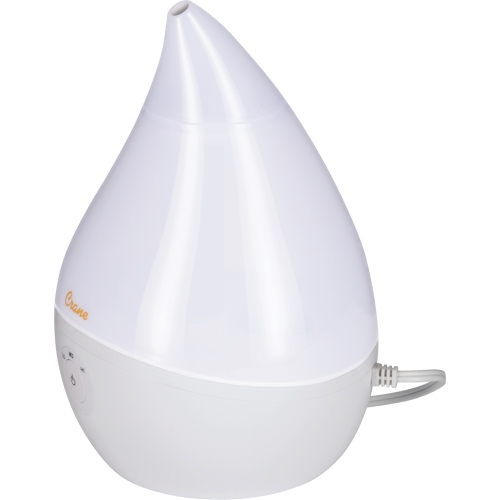 Your price for this item is $89.97
-
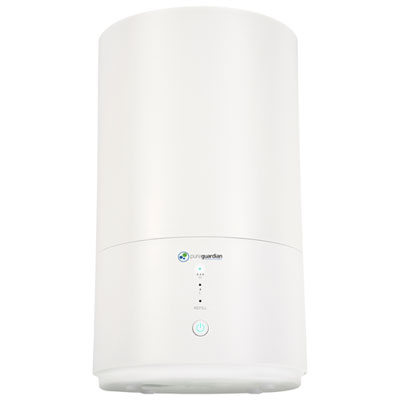 Your price for this item is $89.98
-
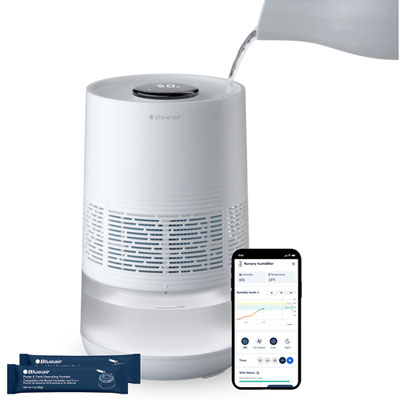 Your price for this item is $159.99
-
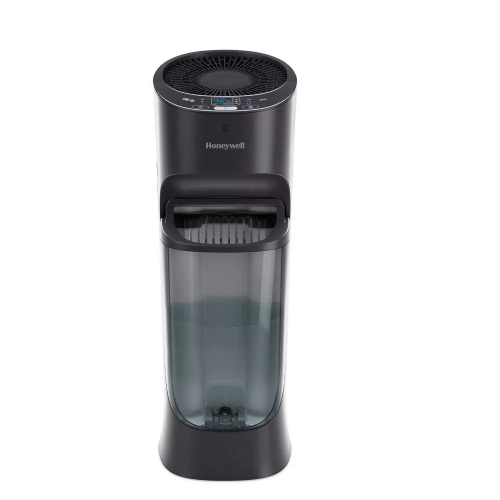 Your price for this item is $274.99
-
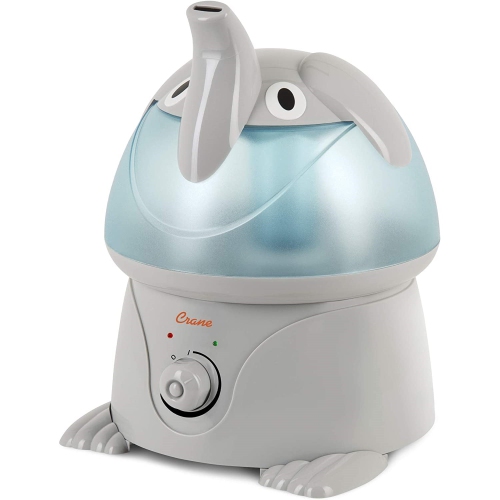 Your price for this item is $109.97
-
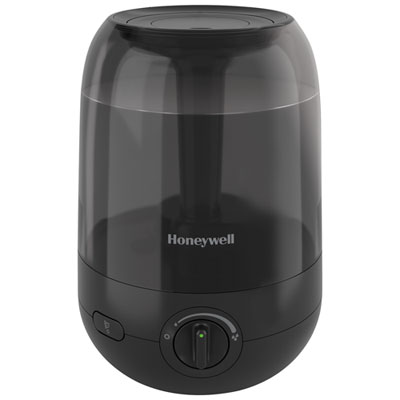 Your price for this item is $59.98
-
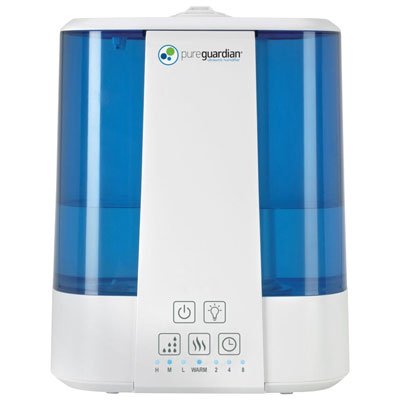 Your price for this item is $138.98
Discover more categories related to Humidifiers for Dorm Rooms
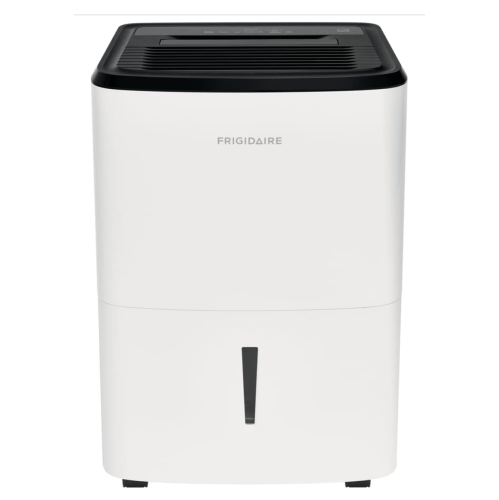

Top Collections:
Best Black Friday Deals This Year, Best Black Friday Deals On Electronics, Kindle Devices, Pokemon Centers, Best Black Friday Deals On Apple Products, Best Cameras for Sports Photography, Dyson Airwrap, Pokémon 30th Celebration Cards, Apple iPhone 17 Pro, Canon G7X Cameras
Some products may be subject to Environmental Handling Fees
(EHF) depending on your province.
Learn more about EHFs.