Dehydrator Machines
Elevate your kitchen experience with a dehydrator machine, the ideal solution for creating delicious snacks and preserving your favorite foods at home. Perfect for anyone looking to enjoy homemade dried fruits, vegetables, or jerky, a dehydrator machine offers convenient food preparation right on your countertop. Explore a wide selection of options to find the best fit for your culinary needs and discover how easy it is to make healthy treats and ingredients any time of year.
Sort

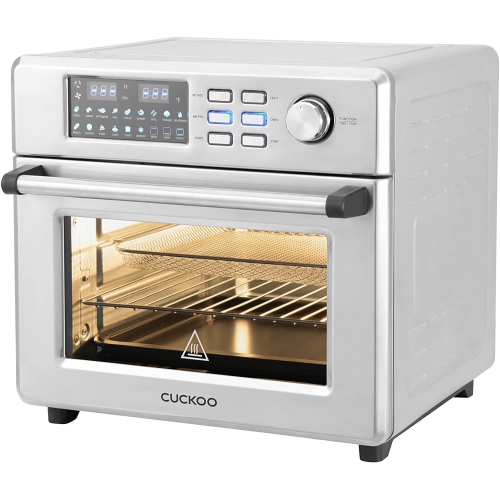
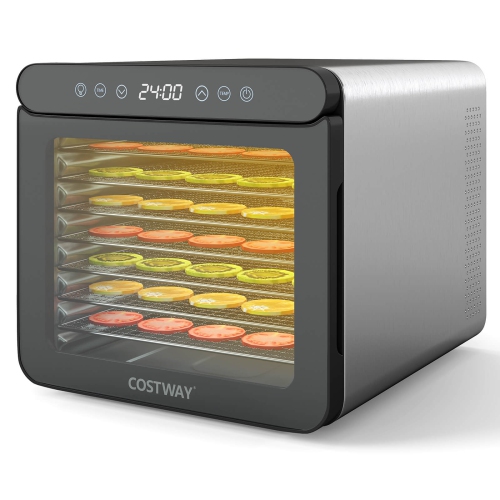

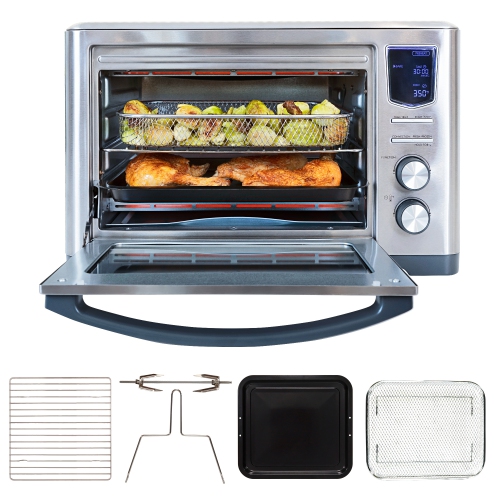

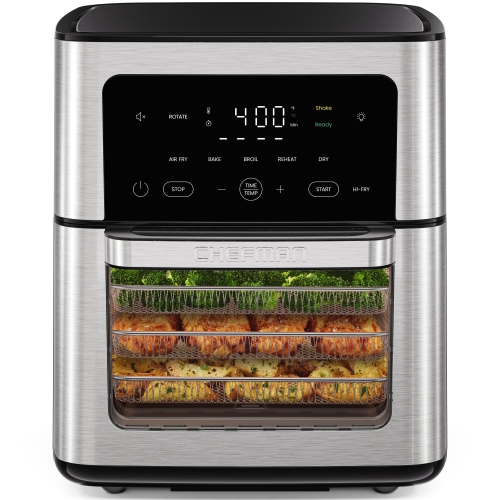
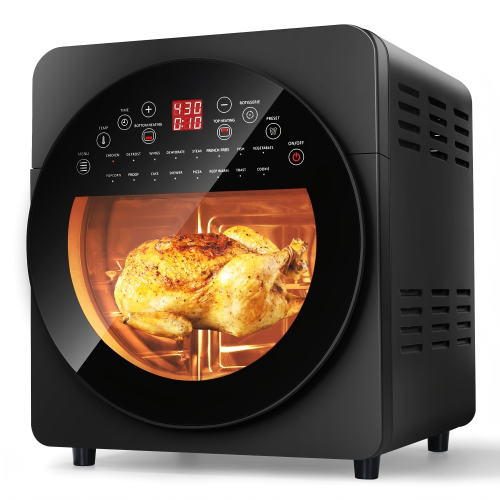
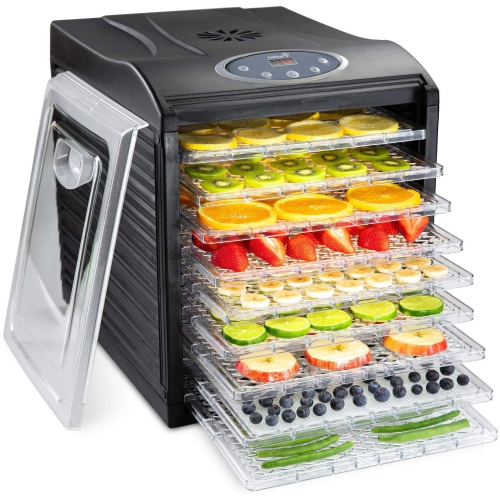


Gentle heat and airflow turn fruit into flavourful snacks
Dehydrator machines use controlled heat and circulating air to remove moisture from food, turning sliced fruit, vegetables, herbs, and prepared meats into flavourful snacks and useful ingredients. Unlike an oven set for roasting or baking, a food dehydrator is designed for gradual drying, with trays that hold food in a single layer so air can move around it. The results vary with the ingredients and preparation: apple rings can stay pleasantly chewy, thin vegetable slices can develop a crisp texture, and puréed fruit can become flexible fruit leather when spread on a suitable liner. Dried mushrooms add depth to soups and sauces, while herbs take up less storage space once properly dried and packed. For households that enjoy preparing food from scratch, these appliances offer control over ingredients, slice thickness, seasoning, and portion size. A batch of pineapple can be left plain to highlight its sweetness, while vegetable slices can be seasoned to suit individual tastes. Added sugar and salt are recipe choices rather than requirements of the appliance itself. Dehydrator machines can suit home cooks, gardeners drying culinary herbs, hikers preparing lightweight ingredients, and families looking for another way to make snacks. They can also be thoughtful gifts for someone who already enjoys meal preparation or experimenting with kitchen appliances, provided there is enough room to use and store one comfortably. Capacity matters more than the appliance’s outside dimensions might suggest. Several trays may be needed for a bowl of sliced fruit because pieces should not overlap, and a large batch of fresh ingredients becomes much smaller as moisture leaves. For someone making occasional snacks, a compact design may be practical; frequent batch preparation generally calls for more usable tray area. The most suitable size is the one that matches the amount of food normally prepared, the space available, and the time someone wants to spend filling and cleaning trays.
The layout of a food dehydrator influences how it fits into everyday kitchen routines. Stackable designs commonly move air vertically through a series of trays, while cabinet-style designs often use a rear-mounted fan to move air across slide-out trays. Neither arrangement makes every batch identical, but airflow design can affect drying consistency, access to food, and whether trays need rotating according to the manufacturer’s directions. Slide-out trays make it easier to check one layer without lifting the others, while some stackable units allow compatible trays to be added within a specified limit. Total drying area is a more useful comparison than tray count alone, since tray dimensions and central openings can differ considerably. Tray spacing also matters: thin apple slices need little clearance, whereas halved tomatoes or thicker pieces may require more room. Adjustable temperature settings help accommodate ingredients with different drying requirements, from delicate herbs to fruit and vegetables. Clear controls and an easy-to-read display can make repeated batches simpler, especially when several people share the appliance. A timer or automatic shut-off can help manage a lengthy drying cycle, although elapsed time alone does not establish that food is sufficiently dry. Ingredient moisture, slice thickness, tray loading, and airflow all affect the result. Transparent doors or lids offer a convenient view without opening the machine as often. Materials are another consideration. Stainless steel trays can be sturdy and straightforward to scrub, while food-grade plastic trays may be lighter to carry and handle. Fine mesh inserts help keep small pieces from falling through, and purpose-made solid liners support purées and other soft mixtures when compatible with the appliance. Countertop fit includes more than width: ventilation clearance, cord placement, access to the controls, and room to remove trays all deserve attention. Fan noise may also matter in an open kitchen, particularly when drying runs for several hours near a dining table or home workspace.
Care and food preparation have a direct effect on both the appliance’s useful life and the quality of each batch. Smooth tray surfaces, accessible corners, and removable components make a difference after sticky fruit or marinated food has dried onto the racks. Dishwasher suitability varies, so trays and liners should only go in the dishwasher when the manufacturer permits it; the housing, fan, and electrical components require cleaning according to the appliance instructions rather than immersion. Durable construction includes secure tray supports, a door or lid that fits properly, and controls that remain easy to operate with regular use. Consistent slicing is equally valuable during preparation. A tray holding both paper-thin edges and thick centres is likely to finish unevenly, while similar-sized pieces are easier to assess together. Leaving space between pieces helps airflow reach the food instead of trapping moisture where surfaces touch. Drying reduces moisture, but it does not sterilize food or make every finished batch suitable for room-temperature storage. Safe preparation, adequate drying, and appropriate storage remain essential, especially for meat. Jerky requires a tested food-safety method, including the recommended heating steps and verification with a food thermometer; a dehydrator’s temperature setting alone does not confirm that meat has reached a safe internal temperature. Shoppers focused on meat snacks can also explore Best Dehydrators for Jerky, keeping usable tray area, temperature control, and cleaning access in mind. Finished foods should cool before packaging so trapped warmth does not lead to condensation, and storage containers should protect them from moisture. Any sign of mould calls for discarding the affected food rather than trimming it. Some preparations need refrigeration or freezing, and storage life depends on the food, drying method, packaging, and storage conditions. Matching the machine to familiar recipes and realistic batch sizes makes it easier to build a routine, whether that means a small container of dried herbs for cooking or several trays of fruit for packed snacks.
Top selling and popular products
-
 Your price for this item is $323.99
-
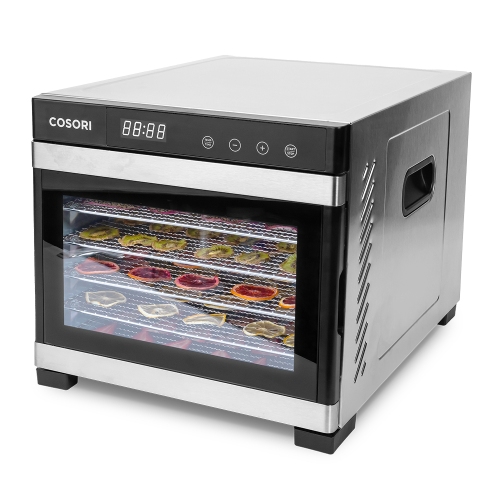 Your price for this item is $195.99
-
 Your price for this item is $52.99
-
 Your price for this item is $417.99
-
 Your price for this item is $199.99
-
 Your price for this item is $89.99
-
 Your price for this item is $99.99
-
 Your price for this item is $479.99
Discover more categories related to Dehydrator Machines
Top Collections:
Best Black Friday Deals This Year, Best Black Friday Deals On Electronics, Kindle Devices, Pokemon Centers, Best Black Friday Deals On Apple Products, Best Cameras for Sports Photography, Dyson Airwrap, Pokémon 30th Celebration Cards, Apple iPhone 17 Pro, Canon G7X Cameras
Some products may be subject to Environmental Handling Fees
(EHF) depending on your province.
Learn more about EHFs.