Downdraft Cooktop Vent
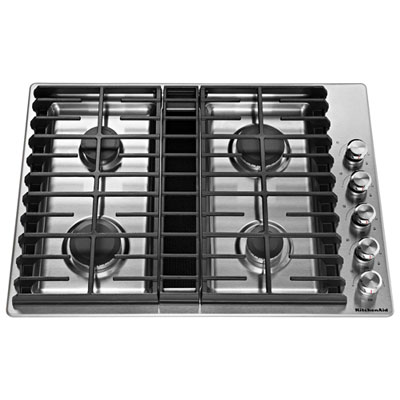
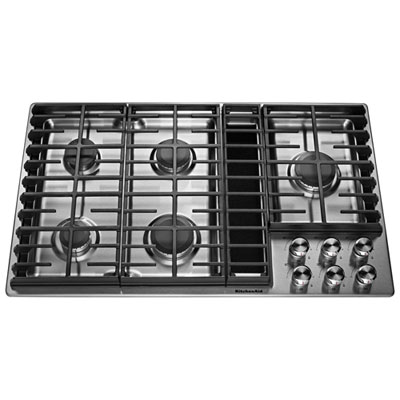
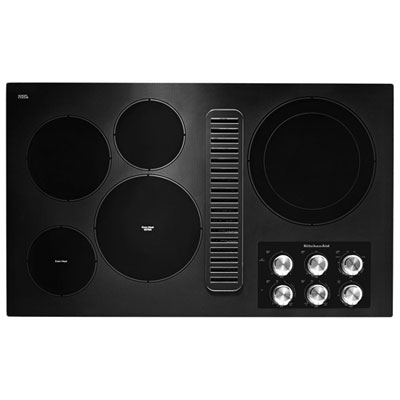
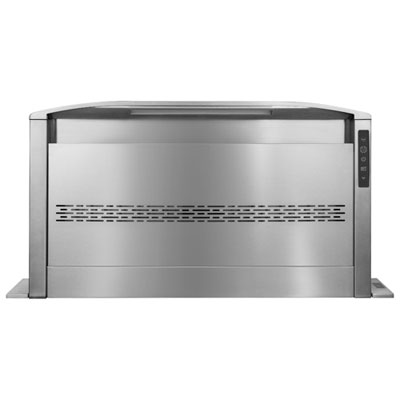
A downdraft cooktop is a type of electric cooktop that uses a fan to pull air from the kitchen and vent it outside. The air is heated by a heating element and then exhausted outside. This type of cooking surface is typically found in homes with small kitchens and limited ventilation. Here are some of our favorites.
Sort



What to know about installation and ventilation performance
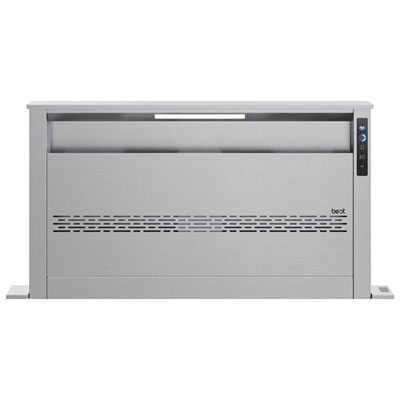
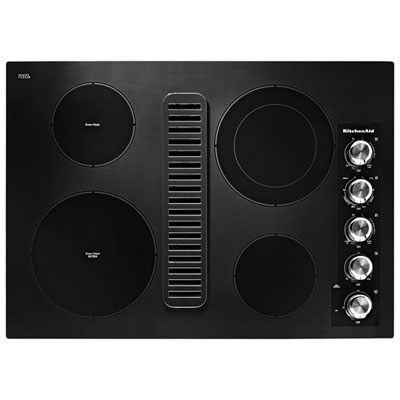
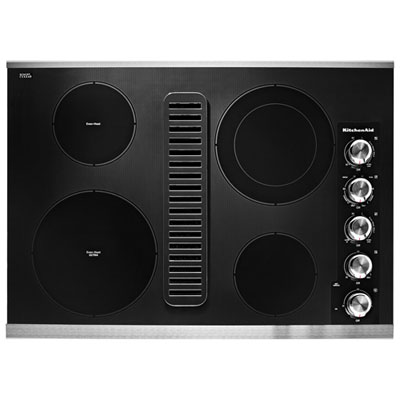
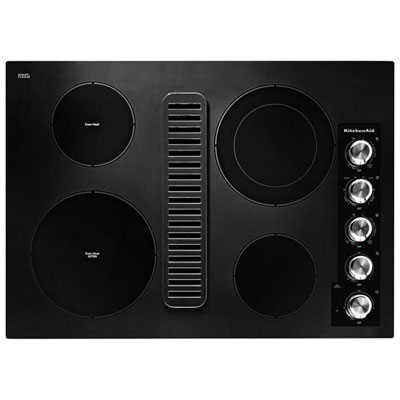
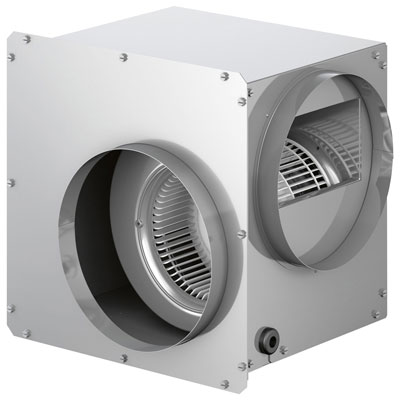
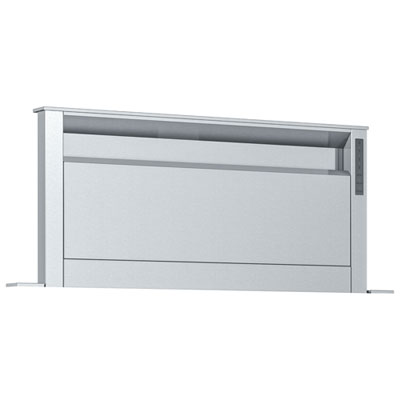
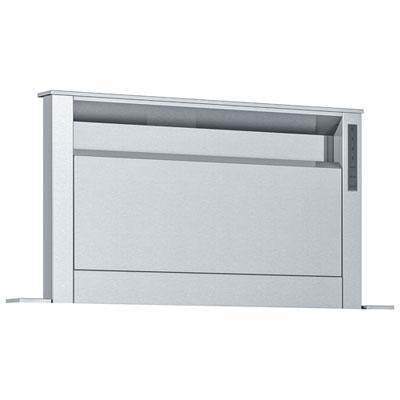
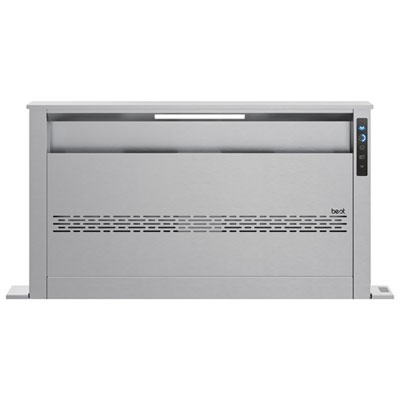
A downdraft cooktop vent is a practical kitchen ventilation solution for cooking areas where a traditional overhead range hood is difficult to install or would interrupt the look and flow of the room. Instead of drawing smoke, steam, grease and cooking odours upward, a downdraft system pulls them downward from the cooking surface. Some models use a pop-up vent that rises behind the cooktop when needed and retracts almost flush with the counter when cooking is finished. Others feature an integrated vent opening built directly into the cooktop, creating a streamlined surface with fewer separate components. This design is especially well suited to kitchen islands, peninsulas and open-concept layouts where an overhead hood could block sightlines, interfere with lighting or compete with the room’s focal point. It can also be useful in kitchens with unusually high or low ceilings, or in renovations where adding a ceiling-mounted vent would require extensive work. Shoppers comparing ventilation and cooking appliances may also wish to explore Downdraft Electric Cooktops for a combined cooking and ventilation setup. A downdraft vent can help keep the surrounding area more comfortable while preparing everything from pasta and roasted vegetables to breakfast foods and simmering sauces, making it easier to maintain a pleasant atmosphere when family and guests gather nearby.
The most important purchase consideration is how the vent will be installed. Ducted systems carry filtered air through ductwork and exhaust it outdoors, while ductless or recirculating systems pass air through grease and charcoal filters before returning it to the kitchen. Outdoor venting can be an effective choice when the home’s layout and renovation plans allow for suitable ductwork, but the required route may run through the cabinet, floor, wall or another part of the kitchen structure. Recirculating ventilation may be more convenient where exterior ducting is not practical, although filters need regular attention and odour control can vary depending on the cooking method. Before choosing a model, measure the available cabinet and counter space carefully. The motor, vent housing and duct connections can occupy valuable room beneath the cooktop, and a pop-up unit may require a specific clearance behind the burners. Check the installation instructions for cutout dimensions, cabinet depth, electrical requirements, duct size, minimum clearances and the location of nearby drawers or supports. It is also wise to confirm whether the vent is intended for a compatible cooktop size and configuration, since burner placement can affect how effectively steam and smoke reach the intake. A ventilation system positioned close to the active cooking area may perform differently from one serving burners spread across a wider surface. When replacing an existing appliance, compare the old cutout with the new requirements rather than assuming that a similar-looking unit will fit. Professional installation may be appropriate, particularly when electrical connections, cabinetry alterations or exterior ductwork are involved.
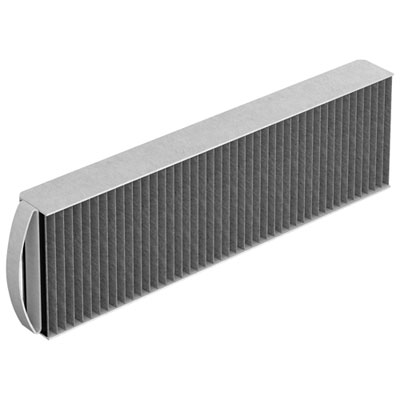
Performance details matter just as much as appearance. Look for adjustable fan speeds so the system can provide a quieter setting for gentle simmering and stronger airflow for frying, searing or boiling large pots. Noise ratings can make a noticeable difference in an open kitchen, where the fan may run while people are talking, watching television or helping with meal preparation. Controls should be easy to reach without placing hands over hot cookware, and a raised vent should move smoothly and lock securely in position. Consider the type of filters used, how they are removed, whether they can be washed or replaced, and whether replacement filters are readily available. Grease filters help capture particles before they enter the ventilation path, while charcoal filters in recirculating systems help reduce odours; both work best when cleaned or replaced according to the manufacturer’s recommendations. It is also important to set realistic expectations about downdraft performance. Because hot air, steam and smoke naturally rise, drawing them downward can be less effective than an overhead hood for heavy high-heat cooking, especially when using front burners, tall stockpots or large pans that extend beyond the intake. Keeping cookware centred over the active cooking zone, using lids when suitable and turning on the vent before cooking can improve capture. A downdraft cooktop vent is often a strong fit for homeowners planning a clean, unobstructed island, people updating a compact kitchen, and cooks who value integrated design as much as ventilation power. It can also be a thoughtful housewarming or kitchen-renovation gift when the recipient has already selected a compatible cooktop and has confirmed the necessary installation space. During the cooler months, when windows may stay closed and hearty meals are often prepared indoors, dependable ventilation can help reduce lingering aromas and moisture while keeping the kitchen welcoming. With careful attention to ducting, dimensions, filter care, noise and cooking habits, shoppers can choose a downdraft solution that complements both the room and the way they prepare meals.
The most important purchase consideration is how the vent will be installed. Ducted systems carry filtered air through ductwork and exhaust it outdoors, while ductless or recirculating systems pass air through grease and charcoal filters before returning it to the kitchen. Outdoor venting can be an effective choice when the home’s layout and renovation plans allow for suitable ductwork, but the required route may run through the cabinet, floor, wall or another part of the kitchen structure. Recirculating ventilation may be more convenient where exterior ducting is not practical, although filters need regular attention and odour control can vary depending on the cooking method. Before choosing a model, measure the available cabinet and counter space carefully. The motor, vent housing and duct connections can occupy valuable room beneath the cooktop, and a pop-up unit may require a specific clearance behind the burners. Check the installation instructions for cutout dimensions, cabinet depth, electrical requirements, duct size, minimum clearances and the location of nearby drawers or supports. It is also wise to confirm whether the vent is intended for a compatible cooktop size and configuration, since burner placement can affect how effectively steam and smoke reach the intake. A ventilation system positioned close to the active cooking area may perform differently from one serving burners spread across a wider surface. When replacing an existing appliance, compare the old cutout with the new requirements rather than assuming that a similar-looking unit will fit. Professional installation may be appropriate, particularly when electrical connections, cabinetry alterations or exterior ductwork are involved.
Performance details matter just as much as appearance. Look for adjustable fan speeds so the system can provide a quieter setting for gentle simmering and stronger airflow for frying, searing or boiling large pots. Noise ratings can make a noticeable difference in an open kitchen, where the fan may run while people are talking, watching television or helping with meal preparation. Controls should be easy to reach without placing hands over hot cookware, and a raised vent should move smoothly and lock securely in position. Consider the type of filters used, how they are removed, whether they can be washed or replaced, and whether replacement filters are readily available. Grease filters help capture particles before they enter the ventilation path, while charcoal filters in recirculating systems help reduce odours; both work best when cleaned or replaced according to the manufacturer’s recommendations. It is also important to set realistic expectations about downdraft performance. Because hot air, steam and smoke naturally rise, drawing them downward can be less effective than an overhead hood for heavy high-heat cooking, especially when using front burners, tall stockpots or large pans that extend beyond the intake. Keeping cookware centred over the active cooking zone, using lids when suitable and turning on the vent before cooking can improve capture. A downdraft cooktop vent is often a strong fit for homeowners planning a clean, unobstructed island, people updating a compact kitchen, and cooks who value integrated design as much as ventilation power. It can also be a thoughtful housewarming or kitchen-renovation gift when the recipient has already selected a compatible cooktop and has confirmed the necessary installation space. During the cooler months, when windows may stay closed and hearty meals are often prepared indoors, dependable ventilation can help reduce lingering aromas and moisture while keeping the kitchen welcoming. With careful attention to ducting, dimensions, filter care, noise and cooking habits, shoppers can choose a downdraft solution that complements both the room and the way they prepare meals.
Top selling and popular products
-
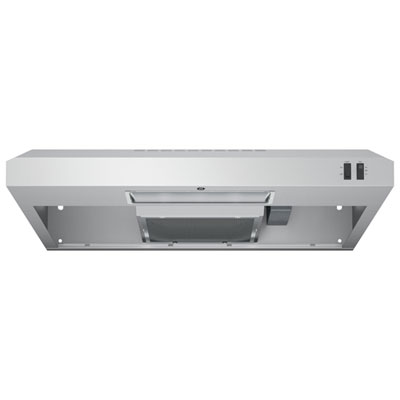 Your price for this item is $249.99
 -
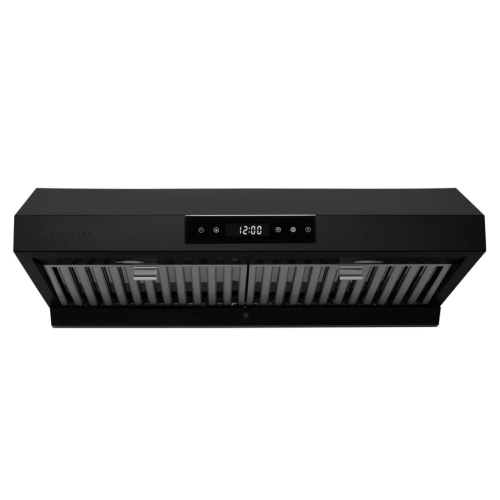 Your price for this item is $598.49
 -
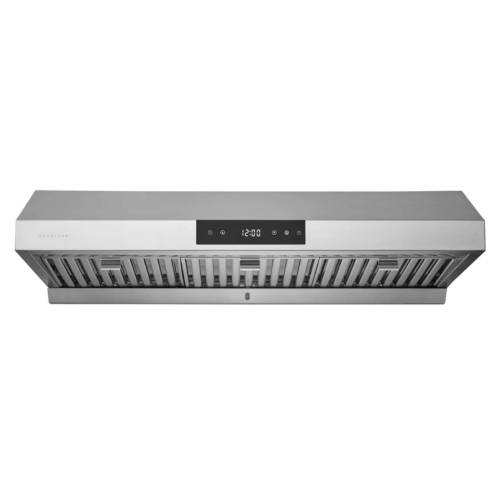 Your price for this item is $645.99
 -
 Your price for this item is $645.99
 -
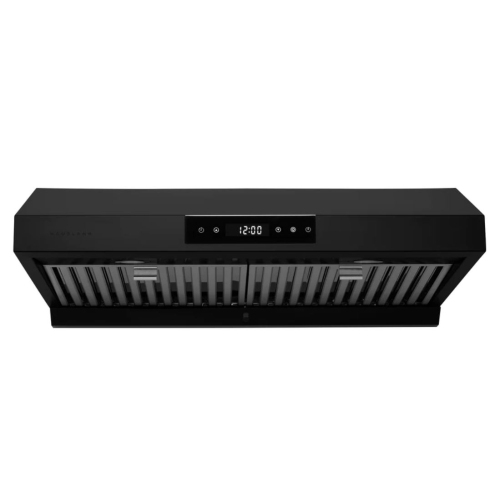 Your price for this item is $645.99
 -
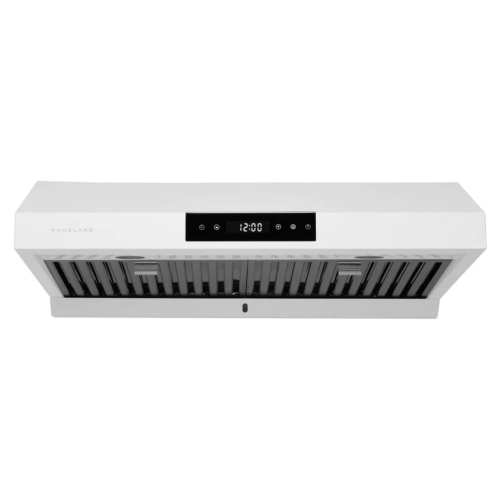 Your price for this item is $598.49
 -
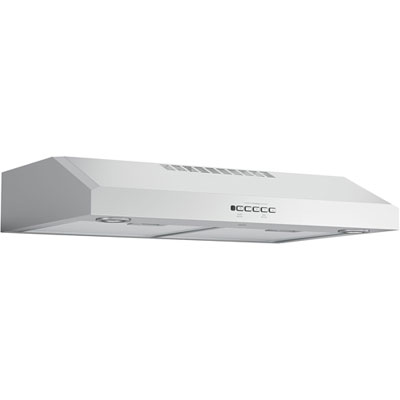 Your price for this item is $449.99
 -
 Your price for this item is $399.99
Discover more categories related to Downdraft Cooktop Vent

Top Collections:
Pokemon Centers, Kindle Devices, Best Budget Office Chairs, Apple iPhones 16, Best Laptops for Writers, iPhone 15 Apple, Canon G7X Cameras, Refurbished Apple Laptops, Alarm Clock, Motorola Razr Phones
Some products may be subject to Environmental Handling Fees
(EHF) depending on your province.
Learn more about EHFs.