Downdraft Range Hoods With Integrated Design for Seamless Kitchen Look
Enhance the sleek aesthetic of your kitchen with our range of downdraft range hoods featuring integrated design. Say goodbye to bulky and obtrusive range hoods that disrupt the seamless flow of your kitchen space. Our selection of downdraft range hoods is thoughtfully designed to blend seamlessly into your kitchen, creating a cohesive and modern look. With their innovative technology and stylish finishes, these range hoods not only provide powerful ventilation but also elevate the overall design of your cooking area. Discover the perfect downdraft range hood to complement your kitchen's style and enjoy a harmonious cooking experience like never before.
Sort
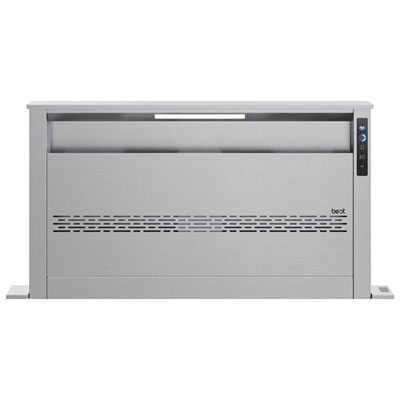


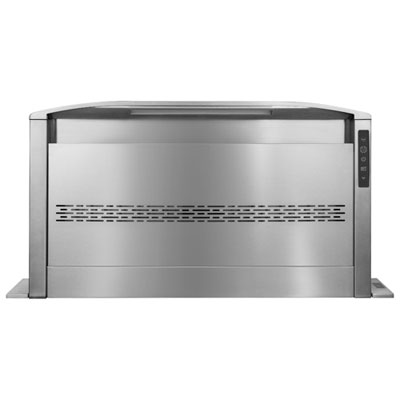
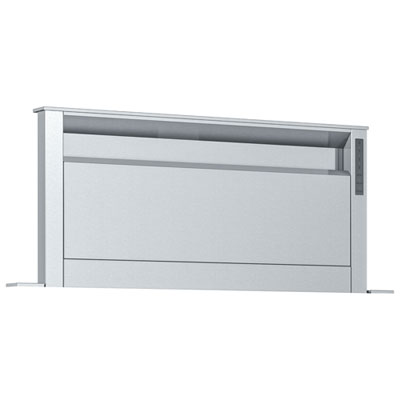
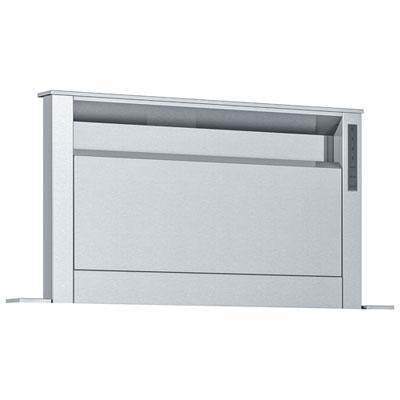

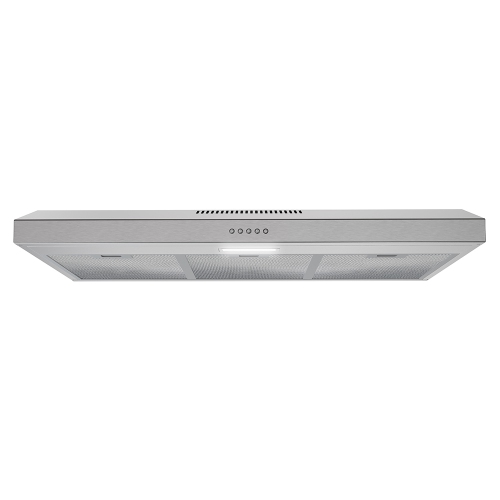
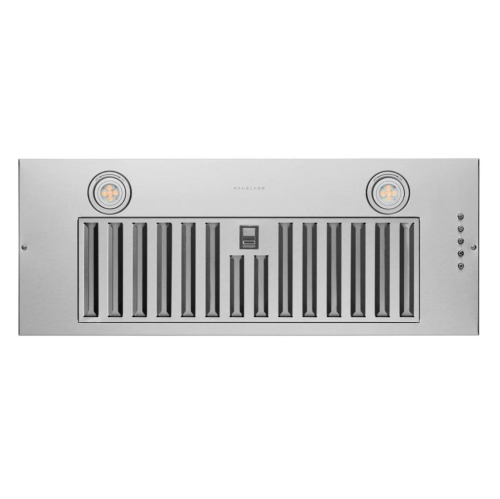
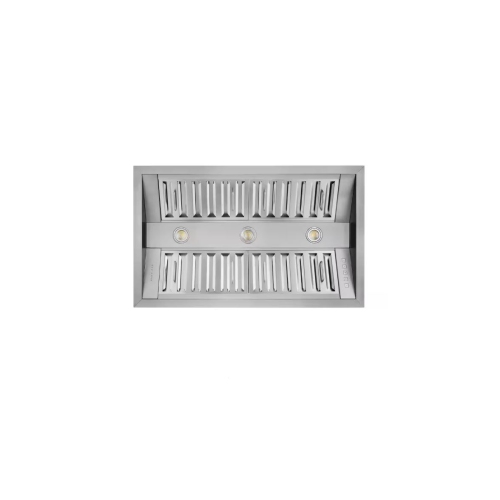
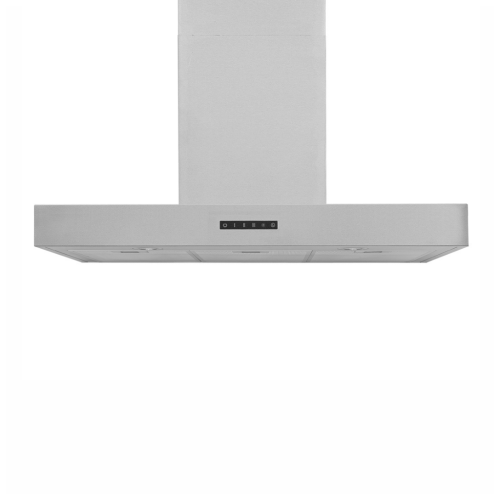
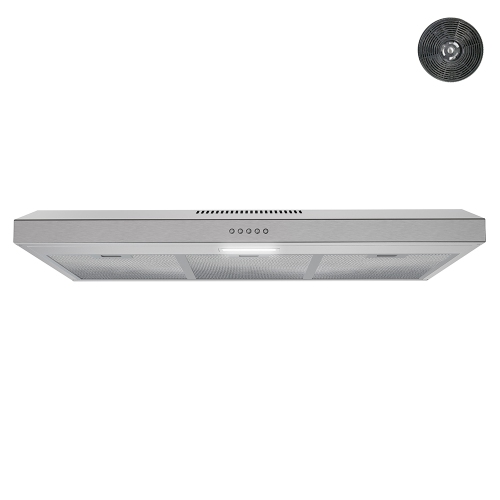
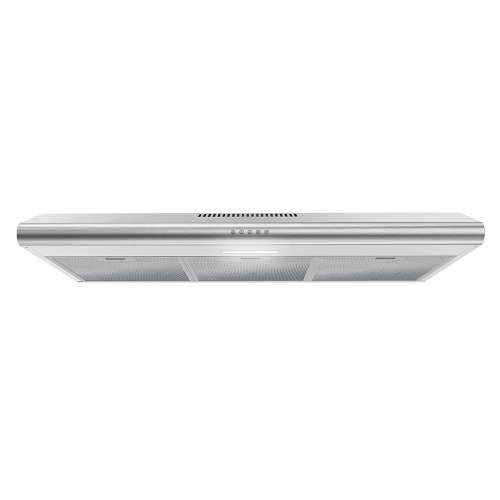
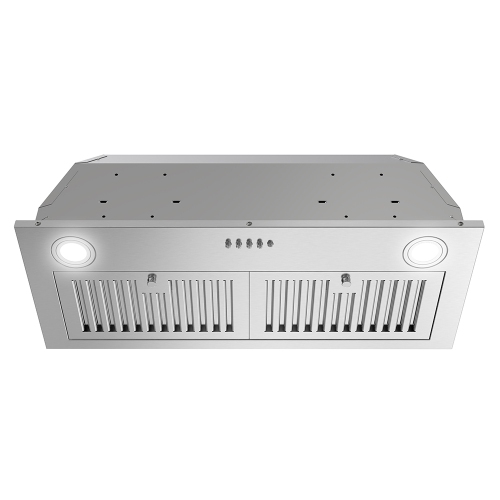
Key considerations for concealed ventilation in open kitchens
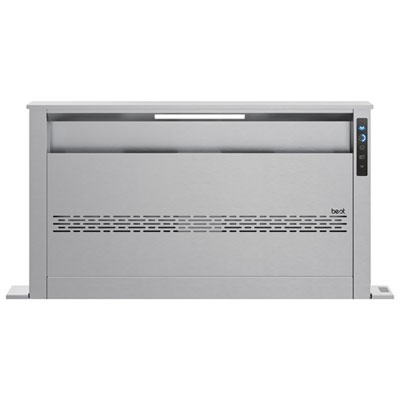
Downdraft range hoods with integrated designs offer a practical way to manage cooking vapours while preserving an open, uncluttered kitchen. Unlike a traditional hood mounted above the cooktop, a downdraft model is built into the counter or positioned directly behind the cooking surface. When ventilation is needed, the unit can rise from its concealed position and draw steam, smoke, grease and odours downward into the ventilation system. When cooking is finished, it retracts to sit nearly flush with the countertop, helping maintain a smooth sightline across the room. This arrangement can be especially appealing in kitchens with island cooktops, open-concept layouts, tall ceilings or large windows where an overhead hood could interrupt the view. It also suits homeowners who prefer a quieter visual backdrop for their cabinetry, lighting and countertops. While preparing a meal, you can keep sight of guests seated at the island, children moving through the kitchen or the living area beyond it, rather than looking around a large overhead enclosure. For more inspiration around understated ventilation, explore Downdraft Range Hoods for Minimalist Kitchen Designs. An integrated downdraft range hood may also be a useful choice during a kitchen renovation, particularly when the layout does not easily accommodate a ceiling-mounted or wall-mounted hood. Its concealed format can complement contemporary, transitional and minimalist spaces, but the right installation depends on the cooktop, counter construction and available ventilation route. Reviewing the product dimensions before purchase helps confirm that the unit will fit behind the cooktop and that the required cabinet space remains available below the counter. The concealed components, ductwork and motor may occupy room inside the cabinet, so it is important to account for drawers, storage shelves, plumbing and electrical connections before finalizing the layout. A professional installer can help assess clearances, duct placement and local installation requirements, especially when the cooking surface is located on an island.
When comparing downdraft range hoods, start with the size of the cooking surface and the type of meals prepared most often. The hood should be appropriately matched to the width of the cooktop so the rising section can capture vapours across the active burners or elements. Rise height is another important consideration. A taller vent generally provides better coverage for steam and smoke from large pots, tall pans and high-heat cooking, while a lower profile may be suitable for lighter everyday use and a more discreet appearance. Ventilation power is commonly described through airflow ratings, but a higher rating is not automatically the best choice for every kitchen. The ideal level depends on the cooktop size, cooking habits, duct configuration and the manufacturer’s specifications. Someone who regularly sears steak, stir-fries, fries food or cooks with several burners at once may benefit from stronger ventilation than someone who mainly simmers sauces, boils pasta or prepares quick breakfasts. Ducted models send captured air and cooking vapours outside through a dedicated duct, which can be effective for frequent or heavy cooking when the duct path is properly installed. Ductless models use filters to reduce grease and odours before returning filtered air to the room, making them an option where outside venting is not practical. Filter type, replacement schedule and maintenance requirements should be considered as part of the purchase decision. Built-in motor designs keep the ventilation components within the unit, while remote motor configurations place the motor farther away, such as in a nearby wall or other suitable location, which may help reduce sound at the cooktop. Noise levels can vary by fan speed and installation, so checking the manufacturer’s specifications provides a more realistic expectation than relying on appearance alone. Controls may include push buttons, sliders or touch-sensitive interfaces, and some models allow the vent to rise and retract with a simple control. Look for controls that are easy to reach while cooking, even when your hands are wet or covered with ingredients. Lighting, if included, can add useful illumination over the cooking area, although the kitchen’s existing lighting plan should also be considered.
The best downdraft range hood is one that works naturally with the way the kitchen is used, not simply one that disappears when it is switched off. A homeowner who cooks most evenings may prioritize dependable airflow, accessible filters, durable surfaces and controls that respond quickly. Someone furnishing a newly renovated condo or open-plan home may place greater emphasis on the integrated profile, low visual impact and a clear view across the room. These hoods can also be a thoughtful housewarming or renovation gift when the recipient has selected an island cooktop but has not yet completed the ventilation plan; however, ventilation products are highly dependent on exact measurements and installation conditions, so confirming the cooktop dimensions and kitchen layout beforehand is essential. In day-to-day use, the vent should be raised before cooking creates a visible plume, allowing it to capture steam and smoke as they develop. Running the fan for a short period after cooking can help clear lingering vapours, while wiping the exterior regularly prevents grease from building up on the visible surfaces. Removable filters should be cleaned or replaced according to the manufacturer’s instructions, particularly in a kitchen where frying and high-heat cooking are common. It is also wise to check whether the downdraft system is compatible with a gas, electric or induction cooktop, as heat patterns and installation requirements can differ. Tall cookware, griddles and large pans may affect how effectively vapours are captured, so the vent’s height and position deserve attention if these items are part of the regular routine. During the warmer part of the year, an open kitchen may be used for relaxed gatherings, while cooler months often bring more roasting, simmering and stovetop meals; a well-matched downdraft system can support both styles without dominating the room. By considering ventilation type, airflow, rise height, noise, filter care, counter space, ducting and installation requirements together, shoppers can choose an integrated downdraft range hood that supports comfortable cooking and maintains the seamless kitchen look they want.
When comparing downdraft range hoods, start with the size of the cooking surface and the type of meals prepared most often. The hood should be appropriately matched to the width of the cooktop so the rising section can capture vapours across the active burners or elements. Rise height is another important consideration. A taller vent generally provides better coverage for steam and smoke from large pots, tall pans and high-heat cooking, while a lower profile may be suitable for lighter everyday use and a more discreet appearance. Ventilation power is commonly described through airflow ratings, but a higher rating is not automatically the best choice for every kitchen. The ideal level depends on the cooktop size, cooking habits, duct configuration and the manufacturer’s specifications. Someone who regularly sears steak, stir-fries, fries food or cooks with several burners at once may benefit from stronger ventilation than someone who mainly simmers sauces, boils pasta or prepares quick breakfasts. Ducted models send captured air and cooking vapours outside through a dedicated duct, which can be effective for frequent or heavy cooking when the duct path is properly installed. Ductless models use filters to reduce grease and odours before returning filtered air to the room, making them an option where outside venting is not practical. Filter type, replacement schedule and maintenance requirements should be considered as part of the purchase decision. Built-in motor designs keep the ventilation components within the unit, while remote motor configurations place the motor farther away, such as in a nearby wall or other suitable location, which may help reduce sound at the cooktop. Noise levels can vary by fan speed and installation, so checking the manufacturer’s specifications provides a more realistic expectation than relying on appearance alone. Controls may include push buttons, sliders or touch-sensitive interfaces, and some models allow the vent to rise and retract with a simple control. Look for controls that are easy to reach while cooking, even when your hands are wet or covered with ingredients. Lighting, if included, can add useful illumination over the cooking area, although the kitchen’s existing lighting plan should also be considered.
The best downdraft range hood is one that works naturally with the way the kitchen is used, not simply one that disappears when it is switched off. A homeowner who cooks most evenings may prioritize dependable airflow, accessible filters, durable surfaces and controls that respond quickly. Someone furnishing a newly renovated condo or open-plan home may place greater emphasis on the integrated profile, low visual impact and a clear view across the room. These hoods can also be a thoughtful housewarming or renovation gift when the recipient has selected an island cooktop but has not yet completed the ventilation plan; however, ventilation products are highly dependent on exact measurements and installation conditions, so confirming the cooktop dimensions and kitchen layout beforehand is essential. In day-to-day use, the vent should be raised before cooking creates a visible plume, allowing it to capture steam and smoke as they develop. Running the fan for a short period after cooking can help clear lingering vapours, while wiping the exterior regularly prevents grease from building up on the visible surfaces. Removable filters should be cleaned or replaced according to the manufacturer’s instructions, particularly in a kitchen where frying and high-heat cooking are common. It is also wise to check whether the downdraft system is compatible with a gas, electric or induction cooktop, as heat patterns and installation requirements can differ. Tall cookware, griddles and large pans may affect how effectively vapours are captured, so the vent’s height and position deserve attention if these items are part of the regular routine. During the warmer part of the year, an open kitchen may be used for relaxed gatherings, while cooler months often bring more roasting, simmering and stovetop meals; a well-matched downdraft system can support both styles without dominating the room. By considering ventilation type, airflow, rise height, noise, filter care, counter space, ducting and installation requirements together, shoppers can choose an integrated downdraft range hood that supports comfortable cooking and maintains the seamless kitchen look they want.
Top selling and popular products
-
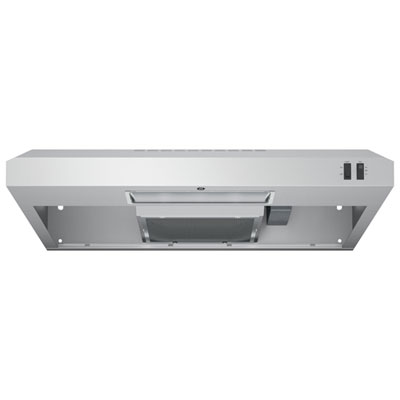 Your price for this item is $249.99
 -
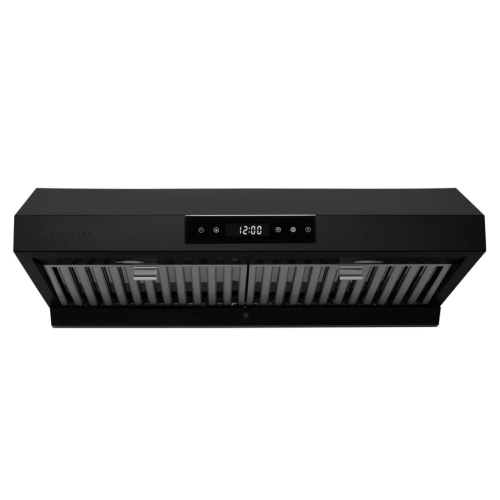 Your price for this item is $598.49
 -
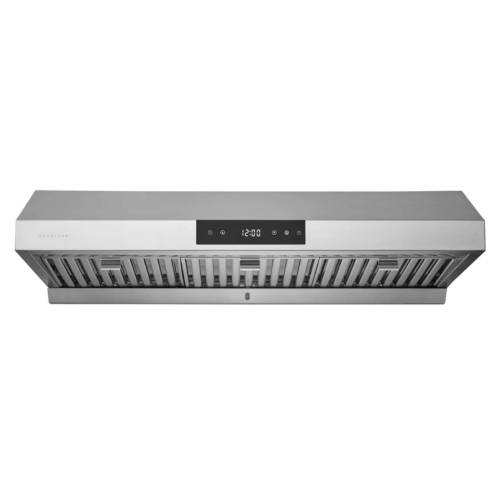 Your price for this item is $645.99
 -
 Your price for this item is $645.99
 -
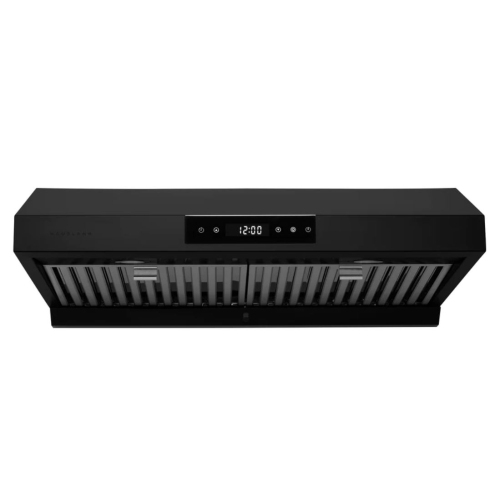 Your price for this item is $645.99
 -
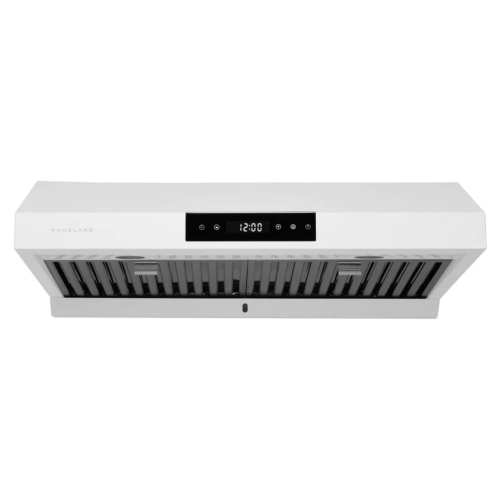 Your price for this item is $598.49
 -
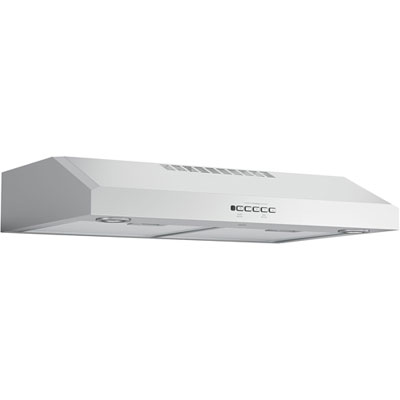 Your price for this item is $449.99
 -
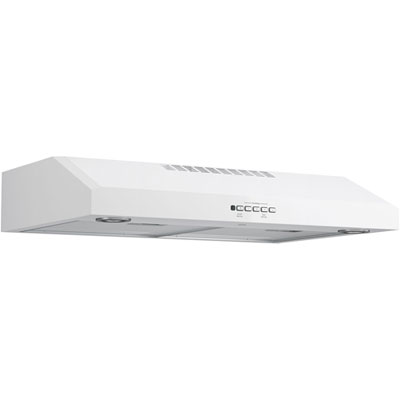 Your price for this item is $399.99
Discover more categories related to Downdraft Range Hoods With Integrated Design for Seamless Kitchen Look
Top Collections:
Pokemon Centers, Kindle Devices, Best Budget Office Chairs, Apple iPhones 16, Best Laptops for Writers, iPhone 15 Apple, Canon G7X Cameras, Refurbished Apple Laptops, Alarm Clock, Motorola Razr Phones
Some products may be subject to Environmental Handling Fees
(EHF) depending on your province.
Learn more about EHFs.