Drawer Dishwashers
A dishwasher is a must-have appliance for any home. It makes cleaning your dishes a breeze, and it saves you time and energy. A drawer dishwasher is compact and cleans faster and more efficiently. They are also space-saving options for your kitchen because they're built-in. Here are some great drawer dishwashers available today.
Sort
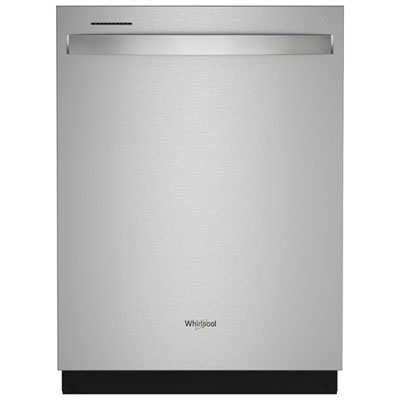
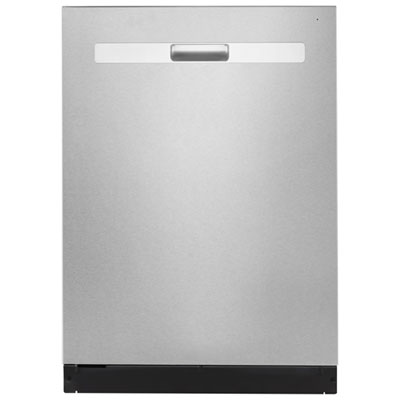

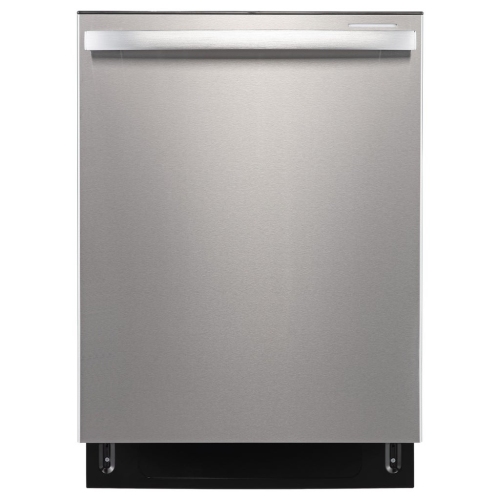
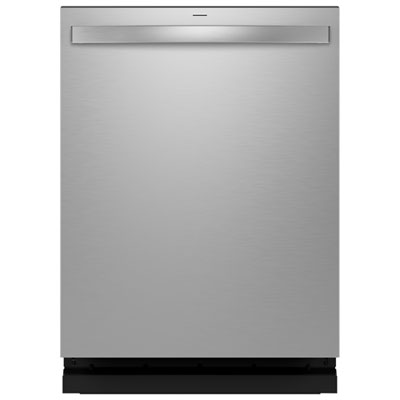
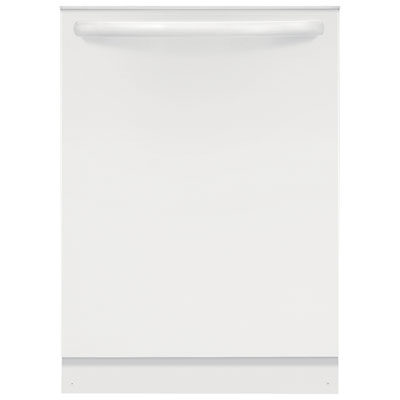
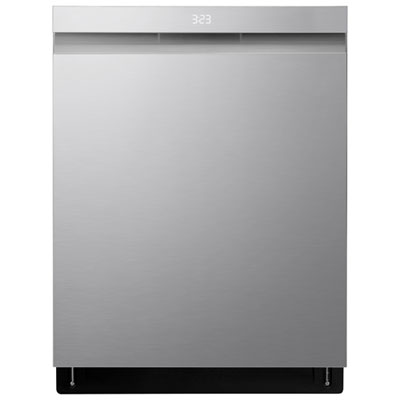

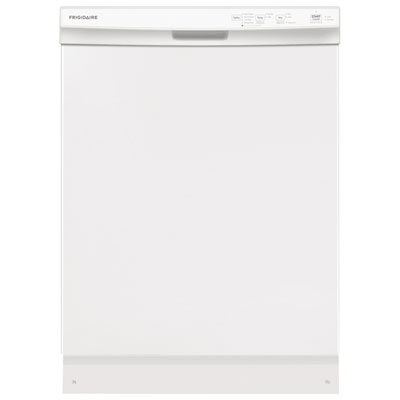

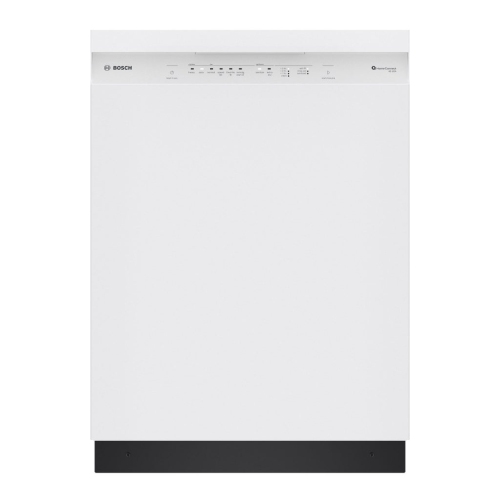

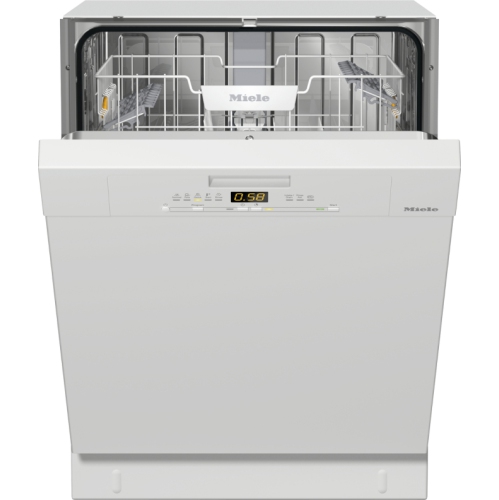
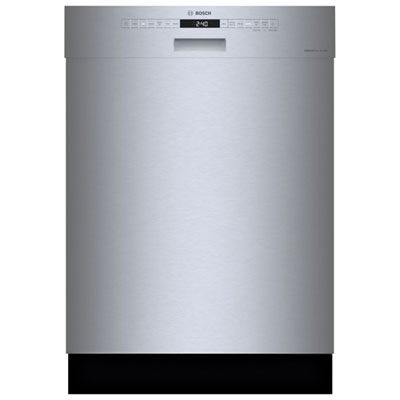
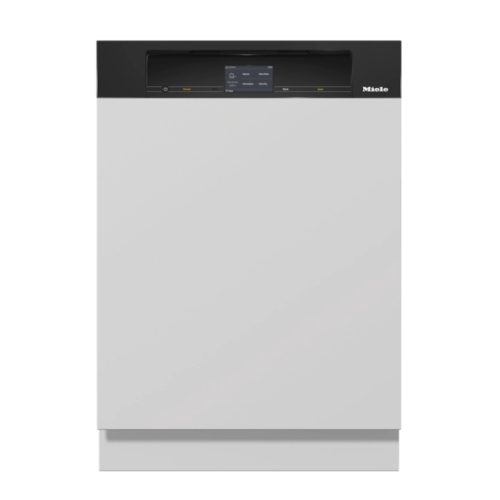
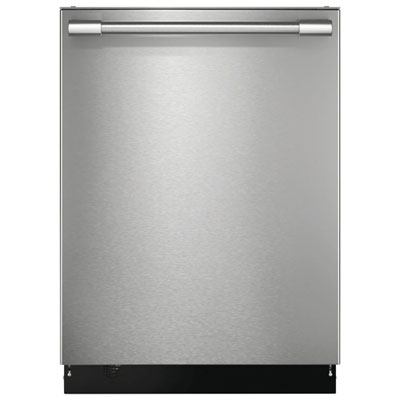
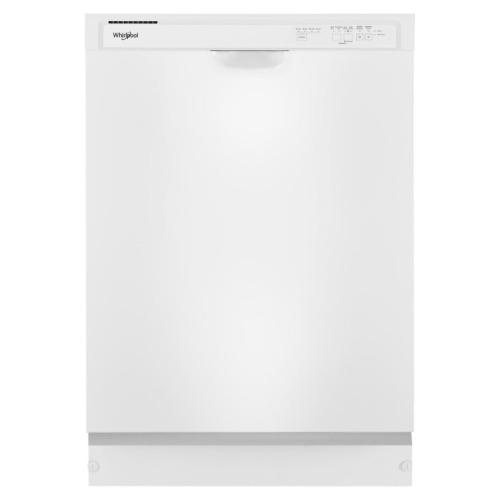
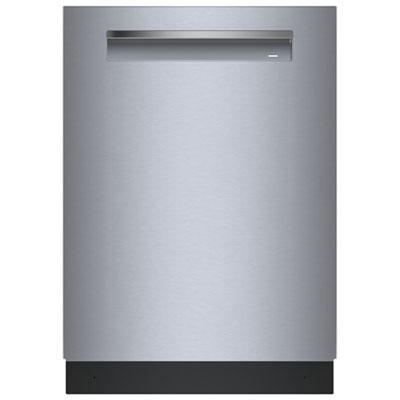

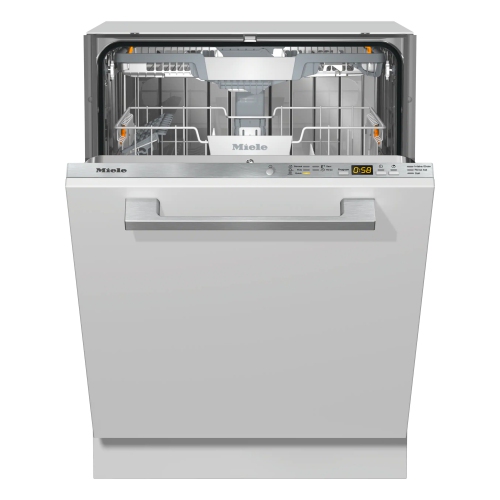

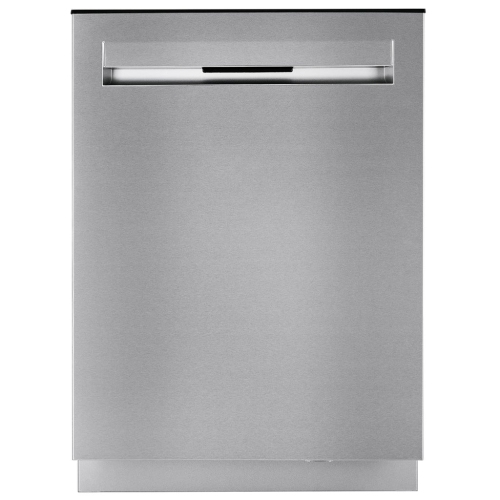
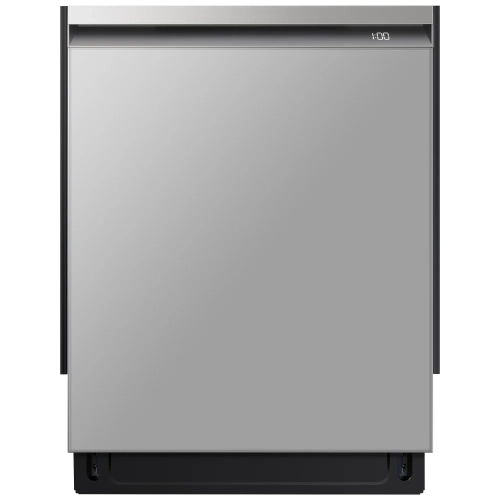
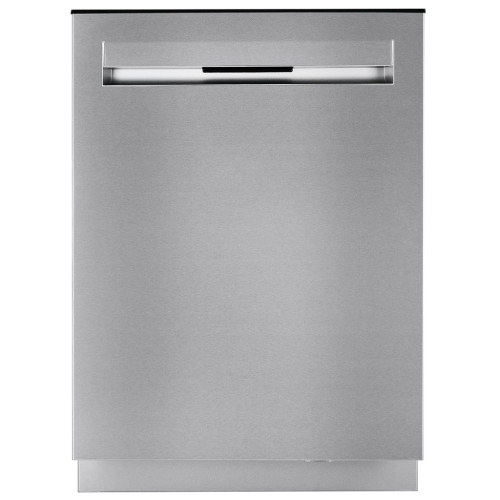

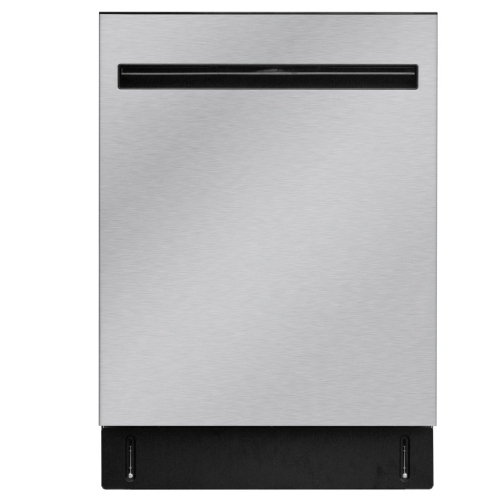
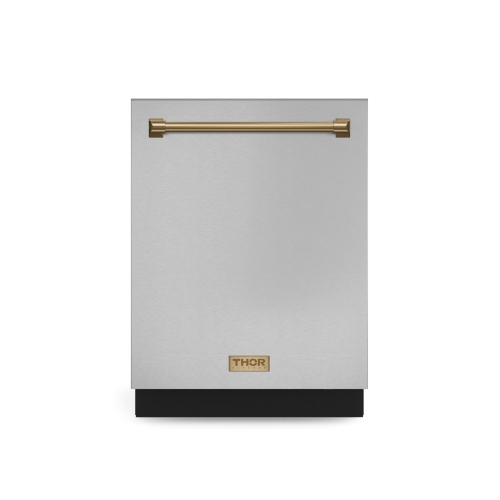
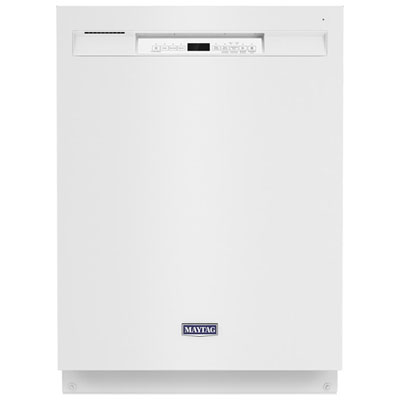

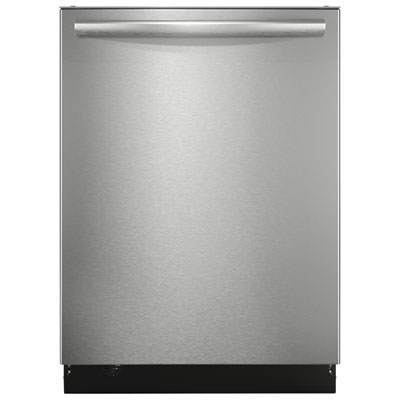
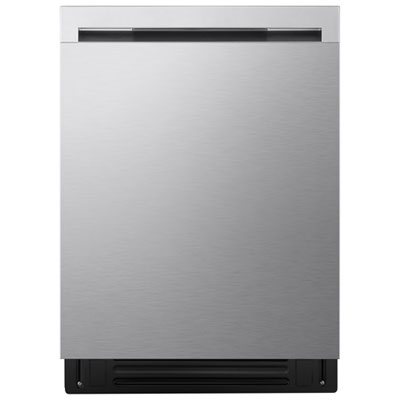
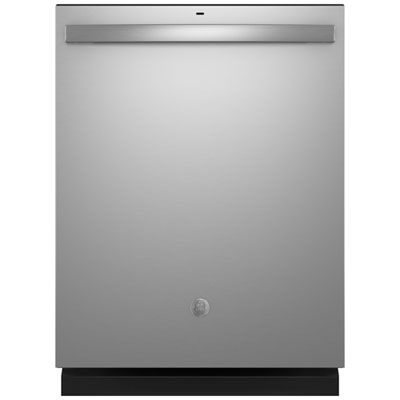


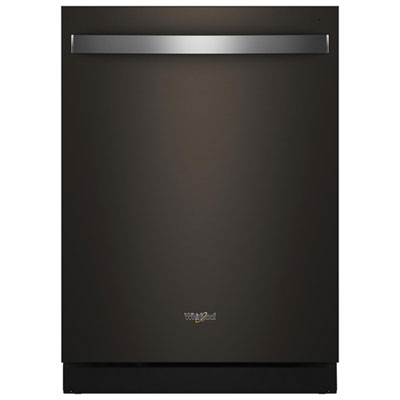
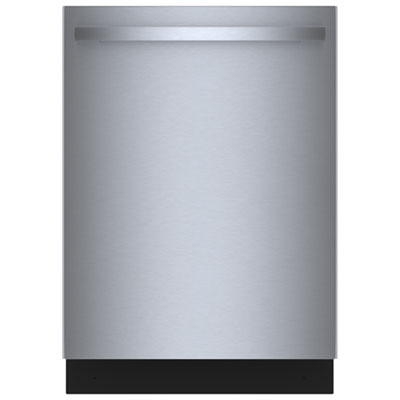


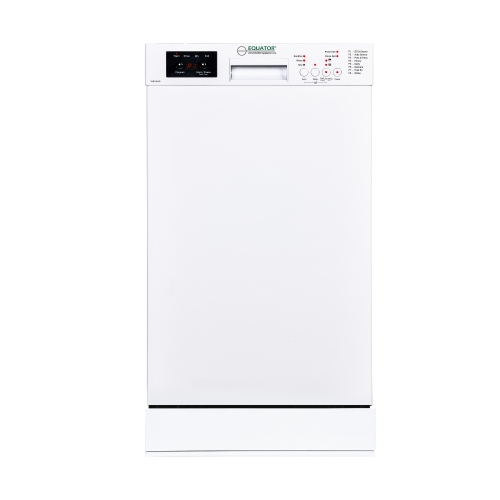
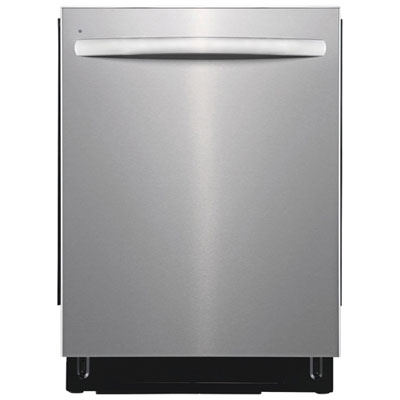
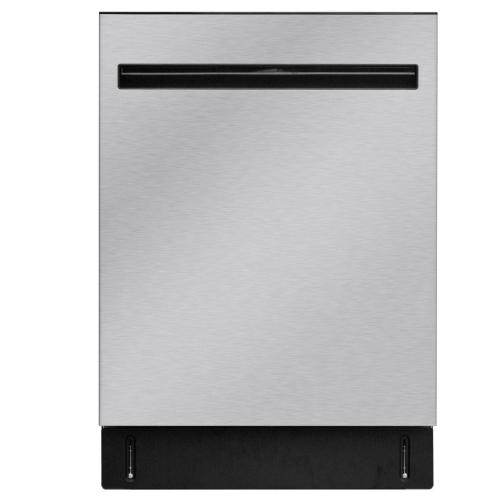
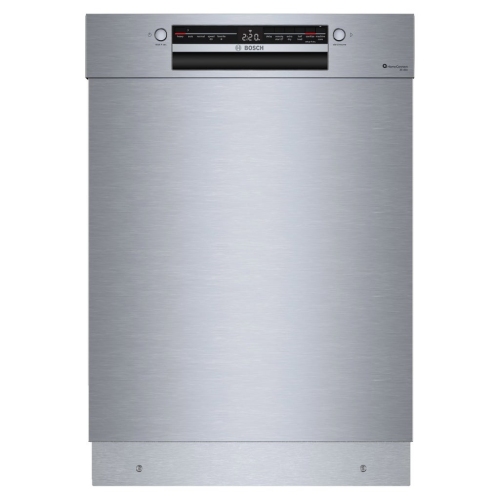

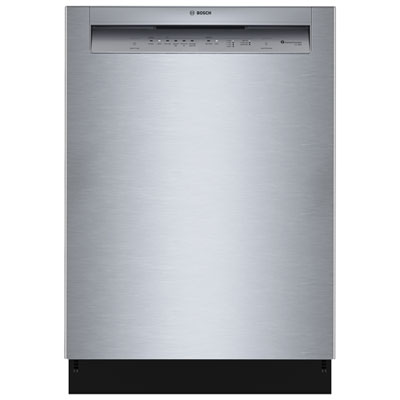
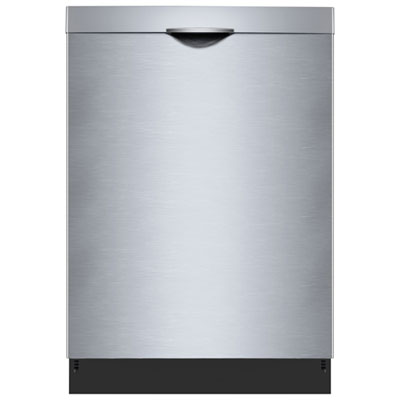

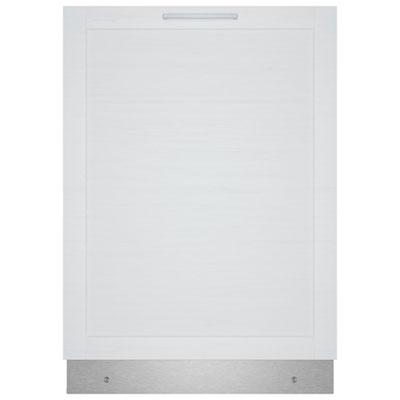

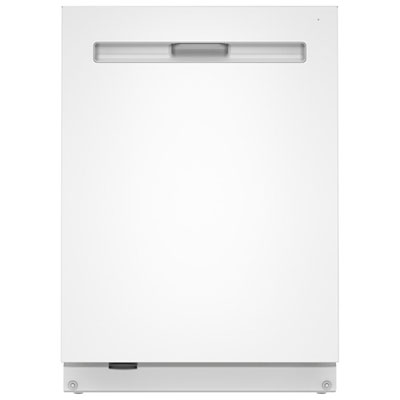


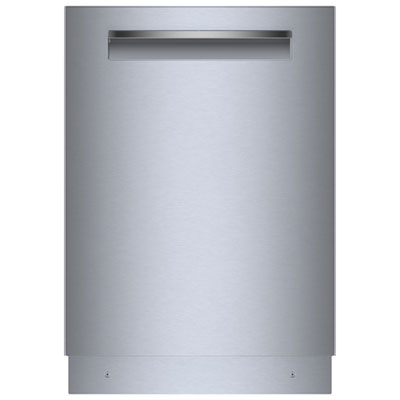
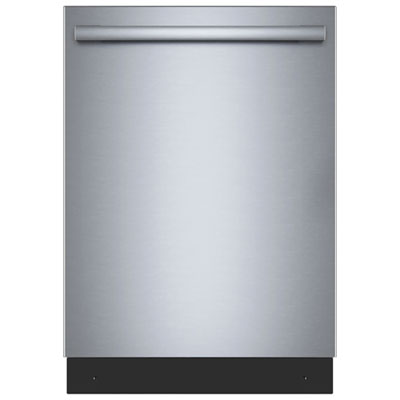
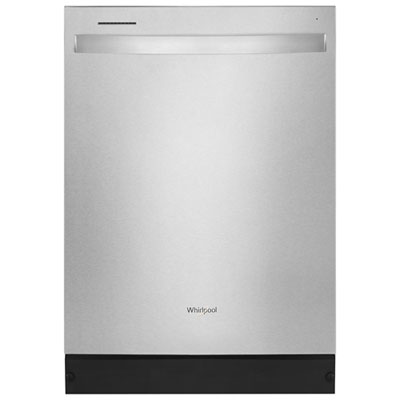
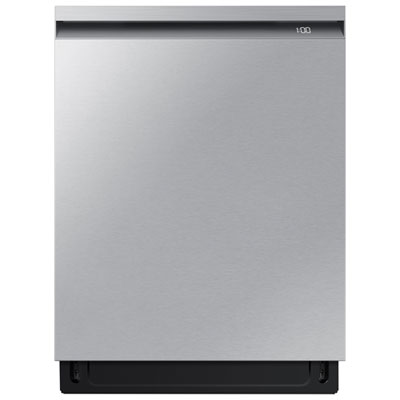
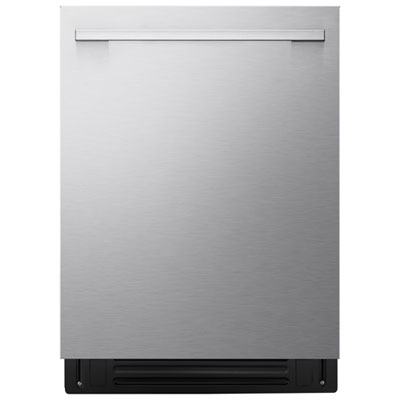
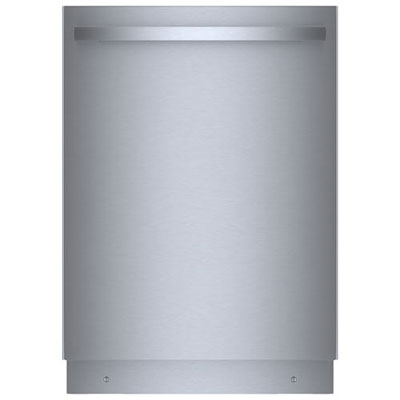
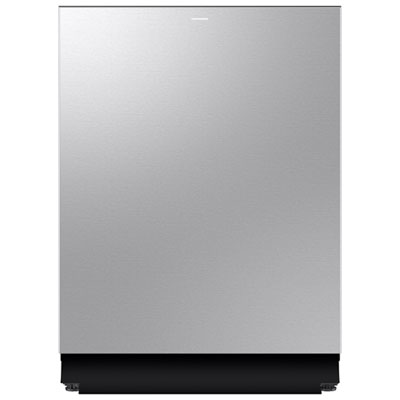
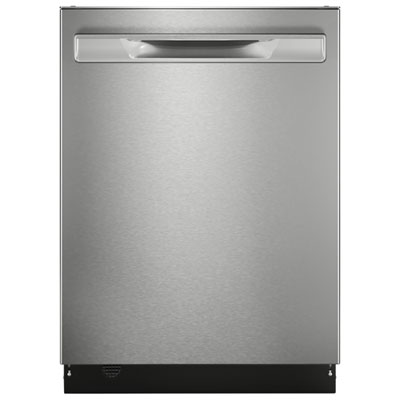
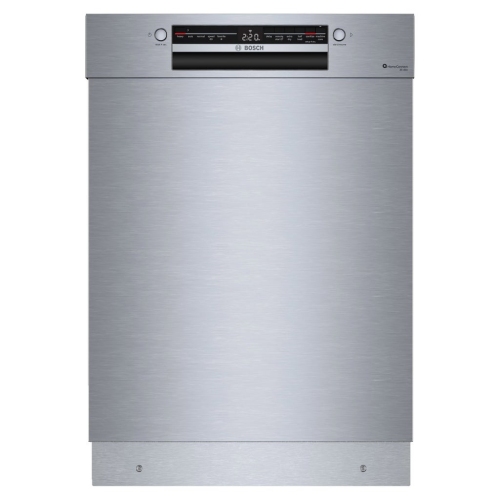
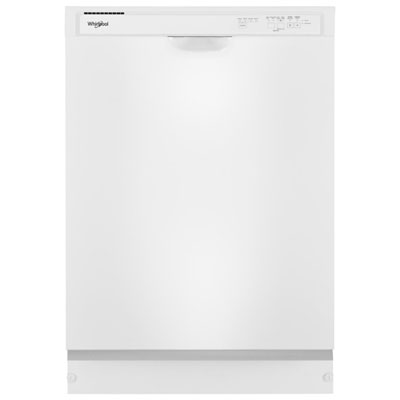
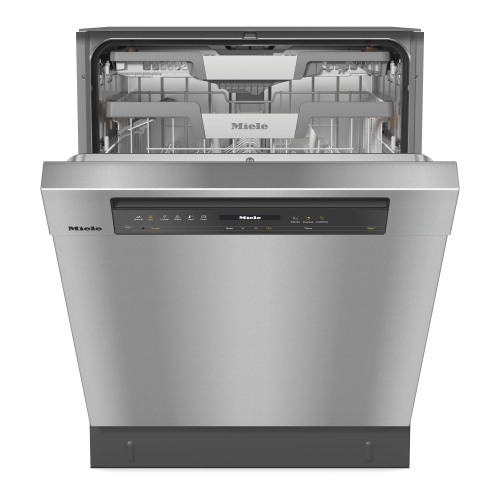
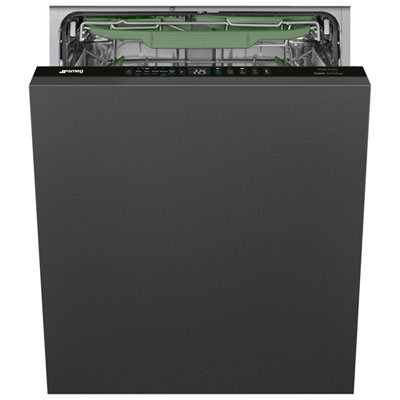

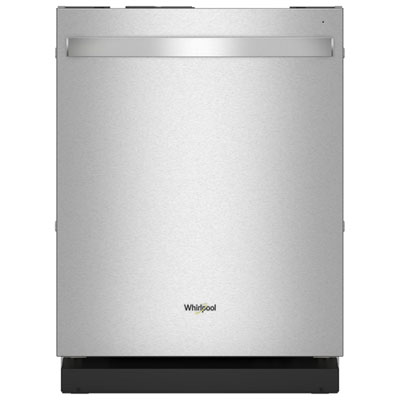


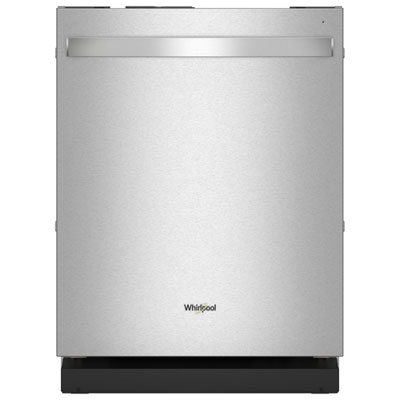
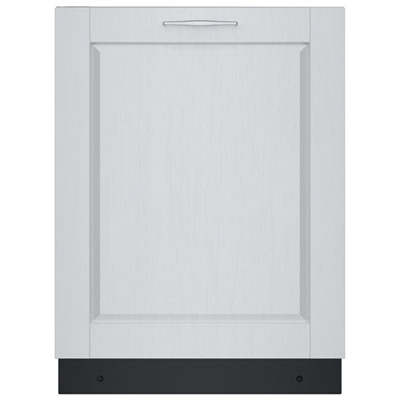
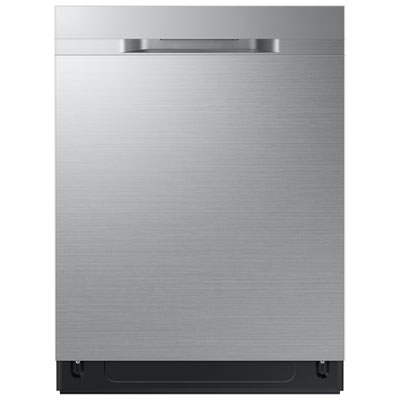
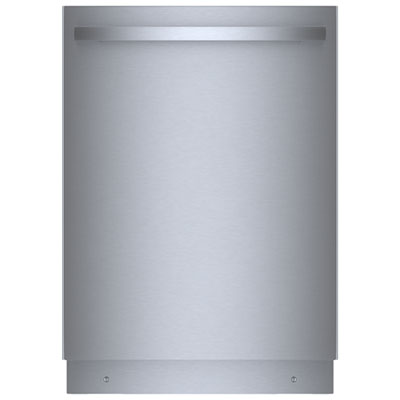
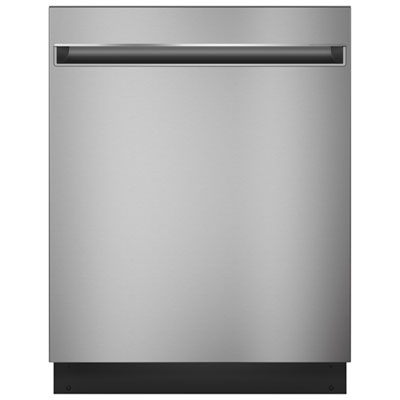

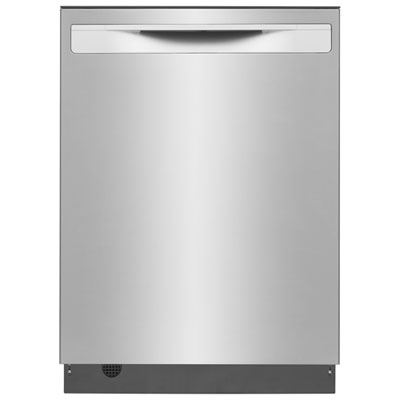

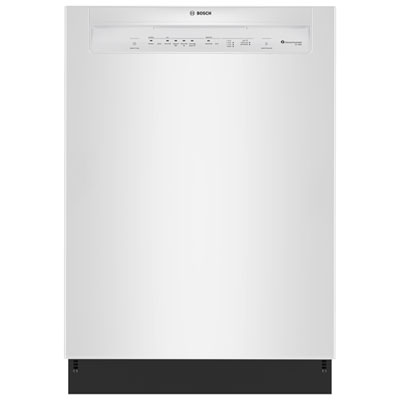

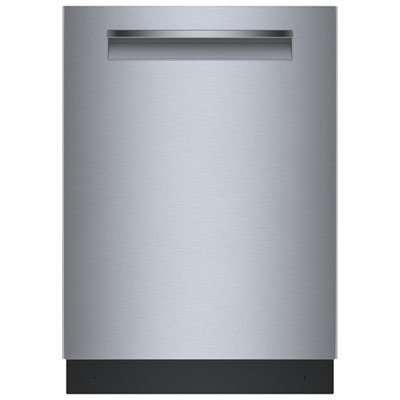
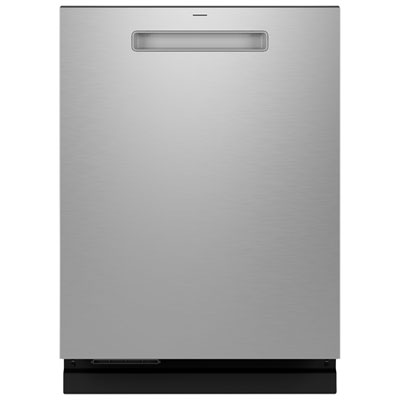
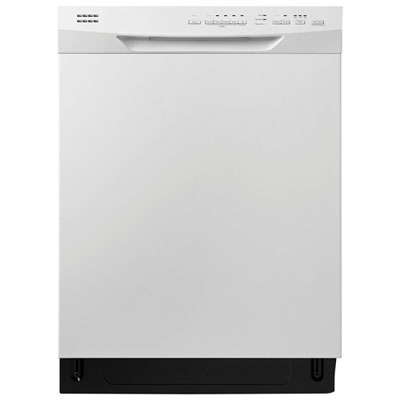


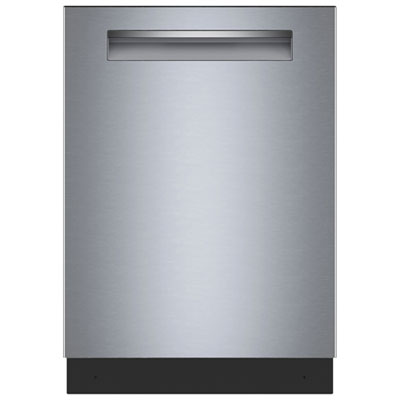
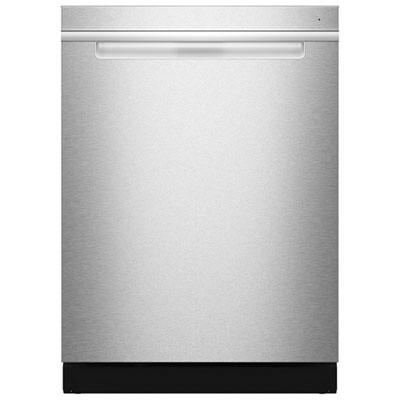
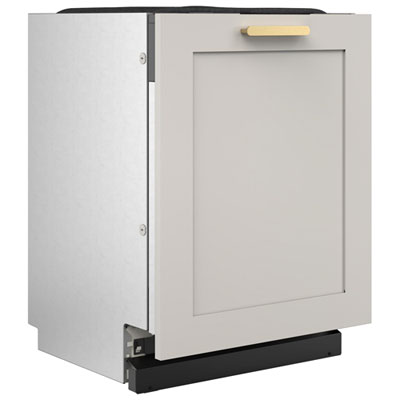
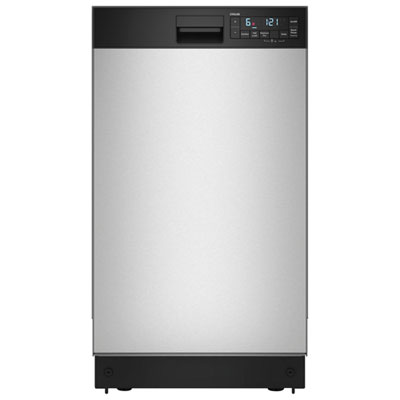
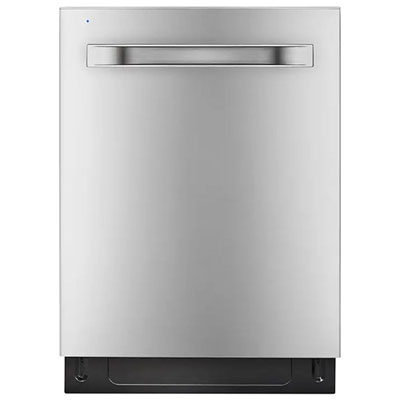


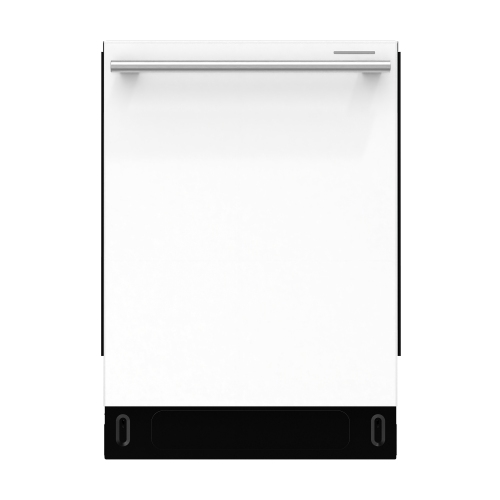


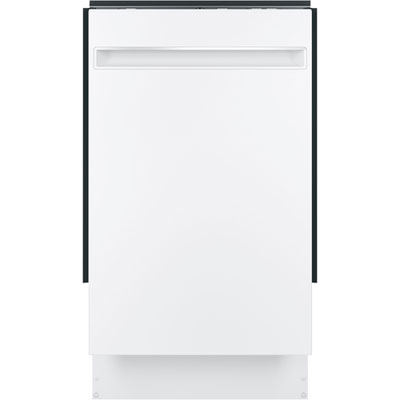

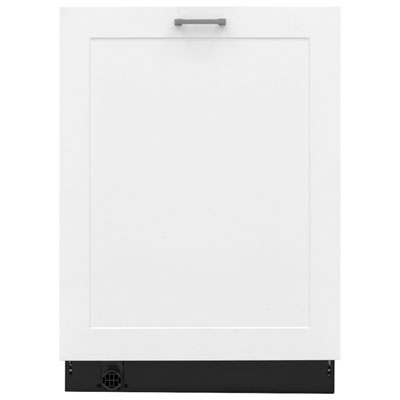
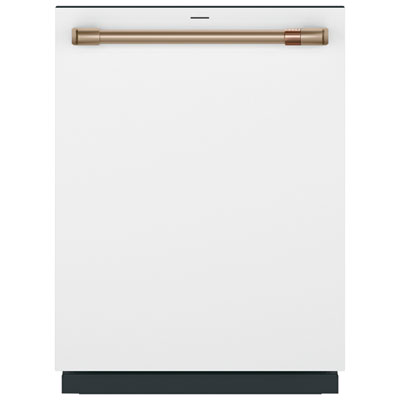
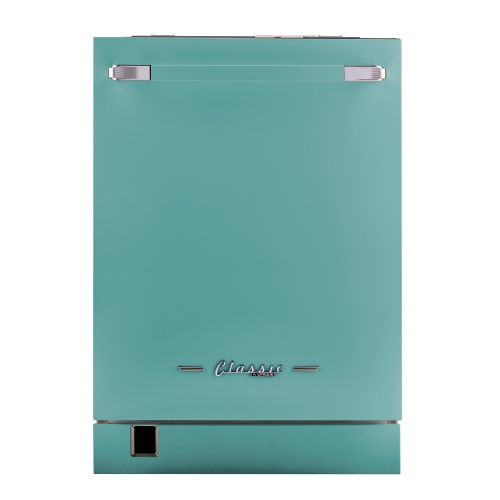
Separate washing spaces for meals on different schedules
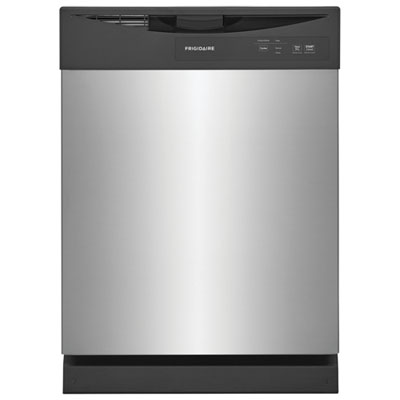
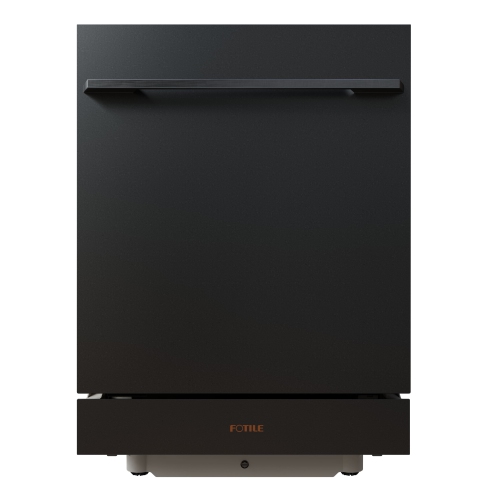
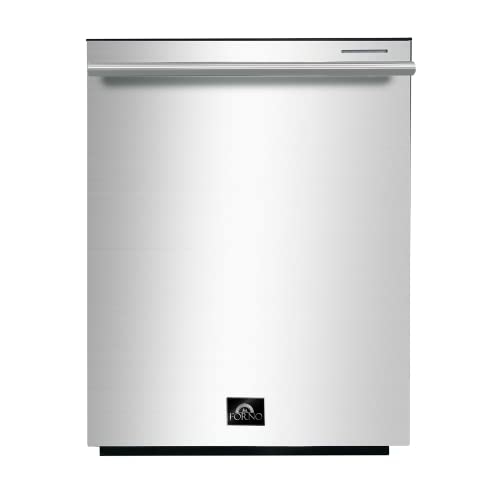
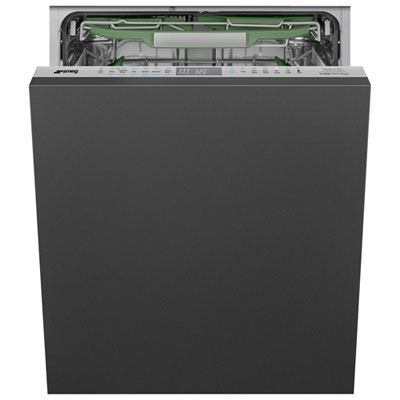
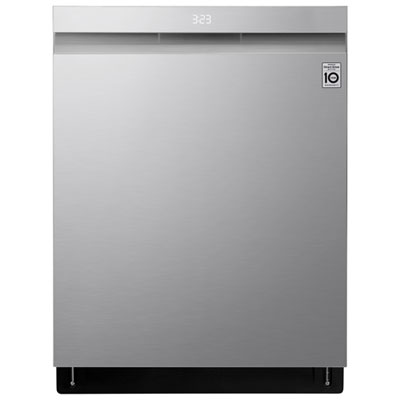
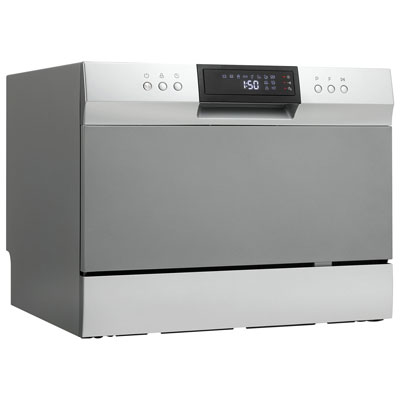
Drawer dishwashers are built-in kitchen appliances with one or two slide-out washing compartments rather than a single cavity behind a drop-down door. Each drawer holds dishes in a rack that moves outward for loading, bringing cups, plates, and cutlery into view from above. This layout offers a different approach to everyday cleanup: a single-drawer dishwasher handles smaller loads in one compartment, while a double-drawer dishwasher provides two separate washing spaces within one appliance. Depending on the design, those drawers can run independently, allowing a lightly soiled breakfast load to wash separately from dishes that need a longer cycle. That separation can be useful in a household where meals happen at different times, with coffee mugs and cereal bowls ready to wash before dinner preparation begins. Single-drawer configurations can suit smaller households, secondary kitchen areas, or layouts where a full-height dishwasher is not the preferred fit. Double-drawer configurations appeal to households that want the flexibility to wash one load while keeping another compartment accessible for dirty dishes. An upper drawer also places loading closer to counter height, which may reduce bending compared with reaching into the lower rack of a conventional dishwasher. The lower drawer in a stacked arrangement still requires a lower reach, so the benefit depends on which compartment is being used and how the appliance is installed. Capacity deserves attention beyond the number of drawers. Rack shape, plate clearance, and the space between supports affect how comfortably everyday dishes fit, especially deep cereal bowls, wide pasta dishes, and tall tumblers. A drawer can feel spacious with a neatly arranged set of dinner plates yet fill quickly with mixing bowls and food storage containers. For households that regularly wash roasting pans or oversized cookware, the usable dimensions of each compartment matter more than the appliance’s overall exterior size. Drawer dishwashers are particularly well suited to routines built around frequent, manageable loads, rather than an expectation that every large kitchen item will fit into a single wash.
The appeal of a drawer dishwasher also lies in how it fits into cabinetry and the movement of a working kitchen. A single drawer has a shorter appliance body than a full-height model, but its installation still needs the correct opening, structural support, utility connections, and clearances specified by the manufacturer. It is not automatically a countertop or portable appliance. A double-drawer unit may occupy an opening similar to that of a conventional built-in dishwasher, though exact dimensions and installation requirements vary. Width, height, and depth all matter, as do the space behind the appliance for connections and the distance the drawer extends into an aisle. In a narrow kitchen, an open drawer can affect access to an adjacent cupboard or the route between the sink and refrigerator. Handle projection and nearby cabinet pulls are small details that can make a noticeable difference to that fit. Kitchens with a limited vertical opening may also warrant a look at Short Dishwashers, since appliance height is a separate consideration from whether the washing compartment opens as a drawer. Exterior finishes influence how the dishwasher sits visually alongside cabinets and other appliances. Stainless steel fronts offer a familiar appliance finish, while panel-ready designs, where offered, accept a compatible cabinetry panel for a more integrated appearance. Panel weight, dimensions, and mounting requirements are part of the installation specifications, not interchangeable details. Inside, tub materials, rack coatings, and the construction of folding supports contribute to everyday feel and upkeep. Adjustable tines and cup shelves can make room for different dish shapes, although their usefulness depends on the load: a shelf that suits espresso cups may not leave enough clearance for taller mugs beneath it. Cutlery baskets likewise affect the space left for plates and bowls. Durable use depends on more than a substantial-looking front; smooth drawer movement, intact rack surfaces, correctly fitted components, and access for routine cleaning all contribute to an appliance that remains pleasant to use over time.
Washing performance in a drawer dishwasher depends on the combination of cycle selection, loading, detergent, and regular care. Independent drawers provide flexibility, but the cycles and options offered in each compartment should match the household’s usual dishes. Everyday programmes may suit plates and mugs, while heavier wash settings can be useful for dishwasher-safe cookware with more stubborn food residue. Delicate settings, where included, do not make hand-wash-only glassware or decorated dishes suitable for machine washing; the care instructions for the dishes remain important. Quiet operation is another practical consideration in an open-concept home, especially when the dishwasher is close to a dining table or sitting area. Published sound ratings provide a useful point of comparison, though a drawer format alone does not guarantee quieter washing. Drying results can also differ by design and load material. Plastic containers often retain more droplets than ceramic plates or glass, and recessed bases can collect small pools of water. Rinse aid and suitable drying settings can help when used as directed. Inside the drawer, dishes need enough separation for spray to reach their surfaces, with bowls angled to drain and utensils arranged so they do not nest tightly together. Tall items must stay within the specified loading limits and clear of the spray arm and closing mechanism. Overfilling a drawer can interfere with washing or prevent it from closing properly, even when everything appears to fit inside the rack. Scraping away large food scraps before loading, cleaning the filter at the recommended intervals, and checking spray-arm openings help maintain consistent results. Door edges, seals, and exterior surfaces also benefit from gentle cleaning with products approved for their materials; abrasive pads can damage finishes. Only detergent intended for automatic dishwashers belongs in the dispenser, in the amount specified for the appliance and local water conditions. With a configuration that suits the kitchen and racks that accommodate the dishes used most often, drawer dishwashers offer a practical way to keep cleanup moving in smaller batches, with separate compartments that can follow different household routines.
Top selling and popular products
-
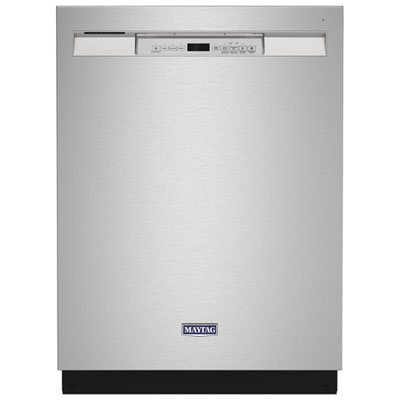 Your price for this item is $799.99
-
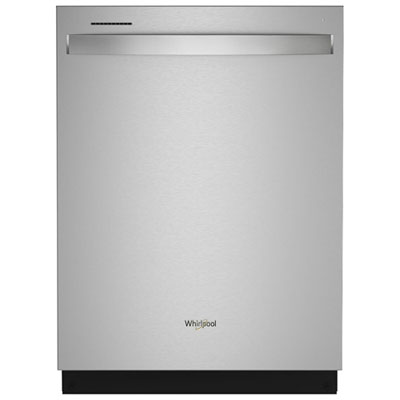 Your price for this item is $799.99
-
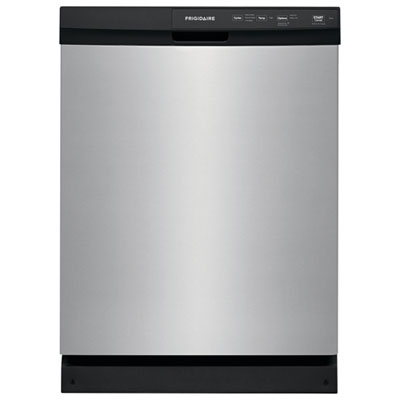 Your price for this item is $479.99
-
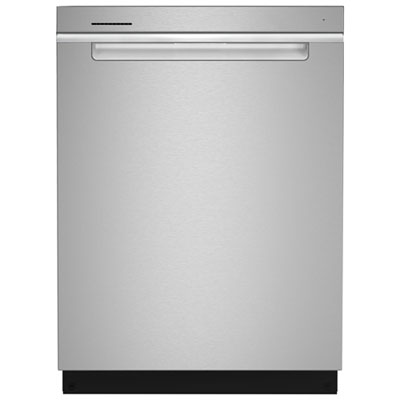 Your price for this item is $799.99
-
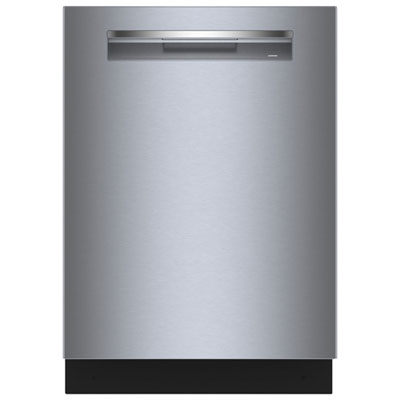 Your price for this item is $2599.99
-
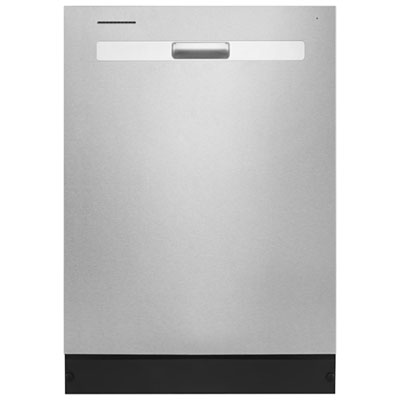 Your price for this item is $649.99
-
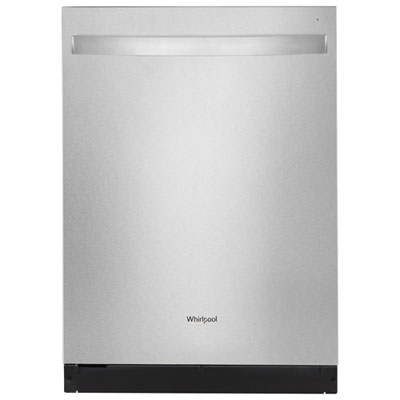 Your price for this item is $699.99
-
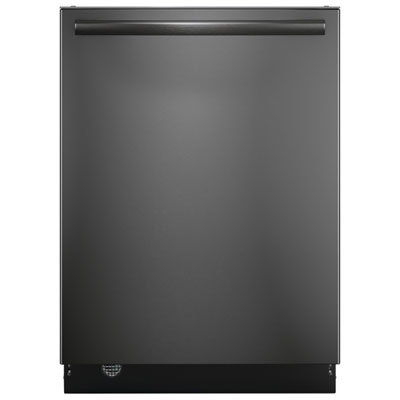 Your price for this item is $949.99
Discover more categories related to Drawer Dishwashers


Top Collections:
Pokemon Centers, Best Cameras for Sports Photography, Kindle Devices, Samsung Galaxy Phones, Canon G7X Cameras, Pokémon 30th Celebration Cards, Refurbished Apple Laptops, iPhone 15 Apple, Laptops for Students, Budget Smartphones
Some products may be subject to Environmental Handling Fees
(EHF) depending on your province.
Learn more about EHFs.