Drop Down Microwaves
Elevate your kitchen experience with a drop down microwave, the perfect blend of convenience and style for any modern home. Designed to optimize space and enhance your cooking routine, these innovative appliances offer easy access and seamless integration into your cabinetry. Whether you're reheating leftovers or preparing a quick meal, a drop down microwave provides an efficient solution that fits effortlessly into your lifestyle. Explore our selection to find the ideal model that complements your kitchen's aesthetic while delivering top-notch performance.
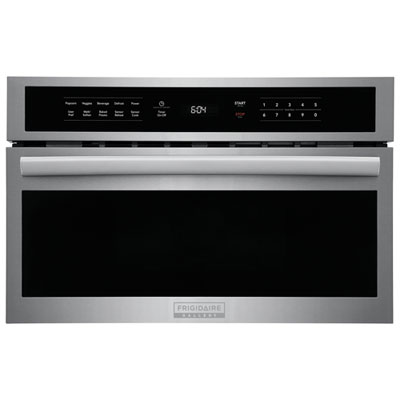
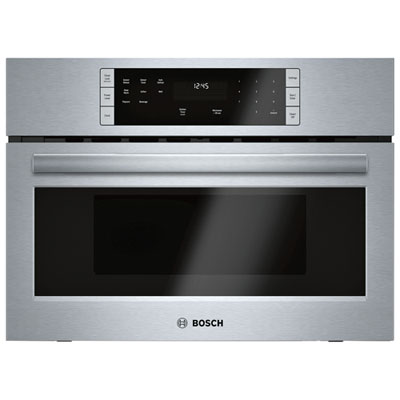
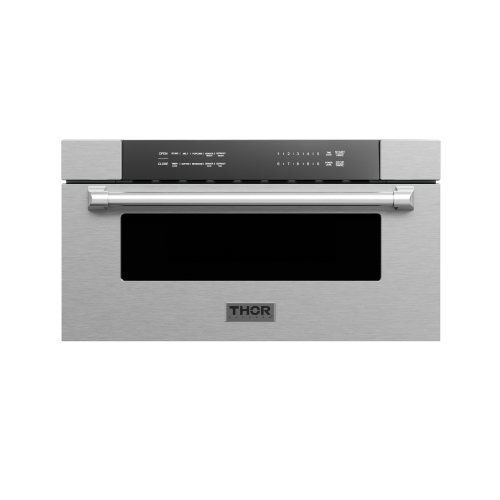
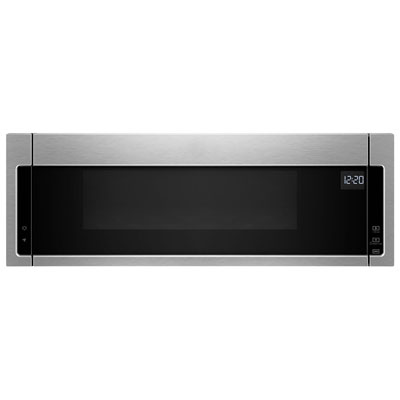
An oven-style door changes more than the look
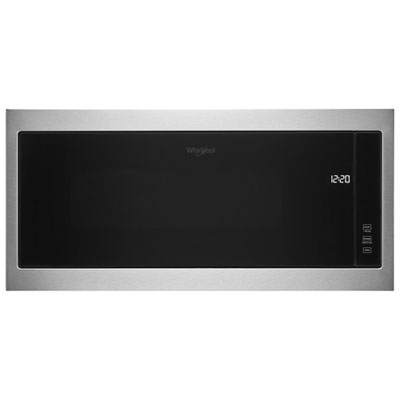
Drop-down microwaves have a door hinged along the bottom that opens downward, rather than swinging to the side. This oven-style opening gives them a distinctive appearance and can suit a kitchen where the microwave is integrated into a bank of cabinetry or paired visually with a wall oven. The door style is separate from the cooking technology: a drop-down microwave may offer microwave-only cooking or additional functions, depending on its design. It is also different from a microwave drawer, which slides outward to provide access from above. For households reheating plated meals, softening butter for baking, or preparing vegetables alongside a main dish, the appeal is a familiar cooking appliance with a different approach to access and placement. With the door open, dishes move into and out of the cavity from the front, so installation height matters as much as appearance. A comfortable setup lets the person using it see the food and lift a hot bowl without reaching awkwardly over the lowered door. Although that door may resemble a small shelf, it should not be treated as a landing surface for cookware unless the manufacturer explicitly permits it. A clear section of nearby worktop is a better place to set down a steaming casserole or stir a bowl between heating intervals. These microwaves can be particularly appealing during a kitchen renovation, when cabinetry dimensions, electrical connections, and the position of surrounding appliances can be planned together. They may also suit a replacement project, provided the new appliance matches the required opening and installation conditions rather than simply looking similar from the front. The defining feature remains the downward-opening door; capacity, power, controls, and cooking modes need to be considered individually. That distinction helps separate the look and handling of the appliance from what it can actually do at mealtime, whether the priority is straightforward reheating or a broader range of cooking tasks.
Fit involves more than the width of the microwave. The appliance’s exterior dimensions, the required cabinet cutout, ventilation clearances, and the space occupied by the fully opened door all affect how comfortably it works in a kitchen. A door that clears the cabinet face may still extend into a narrow aisle or make it difficult to stand close enough to handle a heavy dish. In a galley layout, that projection can matter when another person needs to pass behind someone serving food. Placement near a corner also deserves attention, particularly where adjacent handles, drawers, or cupboard doors could interfere with access. Built-in installation requirements vary, and a countertop microwave should not be enclosed in cabinetry unless its manufacturer approves that arrangement and specifies the necessary components. Trim kits are model-specific where required; they are not interchangeable finishing pieces. For a different placement approach, Shelf Microwaves may be relevant, with suitability still depending on the appliance’s ventilation instructions and the supporting shelf’s dimensions and load rating. Inside a drop-down microwave, stated capacity is only part of the picture. Usable cavity width and depth, turntable diameter where fitted, and clearance above a dish determine whether a favourite dinner plate or covered casserole will fit. A rectangular baking dish may need more room than its volume suggests, especially if it must rotate freely. For someone who regularly reheats family-sized portions, checking the actual cookware dimensions can be more useful than comparing capacity figures alone. Finish and materials influence the visual fit, too. Stainless steel, dark finishes, glass fronts, and handle shapes can either coordinate with neighbouring appliances or create a deliberate contrast. Fingerprint-resistant finishes may simplify everyday upkeep, but their care requirements still vary. Accessible controls, readable displays, and a handle that feels comfortable to grip are practical details for shared kitchens, where users may differ in height, reach, and hand strength.
Cooking features determine how a drop-down microwave fits into daily routines. Microwave power affects heating performance, while adjustable power levels help with tasks such as gently softening ingredients or warming leftovers without using full power throughout. Sensor cooking, when included, uses feedback such as moisture released by food to adjust a programme; it does not remove the need to follow instructions about portions, containers, or covering. Convection-equipped designs add a heating element and fan for oven-style cooking, and some combination appliances include grilling or air-frying functions. Those capabilities are not inherent to a drop-down door, so the listed cooking modes and supplied accessories matter. A household mainly warming lunches may value clear controls and quick time adjustments more than a lengthy menu of programmes, while someone preparing several dishes at once may appreciate an additional cooking cavity for compatible recipes. Cookware must match the selected mode: a container suitable for microwave heating is not automatically suitable for convection temperatures, and metal accessories should be used only as directed for the appliance and function. Even reheating benefits from simple habits such as arranging food evenly, stirring when appropriate, and allowing the specified standing time before serving. Care is similarly practical. Wiping splashes promptly with a soft cloth and an approved cleaner helps prevent residue from building up around the cavity and door contact surfaces. Removable turntables and supports should be cleaned according to their instructions, and ventilation openings need to remain unobstructed. Abrasive pads or harsh chemicals can damage finishes, so the care manual is the right reference for both the interior and exterior. Long-term usability also depends on treating the bottom-hinged door gently: avoid leaning on it, hanging towels from parts not intended for that purpose, or letting children use it as a step. Damaged hinges, latches, or sealing surfaces call for qualified service rather than continued use. A well-matched drop-down microwave brings together comfortable access, suitable cooking functions, and an installation that leaves room to handle hot dishes safely, making it a useful part of everyday meal preparation rather than simply a coordinated cabinet front.
Fit involves more than the width of the microwave. The appliance’s exterior dimensions, the required cabinet cutout, ventilation clearances, and the space occupied by the fully opened door all affect how comfortably it works in a kitchen. A door that clears the cabinet face may still extend into a narrow aisle or make it difficult to stand close enough to handle a heavy dish. In a galley layout, that projection can matter when another person needs to pass behind someone serving food. Placement near a corner also deserves attention, particularly where adjacent handles, drawers, or cupboard doors could interfere with access. Built-in installation requirements vary, and a countertop microwave should not be enclosed in cabinetry unless its manufacturer approves that arrangement and specifies the necessary components. Trim kits are model-specific where required; they are not interchangeable finishing pieces. For a different placement approach, Shelf Microwaves may be relevant, with suitability still depending on the appliance’s ventilation instructions and the supporting shelf’s dimensions and load rating. Inside a drop-down microwave, stated capacity is only part of the picture. Usable cavity width and depth, turntable diameter where fitted, and clearance above a dish determine whether a favourite dinner plate or covered casserole will fit. A rectangular baking dish may need more room than its volume suggests, especially if it must rotate freely. For someone who regularly reheats family-sized portions, checking the actual cookware dimensions can be more useful than comparing capacity figures alone. Finish and materials influence the visual fit, too. Stainless steel, dark finishes, glass fronts, and handle shapes can either coordinate with neighbouring appliances or create a deliberate contrast. Fingerprint-resistant finishes may simplify everyday upkeep, but their care requirements still vary. Accessible controls, readable displays, and a handle that feels comfortable to grip are practical details for shared kitchens, where users may differ in height, reach, and hand strength.
Cooking features determine how a drop-down microwave fits into daily routines. Microwave power affects heating performance, while adjustable power levels help with tasks such as gently softening ingredients or warming leftovers without using full power throughout. Sensor cooking, when included, uses feedback such as moisture released by food to adjust a programme; it does not remove the need to follow instructions about portions, containers, or covering. Convection-equipped designs add a heating element and fan for oven-style cooking, and some combination appliances include grilling or air-frying functions. Those capabilities are not inherent to a drop-down door, so the listed cooking modes and supplied accessories matter. A household mainly warming lunches may value clear controls and quick time adjustments more than a lengthy menu of programmes, while someone preparing several dishes at once may appreciate an additional cooking cavity for compatible recipes. Cookware must match the selected mode: a container suitable for microwave heating is not automatically suitable for convection temperatures, and metal accessories should be used only as directed for the appliance and function. Even reheating benefits from simple habits such as arranging food evenly, stirring when appropriate, and allowing the specified standing time before serving. Care is similarly practical. Wiping splashes promptly with a soft cloth and an approved cleaner helps prevent residue from building up around the cavity and door contact surfaces. Removable turntables and supports should be cleaned according to their instructions, and ventilation openings need to remain unobstructed. Abrasive pads or harsh chemicals can damage finishes, so the care manual is the right reference for both the interior and exterior. Long-term usability also depends on treating the bottom-hinged door gently: avoid leaning on it, hanging towels from parts not intended for that purpose, or letting children use it as a step. Damaged hinges, latches, or sealing surfaces call for qualified service rather than continued use. A well-matched drop-down microwave brings together comfortable access, suitable cooking functions, and an installation that leaves room to handle hot dishes safely, making it a useful part of everyday meal preparation rather than simply a coordinated cabinet front.
Top selling and popular products
-
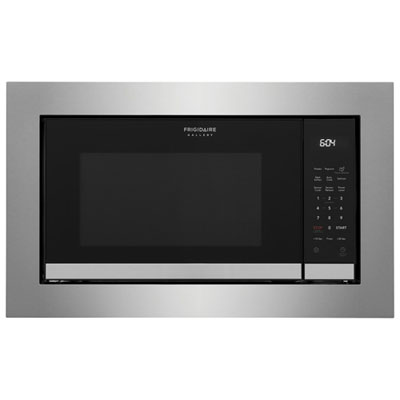 Your price for this item is $749.99
 -
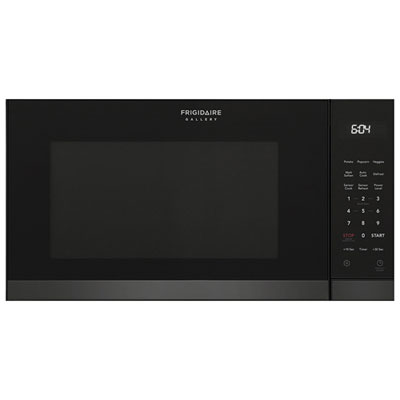 Your price for this item is $699.97
 -
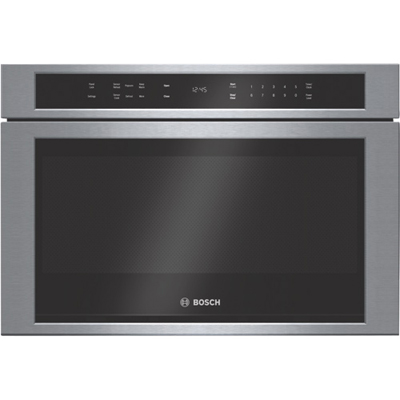 Your price for this item is $2449.99
 -
 Your price for this item is $1199
 -
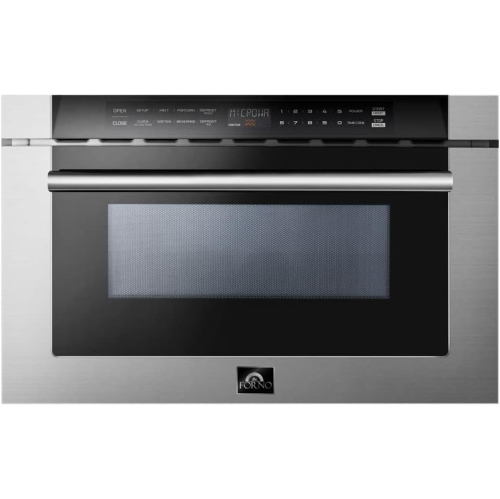 Your price for this item is $1299
 -
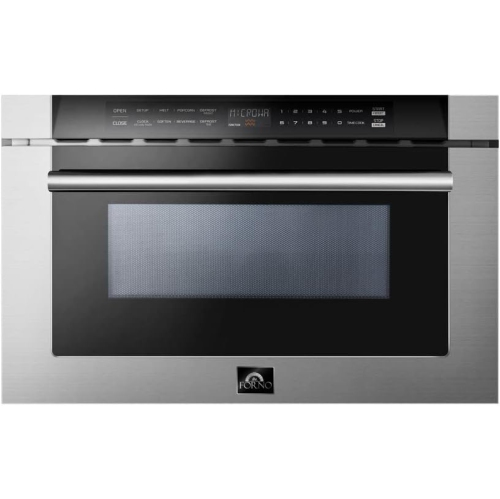 Your price for this item is $1299
 -
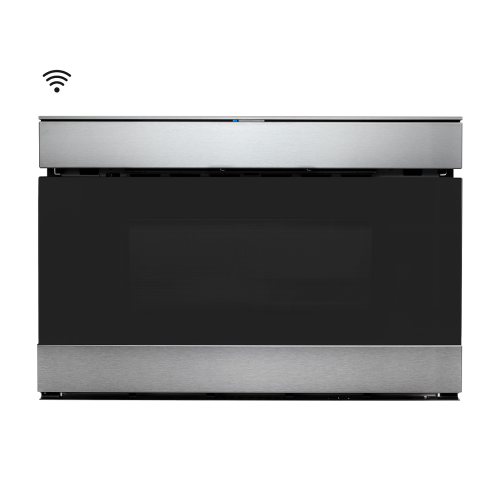 Your price for this item is $3149.99
 -
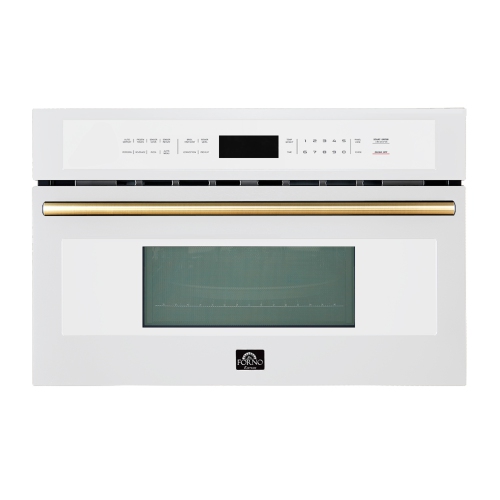 Your price for this item is $1599
Discover more categories related to Drop Down Microwaves
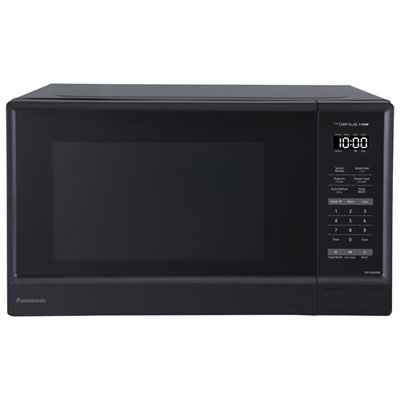
Top Collections:
Pokemon Centers, Kindle Devices, Best Budget Office Chairs, Apple iPhones 16, Best Laptops for Writers, iPhone 15 Apple, Canon G7X Cameras, Refurbished Apple Laptops, Alarm Clock, Motorola Razr Phones
Some products may be subject to Environmental Handling Fees
(EHF) depending on your province.
Learn more about EHFs.