Dryer Vent Ducts
Upgrade your dryer's ventilation system with our selection of high-quality dryer vent ducts. Designed to efficiently channel hot air and moisture away from your living space, these ducts are essential for maintaining the performance and longevity of your dryer. With a variety of sizes and materials available, you can find the perfect duct to suit your specific needs. Whether you're replacing an old, worn-out duct or installing a new one, our collection of dryer vent ducts will ensure optimal airflow and prevent potential hazards. Shop now and keep your dryer running smoothly while protecting your home from potential fire risks.
Sort




How the right duct supports airflow and easier maintenance
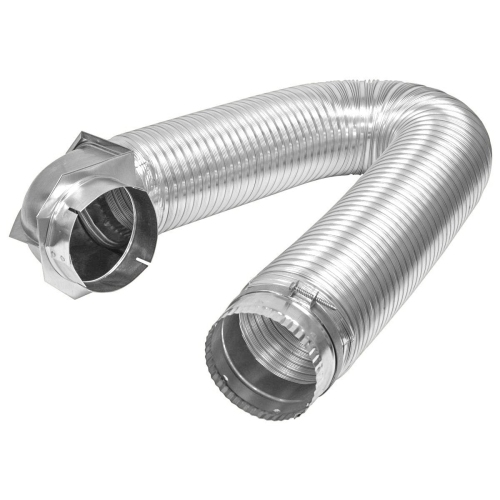
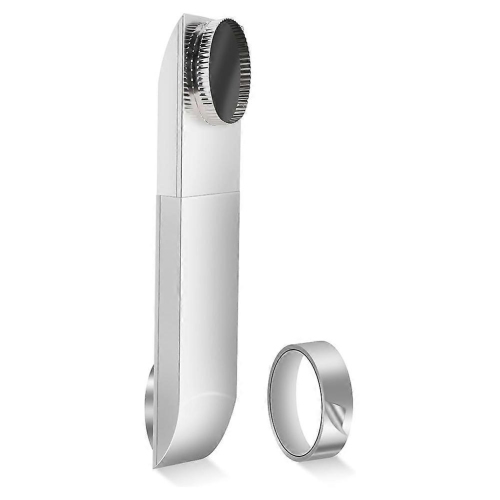
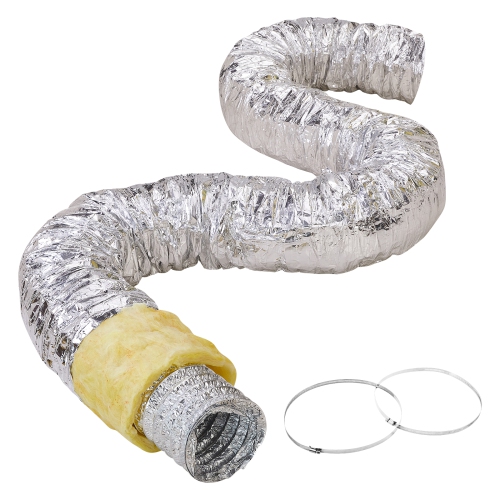
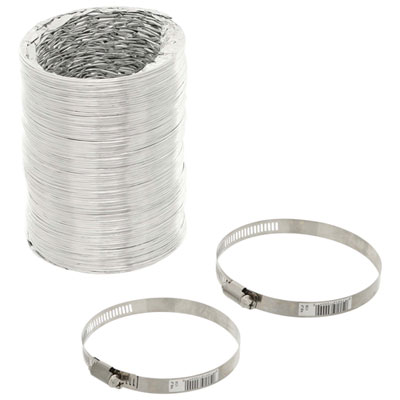
Dryer vent ducts are practical home essentials that help carry warm, moist air and lint from a clothes dryer to an exterior vent. Choosing the right duct can support efficient airflow, help clothes dry more consistently, and make routine maintenance easier. Most household dryers are designed for a 4-inch vent connection, but it is still important to confirm the required diameter and connection style in the dryer’s installation instructions before purchasing. The duct should fit securely at both ends, follow the shortest practical route, and avoid unnecessary bends that can restrict airflow. A smooth, rigid metal duct generally provides the clearest internal path for air and lint, while semi-rigid aluminium ducting can be useful when a small amount of flexibility is needed to connect the dryer in a tight laundry area. Aluminium is non-combustible and designed to handle the heat produced during normal dryer operation. Plastic and vinyl foil-style ducts are generally not suitable for dryer exhaust applications because they can sag, trap lint, and may not meet applicable installation requirements. When comparing dryer vent ducts, look at the material, diameter, length, flexibility, connection method, and the space available behind the appliance. A duct that is too long or compressed behind the dryer can reduce airflow and make the appliance work harder. Measure the approximate route from the dryer outlet to the wall connection before choosing a length, allowing enough room for a secure fit without creating a loose coil. A neat, gently routed duct is usually easier to inspect and clean than one that is sharply bent or pushed tightly against the wall. For shoppers assembling several compatible components, Dryer Duct Kits can provide a convenient way to explore ducting and related installation pieces in one place.
Dryer vent ducts are commonly used by homeowners replacing an older, crushed, or lint-filled connection, as well as renters and property managers preparing a laundry area for a new appliance. They can also be useful during a laundry-room renovation, a dryer replacement, or a move into a home where the existing duct has become brittle or difficult to inspect. A practical duct can make a thoughtful housewarming gift for someone moving into a first home, setting up a basement laundry room, or refreshing a utility area, especially when paired with other useful household maintenance supplies. Before buying, inspect the existing connection for kinks, gaps, corrosion, loose fittings, or visible lint around the joints. Consider whether the dryer vents directly through a nearby wall or must travel farther to reach an exterior outlet, since longer routes may require closer attention to airflow and local installation rules. Some homes have a wall-mounted exterior hood or louvre, while others use a different termination arrangement; the replacement duct should be compatible with the existing route and should never be used to connect to an unapproved indoor venting setup. Dryer exhaust should normally discharge outdoors, as venting warm, damp air into a room can contribute to excess moisture and poor indoor conditions. If the duct path runs through a wall, ceiling, crawlspace, or other difficult-to-access area, professional installation may be the most suitable option. Building requirements can vary by province, municipality, home design, and appliance type, so check local codes and the manufacturer’s instructions before making changes. A qualified installer can also help confirm clearances, connection points, and whether the route is appropriately supported.
Installation details can make a meaningful difference to the performance of a dryer vent duct. Heavy-duty aluminium foil tape is commonly preferred for sealing compatible joints because it creates a smooth connection and is less likely than protruding fasteners to catch lint inside the duct. Avoid using ordinary cloth-backed duct tape, which can lose adhesion with heat and time. Keep the duct as straight and short as the layout allows, and avoid pressing the dryer so tightly against the wall that the duct collapses or develops a sharp bend. Once installed, check that the connections remain secure and that the exterior vent flap opens while the dryer is running. A weak airflow, unusually long drying times, a hot laundry area, or a duct that feels excessively warm can signal a restriction or installation issue that deserves attention. Disconnect the dryer from power before moving it or inspecting the rear connection, and allow the appliance to cool first. Lint should be removed from the dryer filter after every load, while the vent path and exterior outlet should be checked and cleaned at appropriate intervals. Homes with frequent laundry, pets, large families, or long vent runs may need more frequent attention because lint can accumulate faster. Dryer vent ducts are not a one-size-fits-all purchase: the right choice depends on the dryer’s outlet, the wall connection, the available space, and the route to the exterior. Selecting a compatible metal duct and installing it carefully can help maintain dependable airflow through the cooler months and beyond.
Top selling and popular products
-
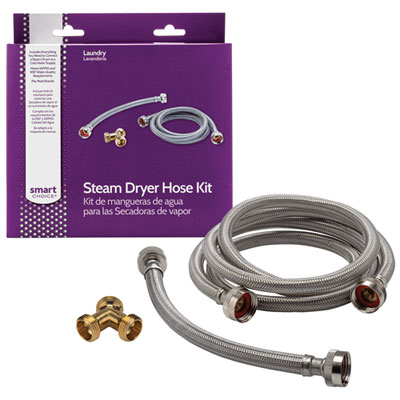 Your price for this item is $39.99
-
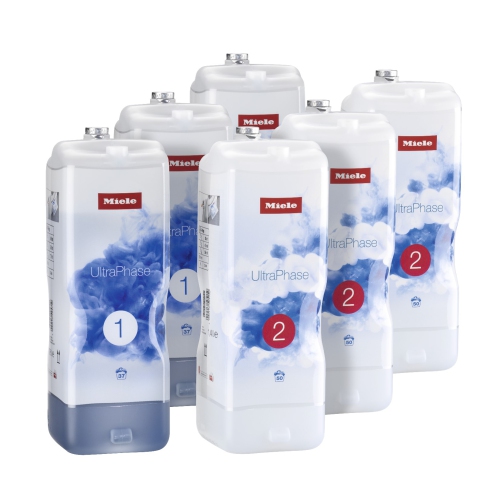 Your price for this item is $184.94
-
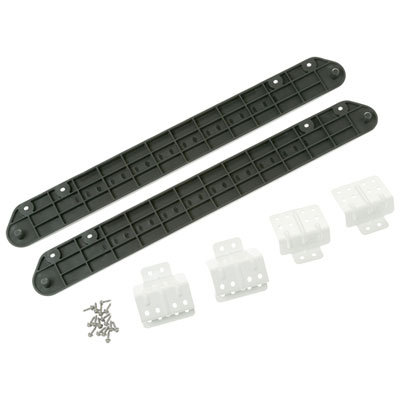 Your price for this item is $99.99
-
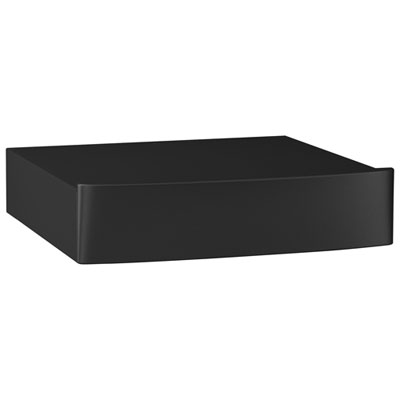 Your price for this item is $349.99
-
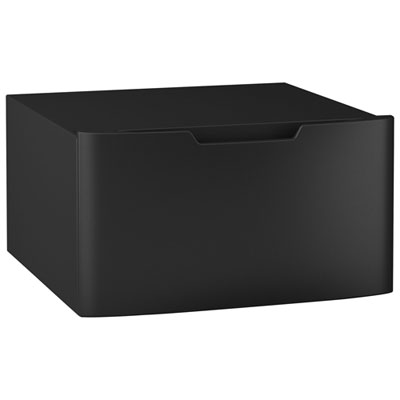 Your price for this item is $399.99
-
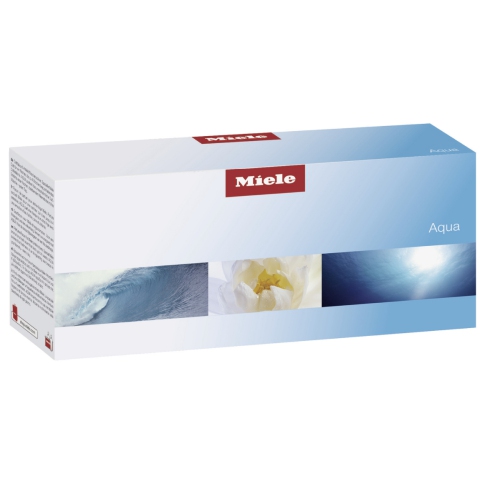 Your price for this item is $59.99
-
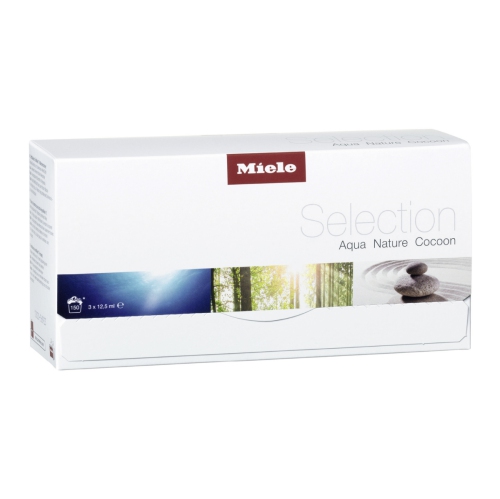 Your price for this item is $59.99
-
 Your price for this item is $16.99
Discover more categories related to Dryer Vent Ducts
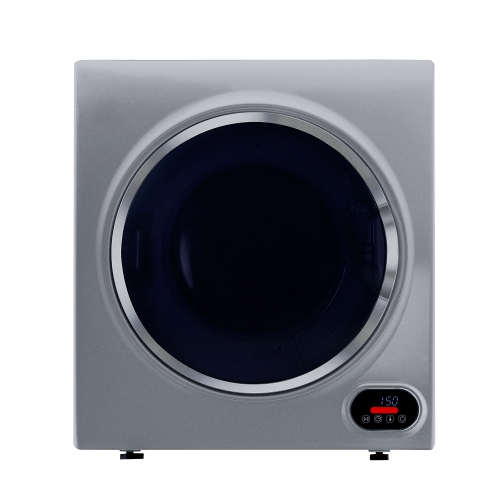
Top Collections:
Pokemon Centers, Best Cameras for Sports Photography, Kindle Devices, Samsung Galaxy Phones, Canon G7X Cameras, Pokémon 30th Celebration Cards, Refurbished Apple Laptops, iPhone 15 Apple, Laptops for Students, Budget Smartphones
Some products may be subject to Environmental Handling Fees
(EHF) depending on your province.
Learn more about EHFs.