Vented Dryers
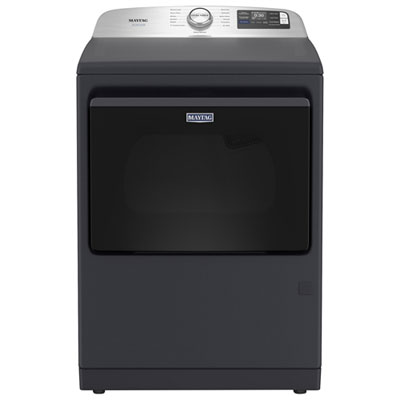
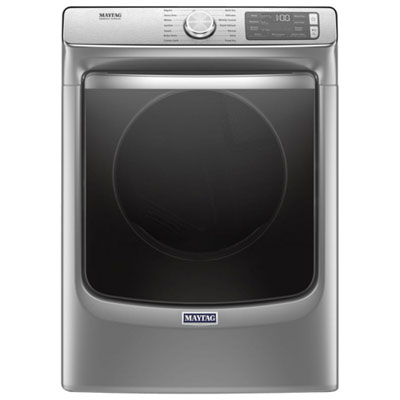
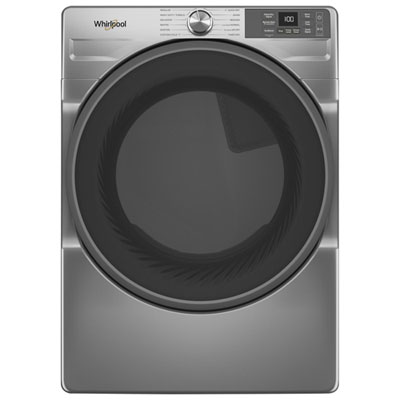
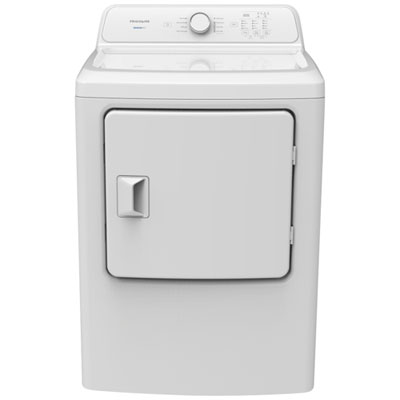
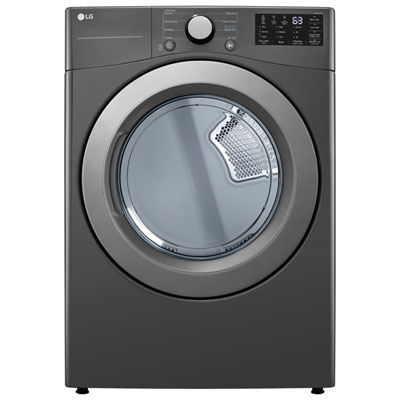
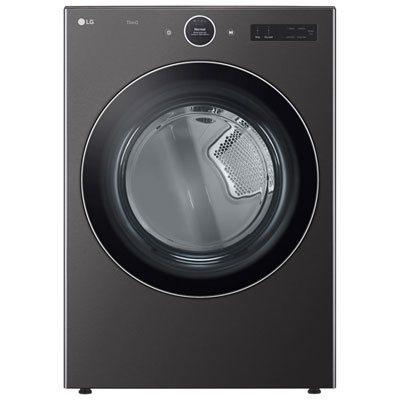
A vented dryer is a type of dryer that uses an exhaust fan to blow the heat and moisture from the laundry room into the outside air. Heat and moisture are removed from the laundry room so that it does not accumulate and cause mold or mildew. The outside air is then brought into the home via an air vent or open window. This method of ventilation is considered to blow the heat and moisture out of the laundry room. Here are some great options available.
Sort
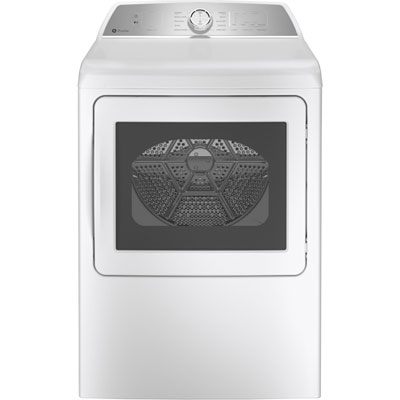
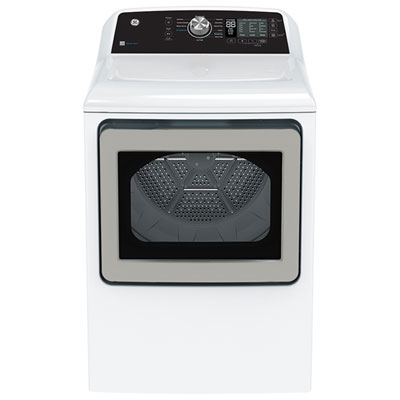
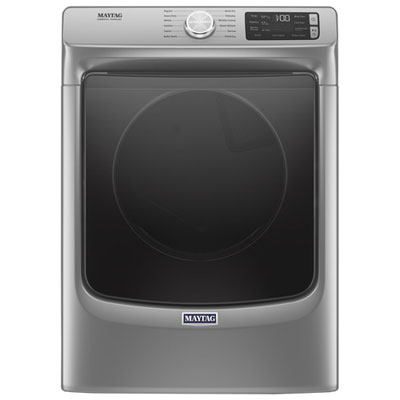
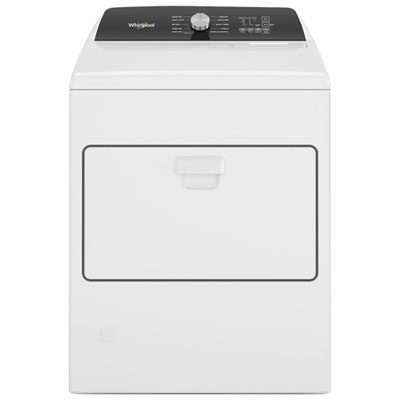
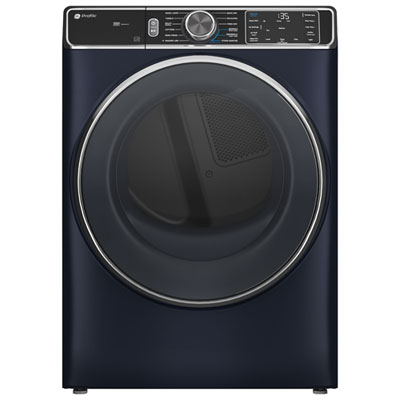
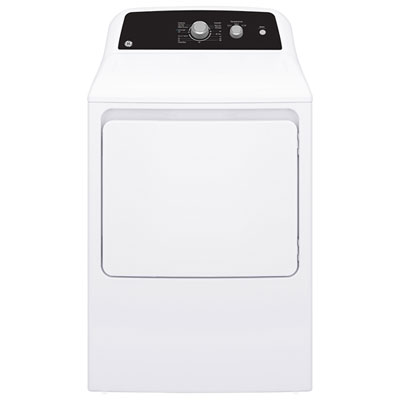
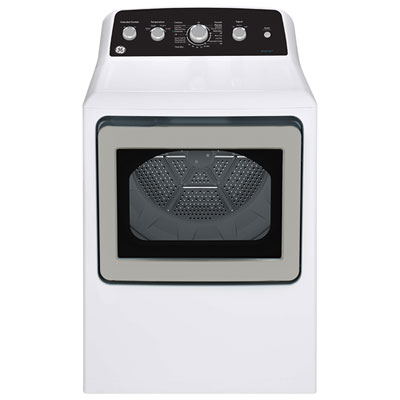
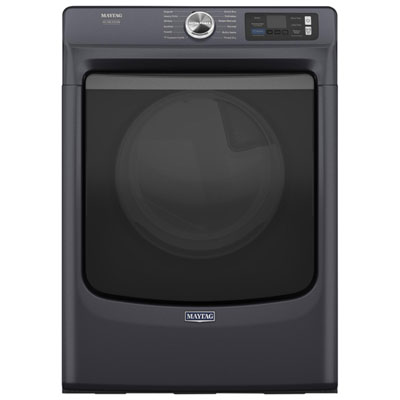
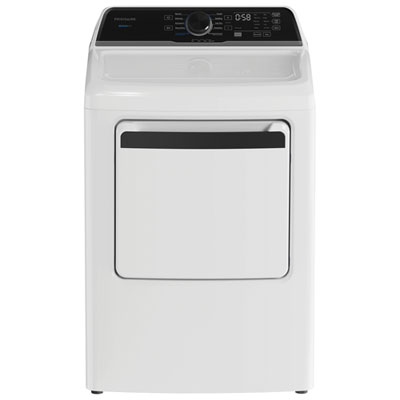
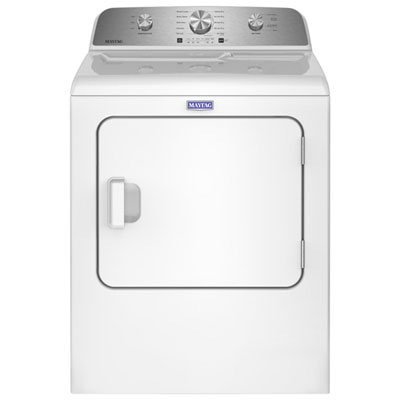
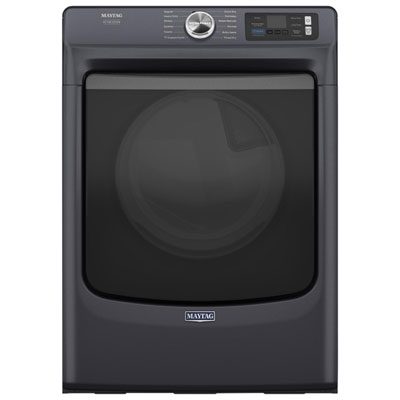
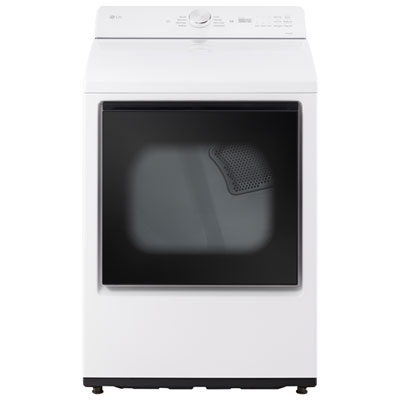
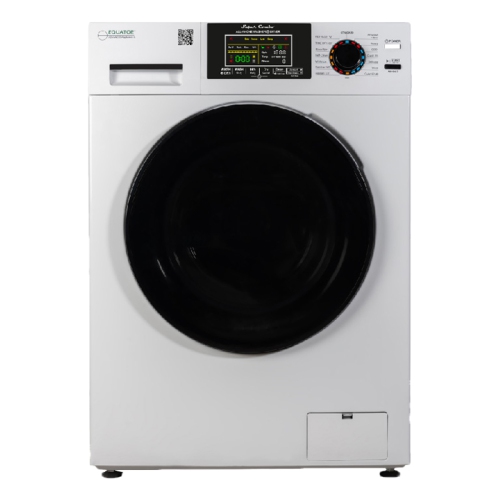
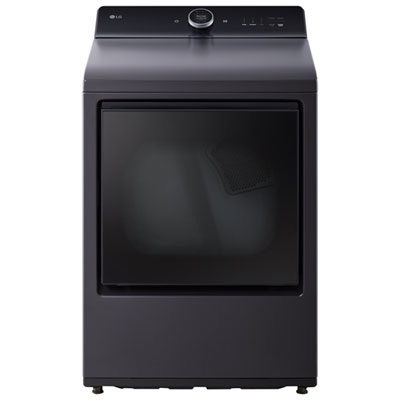
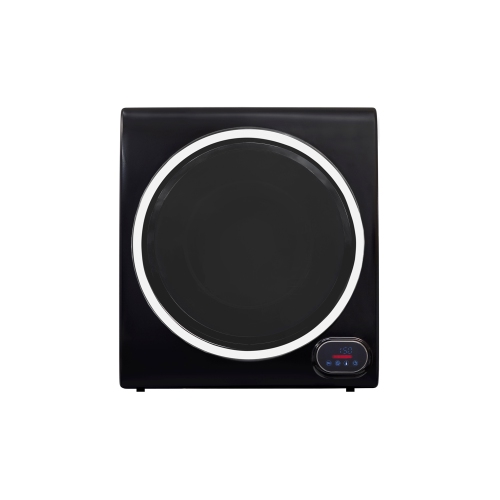
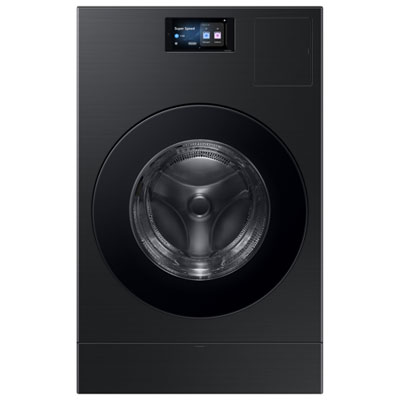



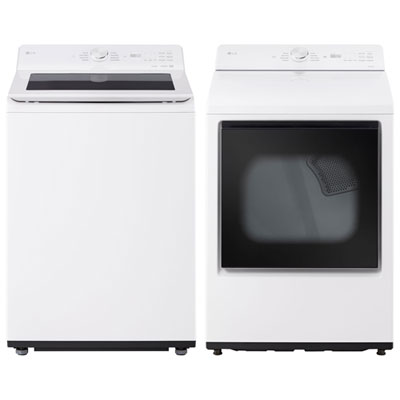
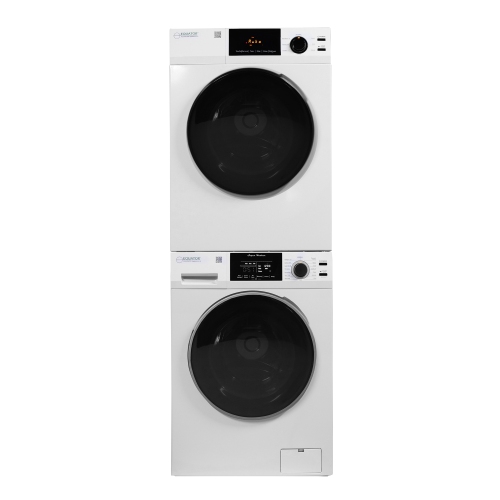
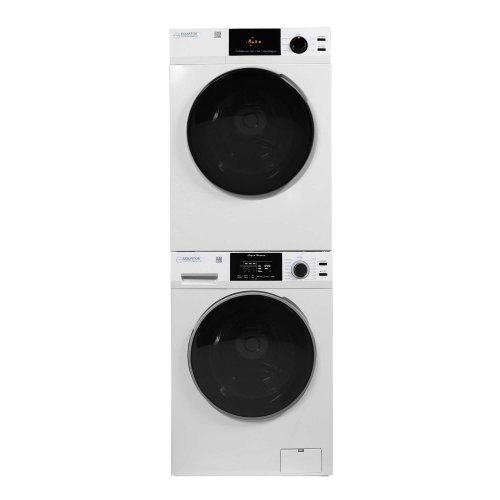
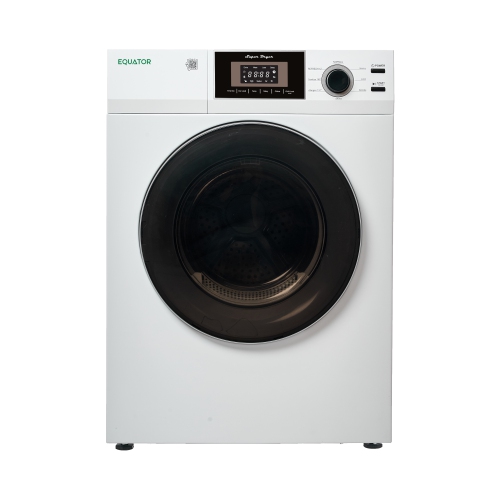
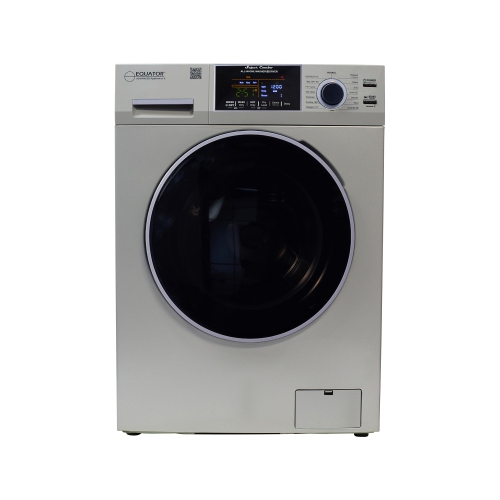
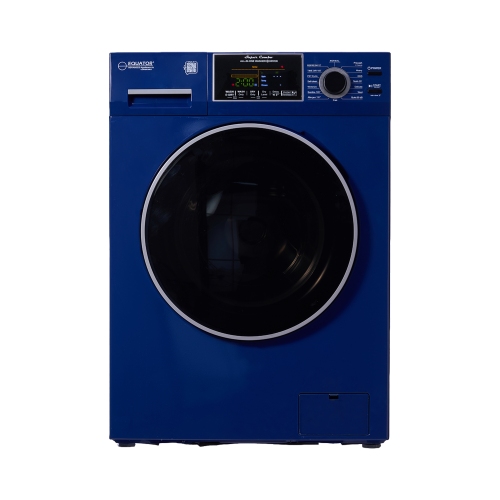
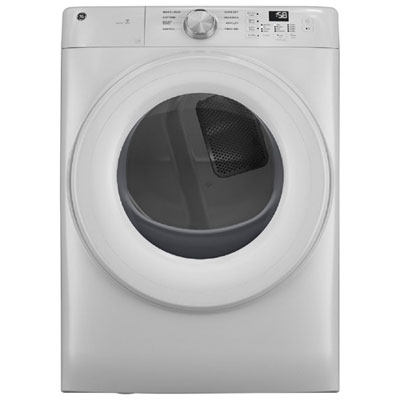

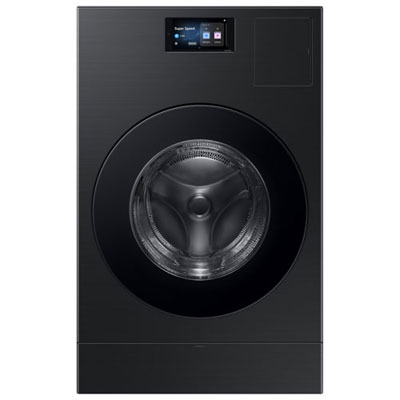
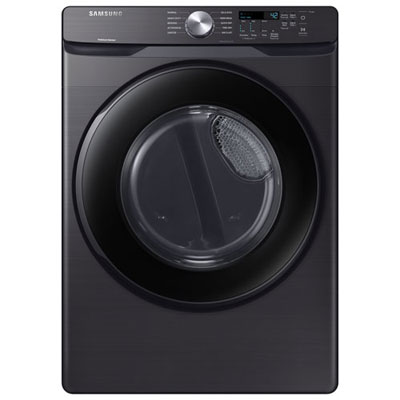
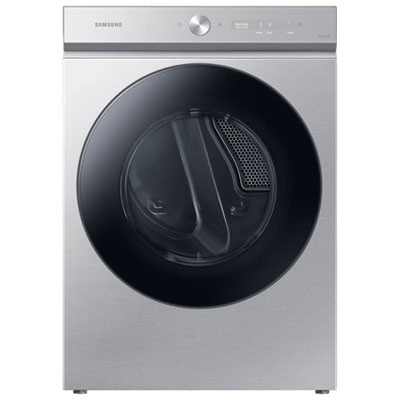
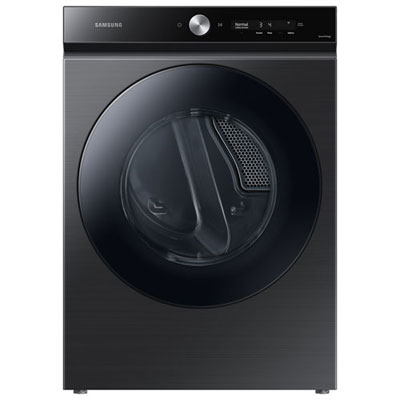
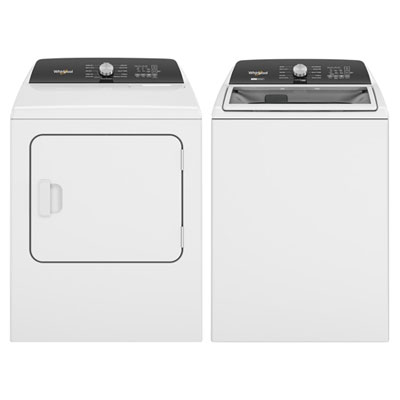
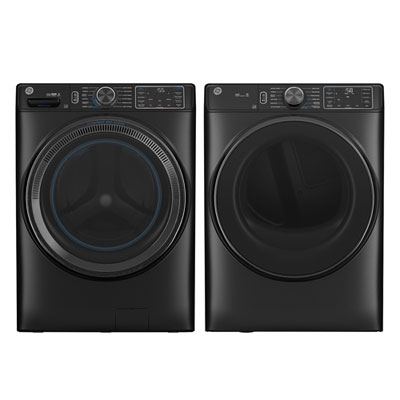
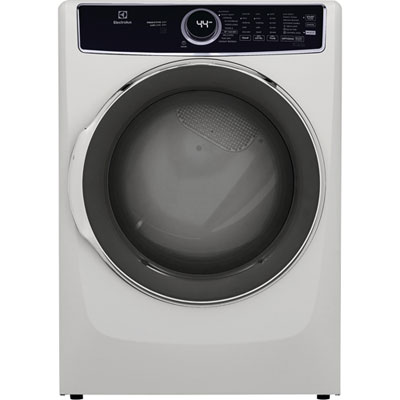
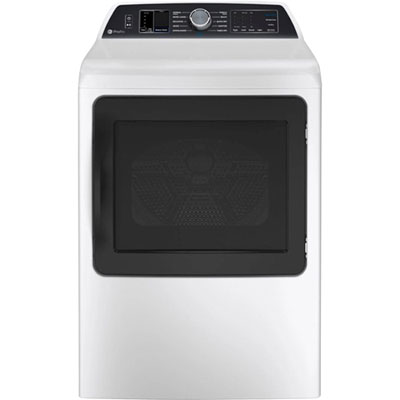
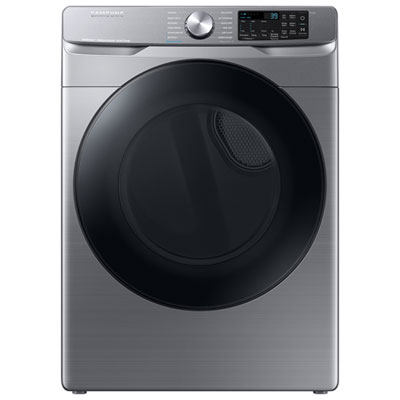
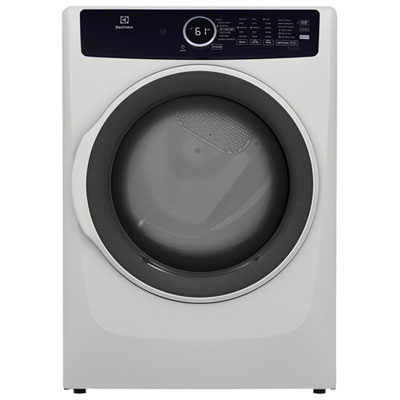
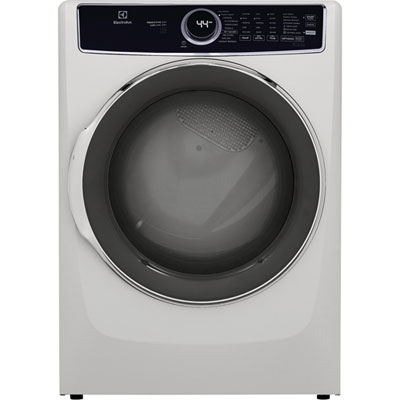
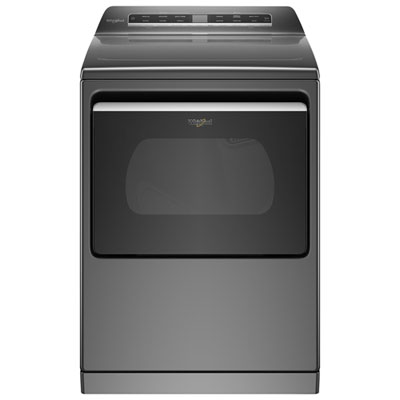
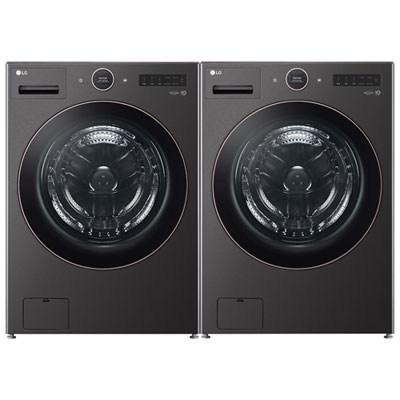
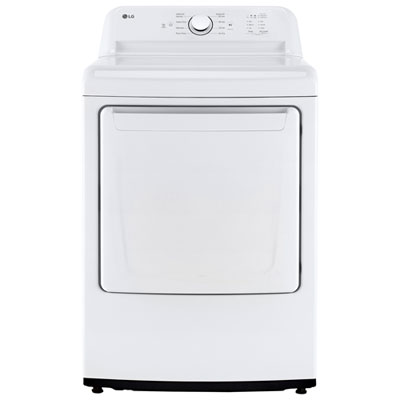
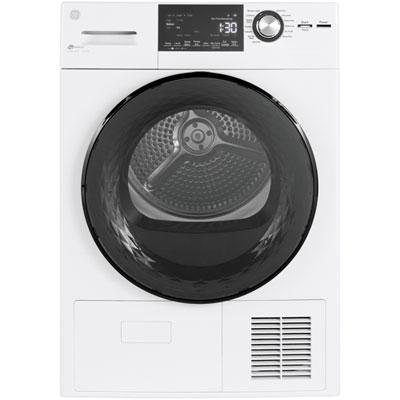
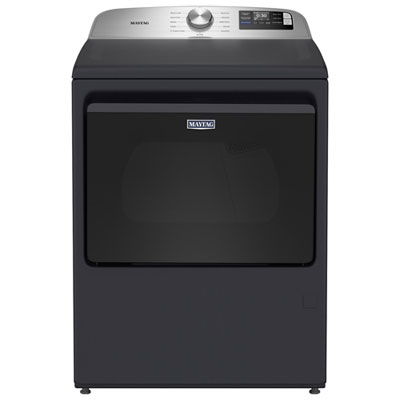

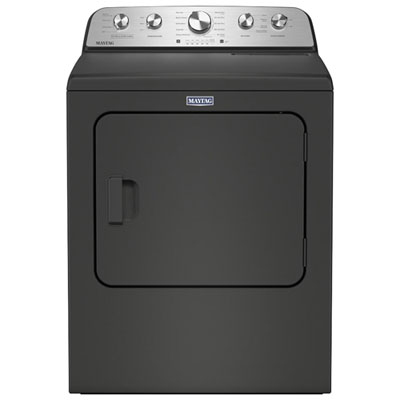
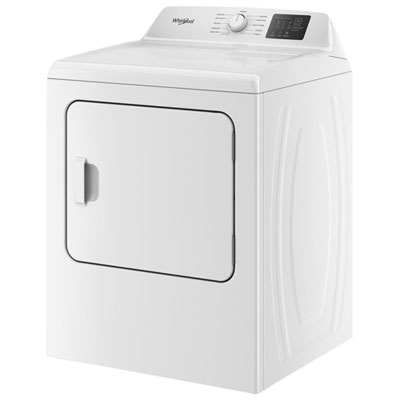

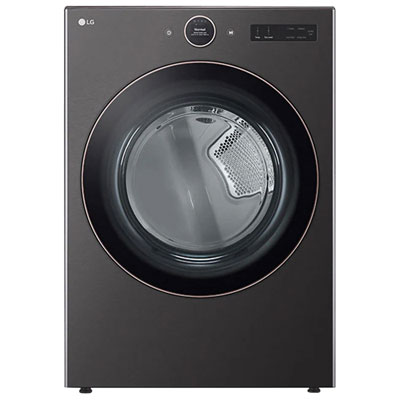
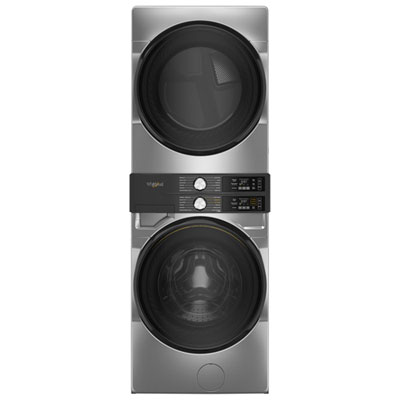
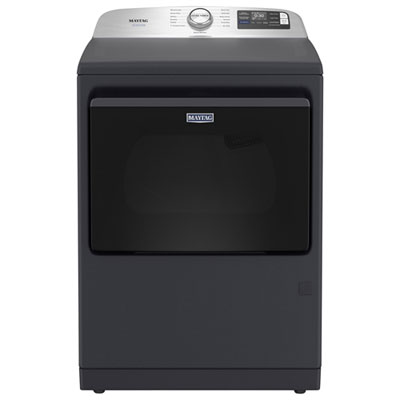

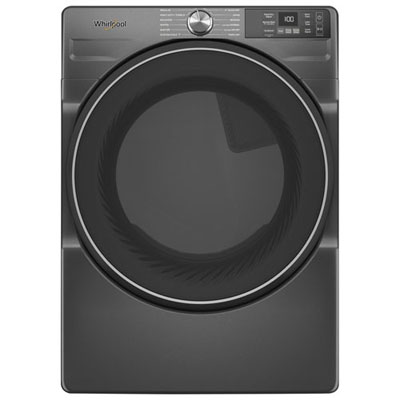
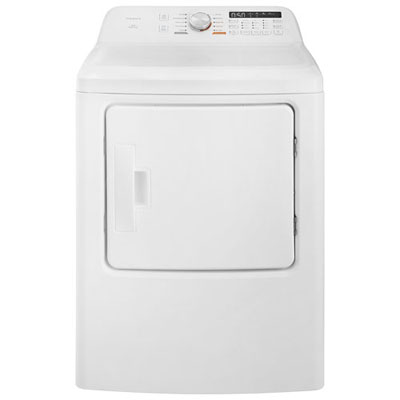

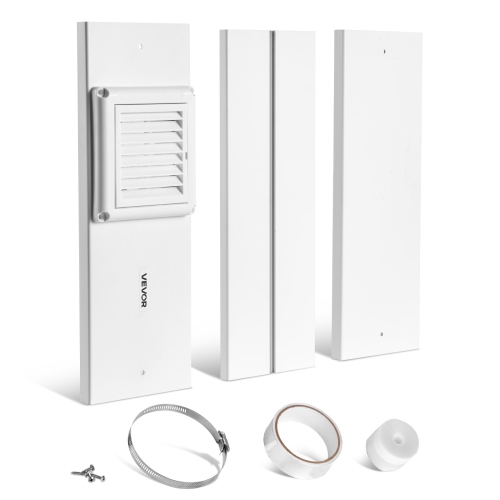
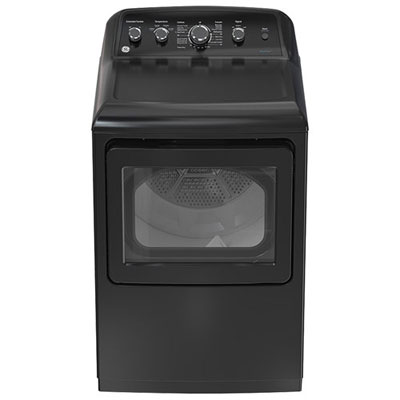
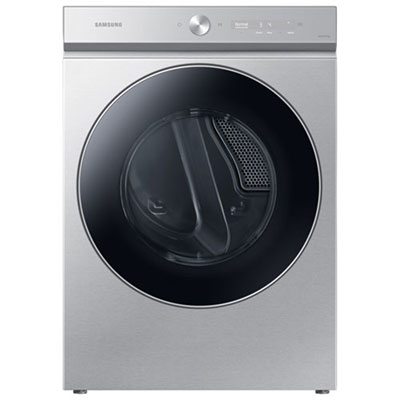
How airflow and fit shape everyday drying
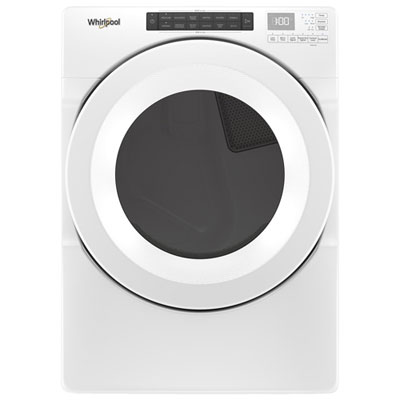
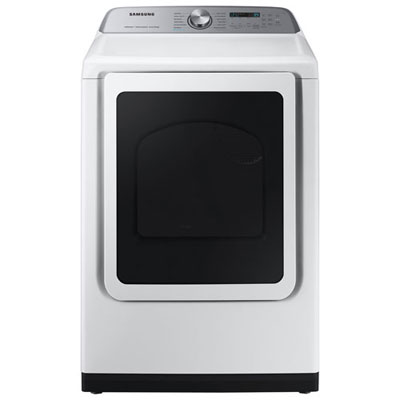
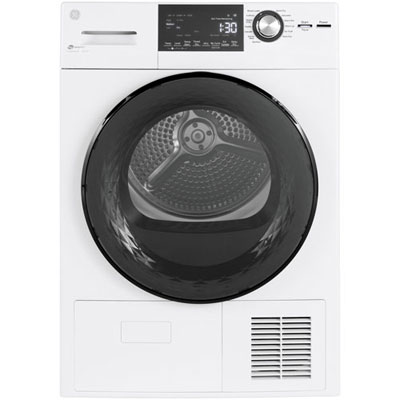
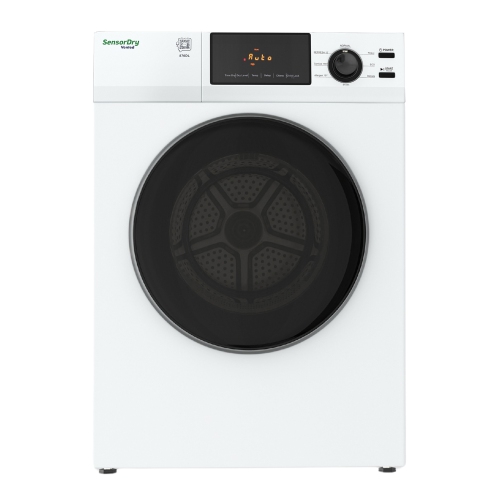
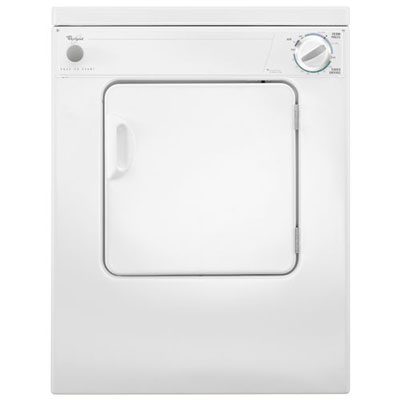
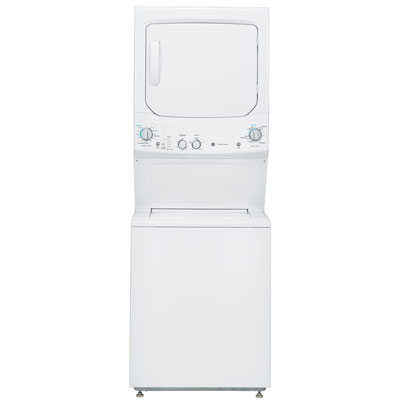
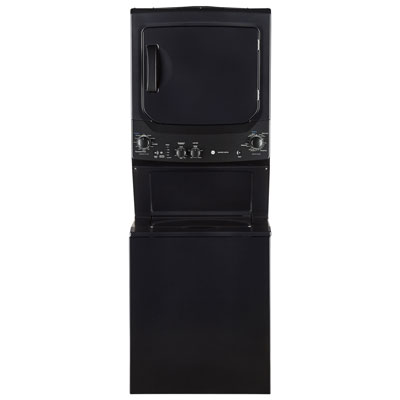
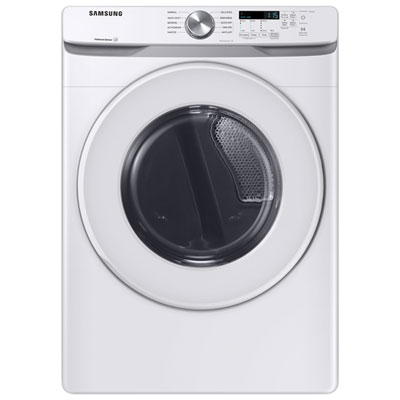
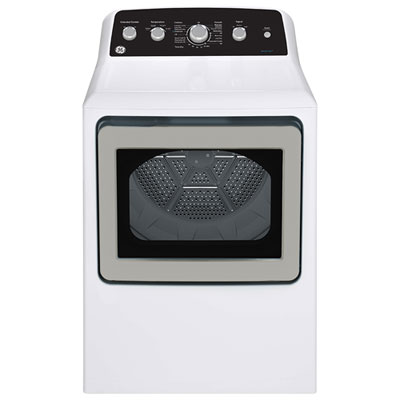
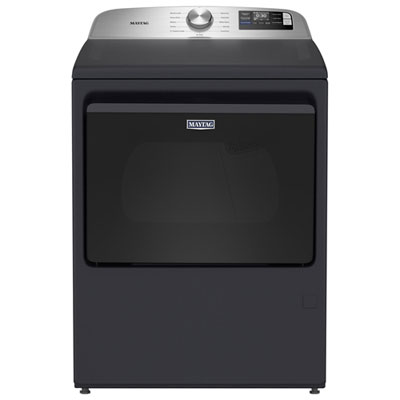
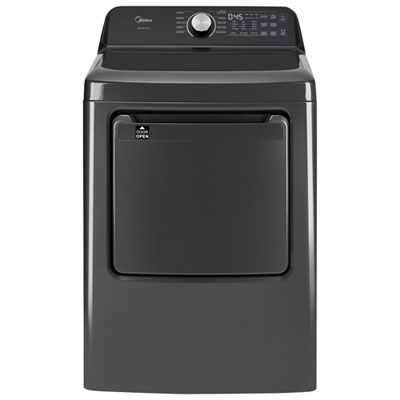
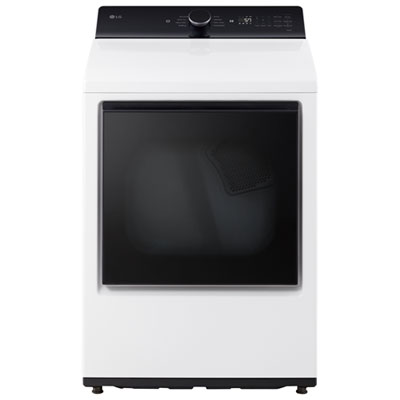
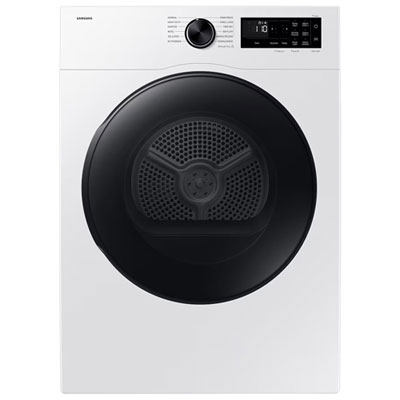
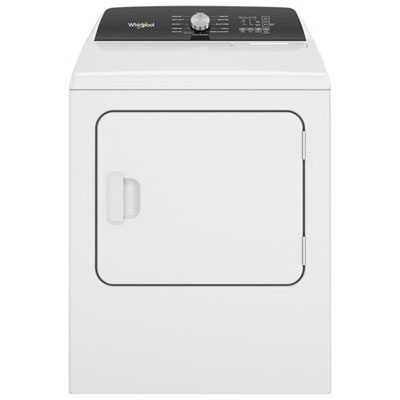
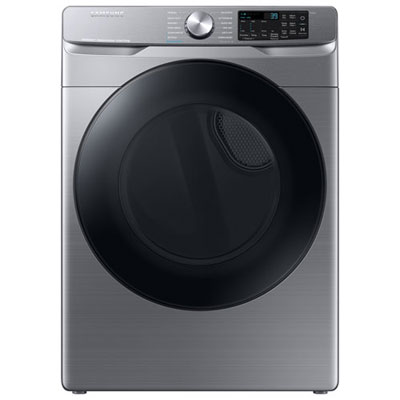
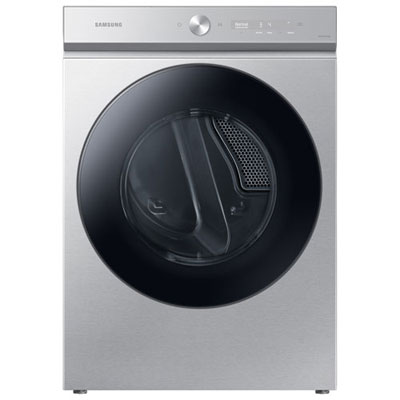
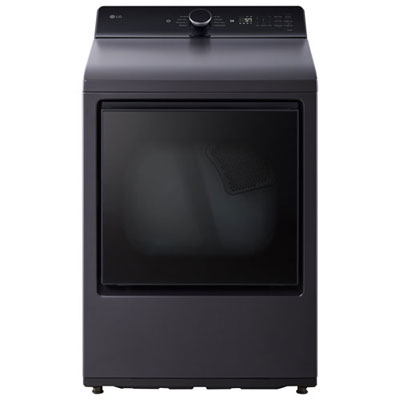
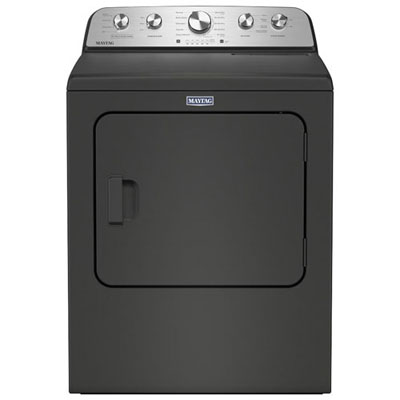
Vented dryers dry laundry by drawing in room air, heating it with an electric element or gas burner, and circulating it through a rotating drum. As clothing tumbles, the heated air absorbs moisture, and a fan moves that moist air outdoors through an exhaust duct. A lint screen captures much of the lint released by fabrics, while finer particles can collect in the duct over time. This outside exhaust connection is the defining feature of a vented clothes dryer: unlike a ventless dryer, it needs a suitable duct route to an exterior outlet. The design is a familiar fit for houses and other homes with an existing laundry exhaust connection, offering practical drying for everyday clothing, towels, sheets, and other machine-dryable textiles. Drying speed depends on the load size, fabric thickness, washer spin performance, selected settings, and unrestricted airflow rather than the dryer type alone. A load of lightweight shirts behaves differently from a bundle of thick bath towels, and laundry that leaves the washer with less retained water generally needs less time in the dryer. Electric vented dryers are common in Canadian laundry rooms and typically require a dedicated 240-volt connection, though electrical requirements vary by appliance. Gas vented dryers use gas for heat and generally need both a suitable gas connection and an electrical outlet to operate the drum, controls, and fan. Both types must exhaust outdoors, and gas connections require qualified installation in accordance with local requirements. For households replacing an older dryer, the existing utilities and exhaust layout are important parts of the fit. For a new laundry space, those same requirements help determine where the appliance can be installed. Vented dryers can suit individuals with modest weekly loads, families handling frequent laundry, and shared households that need straightforward controls for a range of fabrics. The most useful combination of capacity and functions depends on what goes into the drum and how often it runs.
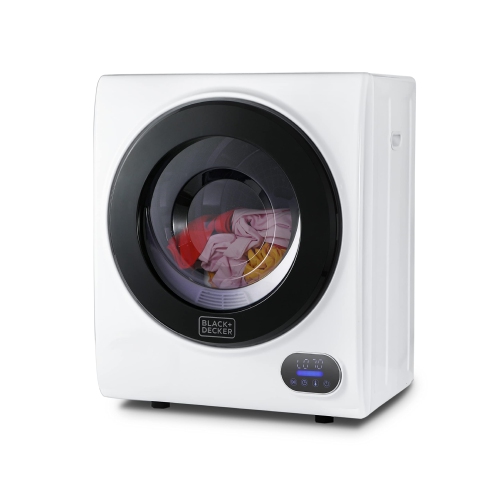
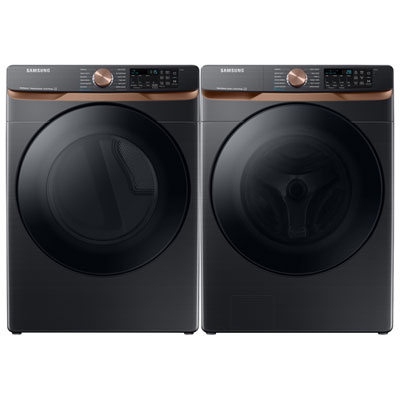
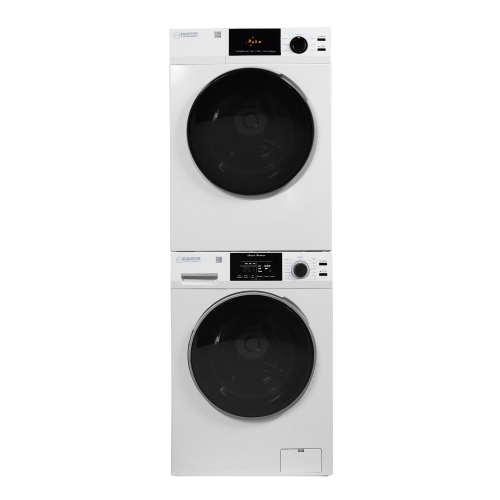
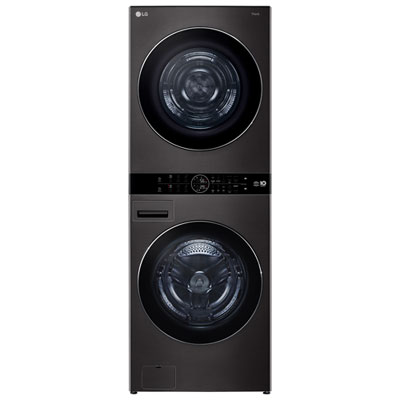
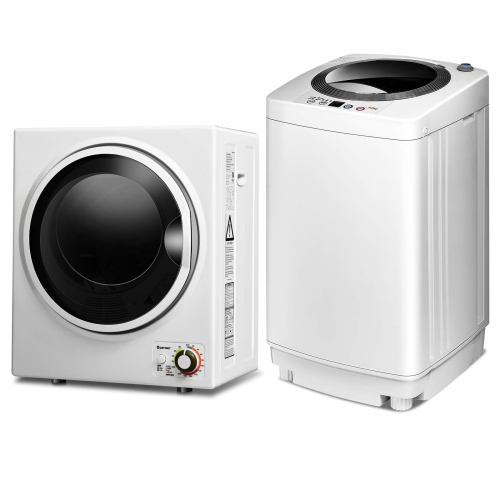
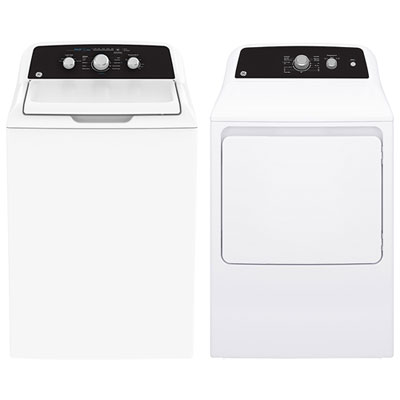
Capacity matters most when it matches the laundry a household actually produces. A larger drum gives bulky loads more room to lift and tumble, but a comforter still needs enough free space for air to circulate through its folds. Its care label may also specify equipment or treatment beyond what a household dryer can provide. Smaller loads need room to move too; tightly packing the drum can leave damp areas inside sleeves, waistbands, and bedding. Matching a dryer’s usable capacity to the washer’s usual load helps keep laundry moving without regularly splitting one wash into several drying cycles. Physical fit involves more than the cabinet width. Depth must account for the exhaust connection behind the appliance, while door clearance affects whether a laundry basket can sit nearby without blocking access. The delivery route, including stairways, narrow doors, and tight turns, matters as well. Side-by-side arrangements provide access to each appliance, while compatible stacking configurations can free up floor space. Stacking requires a manufacturer-approved pairing and the correct kit; similar dimensions alone do not establish compatibility. A reversible door, where offered, can make transferring wet clothes easier when the washer and dryer sit beside each other. For smaller laundry areas, Compact Dryers offer another size category to consider, although compact dimensions do not indicate whether an appliance is vented or ventless. Exhaust requirements still need to match the installation. Inside the drum, moisture sensors can adjust cycle length as fabrics approach the selected dryness level, helping limit unnecessary drying. Timed cycles provide a set running period, while fabric-specific settings offer different combinations of heat and tumbling. Lower-heat options can be useful for washable garments whose labels permit gentle tumble drying. Wrinkle-reduction functions may periodically tumble a finished load to help prevent creases from settling before it is unloaded. Steam functions, where included, may help refresh suitable fabrics or reduce wrinkles, but they do not replace washing and may require a water connection or reservoir. Wi-Fi connectivity can add cycle notifications or other functions, depending on the appliance.
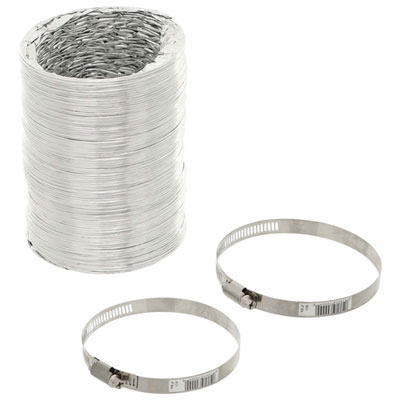
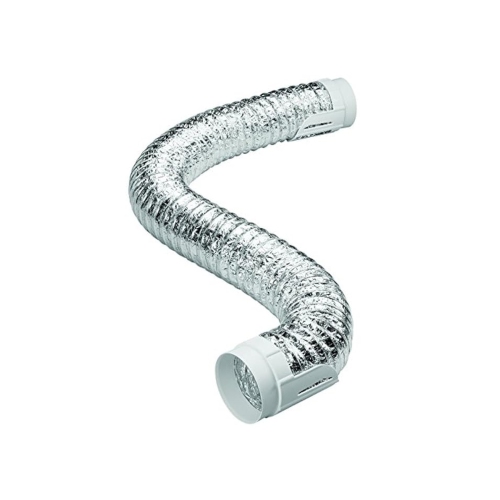
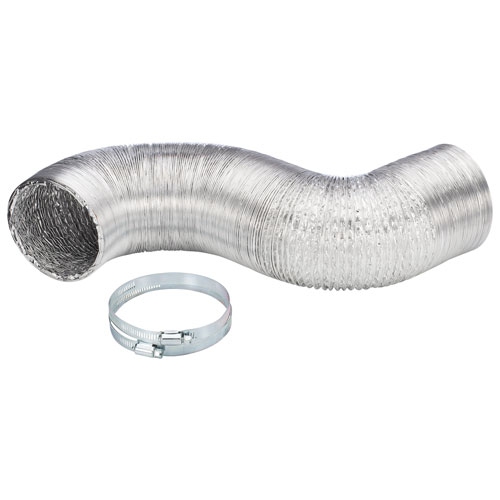
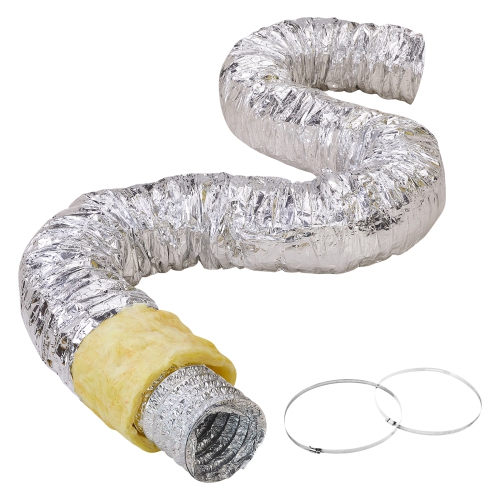
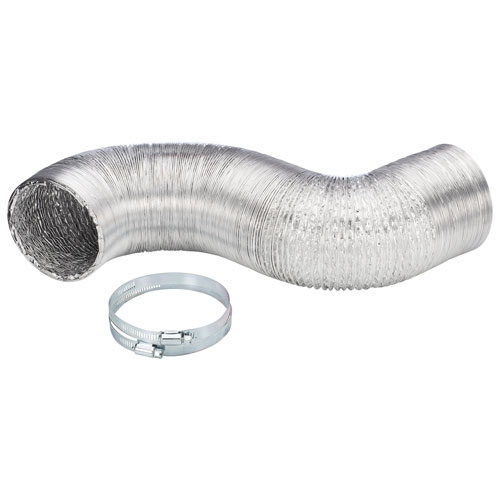
Construction and routine care both influence how a vented dryer holds up to repeated use. Drum materials commonly include coated steel and stainless steel, with smooth interior surfaces designed to let fabrics tumble without catching. Stainless steel resists rust and does not rely on a painted drum finish, while a coated drum benefits from care that preserves its surface. Zippers, loose coins, and forgotten objects can strike the drum, so empty pockets and fastened closures help protect both clothing and the appliance. Accessible lint screens, readable controls, and a well-lit drum can make everyday tasks easier, especially when checking for small socks or removing a load from a deep opening. Noise also deserves consideration when the laundry area adjoins a bedroom or living space; proper levelling and installation help reduce vibration, though tumbling and airflow will still produce sound. Clear airflow is essential to drying performance and fire safety. The lint screen should be cleaned before or after each load, following the appliance instructions, and the exhaust duct and exterior outlet need periodic inspection and cleaning. A short, direct duct route with minimal bends generally allows better airflow than a long, winding run, but permitted lengths and fittings depend on the dryer’s installation specifications. Rigid metal ducting is generally preferred, with any transition duct chosen according to the manufacturer’s instructions and local requirements. Plastic or thin foil ducting can crush easily and is not an appropriate substitute for approved exhaust materials. Longer drying times, unusually hot laundry, or a vent flap that does not open properly can signal restricted airflow and warrant attention. Fabric care remains equally important: tumble drying is not suitable for every textile, and items contaminated with cooking oils, solvents, or other flammable substances can pose a fire risk. Care labels and appliance instructions establish the appropriate treatment. With a suitable installation, sensible load sizes, and consistent lint removal, a vented dryer can provide dependable everyday drying without making the laundry routine complicated.
Capacity matters most when it matches the laundry a household actually produces. A larger drum gives bulky loads more room to lift and tumble, but a comforter still needs enough free space for air to circulate through its folds. Its care label may also specify equipment or treatment beyond what a household dryer can provide. Smaller loads need room to move too; tightly packing the drum can leave damp areas inside sleeves, waistbands, and bedding. Matching a dryer’s usable capacity to the washer’s usual load helps keep laundry moving without regularly splitting one wash into several drying cycles. Physical fit involves more than the cabinet width. Depth must account for the exhaust connection behind the appliance, while door clearance affects whether a laundry basket can sit nearby without blocking access. The delivery route, including stairways, narrow doors, and tight turns, matters as well. Side-by-side arrangements provide access to each appliance, while compatible stacking configurations can free up floor space. Stacking requires a manufacturer-approved pairing and the correct kit; similar dimensions alone do not establish compatibility. A reversible door, where offered, can make transferring wet clothes easier when the washer and dryer sit beside each other. For smaller laundry areas, Compact Dryers offer another size category to consider, although compact dimensions do not indicate whether an appliance is vented or ventless. Exhaust requirements still need to match the installation. Inside the drum, moisture sensors can adjust cycle length as fabrics approach the selected dryness level, helping limit unnecessary drying. Timed cycles provide a set running period, while fabric-specific settings offer different combinations of heat and tumbling. Lower-heat options can be useful for washable garments whose labels permit gentle tumble drying. Wrinkle-reduction functions may periodically tumble a finished load to help prevent creases from settling before it is unloaded. Steam functions, where included, may help refresh suitable fabrics or reduce wrinkles, but they do not replace washing and may require a water connection or reservoir. Wi-Fi connectivity can add cycle notifications or other functions, depending on the appliance.
Construction and routine care both influence how a vented dryer holds up to repeated use. Drum materials commonly include coated steel and stainless steel, with smooth interior surfaces designed to let fabrics tumble without catching. Stainless steel resists rust and does not rely on a painted drum finish, while a coated drum benefits from care that preserves its surface. Zippers, loose coins, and forgotten objects can strike the drum, so empty pockets and fastened closures help protect both clothing and the appliance. Accessible lint screens, readable controls, and a well-lit drum can make everyday tasks easier, especially when checking for small socks or removing a load from a deep opening. Noise also deserves consideration when the laundry area adjoins a bedroom or living space; proper levelling and installation help reduce vibration, though tumbling and airflow will still produce sound. Clear airflow is essential to drying performance and fire safety. The lint screen should be cleaned before or after each load, following the appliance instructions, and the exhaust duct and exterior outlet need periodic inspection and cleaning. A short, direct duct route with minimal bends generally allows better airflow than a long, winding run, but permitted lengths and fittings depend on the dryer’s installation specifications. Rigid metal ducting is generally preferred, with any transition duct chosen according to the manufacturer’s instructions and local requirements. Plastic or thin foil ducting can crush easily and is not an appropriate substitute for approved exhaust materials. Longer drying times, unusually hot laundry, or a vent flap that does not open properly can signal restricted airflow and warrant attention. Fabric care remains equally important: tumble drying is not suitable for every textile, and items contaminated with cooking oils, solvents, or other flammable substances can pose a fire risk. Care labels and appliance instructions establish the appropriate treatment. With a suitable installation, sensible load sizes, and consistent lint removal, a vented dryer can provide dependable everyday drying without making the laundry routine complicated.
Top selling and popular products
-
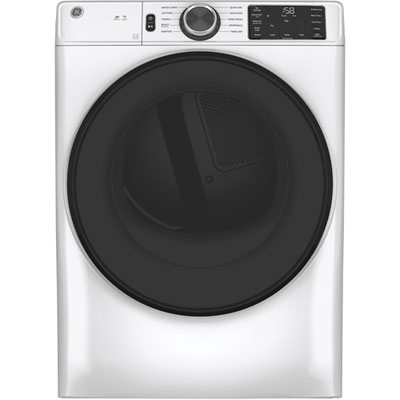 Your price for this item is $1999.99
 -
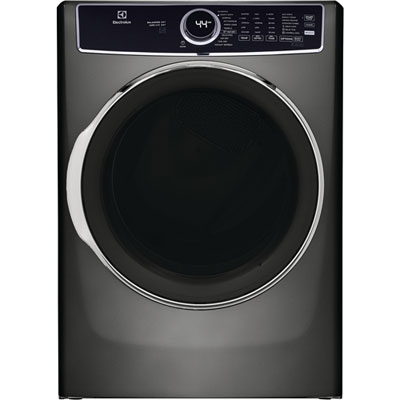 Your price for this item is $1169.99
 -
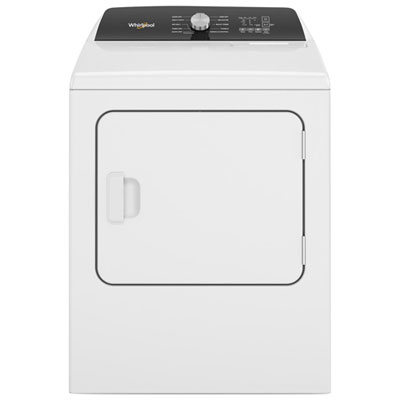 Your price for this item is $849.99
 -
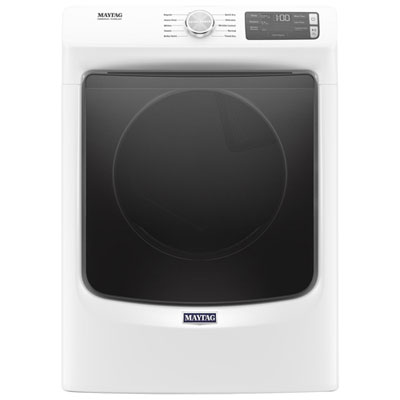 Your price for this item is $999.99
 -
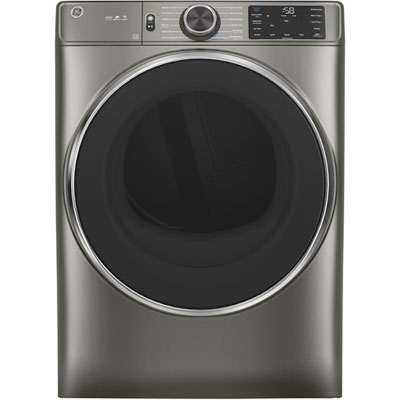 Your price for this item is $1949.99
 -
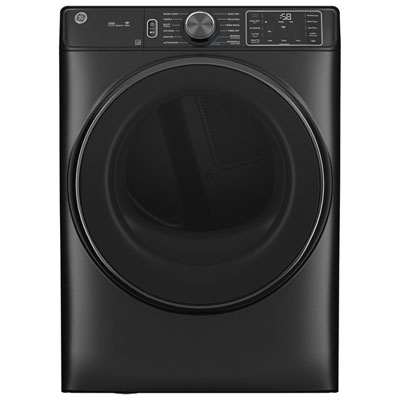 Your price for this item is $1199.99
 -
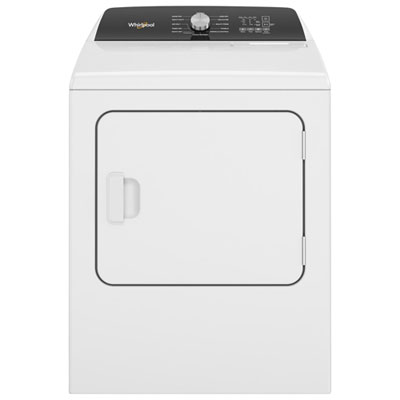 Your price for this item is $799.99
 -
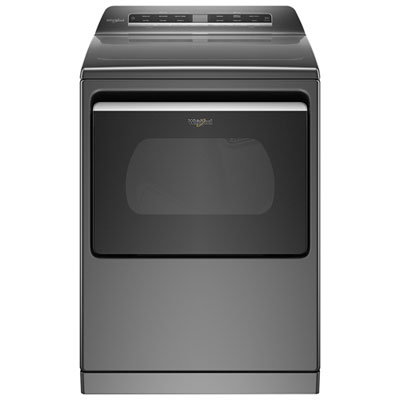 Your price for this item is $1149.97
Discover more categories related to Vented Dryers

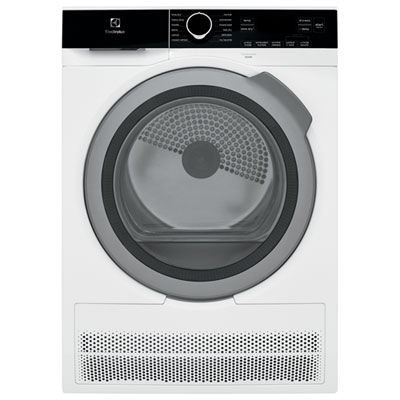
Top Collections:
Pokemon Centers, Kindle Devices, Best Budget Office Chairs, Apple iPhones 16, Best Laptops for Writers, iPhone 15 Apple, Canon G7X Cameras, Refurbished Apple Laptops, Alarm Clock, Motorola Razr Phones
Some products may be subject to Environmental Handling Fees
(EHF) depending on your province.
Learn more about EHFs.