Ductless Kitchen Hoods
Are you tired of dealing with smoke, odors, and grease in your kitchen? Say goodbye to traditional range hoods and hello to the innovative solution of a ductless kitchen hood. These sleek and efficient appliances are designed to effectively remove airborne particles, while also adding a touch of modern style to your cooking space. With their advanced filtration systems and powerful extraction capabilities, ductless kitchen hoods provide a breath of fresh air in every sense of the word. Discover the benefits and features of these game-changing appliances as we explore how they can transform your culinary experience.
Sort
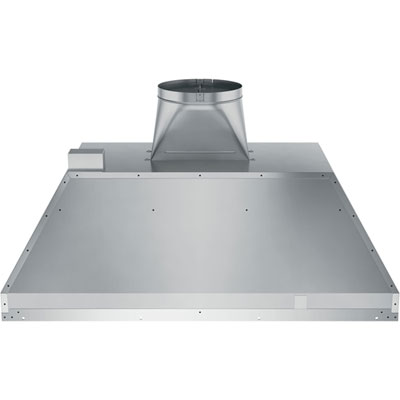
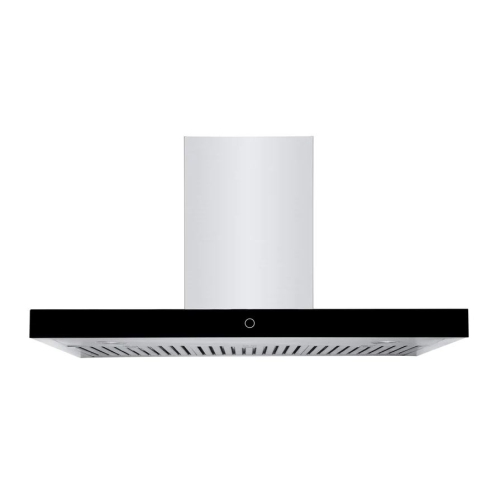
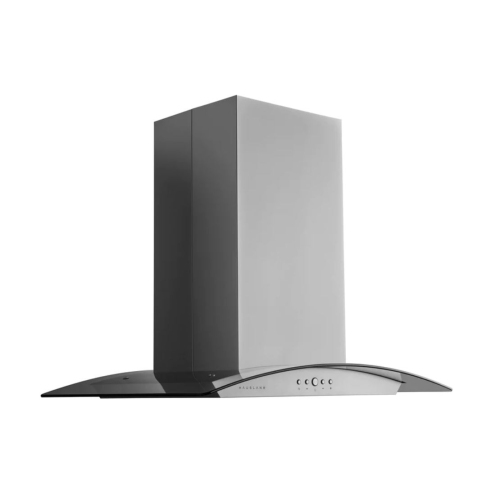
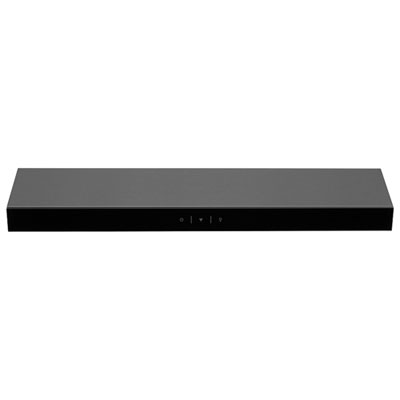
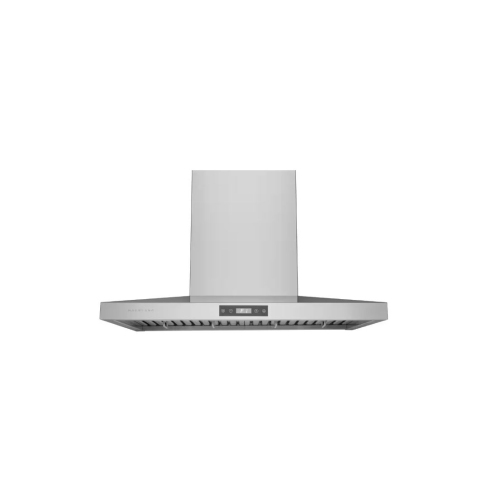
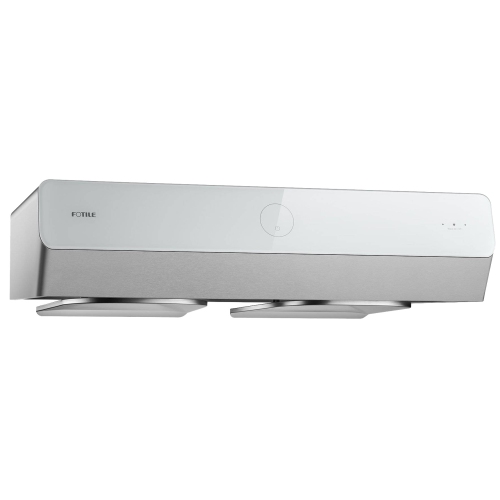
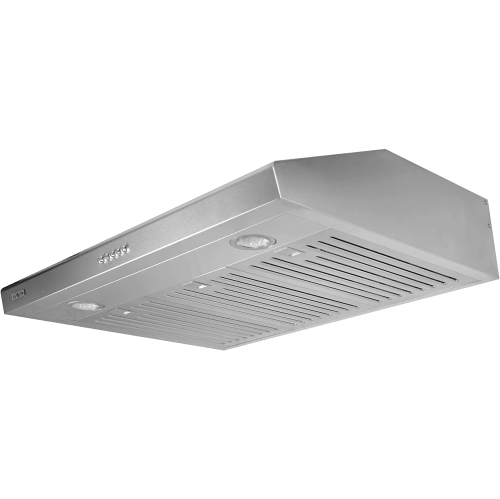
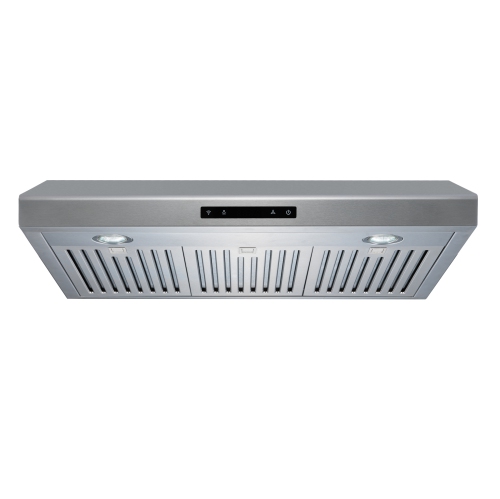
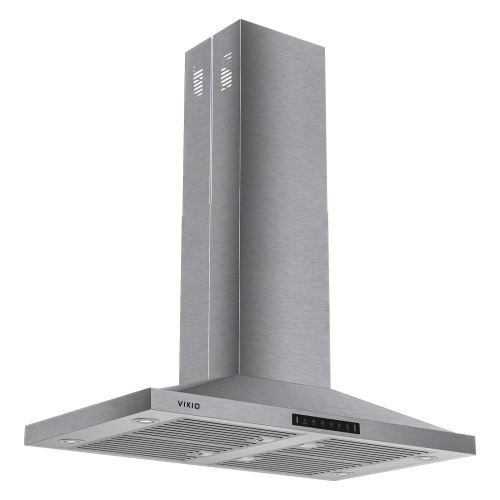
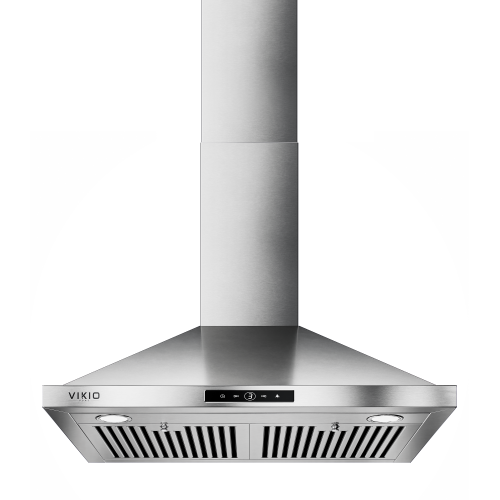
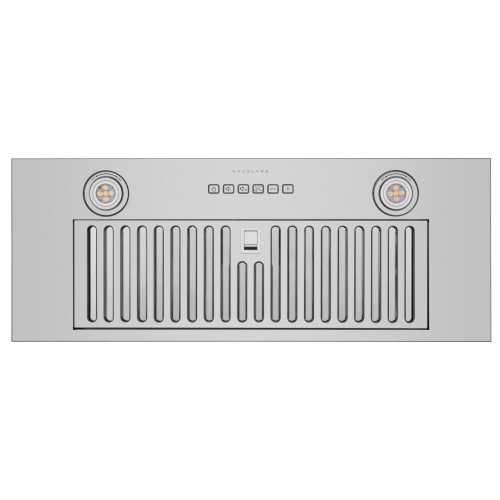
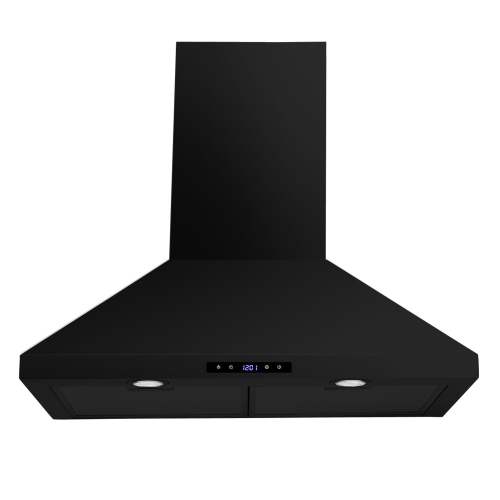
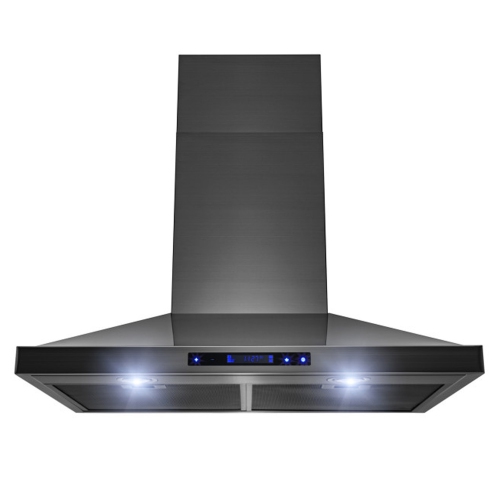
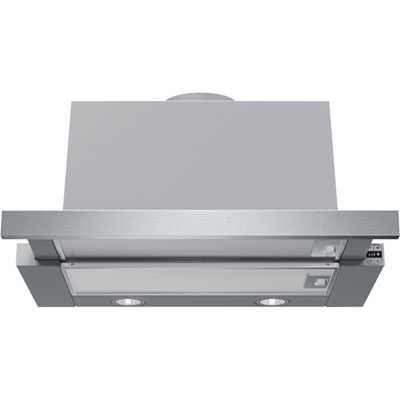
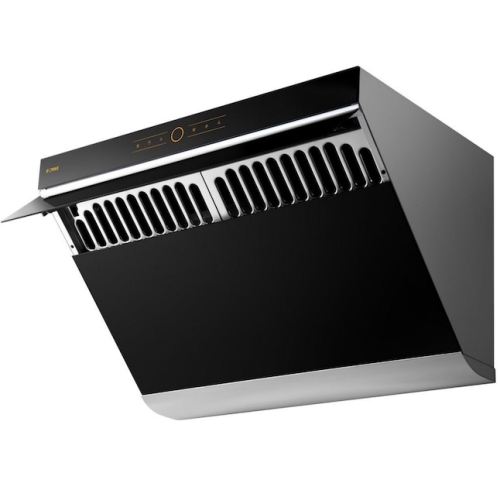
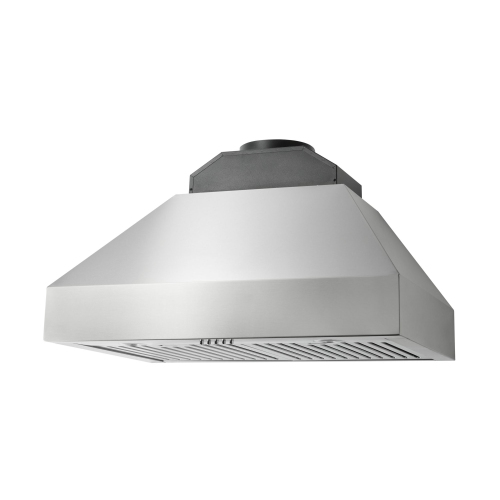
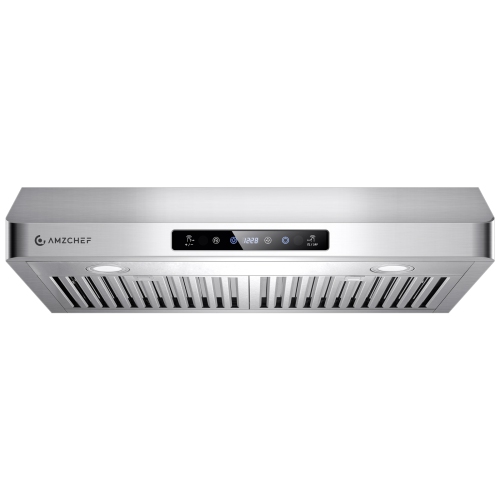
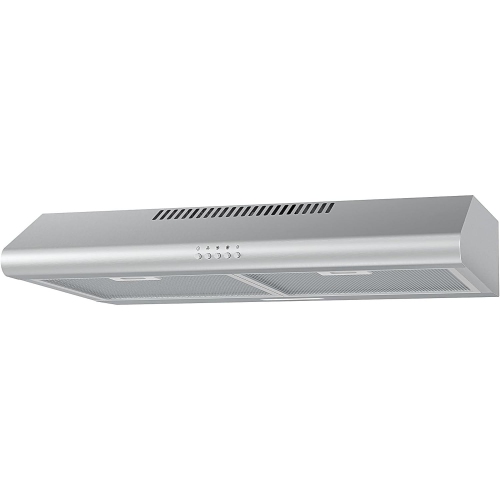
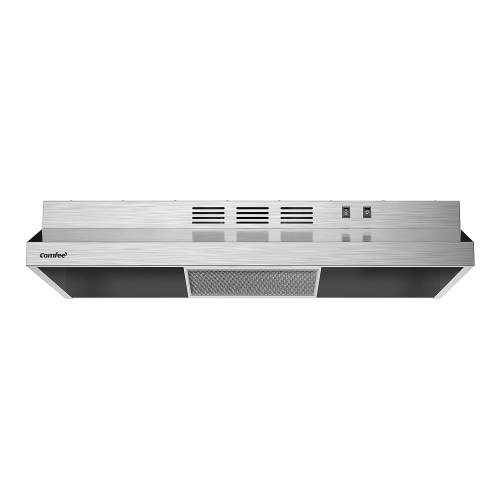
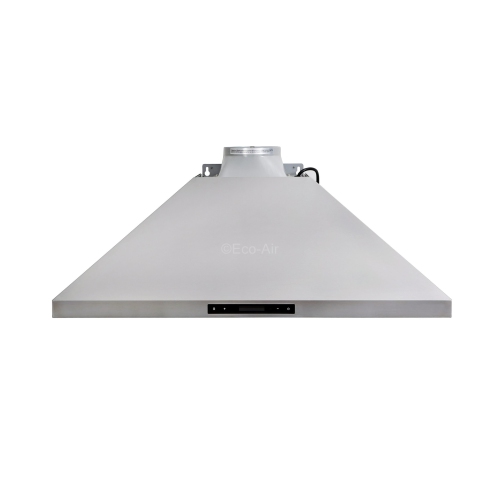
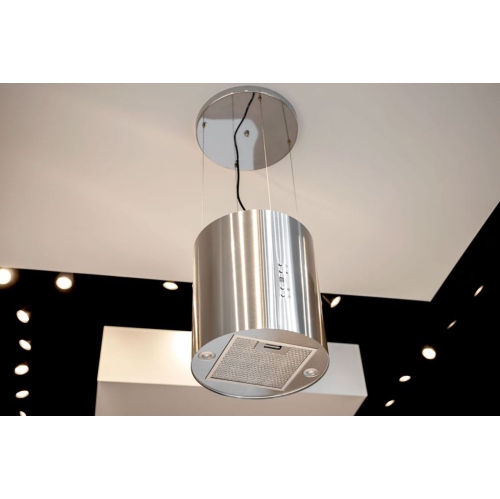

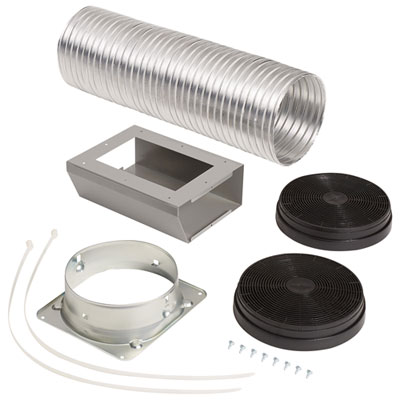
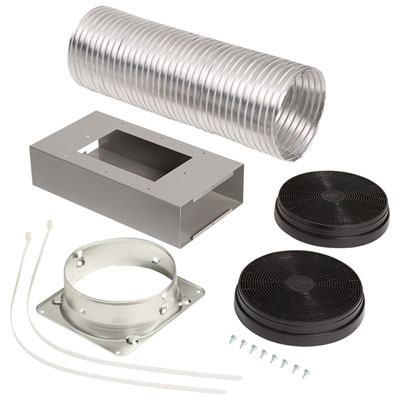
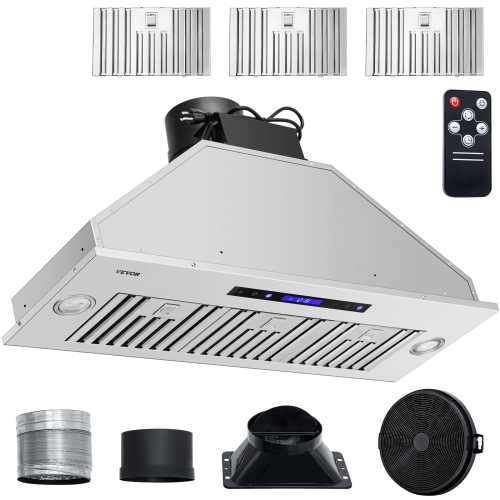
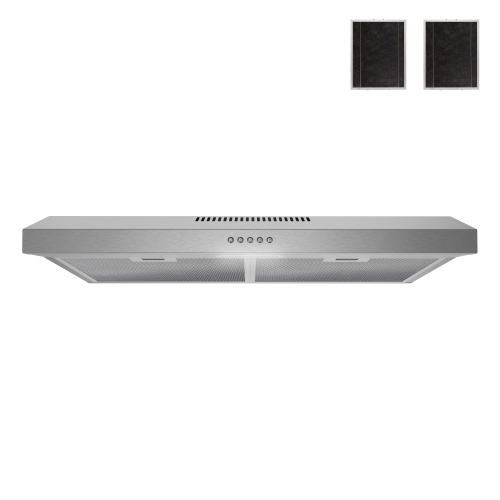
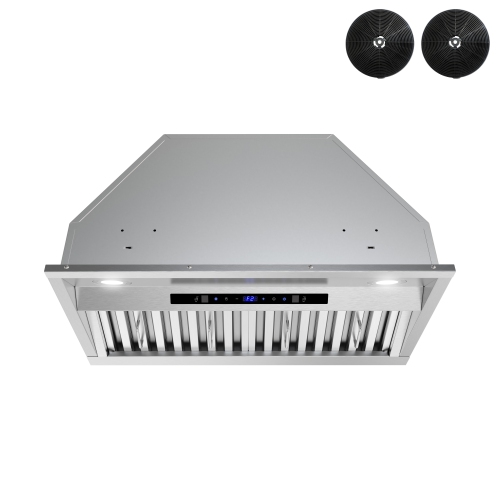
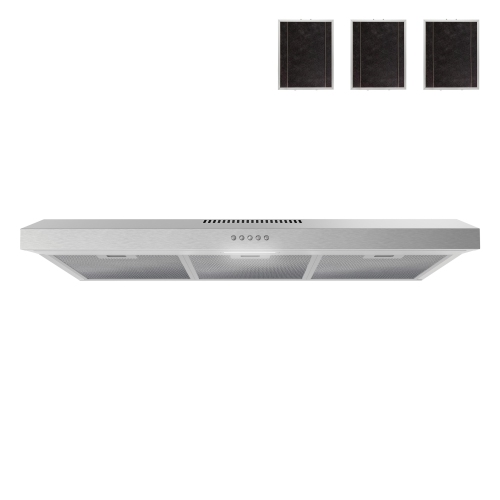
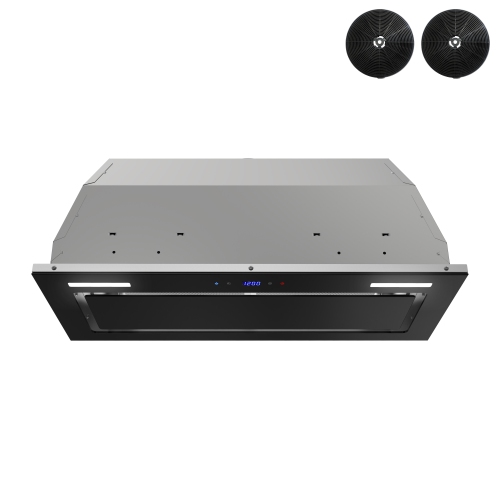
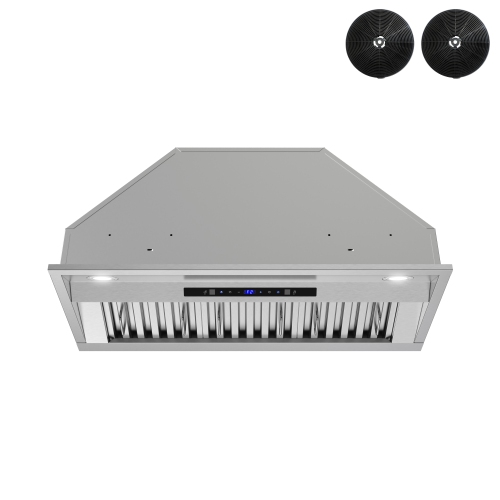
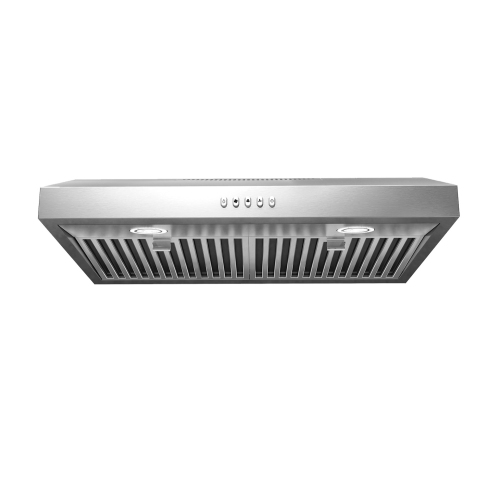
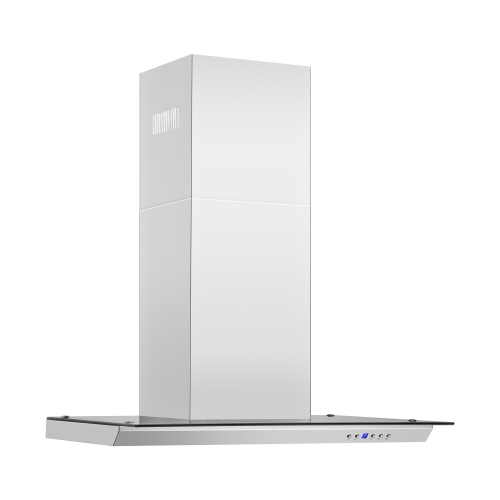
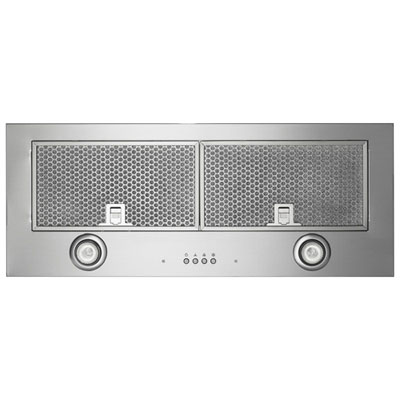
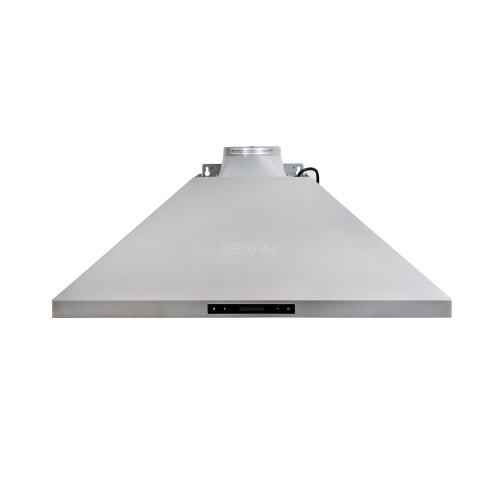
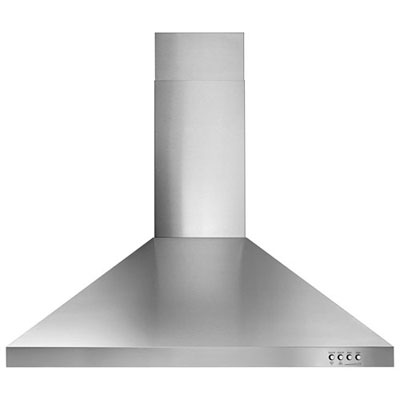
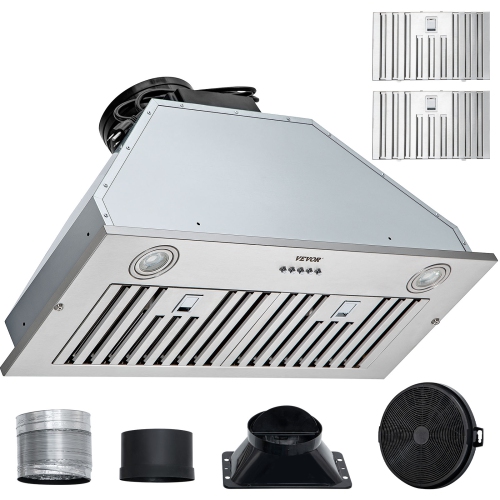
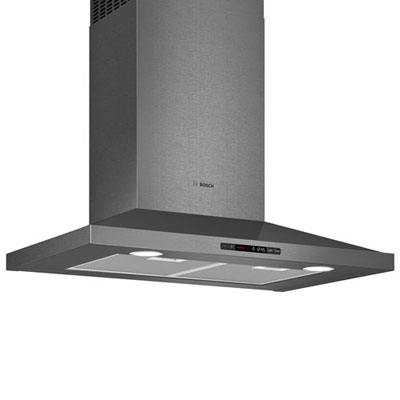
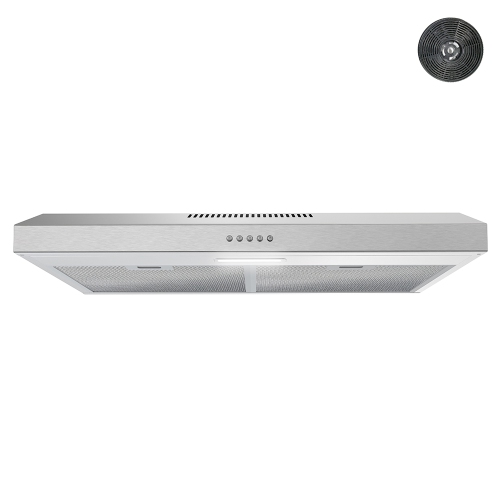
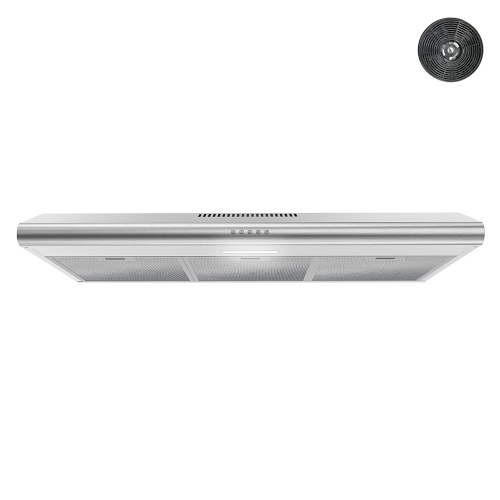
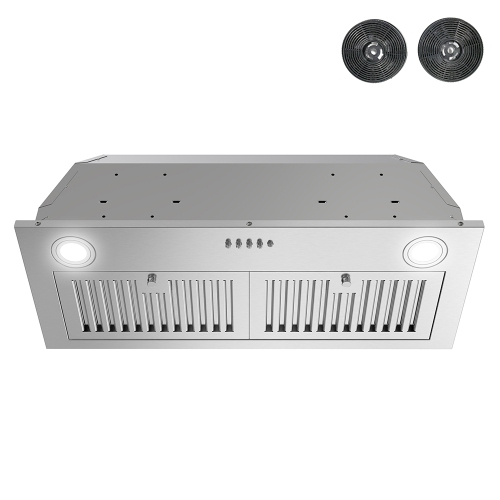
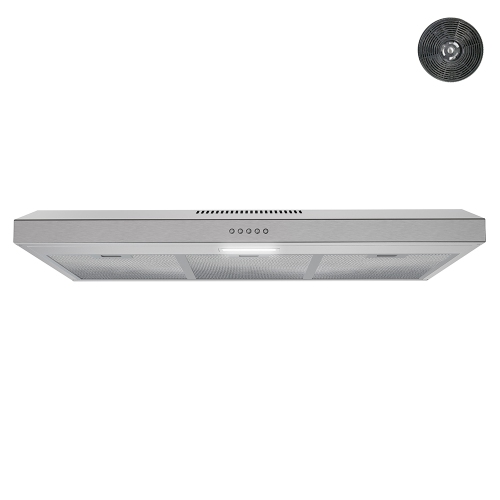
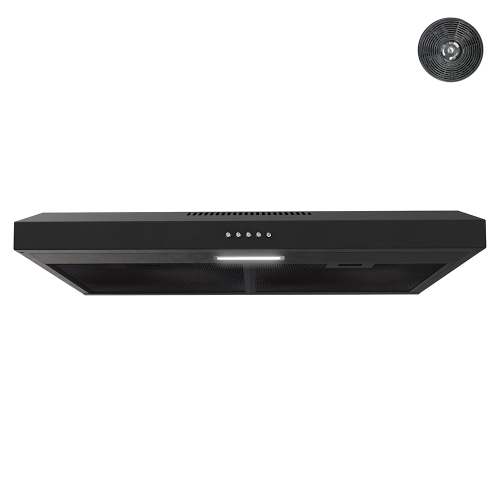
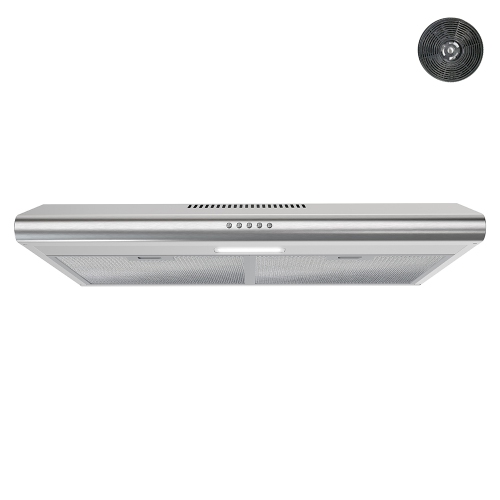
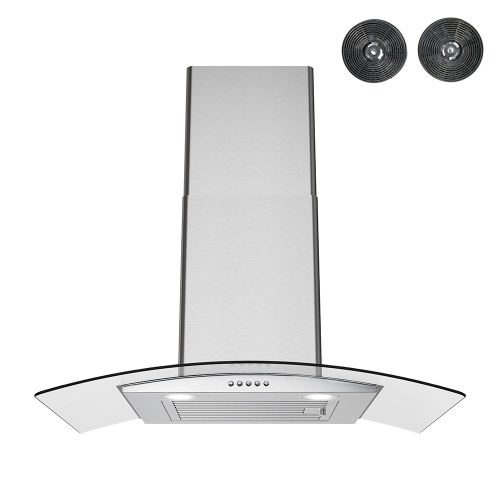
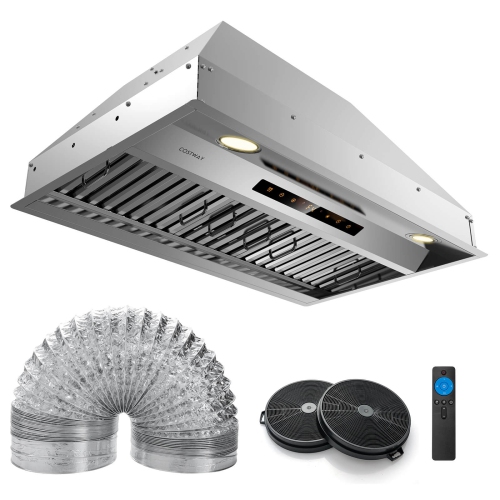
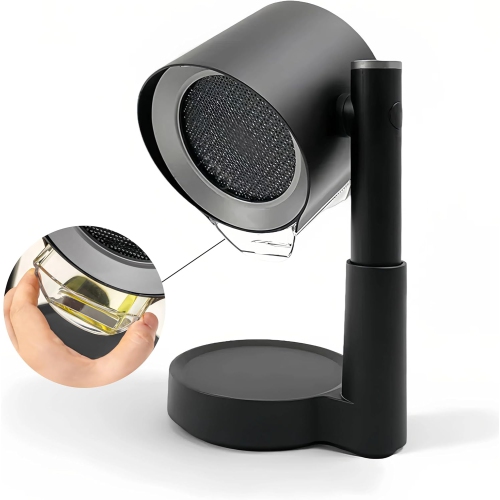
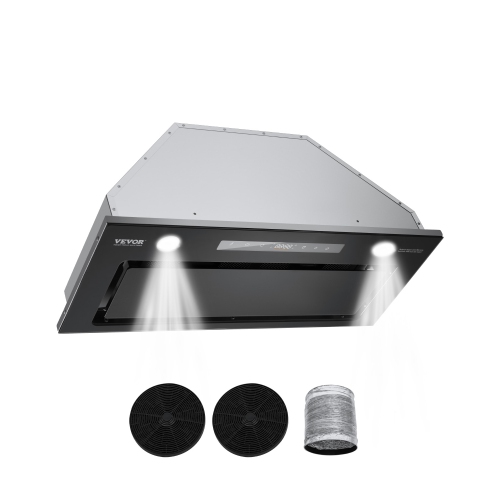
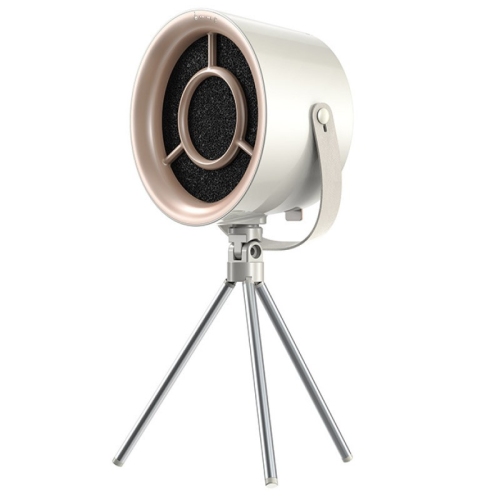
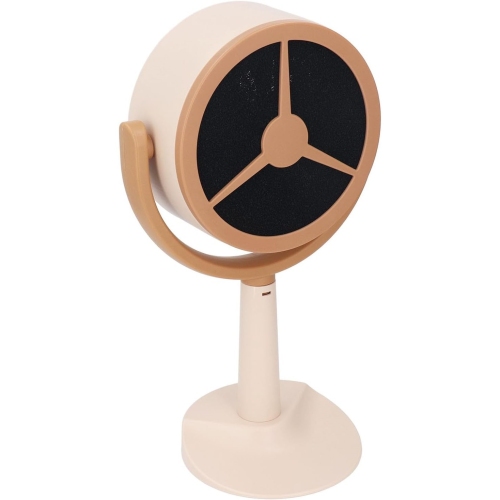
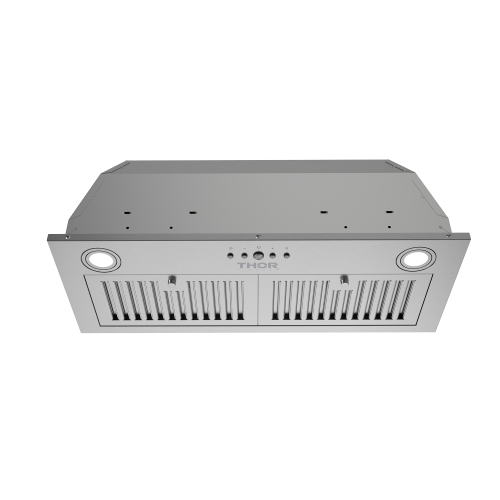
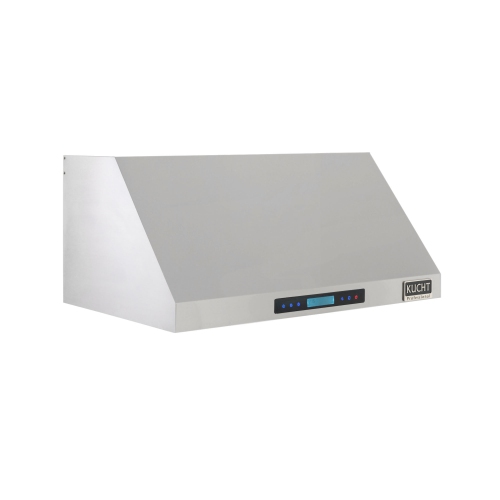
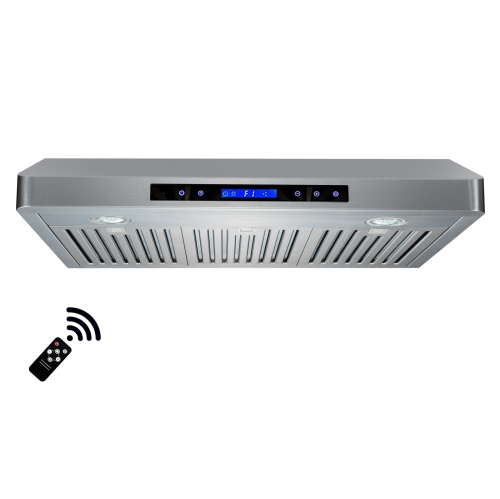
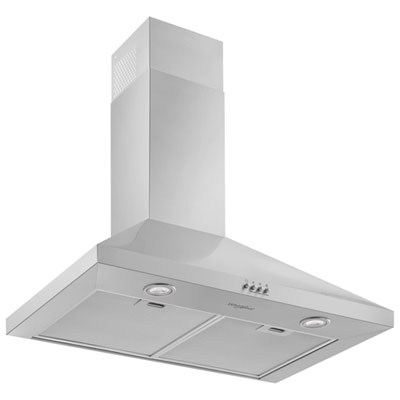
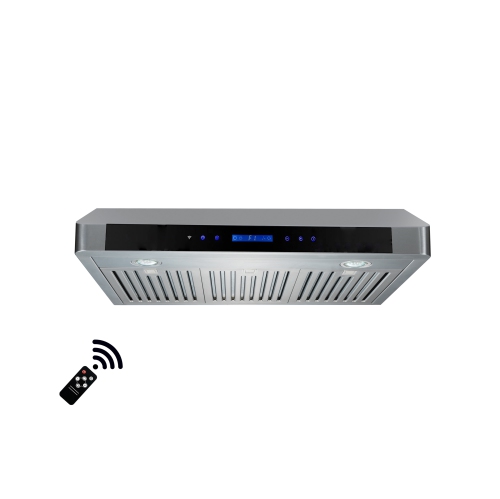
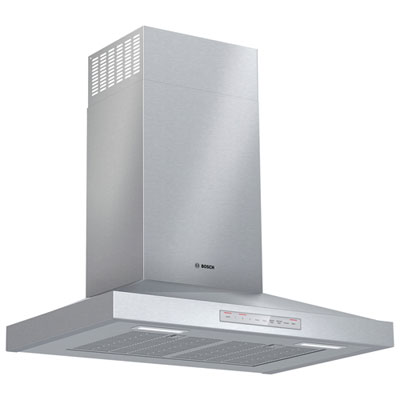
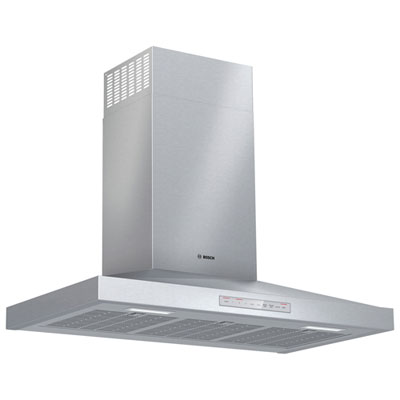
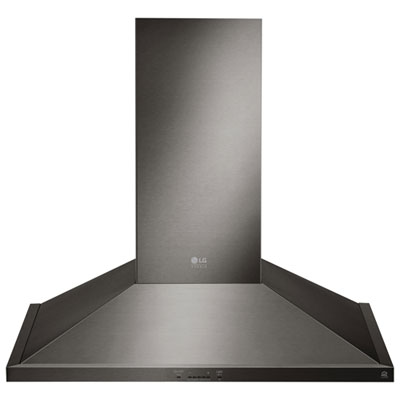
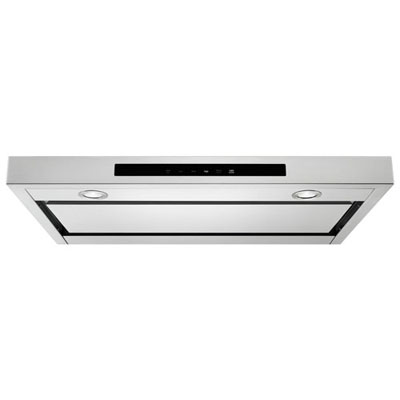
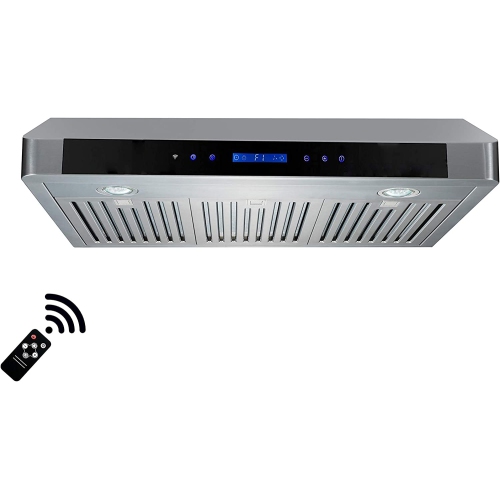
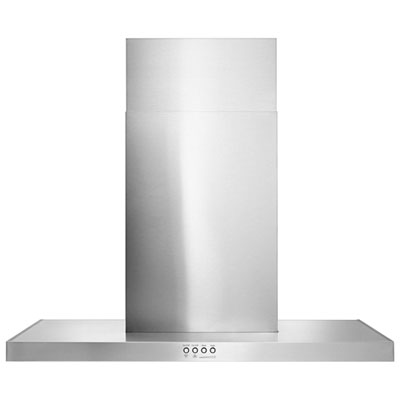
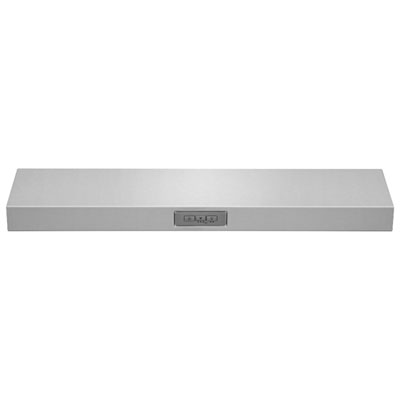
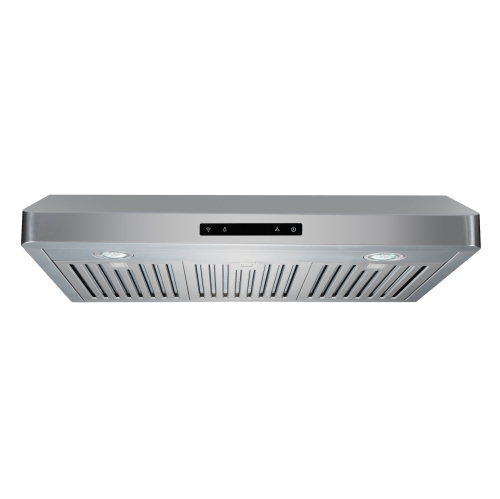
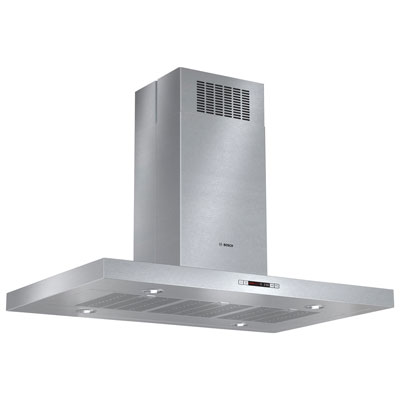
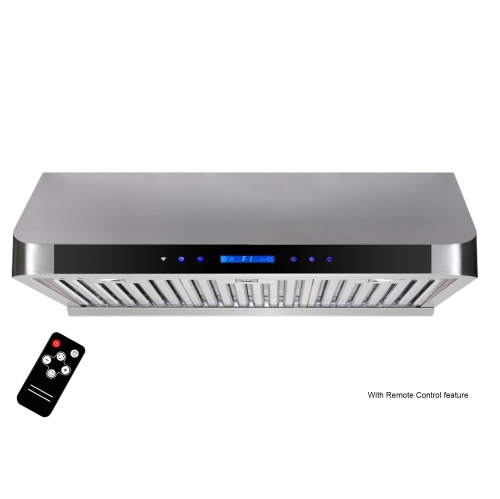
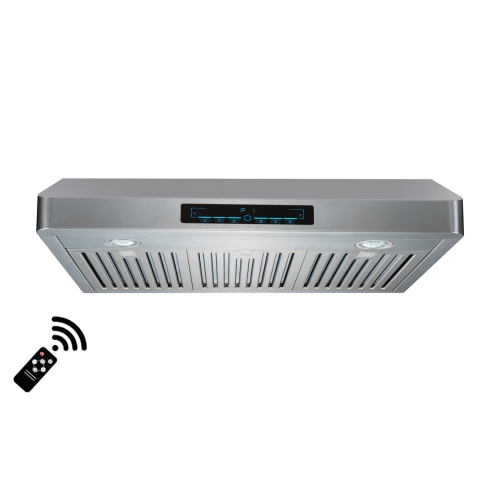
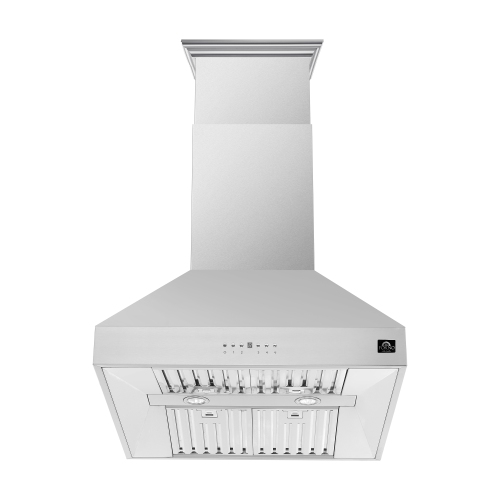
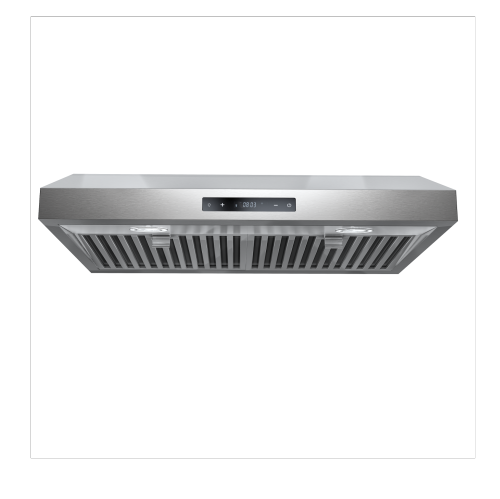
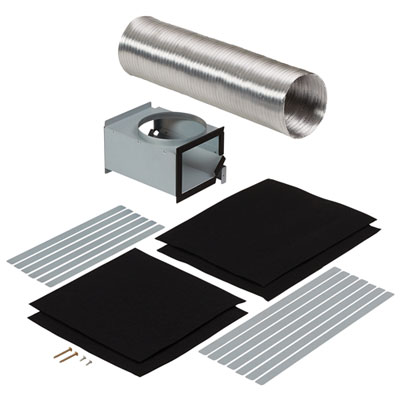
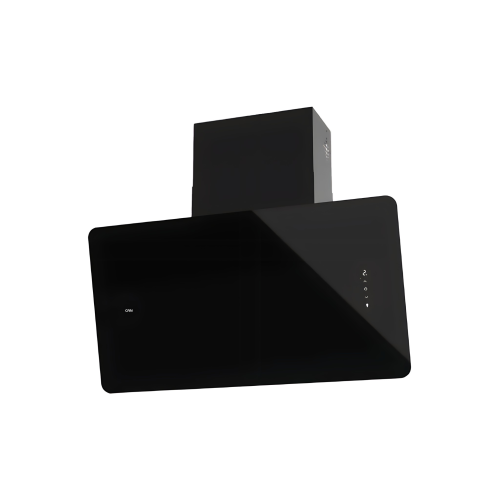
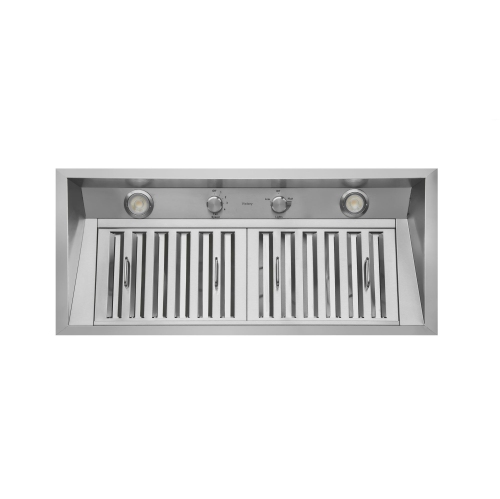
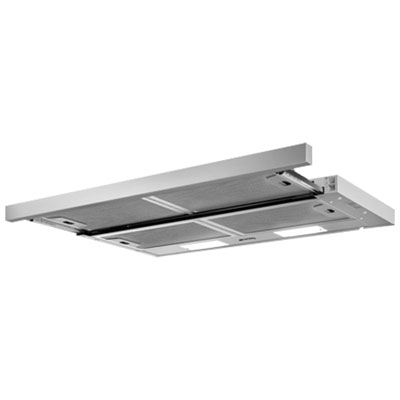
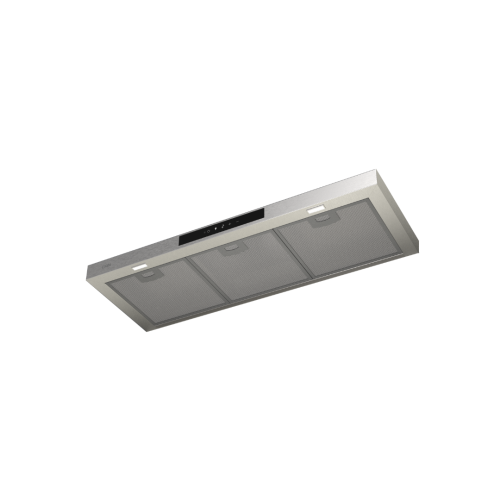
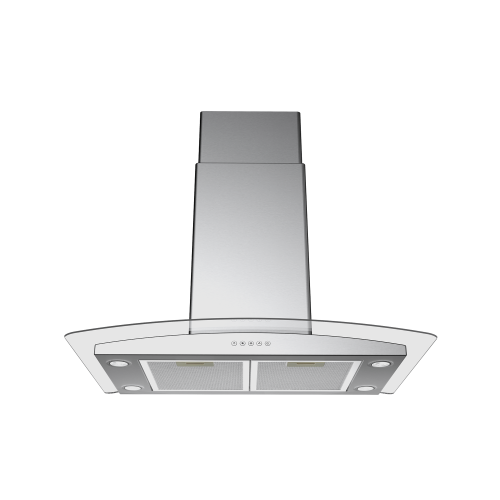
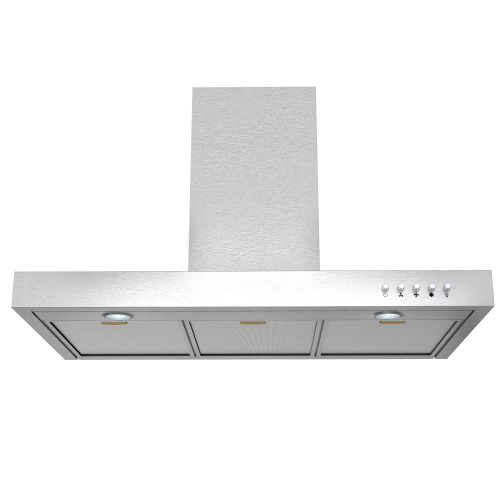
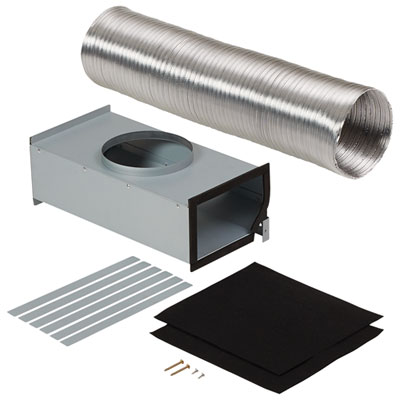
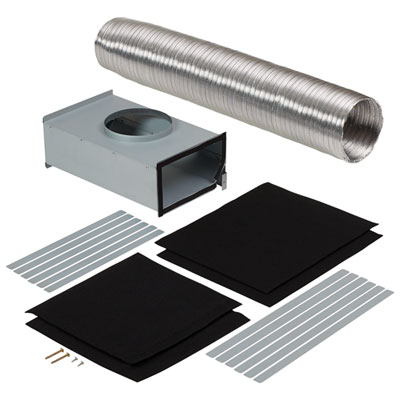
Filtered air circulation for kitchens without exterior venting
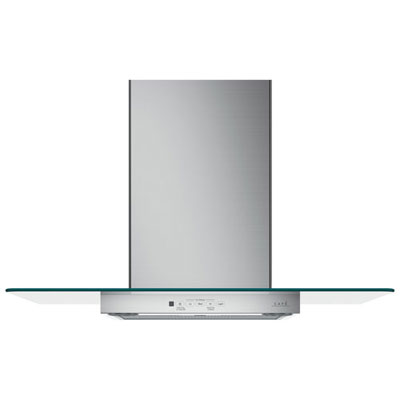
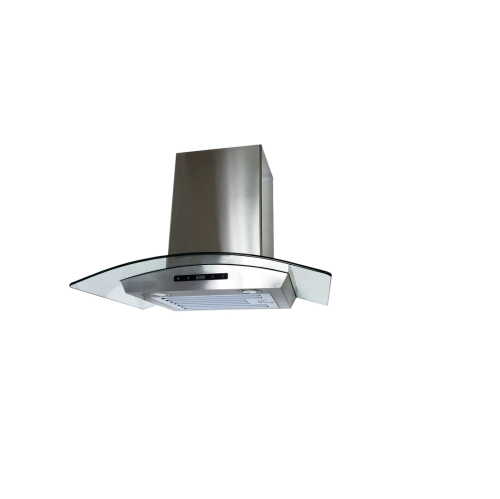
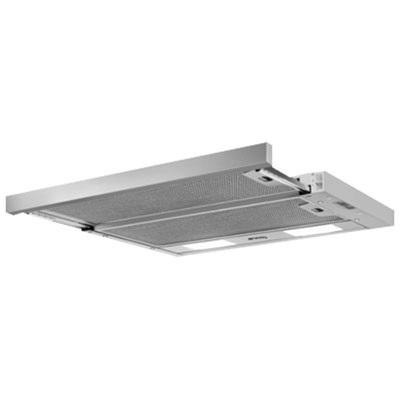
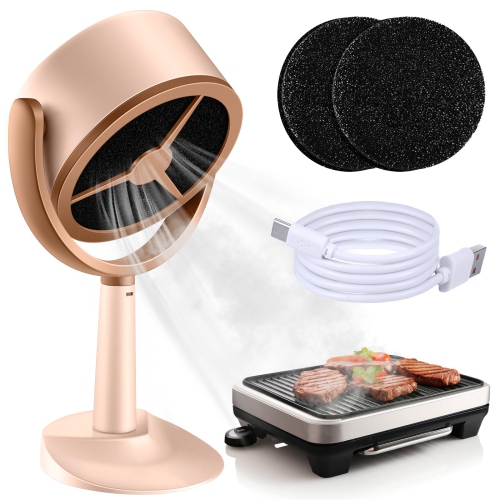
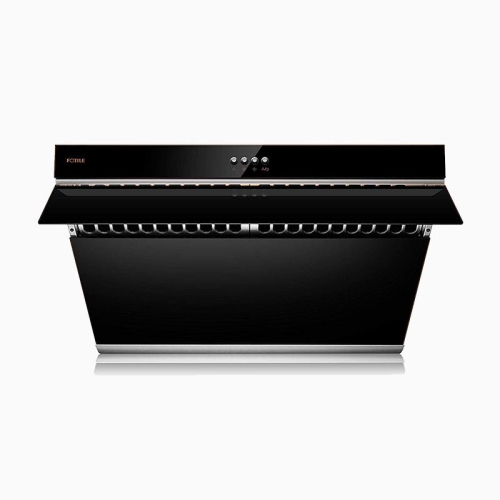
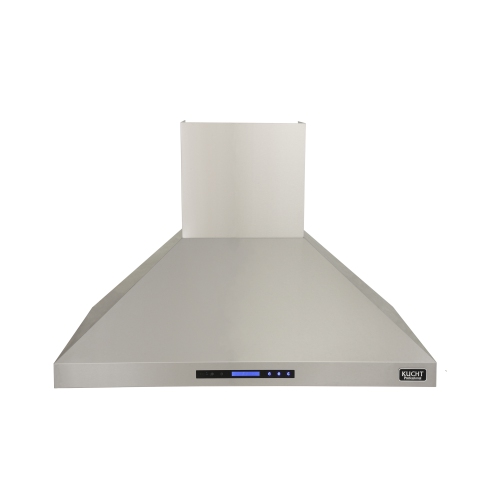
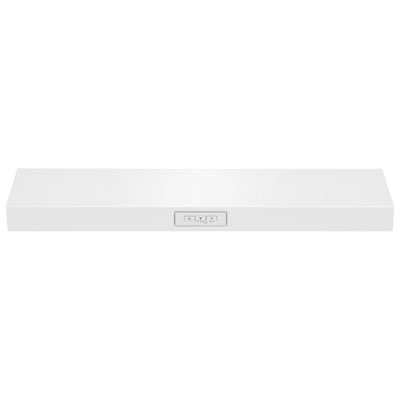
Ductless kitchen hoods offer a practical way to improve air circulation when installing exterior ductwork is not possible or desirable. Instead of sending cooking air through a vent that leads outside, a ductless range hood draws air upward, passes it through internal filters, and recirculates the filtered air into the kitchen. This makes ductless models especially useful in condos, apartments, rental homes, older houses, basement suites, and kitchen renovations where cutting through a wall, cabinet, ceiling, or roof would be complicated. They can also be a convenient choice when a kitchen layout does not line up with an existing vent or when the cooking area is being updated without changing the room’s structure. Depending on the design, a ductless kitchen hood may be installed beneath a cabinet or mounted on a wall above the cooktop, helping contain cooking vapours while adding a finished look to the space. A hood with an appropriate width should cover the cooking surface as effectively as possible, and careful attention to the available clearance above the range is important for both performance and safe installation. Before choosing a model, measure the space from side to side, check the height and depth available, and review the installation requirements for the cabinet or wall. It is also worth considering the controls, lighting, fan speeds, noise rating, finish, and overall shape, since the hood will be used regularly and will remain a visible part of the kitchen. A straightforward under-cabinet design can suit a compact cooking area, while a wall-mounted canopy style may provide a stronger visual focal point in a larger kitchen. For households that have the option to connect to an exterior vent, Ducted Range Hoods may be another category to explore, but ductless models remain a flexible solution for many homes and renovation plans.
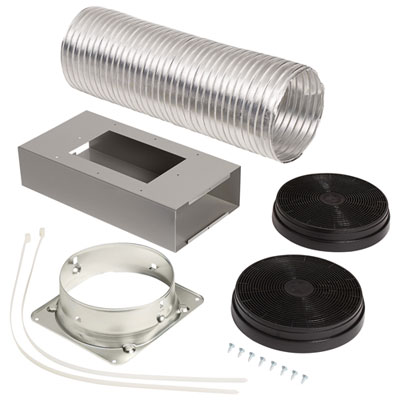
Filtration is the main feature that separates a ductless kitchen hood from a simple fan. Most models use an aluminium mesh or metal grease filter to capture airborne grease and cooking residue before the air passes through a charcoal or carbon filter designed to reduce odours. The grease filter helps protect the inside of the hood and surrounding cabinetry from a coating of oil, while the charcoal filter helps soften the lingering smell of fried foods, seared meat, onions, garlic, and spices. Filters do not make every cooking odour disappear, and ductless hoods do not remove heat, moisture, or steam from the room in the same way an externally vented hood can. That distinction matters in kitchens where boiling pots, high-heat searing, or frequent frying are part of the routine. A ductless hood can still help manage everyday cooking air, but it works best when the fan is switched on before cooking begins and left running for several minutes afterwards. In a home kitchen, this small habit gives the hood more time to draw air through its filters rather than allowing vapour and odour to spread through nearby rooms. Regular care also supports more consistent performance. Washable metal or mesh grease filters should be cleaned according to the manufacturer’s instructions, often by hand or in a dishwasher when permitted. Charcoal filters generally cannot be washed and need to be replaced at intervals recommended for the model and the household’s cooking habits; light cooking may require less frequent replacement, while frequent frying or grilling can use up filter capacity more quickly. Keeping the surrounding cabinet, backsplash, and hood exterior clean is helpful as well, particularly in kitchens where a thin layer of grease can build up gradually and become difficult to remove.
When comparing ductless kitchen hoods, think about how the space is used from one meal to the next rather than choosing based on appearance alone. Someone who mainly prepares toast, coffee, pasta, and quick meals may appreciate a compact hood with simple controls and a few fan settings. A household that cooks rich sauces, stir-fries, fish, or weekend meals with several pots on the go may prefer a wider model with stronger airflow, multiple speeds, effective lighting, and easily accessible replacement filters. Noise can also influence how often a hood is used: a quieter setting may be welcome in an open-concept kitchen where cooking happens alongside conversation, homework, or television, while a higher setting can be reserved for heavier cooking. Ductless hoods can make thoughtful gifts for someone moving into a first apartment, renovating a condo kitchen, or settling into a new home where a permanent vent is not available. They are also useful for a family member updating an older range area before hosting during the cooler months, when windows may stay closed and cooking aromas can linger indoors. The most suitable choice will balance the cooking surface’s size, the available installation space, the household’s cooking style, and the ongoing cost and availability of replacement filters. With the right fit and regular maintenance, a ductless kitchen hood can provide a convenient layer of odour and grease control without requiring major structural work, helping the cooking area feel more comfortable during everyday meals, holiday preparations, and relaxed gatherings with friends and family.
Filtration is the main feature that separates a ductless kitchen hood from a simple fan. Most models use an aluminium mesh or metal grease filter to capture airborne grease and cooking residue before the air passes through a charcoal or carbon filter designed to reduce odours. The grease filter helps protect the inside of the hood and surrounding cabinetry from a coating of oil, while the charcoal filter helps soften the lingering smell of fried foods, seared meat, onions, garlic, and spices. Filters do not make every cooking odour disappear, and ductless hoods do not remove heat, moisture, or steam from the room in the same way an externally vented hood can. That distinction matters in kitchens where boiling pots, high-heat searing, or frequent frying are part of the routine. A ductless hood can still help manage everyday cooking air, but it works best when the fan is switched on before cooking begins and left running for several minutes afterwards. In a home kitchen, this small habit gives the hood more time to draw air through its filters rather than allowing vapour and odour to spread through nearby rooms. Regular care also supports more consistent performance. Washable metal or mesh grease filters should be cleaned according to the manufacturer’s instructions, often by hand or in a dishwasher when permitted. Charcoal filters generally cannot be washed and need to be replaced at intervals recommended for the model and the household’s cooking habits; light cooking may require less frequent replacement, while frequent frying or grilling can use up filter capacity more quickly. Keeping the surrounding cabinet, backsplash, and hood exterior clean is helpful as well, particularly in kitchens where a thin layer of grease can build up gradually and become difficult to remove.
When comparing ductless kitchen hoods, think about how the space is used from one meal to the next rather than choosing based on appearance alone. Someone who mainly prepares toast, coffee, pasta, and quick meals may appreciate a compact hood with simple controls and a few fan settings. A household that cooks rich sauces, stir-fries, fish, or weekend meals with several pots on the go may prefer a wider model with stronger airflow, multiple speeds, effective lighting, and easily accessible replacement filters. Noise can also influence how often a hood is used: a quieter setting may be welcome in an open-concept kitchen where cooking happens alongside conversation, homework, or television, while a higher setting can be reserved for heavier cooking. Ductless hoods can make thoughtful gifts for someone moving into a first apartment, renovating a condo kitchen, or settling into a new home where a permanent vent is not available. They are also useful for a family member updating an older range area before hosting during the cooler months, when windows may stay closed and cooking aromas can linger indoors. The most suitable choice will balance the cooking surface’s size, the available installation space, the household’s cooking style, and the ongoing cost and availability of replacement filters. With the right fit and regular maintenance, a ductless kitchen hood can provide a convenient layer of odour and grease control without requiring major structural work, helping the cooking area feel more comfortable during everyday meals, holiday preparations, and relaxed gatherings with friends and family.
Top selling and popular products
-
 Your price for this item is $249.99
 -
 Your price for this item is $598.49
 -
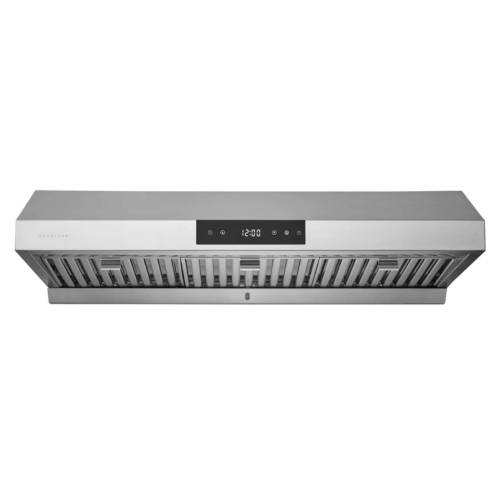 Your price for this item is $645.99
 -
 Your price for this item is $645.99
 -
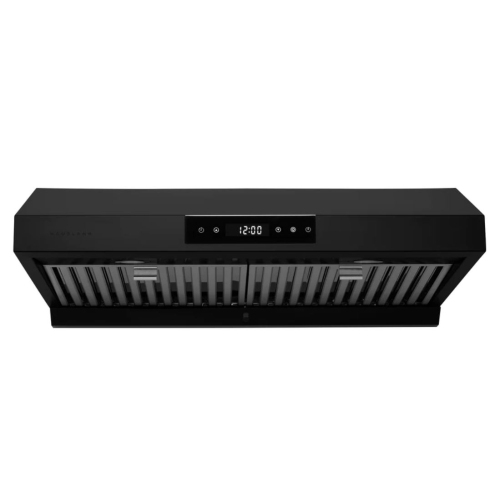 Your price for this item is $645.99
 -
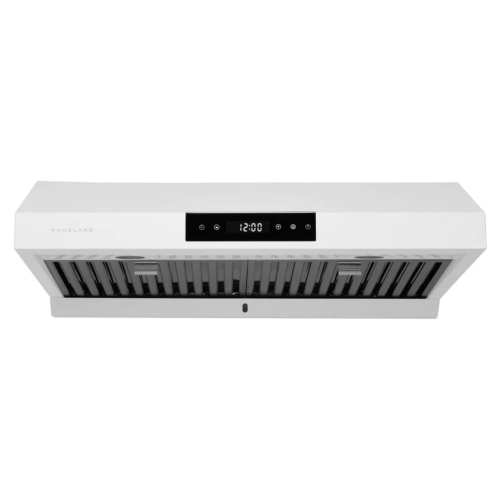 Your price for this item is $598.49
 -
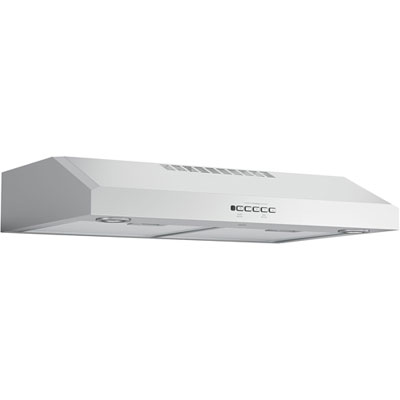 Your price for this item is $449.99
 -
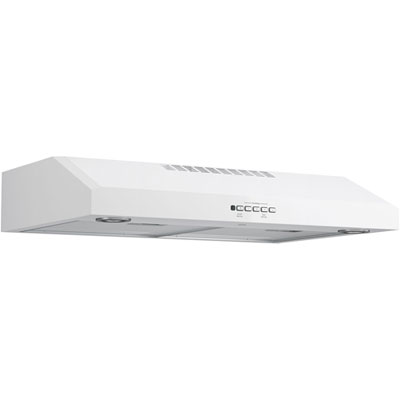 Your price for this item is $399.99
Discover more categories related to Ductless Kitchen Hoods
Top Collections:
Pokemon Centers, Kindle Devices, Best Budget Office Chairs, Apple iPhones 16, Best Laptops for Writers, iPhone 15 Apple, Canon G7X Cameras, Refurbished Apple Laptops, Alarm Clock, Motorola Razr Phones
Some products may be subject to Environmental Handling Fees
(EHF) depending on your province.
Learn more about EHFs.