Non Vented Range Hoods
Looking to keep your kitchen fresh and odor-free? Look no further than our selection of non-vented range hoods. Designed to effectively remove smoke, steam, and cooking odors from your kitchen, these range hoods offer a convenient solution for homes without external ventilation options. With their sleek designs and powerful performance, our range of non-vented hoods will not only enhance the look of your kitchen but also ensure a clean and comfortable cooking environment. Browse through our collection and find the perfect non-vented range hood that suits your style and culinary needs.
Sort
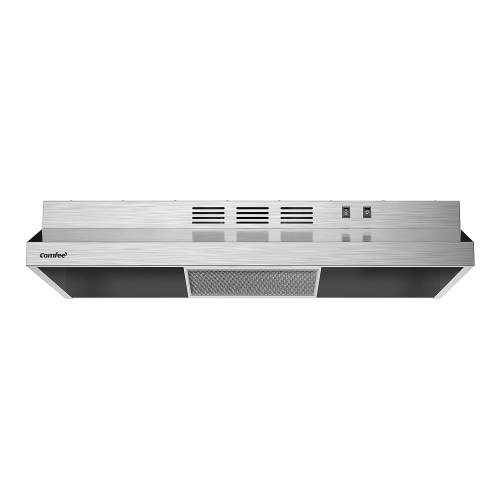
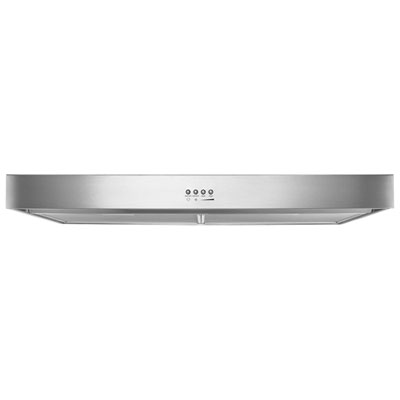
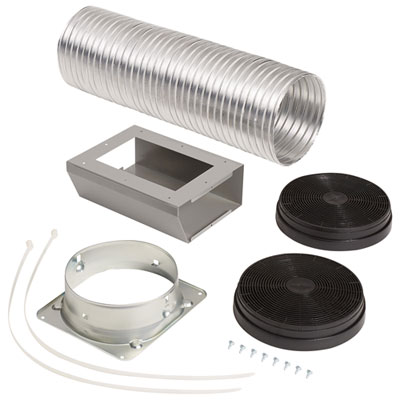
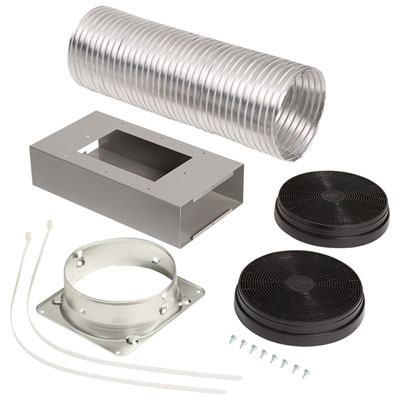
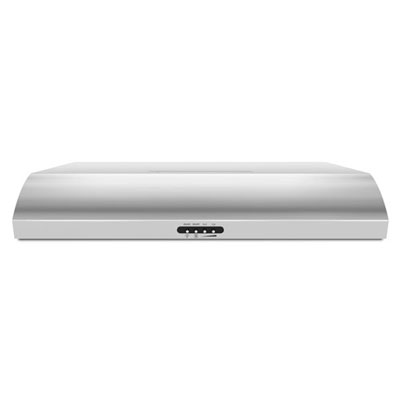
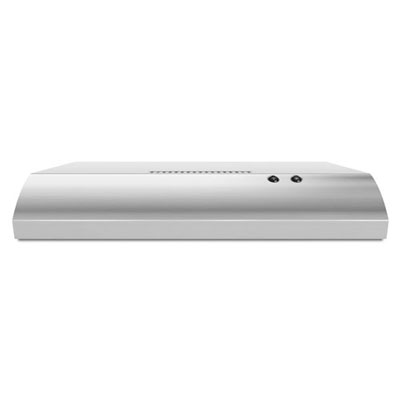
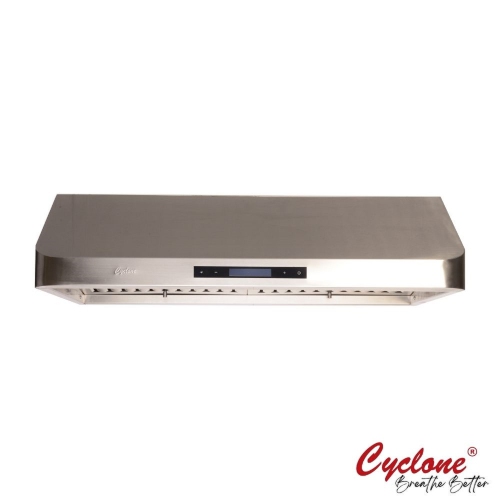

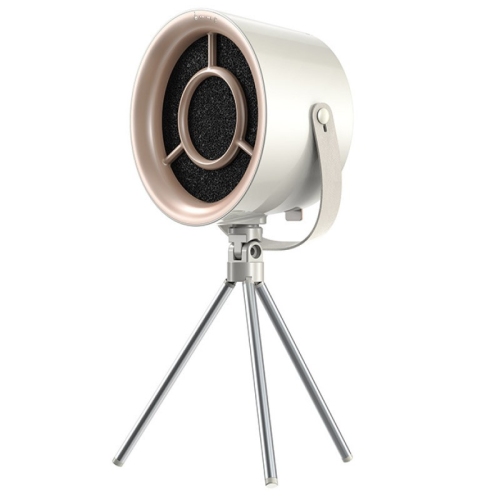

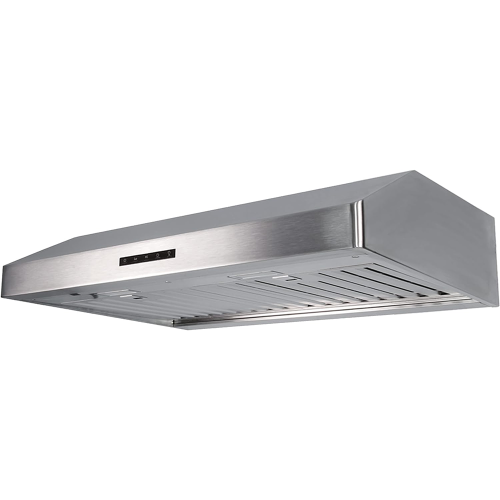
How cooking air gets filtered without outdoor ductwork
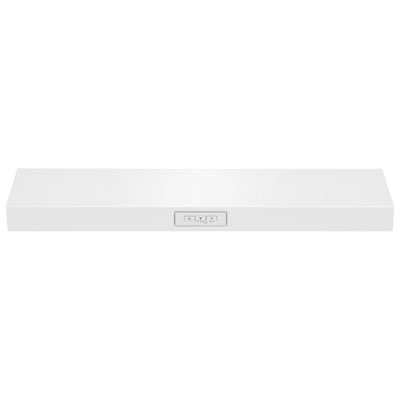
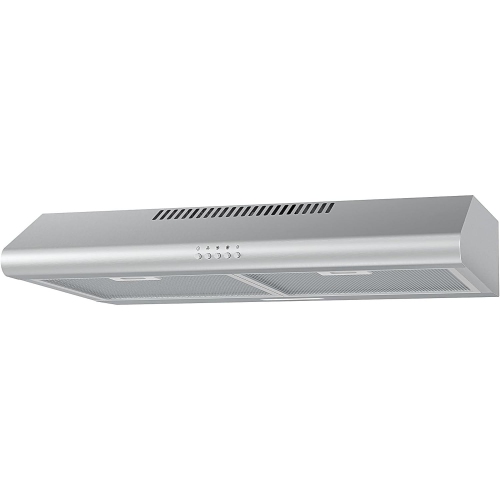
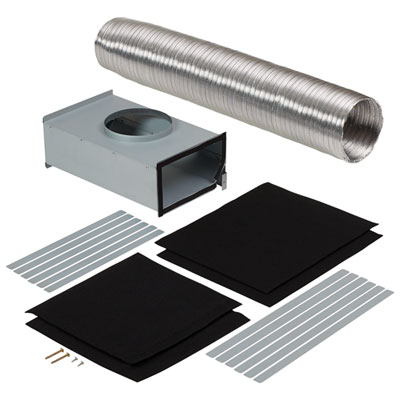
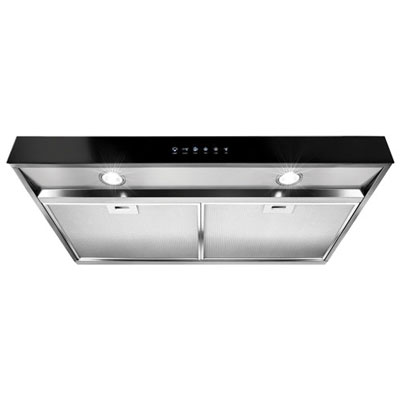
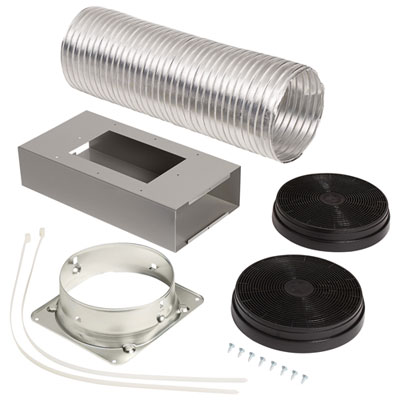
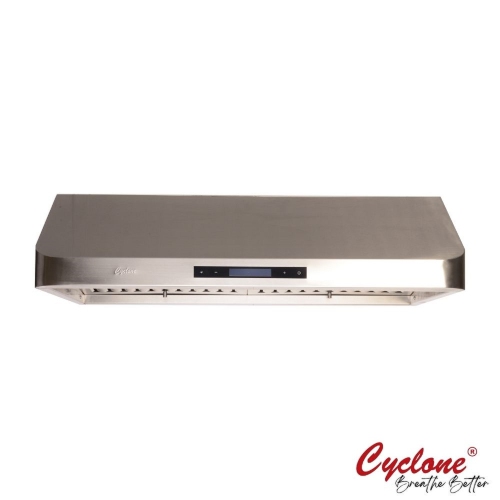
Non-vented range hoods, also called ductless or recirculating range hoods, filter cooking air and return it to the kitchen rather than sending it outdoors through a duct. A fan draws air from above the cooking surface through a grease filter, followed by a charcoal or activated carbon filter that helps reduce cooking odours. The grease filter captures airborne grease particles, while the carbon filter absorbs some of the odours left behind by foods such as fried onions, fish, and garlic. This arrangement makes a non-vented range hood a practical option for kitchens where an outdoor exhaust route is difficult or unavailable, including some condos, apartments, and homes with cooking areas on interior walls. It can also suit a kitchen update where adding ductwork would require substantial changes to walls, ceilings, or cabinetry. The distinction between filtering air and exhausting it is important: a ductless hood does not remove heat or humidity from the room, and it cannot match a properly installed ducted hood for carrying heavy smoke and cooking pollutants outside. Steam from a large pot of pasta still contributes moisture to the kitchen, even when the fan is running. These hoods are generally better suited to everyday cooking with lighter grease and odour loads than frequent high-heat searing or prolonged deep-frying. Their usefulness depends on the hood’s coverage, the fan setting, the condition of the filters, and the way meals are prepared. For households making oatmeal in the morning, warming soup at lunch, and sautéing vegetables at dinner, filtered recirculation can help manage lingering smells and some greasy residue around the cooking area. It does not replace any required kitchen exhaust or fresh-air ventilation. Local building requirements, condo rules, and the cooking appliance’s installation instructions still apply, particularly where gas appliances are involved. Within the broader selection of Residential Range Hoods, non-vented designs serve a distinct purpose: providing grease and odour filtration without an exterior exhaust connection.
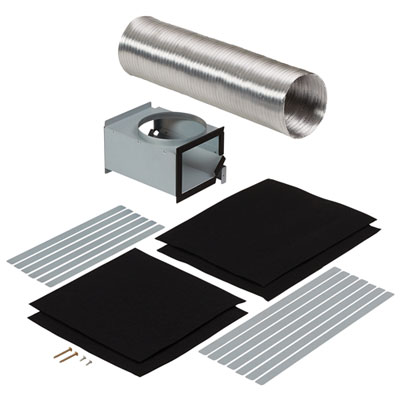
Fit involves more than matching the hood’s width to the stove beneath it. Common 30-inch and 36-inch widths correspond to many household cooking appliances, but depth, mounting height, cabinet dimensions, and clearance above the cooking surface all affect how well a hood fits and captures rising cooking air. A shallow hood that leaves the front burners exposed may capture less of the plume from a frying pan, even if its nominal width matches the range. Installation height must follow both the hood and cooking appliance manufacturers’ requirements; placing a hood higher for extra headroom can reduce capture, while mounting it too low can create clearance and safety problems. Under-cabinet designs sit beneath overhead cupboards and often work well in compact kitchens where storage remains a priority. Wall-mounted styles create a more prominent focal point above the range, while inserts fit into a compatible custom enclosure for a more integrated appearance. A decorative chimney does not necessarily mean a hood vents outdoors, since some designs can be configured for recirculation. Likewise, a convertible hood is not automatically ready for ductless operation: compatible carbon filters, a recirculation kit, or other specified components may be needed. The filtered-air outlet must remain unobstructed so air can return to the room as intended. Stainless steel offers a familiar match for many kitchen appliances and a surface that tolerates regular cleaning when cared for correctly. Painted metal finishes can blend with light or dark cabinetry, while glass accents add another surface where fingerprints and cooking residue may show. Solid mounting, well-fitting filter frames, and accessible controls contribute to day-to-day durability and ease of use. Installation without ductwork still requires suitable support and the correct electrical connection, which may be plug-in or hardwired depending on the design. In a rental kitchen, permission for mounting or electrical changes can be just as important as the physical dimensions of the space.
Daily convenience often comes down to lighting, sound, fan control, and filter care. Built-in task lighting helps illuminate the cooking surface, making it easier to see browning food in a skillet or check a simmering sauce without relying solely on ceiling lights. Multiple fan speeds allow a quieter setting for gentle cooking and a stronger setting when more grease or odour is produced. In an open-plan home, fan sound can carry into the dining or living area, so noise ratings are useful when compared at similar operating speeds and under comparable test conditions. Airflow figures, often expressed in cubic feet per minute, describe air movement rather than guaranteed odour removal; capture area, filter resistance, and installation also influence results. A higher airflow rating does not turn a recirculating hood into an outdoor exhaust system. Starting the fan shortly before cooking and allowing it to run afterwards, as directed by the manufacturer, can help it process lingering cooking air. Routine care keeps that airflow from being restricted by grease buildup. Many metal mesh or baffle grease filters are washable, but dishwasher suitability and cleaning methods vary, so the care instructions matter. Charcoal filters usually require replacement rather than washing, although some systems use filters with specific regeneration procedures. Replacement intervals depend on the filter design and cooking frequency; three to six months is common for some filters, but the manufacturer’s schedule takes priority. A household frying food most evenings may need more frequent attention than one using the cooktop occasionally. Easy-to-remove filters make this maintenance less awkward, especially when the hood sits above a deep range. Exterior surfaces benefit from regular wiping with a suitable non-abrasive cleaner, with stainless steel cleaned along the grain to help preserve its finish. Accessible replacement filters, secure fittings, and straightforward upkeep matter as much over time as the initial appearance. For smaller kitchens, shared living spaces, and renovations without an outdoor duct route, a properly fitted non-vented range hood offers useful everyday filtration when its capabilities match the household’s cooking habits.
Fit involves more than matching the hood’s width to the stove beneath it. Common 30-inch and 36-inch widths correspond to many household cooking appliances, but depth, mounting height, cabinet dimensions, and clearance above the cooking surface all affect how well a hood fits and captures rising cooking air. A shallow hood that leaves the front burners exposed may capture less of the plume from a frying pan, even if its nominal width matches the range. Installation height must follow both the hood and cooking appliance manufacturers’ requirements; placing a hood higher for extra headroom can reduce capture, while mounting it too low can create clearance and safety problems. Under-cabinet designs sit beneath overhead cupboards and often work well in compact kitchens where storage remains a priority. Wall-mounted styles create a more prominent focal point above the range, while inserts fit into a compatible custom enclosure for a more integrated appearance. A decorative chimney does not necessarily mean a hood vents outdoors, since some designs can be configured for recirculation. Likewise, a convertible hood is not automatically ready for ductless operation: compatible carbon filters, a recirculation kit, or other specified components may be needed. The filtered-air outlet must remain unobstructed so air can return to the room as intended. Stainless steel offers a familiar match for many kitchen appliances and a surface that tolerates regular cleaning when cared for correctly. Painted metal finishes can blend with light or dark cabinetry, while glass accents add another surface where fingerprints and cooking residue may show. Solid mounting, well-fitting filter frames, and accessible controls contribute to day-to-day durability and ease of use. Installation without ductwork still requires suitable support and the correct electrical connection, which may be plug-in or hardwired depending on the design. In a rental kitchen, permission for mounting or electrical changes can be just as important as the physical dimensions of the space.
Daily convenience often comes down to lighting, sound, fan control, and filter care. Built-in task lighting helps illuminate the cooking surface, making it easier to see browning food in a skillet or check a simmering sauce without relying solely on ceiling lights. Multiple fan speeds allow a quieter setting for gentle cooking and a stronger setting when more grease or odour is produced. In an open-plan home, fan sound can carry into the dining or living area, so noise ratings are useful when compared at similar operating speeds and under comparable test conditions. Airflow figures, often expressed in cubic feet per minute, describe air movement rather than guaranteed odour removal; capture area, filter resistance, and installation also influence results. A higher airflow rating does not turn a recirculating hood into an outdoor exhaust system. Starting the fan shortly before cooking and allowing it to run afterwards, as directed by the manufacturer, can help it process lingering cooking air. Routine care keeps that airflow from being restricted by grease buildup. Many metal mesh or baffle grease filters are washable, but dishwasher suitability and cleaning methods vary, so the care instructions matter. Charcoal filters usually require replacement rather than washing, although some systems use filters with specific regeneration procedures. Replacement intervals depend on the filter design and cooking frequency; three to six months is common for some filters, but the manufacturer’s schedule takes priority. A household frying food most evenings may need more frequent attention than one using the cooktop occasionally. Easy-to-remove filters make this maintenance less awkward, especially when the hood sits above a deep range. Exterior surfaces benefit from regular wiping with a suitable non-abrasive cleaner, with stainless steel cleaned along the grain to help preserve its finish. Accessible replacement filters, secure fittings, and straightforward upkeep matter as much over time as the initial appearance. For smaller kitchens, shared living spaces, and renovations without an outdoor duct route, a properly fitted non-vented range hood offers useful everyday filtration when its capabilities match the household’s cooking habits.
Top selling and popular products
-
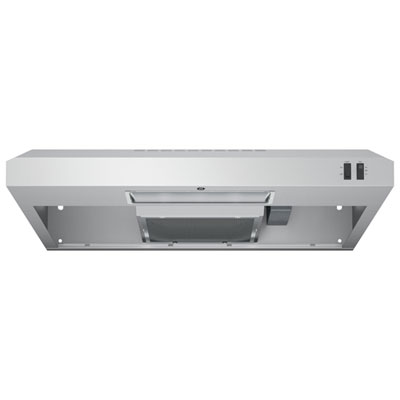 Your price for this item is $249.99
 -
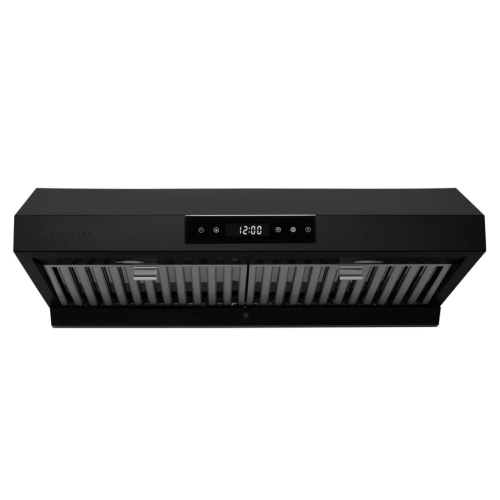 Your price for this item is $598.49
 -
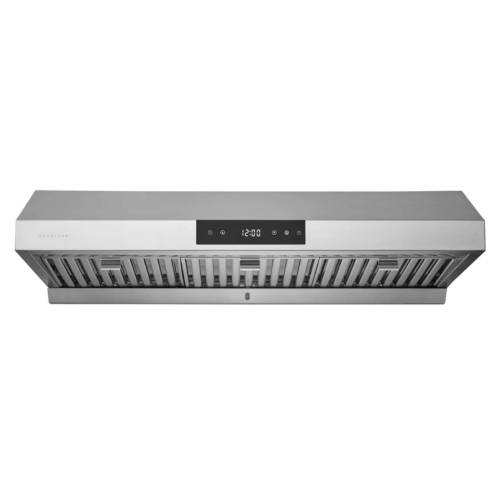 Your price for this item is $645.99
 -
 Your price for this item is $645.99
 -
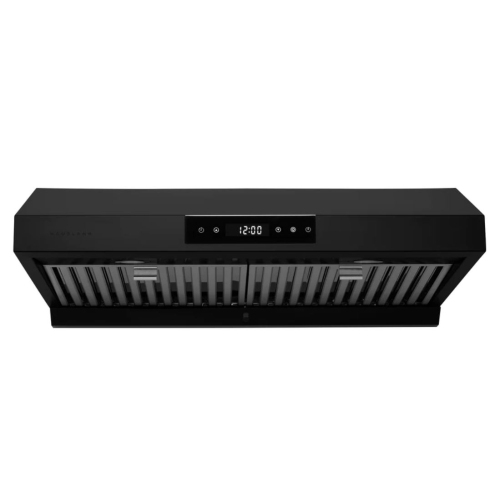 Your price for this item is $645.99
 -
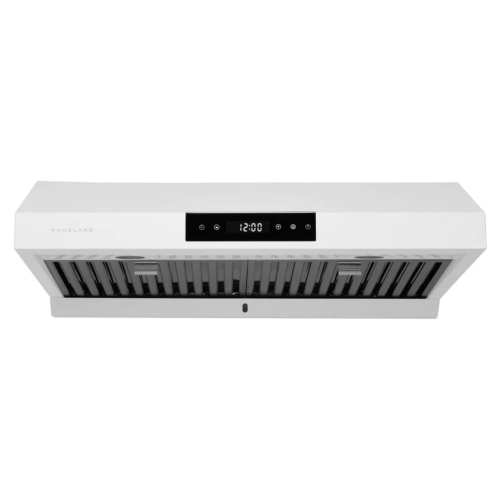 Your price for this item is $598.49
 -
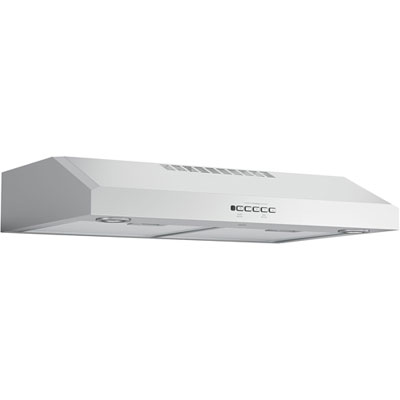 Your price for this item is $449.99
 -
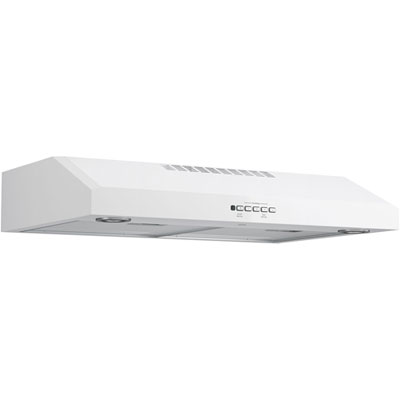 Your price for this item is $399.99
Discover more categories related to Non Vented Range Hoods
Top Collections:
Pokemon Centers, Kindle Devices, Best Budget Office Chairs, Apple iPhones 16, Best Laptops for Writers, iPhone 15 Apple, Canon G7X Cameras, Refurbished Apple Laptops, Alarm Clock, Motorola Razr Phones
Some products may be subject to Environmental Handling Fees
(EHF) depending on your province.
Learn more about EHFs.