Ducted Range Hoods
Elevate your kitchen's functionality and aesthetics with a ducted range hood, an essential appliance for maintaining a fresh and clean cooking environment. Designed to efficiently remove smoke, steam, and odors from your culinary space, these range hoods are perfect for both home chefs and casual cooks alike. With various styles to complement any kitchen décor, a ducted range hood not only enhances air quality but also adds a touch of sophistication to your cooking area. Explore our selection to find the ideal solution that meets your ventilation needs while seamlessly integrating into your kitchen design.
Sort
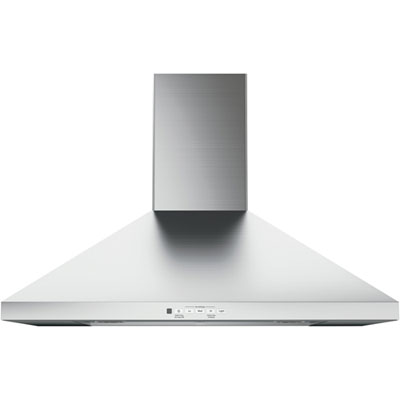
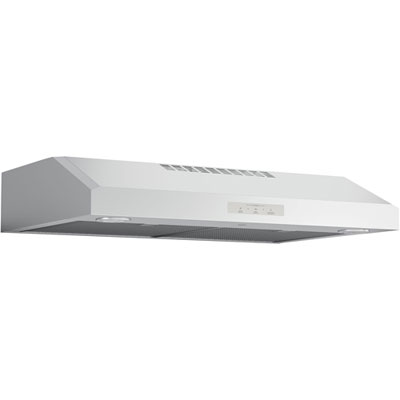
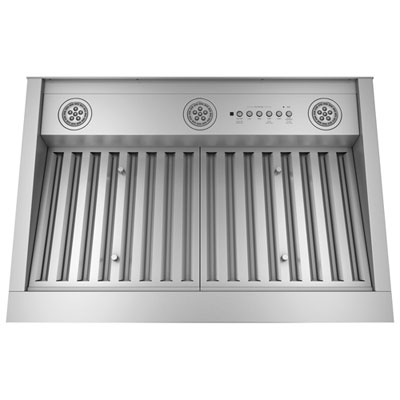
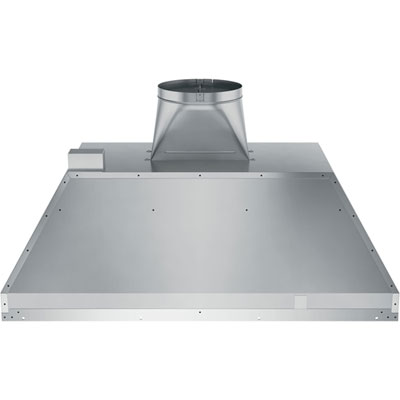

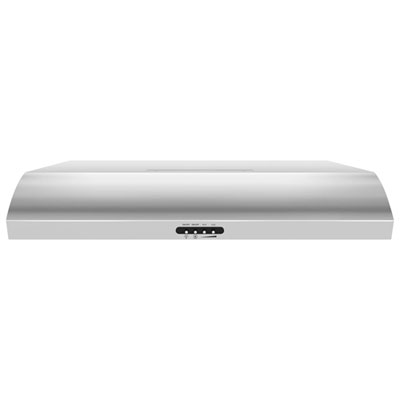
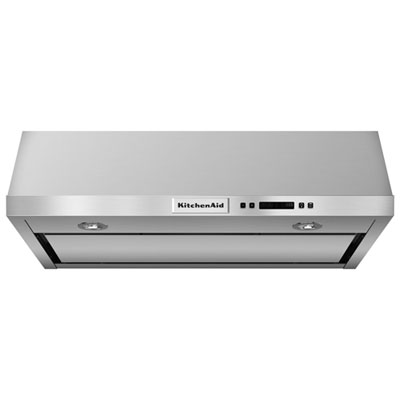
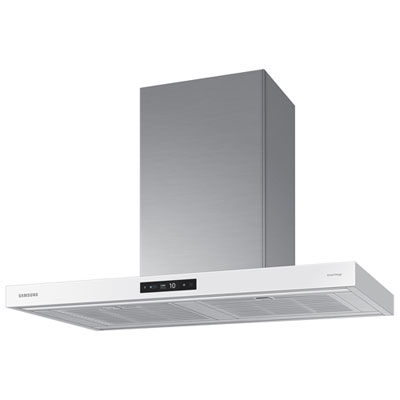
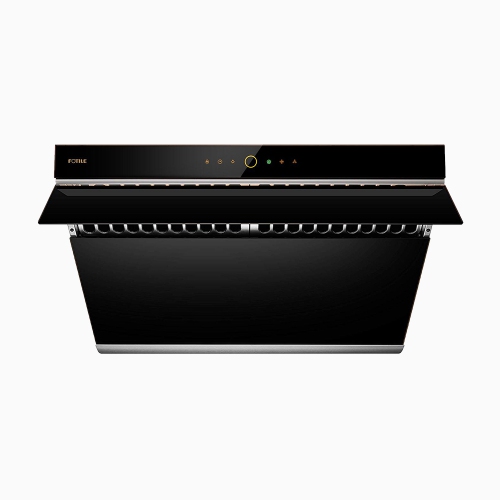
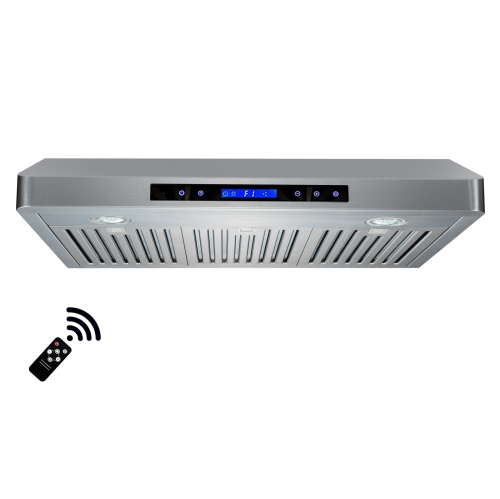

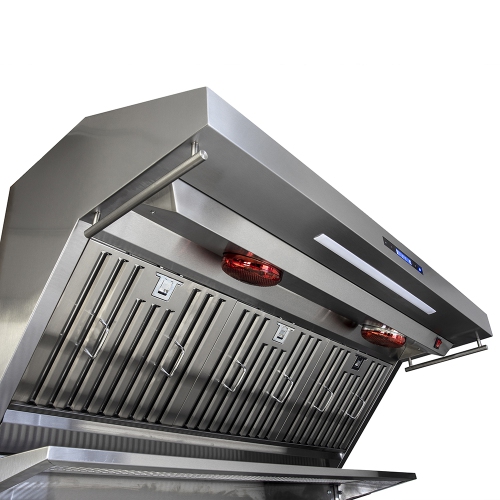
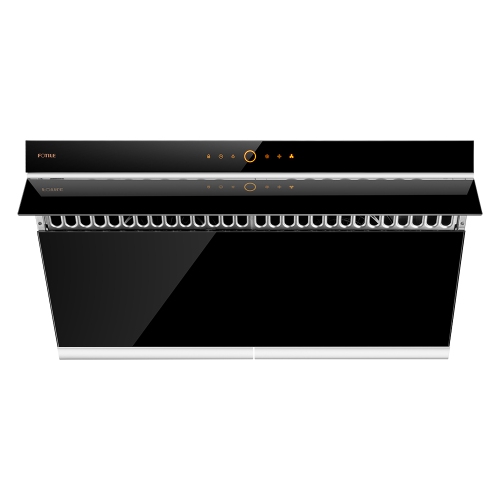
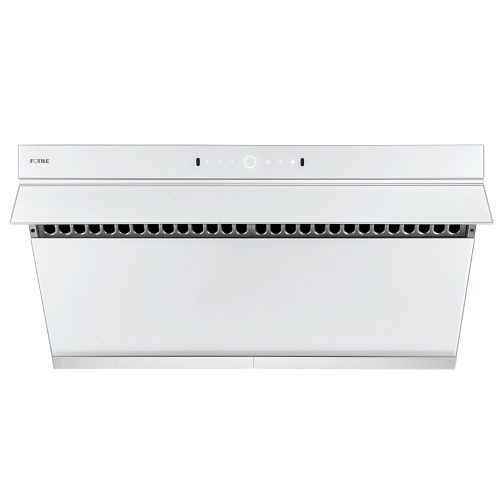
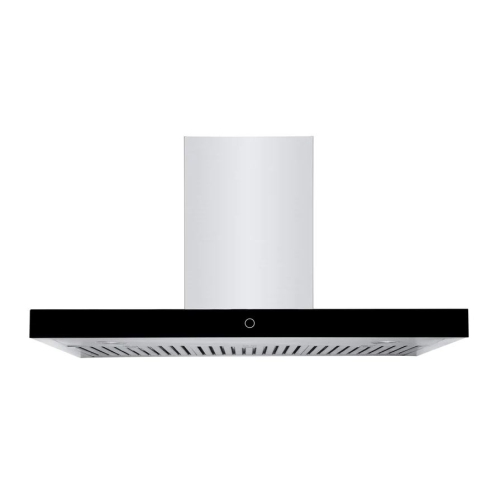
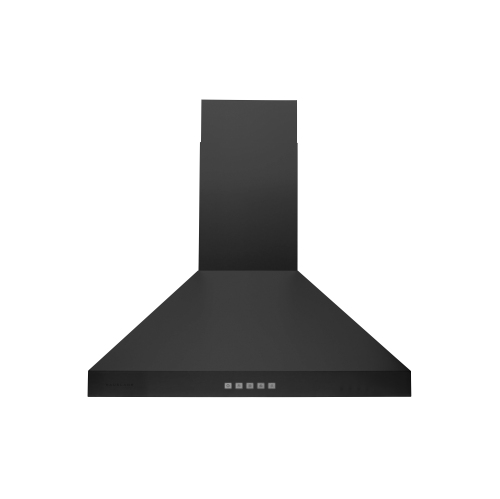
Direct outdoor ventilation for busy home kitchens
Ducted range hoods are designed to move cooking smoke, grease, heat, steam, and odours out of your home through a connected ventilation system. A built-in fan draws air through filters above the cooktop or range, then sends it through metal ductwork that exits through an exterior wall or the roof. Unlike recirculating or ductless models, a ducted range hood does not simply filter air and return it to the room; it vents cooking by-products outdoors. This makes it a practical choice for people who regularly sear steaks, stir-fry vegetables, simmer soups, fry foods, bake at high temperatures, or prepare meals with strong aromas. It can also help reduce moisture in the kitchen, which may be especially useful when steam gathers on windows or cabinets during the cooler months. The movement of air is easy to notice when a pan begins to sizzle: a capable hood captures the rising plume before it can spread across the room, settle on nearby surfaces, or drift into adjoining living spaces. Ducted models are often considered for new kitchens, major renovations, and homes with an existing ventilation route, although they can also be part of a planned installation where new ductwork is added. Since the vent path must reach the outdoors, installation is more involved than simply mounting an appliance and plugging it in. The location of the exterior outlet, the length and shape of the duct run, the number of bends, and the available space behind cabinets or above the ceiling can all affect performance. A qualified installer can confirm whether the home is set up for top venting or rear venting, determine the appropriate duct size, and verify that the hood is positioned at the recommended clearance above the cooking surface.
When comparing ducted range hoods, start with the dimensions of the cooktop or range and the space available for installation. A hood should provide suitable coverage for the cooking surface, with wider options often preferred for larger ranges or for kitchens where several burners are used at once. Airflow ratings can offer a useful indication of how much air the fan can move, but the number alone does not tell the entire story. A long or winding duct route can restrict ventilation, while a properly planned, relatively direct run can help the hood perform more effectively. Fan speed settings are helpful for matching ventilation to the task: a lower setting may be enough for warming food or gently simmering, while higher settings can assist with heavy frying, grilling, or cooking several dishes at once. Noise is another important consideration, particularly in open-concept homes where the kitchen shares space with a dining or living area. Look for a design with controls that are easy to reach and understand, whether they use push buttons, sliders, or touch-sensitive panels. Built-in lighting can brighten the work area and make it easier to check browning, boiling, and simmering without relying only on overhead room lights. Filters also deserve attention. Mesh filters are intended to trap grease and can typically be removed for cleaning, while baffle-style filters use a series of angled panels to redirect grease into collection areas. The right choice depends on cooking habits and the cleaning routine that feels manageable in the household. Check the manufacturer’s instructions for filter care, duct requirements, clearance, and electrical installation before making a final decision. In some homes, an air replacement or makeup-air system may be required when using a high-capacity hood, so local building requirements and professional installation advice should be part of the planning process.
Ducted range hoods suit home cooks who want direct outdoor ventilation and a kitchen that feels more comfortable after a busy meal. They can be especially helpful for families preparing multiple dishes, apartment or condo owners whose building permits exterior venting, and anyone who enjoys cooking with cast iron, a wok, a griddle, or a large roasting pan. They are also a practical consideration for people sensitive to lingering food aromas, since venting outdoors can help keep the scent of garlic, fish, spices, and fried foods from travelling through the home. As the weather warms, outdoor doors and windows may provide some natural airflow, but a dedicated hood remains useful when cooking indoors with windows closed or when heat and steam build up quickly. During the cooler months, it can help manage condensation created by boiling pasta, preparing hearty stews, or running the oven for extended periods, while keeping the kitchen more pleasant for family meals and entertaining. For a kitchen renovation, a ducted range hood can be selected alongside the cooktop, cabinetry, backsplash, and lighting so the whole cooking area works as one coordinated space. It may also be a thoughtful housewarming gift for someone moving into a new home, provided the recipient’s kitchen has compatible ducting or the renovation plan includes an exterior vent. In homes where a full hood cannot be installed, an insert-style design may be worth exploring as part of a custom cabinet layout; see Insert Range Hoods for another way to integrate ventilation into the cooking area. Before ordering, measure the opening carefully, note whether the duct connection is at the top or rear, confirm the electrical requirements, and leave enough room for doors, cabinets, and comfortable movement around the range. With the correct size, a suitable airflow level, accessible filters, and a properly installed duct route, a ducted range hood can become one of the hardest-working features in the kitchen, quietly carrying away the visible and invisible by-products of everyday cooking.
When comparing ducted range hoods, start with the dimensions of the cooktop or range and the space available for installation. A hood should provide suitable coverage for the cooking surface, with wider options often preferred for larger ranges or for kitchens where several burners are used at once. Airflow ratings can offer a useful indication of how much air the fan can move, but the number alone does not tell the entire story. A long or winding duct route can restrict ventilation, while a properly planned, relatively direct run can help the hood perform more effectively. Fan speed settings are helpful for matching ventilation to the task: a lower setting may be enough for warming food or gently simmering, while higher settings can assist with heavy frying, grilling, or cooking several dishes at once. Noise is another important consideration, particularly in open-concept homes where the kitchen shares space with a dining or living area. Look for a design with controls that are easy to reach and understand, whether they use push buttons, sliders, or touch-sensitive panels. Built-in lighting can brighten the work area and make it easier to check browning, boiling, and simmering without relying only on overhead room lights. Filters also deserve attention. Mesh filters are intended to trap grease and can typically be removed for cleaning, while baffle-style filters use a series of angled panels to redirect grease into collection areas. The right choice depends on cooking habits and the cleaning routine that feels manageable in the household. Check the manufacturer’s instructions for filter care, duct requirements, clearance, and electrical installation before making a final decision. In some homes, an air replacement or makeup-air system may be required when using a high-capacity hood, so local building requirements and professional installation advice should be part of the planning process.
Ducted range hoods suit home cooks who want direct outdoor ventilation and a kitchen that feels more comfortable after a busy meal. They can be especially helpful for families preparing multiple dishes, apartment or condo owners whose building permits exterior venting, and anyone who enjoys cooking with cast iron, a wok, a griddle, or a large roasting pan. They are also a practical consideration for people sensitive to lingering food aromas, since venting outdoors can help keep the scent of garlic, fish, spices, and fried foods from travelling through the home. As the weather warms, outdoor doors and windows may provide some natural airflow, but a dedicated hood remains useful when cooking indoors with windows closed or when heat and steam build up quickly. During the cooler months, it can help manage condensation created by boiling pasta, preparing hearty stews, or running the oven for extended periods, while keeping the kitchen more pleasant for family meals and entertaining. For a kitchen renovation, a ducted range hood can be selected alongside the cooktop, cabinetry, backsplash, and lighting so the whole cooking area works as one coordinated space. It may also be a thoughtful housewarming gift for someone moving into a new home, provided the recipient’s kitchen has compatible ducting or the renovation plan includes an exterior vent. In homes where a full hood cannot be installed, an insert-style design may be worth exploring as part of a custom cabinet layout; see Insert Range Hoods for another way to integrate ventilation into the cooking area. Before ordering, measure the opening carefully, note whether the duct connection is at the top or rear, confirm the electrical requirements, and leave enough room for doors, cabinets, and comfortable movement around the range. With the correct size, a suitable airflow level, accessible filters, and a properly installed duct route, a ducted range hood can become one of the hardest-working features in the kitchen, quietly carrying away the visible and invisible by-products of everyday cooking.
Top selling and popular products
-
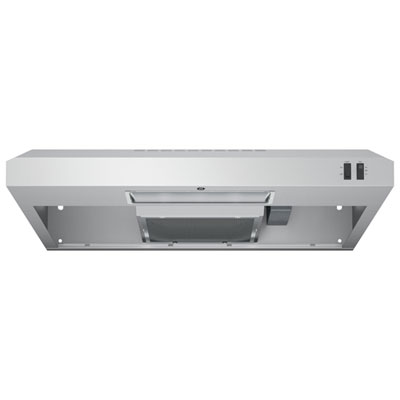 Your price for this item is $249.99
 -
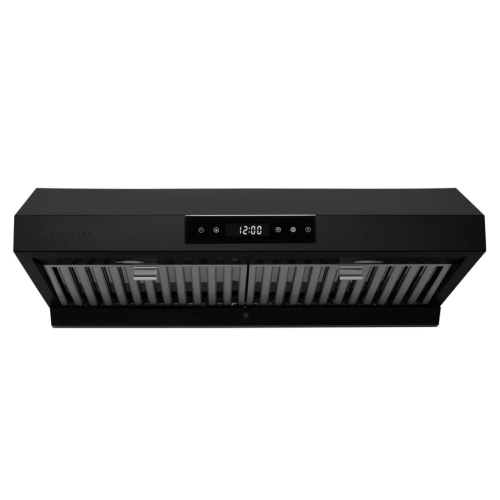 Your price for this item is $598.49
 -
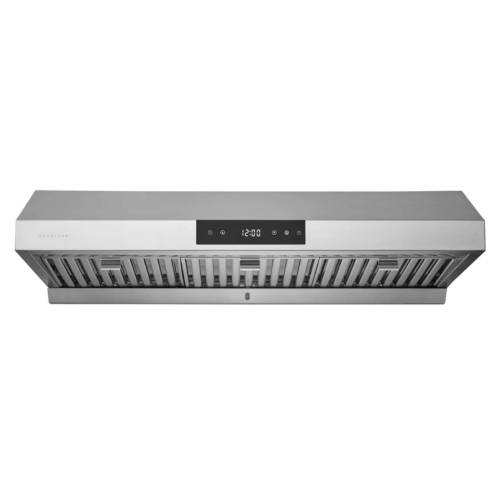 Your price for this item is $645.99
 -
 Your price for this item is $645.99
 -
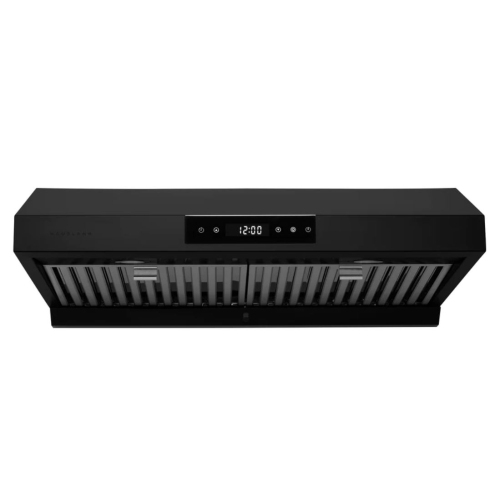 Your price for this item is $645.99
 -
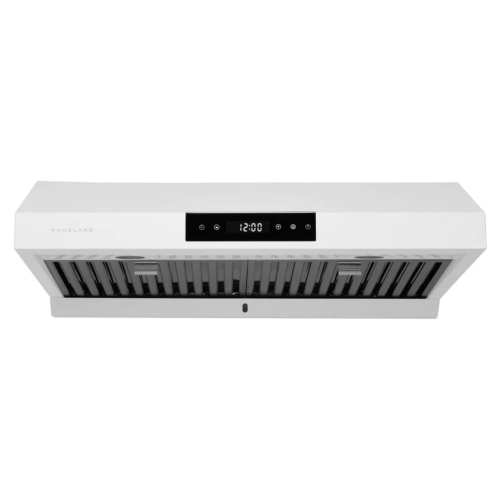 Your price for this item is $598.49
 -
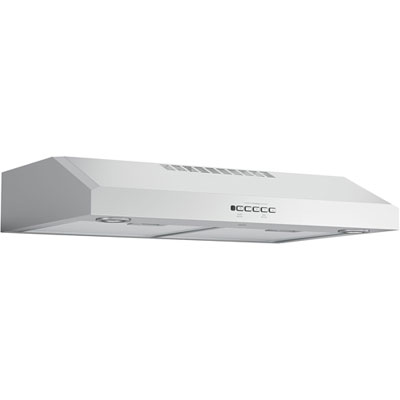 Your price for this item is $449.99
 -
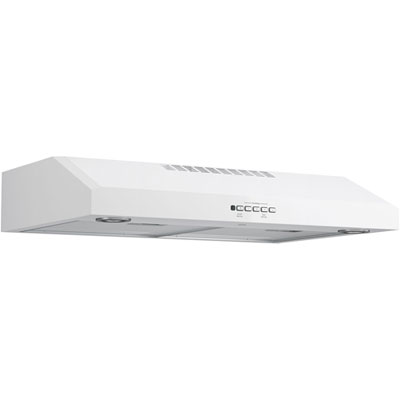 Your price for this item is $399.99
Discover more categories related to Ducted Range Hoods
Top Collections:
Pokemon Centers, Kindle Devices, Best Budget Office Chairs, Apple iPhones 16, Best Laptops for Writers, iPhone 15 Apple, Canon G7X Cameras, Refurbished Apple Laptops, Alarm Clock, Motorola Razr Phones
Some products may be subject to Environmental Handling Fees
(EHF) depending on your province.
Learn more about EHFs.