Dust Air Filters
Breathe easy with our selection of dust air filters designed to keep your indoor air clean and fresh. Say goodbye to pesky dust particles and allergens that can affect your respiratory health and overall well-being. Our range of high-quality dust air filters are designed to efficiently capture and trap dust, pet dander, pollen, and other airborne particles, ensuring that you can enjoy a cleaner and healthier living environment. Explore our assortment of dust air filters to find the perfect solution for your home or office space.
Sort





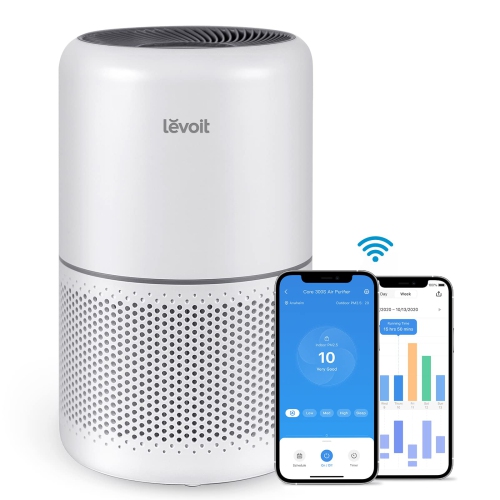

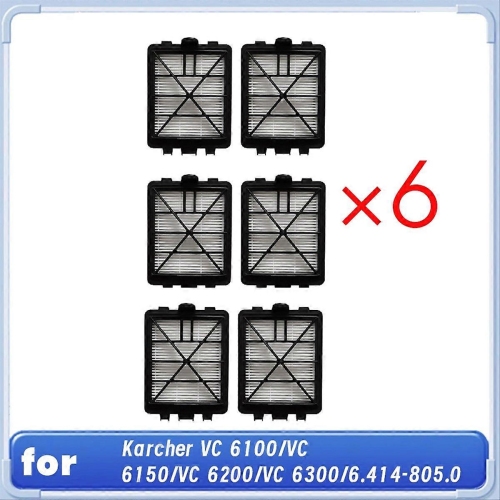
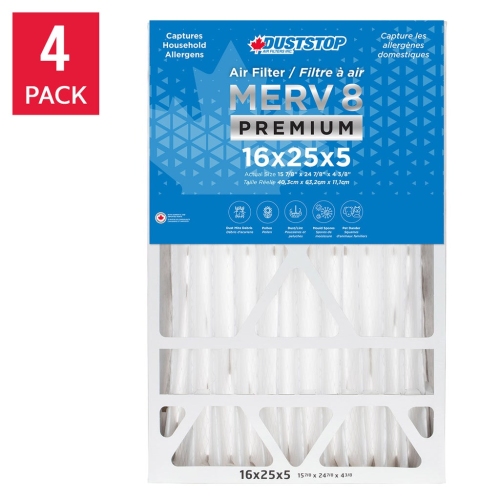
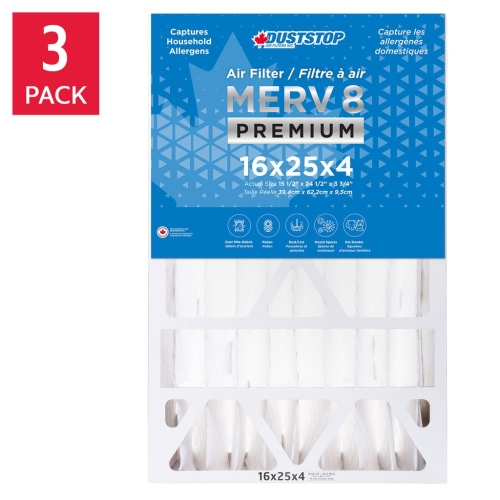






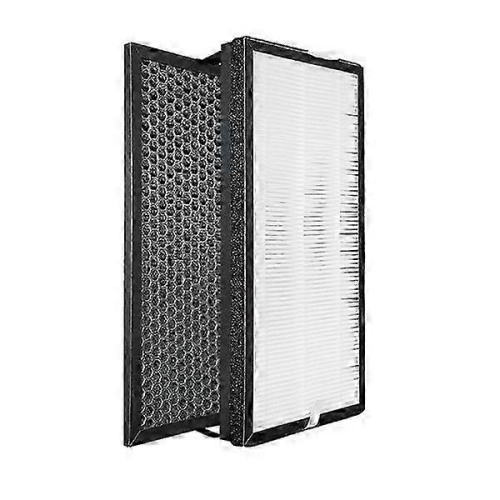
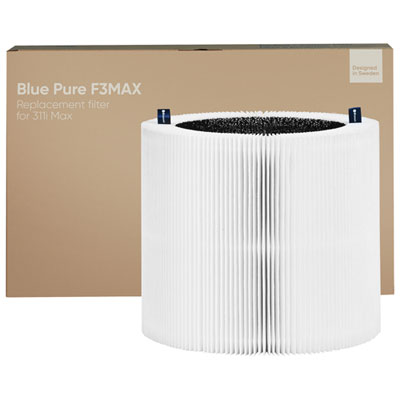

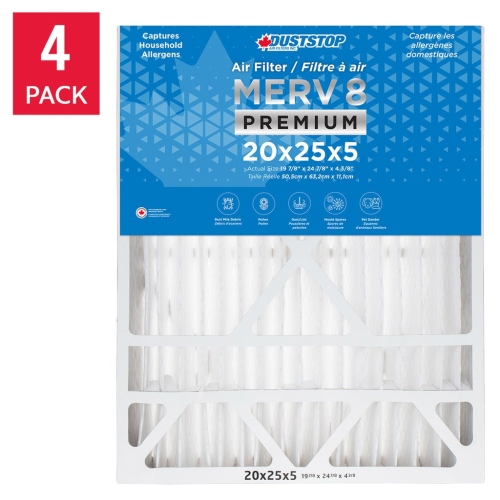

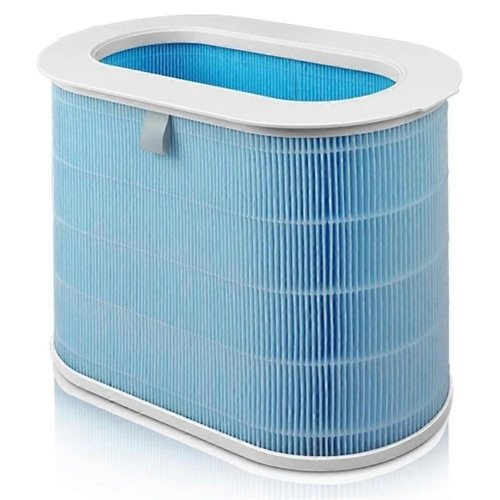


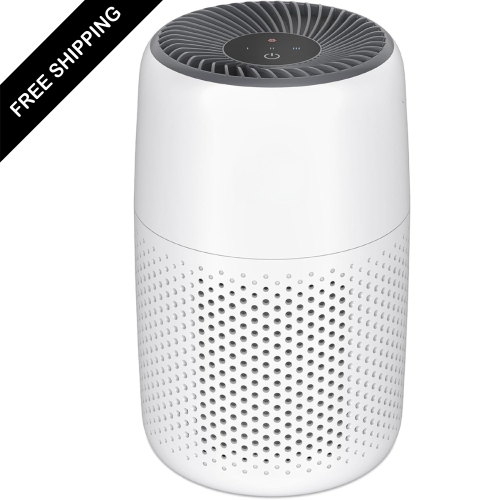
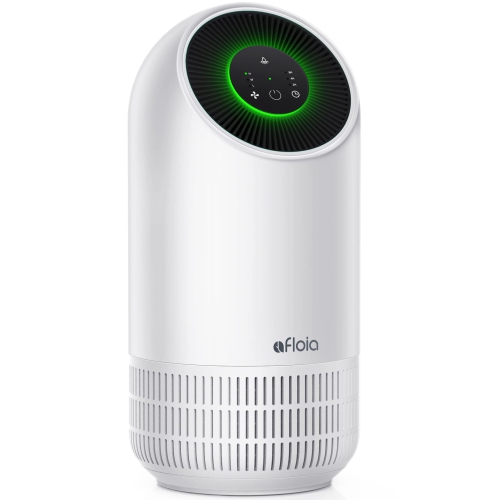
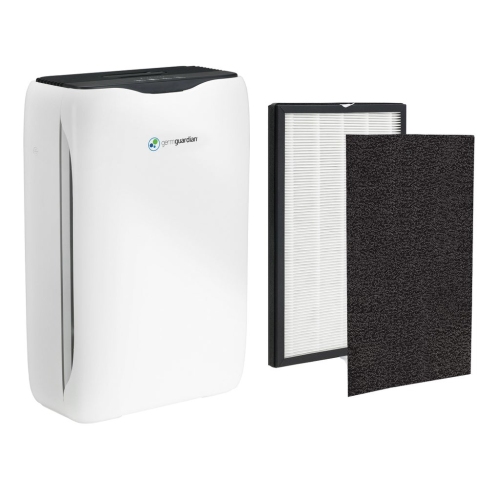
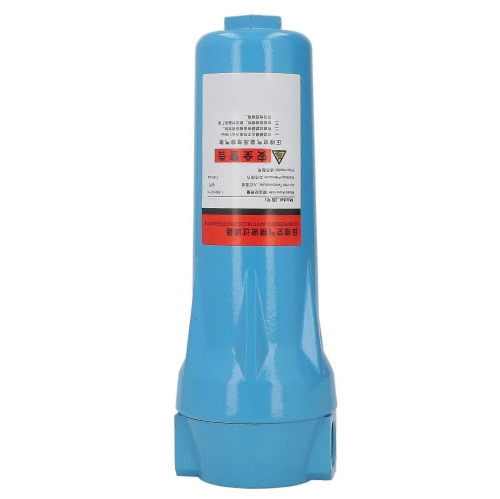








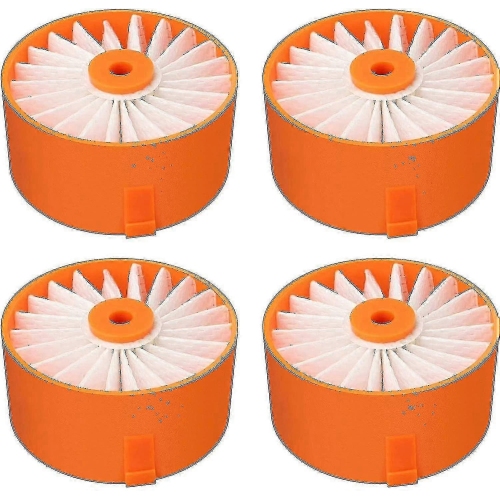
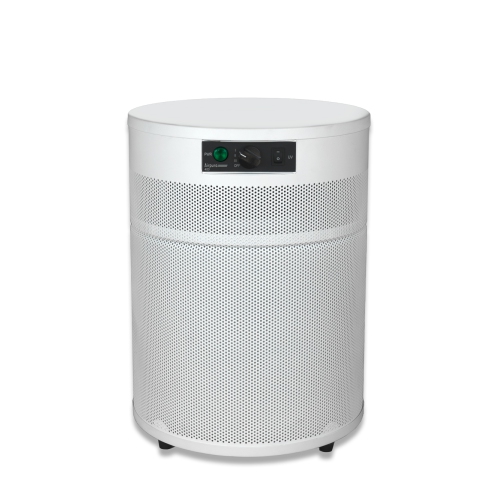
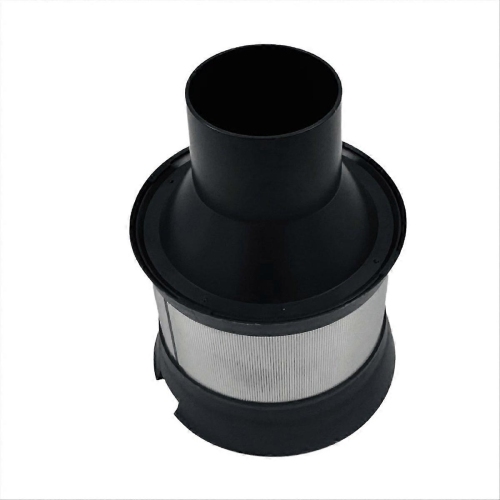

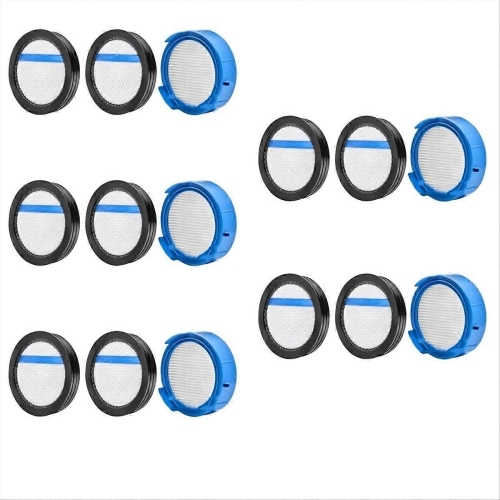



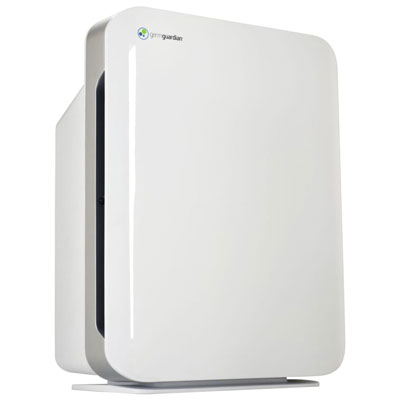
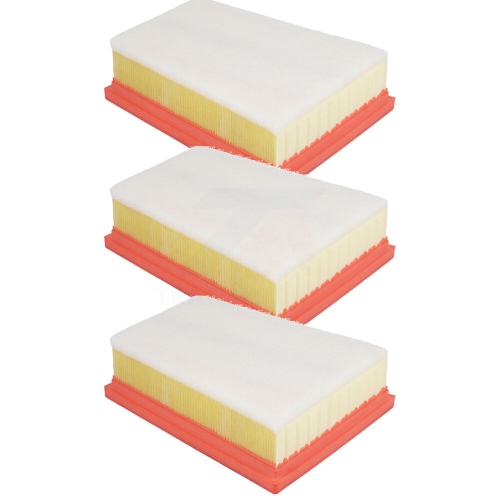
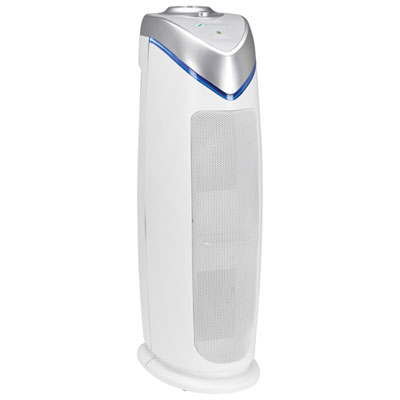
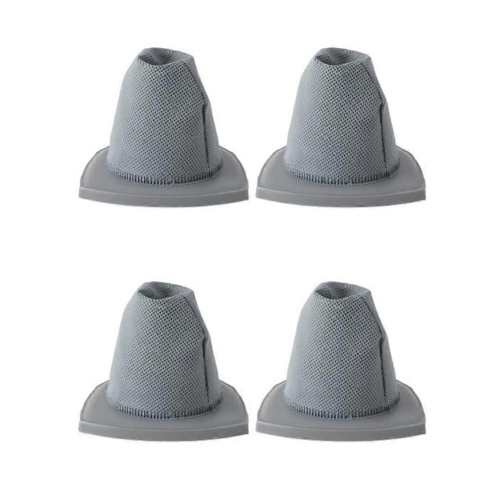
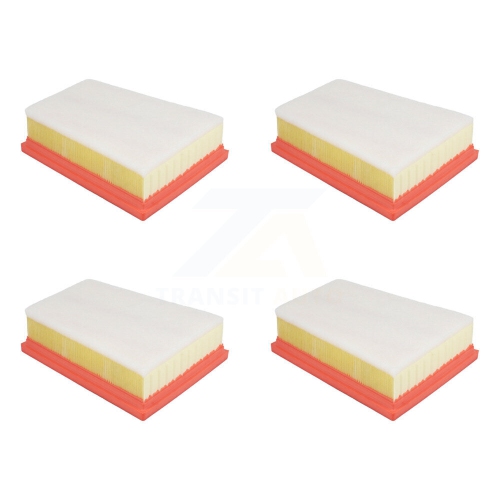
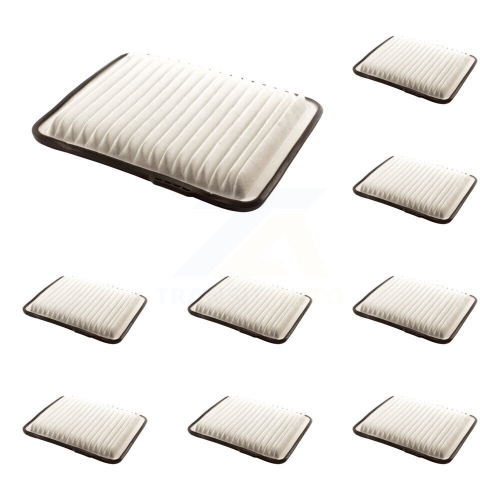

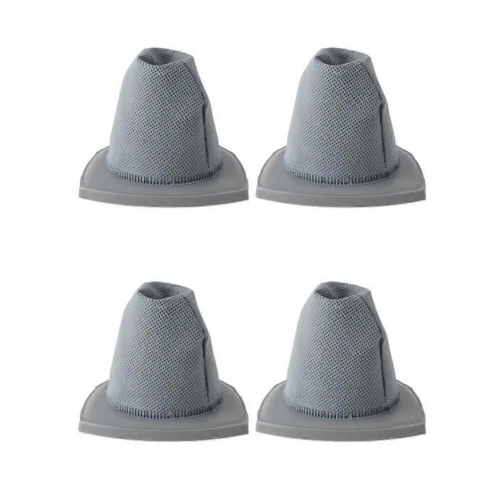
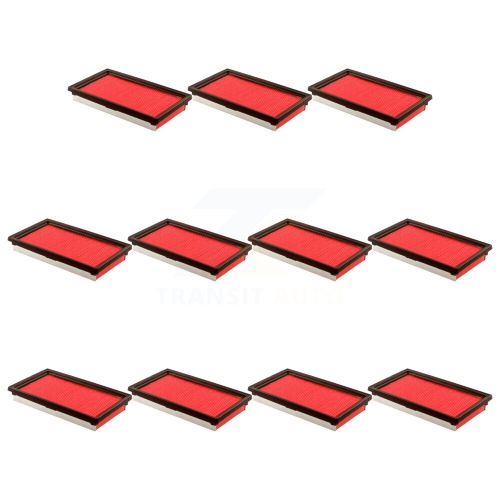


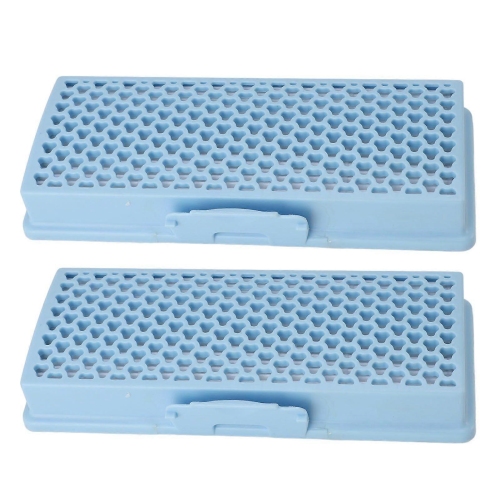
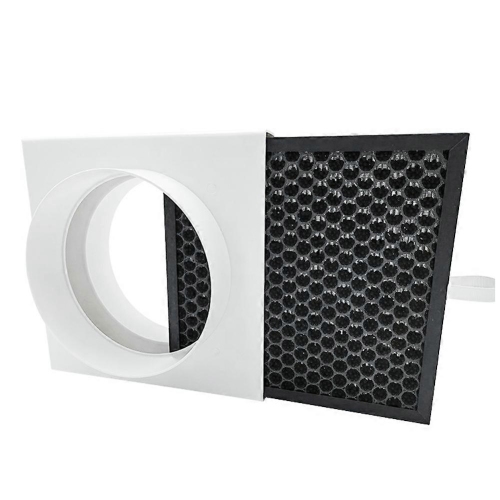


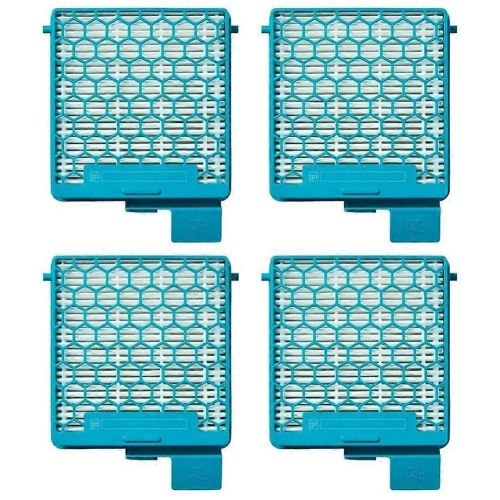
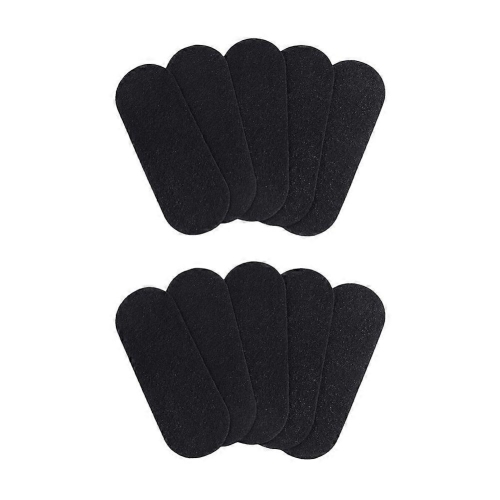
Why filter fit matters as much as particle capture
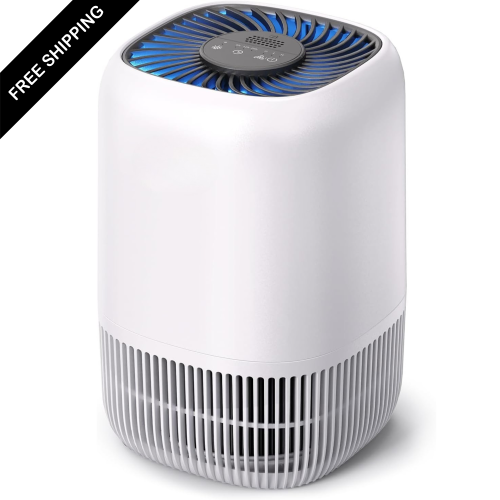
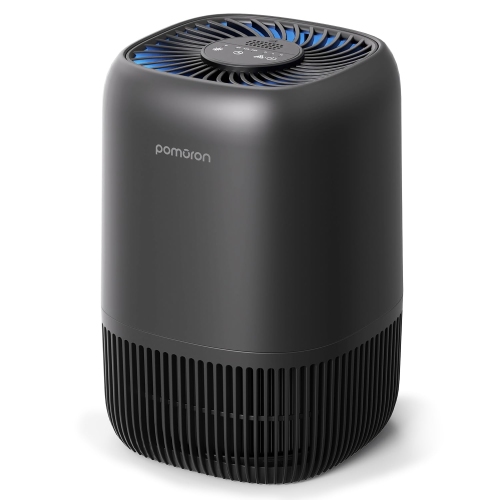
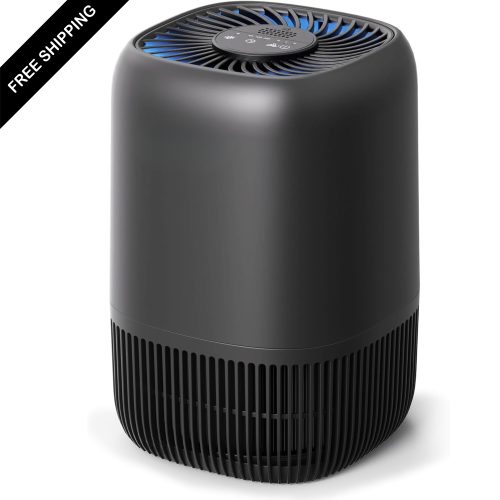
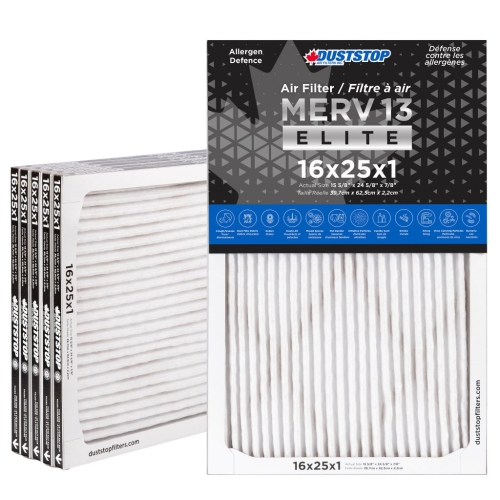
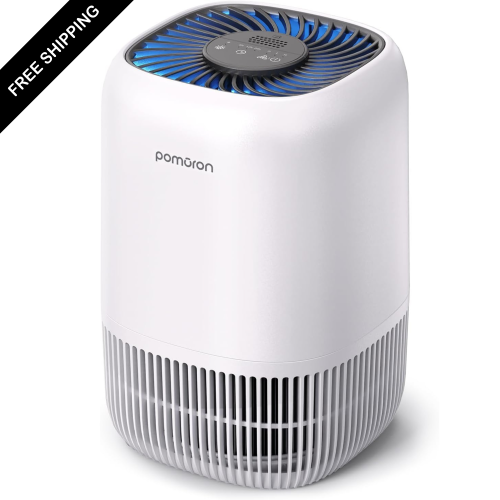
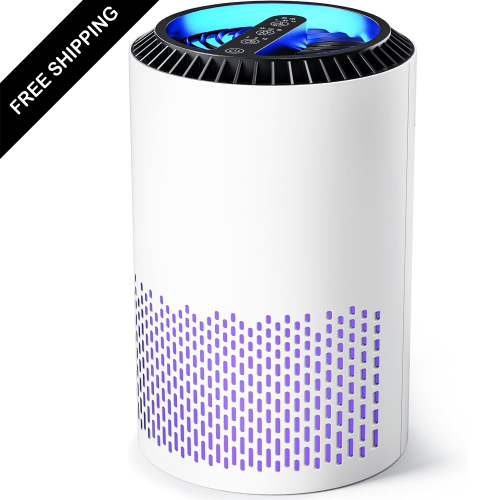
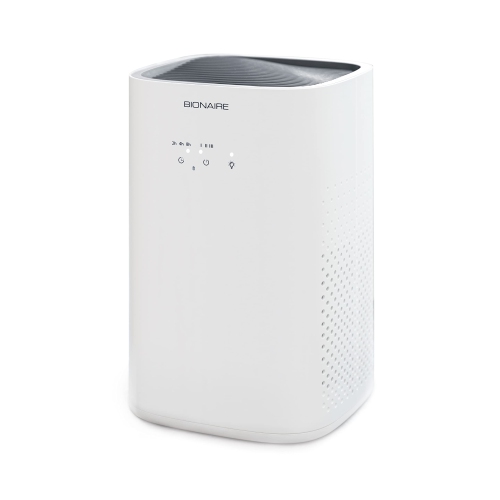
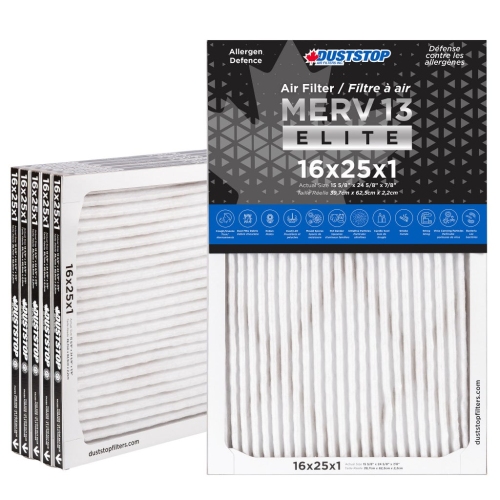
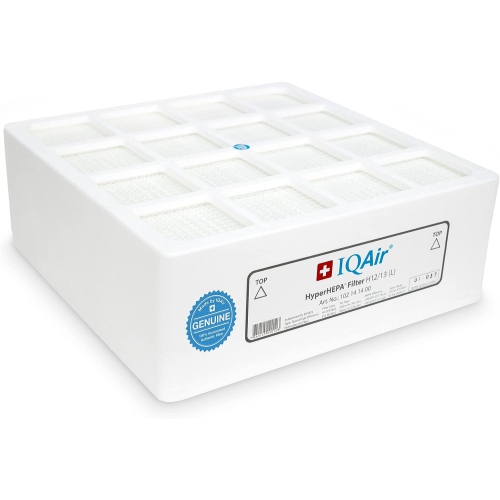
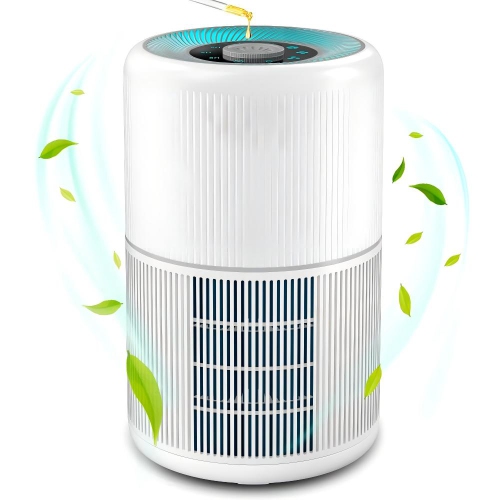
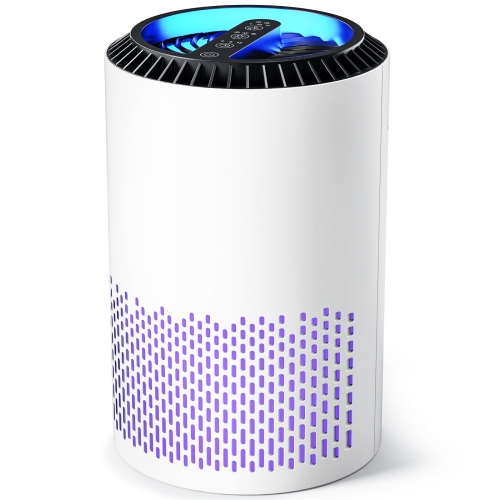
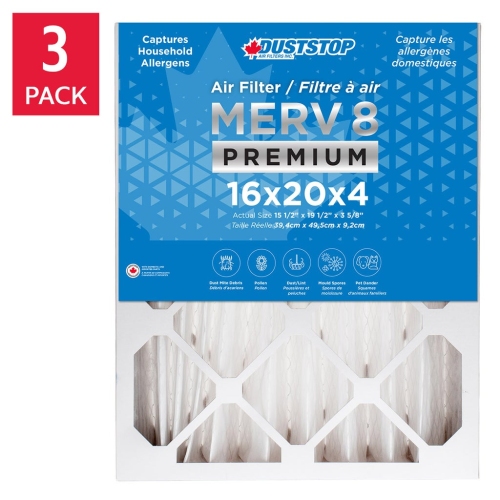
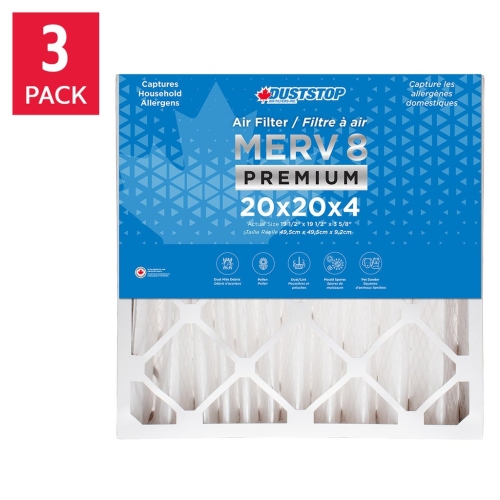
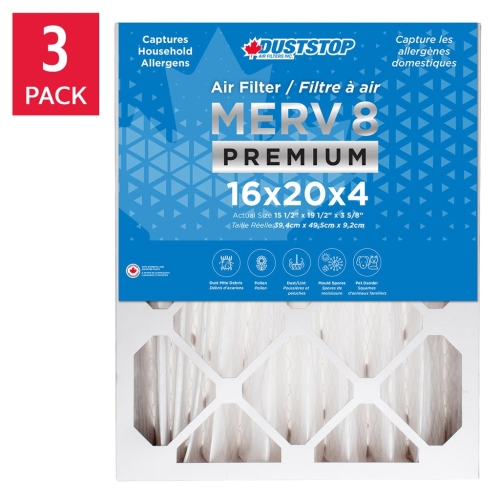
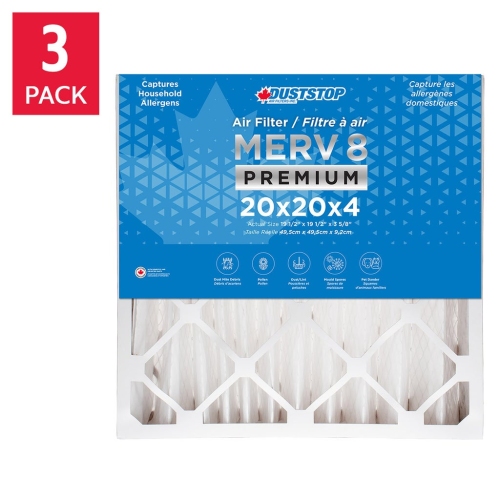
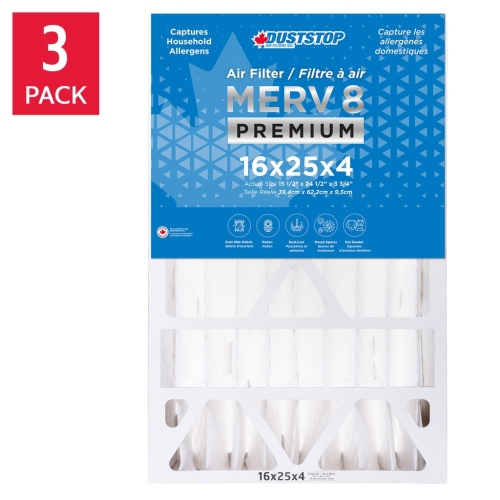
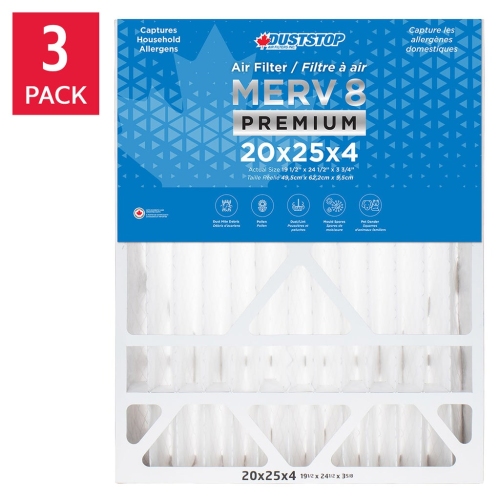
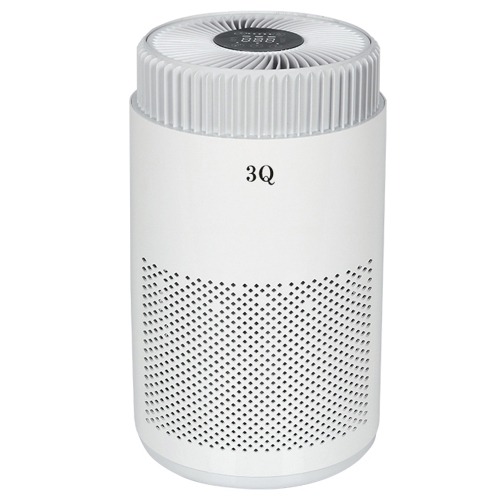
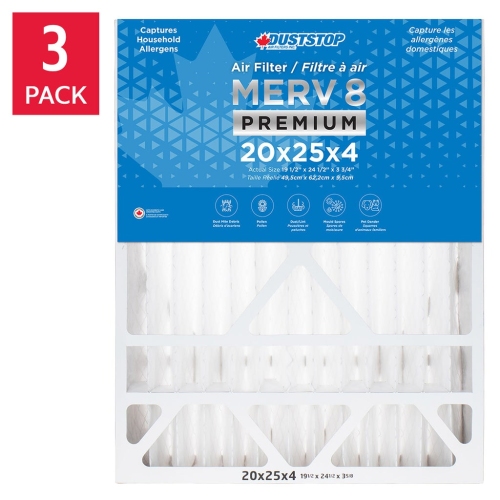
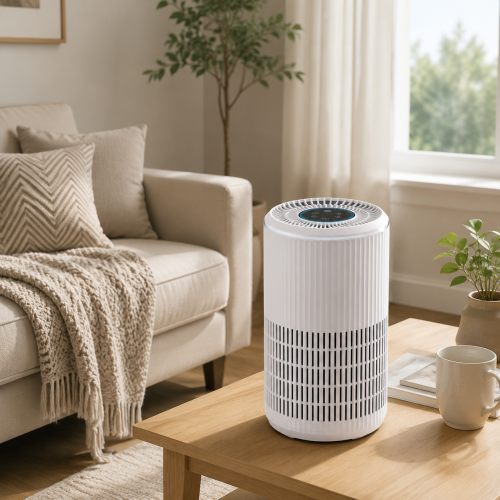
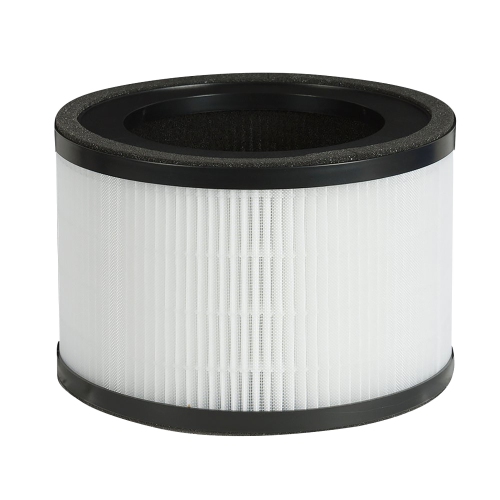
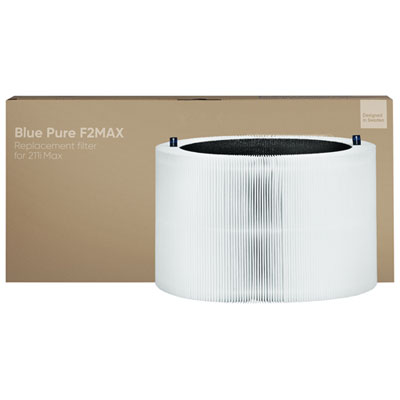
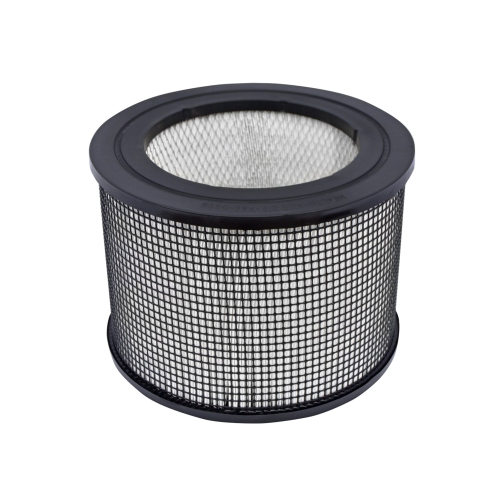
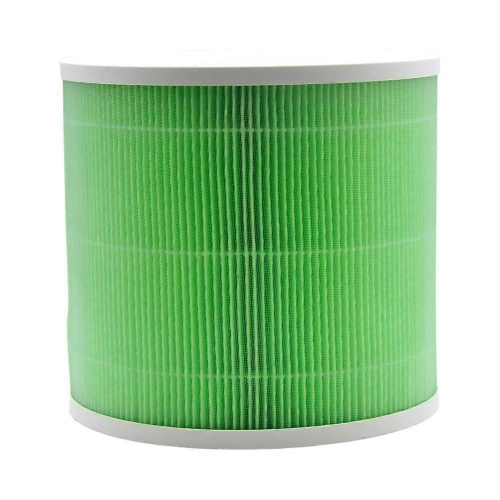
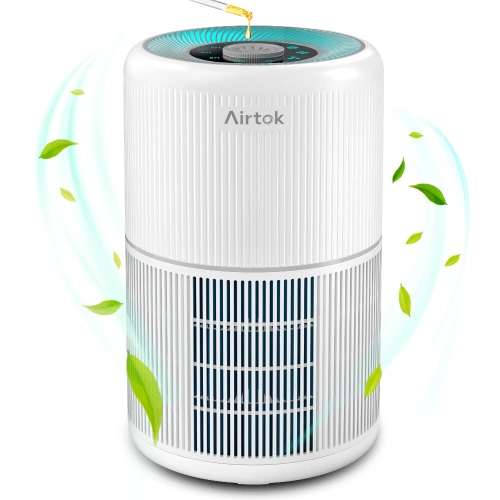
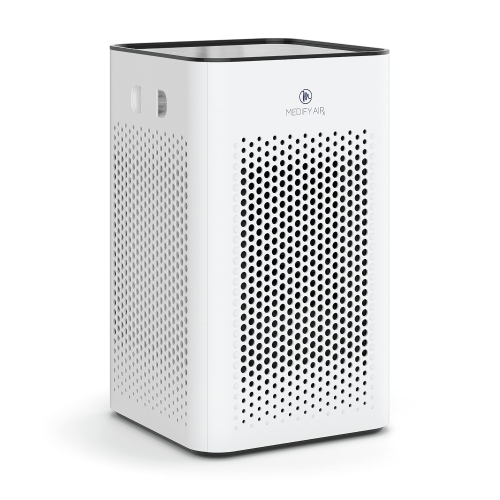
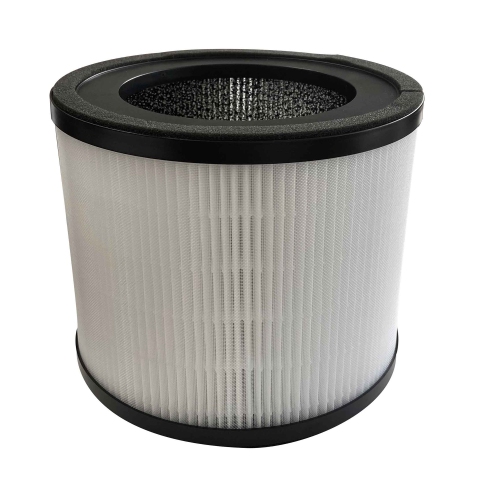
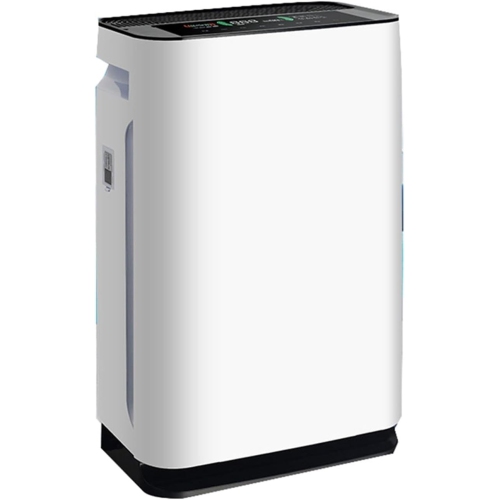
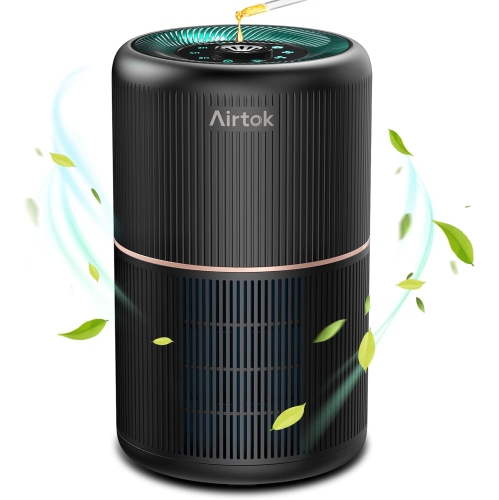
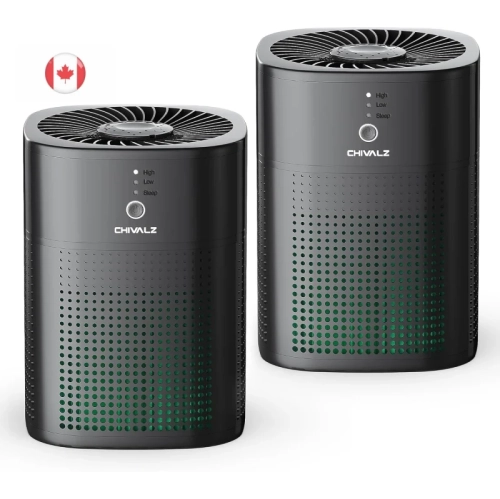
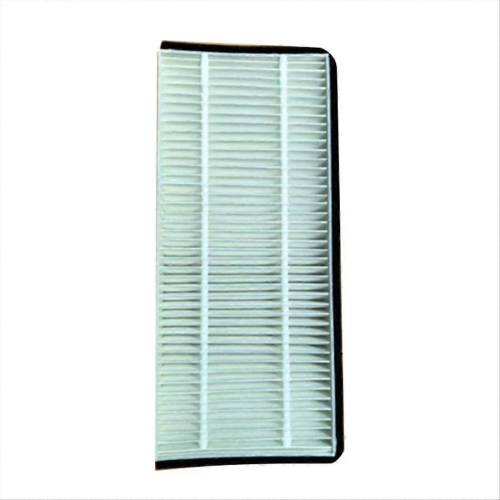
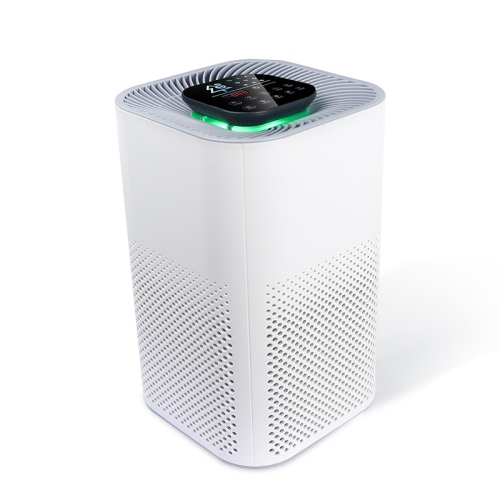
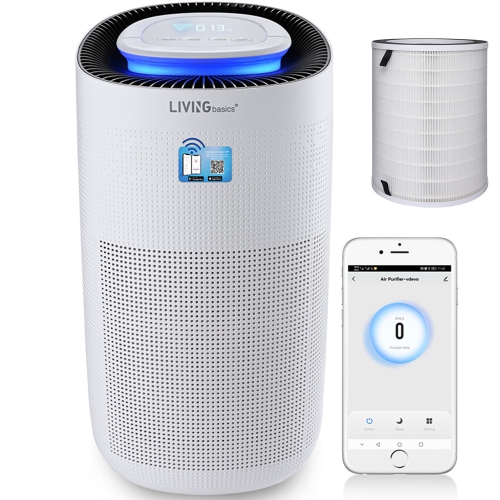
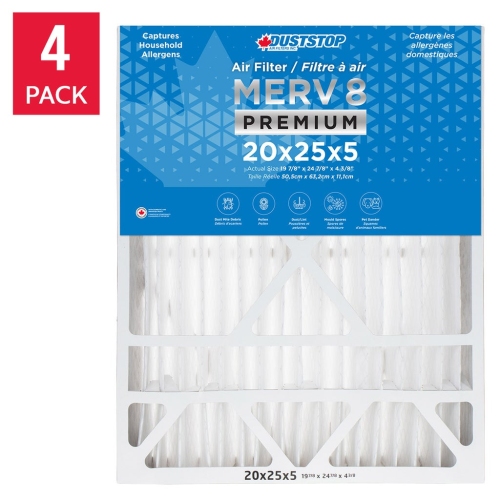
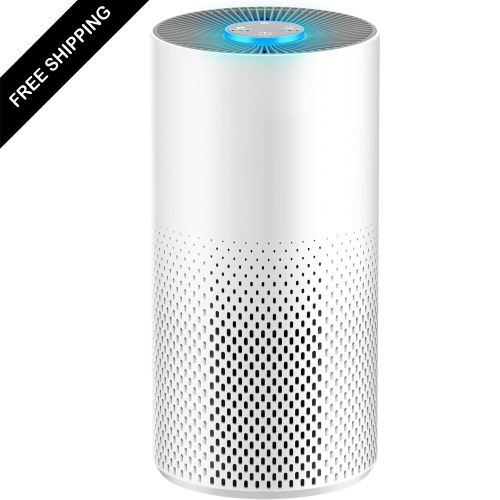
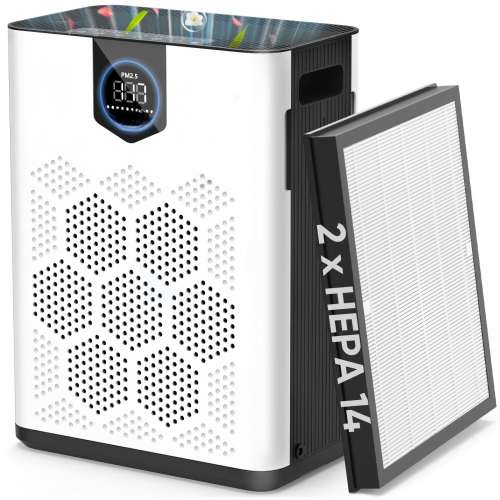
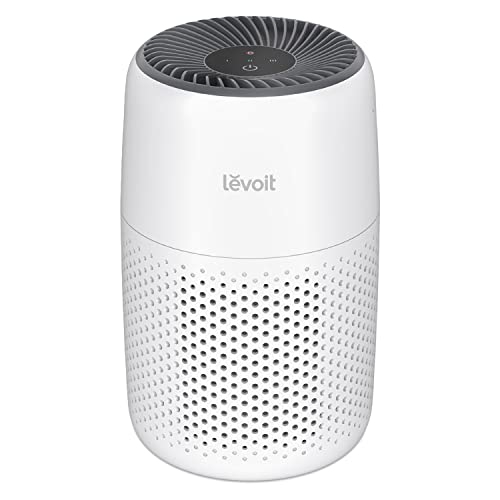
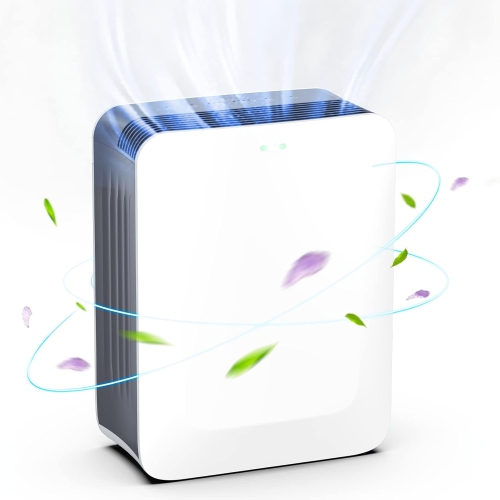
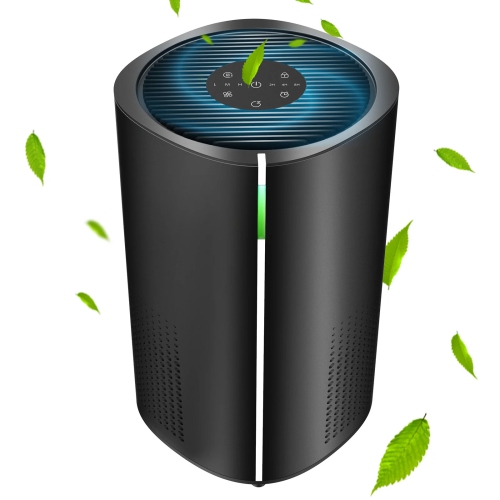
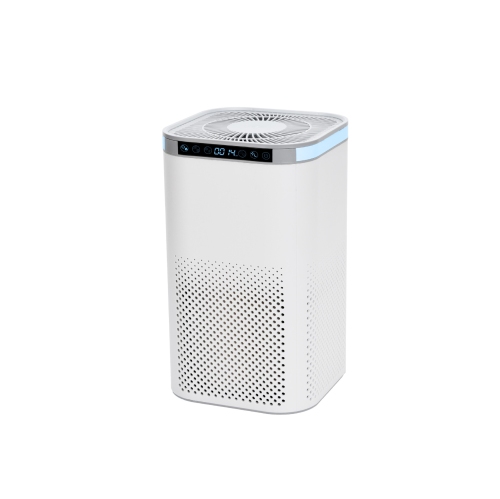
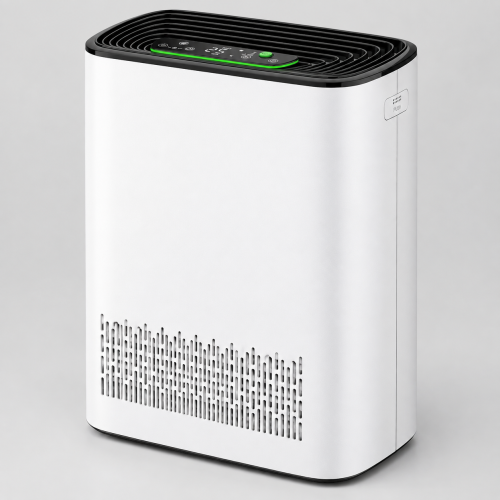
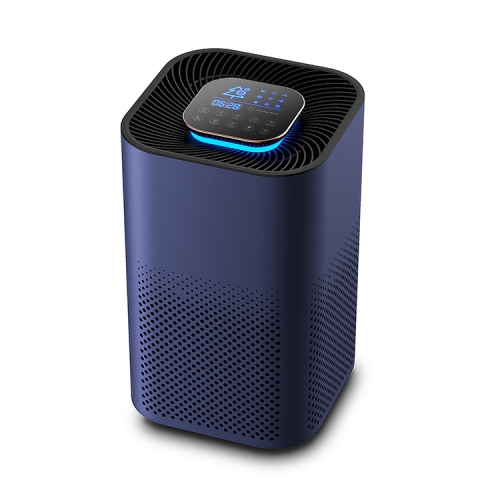
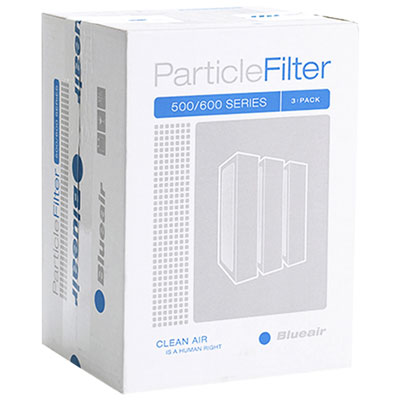
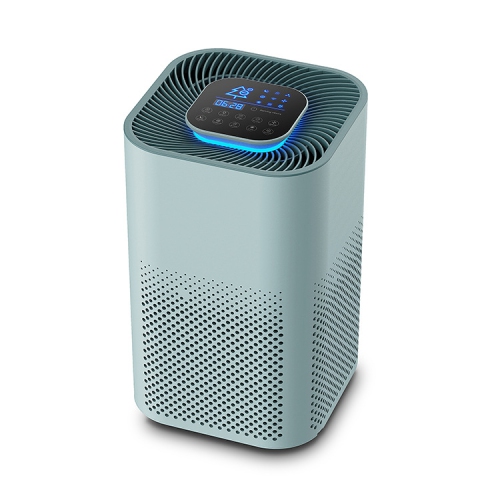
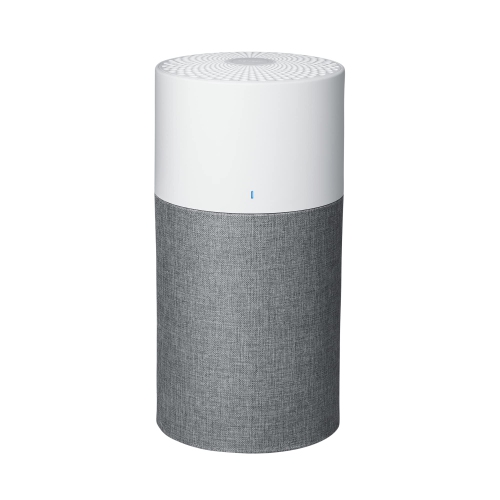
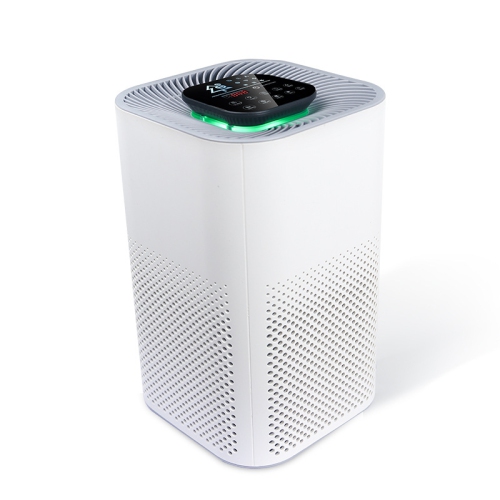
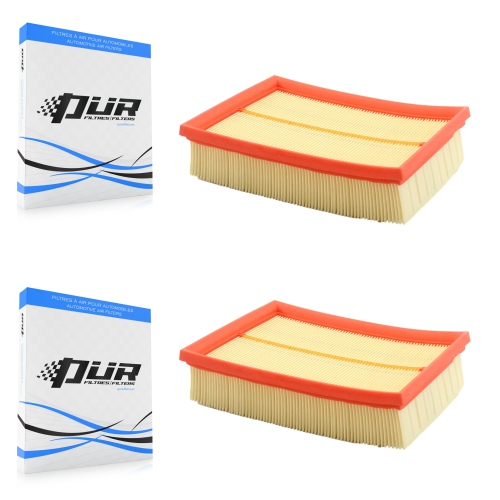
Dust air filters capture airborne particles as air passes through an air purifier, furnace, or compatible ventilation system. Household dust is a mixture of materials, including fabric fibres, tracked-in soil, skin flakes, pollen, and pet dander, so filtration needs can vary from one home to another. A living room with upholstered furniture and a well-used rug may have different dust patterns from a bedroom with hard flooring, while a home with shedding pets may place a heavier load on its filters. These filters help reduce particles circulating through the equipment, but they do not remove dust that has already settled on shelves, floors, or bedding. Regular vacuuming and damp dusting remain useful alongside air filtration. For portable air purifiers, a True HEPA filter captures at least 99.97% of particles measuring 0.3 microns under standard test conditions. That rating describes the filter’s performance, not a guarantee that every particle in a room will be removed. The purifier’s airflow, operating time, placement, and suitability for the room also affect results. Furnace filters commonly use a Minimum Efficiency Reporting Value, or MERV, to describe particle capture. Higher MERV ratings generally indicate better capture of smaller particles, but the filter must still match the heating system’s requirements. A MERV 13 filter can capture finer particles than many lower-rated options, provided the system supports its airflow resistance. HEPA and MERV ratings serve different applications and should not be treated as interchangeable labels. For bedrooms, shared living spaces, and home offices, the most useful starting point is the equipment already in place and the particles the household wants to address. During the cooler months, when windows may stay closed for longer stretches, a properly fitted filter can support a regular indoor cleaning routine without adding much day-to-day effort. Homes with pets, busy entryways, or frequently used textiles may benefit from closer attention to filter condition, particularly when dust builds up quickly between cleanings.
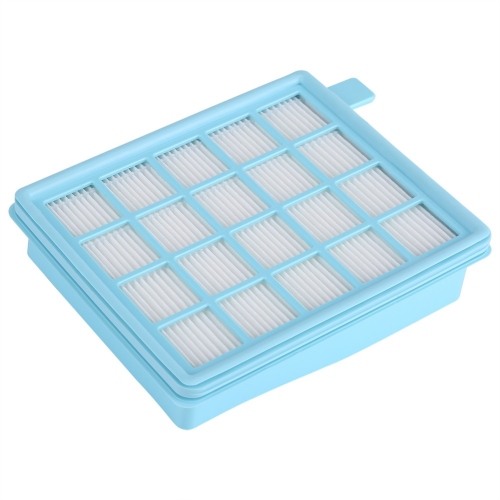
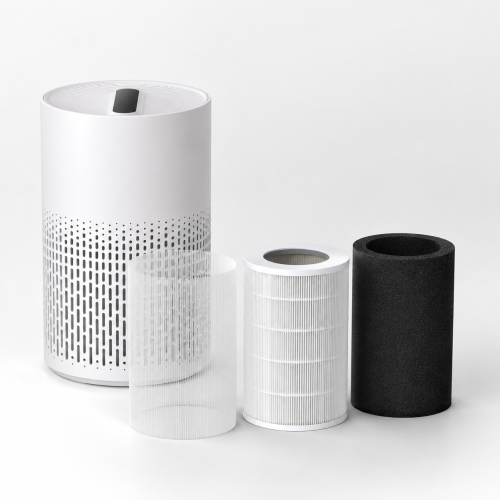
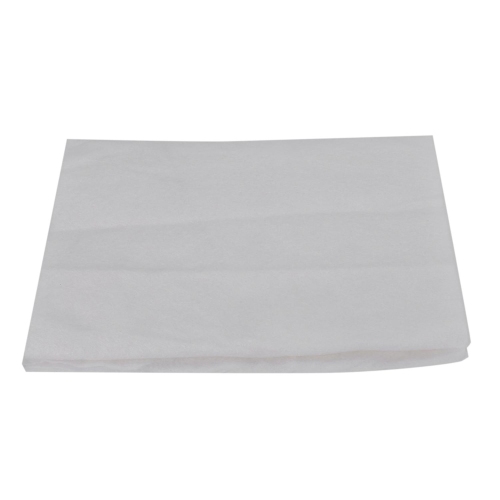
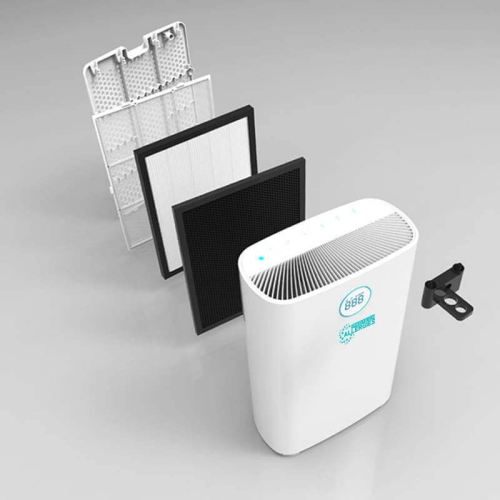
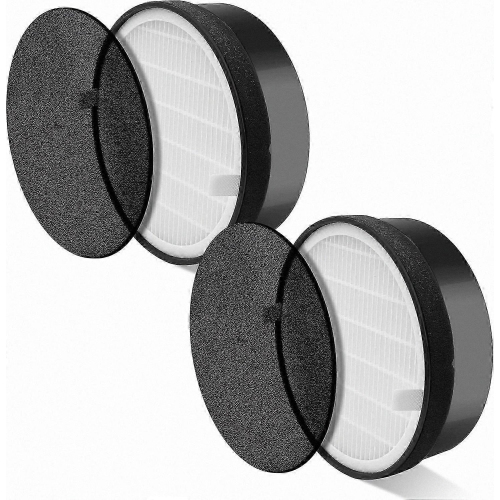
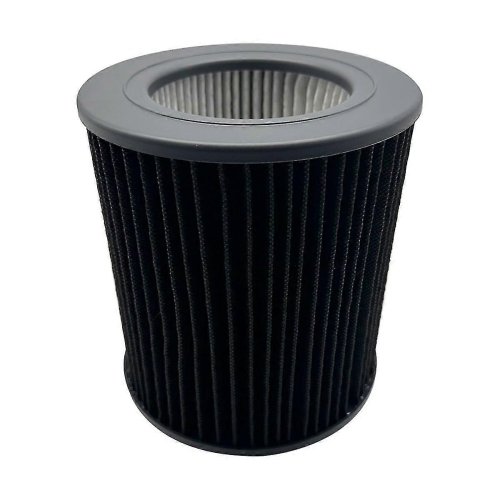
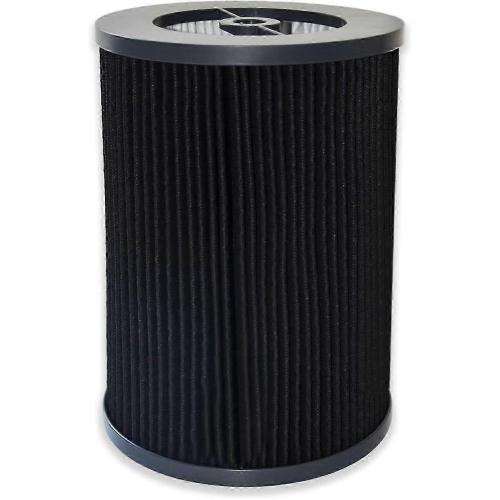
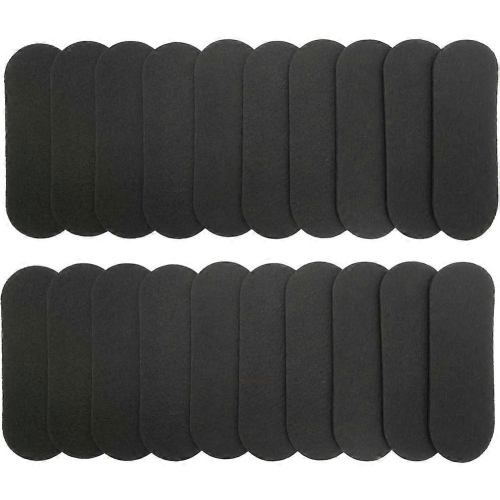
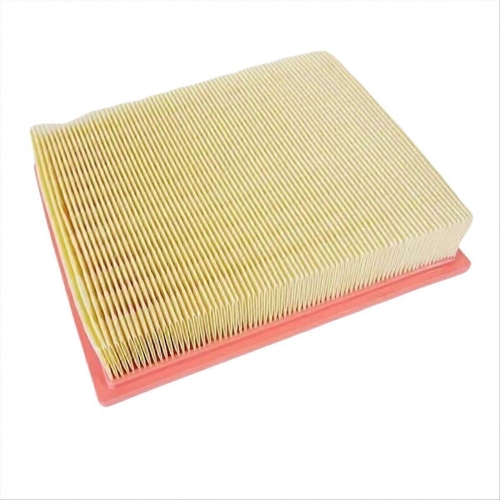
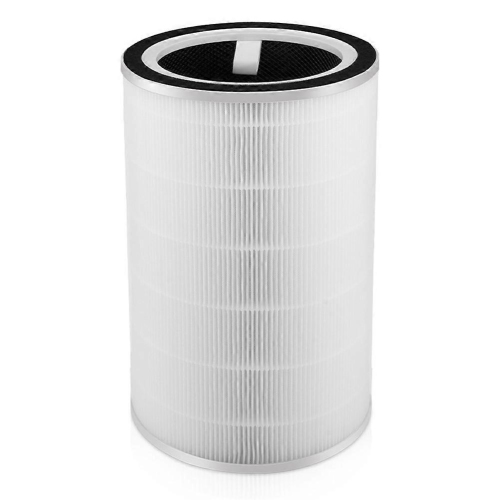
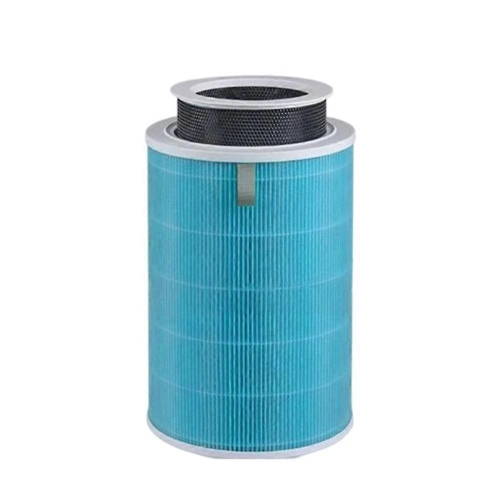
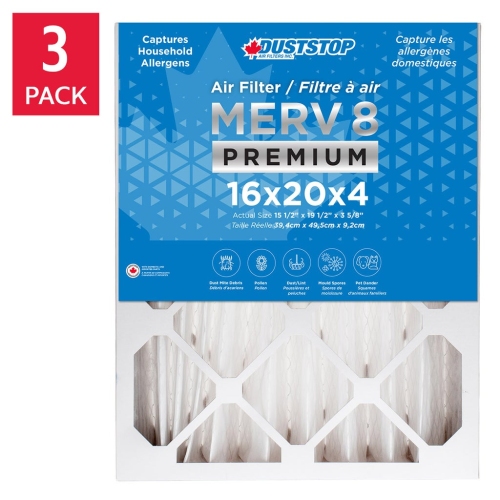
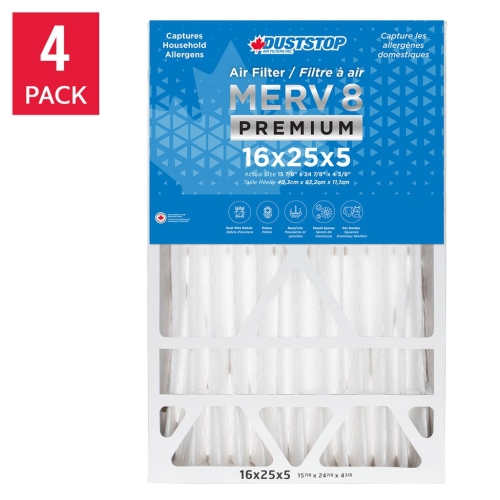
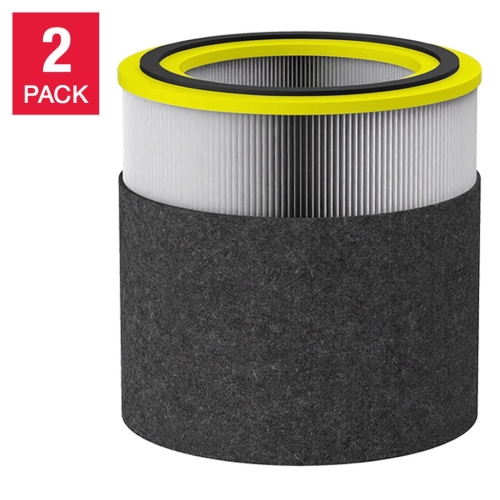
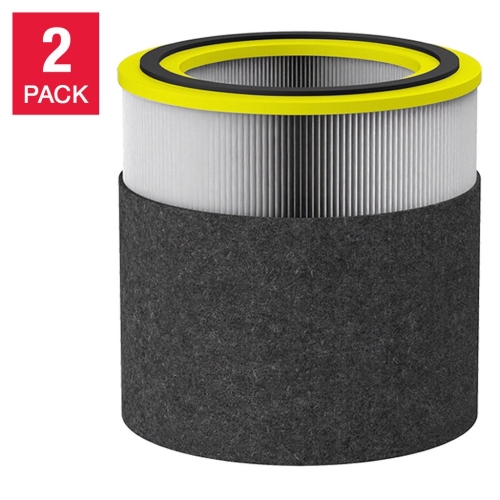
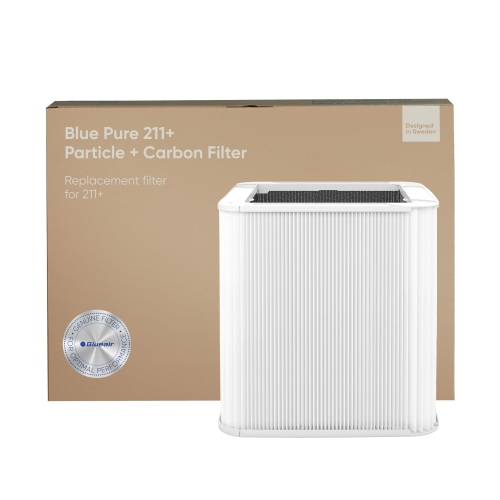
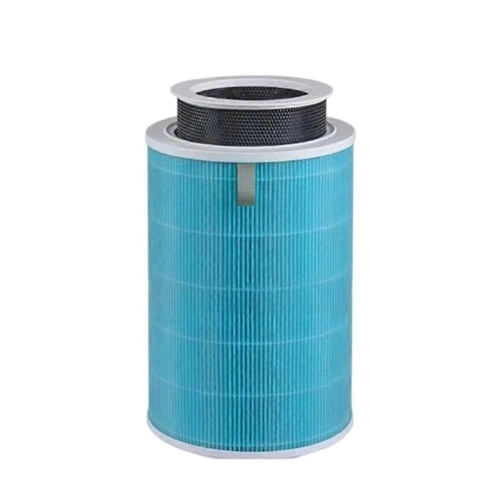
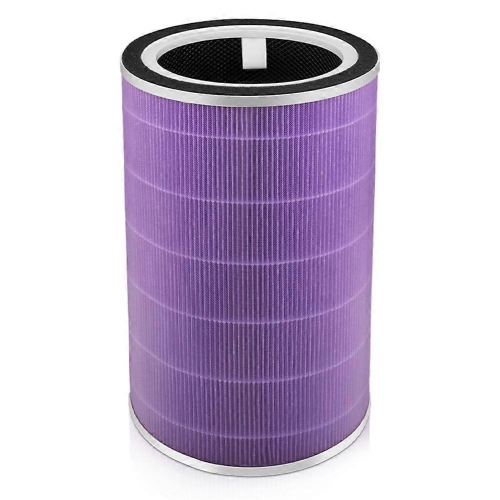
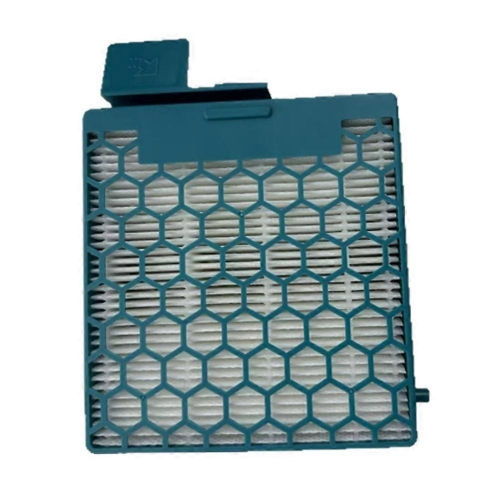
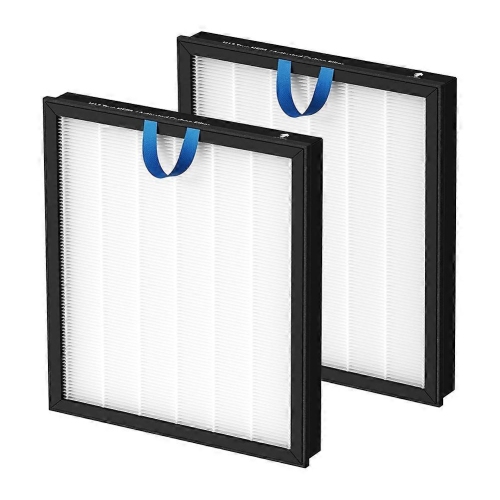
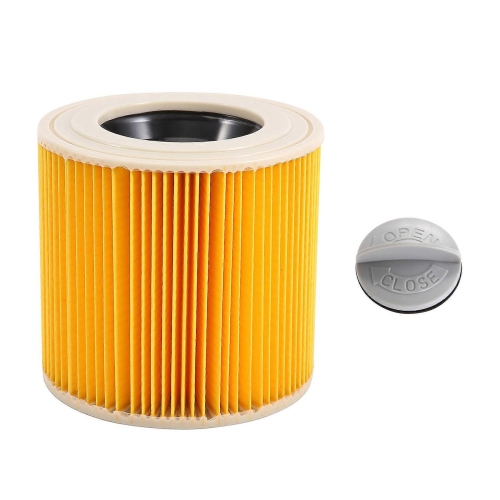
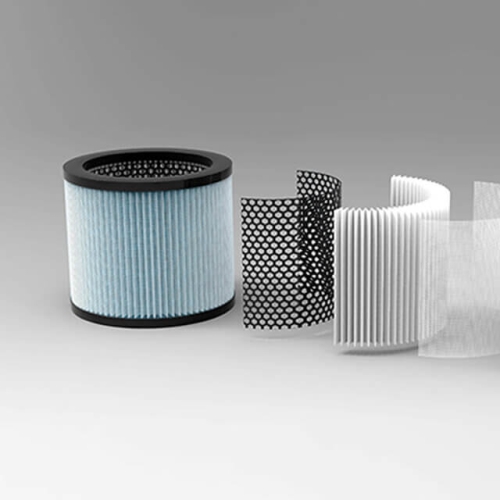
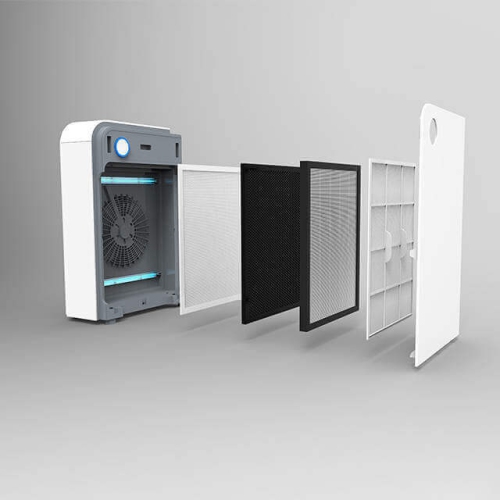
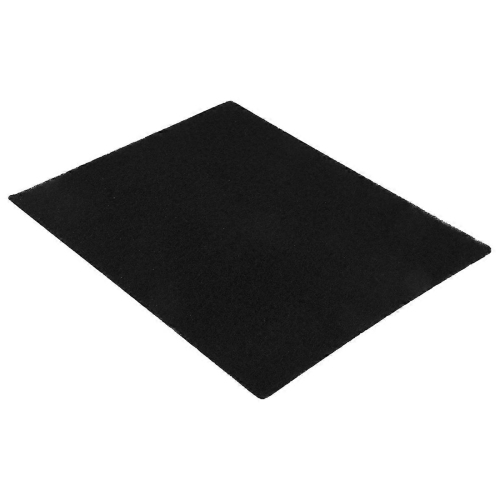
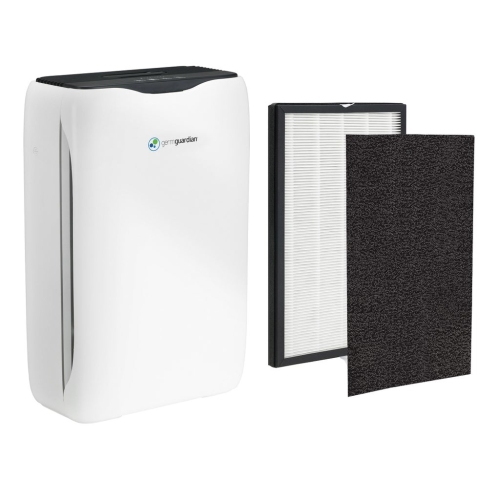
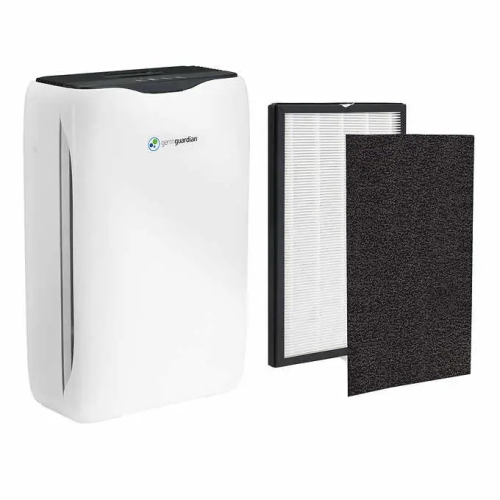
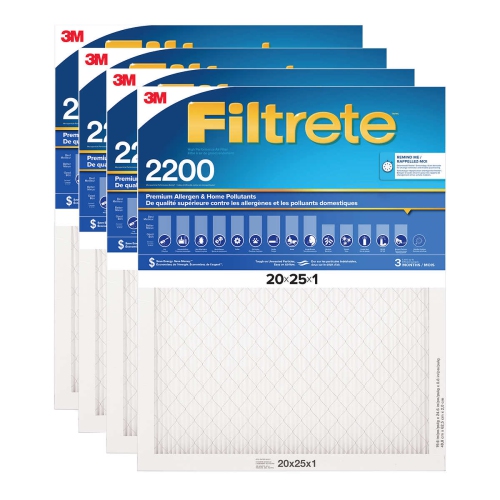
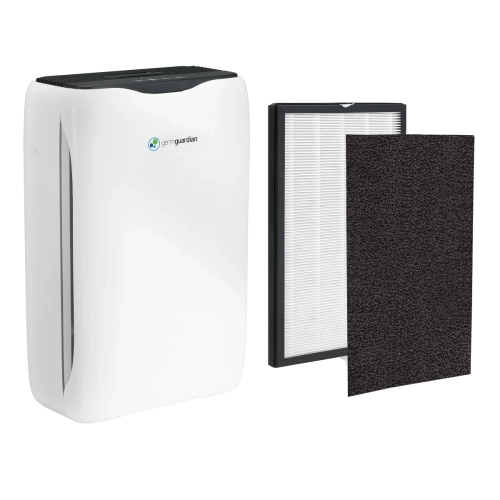
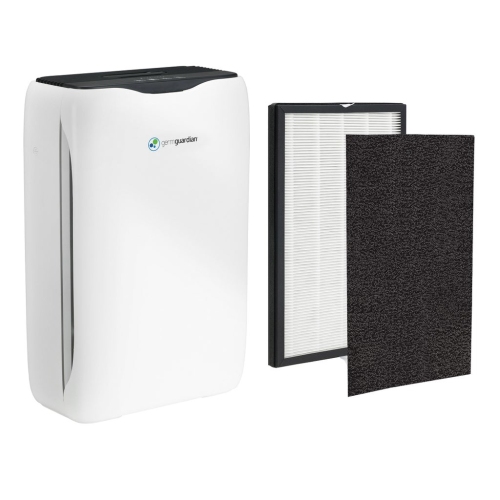
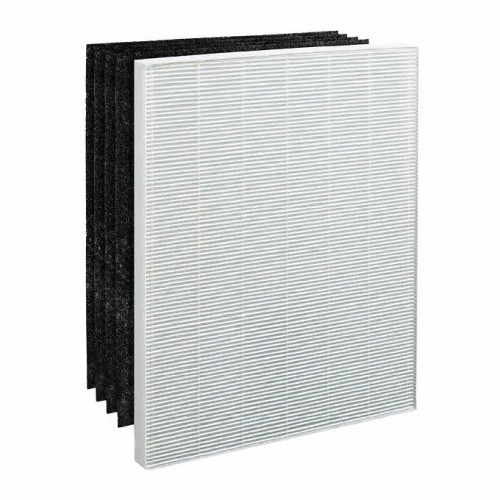
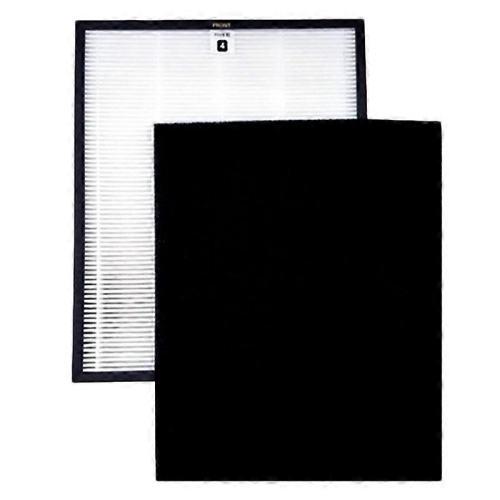
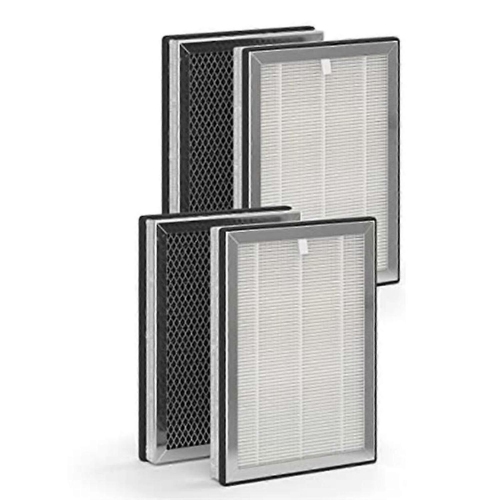
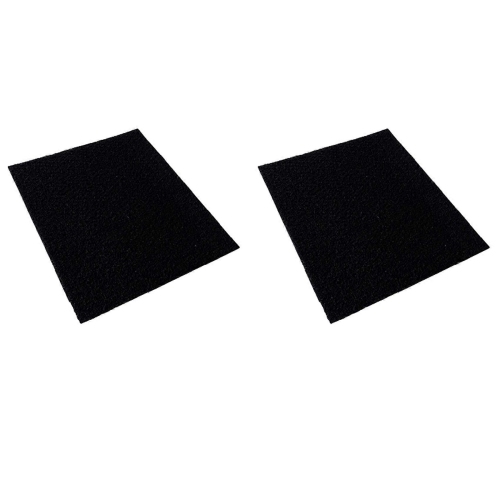
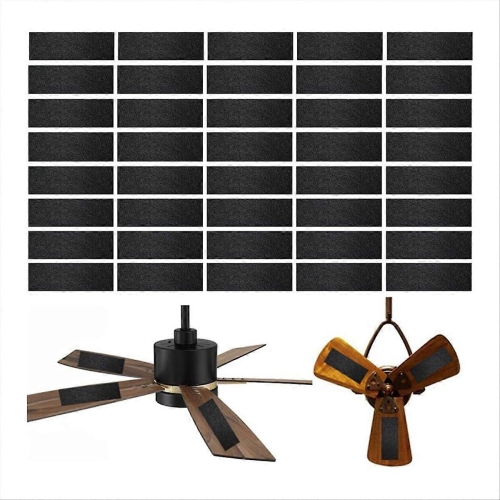
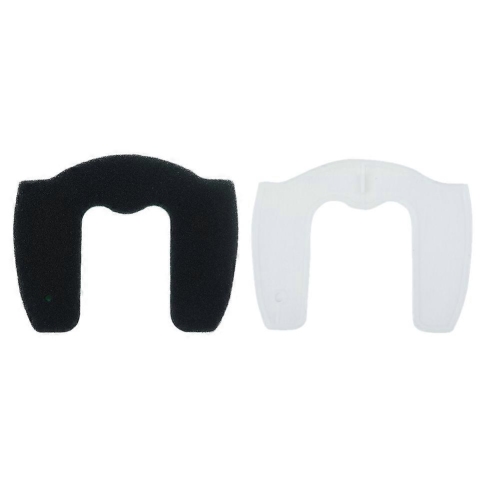
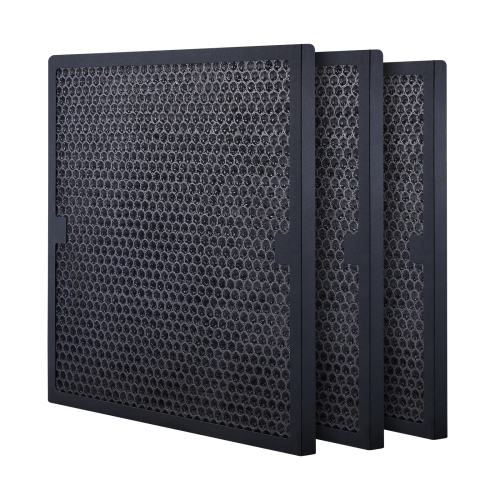
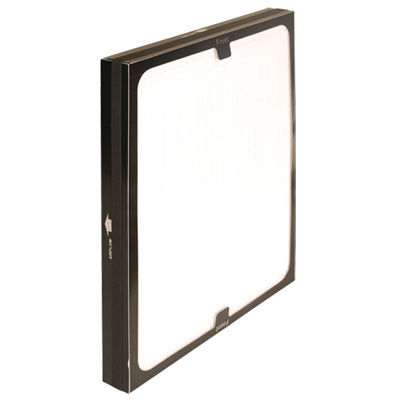
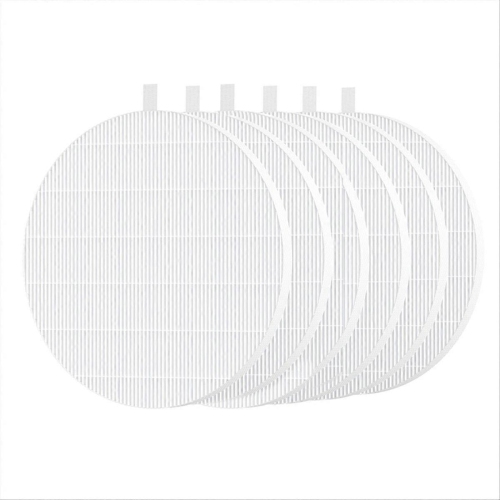
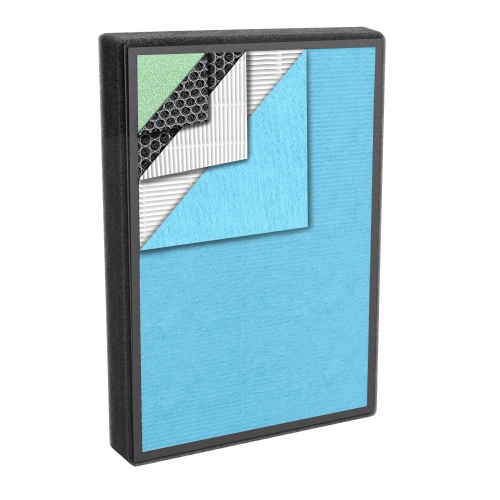
Filter materials and construction influence both particle capture and everyday use. Pleated media provides a larger filtering surface within a compact frame, while layered designs may pair a coarse pre-filter with finer particle-filtering material. A pre-filter catches larger debris, such as lint and pet hair, before it reaches the main filter; this can help keep the finer layer from loading up as quickly. Some pre-filters use washable mesh, while others are disposable, so care requirements depend on the design. Fine-particle media may use synthetic fibres or glass fibres arranged to capture particles moving through the filter. Activated carbon is a separate material used to adsorb certain gases and odours; it is not a substitute for the particle-filtering layer needed for dust. A combined filter can serve more than one purpose, but the presence of carbon alone does not establish its dust-capture performance. Fit is just as important as material. Portable purifier filters need to match the appliance’s specified shape, dimensions, and attachment points, including any tabs, seals, or cartridge housing. A filter that looks similar can still leave gaps that allow air to bypass the media. Furnace filters require particular attention to length, width, and thickness, and the nominal size printed on the frame may differ slightly from the actual measured dimensions. Matching the equipment’s specifications helps avoid a loose fit or a frame that must be forced into place. Thickness should never be increased simply to obtain more filtering material unless the filter rack and system are designed for it. Sturdy frames, intact pleats, and well-fitting edges help the filter hold its shape during use. For ventilation systems that bring outdoor air indoors, Fresh Air Filters may also be relevant, although compatibility still depends on the particular equipment. Whether the filter serves one room or a central air system, the intended application matters more than a similar appearance or a broadly worded performance claim.
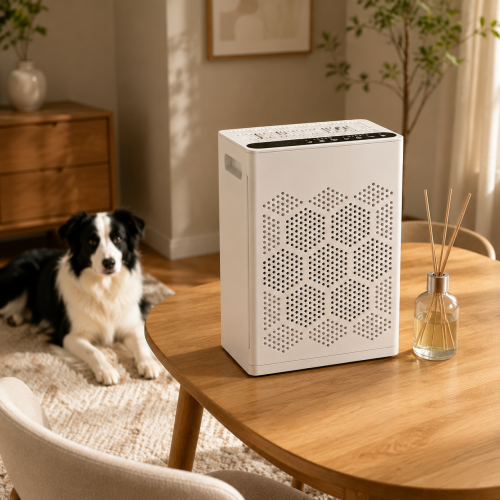
Care and replacement needs depend on the filter type, hours of operation, and the amount of material moving through the system. A purifier running daily in a room where a dog sleeps beside the sofa may collect hair and fine dust faster than the same type of filter used occasionally in a quiet guest room. Nearby renovation work, open windows facing a busy road, and frequent movement through an entrance can also change how quickly a filter becomes loaded. Many disposable purifier filters have replacement intervals measured in months, often around six to twelve, but the appliance instructions and actual conditions should determine the schedule. Furnace and ventilation filters can follow different intervals, so a single replacement rule does not suit every application. A filter indicator is helpful, though some indicators track elapsed time rather than directly measuring the amount of dust captured. Visible buildup, reduced airflow, or a change in operating sound can warrant an inspection rather than waiting for a reminder. Disposable HEPA media generally should not be washed or scrubbed unless the manufacturer explicitly permits it, because moisture or physical handling can damage the fine filtering structure. Washable components should be cleaned as directed and allowed to dry fully before being refitted. Switching off the appliance before opening its filter compartment and handling used media gently can help limit the release of collected dust. For furnace filters, the airflow arrow must point in the direction specified by the system instructions. Portable purifiers also need clear space around their intake and outlet; placing one behind a curtain or tightly between furniture can restrict circulation even with a fresh filter installed. Room coverage and clean air delivery rate, often called CADR, provide useful context when matching a purifier and its filters to a space. Filtration can help households managing airborne dust, pollen, or pet dander, but it does not replace ventilation, source control, or medical advice for persistent symptoms. A compatible filter, sensible placement, and consistent care work together to support reliable particle capture through everyday household use.
Top selling and popular products
-
 Your price for this item is $139.99
-
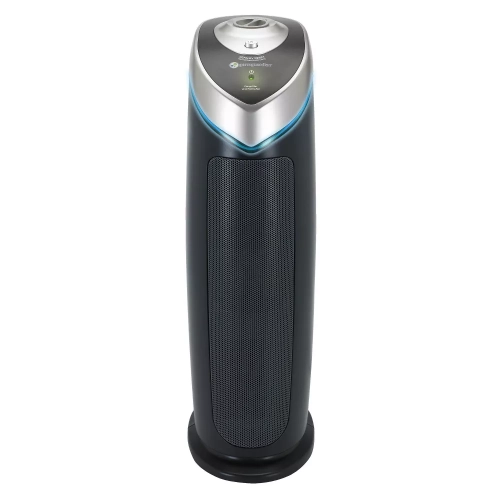 Your price for this item is $323.72
-
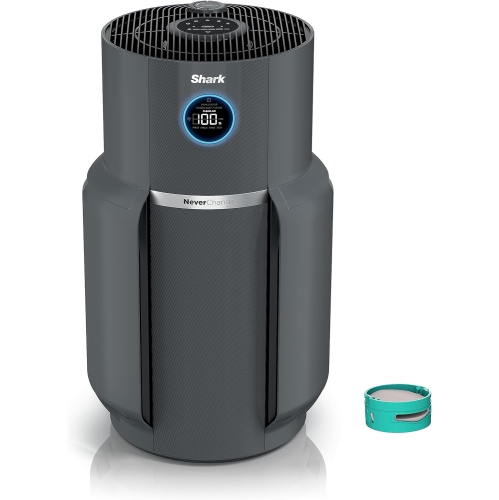 Your price for this item is $999.99
-
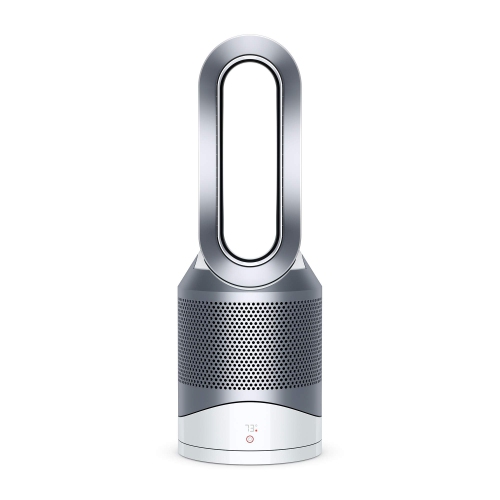 Your price for this item is $729.99
-
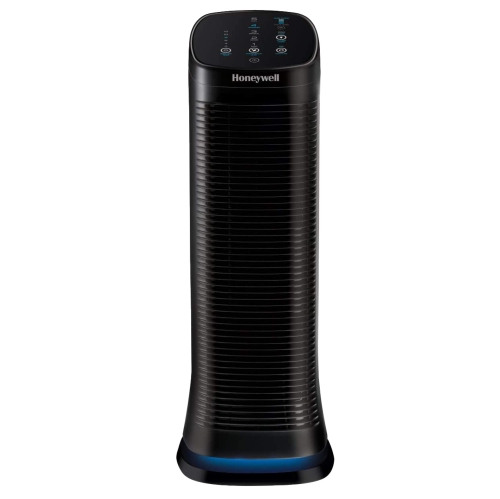 Your price for this item is $583.14
-
 Your price for this item is $719.39
-
 Your price for this item is $699.99
-
 Your price for this item is $229.95
Discover more categories related to Dust Air Filters

Top Collections:
Pokemon Centers, Best Cameras for Sports Photography, Kindle Devices, Samsung Galaxy Phones, Canon G7X Cameras, Pokémon 30th Celebration Cards, Refurbished Apple Laptops, iPhone 15 Apple, Laptops for Students, Budget Smartphones
Some products may be subject to Environmental Handling Fees
(EHF) depending on your province.
Learn more about EHFs.