Smoke Air Filters
Breathe in cleaner air with our selection of smoke air filters designed to purify and freshen your indoor environment. Whether you're looking to reduce odors from cooking, eliminate allergens, or simply create a healthier atmosphere at home or in the office, our range of high-quality smoke air filters offers efficient filtration to help you maintain a crisp and breathable space. Explore our assortment of filters with various features and sizes to find the perfect fit for your needs and enjoy a cleaner, fresher living space today.
Sort

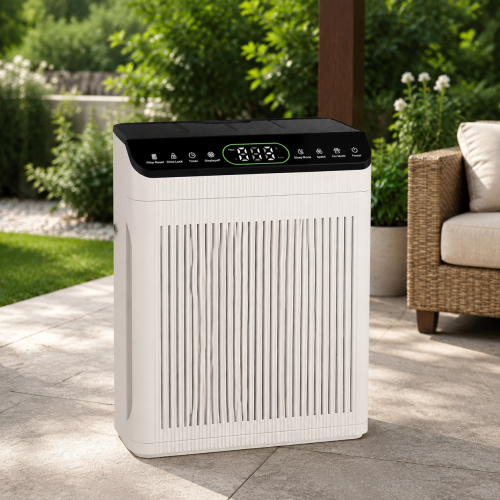
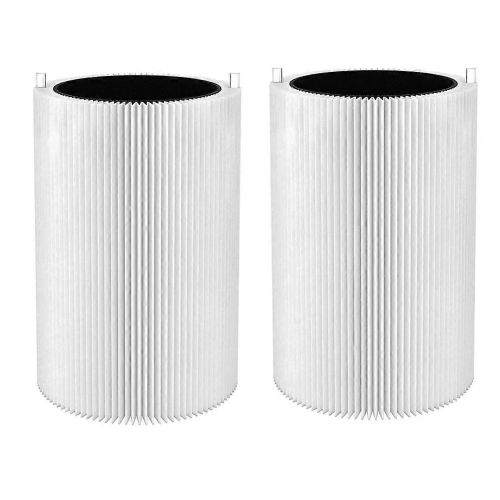
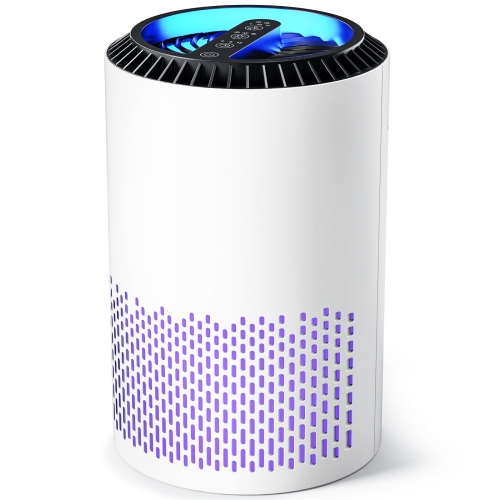
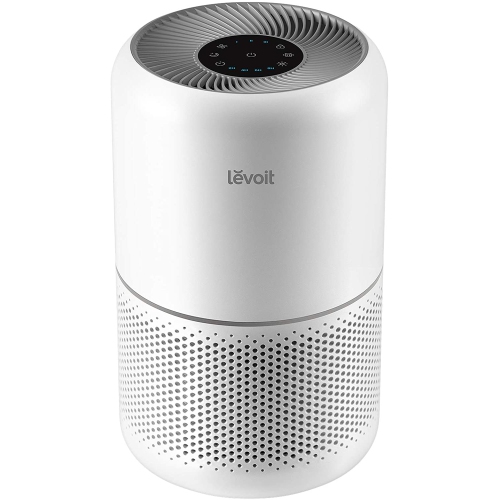


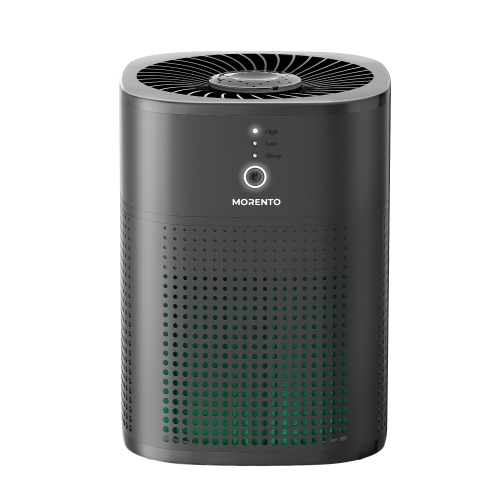

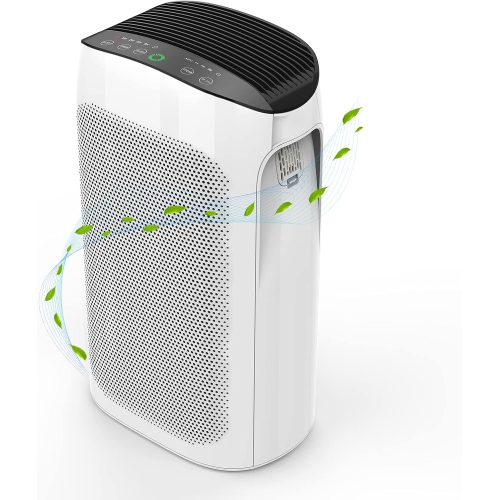
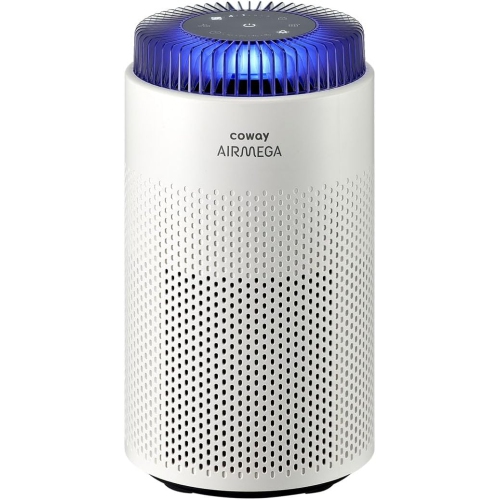

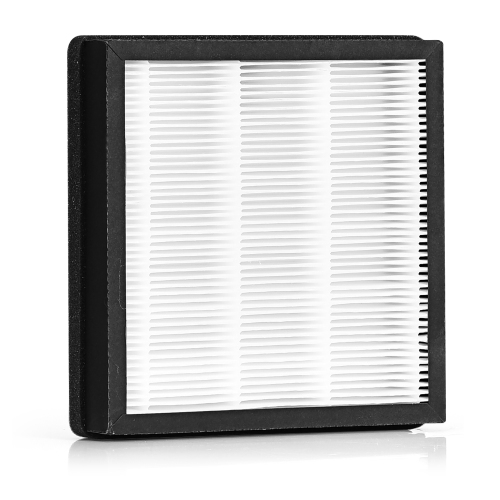
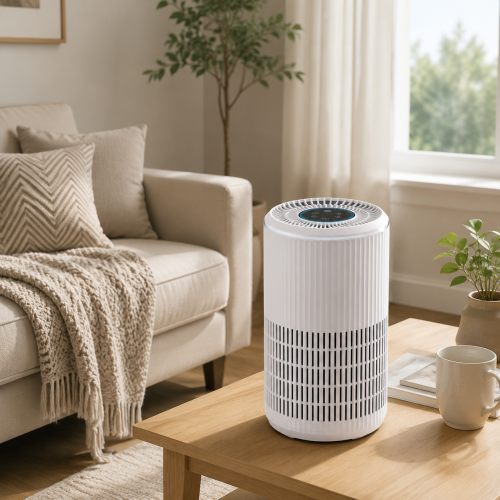
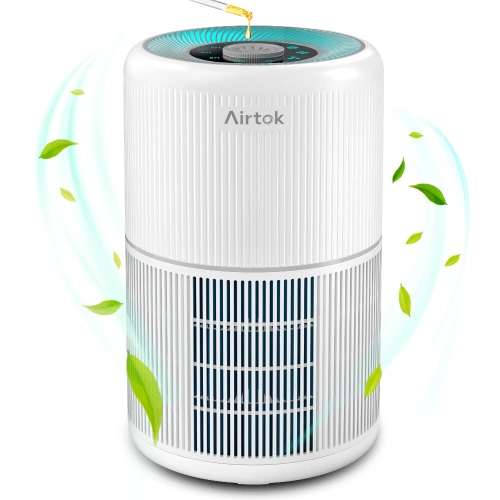
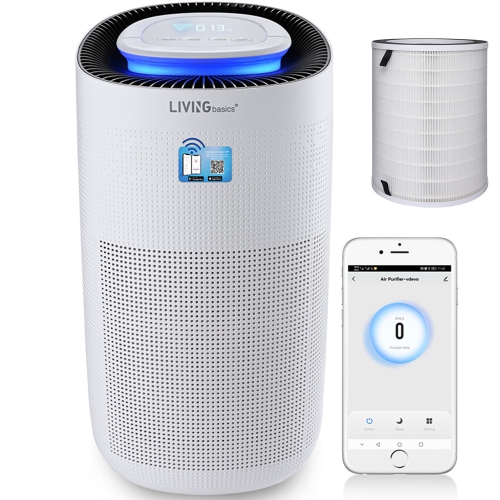
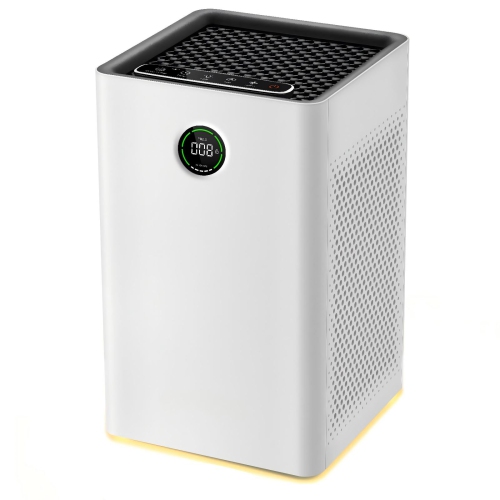
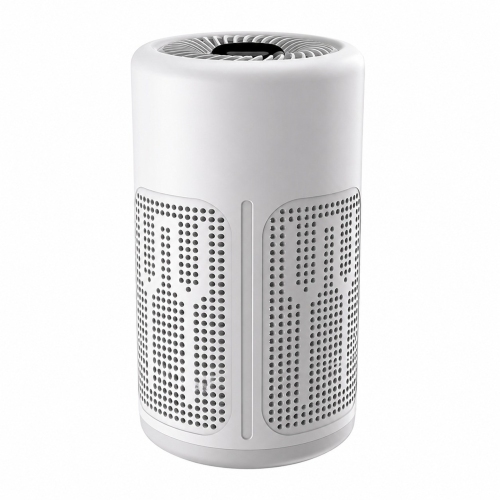
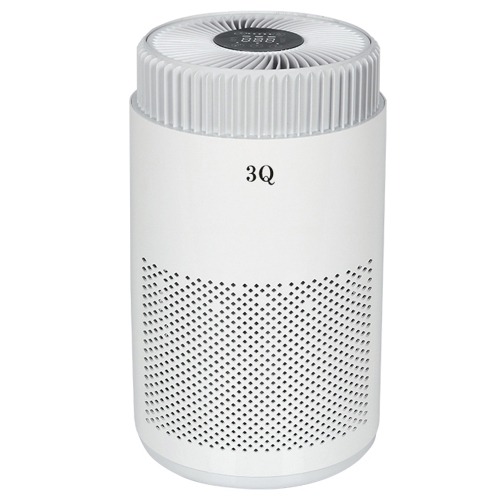
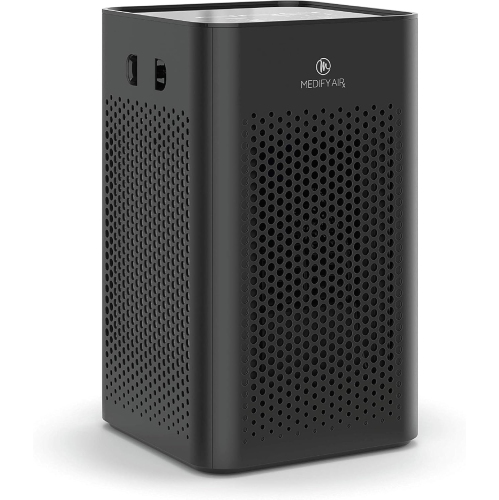

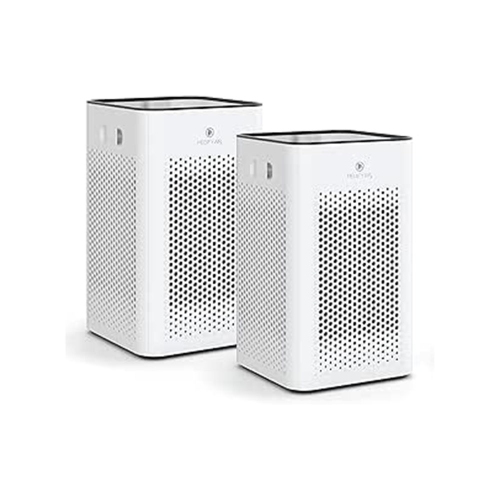


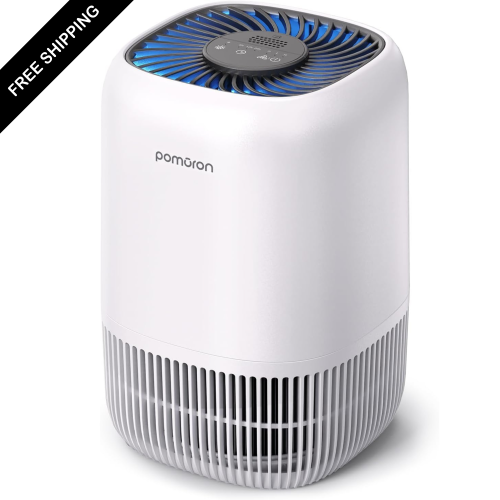
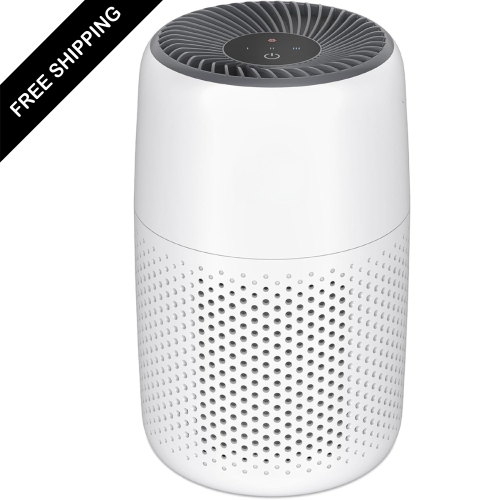
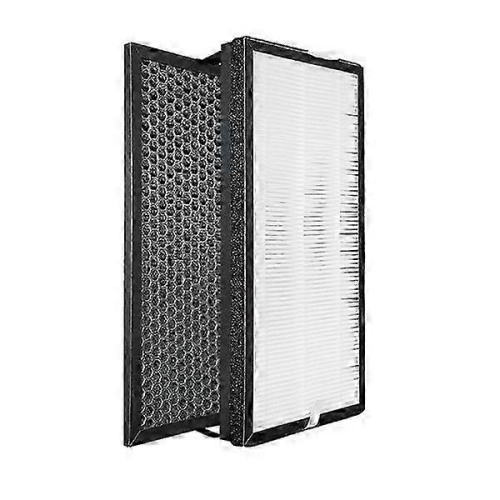
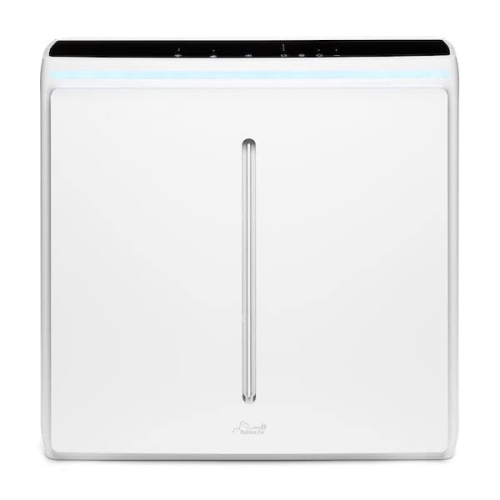

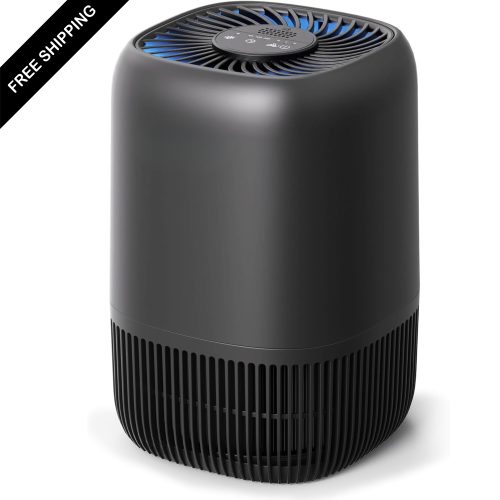

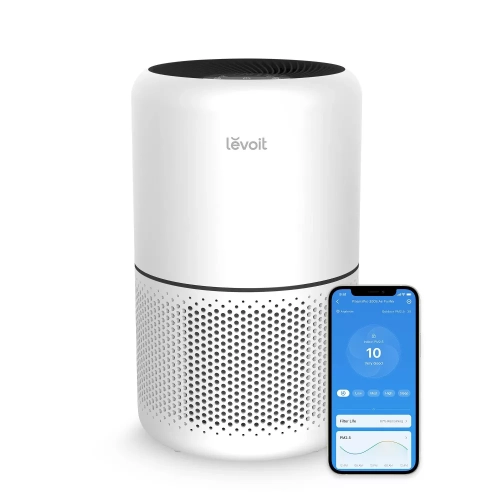
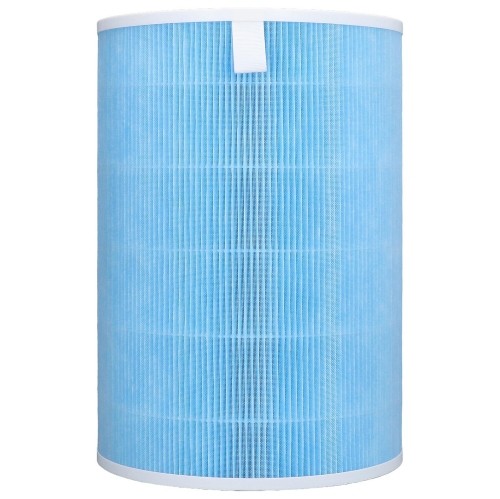
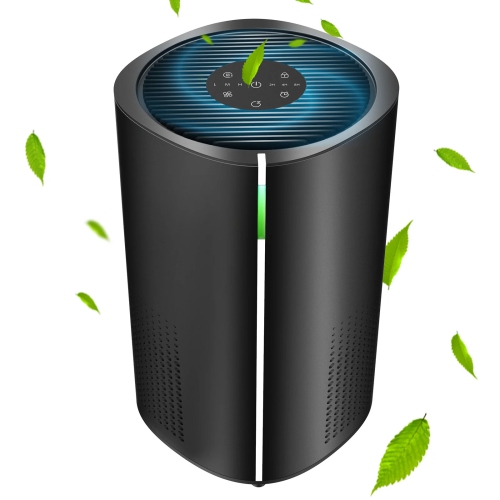
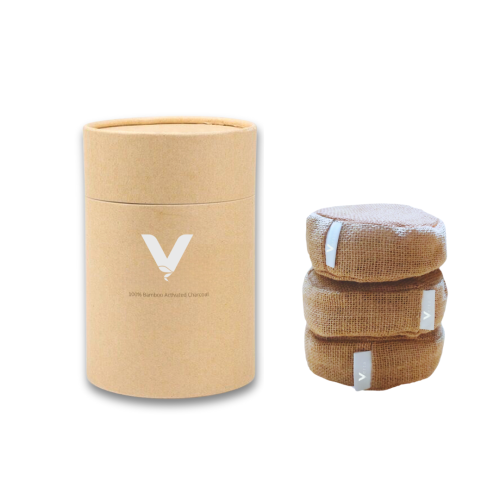
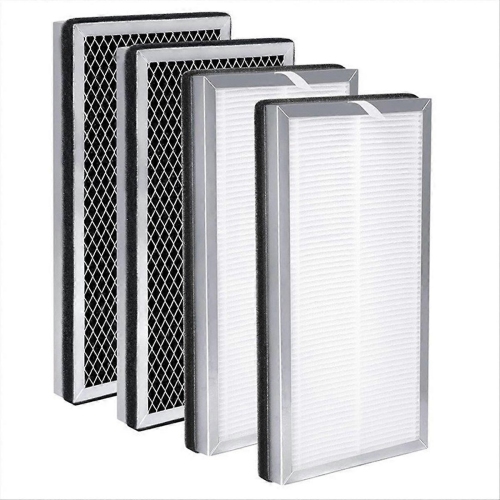
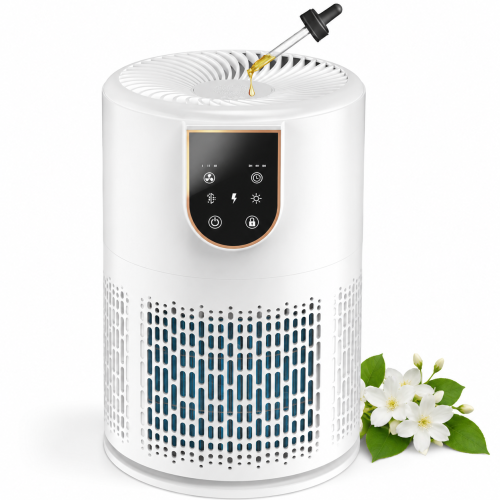
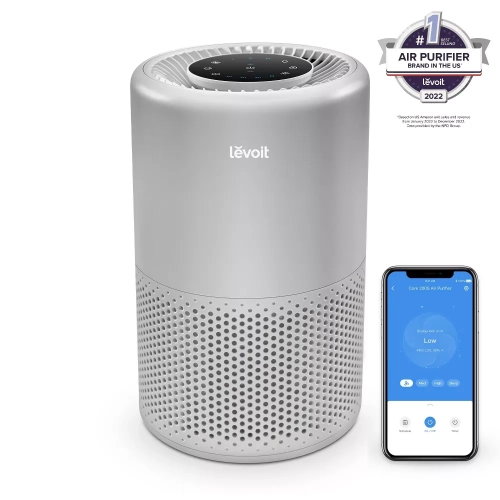
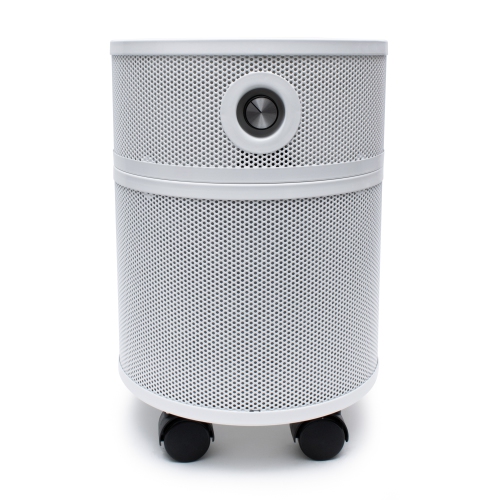
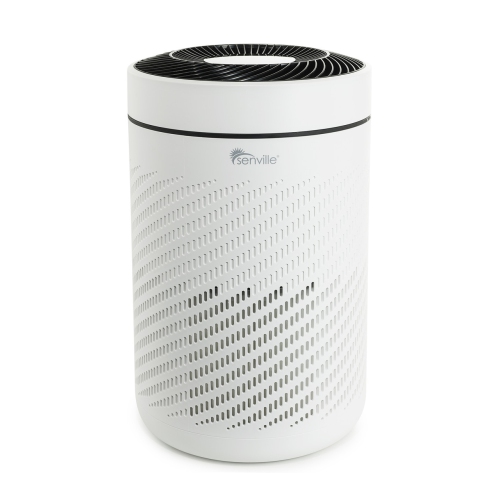
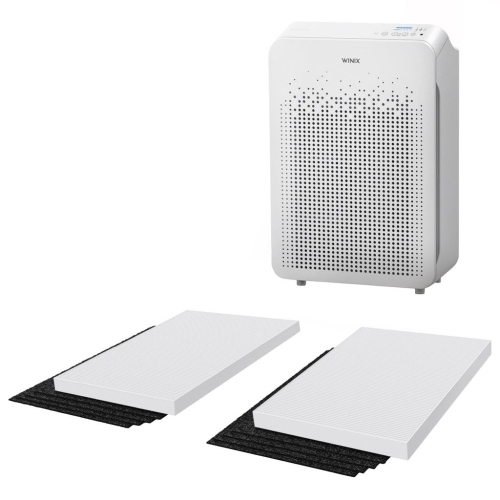
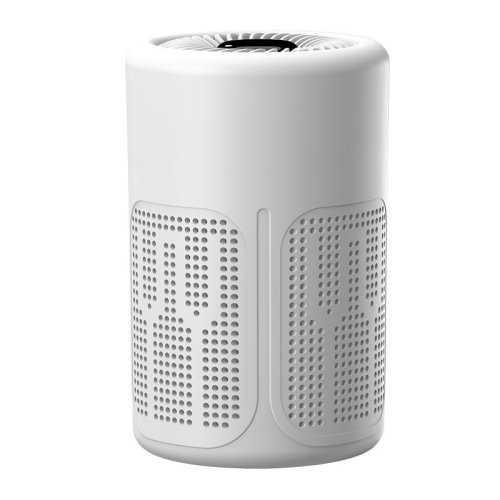


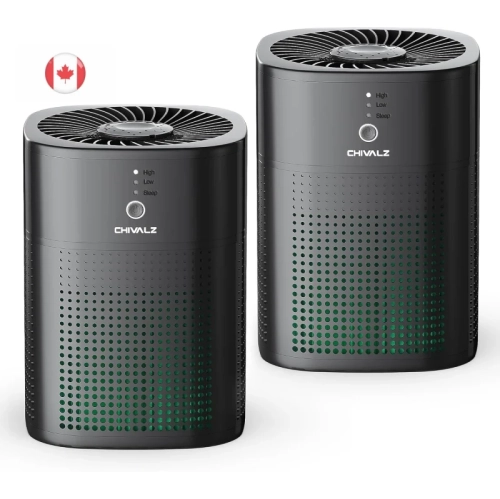
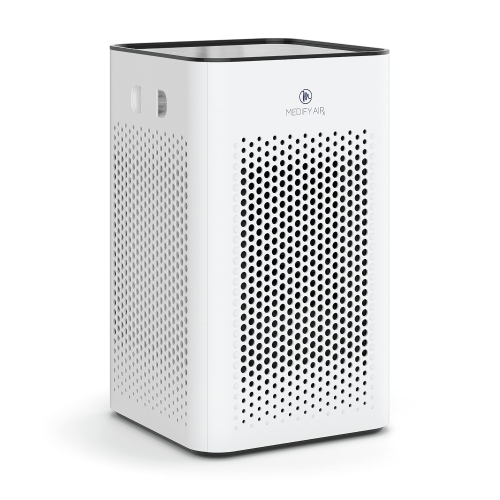
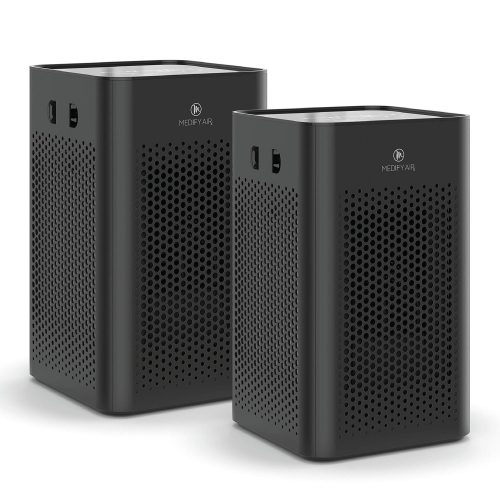
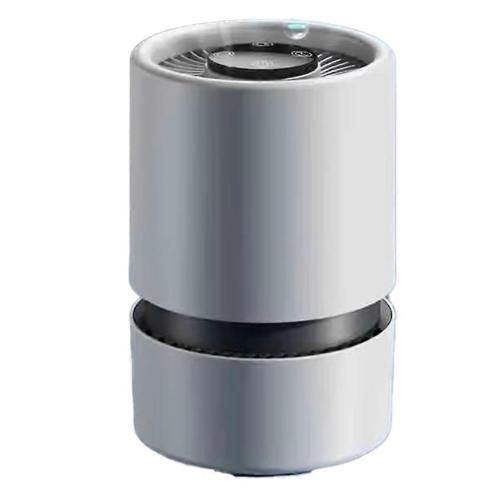
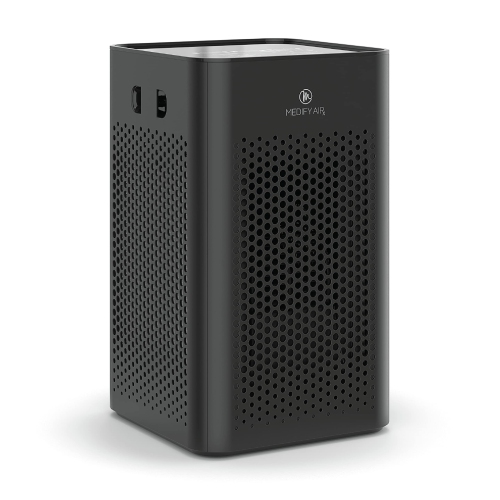
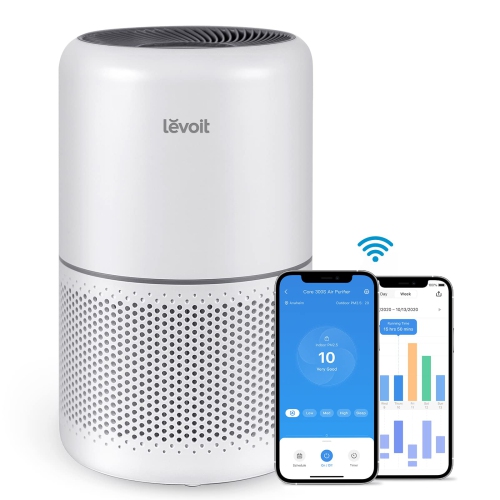
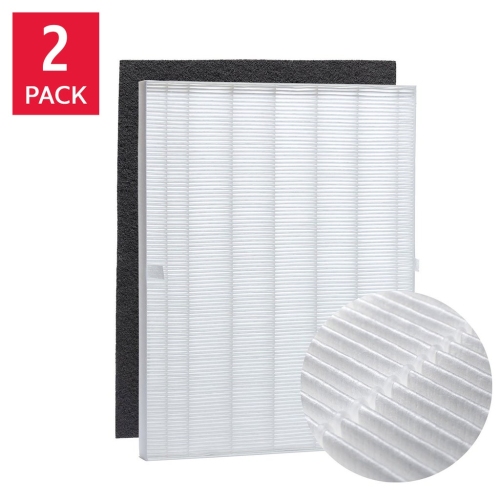
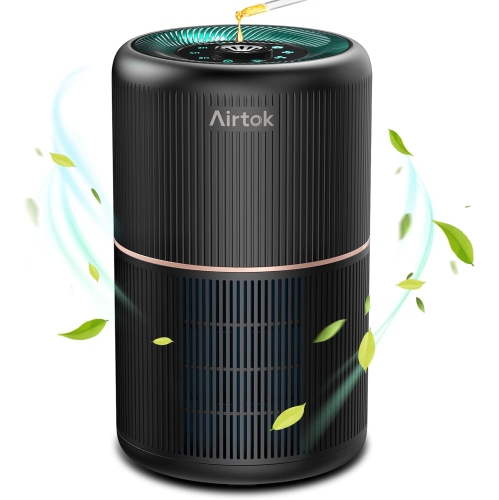
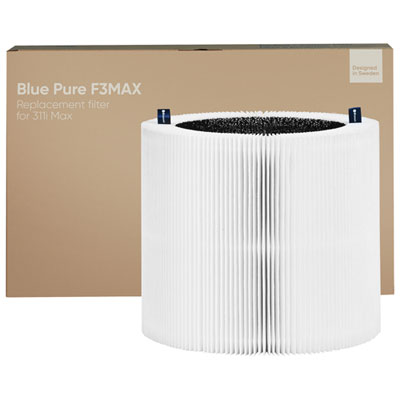
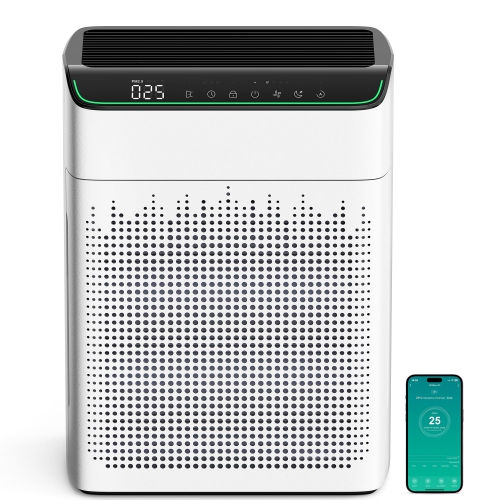
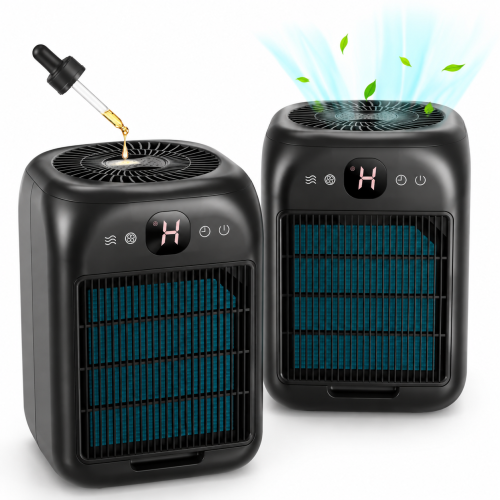
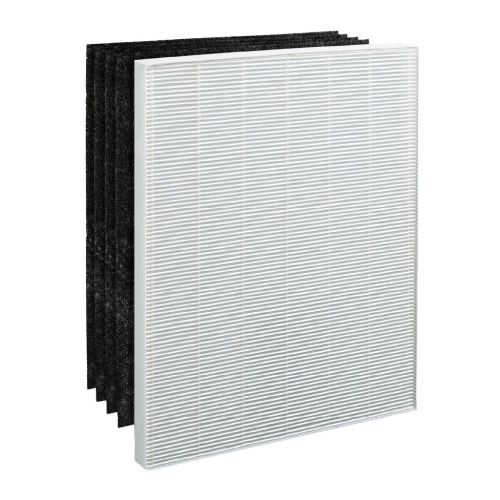
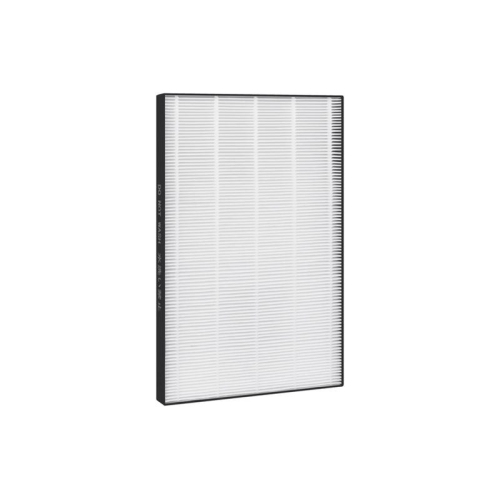
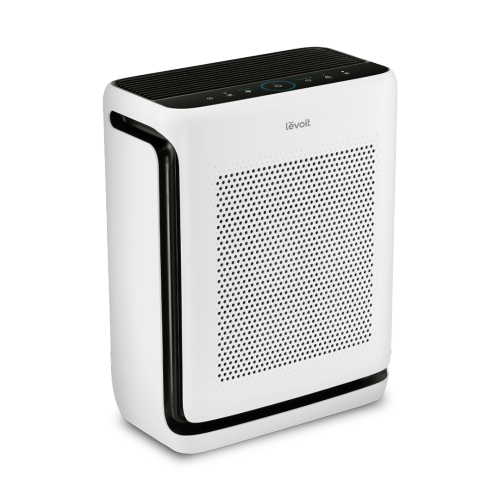
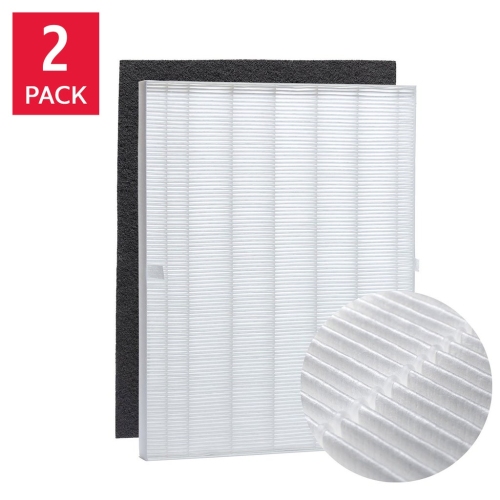
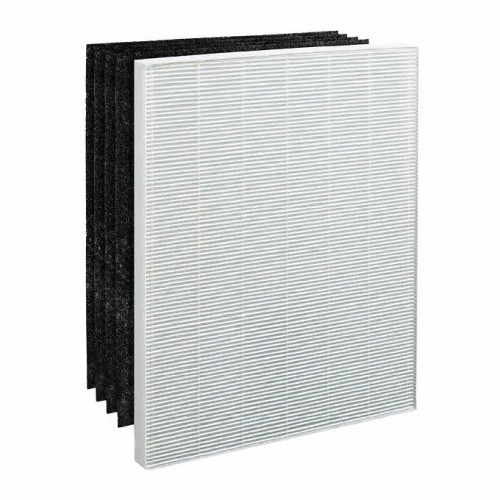
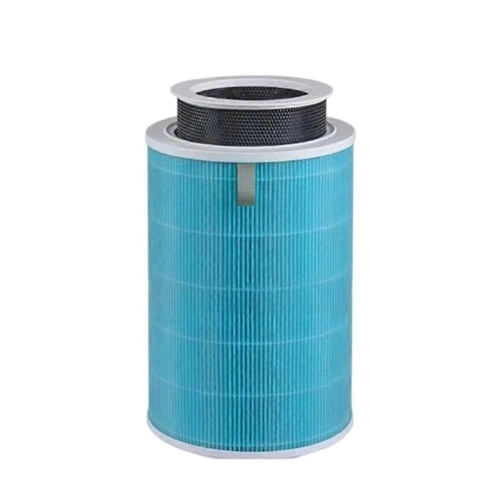
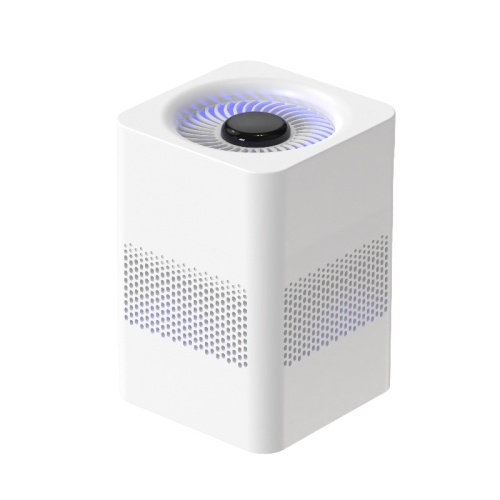
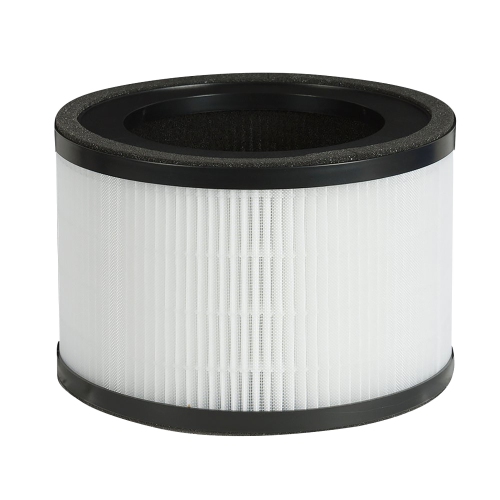

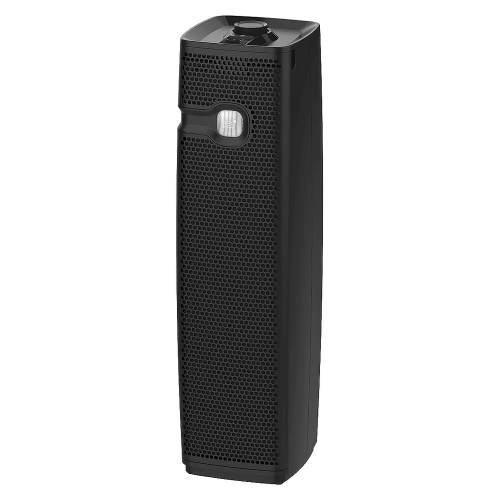

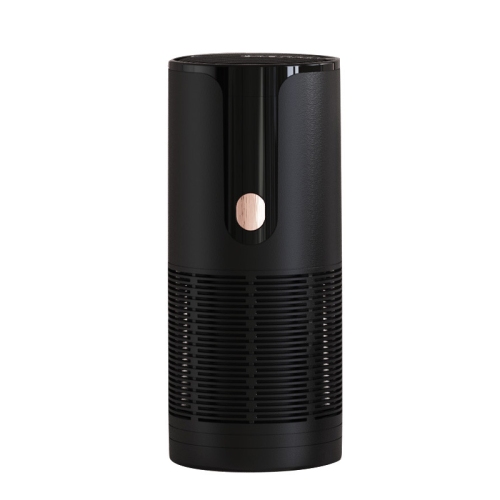
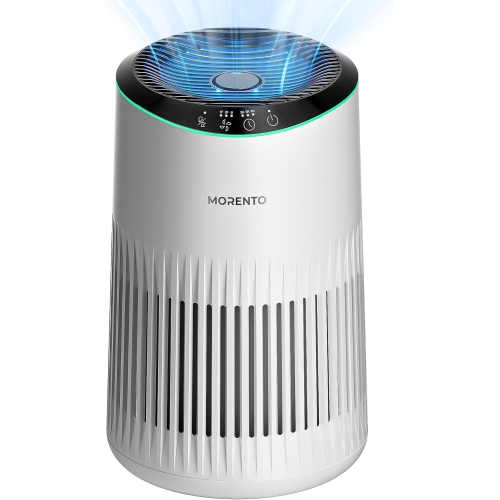
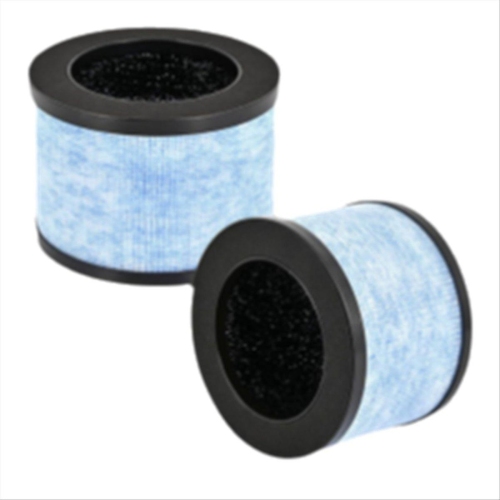






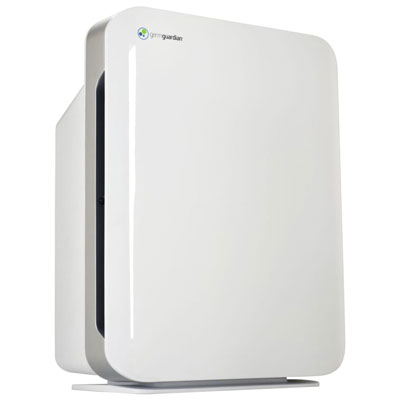


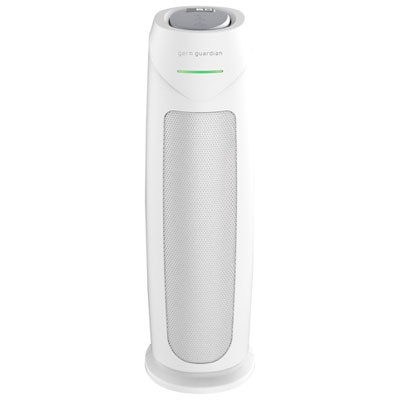
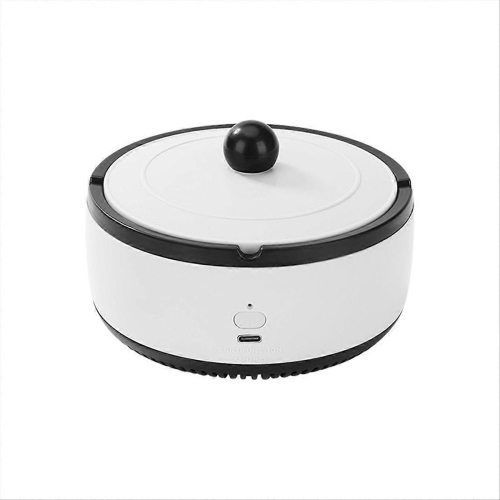
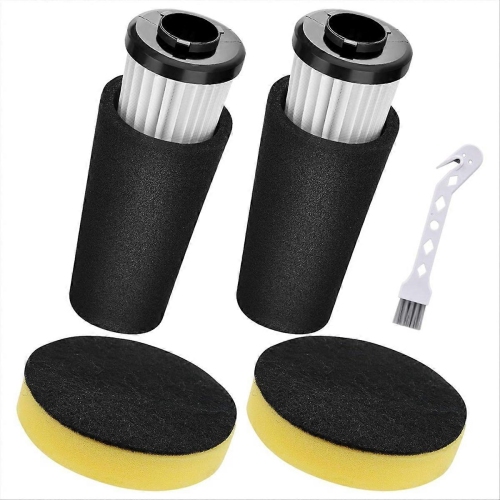





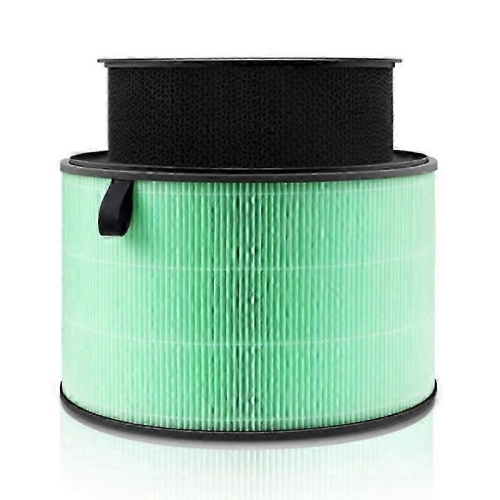
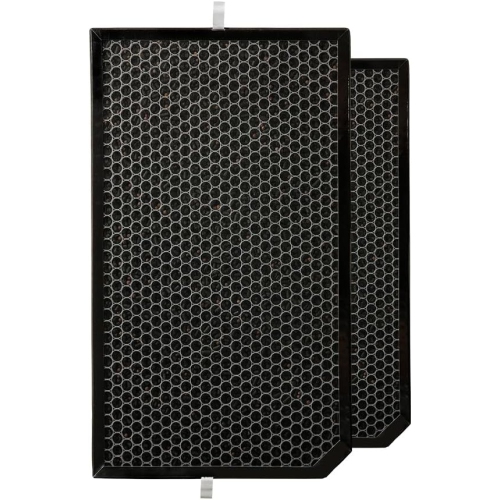
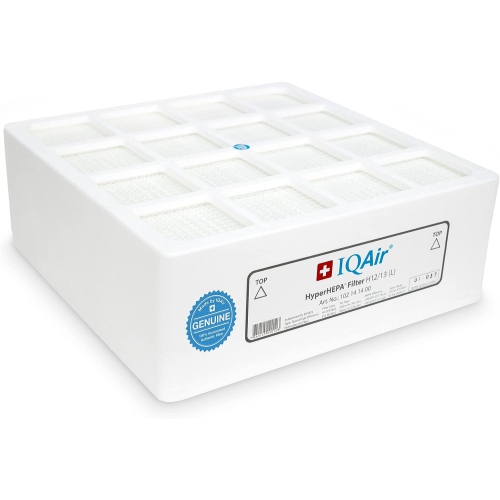
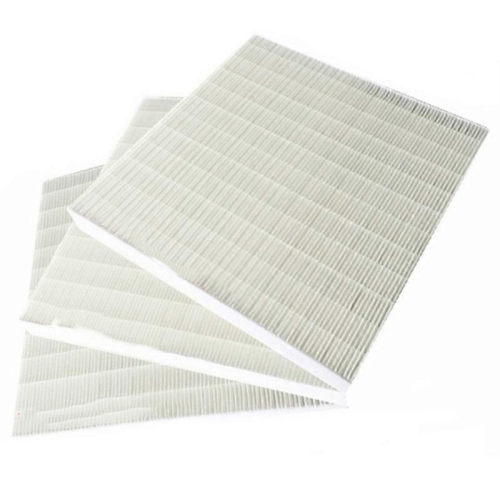
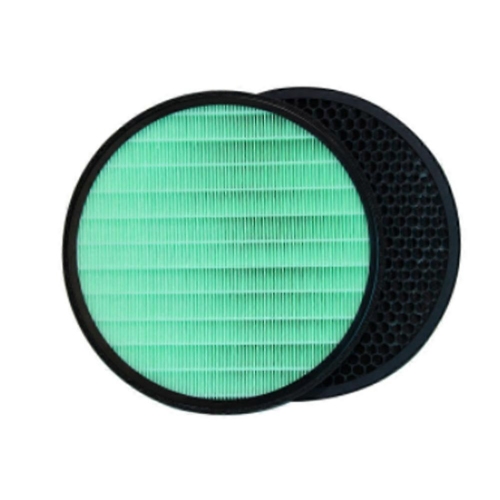
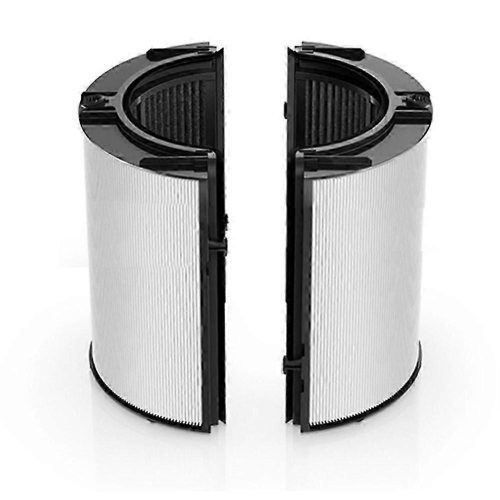
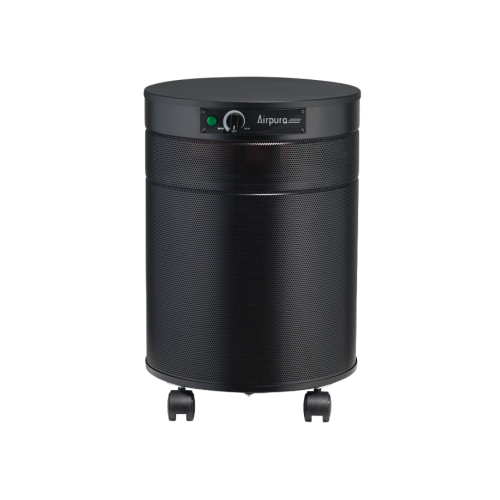
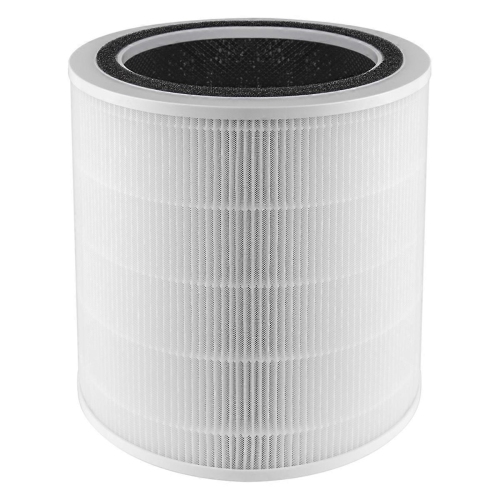
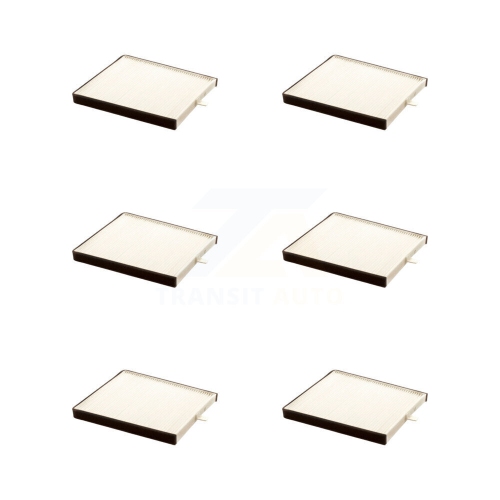

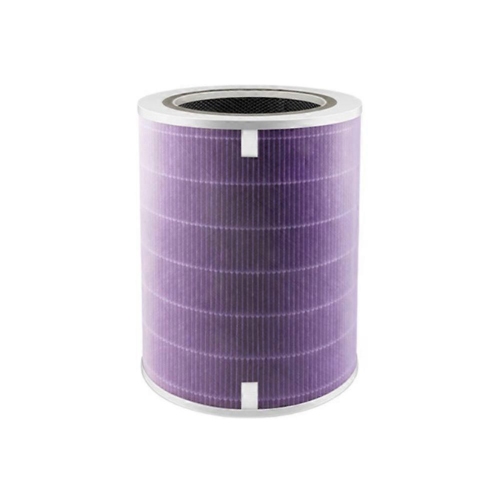
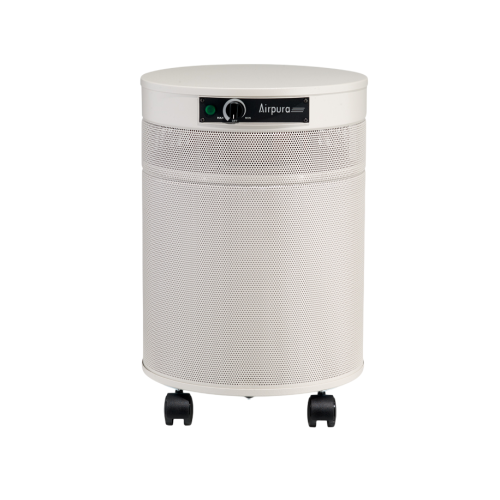


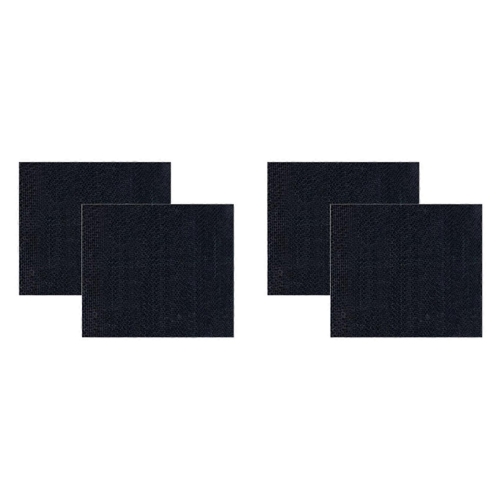
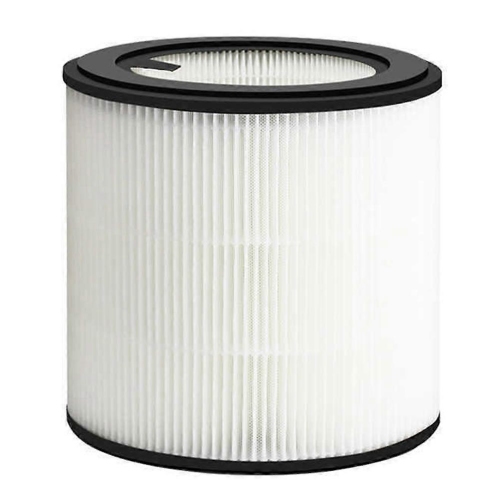
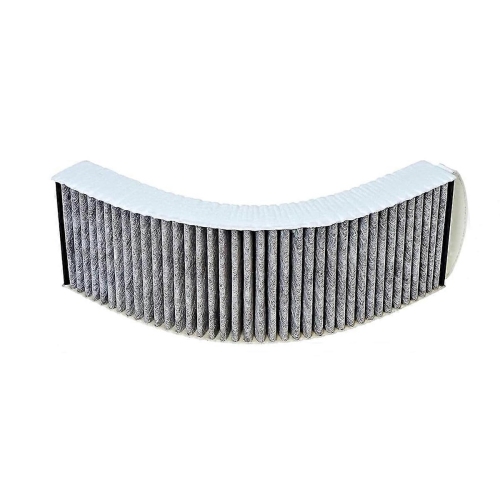
Match filtration to smoke source, room size and airflow
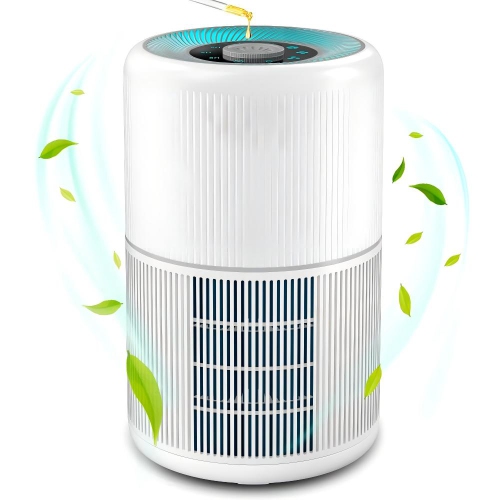
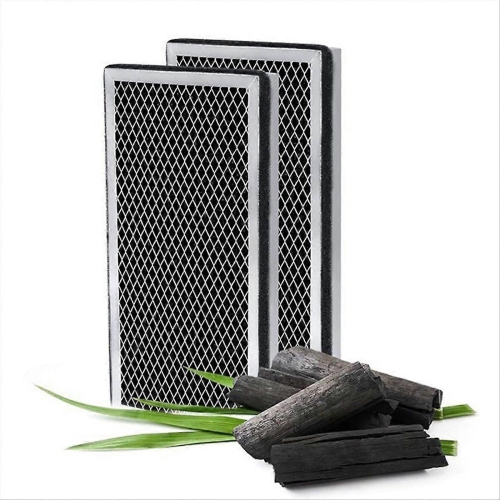
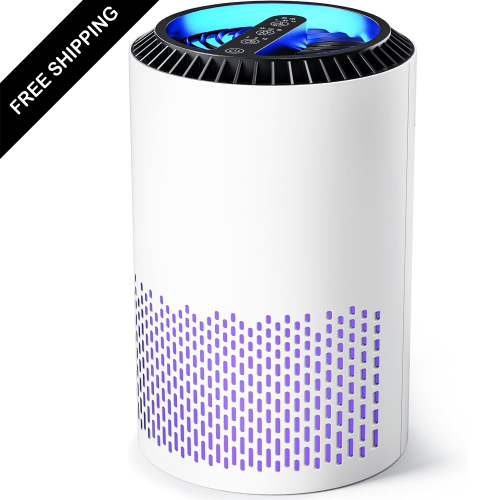
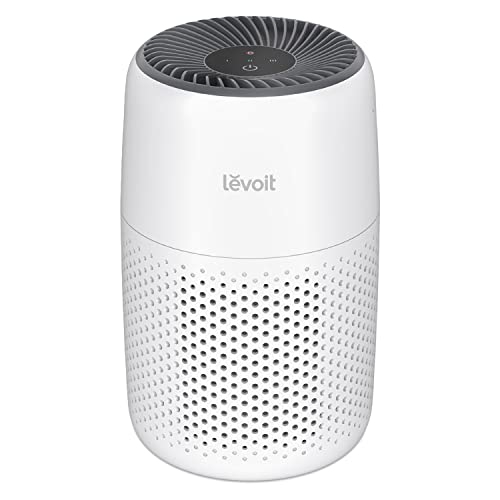
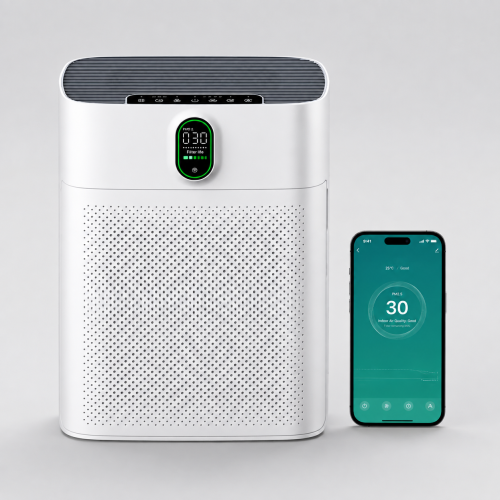
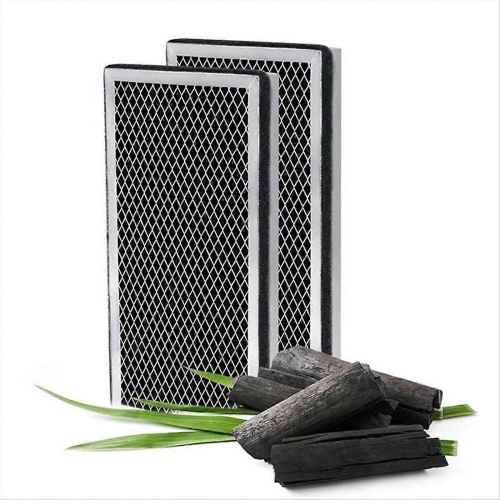
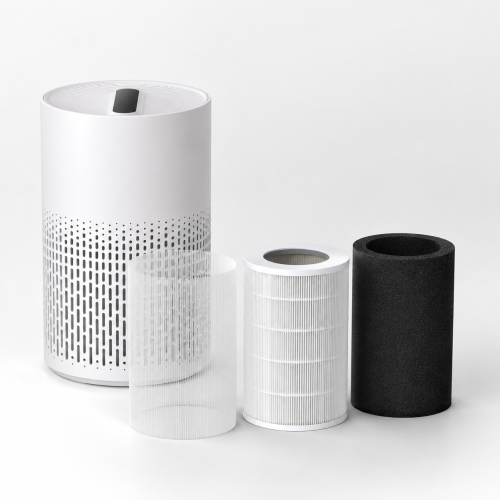
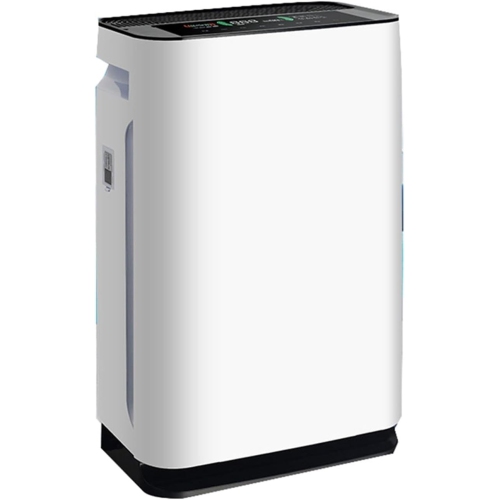
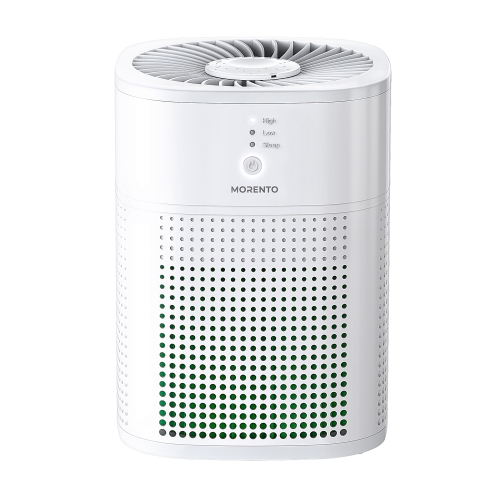
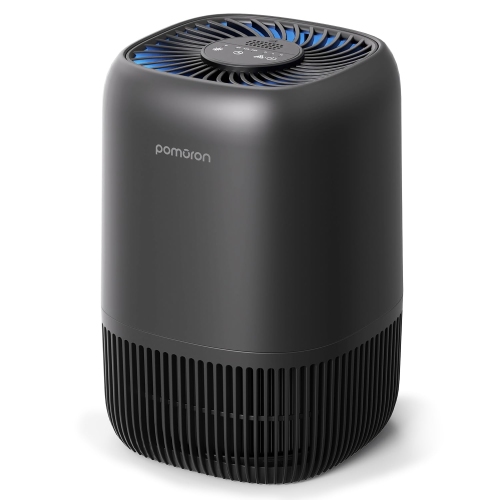
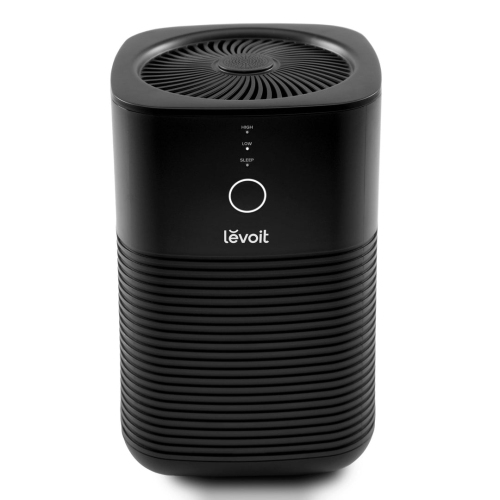
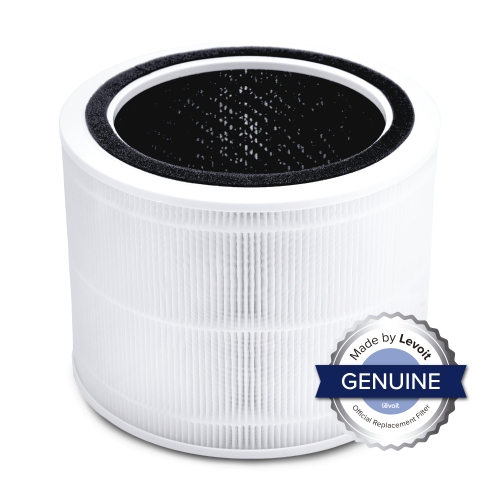
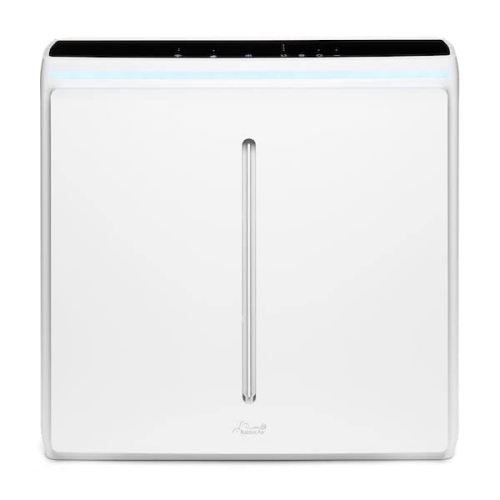
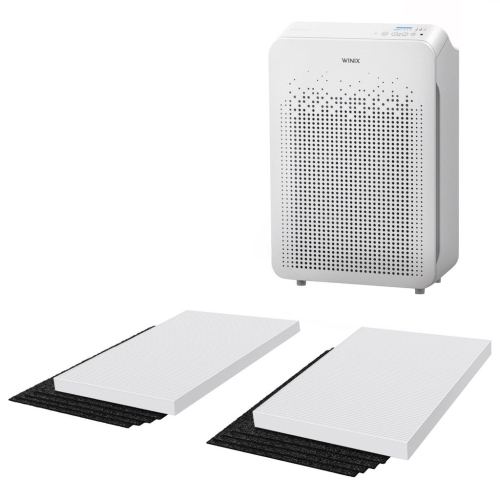
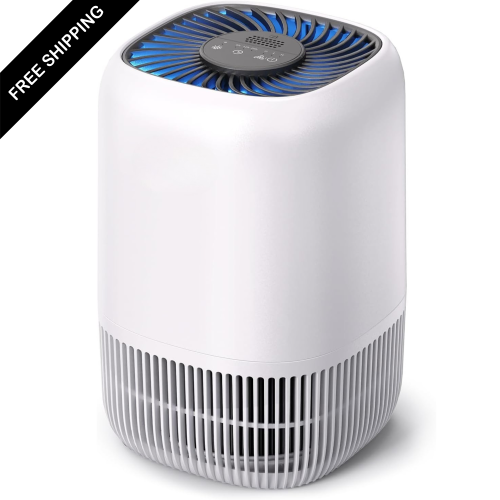
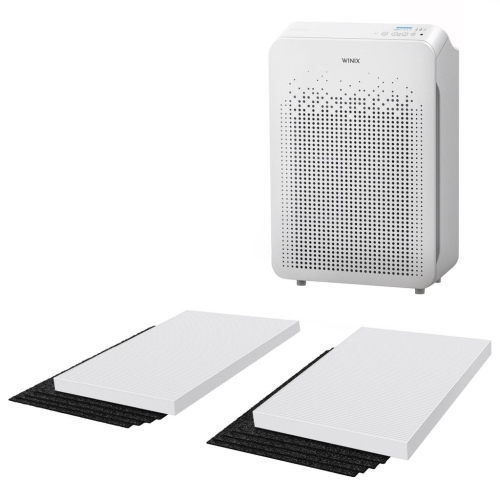
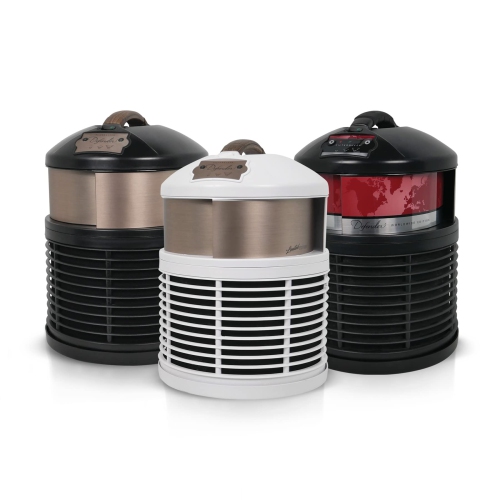
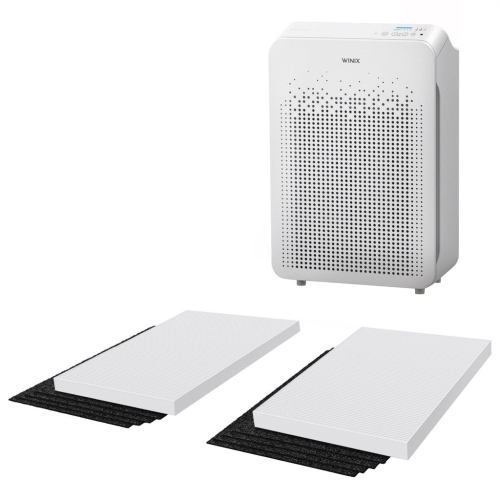
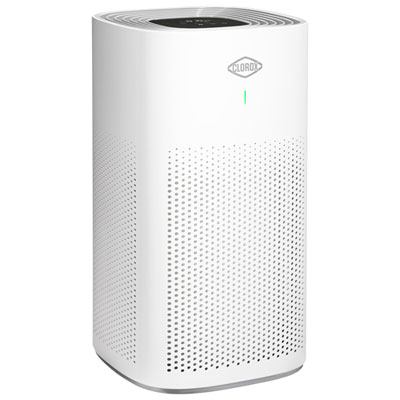
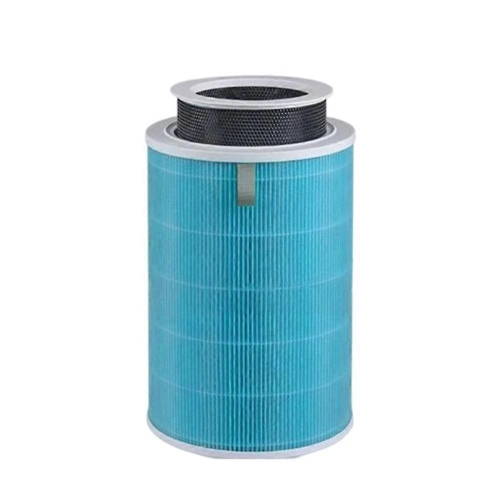
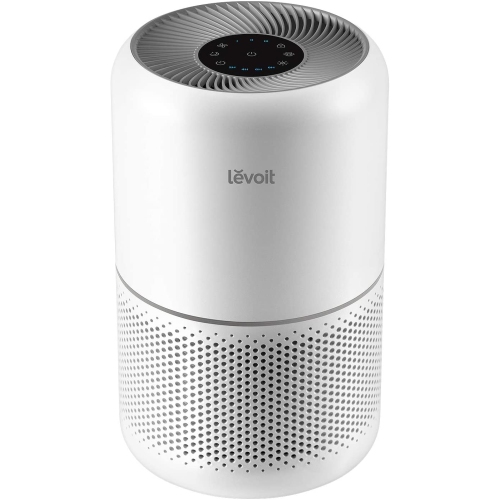
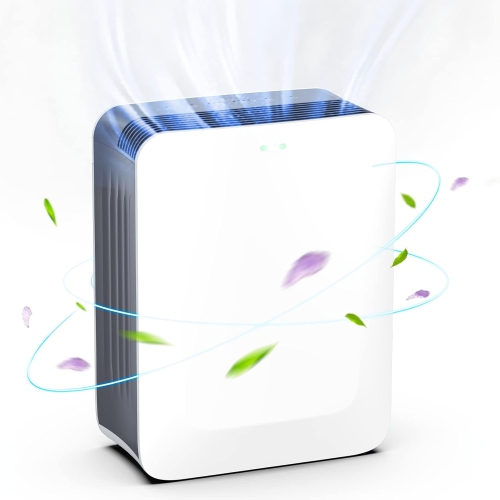
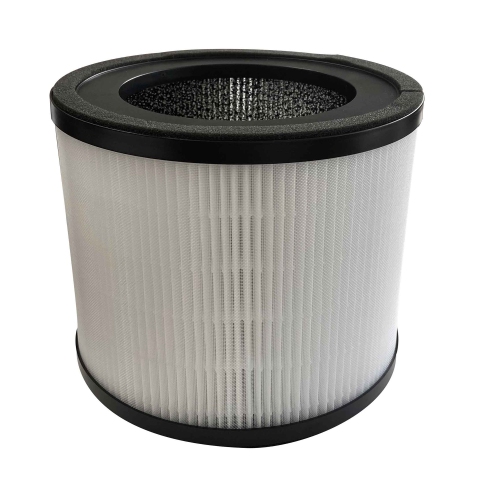
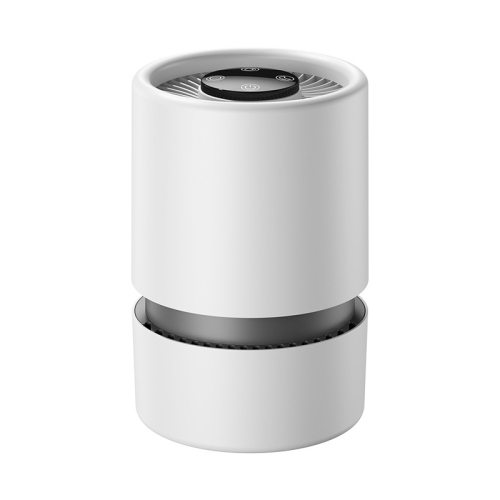
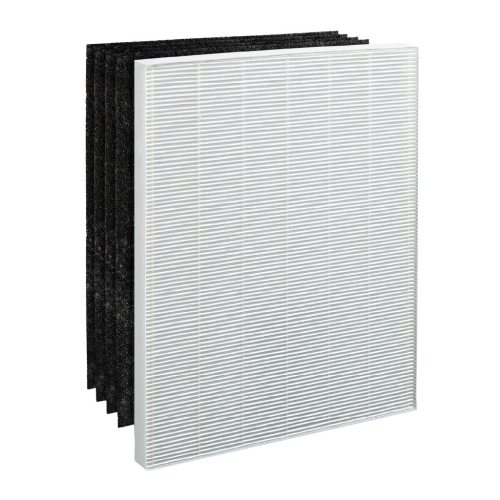
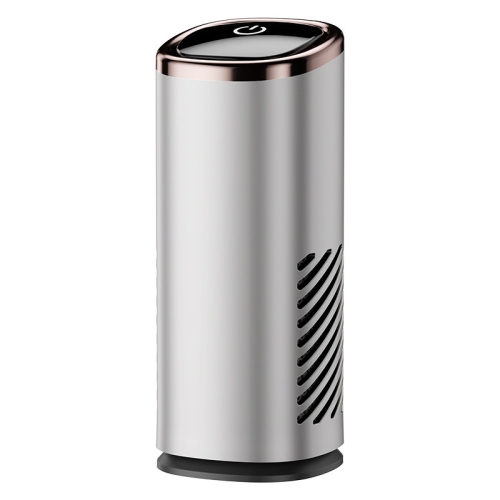
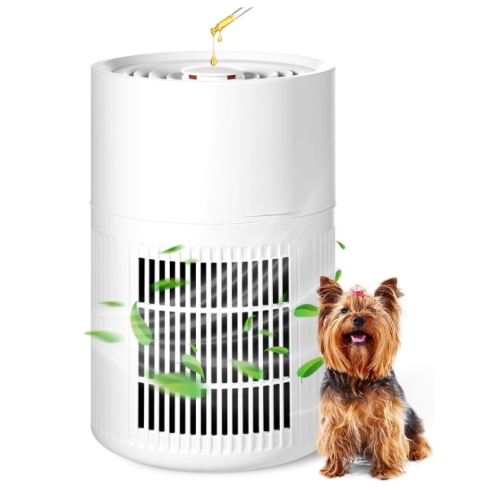
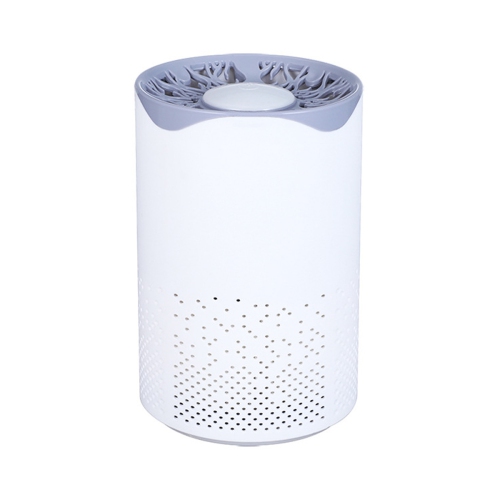
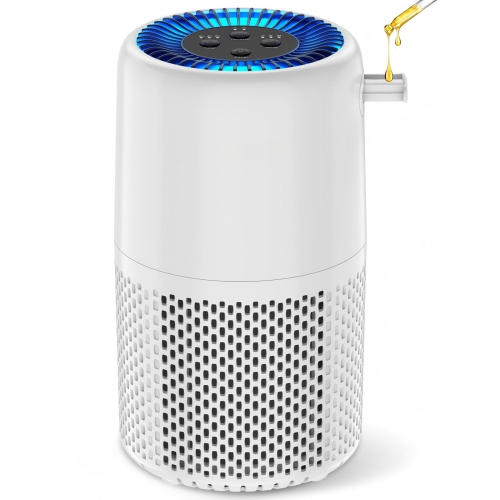
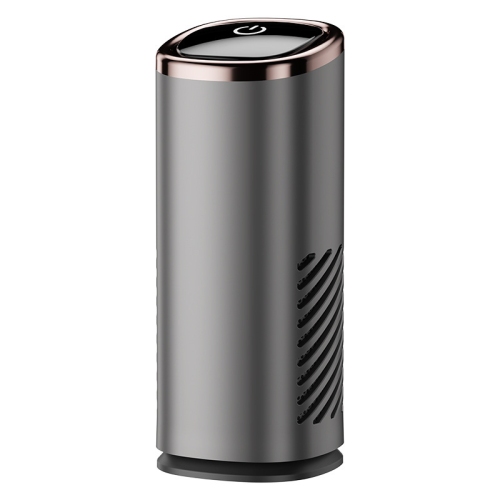
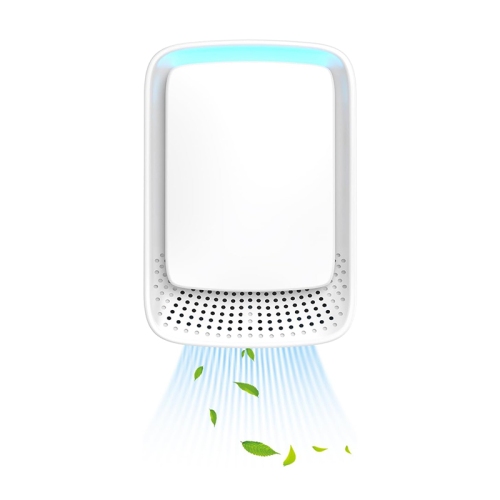
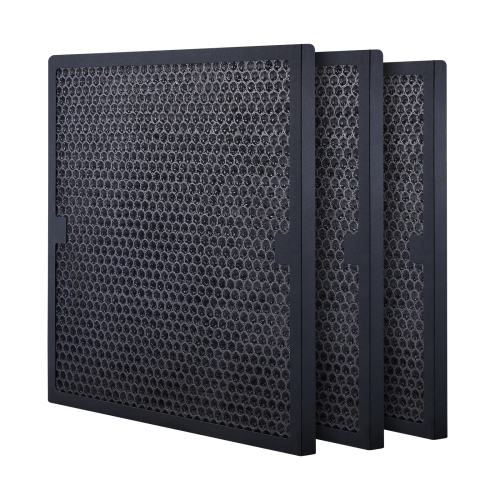
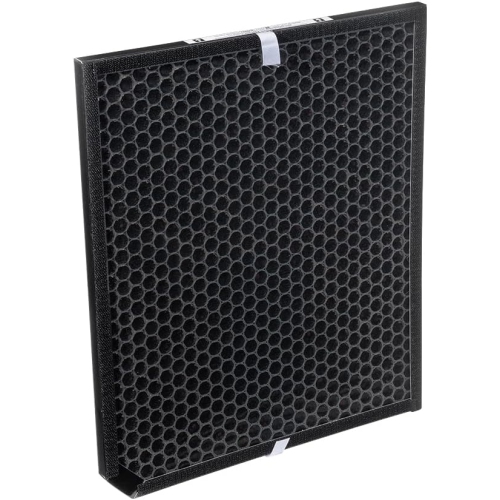
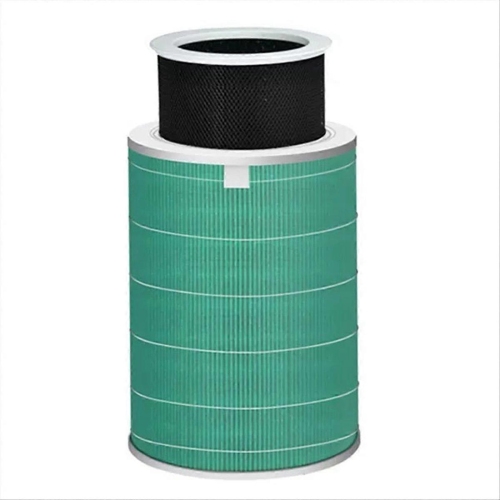
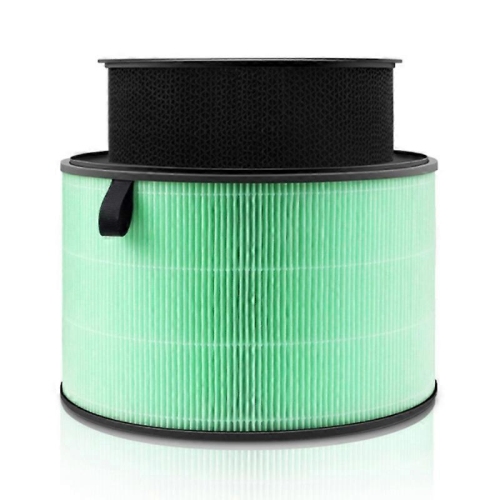
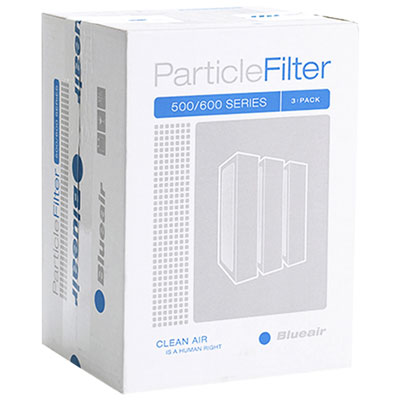
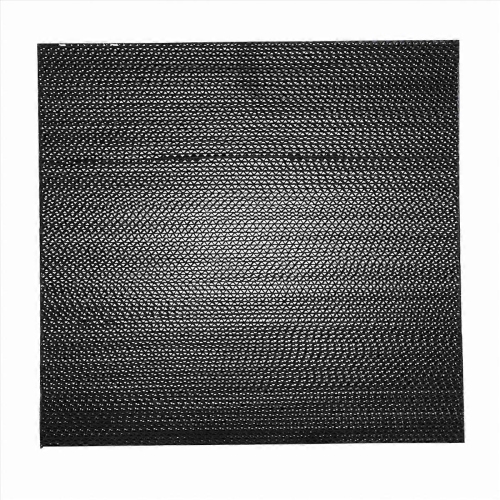
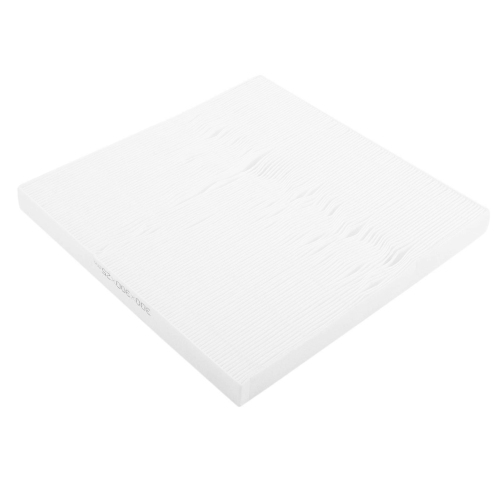
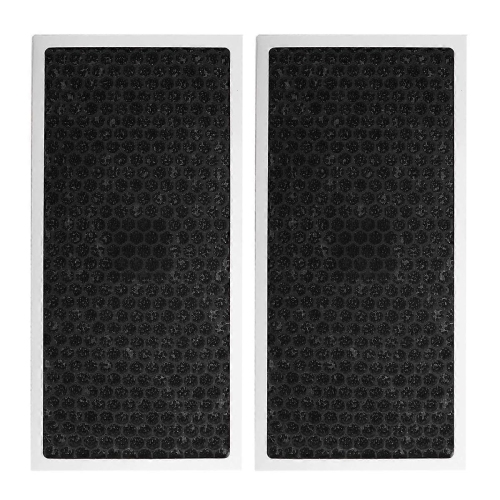
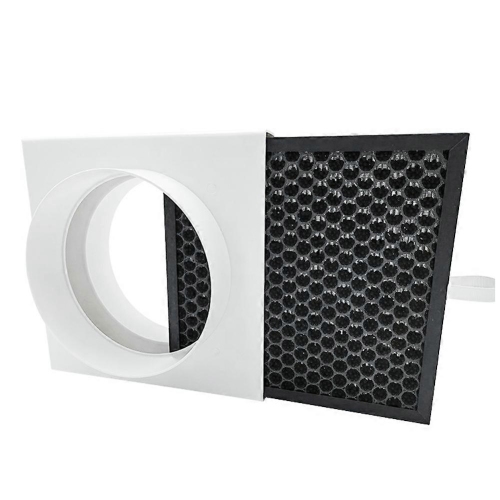
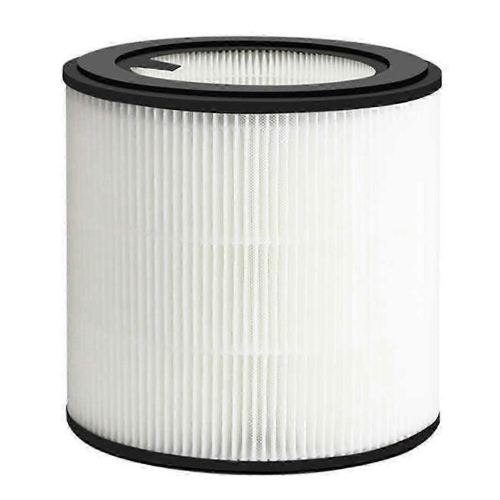
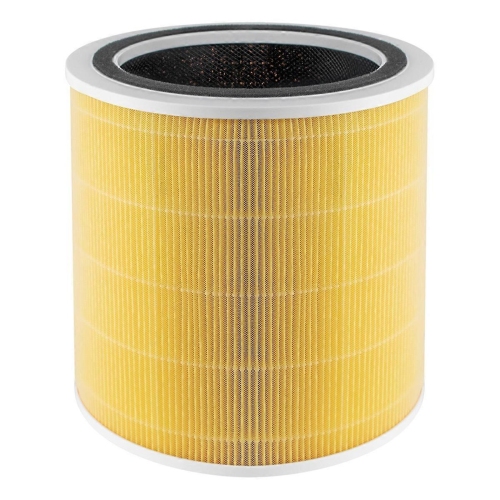
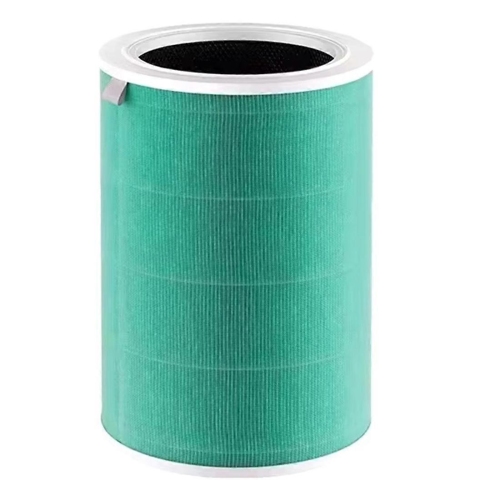
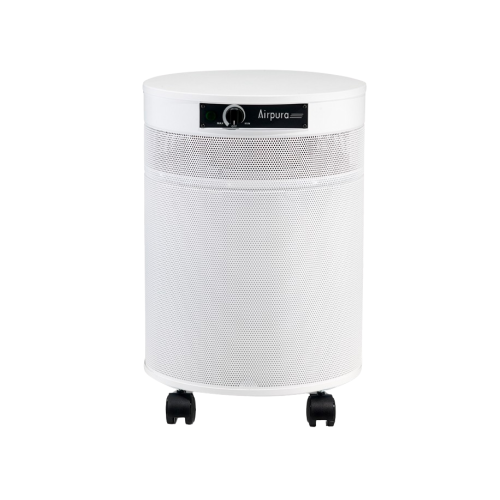
Smoke air filters can help improve indoor air quality when smoke from cooking, fireplaces, tobacco, or outdoor fires enters the home. Smoke is made up of both fine particles and gases, so the most effective filtration setup generally combines more than one type of filter. A True HEPA filter is designed to capture very small airborne particles, including fine smoke particles, ash, dust and other irritants. Activated carbon helps reduce odours and absorb certain gases released by smoke. For stronger odour control, look for a filter with a substantial amount of carbon, such as carbon pellets or a deep carbon bed, rather than relying only on a very thin carbon-coated sheet. The term “smoke air filters” can refer to replacement filters, portable air purifiers and HVAC filters, so checking the product type, dimensions and intended use is an important first step. Portable units are useful for bedrooms, offices, living rooms and other occupied spaces, while furnace or central air filters are designed to work with a home’s existing heating and cooling system. A replacement filter should match the exact size and specifications recommended by the appliance or HVAC manufacturer. For portable air cleaners, compare the Clean Air Delivery Rate (CADR), recommended room size and noise level. A higher CADR generally means the unit can circulate and clean air more quickly, which is particularly helpful when smoke levels are noticeable or when a purifier is being used in a larger open-concept room. In a compact bedroom, a quieter unit with a suitable room rating may be more comfortable for overnight use; in a family room, basement or shared living area, stronger airflow may be the better fit. Placement also affects performance. Leave space around the air intake and exhaust, avoid blocking vents with furniture or curtains, and position the purifier in the room where people spend the most time. Closing windows and doors during periods of heavy outdoor smoke can reduce the amount of new smoke entering the space, while normal ventilation can be helpful when outdoor air quality improves.
Choosing between smoke air filters depends on the source of the smoke and how frequently filtration will be needed. Wildfire smoke can travel indoors through small gaps, open windows, ventilation systems and attached garages, leaving a sharp, lingering smell and a fine haze on surfaces. A portable purifier with True HEPA filtration and activated carbon can provide targeted filtration in a bedroom or common area, while a properly rated HVAC filter can help circulate cleaner air throughout more of the home when the system is running. For tobacco smoke, odour control is often a priority because the smell can settle into fabrics, upholstery and clothing. Activated carbon may help reduce airborne odours, but no filter replaces cleaning, source control and adequate ventilation when conditions allow. Cooking smoke can also contain fine particles, especially when frying, searing or using high heat. Running a range hood that vents outdoors, using a purifier nearby and replacing filters as recommended can help keep the kitchen and adjacent rooms more comfortable. If you are selecting a furnace filter, MERV ratings provide a useful way to compare particle filtration, with MERV 13 commonly considered a strong choice for capturing fine airborne particles when the HVAC system is designed to handle it. A filter that is too restrictive for a particular furnace or air handler may reduce airflow, so confirm compatibility before installation. For a temporary air-cleaning setup, some people use a properly fitted high-efficiency furnace filter with a box fan, but the filter must be secured firmly, the fan should be in good condition and the setup should never be left unattended. Portable air purifiers should also be checked for safety features, replacement filter availability and operating costs. Avoid products that intentionally generate ozone, since ozone can irritate the lungs and is not a substitute for particle or odour filtration. When comparing replacement filters, consider the filter’s service life, indicator lights, washable or disposable components, and how easily the filter compartment can be accessed. A clogged filter may restrict airflow and reduce performance, while an overdue carbon filter may continue moving air without controlling odours as effectively.
Smoke air filters can be a practical addition for households with seasonal wildfire concerns, residents of urban areas, people who cook often, and anyone who wants extra filtration in a sleeping or working space. They can also be a thoughtful housewarming or practical home-comfort gift, particularly for someone moving into a new apartment, setting up a home office or preparing a nursery or guest room; choose a quiet, appropriately sized unit rather than assuming the largest model is always best. People with asthma, allergies or other respiratory sensitivities may appreciate cleaner indoor air, although air filters are not medical devices and should not replace advice from a healthcare professional. For the best results, use the filter consistently during smoky conditions, keep doors and windows closed when outdoor air is poor, and monitor local air-quality guidance. Replace or clean components according to the manufacturer’s instructions, since particle filters and carbon filters do not always need replacement at the same interval. Pre-filters can collect larger dust and hair before they reach the main filter, helping maintain airflow, but they still require regular attention. If odours are the main concern, explore Activated Carbon Air Filters and compare the amount and format of carbon used. If fine particles are the priority, look for True HEPA filtration and a CADR suited to the room. If whole-home coverage matters most, confirm the HVAC filter size, MERV compatibility and installation direction. Taking these details into account makes it easier to choose smoke air filters that suit the space, the source of the smoke and the way the room is used during the cooler months.
Top selling and popular products
-
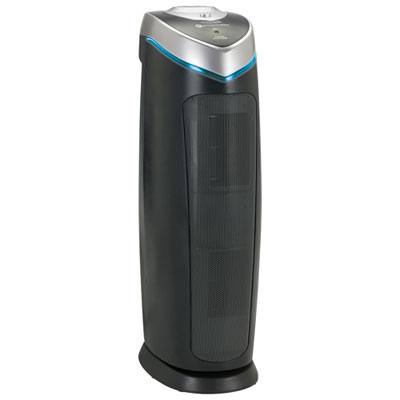 Your price for this item is $139.99
-
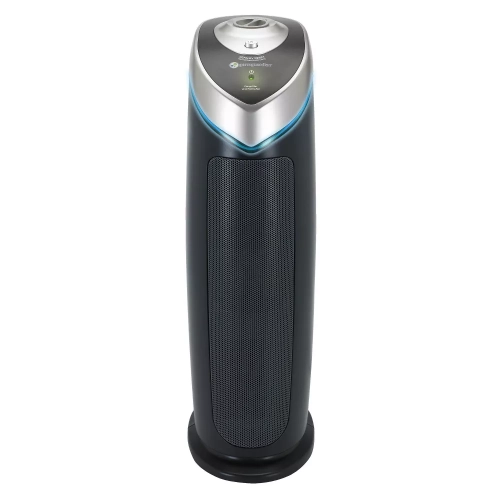 Your price for this item is $323.72
-
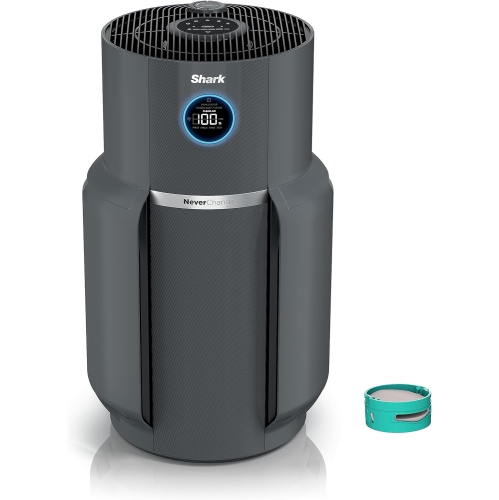 Your price for this item is $999.99
-
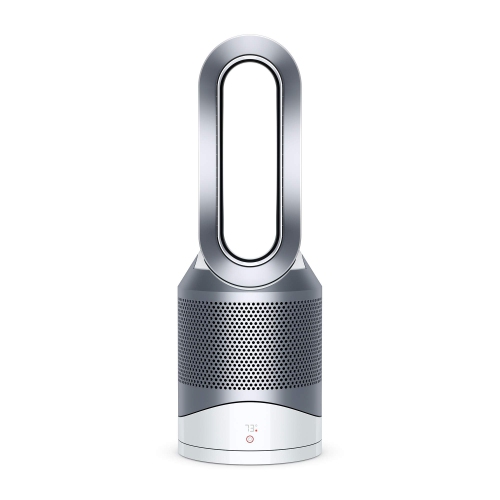 Your price for this item is $729.99
-
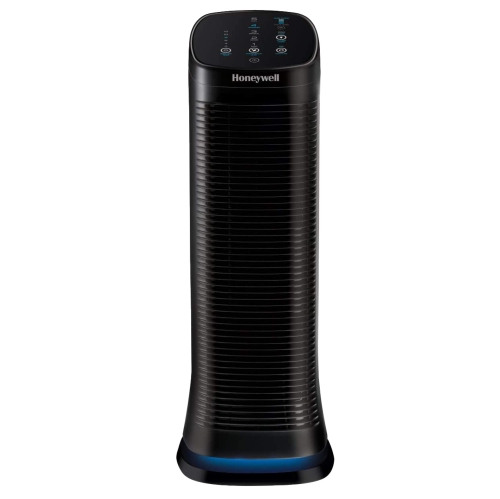 Your price for this item is $583.14
-
 Your price for this item is $719.39
-
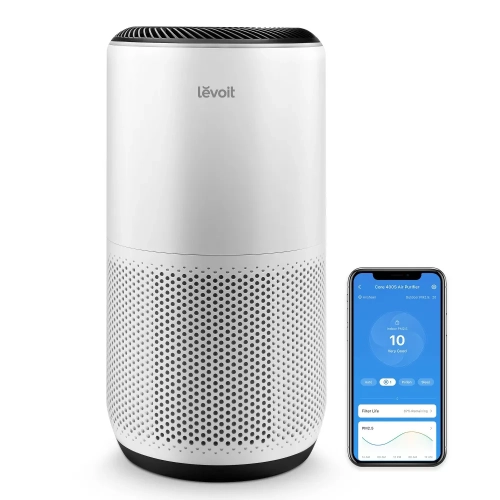 Your price for this item is $699.99
-
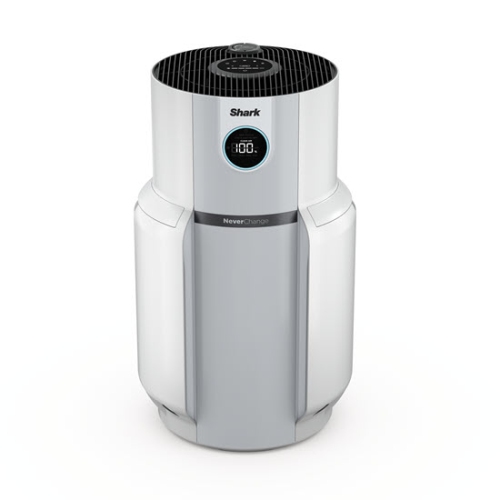 Your price for this item is $229.95
Discover more categories related to Smoke Air Filters
Top Collections:
Pokemon Centers, Best Cameras for Sports Photography, Kindle Devices, Samsung Galaxy Phones, Canon G7X Cameras, Pokémon 30th Celebration Cards, Refurbished Apple Laptops, iPhone 15 Apple, Laptops for Students, Budget Smartphones
Some products may be subject to Environmental Handling Fees
(EHF) depending on your province.
Learn more about EHFs.