Efficient Water Heaters
Upgrade your home with this selection of efficient water heaters that are designed to provide you with reliable hot water while helping you save on energy costs. Whether you're looking for a tankless water heater for endless hot water on demand or a high-efficiency traditional water heater, we have a variety of options to suit your needs. Say goodbye to cold showers and hello to an environmentally friendly and cost-effective solution for your everyday hot water needs.
Sort
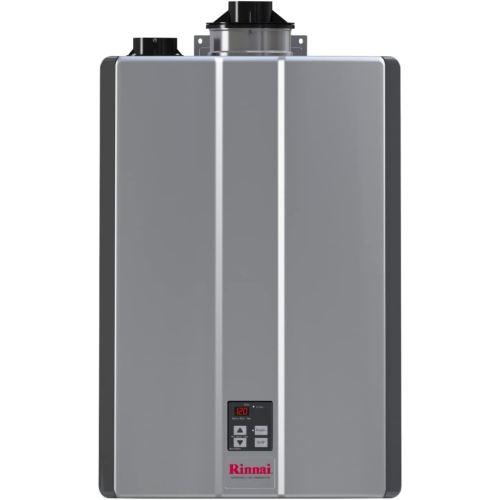
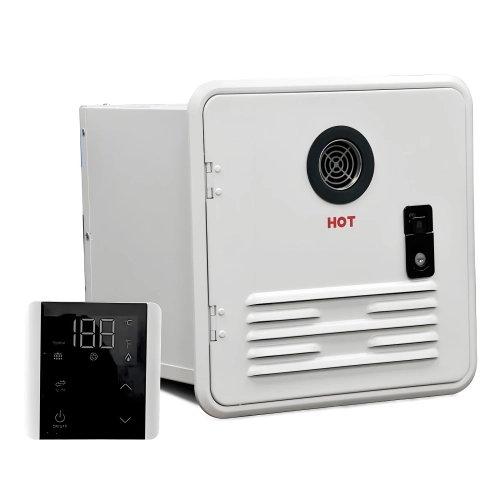

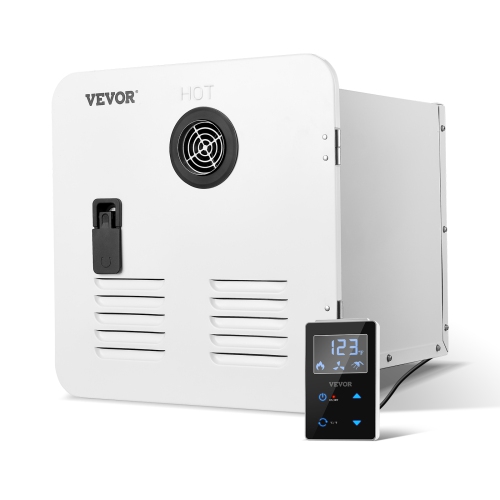
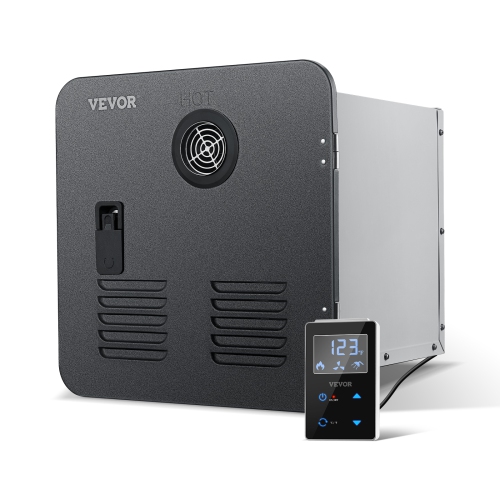
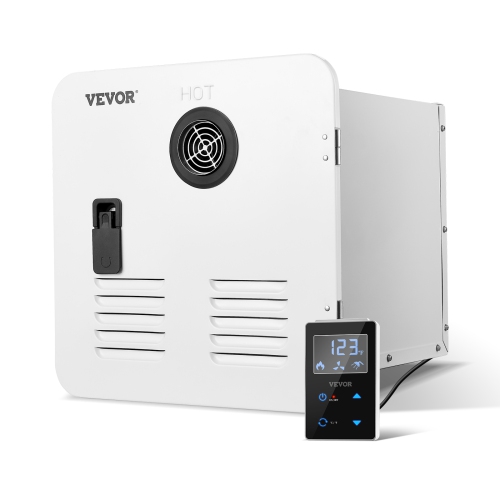

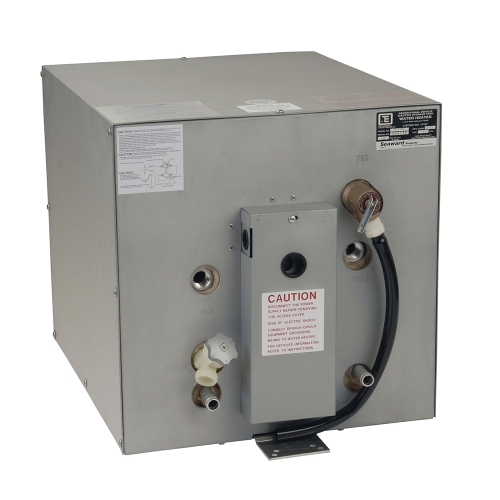
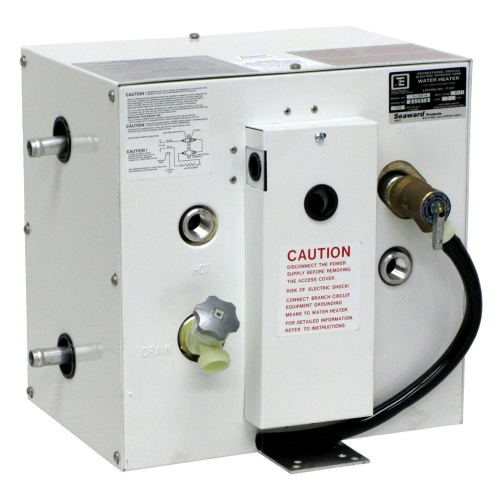
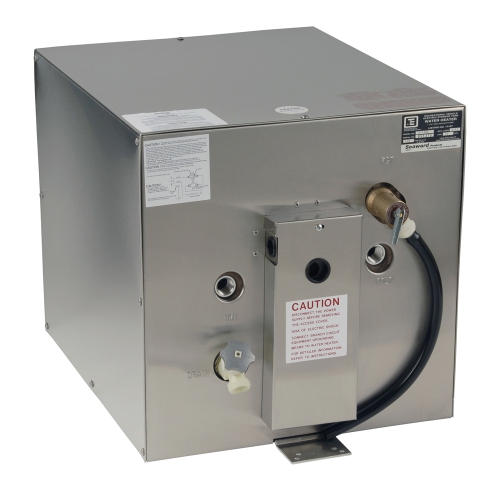
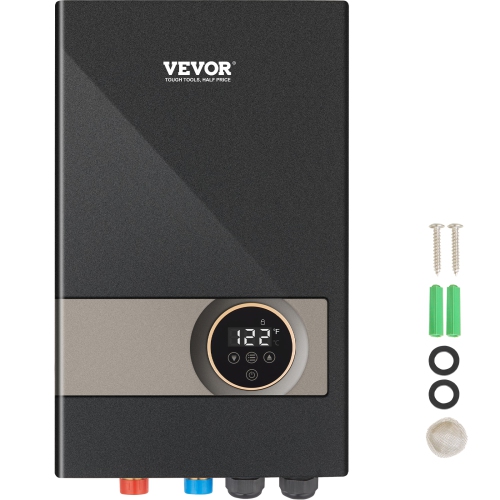
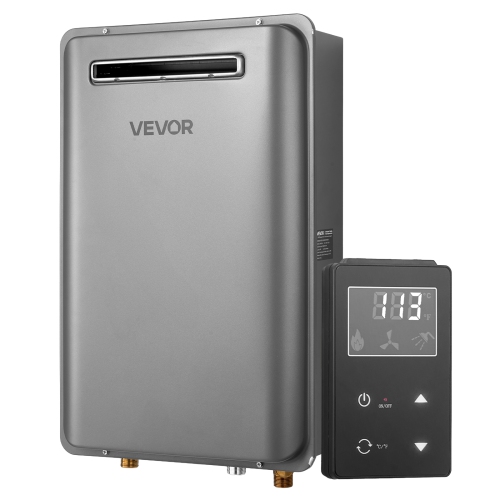
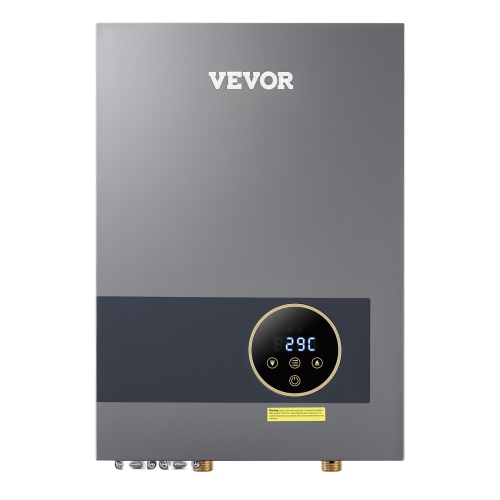
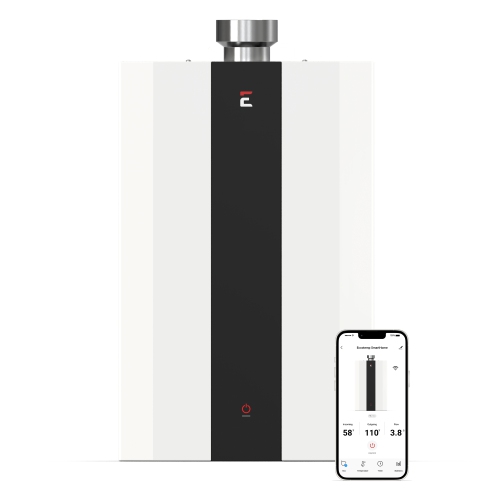
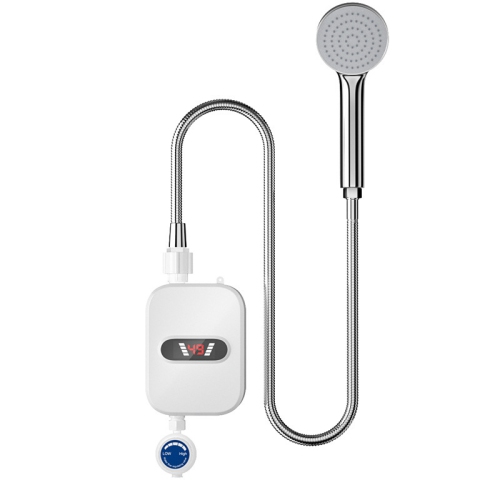
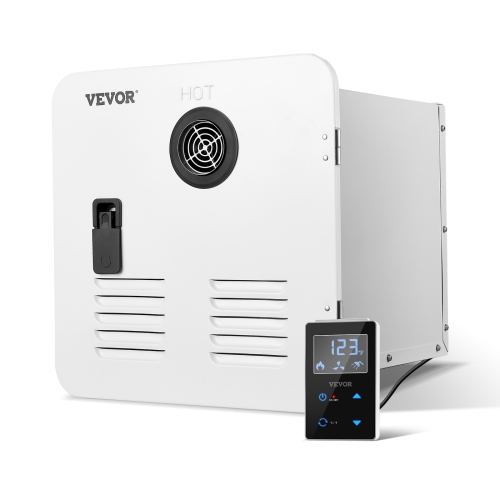
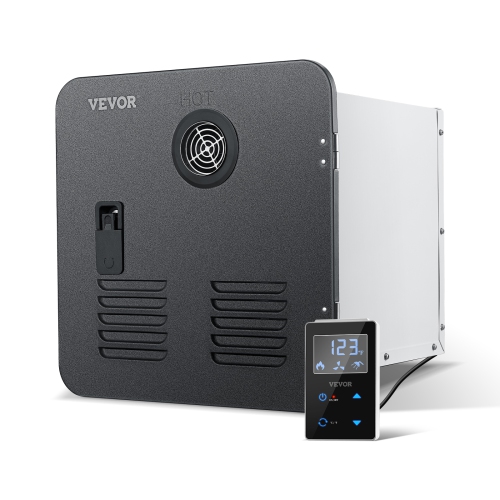

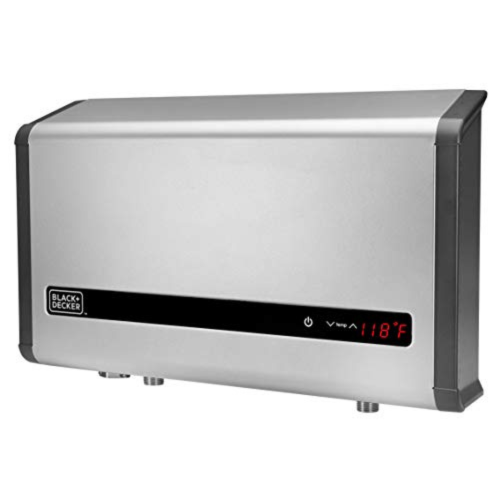
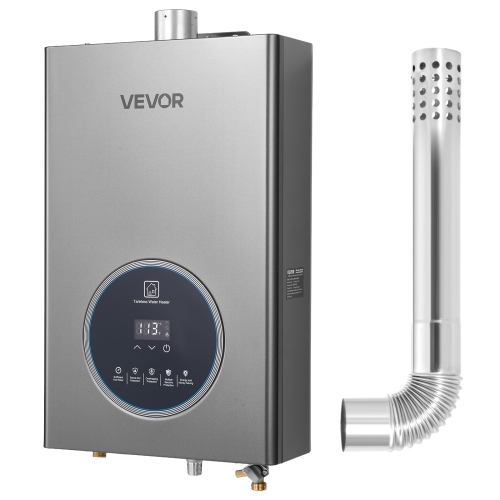
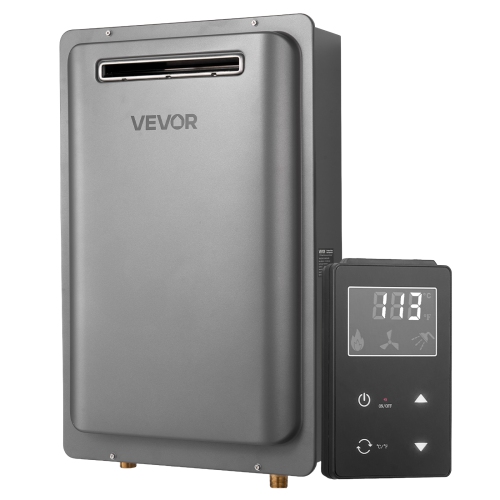
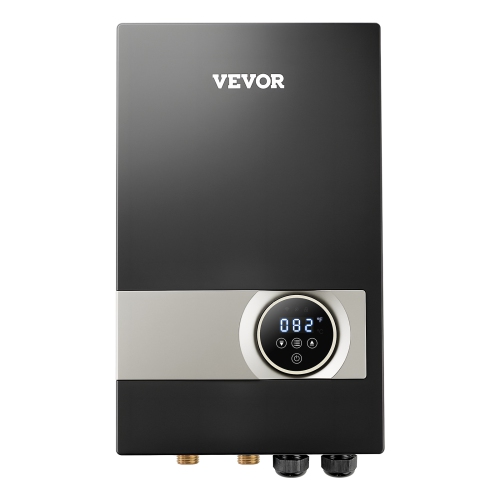
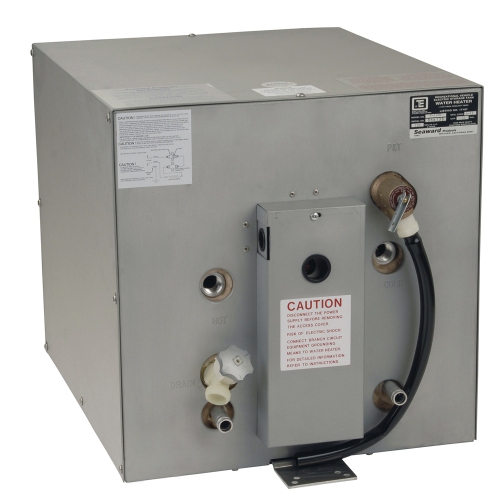

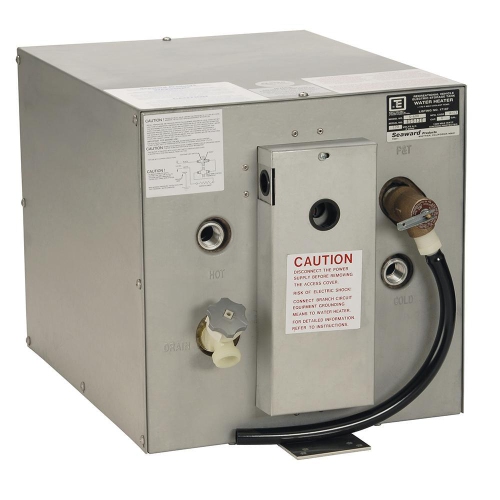
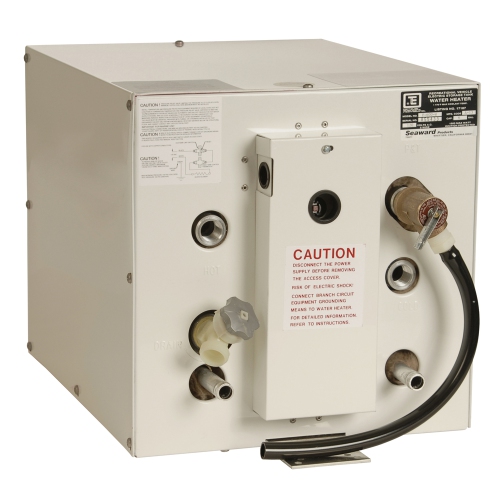
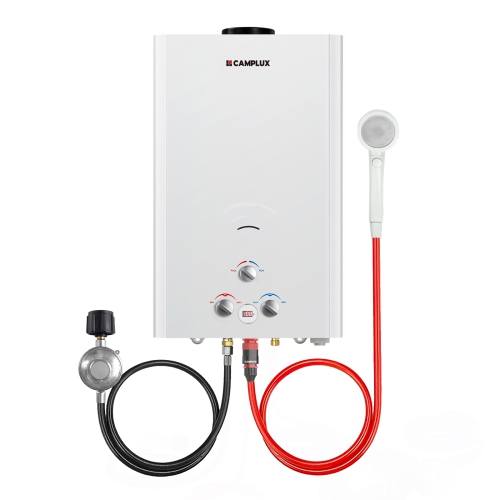

How hybrid and tankless systems deliver hot water efficiently
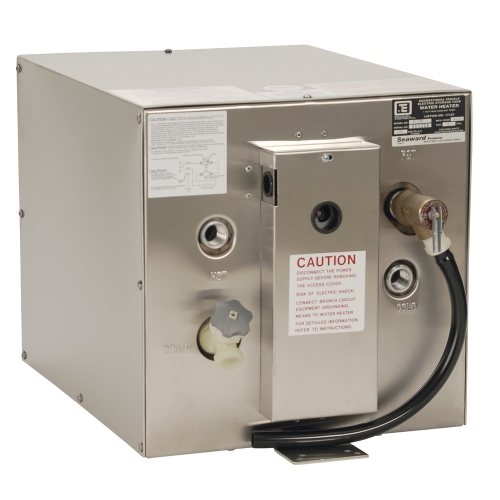
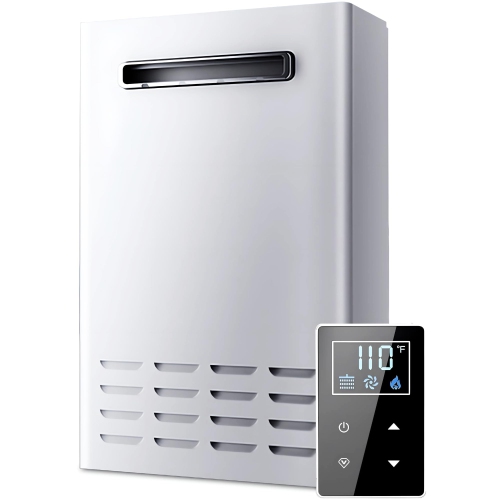
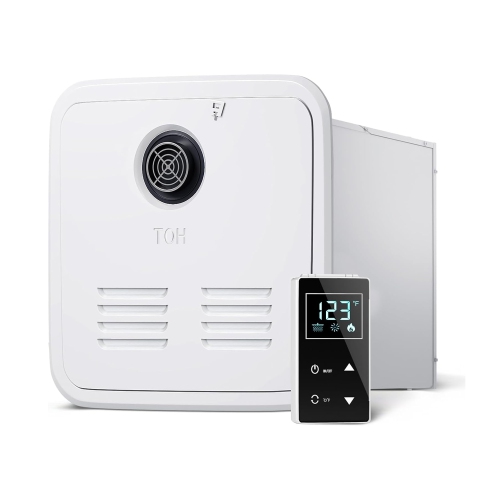
Efficient water heaters are designed to deliver dependable hot water while using less energy than conventional systems, making them a practical choice for homes, cottages, rental properties, renovations and replacement projects. The right model depends on the home’s fuel source, available space, household size and hot-water habits. Heat pump water heaters, also called hybrid water heaters, draw warmth from the surrounding air and transfer it to the water in the tank. This approach can use substantially less electricity than a standard electric tank, although the exact savings depend on installation conditions, temperature settings and daily demand. Hybrid models are often a strong fit for homes that already use electricity and have a basement, utility room or other area with sufficient room for air circulation. They typically include different operating modes, allowing homeowners to prioritize efficiency during ordinary use or select a higher-output setting when several showers, laundry loads or dishwasher cycles are expected. Because these units move heat rather than creating all of it directly, airflow around the unit is an important part of performance. Check the manufacturer’s clearance requirements, noise level and installation instructions before choosing a location. Condensing tankless gas water heaters take a different approach by heating water as it passes through the unit, rather than storing a large tank of preheated water. When a tap opens, the system activates and supplies hot water on demand. Condensing technology captures additional heat from exhaust gases, helping the unit reach a high efficiency rating while reducing heat lost through standby storage. This type of water heater can be well suited to a home with an existing natural gas connection, adequate venting and a need for a continuous supply. Since tankless models do not hold a large volume of hot water, they may also appeal to households looking to reclaim storage space in a utility area. Both types can be considered among the most efficient water heaters available, but they are not interchangeable in every home. Electrical service, gas availability, venting, drainage, water pressure and installation location should all be reviewed before purchase.
Capacity and recovery performance matter just as much as the efficiency rating. A smaller household with modest morning routines may be comfortable with a compact system, while a larger family may need a higher-capacity tank or a tankless model with enough flow rate to serve multiple fixtures. Think about what a typical busy day looks like: several people showering before school and work, a washing machine running in the afternoon and a dishwasher operating after dinner. A system that suits those patterns will feel more useful than one selected solely for its advertised technology. For hybrid tank models, compare tank capacity, first-hour rating, operating modes, heat pump performance and the recommended room size. These details help indicate how much hot water the unit can provide and how effectively it can recover after heavy use. For tankless models, pay close attention to flow rate, temperature rise, activation requirements and the number of fixtures that may run at the same time. A unit that supplies a comfortable shower on its own may perform differently when a second bathroom tap or appliance is operating. Installation requirements can also affect the total project. Hybrid systems may need a condensate drain, a suitable electrical circuit and enough clearance around the tank. Condensing tankless systems may require compatible gas lines, specialized venting, condensate management and professional commissioning. Older homes may need upgrades before a new water heater can be installed, so it is useful to confirm requirements with a qualified installer. Features such as vacation settings, leak detection, digital controls, temperature limiting and app connectivity can add convenience, especially for households that want to monitor use or adjust settings without visiting the utility room. If you are comparing electric heating options for a smaller space or a particular room, Energy Saving Electric Heaters may also be worth exploring, although portable room heaters are not a substitute for a whole-home water-heating system.
Efficient water heaters can be especially useful during the cooler months, when hot water routines often become more demanding and a reliable supply makes everyday tasks feel easier. A warm shower after a cold commute, a full load of towels or a sink ready for washing dishes all depend on a system that can recover at a pace that matches the household. Homeowners replacing an ageing tank may appreciate the opportunity to compare newer heating methods, while people completing a basement renovation or building a secondary suite may be planning water heating as part of a larger project. These systems are generally purchased for practical reasons rather than as gifts, but they can be a thoughtful housewarming contribution when shared by family members renovating a home or preparing a cottage for regular use. Before ordering, confirm the fuel type, voltage or gas requirements, pipe connections, physical dimensions and service access. Measure doorways, stairwells and the intended installation area carefully, keeping in mind that the listed product dimensions may not account for required clearances. It is also helpful to review warranty coverage, replacement parts, maintenance needs and whether installation service is available in your area. Hybrid heat pump models may require periodic filter cleaning and attention to condensate drainage, while tankless units may need scheduled descaling depending on local water conditions. Hard water can affect heating components and may make maintenance more important over time. Setting the temperature appropriately helps balance comfort, safety and operating performance; households with children or older adults may also wish to consider anti-scald protection. With the correct fuel source, capacity and installation plan, an efficient water heater can provide consistent hot water for showers, laundry, dishes and cleaning while helping reduce energy wasted during everyday operation.
Capacity and recovery performance matter just as much as the efficiency rating. A smaller household with modest morning routines may be comfortable with a compact system, while a larger family may need a higher-capacity tank or a tankless model with enough flow rate to serve multiple fixtures. Think about what a typical busy day looks like: several people showering before school and work, a washing machine running in the afternoon and a dishwasher operating after dinner. A system that suits those patterns will feel more useful than one selected solely for its advertised technology. For hybrid tank models, compare tank capacity, first-hour rating, operating modes, heat pump performance and the recommended room size. These details help indicate how much hot water the unit can provide and how effectively it can recover after heavy use. For tankless models, pay close attention to flow rate, temperature rise, activation requirements and the number of fixtures that may run at the same time. A unit that supplies a comfortable shower on its own may perform differently when a second bathroom tap or appliance is operating. Installation requirements can also affect the total project. Hybrid systems may need a condensate drain, a suitable electrical circuit and enough clearance around the tank. Condensing tankless systems may require compatible gas lines, specialized venting, condensate management and professional commissioning. Older homes may need upgrades before a new water heater can be installed, so it is useful to confirm requirements with a qualified installer. Features such as vacation settings, leak detection, digital controls, temperature limiting and app connectivity can add convenience, especially for households that want to monitor use or adjust settings without visiting the utility room. If you are comparing electric heating options for a smaller space or a particular room, Energy Saving Electric Heaters may also be worth exploring, although portable room heaters are not a substitute for a whole-home water-heating system.
Efficient water heaters can be especially useful during the cooler months, when hot water routines often become more demanding and a reliable supply makes everyday tasks feel easier. A warm shower after a cold commute, a full load of towels or a sink ready for washing dishes all depend on a system that can recover at a pace that matches the household. Homeowners replacing an ageing tank may appreciate the opportunity to compare newer heating methods, while people completing a basement renovation or building a secondary suite may be planning water heating as part of a larger project. These systems are generally purchased for practical reasons rather than as gifts, but they can be a thoughtful housewarming contribution when shared by family members renovating a home or preparing a cottage for regular use. Before ordering, confirm the fuel type, voltage or gas requirements, pipe connections, physical dimensions and service access. Measure doorways, stairwells and the intended installation area carefully, keeping in mind that the listed product dimensions may not account for required clearances. It is also helpful to review warranty coverage, replacement parts, maintenance needs and whether installation service is available in your area. Hybrid heat pump models may require periodic filter cleaning and attention to condensate drainage, while tankless units may need scheduled descaling depending on local water conditions. Hard water can affect heating components and may make maintenance more important over time. Setting the temperature appropriately helps balance comfort, safety and operating performance; households with children or older adults may also wish to consider anti-scald protection. With the correct fuel source, capacity and installation plan, an efficient water heater can provide consistent hot water for showers, laundry, dishes and cleaning while helping reduce energy wasted during everyday operation.
Top selling and popular products
-
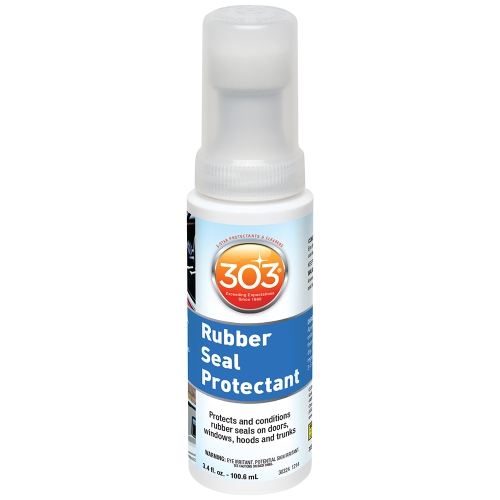 Your price for this item is $30.59
 -
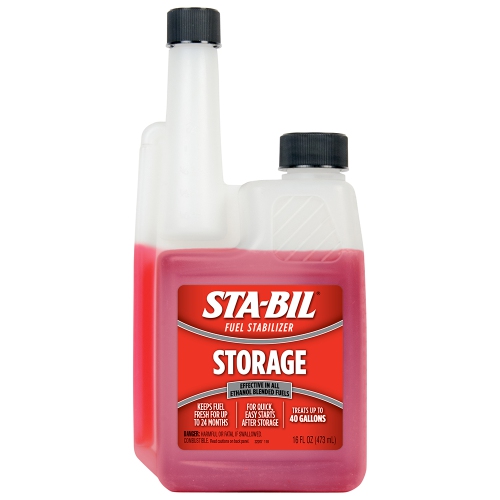 Your price for this item is $30.54
 -
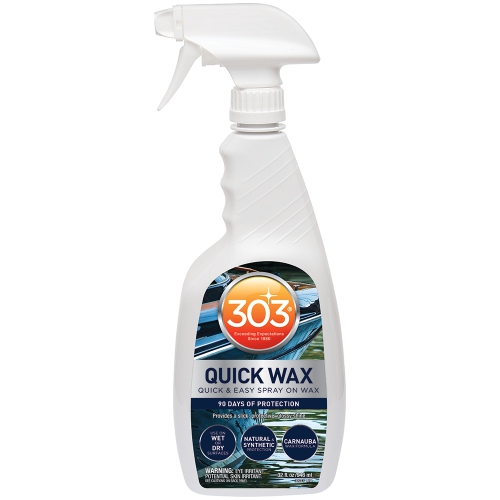 Your price for this item is $38.85
 -
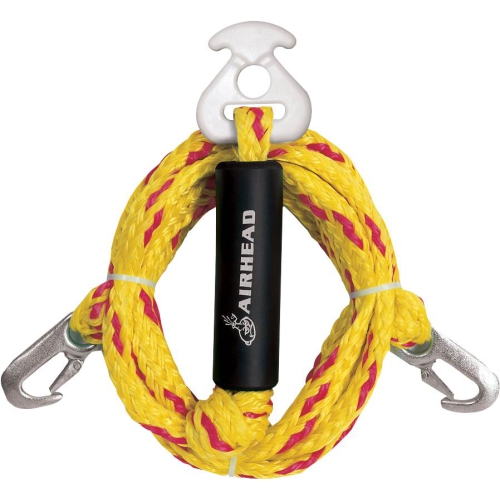 Your price for this item is $92.99
 -
 Your price for this item is $844.91
 -
 Your price for this item is $909.33
 -
 Your price for this item is $30.62
 -
 Your price for this item is $34.93
Discover more categories related to Efficient Water Heaters
Top Collections:
Pokemon Centers, Kindle Devices, Best Budget Office Chairs, Apple iPhones 16, Best Laptops for Writers, iPhone 15 Apple, Canon G7X Cameras, Refurbished Apple Laptops, Alarm Clock, Motorola Razr Phones
Some products may be subject to Environmental Handling Fees
(EHF) depending on your province.
Learn more about EHFs.