Most Efficient Electric Heaters
Find the perfect way to keep your home cozy and comfortable with the Most Efficient Electric Heater options available. Whether you're looking to warm up a small room or add extra heat to larger spaces, these electric heaters are designed to help you achieve optimal comfort throughout the colder months. Explore a range of choices that combine advanced technology and user-friendly controls, making it easy to maintain your ideal temperature. Discover the Most Efficient Electric Heater that fits seamlessly into your living space and lifestyle.
Sort
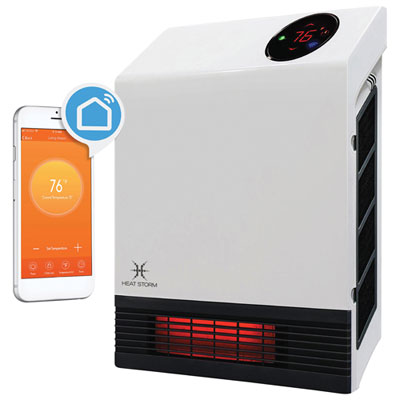
![Heat Storm 1000W Infrared Floor-To-Wall Heater - White/Black [Employee of bestbuy] This was the best thing purchased last year](https://multimedia.bbycastatic.ca/multimedia/products/400x400/196/19648/19648035.jpg)


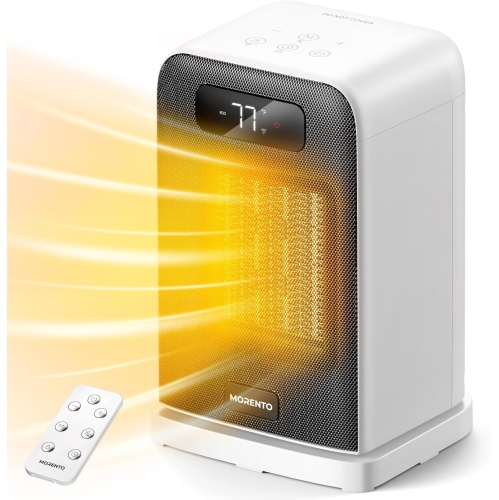

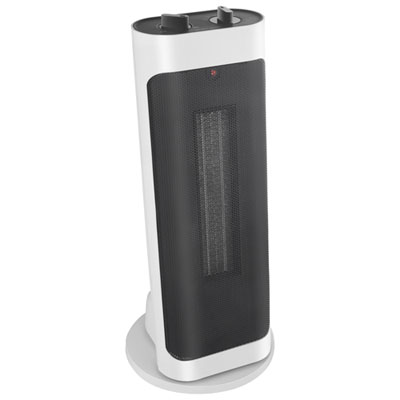
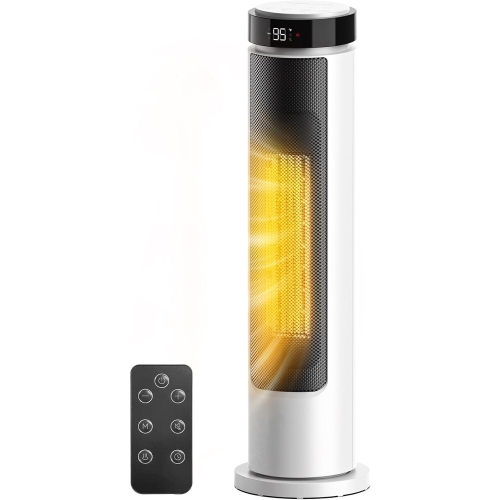
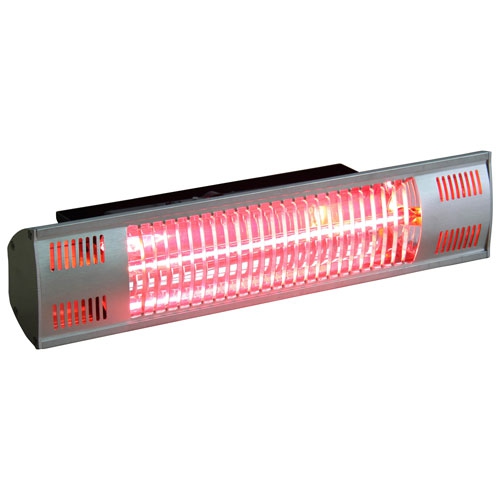
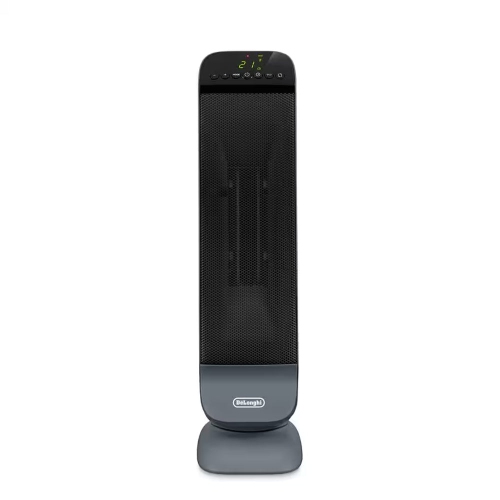

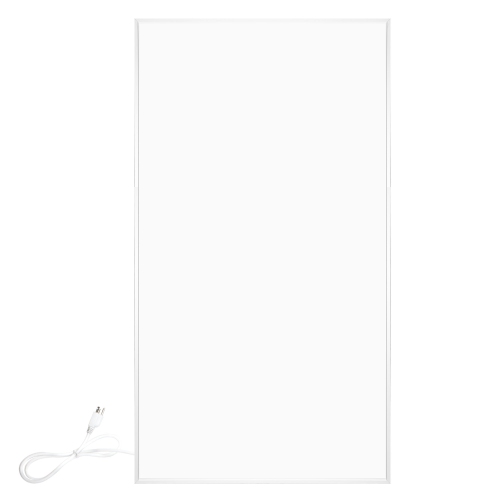
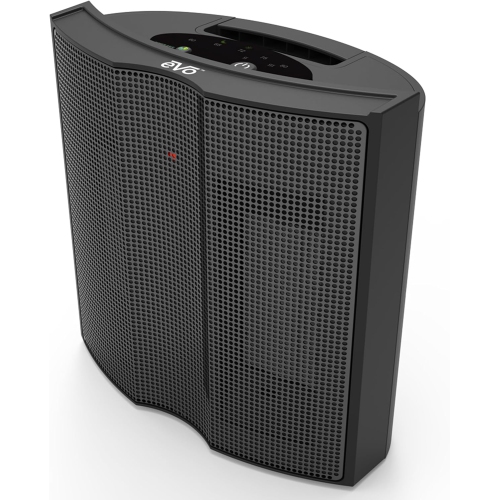
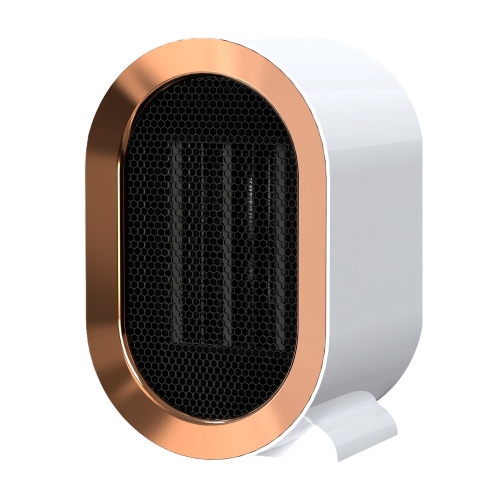

How heater controls help limit unnecessary energy use
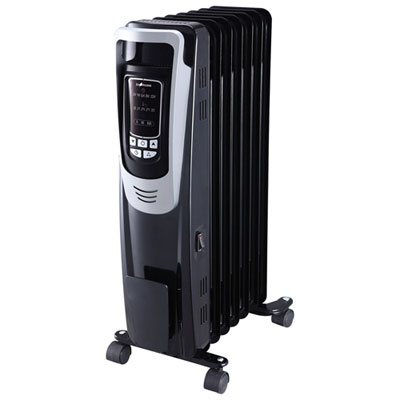
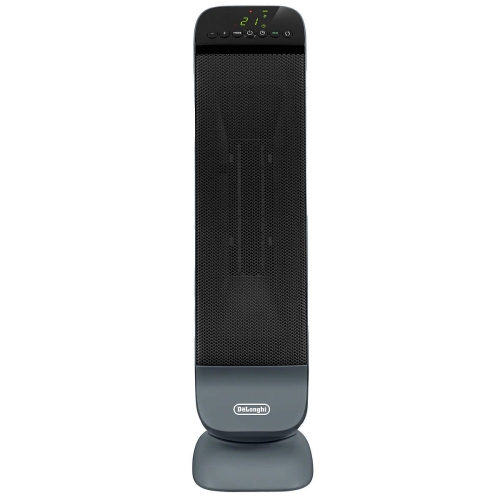
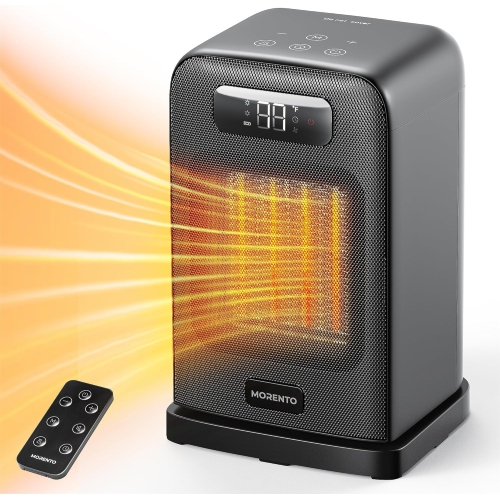
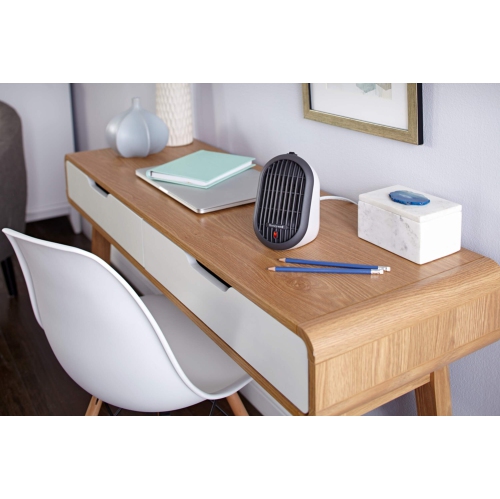
The most efficient electric heaters match their heat output to the space being used and maintain a comfortable temperature without running unnecessarily. Standard plug-in electric resistance heaters convert essentially all the electricity they consume into heat within the room, so differences in practical energy use come mainly from temperature control, heat distribution, placement, and operating time. A ceramic heater and an oil-filled radiator drawing the same wattage for the same length of time use the same amount of electricity, even though the warmth can feel quite different. An accurate thermostat, adjustable heat settings, and a timer can help limit unnecessary operation; a lower wattage setting alone does not make a heater more efficient if it must run longer to reach the desired temperature. For context, a heater drawing 1,500 watts continuously for one hour uses 1.5 kilowatt-hours of electricity. When its thermostat cycles the heating element off for part of that hour, consumption is lower. This makes responsive controls particularly useful in an occupied home office, where steady warmth around a desk may matter more than heating every room to the same temperature. Supplemental heating can reduce total household energy use when it allows the main heating system to serve other spaces at a lower, appropriate setting, but simply adding a space heater without changing other heating habits increases consumption. Room dimensions, ceiling height, insulation, window area, and draughts all affect how much heat is needed. An open living area with a stairwell presents a different challenge from a small bedroom with a closed door, so advertised room coverage is best treated as an estimate rather than a guarantee. Portable resistance heaters are also distinct from electric heat pumps, which move heat rather than generate it through resistance and can deliver more heat per unit of electricity. Within the space-heater category, the useful comparison is how well each design supplies the warmth needed, where it is needed, with controls that suit everyday routines.
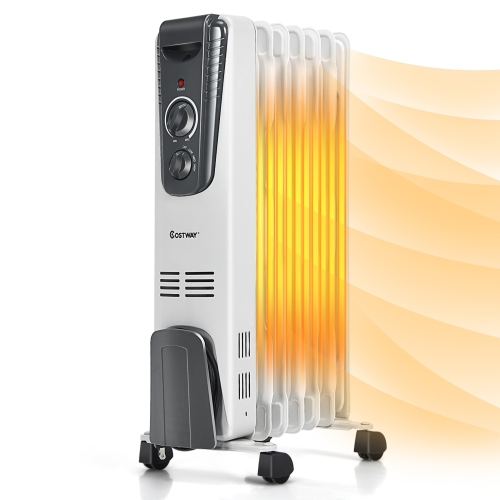
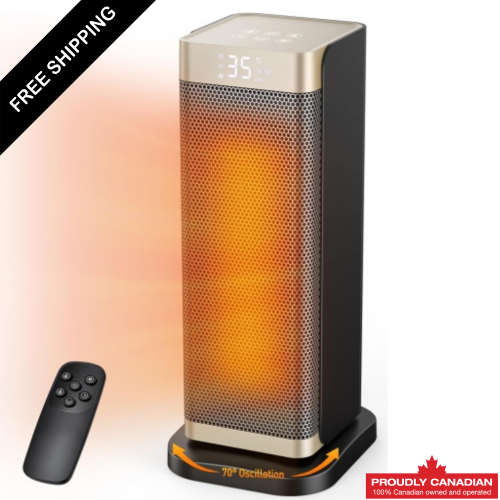
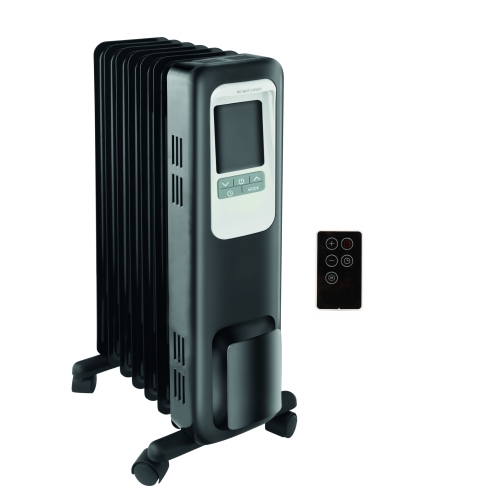
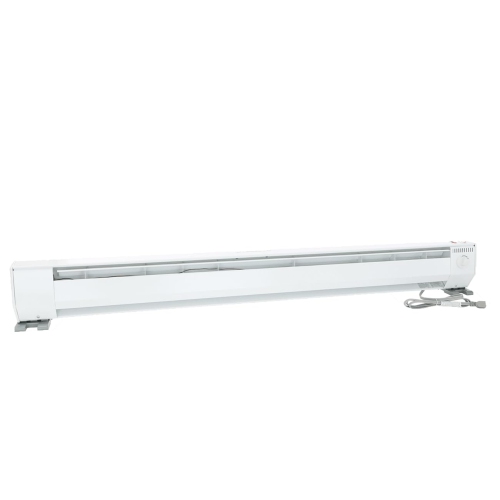
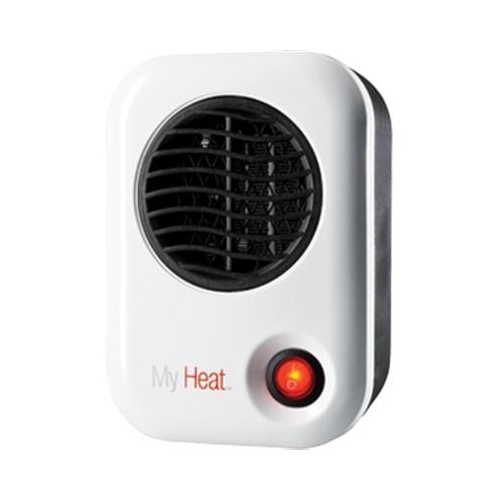
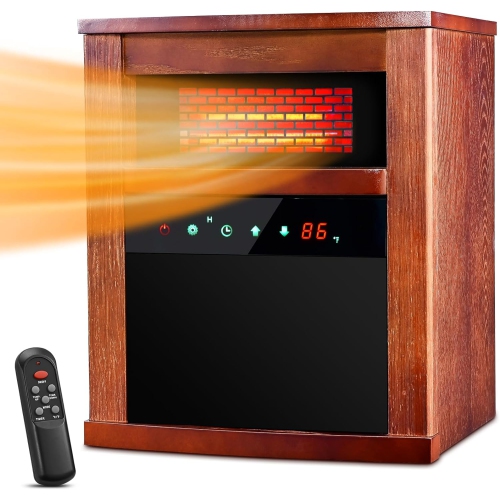
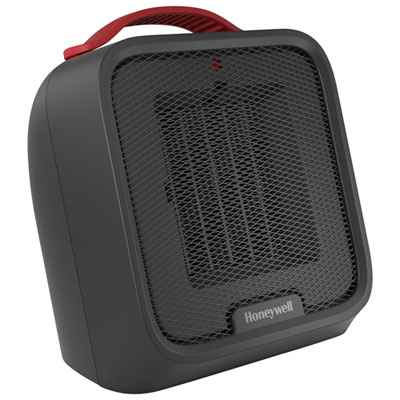
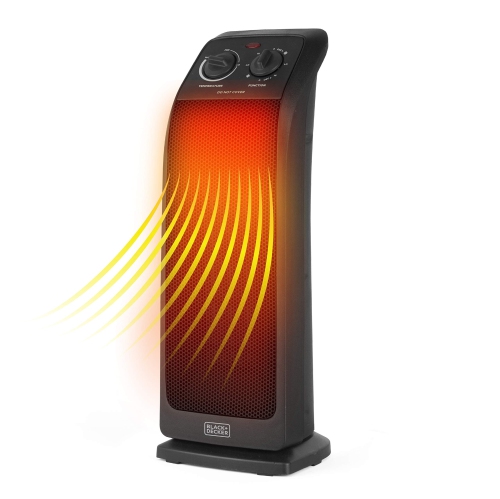
Different heater designs suit different ways of spending time at home. Ceramic fan heaters pass air over a heated ceramic element, producing a stream of warm air that can make a reading corner or work area feel comfortable relatively quickly. Their compact housings are easy to accommodate in smaller rooms, although fan noise and airflow may be noticeable during calls or quiet activities. Oscillation can spread that airflow across a wider area, but it does not increase the amount of heat produced at a given power draw. Oil-filled radiators use an electric element to warm sealed oil inside a metal body, which then releases heat gradually through its surfaces and natural air movement. They generally take longer to warm up and occupy more floor space, but fanless operation can appeal to people who prefer less background noise. The retained warmth continues after the element switches off; it is stored heat, not additional heat produced without electricity. The sealed oil is not fuel and ordinarily does not require topping up. Radiant heaters direct warmth towards people and nearby surfaces, making them useful for a stationary activity within their intended heating area. That focused warmth may feel effective before the surrounding air reaches the same temperature, although furniture and distance can limit the effect. Panel and convection designs offer another approach, with broad surfaces or air channels that support gentler room heating; wall-mounted versions require suitable installation and the specified clearances. Materials influence weight, handling, and care as well as appearance. Steel radiator bodies can feel substantial, while plastic housings keep many fan heaters lighter to carry, but neither material alone establishes better efficiency or durability. A stable base, secure handle, sound control knobs, and well-fitted castors matter when a heater is moved between suitable locations. Overall dimensions should include enough room for safe clearance, not just the footprint of the appliance. In a furnished room, a narrow profile is only useful if curtains, bedding, upholstery, and foot traffic can still remain safely away.
Day-to-day usability often determines whether an electric heater delivers comfortable, controlled warmth. A thermostat with clear temperature settings makes it easier to maintain a consistent level than a simple high-and-low switch, although the reading near the heater may differ from the temperature at a chair across the room. Placement away from draughts and obstructions, while following the manufacturer’s instructions, helps the controls respond more usefully. Timers can limit a heating session, and Wi-Fi controls can make adjustments convenient where supported, but neither feature replaces supervision or safe operation. Display brightness, button size, remote controls, and the sound of thermostat clicks are worth considering for shared living spaces or quiet work. Safety features such as overheat protection and tip-over shutoff provide useful safeguards, but hot surfaces still require care around children and pets. A portable heater belongs on a stable, level surface permitted by its instructions, with the required clearance from anything combustible—commonly at least one metre. It should plug directly into a suitable wall outlet, not an extension cord or power bar, and should not share a circuit with other high-demand appliances if that could overload it. Portable heaters should be switched off when unattended or before sleep. Bathroom use requires a heater specifically approved for that location and installation; an ordinary portable model should not be placed near a bath, shower, or sink. Routine care usually involves switching the unit off, unplugging it, allowing it to cool, and removing dust from accessible grilles as directed. Blocked air passages can impair performance, while a damaged cord, loose plug, or discoloured outlet calls for stopping use rather than continuing to operate the heater. Dry storage and protection from knocks help preserve the housing and controls between uses. For a separate household heating need, Efficient Water Heaters covers appliances for hot water rather than room warmth. For electric space heating, the strongest fit remains a design with suitable output, dependable temperature control, manageable care requirements, and a safe place in the room where it will be used.
Different heater designs suit different ways of spending time at home. Ceramic fan heaters pass air over a heated ceramic element, producing a stream of warm air that can make a reading corner or work area feel comfortable relatively quickly. Their compact housings are easy to accommodate in smaller rooms, although fan noise and airflow may be noticeable during calls or quiet activities. Oscillation can spread that airflow across a wider area, but it does not increase the amount of heat produced at a given power draw. Oil-filled radiators use an electric element to warm sealed oil inside a metal body, which then releases heat gradually through its surfaces and natural air movement. They generally take longer to warm up and occupy more floor space, but fanless operation can appeal to people who prefer less background noise. The retained warmth continues after the element switches off; it is stored heat, not additional heat produced without electricity. The sealed oil is not fuel and ordinarily does not require topping up. Radiant heaters direct warmth towards people and nearby surfaces, making them useful for a stationary activity within their intended heating area. That focused warmth may feel effective before the surrounding air reaches the same temperature, although furniture and distance can limit the effect. Panel and convection designs offer another approach, with broad surfaces or air channels that support gentler room heating; wall-mounted versions require suitable installation and the specified clearances. Materials influence weight, handling, and care as well as appearance. Steel radiator bodies can feel substantial, while plastic housings keep many fan heaters lighter to carry, but neither material alone establishes better efficiency or durability. A stable base, secure handle, sound control knobs, and well-fitted castors matter when a heater is moved between suitable locations. Overall dimensions should include enough room for safe clearance, not just the footprint of the appliance. In a furnished room, a narrow profile is only useful if curtains, bedding, upholstery, and foot traffic can still remain safely away.
Day-to-day usability often determines whether an electric heater delivers comfortable, controlled warmth. A thermostat with clear temperature settings makes it easier to maintain a consistent level than a simple high-and-low switch, although the reading near the heater may differ from the temperature at a chair across the room. Placement away from draughts and obstructions, while following the manufacturer’s instructions, helps the controls respond more usefully. Timers can limit a heating session, and Wi-Fi controls can make adjustments convenient where supported, but neither feature replaces supervision or safe operation. Display brightness, button size, remote controls, and the sound of thermostat clicks are worth considering for shared living spaces or quiet work. Safety features such as overheat protection and tip-over shutoff provide useful safeguards, but hot surfaces still require care around children and pets. A portable heater belongs on a stable, level surface permitted by its instructions, with the required clearance from anything combustible—commonly at least one metre. It should plug directly into a suitable wall outlet, not an extension cord or power bar, and should not share a circuit with other high-demand appliances if that could overload it. Portable heaters should be switched off when unattended or before sleep. Bathroom use requires a heater specifically approved for that location and installation; an ordinary portable model should not be placed near a bath, shower, or sink. Routine care usually involves switching the unit off, unplugging it, allowing it to cool, and removing dust from accessible grilles as directed. Blocked air passages can impair performance, while a damaged cord, loose plug, or discoloured outlet calls for stopping use rather than continuing to operate the heater. Dry storage and protection from knocks help preserve the housing and controls between uses. For a separate household heating need, Efficient Water Heaters covers appliances for hot water rather than room warmth. For electric space heating, the strongest fit remains a design with suitable output, dependable temperature control, manageable care requirements, and a safe place in the room where it will be used.
Top selling and popular products
-
 Your price for this item is $179.99
 -
 Your price for this item is $549.99
 -
 Your price for this item is $41.99
 -
 Your price for this item is $100.99
 -
 Your price for this item is $219.95
 -
 Your price for this item is $64.98
 -
 Your price for this item is $68.99
 -
 Your price for this item is $50
Discover more categories related to Most Efficient Electric Heaters
Top Collections:
Pokemon Centers, Kindle Devices, Best Budget Office Chairs, Apple iPhones 16, Best Laptops for Writers, iPhone 15 Apple, Canon G7X Cameras, Refurbished Apple Laptops, Alarm Clock, Motorola Razr Phones
Some products may be subject to Environmental Handling Fees
(EHF) depending on your province.
Learn more about EHFs.