Electric Hot Water Urns
Electric hot water urnns are essential for quickly providing hot water at gatherings, events, or in busy kitchens. Designed to serve large groups efficiently, these convenient appliances make it easy to prepare tea, coffee, and other hot beverages on demand. With a variety of sizes and styles available, finding the right electric hot water urn to match your needs is simple. Explore options that offer reliable performance and help keep your guests or team refreshed throughout the day.
Sort
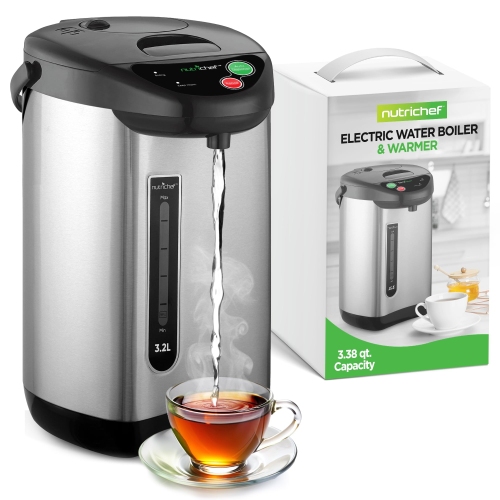
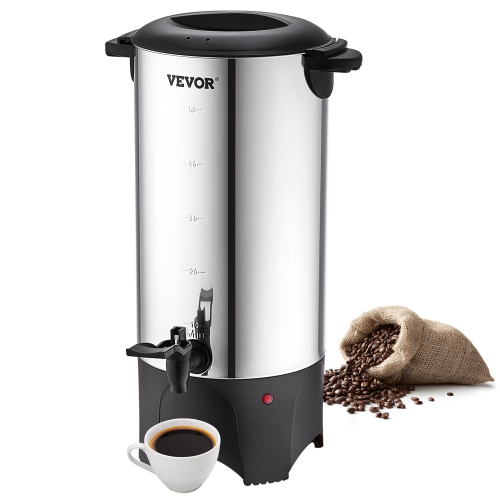

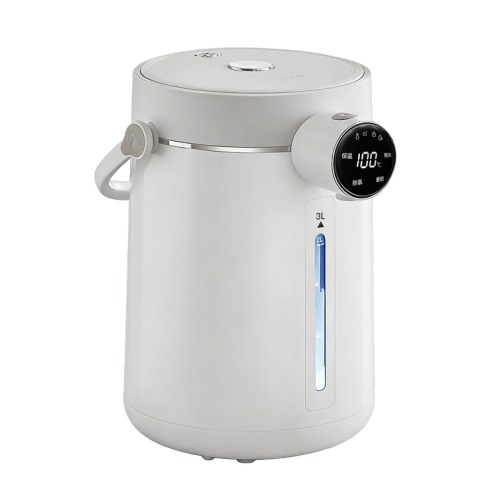

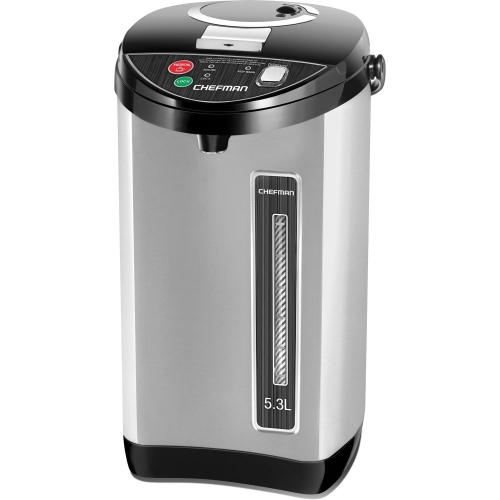

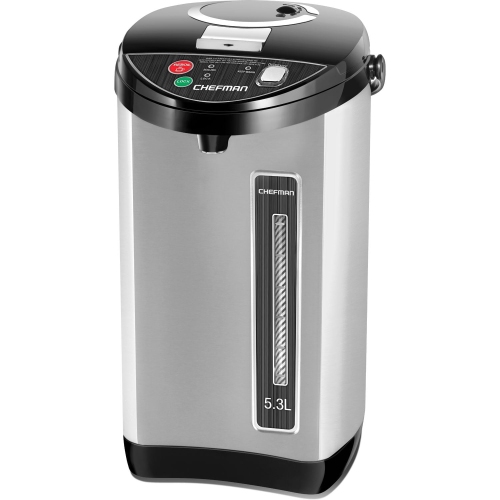
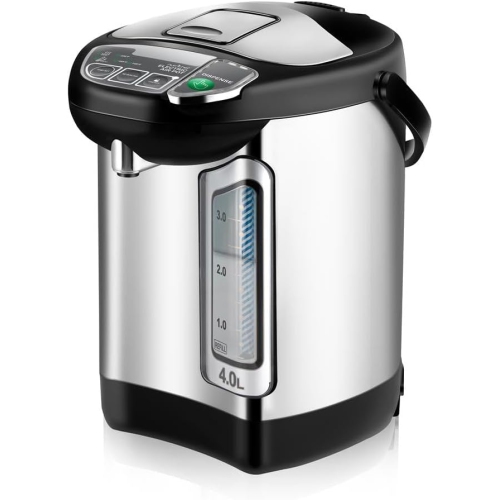
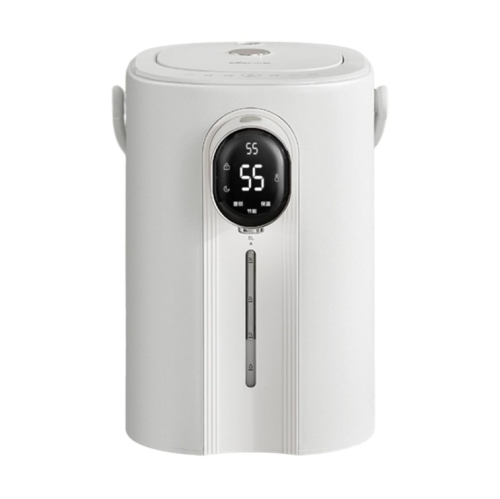
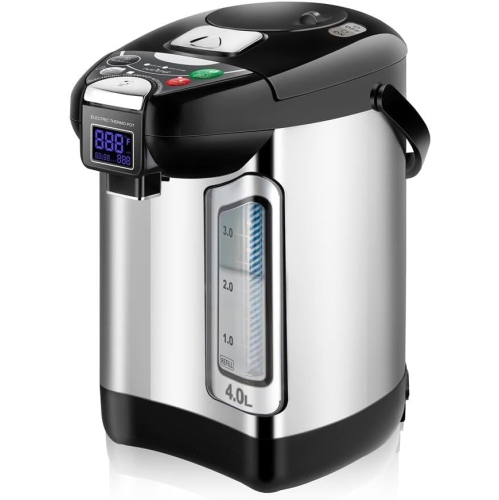
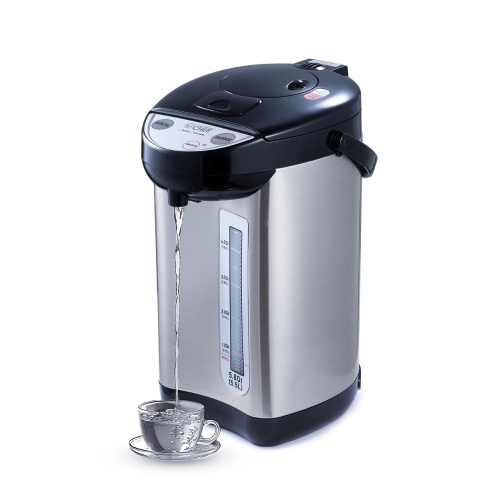
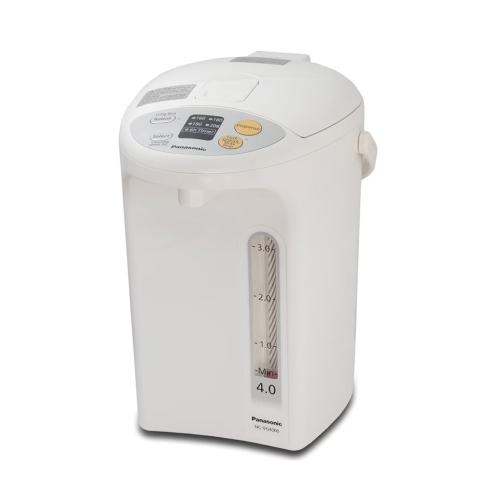
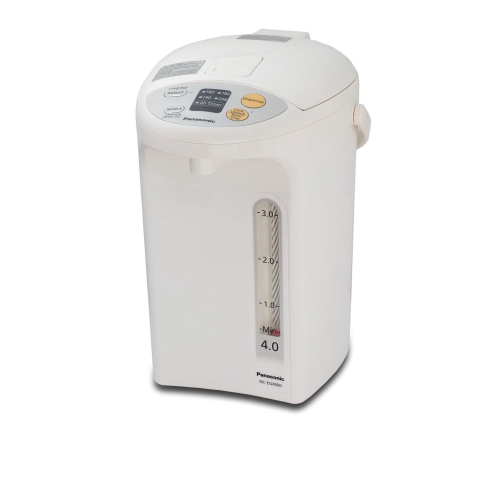
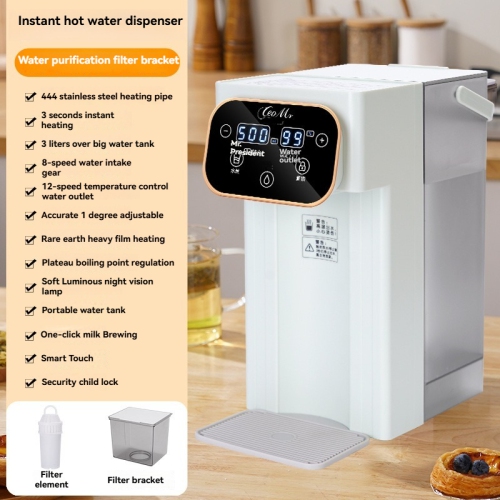
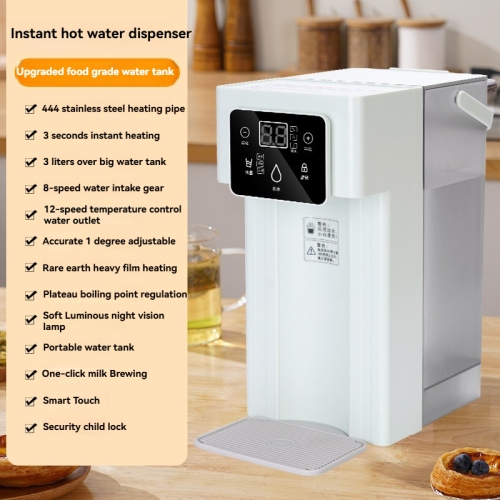
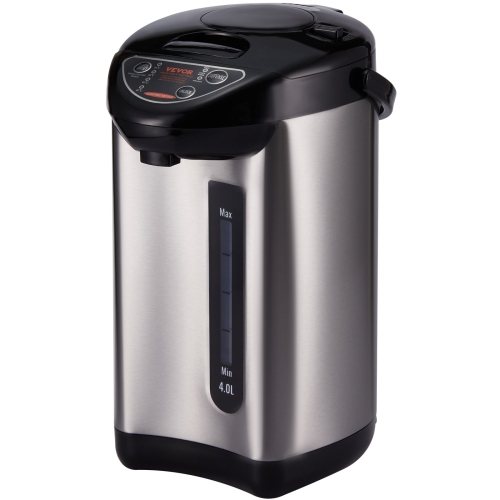
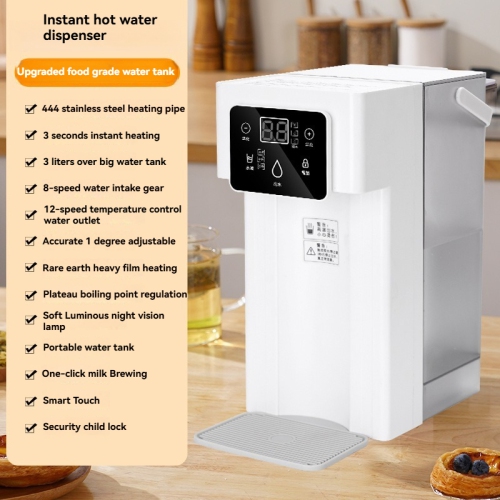
Hot water on tap for busy shared spaces
Electric hot water urns are large-capacity appliances designed to heat water, keep it hot, and dispense it through a tap for repeated servings. They suit shared kitchens, offices, meeting rooms, community centres, and catered gatherings where several people need hot water without repeatedly filling a small kettle. A self-serve beverage station can pair an urn with tea bags, instant coffee, hot chocolate mix, and cups, leaving each person free to prepare a drink to taste. The water stays separate from the drink ingredients, which helps keep service straightforward and makes the same supply useful for different beverages. Capacity is usually expressed in litres, but the practical number of servings depends on cup size, how full each cup is poured, and the appliance’s minimum and maximum fill levels. A room of people using small teacups has different requirements from a workplace where everyone brings a large travel mug. The busiest serving period matters as much as the total number of drinks: a short meeting break creates a concentrated demand, while a reception may spread servings over several hours. Larger capacity can reduce interruptions, although a full urn also takes more space and is heavier to move. Physical fit includes the base footprint, room to remove the lid, clearance beneath the tap, and access to a suitable electrical outlet. A tall mug should sit comfortably below the spout without needing to be tilted awkwardly. On a buffet table, a stable, level surface with space for a drip tray helps contain small splashes and keeps the serving area tidy. For staff rooms and community kitchens, an easy-to-read water gauge can make it simpler to see when a refill is approaching. The most useful size is one that supports the expected gathering while remaining manageable for the person responsible for filling, cleaning, and storing it.
Heating and serving features influence how an electric hot water urn fits into a daily routine. Some designs bring water to the boil and then switch to a holding function, while others offer adjustable temperature settings or separate controls for heating and keeping water hot. Those distinctions matter when the urn supplies different kinds of tea, instant drinks, or other preparations that call for particular water temperatures. A setting on a dial does not necessarily indicate the exact temperature reaching the cup, so applications requiring precise temperatures may benefit from a suitable thermometer. Initial heating time and reheating after a refill also affect the flow of service; adding cold water can temporarily lower the temperature of the remaining supply. Clear indicator lights and straightforward controls make the appliance easier to manage when several people share responsibility for a beverage station. A tap that opens smoothly and closes securely helps limit drips, while a visible fill scale supports routine checks without lifting the lid. Insulated or double-wall construction can help retain heat, but the body, lid, steam openings, and dispensing area should still be treated as potentially hot. Handles are useful for positioning an empty appliance, rather than assuming that a filled urn can safely be carried. Locking lids, boil-dry protection, and automatic shut-off functions may be offered, with their operation and limitations varying by design. These features support sensible handling rather than replacing attention to fill levels and operating directions. In spaces used by children or busy groups, placement away from table edges and passing traffic is especially important. The power cord should not cross a walkway or hang where it could be pulled. For workplace or catering use, the appliance’s stated purpose, electrical requirements, and suitability for the expected duty cycle deserve attention, since occasional household use and repeated group service place different demands on an urn.
Materials and construction make a noticeable difference to cleaning, handling, and long-term use. Stainless steel is common in electric hot water urns because it provides a sturdy vessel with a surface that can be cleaned between uses. Exterior finishes, lid construction, handles, and tap components vary, so durability depends on more than the appearance of the main body. A secure lid, stable base, well-fitted tap, and accessible interior all contribute to an appliance that is comfortable to look after. Wide openings make it easier to inspect the inside, while clear cleaning directions help protect seals, finishes, and electrical parts. Mineral deposits can build up on the base or heating surface, particularly where the water has a higher mineral content. This scale may affect heating performance and can leave visible particles in the water, making periodic descaling part of regular care. The appropriate cleaning solution and frequency depend on the manufacturer’s directions and local water conditions. Before cleaning, the urn should be unplugged, allowed to cool, and emptied as directed; electrical bases and connections should not be submerged unless the instructions expressly permit it. Abrasive pads can damage some surfaces, and cleaning residue needs to be rinsed away thoroughly before the next use. The tap and water-level tube, where fitted, also need attention because these narrow areas can retain deposits. Unless an urn is specifically designed for other liquids, keeping milk, brewed tea, coffee, and powdered drink mixtures out of the vessel helps avoid residue and blocked dispensing parts. Drying the interior and storing the appliance with its components clean supports its next use, whether that is a weekly club meeting or a family celebration. An urn can also be a practical shared gift for a community group that regularly hosts refreshments. For smaller households or occasional individual servings, Electric Kettles for Hot Beverages offer a more compact approach, while an urn is particularly useful when repeated dispensing and a larger supply of hot water are the priority.
Top selling and popular products
-
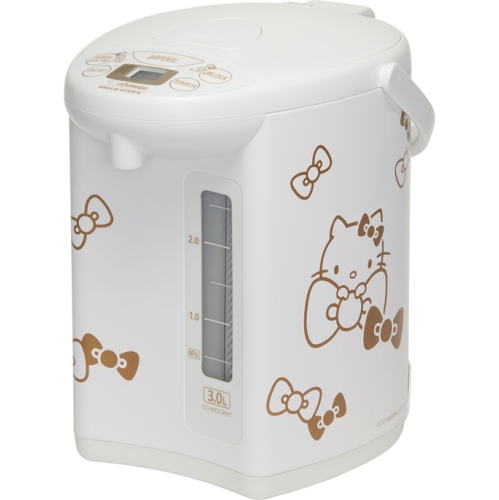 Your price for this item is $351.55
-
 Your price for this item is $174.99
-
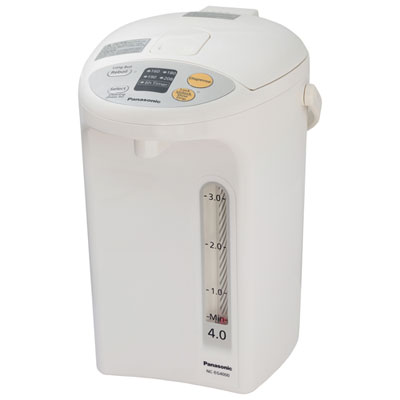 Your price for this item is $129.99
-
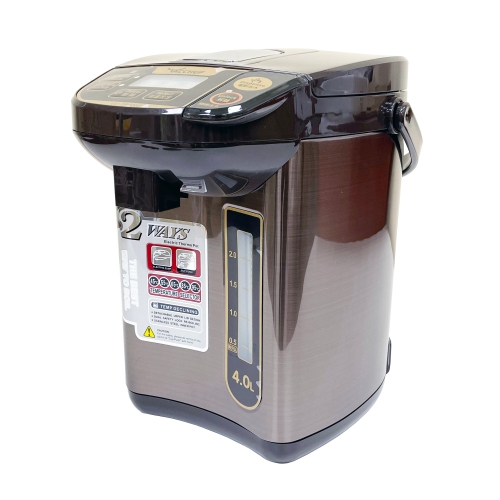 Your price for this item is $119.99
-
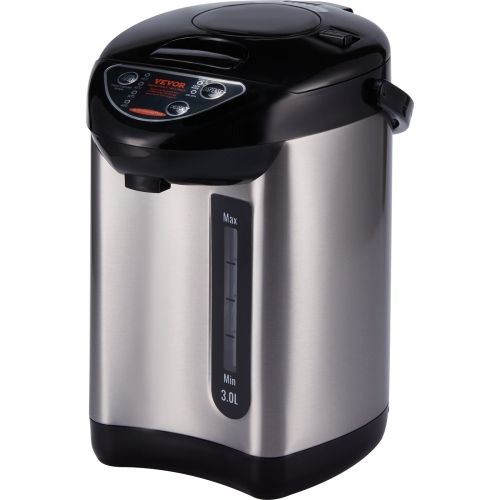 Your price for this item is $70.9
-
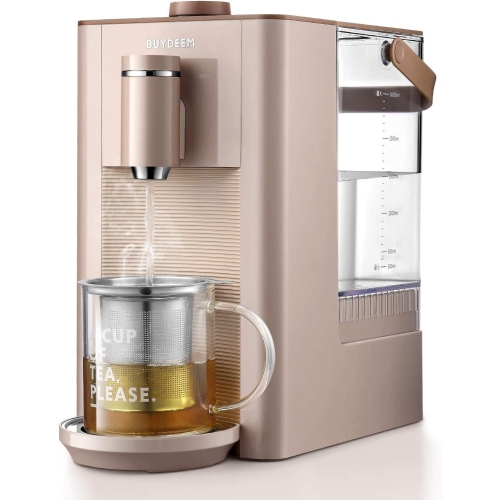 Your price for this item is $179.99
-
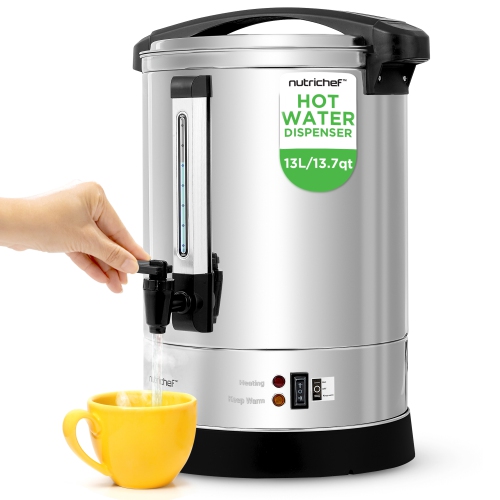 Your price for this item is $168.99
-
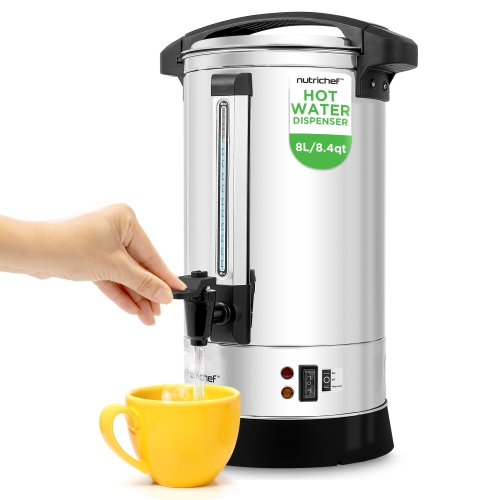 Your price for this item is $139.99
Discover more categories related to Electric Hot Water Urns

Top Collections:
Best Black Friday Deals This Year, Best Black Friday Deals On Electronics, Kindle Devices, Pokemon Centers, Best Black Friday Deals On Apple Products, Best Cameras for Sports Photography, Dyson Airwrap, Pokémon 30th Celebration Cards, Apple iPhone 17 Pro, Canon G7X Cameras
Some products may be subject to Environmental Handling Fees
(EHF) depending on your province.
Learn more about EHFs.