Large Capacity Coffee Urns
Large Capacity Coffee Urns are the perfect solution for serving hot beverages at events, offices, or large gatherings. Designed to accommodate groups of any size, these coffee urn options make it easy to keep everyone refreshed and satisfied. Whether you’re hosting a conference, catering a party, or keeping the breakroom stocked, finding the right coffee urn can help streamline your beverage service. Explore our selection of Large Capacity Coffee Urns to find reliable choices that deliver convenience and efficiency for every occasion.
Sort

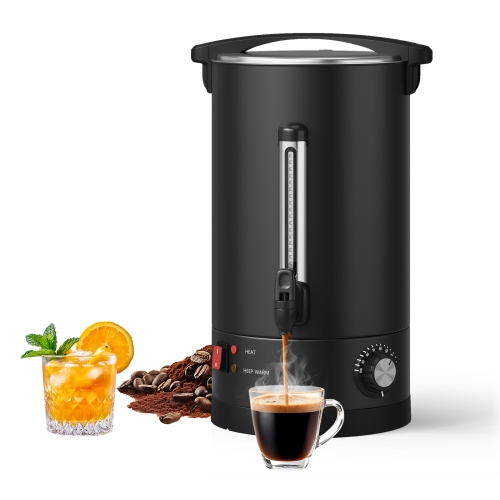
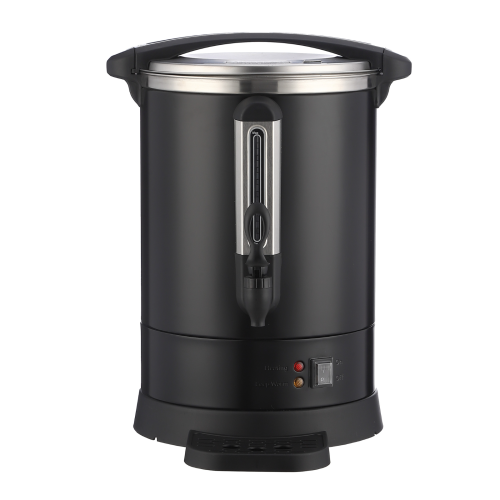
Serving a crowd takes more than cup counts
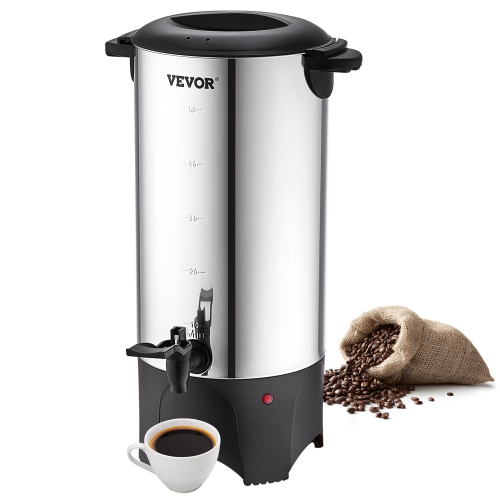
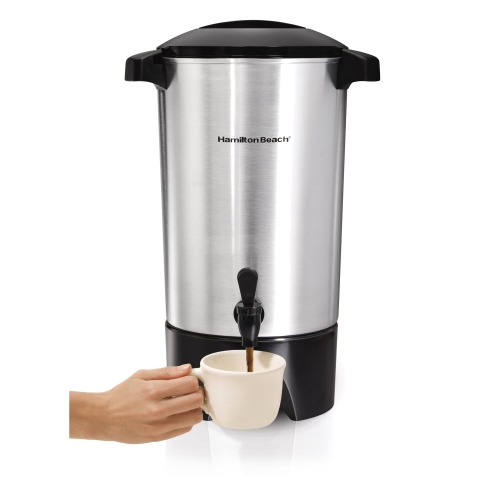
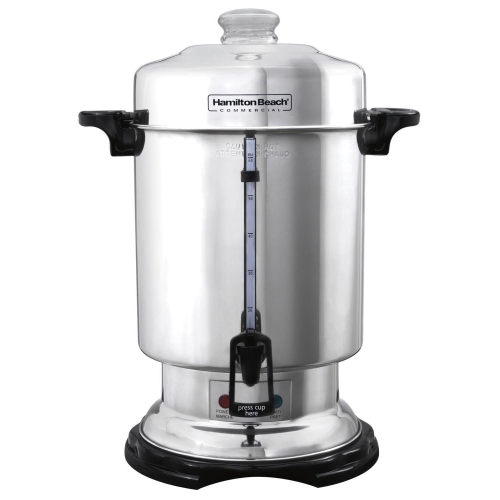
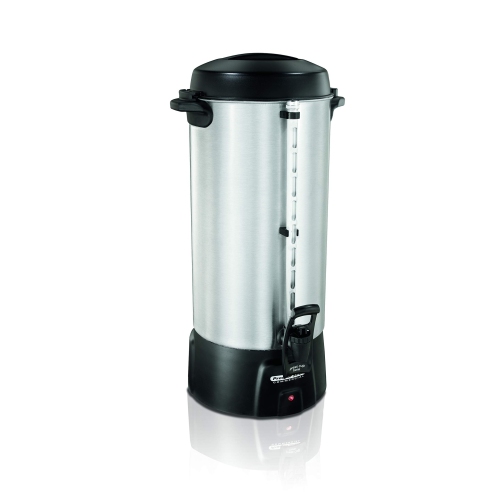
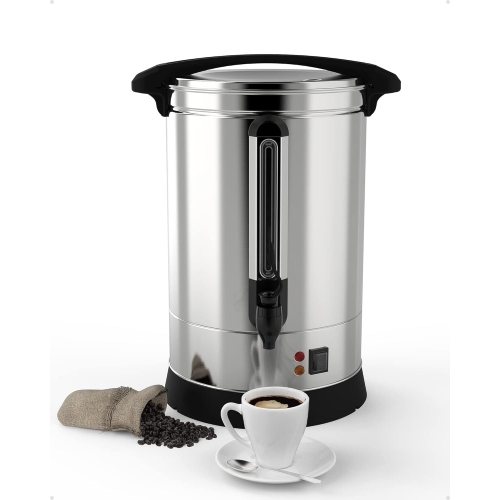
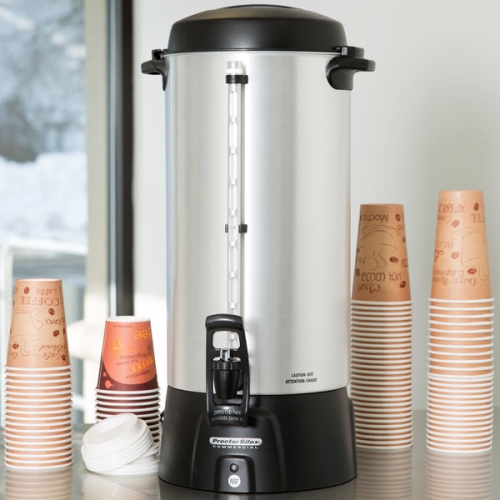
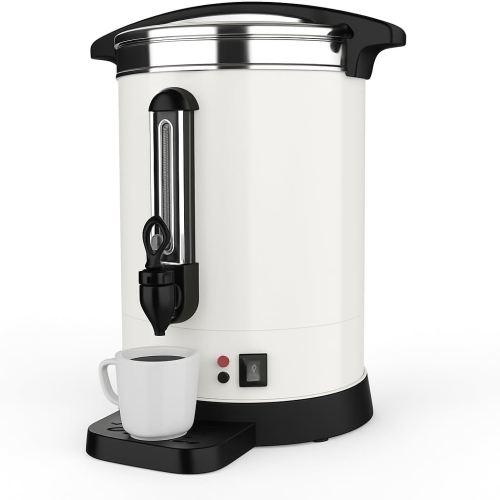
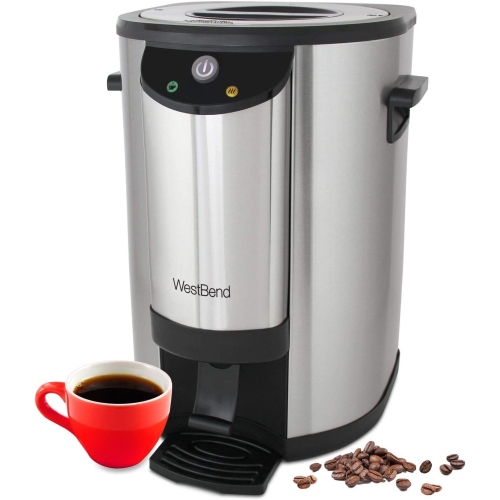
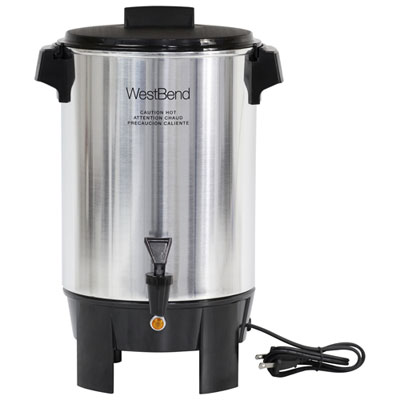
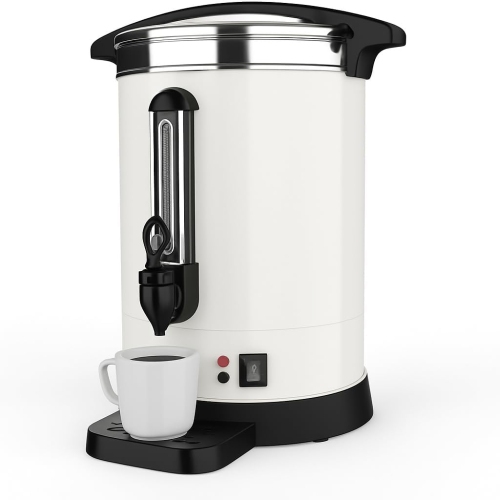
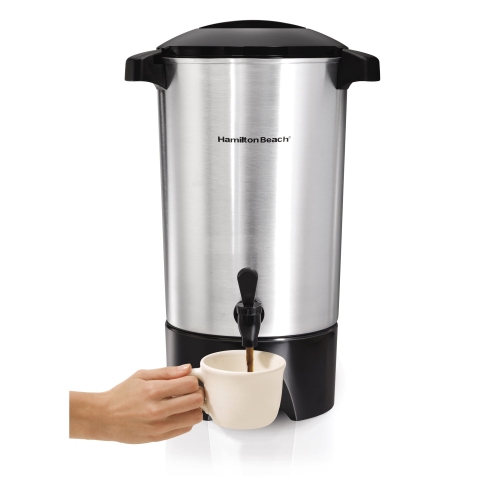
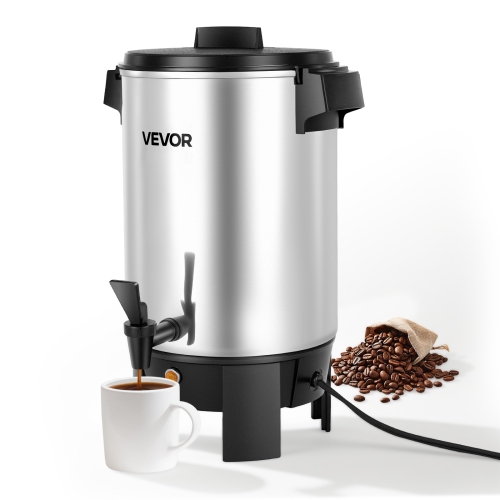
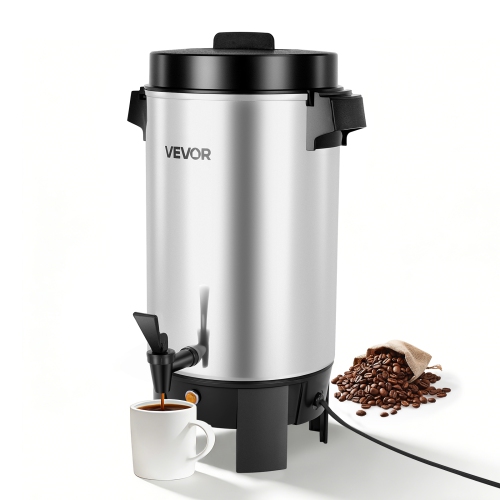
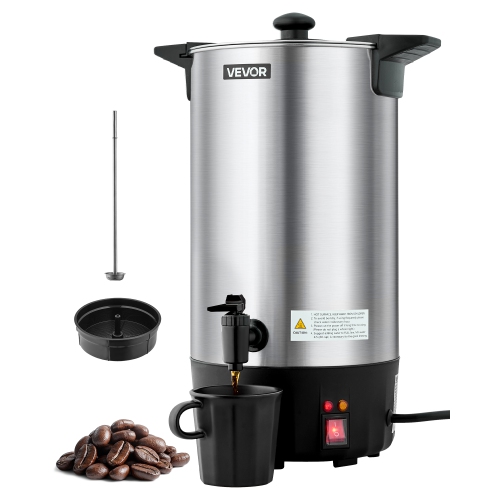
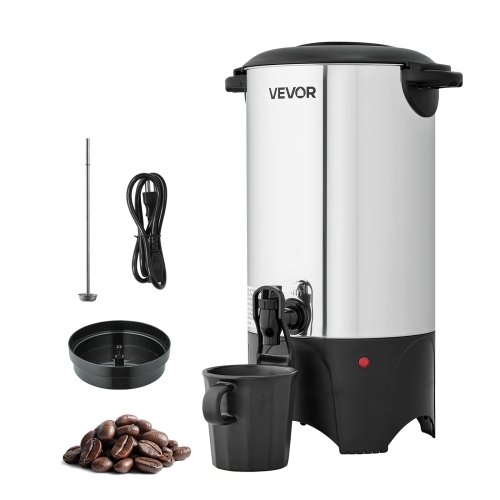
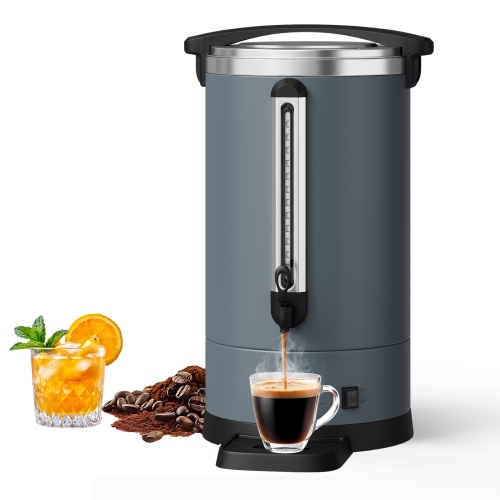
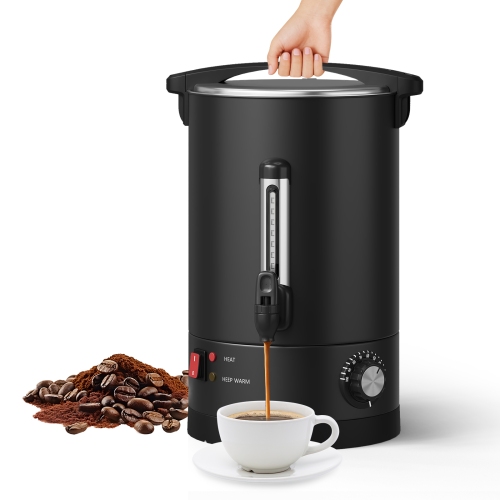
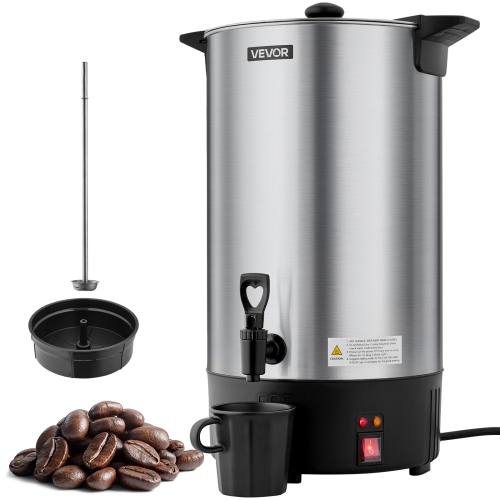
Large capacity coffee urns brew or hold coffee in a single vessel designed to serve a crowd, making them useful for office break rooms, community centres, catered meals, meetings and family gatherings. Instead of preparing several small pots in succession, an urn creates a central serving point where guests can fill their cups throughout a breakfast, presentation or reception. Many electric coffee urns use a percolating system that circulates heated water through a basket of ground coffee, then switches to a holding mode once brewing is complete. Other urns are designed primarily to dispense coffee prepared separately, so the distinction between a brewer and a serving vessel matters. Capacity is usually expressed as a cup count, but that figure does not necessarily represent full-sized mugs. A 300 mL mug, for example, takes twice as much coffee as a 150 mL serving. Comparing the stated liquid volume with the cups actually being used gives a more realistic sense of how many people a batch will serve. Refills also matter: a short meeting with one coffee break places different demands on an urn than a breakfast buffet where guests return several times. Larger capacity can reduce interruptions, although filling the vessel to its maximum is not always necessary or permitted for smaller batches. Minimum and maximum fill markings establish the working range for each design. Brewing time varies with the amount of water, starting water temperature and the heating system, so a full batch needs to be planned around the start of service rather than assumed to be ready immediately. Ready lights and automatic keep-warm functions, where included, make it easier to see when coffee can be served. At a busy gathering, a clearly identified regular or decaffeinated station can also keep service moving without requiring someone to answer the same question each time a guest reaches for a cup.
The materials and construction of a large coffee urn influence how it handles repeated filling, brewing, dispensing and cleaning. Stainless steel is common because it tolerates frequent use and offers a smooth surface that can be wiped down, though fingerprints, water spots and coffee residue still need attention. An insulated or double-wall body can help limit heat loss, but the exterior, lid and dispensing area may still become hot; insulation should not be treated as a guarantee that every surface is safe to touch. Handles are particularly important on a vessel that becomes heavy when filled. Secure attachment points, a comfortable grip and a well-fitting lid contribute to practical handling, while the manufacturer’s directions determine whether the urn may be moved while full or hot. For serving, tap clearance deserves as much attention as overall capacity. A tall travel mug may not fit beneath a low spout, and a tap positioned close to the base can be awkward without a suitable raised serving platform. Any stand or platform must be stable and rated to support the filled appliance. Lever-style taps, push-button dispensers and cup-operated mechanisms offer different serving motions, with some better suited to guests filling their own drinks and others convenient for an attendant. A removable drip tray can help catch stray drops, while a visible water-level indicator can show when the supply is running low. On a shared countertop, the urn also needs room for cups, lids, milk and sugar without placing its cord across a walkway or leaving the appliance near an edge. Space above the lid matters when removing the basket or adding water. Electrical requirements, permitted usage and any commercial-use rating should match the intended setting, particularly where an urn will run frequently or serve the public. For a workplace kitchen or community hall, durability means more than a sturdy-looking shell: accessible cleaning surfaces, serviceable components and clear operating controls all affect how comfortably the equipment fits into a regular routine.
Coffee quality depends on more than the size of the vessel. A large batch benefits from fresh coffee, the grind recommended for the brewing system and proportions based on the urn’s stated liquid capacity rather than an assumed mug size. Grounds that are too fine for a percolator basket can pass through its openings or restrict circulation, while unsuitable filters can interfere with brewing; some baskets are intended for use without paper filters. The manufacturer’s directions provide the appropriate approach for each design. Holding coffee hot is convenient, but extended holding can change its flavour, so a batch sized to the expected serving period is often preferable to making the largest possible quantity. At a conference registration table, that might mean having coffee ready shortly before arrivals; in a staff room, it may mean a smaller permitted batch followed by another later. Routine care helps preserve both taste and dependable operation. Coffee oils can collect inside the vessel, basket, stem and tap, while mineral deposits from water can build up around heating surfaces. Removable parts need cleaning according to their care instructions, and the dispensing mechanism deserves particular attention because residue can remain in narrow passages. Descaling frequency depends on water hardness and usage, using only methods and cleaning products approved for the appliance. Electrical bases and connections must stay out of water unless the instructions explicitly state otherwise. Thorough rinsing and drying before storage help prevent stale odours from carrying into the next batch. The broader Coffee Urn category covers equipment for different serving needs, with capacity, brewing method and handling features providing useful points of comparison. For hosts, volunteer organizers and workplace teams, a well-matched urn supports a straightforward coffee station: enough coffee for the occasion, comfortable access to the tap and a cleaning routine that suits how often the equipment will be used.
Top selling and popular products
-
 Your price for this item is $2545.05
-
 Your price for this item is $477.99
-
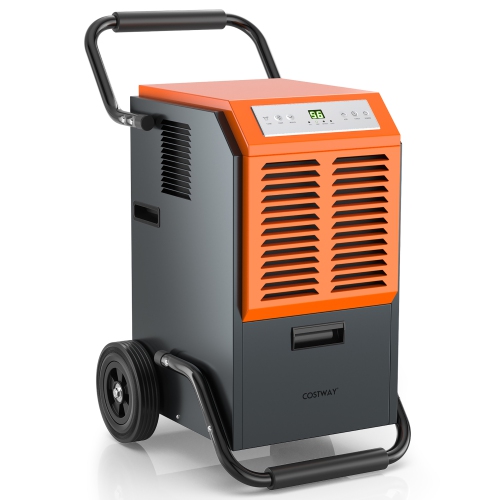 Your price for this item is $560.99
-
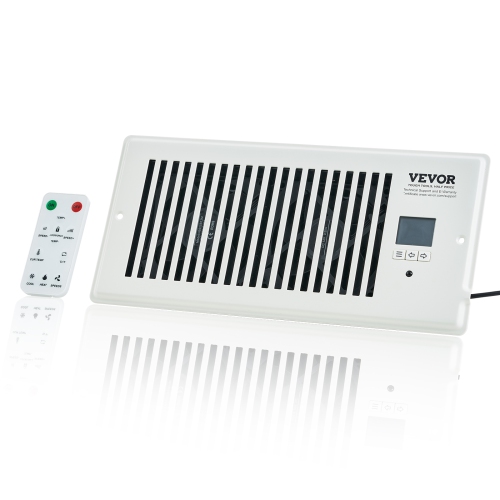 Your price for this item is $53.91
-
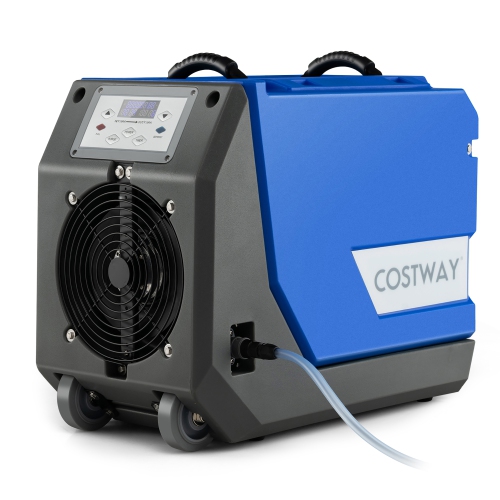 Your price for this item is $769.99
-
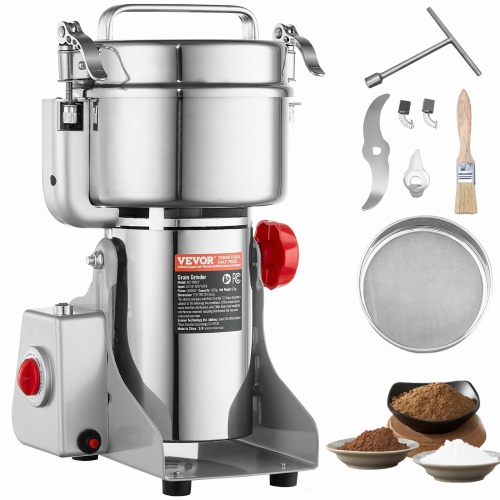 Your price for this item is $104.9
-
 Your price for this item is $1549.99
-
 Your price for this item is $125.9
Discover more categories related to Large Capacity Coffee Urns


Top Collections:
Best Black Friday Deals This Year, Best Black Friday Deals On Electronics, Kindle Devices, Pokemon Centers, Best Black Friday Deals On Apple Products, Best Cameras for Sports Photography, Dyson Airwrap, Pokémon 30th Celebration Cards, Apple iPhone 17 Pro, Canon G7X Cameras
Some products may be subject to Environmental Handling Fees
(EHF) depending on your province.
Learn more about EHFs.