Exhaust Heat Wraps
Get ready to take your vehicle's performance to the next level with exhaust heat wraps. Designed to improve exhaust flow and reduce under-hood temperatures, these heat wraps are a must-have for any automotive enthusiast or DIY mechanic. Whether you're looking to enhance your car's horsepower, protect sensitive components, or simply add a sleek and stylish touch to your engine bay, our selection of exhaust heat wraps has got you covered. Explore our wide range of options and find the perfect wrap to suit your needs and unleash the full potential of your ride.
Sort

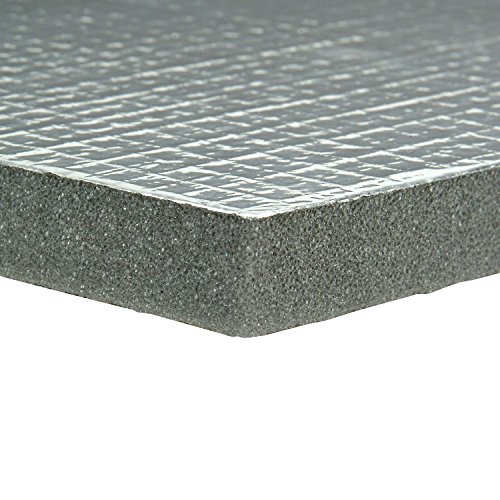


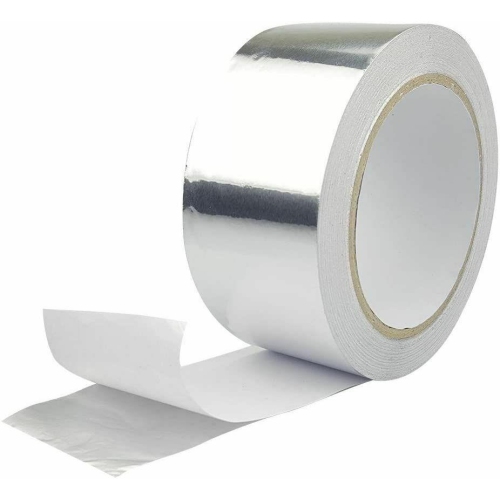

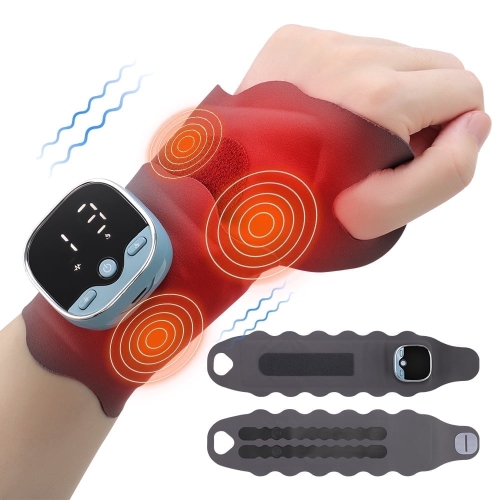



Better heat control starts with the right wrap
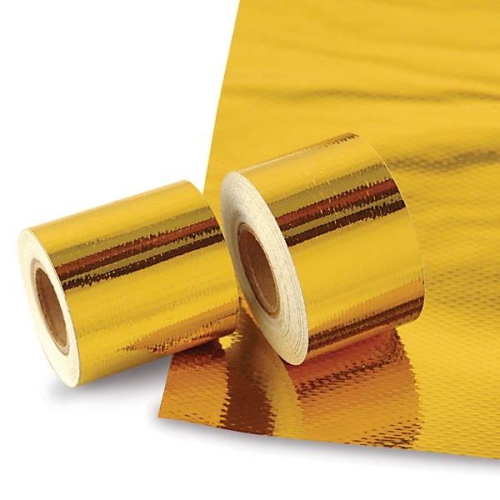
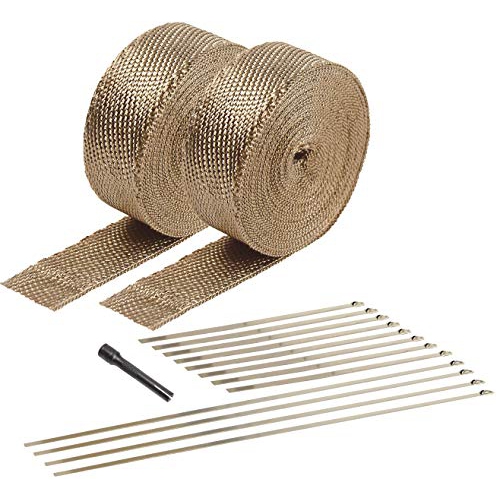
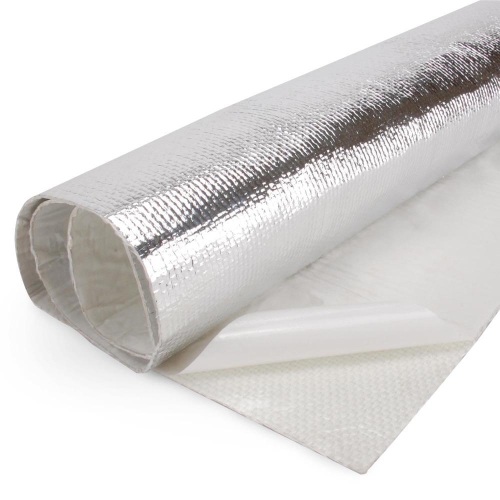
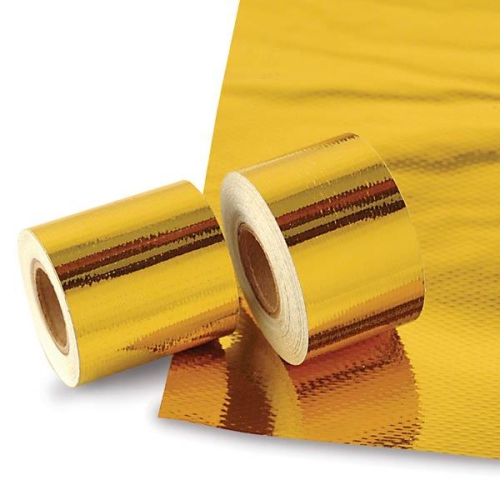
Exhaust heat wraps are designed for vehicle and powersports exhaust systems, where controlling heat can make a noticeable difference around the engine bay. By insulating headers, exhaust manifolds, downpipes, and other compatible sections of exhaust tubing, a wrap helps keep more heat inside the pipe. Hotter exhaust gases are less dense and can move through the system more efficiently, while reduced radiant heat may help lower temperatures around nearby wiring, fuel lines, intake components, and other sensitive parts. This makes exhaust heat wrap a practical consideration for automotive enthusiasts, motorcycle owners, off-road drivers, restorers, and anyone completing a custom exhaust project. It can also give an older engine bay a cleaner, more purposeful appearance when installed carefully. The right wrap depends on the vehicle, the shape and length of the exhaust components, available clearance, and the temperatures the material is expected to withstand. Fibreglass wraps are widely used for general heat management and are often available in different widths and lengths, while basalt, lava rock, and other high-temperature materials may be chosen for demanding applications. Some wraps are intended for headers or pipes, while others are better suited to specific exhaust layouts, so checking the manufacturer’s temperature rating and application guidance is an important step before ordering. Measure the sections you plan to cover and allow for overlap at the recommended amount rather than assuming one roll will fit every installation. A wrap that is too short can leave hot spots exposed, while excessive overlap can add unnecessary bulk and make it harder to secure the material evenly. Consider whether you need stainless steel locking ties, clamps, or other heat-resistant fasteners as well, since ordinary cable ties and household hardware are not suitable for the temperatures found near an exhaust system.
Installation is usually easiest with the exhaust removed or with generous access around the pipes, although experienced DIY mechanics may work in place when clearance allows. The surface should be clean and free of oil, grease, dirt, and loose corrosion before wrapping begins. Depending on the product instructions, the material may be installed dry or lightly dampened to improve flexibility and reduce loose fibres during fitting. Starting at the end recommended for the particular exhaust layout, work gradually along the pipe with consistent tension and an even overlap. Keeping the wrap smooth around bends helps prevent folds that can create uneven heating, while firm, heat-resistant ties at the beginning, end, and other specified points help keep the material from shifting. Gloves, eye protection, and suitable clothing are sensible precautions when handling insulating fibres and working around metal edges. Exhaust components must be completely cool before installation or inspection, and the vehicle should be supported securely if access underneath is required. After fitting, follow the wrap manufacturer’s curing instructions. The first heat cycle can produce smoke or an odour as moisture and installation residues leave the material, so ventilation and a controlled outdoor run may be appropriate where permitted. Inspect the installation after the initial heat cycles to confirm that the wrap remains tight and that no section is touching wiring, hoses, body panels, or other components that are not rated for high temperatures. Exhaust heat wrap is not a substitute for repairing cracked pipes, loose joints, worn hangers, or damaged heat shields. It should also be selected with the exhaust material in mind. Additional heat retention can place more thermal stress on thin-wall tubing, and some manufacturers caution against wrapping certain titanium exhausts because excessive heat may contribute to brittleness or cracking. If corrosion is already present, address it before installation, and check the product guidance regarding high-temperature coatings or sealants. Trapped moisture can accelerate corrosion on some exhaust systems, particularly where a vehicle is used in wet conditions or stored after short trips, so regular inspection is part of responsible maintenance.
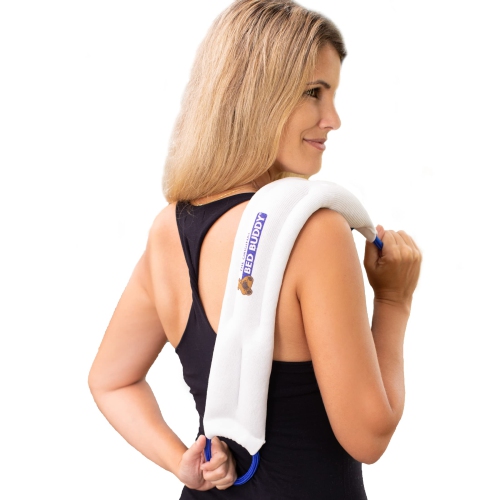
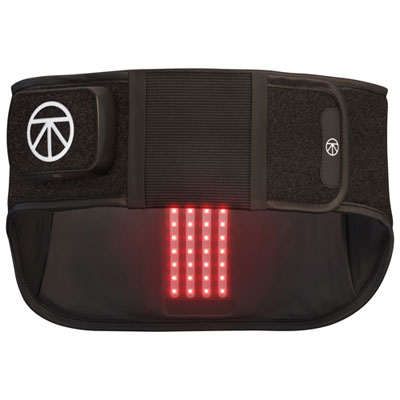
These products may suit someone building a track car, refreshing a classic vehicle, setting up a trail motorcycle, or protecting a compact engine bay where components sit close together. They can also be a thoughtful gift for a hands-on driver or motorcycle enthusiast, especially when paired with heat-resistant fasteners, installation gloves, or other workshop essentials. Matching the material to the intended use is more important than choosing solely by appearance: a commuter vehicle, a high-output performance engine, and a powersports machine can place very different demands on an exhaust wrap. Look for clear information about maximum temperature, recommended pipe types, wrap dimensions, fastening requirements, and whether a coating is required or optional. Colour can be part of a custom build, but coverage, durability, and compatibility should take priority. Keep realistic expectations in mind. Exhaust heat wrap may help reduce radiant heat and maintain exhaust gas temperature, but it will not correct poor tuning, replace a properly designed exhaust system, or guarantee a specific performance increase. It can also make the wrapped components harder to inspect, which is why checking for leaks, loose hardware, fraying, discoloration, and signs of corrosion at regular service intervals is worthwhile. Anyone who prefers personal warming products for cooler workshop mornings should shop separately for options such as a Heated Back Wrap; that type of product is intended for personal comfort and must never be used on an engine or exhaust. For automotive applications, always follow the vehicle and wrap manufacturer’s instructions, allow components to cool fully before handling them, and seek professional help when the exhaust is difficult to access or the installation could affect critical vehicle systems.
Top selling and popular products
-
 Your price for this item is $744.71
-
 Your price for this item is $684.88
-
 Your price for this item is $325
-
 Your price for this item is $543.42
-
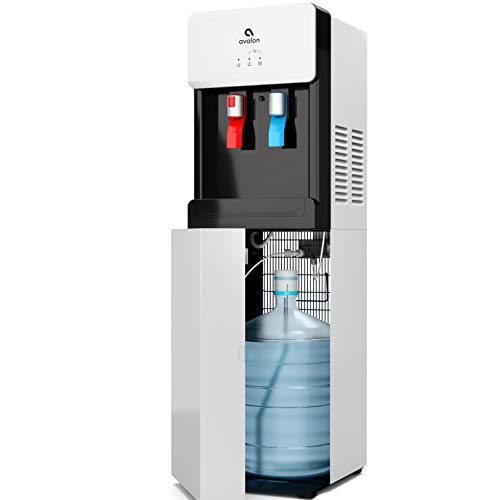 Your price for this item is $550
-
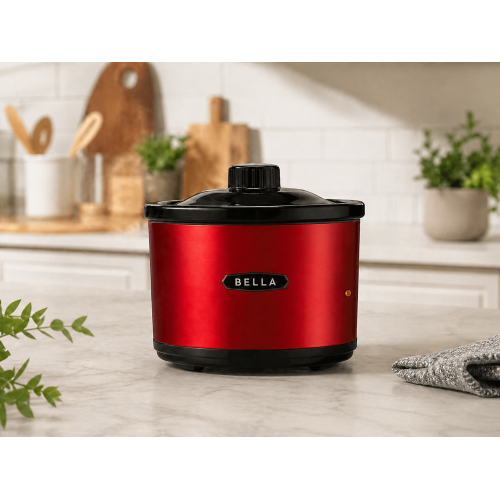 Your price for this item is $69.99
-
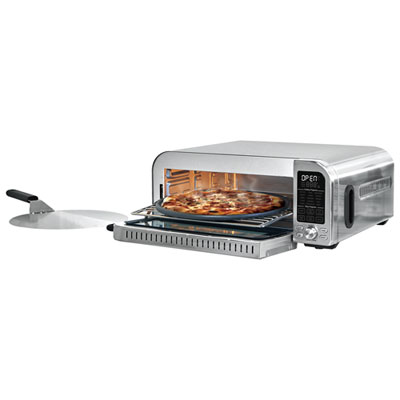 Your price for this item is $449.99
-
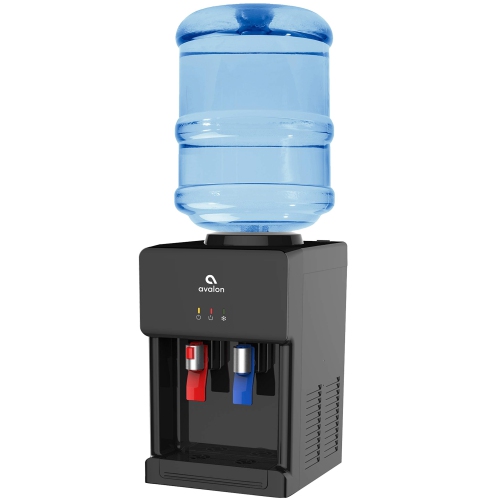 Your price for this item is $245.68
Discover more categories related to Exhaust Heat Wraps
Top Collections:
Pokemon Centers, Best Cameras for Sports Photography, Kindle Devices, Samsung Galaxy Phones, Canon G7X Cameras, Pokémon 30th Celebration Cards, Refurbished Apple Laptops, iPhone 15 Apple, Laptops for Students, Budget Smartphones
Some products may be subject to Environmental Handling Fees
(EHF) depending on your province.
Learn more about EHFs.