Heat Shield Materials
Whether you're a DIY enthusiast or a professional in need of reliable solutions, our range of heat shield materials is designed to provide superior thermal insulation and protection against high temperatures. From automotive applications to industrial settings, we've got you covered with an array of options that meet the highest standards of quality and durability. Explore our collection today and discover the perfect heat shield material to safeguard your equipment and enhance its longevity.
Sort




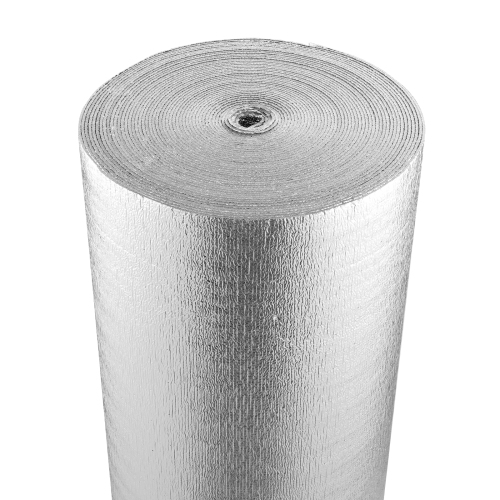

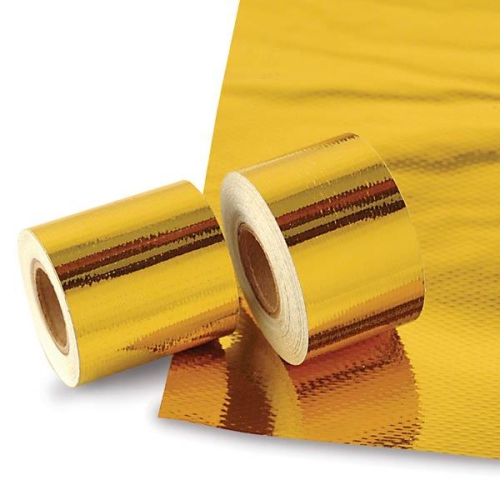

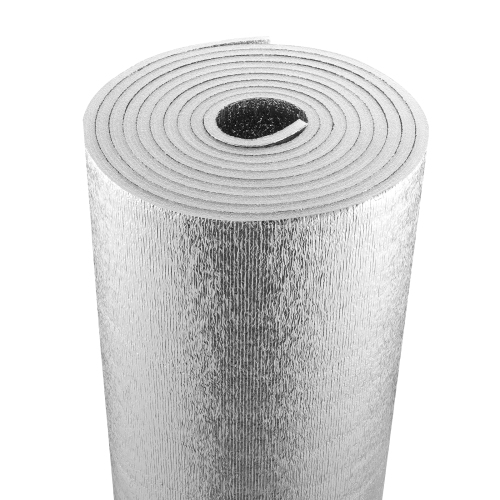
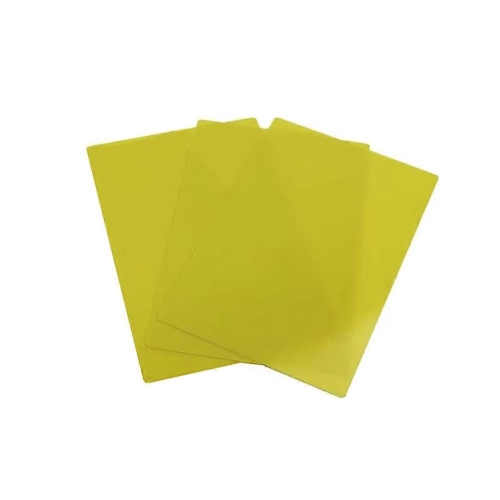
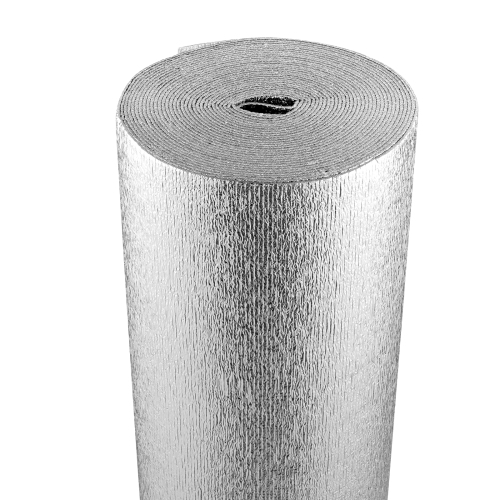
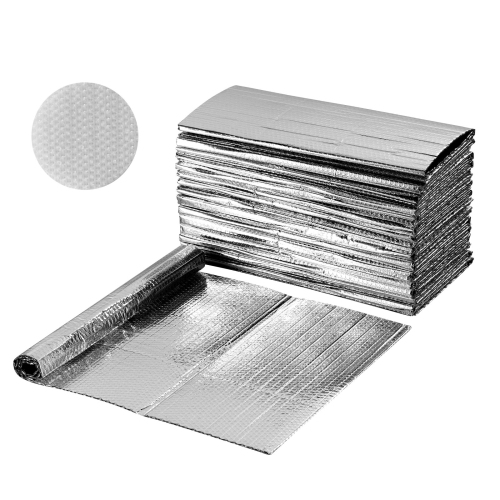

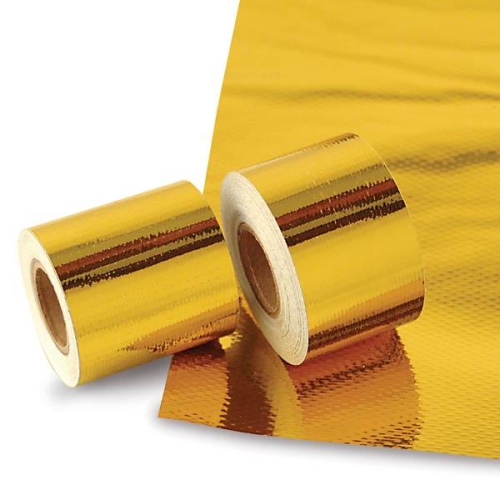






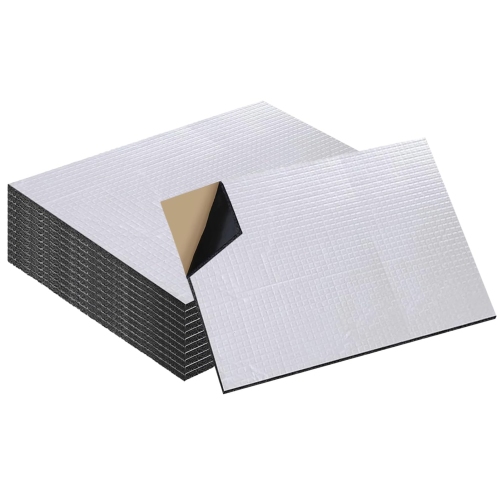

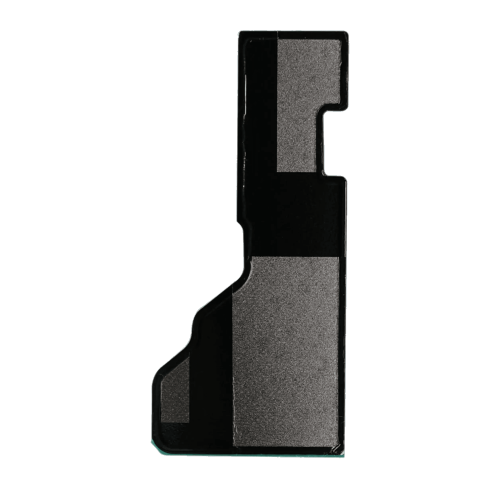


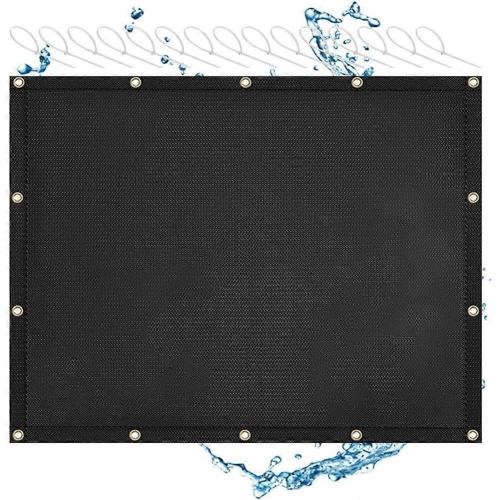


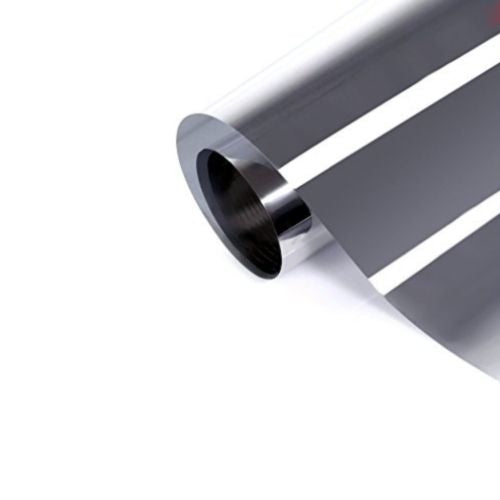




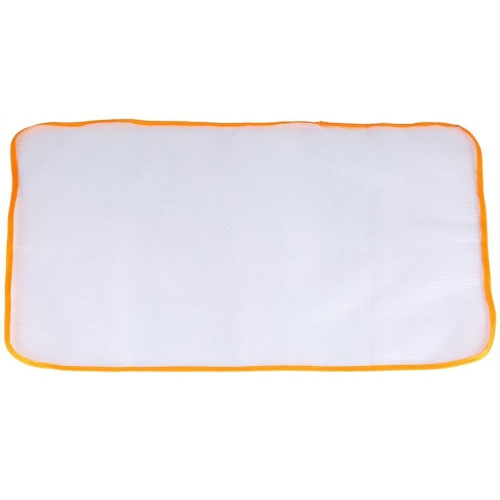
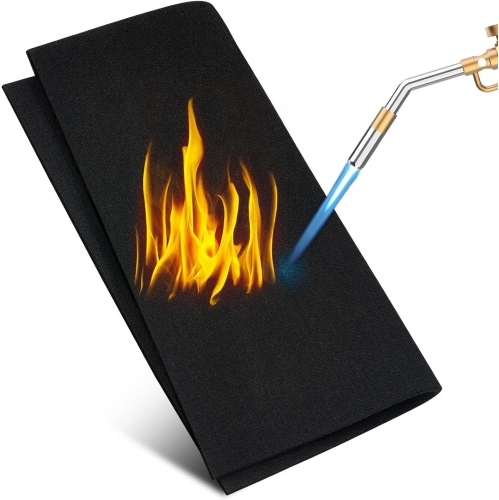










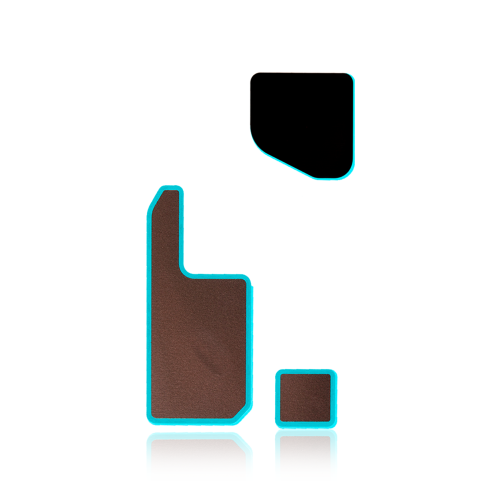

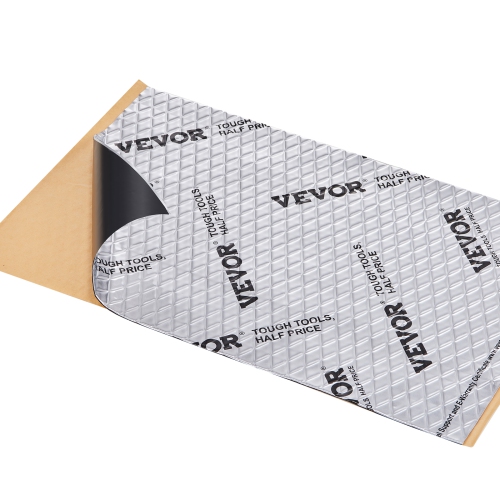

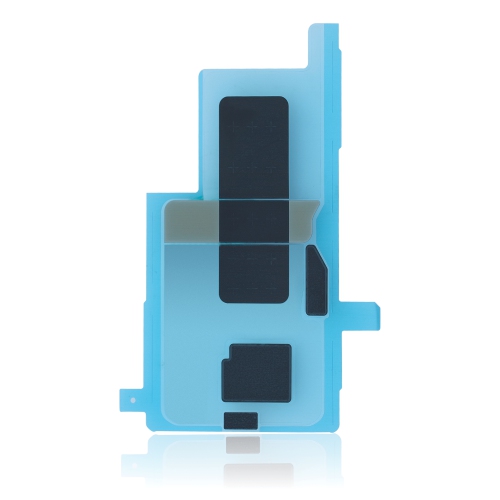


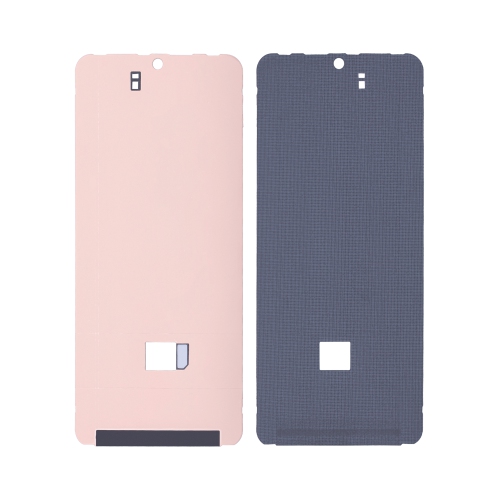


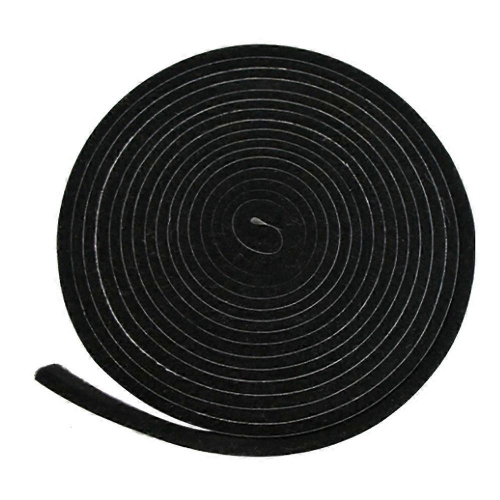
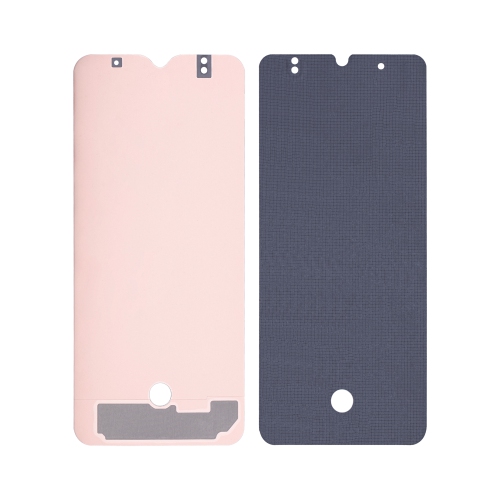
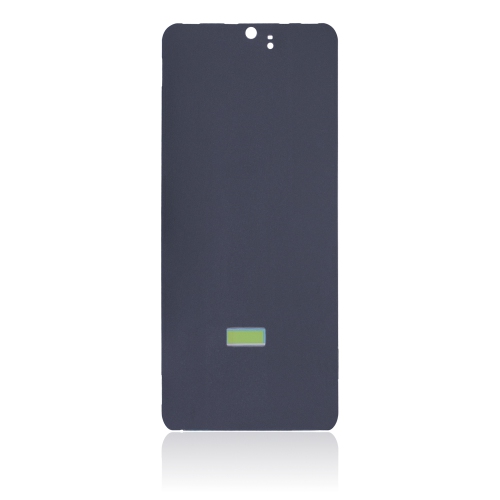





Reflective barriers and insulation solve different heat problems
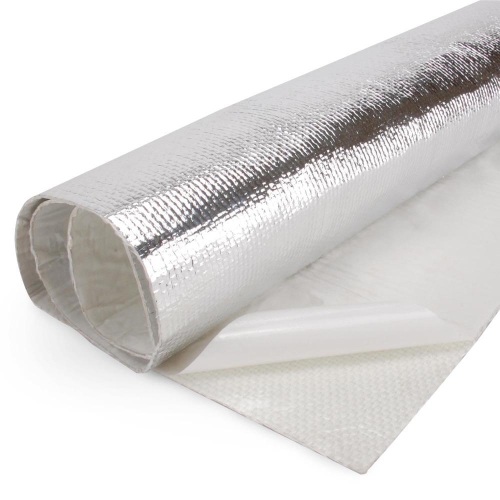
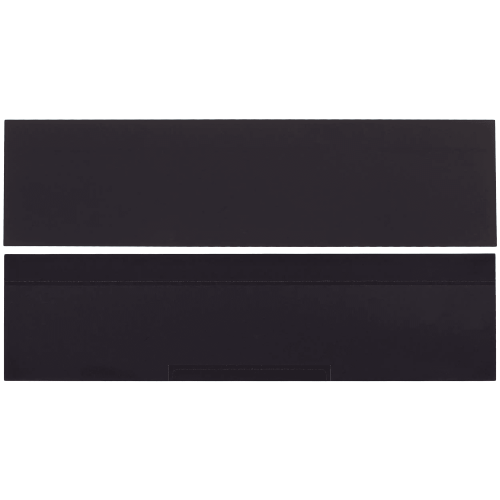
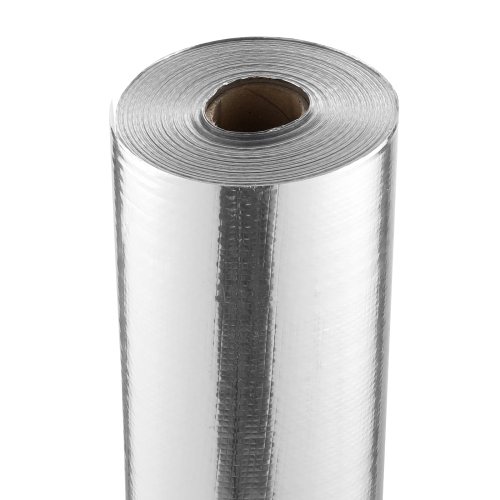
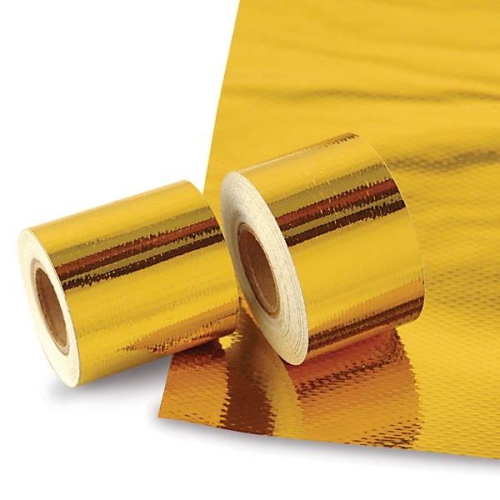
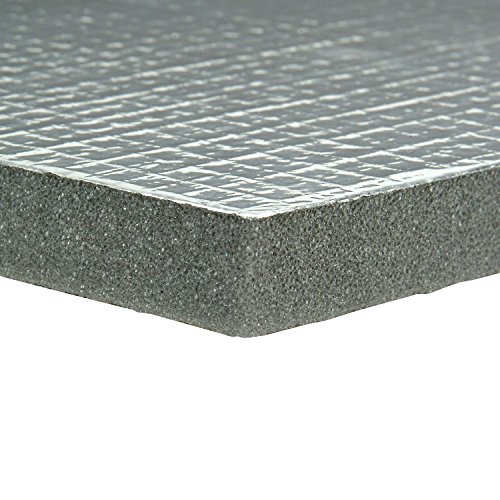
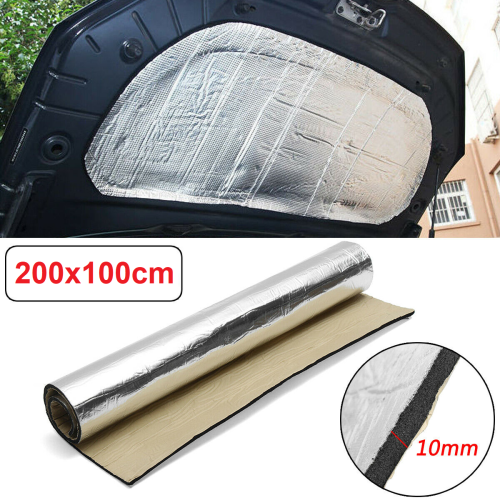
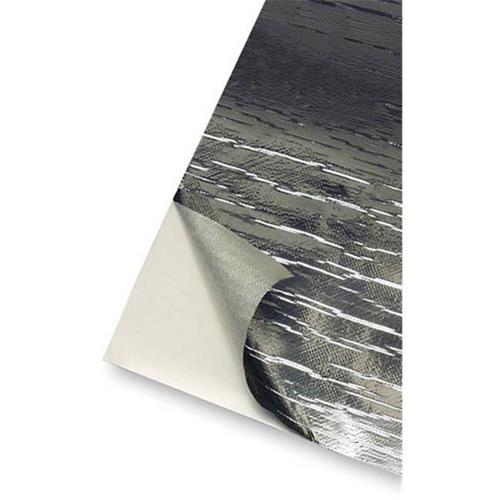
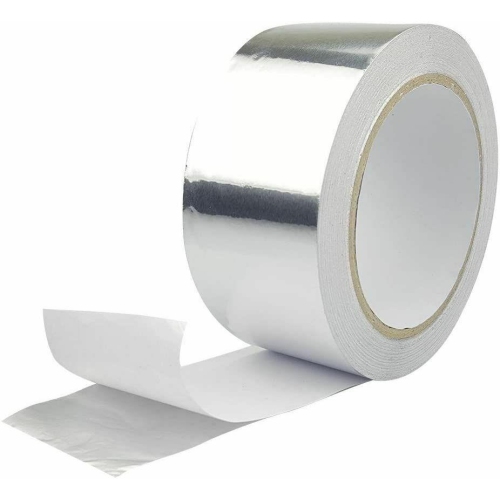
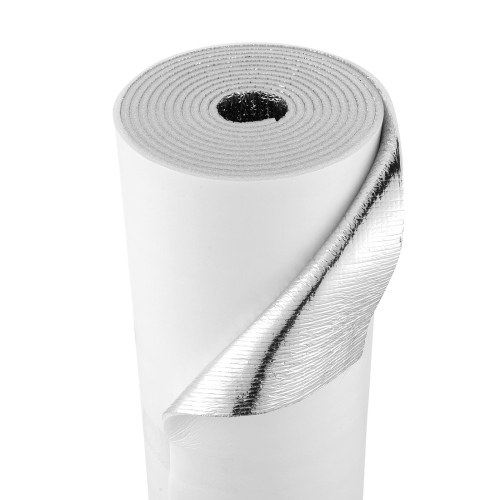
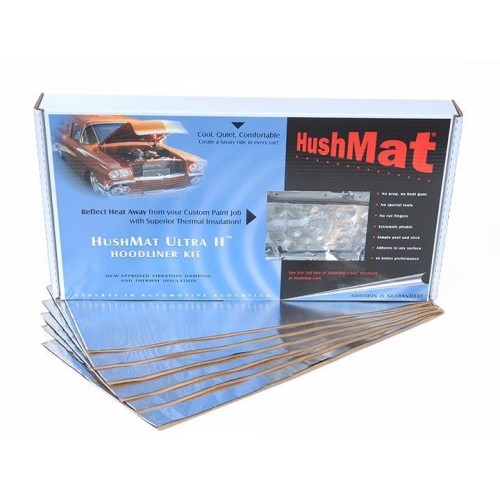
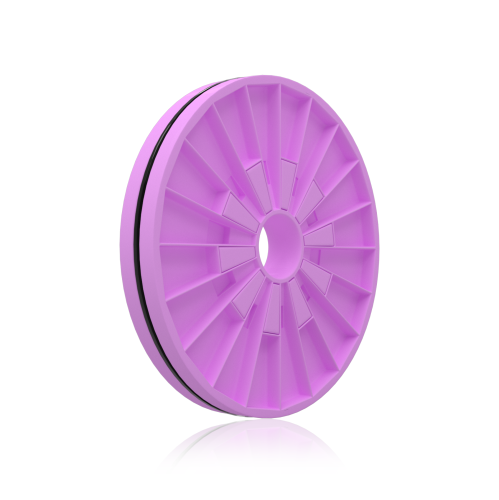
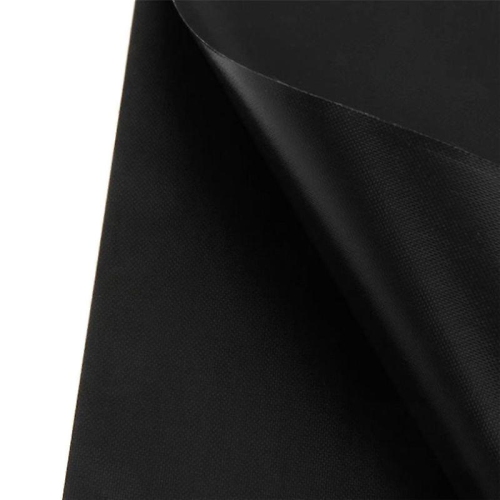
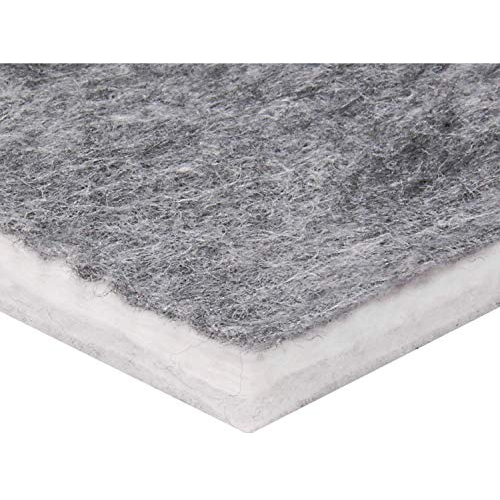
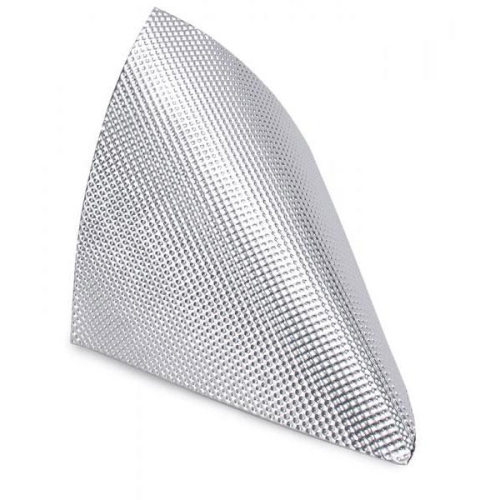
Heat shield materials help limit heat transfer between a heat source and nearby components, surfaces, or spaces. Common options include aluminized fibreglass, ceramic fibre insulation, silica fabrics, formed metal barriers, and metallized films, each suited to different exposure conditions. Some primarily reflect radiant heat, while others slow heat moving through the material; layered constructions can combine both functions. That distinction matters beside an exhaust manifold, behind a protective panel, or around a cable running close to a hot component. A reflective sheet facing a heat source serves a different purpose from insulation wrapped around a pipe. Aluminized fibreglass combines a reflective metallic facing with a flexible woven backing, making it useful where a shield must follow curves or cover an irregular surface. Ceramic fibre and silica-based materials are used in higher-temperature applications, although their allowable exposure, handling requirements, and resistance to abrasion vary by construction. Embossed aluminum and stainless steel provide more rigid barriers where shape retention and mechanical strength are important. Aluminum is relatively light and easy to form, while stainless steel can offer greater resistance to physical wear in demanding installations. Metallized polyimide films provide a thin reflective layer where space is limited, but their appearance alone does not establish their heat tolerance. The film, adhesive, and supporting surface all affect suitability. Across these material families, radiant heat resistance should not be confused with permission to touch a hot surface directly. Continuous operating ratings, short-duration exposure limits, and direct-contact ratings describe different conditions. A material capable of reflecting heat from a nearby exhaust may still be unsuitable for wrapping that exhaust. For automotive repairs, equipment maintenance, and workshop projects, the most useful comparison is therefore not simply which material withstands the highest stated temperature, but which construction matches the actual heat source, exposure time, available clearance, and mounting method. A lightweight reflective barrier and a thick insulating blanket solve different problems, even when both are described as heat shields.
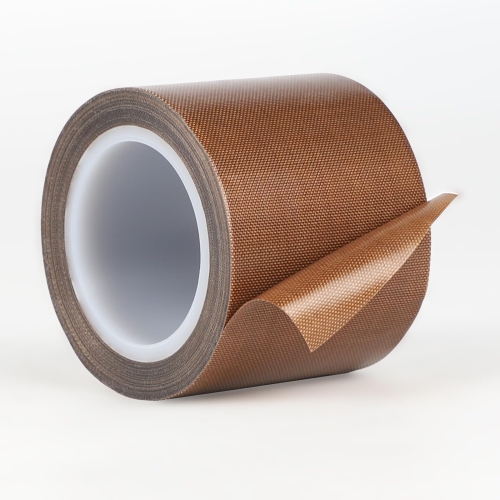
Fit is as important as the material itself because a shield needs to protect the intended area without obstructing surrounding parts. Flexible sheets can suit broad panels and gentle contours, sleeves surround hoses or wiring, and formed barriers hold their shape beside components that need consistent separation. Thickness influences both insulation and clearance: a bulky layer may offer useful thermal resistance yet leave too little room for movement, ventilation, or servicing. In an engine bay, a hose can shift as the engine moves, and a cable that appears clear while parked may rub against an edge during operation. Finished edges, secure attachment points, and sufficient allowance for movement help address those everyday stresses. An air gap is part of many reflective shielding designs, allowing the barrier to interrupt radiant exposure without sitting directly against the protected surface. Compressing that gap or packing insulation into it can change the performance of the assembly. Adhesive-backed materials offer a low-profile attachment method, but the adhesive has its own operating limits and requirements for surface cleanliness, texture, and compatibility. Oil residue, loose coatings, or a rough substrate can weaken the bond even when the facing material is appropriate for the application. Mechanically fastened shields depend on suitable hardware and attachment locations that can tolerate vibration and repeated heating and cooling. Related joining and finishing needs may call for Heat Resistant Tapes, with suitability determined by the backing, adhesive, substrate, and expected exposure rather than the name alone. Reflective metallic layers can conduct electricity, so they are not substitutes for electrical insulation and need appropriate separation from terminals and exposed conductors. Likewise, a thermal barrier is not automatically flameproof, fire-rated, or suitable for contact with cooking surfaces. For appliances and other certified equipment, replacement shielding needs to preserve the manufacturer's specified construction and clearances rather than introduce an improvised modification. Existing mounting points, service access, and ventilation paths remain important parts of the fit, not details to work around.
Durability depends on what happens around the shield as much as on the heat reaching it. A barrier beneath a vehicle may face vibration, grit, moisture, and occasional contact with debris, while material behind a stationary panel may experience little abrasion but repeated heating cycles. Rigid metal can hold a protective shape, although unsupported sections may vibrate and attachment points can loosen over time. Flexible woven materials conform more easily, but exposed edges may fray and repeated rubbing can wear through their facing. Foil-faced insulation relies on the condition of its reflective surface; accumulated dirt, oily deposits, and surface damage can reduce its ability to reflect radiant heat. Cleaning methods therefore need to suit the full construction, including any adhesive or fabric backing, rather than just the visible metallic layer. Gentle cleaning permitted by the manufacturer is preferable to abrasive scrubbing or solvents that could damage coatings and bonds. Removable shields also need enough access for inspection without repeated bending that fatigues the material. Warning signs such as lifting edges, cracking, delamination, displaced fasteners, or scorching can indicate that the installation or material needs attention. Ceramic fibre and other fibrous insulation may require specific handling precautions, particularly when cut or disturbed, so the supplied safety information remains relevant throughout installation and maintenance. These practical differences matter to vehicle owners restoring a firewall barrier, technicians managing heat near serviceable components, and workshop users protecting adjacent parts within an approved assembly. Heat shielding can help reduce unwanted heat reaching nearby components, but it does not correct a leaking exhaust, damaged wiring, inadequate ventilation, or an overheating appliance. Exhaust wrapping also changes how heat is retained in the exhaust assembly, making compatibility with the vehicle and component manufacturer's requirements especially important. The right match balances thermal performance with secure fit, accessible maintenance, and resistance to the wear the material will actually encounter, rather than relying on thickness, colour, or a maximum rating alone.
Top selling and popular products
-
 Your price for this item is $59.99
-
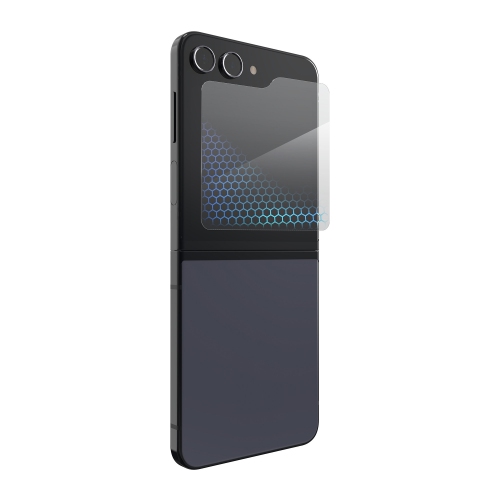 Your price for this item is $59.99
-
 Your price for this item is $89.99
-
 Your price for this item is $52
-
 Your price for this item is $49.99
-
 Your price for this item is $34.37
-
 Your price for this item is $52.49
-
 Your price for this item is $16.79
Discover more categories related to Heat Shield Materials

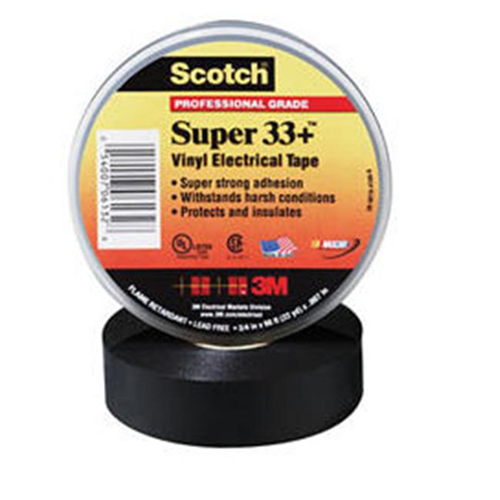
Top Collections:
Pokemon Centers, Best Cameras for Sports Photography, Kindle Devices, Samsung Galaxy Phones, Canon G7X Cameras, Pokémon 30th Celebration Cards, Refurbished Apple Laptops, iPhone 15 Apple, Laptops for Students, Budget Smartphones
Some products may be subject to Environmental Handling Fees
(EHF) depending on your province.
Learn more about EHFs.