Face Shields
Stay protected and maintain peace of mind with our extensive selection of face shields. Designed to offer an extra layer of defense, these versatile shields are perfect for various environments, from healthcare settings to everyday activities. Discover options that provide clear visibility, comfortable fit, and reliable coverage, ensuring you can go about your day with confidence. Whether you're looking for added protection at work or during your daily errands, our collection has something to suit every need. Explore the benefits of enhanced safety and find the perfect face shield to keep you and your loved ones safe.
Sort

What to know about face coverage, fit, and care
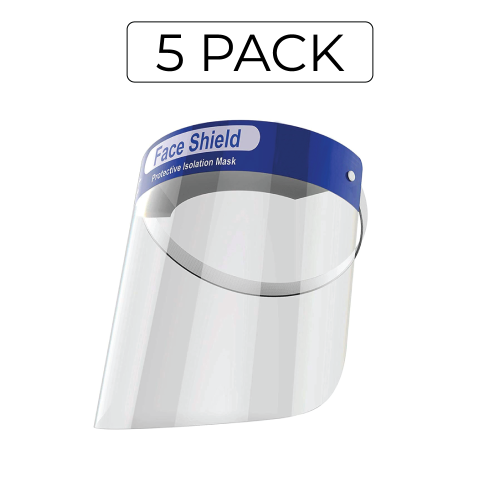
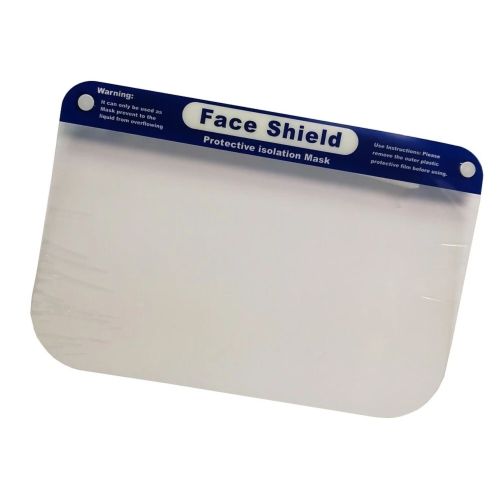
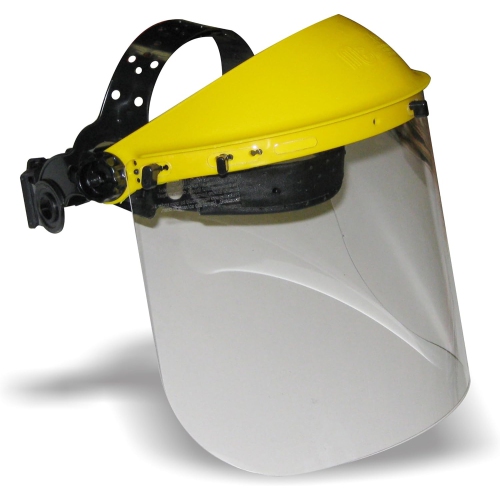
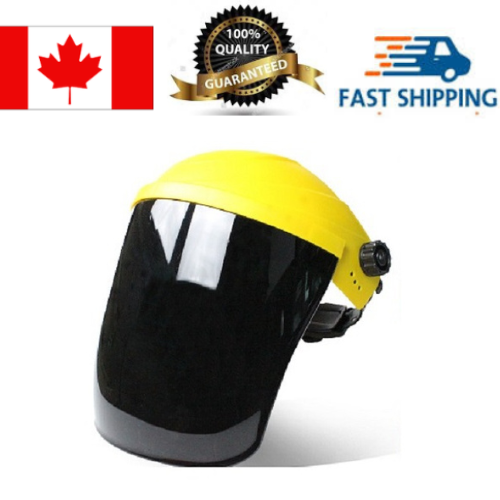
Face shields provide a broad physical barrier between the face and common workplace or project hazards, covering the forehead, eyes, cheeks, nose, mouth and chin when properly fitted. They are used in settings where flying debris, liquid splashes, dust, sparks or droplets may reach the face, including woodworking, grinding, cutting, landscaping, laboratory work, cleaning tasks and certain healthcare applications. The right shield depends on the hazard rather than appearance alone. Clear polycarbonate visors are often selected for tasks involving impact risks because they offer a sturdy viewing surface and useful coverage around the sides of the face. Acetate and propionate materials can be suitable where optical clarity and resistance to some chemical splashes are important, while mesh visors allow airflow and can help block larger pieces of wood or vegetation during outdoor work. Lightweight disposable styles may be convenient for short-duration tasks or situations where a fresh barrier is preferred between users. Welding and other high-heat applications require purpose-built protection with the appropriate shade and rating; a general clear face shield is not a substitute for equipment designed for intense light, heat or sparks. Face shields are generally considered secondary protection and should be worn with approved safety glasses or goggles underneath. The glasses or goggles help protect the eyes from particles entering below or around the visor, while the shield adds coverage for the rest of the face. For everyday eye protection away from work areas, options such as Screen Protection Glasses serve a different purpose and should not be treated as a replacement for certified safety eyewear.
Coverage and fit are among the most important details to check before choosing a face shield. A well-designed visor should extend from above the brow down past the chin and wrap sufficiently around the sides to reduce exposed areas without restricting normal movement. Adjustable headbands can help different users find a secure fit, while ratcheting or padded adjustments may be useful when a shield is worn for longer periods. Look for a visor that stays stable when bending, turning or looking upward, since a shield that shifts out of position can become distracting during detailed work. Some designs attach to a hard hat or safety helmet, making them practical for construction, forestry, landscaping and other tasks where head protection is already required. Compatibility matters: confirm that the mounting system works with the helmet or accessories being used, and check whether the visor can be raised without removing the entire setup. Anti-fog treatment, ventilation and adequate space between the face and visor can improve comfort during cooler months, when moving between heated indoor spaces and chilly outdoor areas may cause condensation. Clear optics are also important; scratches, distortion and glare can make it harder to see a cutting line, fastener or small component. For work involving chemicals, inspect the manufacturer’s information for the materials and splash protection offered, as resistance varies between visor types. When impact protection is the priority, choose equipment with the appropriate certification or rating for the task, and remember that no shield can compensate for unsafe positioning, poor housekeeping or incorrect tool use. A face shield may be a practical addition to a home workshop, garage, studio or utility room, especially for someone who regularly handles power tools, cleaning agents or materials that can chip and splinter.
Comfort and care can have a direct effect on whether protective equipment is worn consistently. A balanced shield with a comfortable brow pad is easier to use during a long repair, renovation or outdoor cleanup session than one that feels heavy or presses against the forehead. Consider the weight, adjustment range, ventilation and whether the visor leaves enough room for prescription eyewear or approved safety glasses. If several people will use the same equipment, an easily adjustable design and a straightforward cleaning routine can be helpful. Follow the care instructions supplied with the shield: remove visible dust and debris before wiping, use a compatible mild cleaning solution, and avoid abrasive cloths or harsh chemicals that could cloud or weaken the visor. Store it away from direct heat, sharp tools and surfaces that may scratch the viewing area. Replace a visor when it becomes cracked, deeply scratched, permanently cloudy, warped or otherwise difficult to see through, and replace disposable models according to their intended use and condition. Face shields can make thoughtful practical gifts for DIY enthusiasts, makers, gardeners, tradespeople, caregivers or students who spend time in a workshop or laboratory setting, provided the equipment matches the activities they perform. They can also be useful to keep on hand for occasional projects during the cooler months, from trimming branches and splitting kindling to sanding furniture or completing home maintenance indoors. Before purchasing, identify the main hazard, decide whether hard-hat integration is needed, confirm the required coverage and rating, and select a comfortable shield that can be used alongside the rest of the recommended protective equipment.
Coverage and fit are among the most important details to check before choosing a face shield. A well-designed visor should extend from above the brow down past the chin and wrap sufficiently around the sides to reduce exposed areas without restricting normal movement. Adjustable headbands can help different users find a secure fit, while ratcheting or padded adjustments may be useful when a shield is worn for longer periods. Look for a visor that stays stable when bending, turning or looking upward, since a shield that shifts out of position can become distracting during detailed work. Some designs attach to a hard hat or safety helmet, making them practical for construction, forestry, landscaping and other tasks where head protection is already required. Compatibility matters: confirm that the mounting system works with the helmet or accessories being used, and check whether the visor can be raised without removing the entire setup. Anti-fog treatment, ventilation and adequate space between the face and visor can improve comfort during cooler months, when moving between heated indoor spaces and chilly outdoor areas may cause condensation. Clear optics are also important; scratches, distortion and glare can make it harder to see a cutting line, fastener or small component. For work involving chemicals, inspect the manufacturer’s information for the materials and splash protection offered, as resistance varies between visor types. When impact protection is the priority, choose equipment with the appropriate certification or rating for the task, and remember that no shield can compensate for unsafe positioning, poor housekeeping or incorrect tool use. A face shield may be a practical addition to a home workshop, garage, studio or utility room, especially for someone who regularly handles power tools, cleaning agents or materials that can chip and splinter.
Comfort and care can have a direct effect on whether protective equipment is worn consistently. A balanced shield with a comfortable brow pad is easier to use during a long repair, renovation or outdoor cleanup session than one that feels heavy or presses against the forehead. Consider the weight, adjustment range, ventilation and whether the visor leaves enough room for prescription eyewear or approved safety glasses. If several people will use the same equipment, an easily adjustable design and a straightforward cleaning routine can be helpful. Follow the care instructions supplied with the shield: remove visible dust and debris before wiping, use a compatible mild cleaning solution, and avoid abrasive cloths or harsh chemicals that could cloud or weaken the visor. Store it away from direct heat, sharp tools and surfaces that may scratch the viewing area. Replace a visor when it becomes cracked, deeply scratched, permanently cloudy, warped or otherwise difficult to see through, and replace disposable models according to their intended use and condition. Face shields can make thoughtful practical gifts for DIY enthusiasts, makers, gardeners, tradespeople, caregivers or students who spend time in a workshop or laboratory setting, provided the equipment matches the activities they perform. They can also be useful to keep on hand for occasional projects during the cooler months, from trimming branches and splitting kindling to sanding furniture or completing home maintenance indoors. Before purchasing, identify the main hazard, decide whether hard-hat integration is needed, confirm the required coverage and rating, and select a comfortable shield that can be used alongside the rest of the recommended protective equipment.
Top selling and popular products
-
 Your price for this item is $189.05
 -
 Your price for this item is $39.25
 -
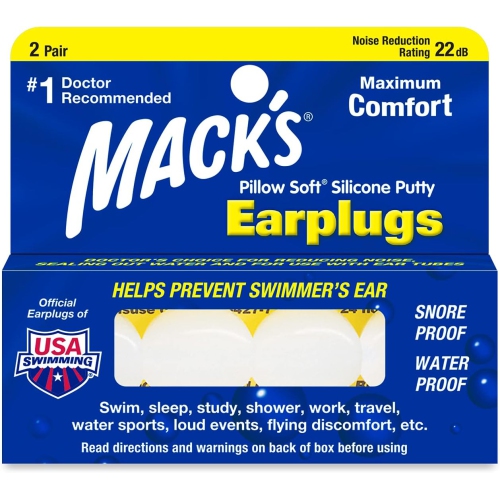 Your price for this item is $23.97
 -
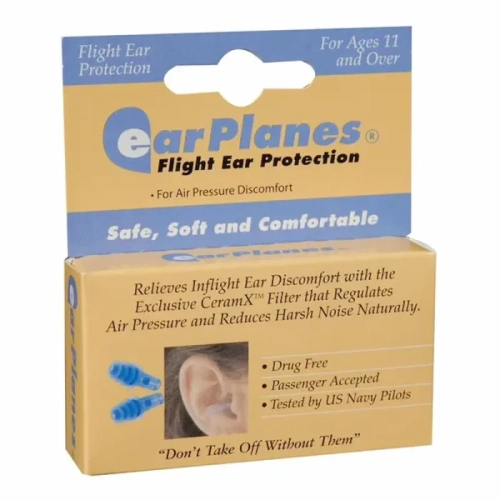 Your price for this item is $16
 -
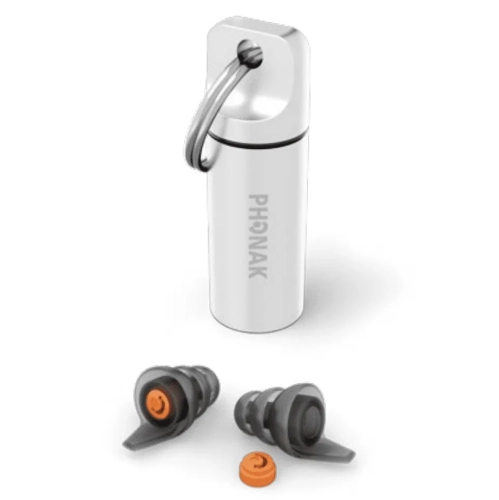 Your price for this item is $44.8
 -
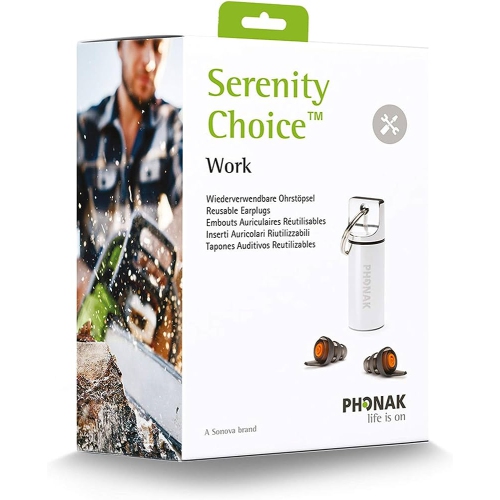 Your price for this item is $52
 -
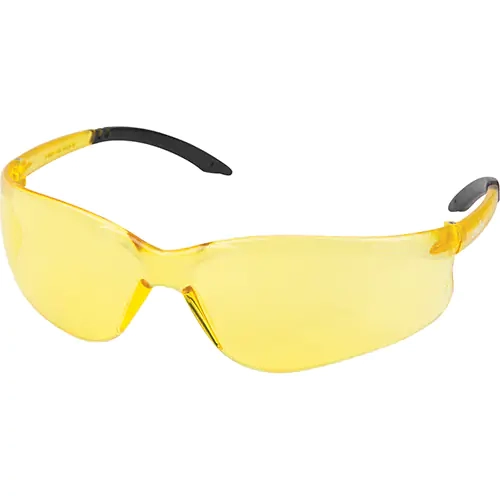 Your price for this item is $2.68
 -
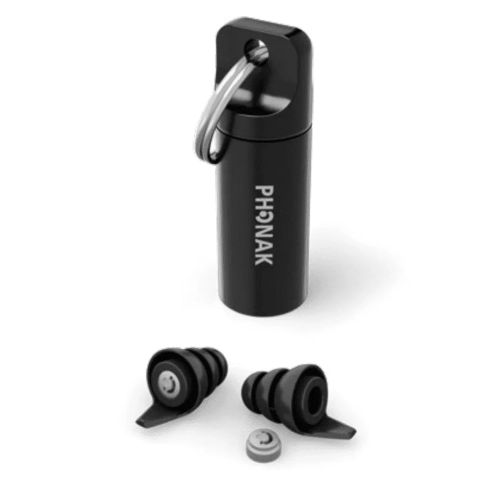 Your price for this item is $83.44
Discover more categories related to Face Shields
Top Collections:
Pokemon Centers, Kindle Devices, Best Budget Office Chairs, Apple iPhones 16, Canon G7X Cameras, iPhone 15 Apple, Alarm Clock, Refurbished Apple Laptops, Flip Phones, Best Laptops for Writers
Some products may be subject to Environmental Handling Fees
(EHF) depending on your province.
Learn more about EHFs.