Breast Shields
Breast shields are essential accessories for breastfeeding moms, offering comfort and convenience during nursing sessions. Designed to fit snugly and securely, these shields help protect sensitive skin while ensuring efficient milk flow. Available in various sizes and materials, breast shields cater to individual needs, making the breastfeeding experience smoother and more enjoyable. Whether you're a new mom or looking to upgrade your current gear, explore this selection of top-quality breast shields that support you every step of the way.
Sort
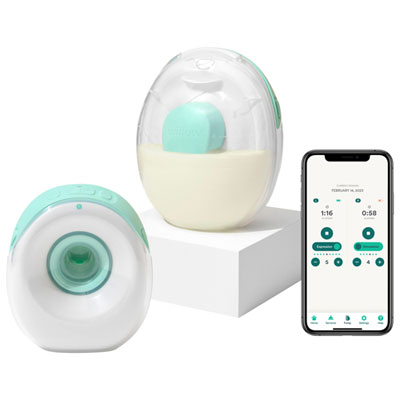
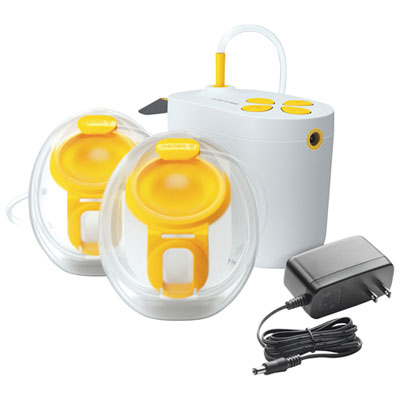
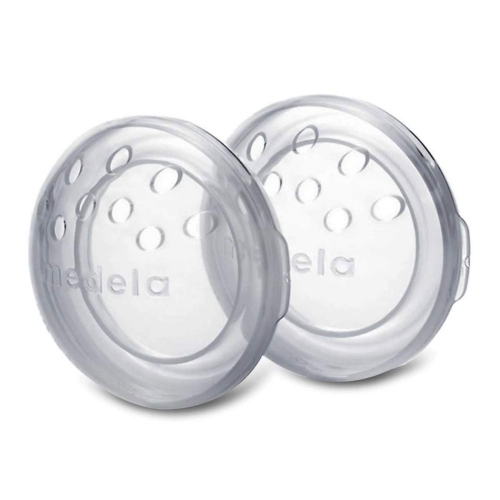
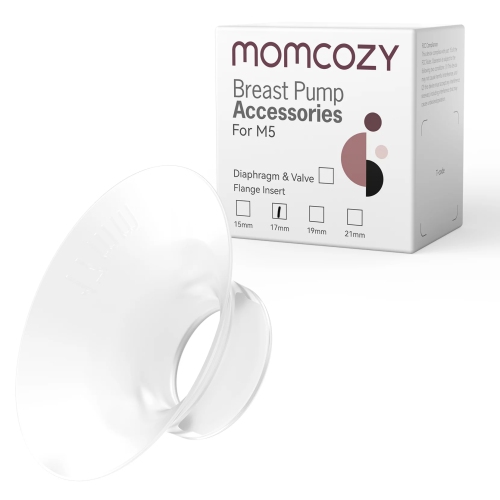


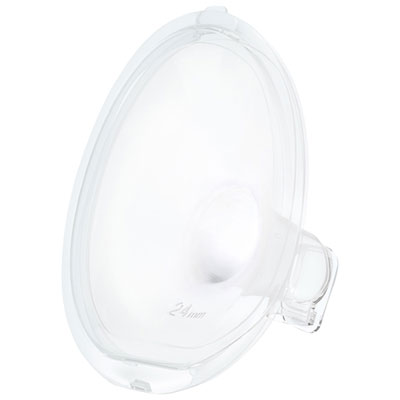
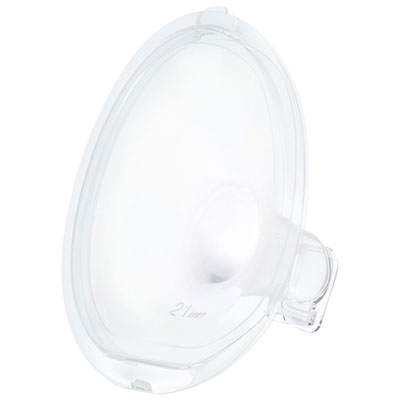
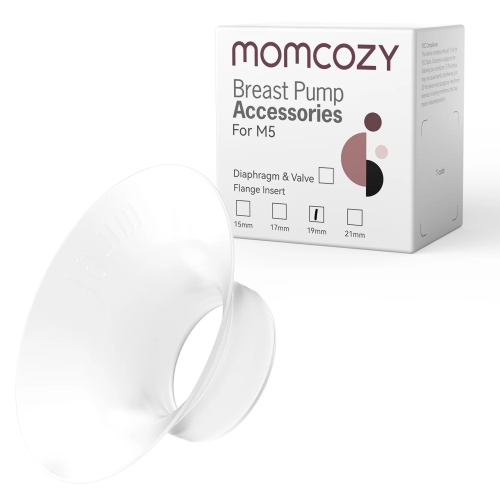
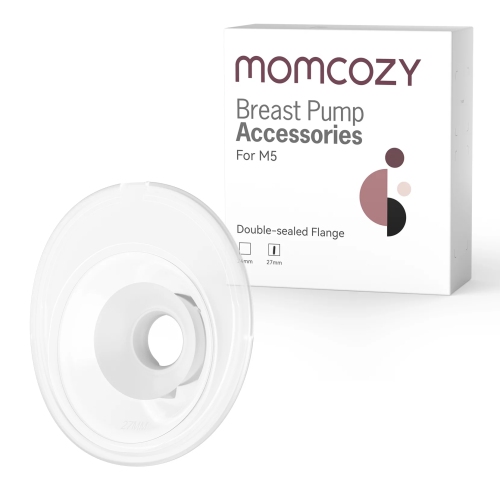


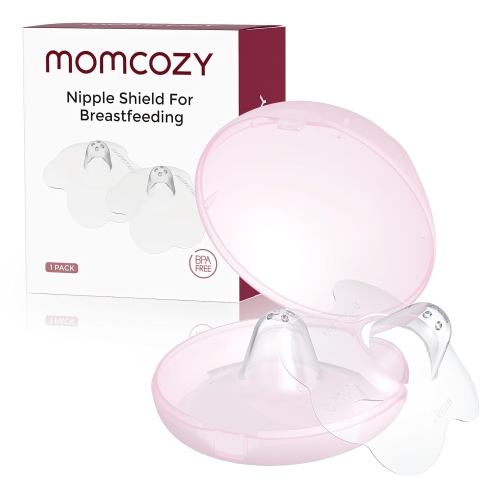
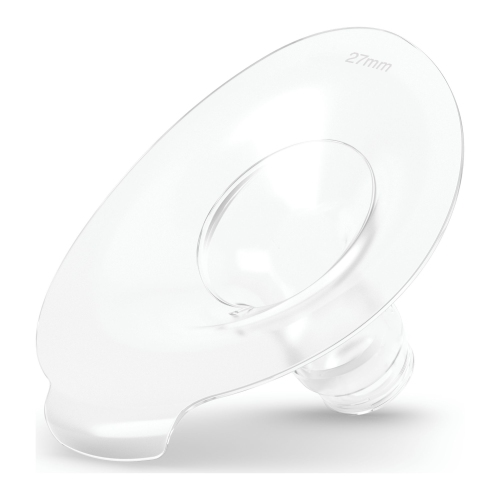
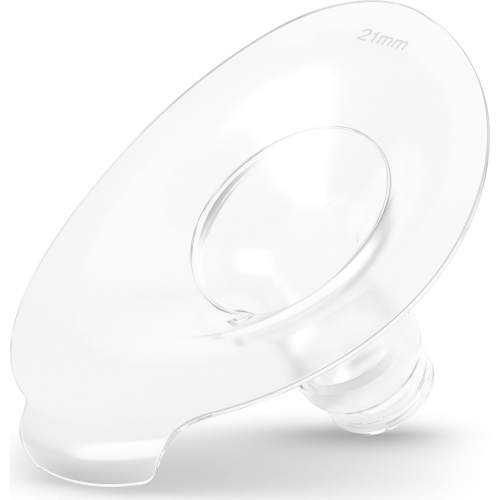
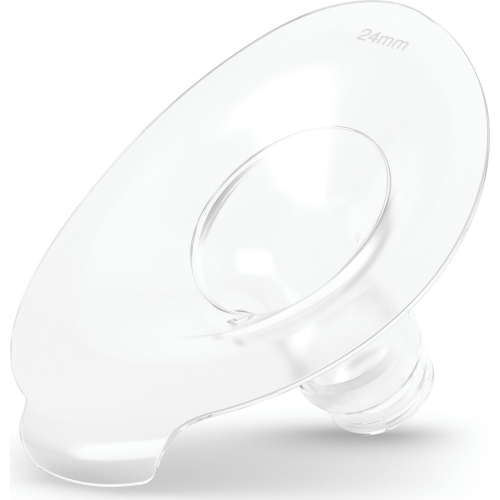
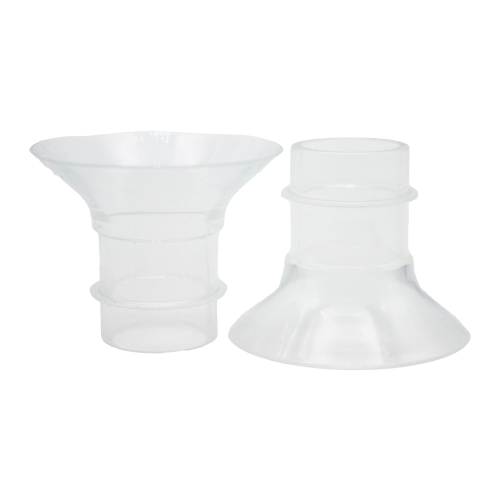
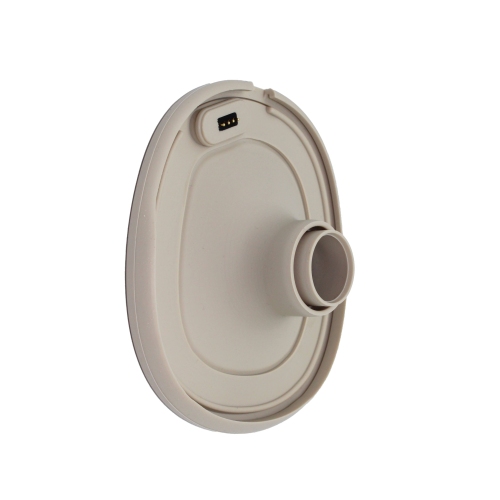
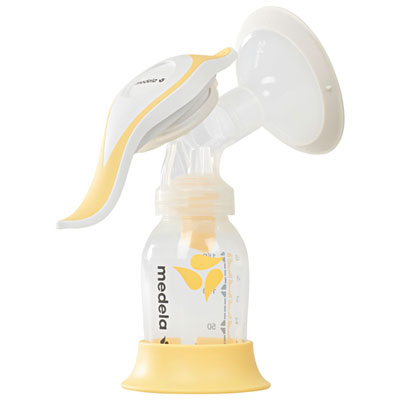
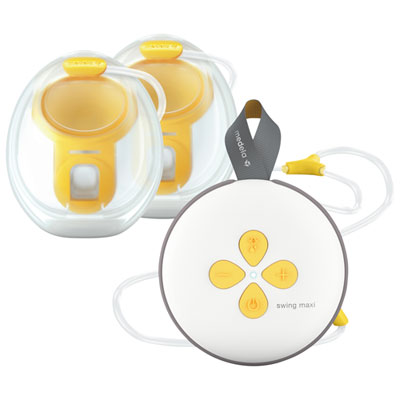
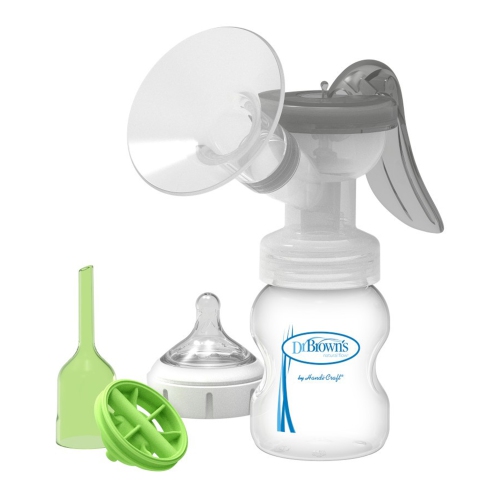
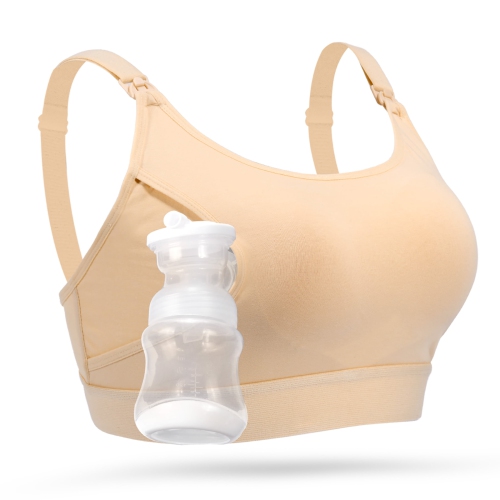
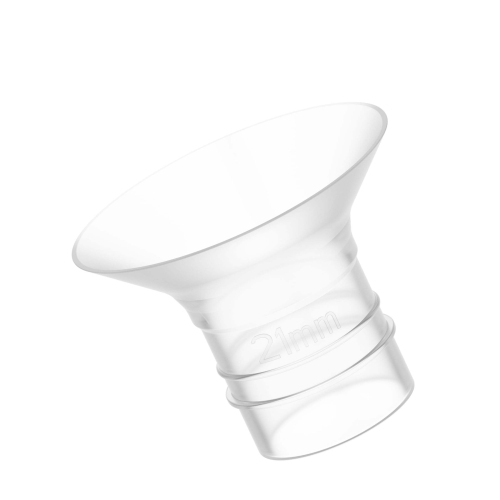
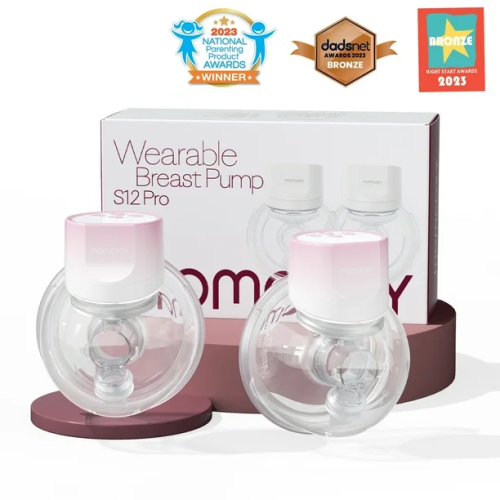
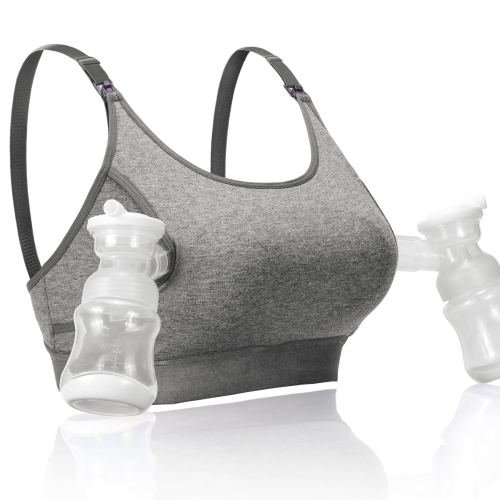
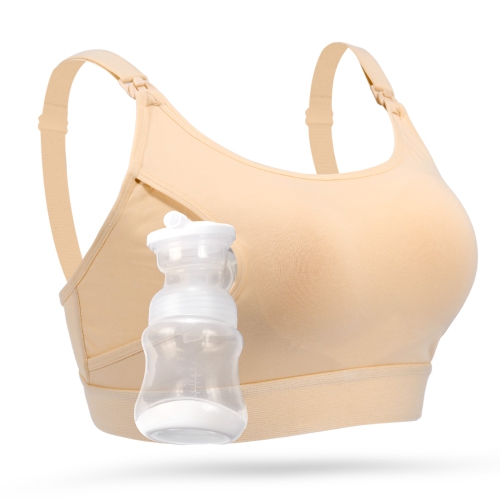
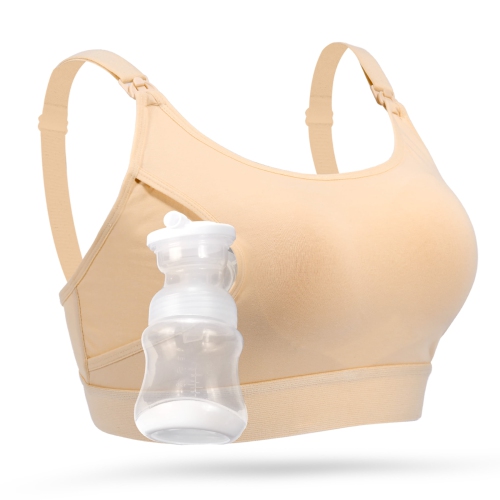
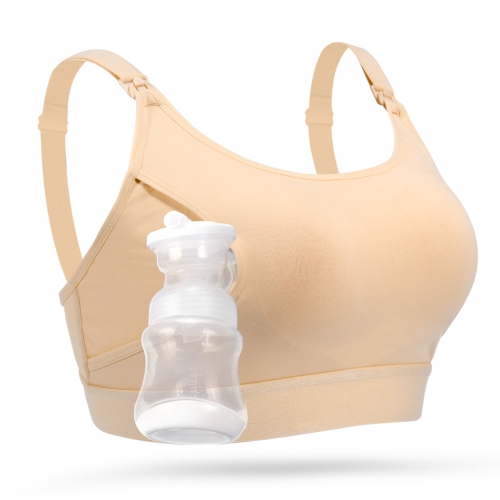
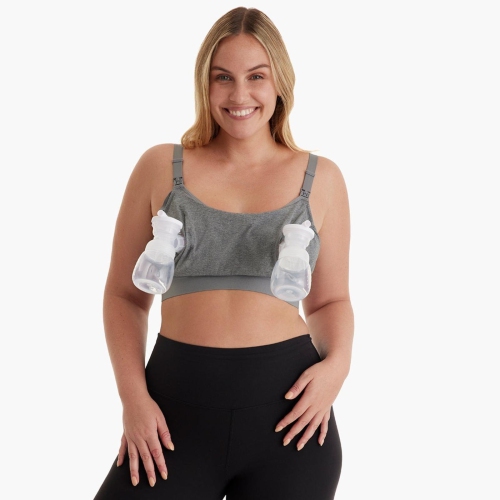
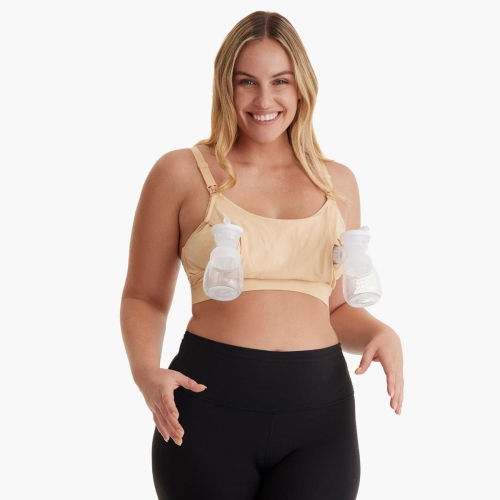
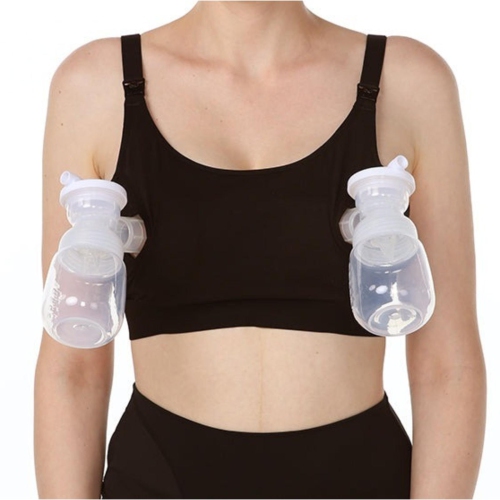
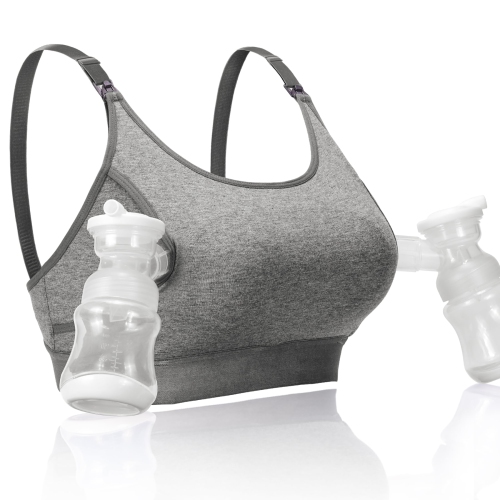
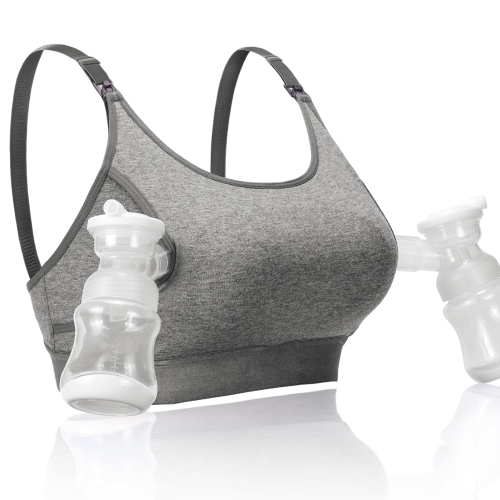
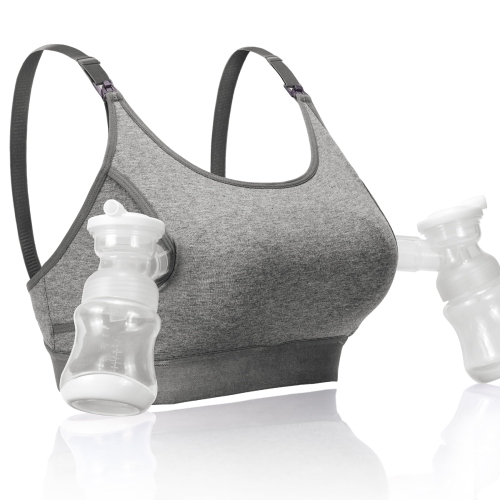
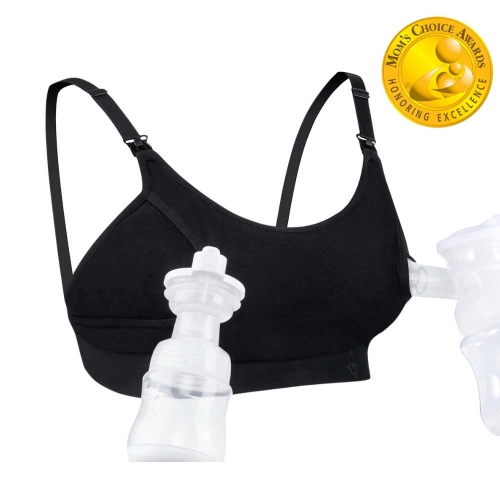
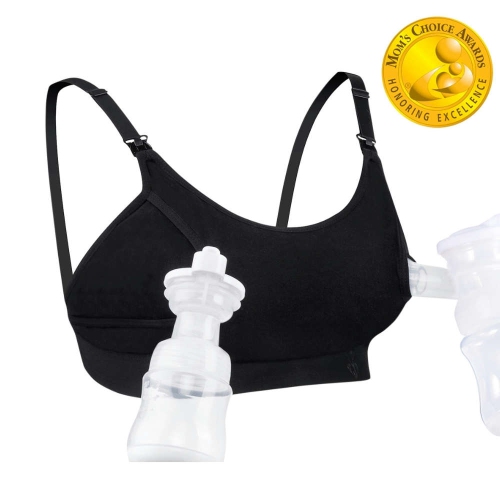
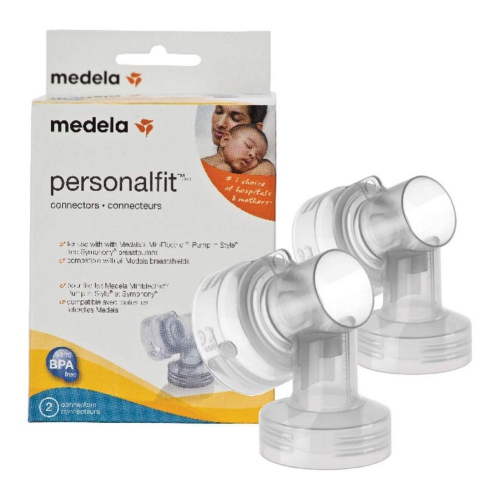
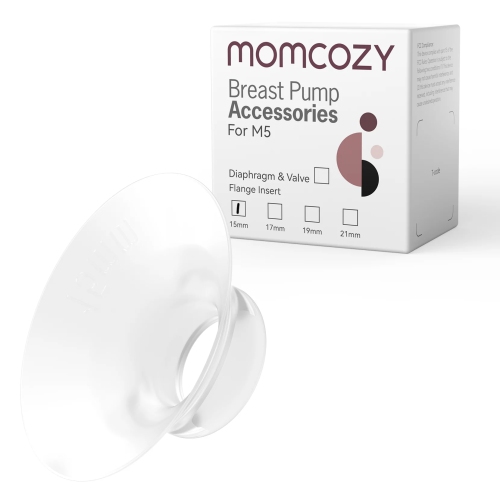
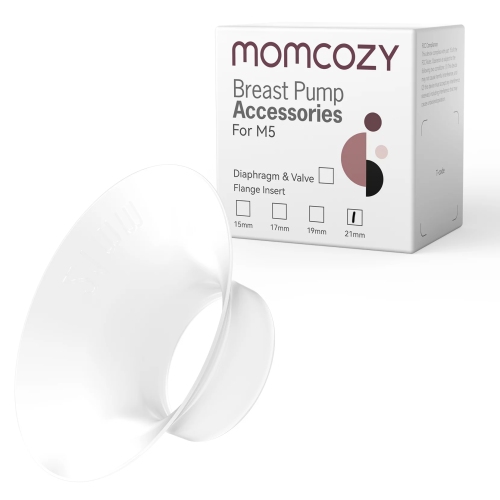
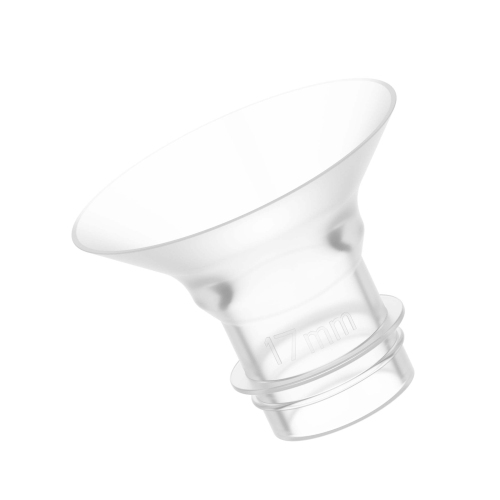
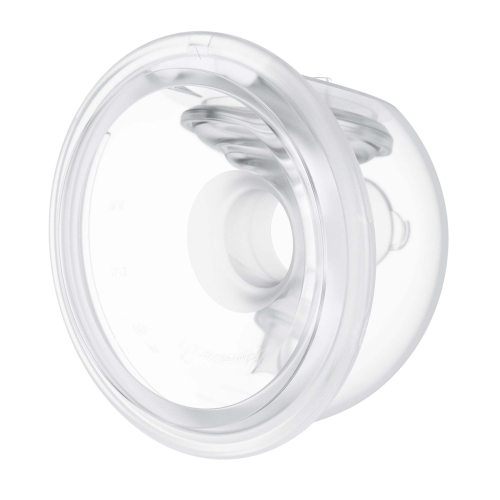
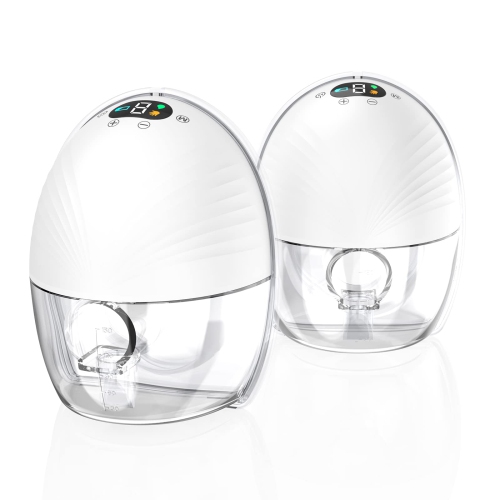
How nipple shields differ from breast pump flanges
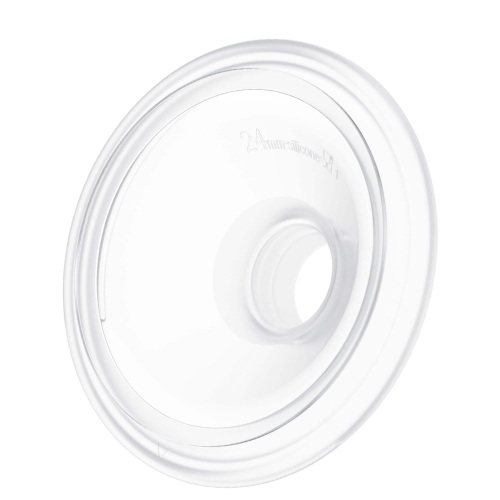
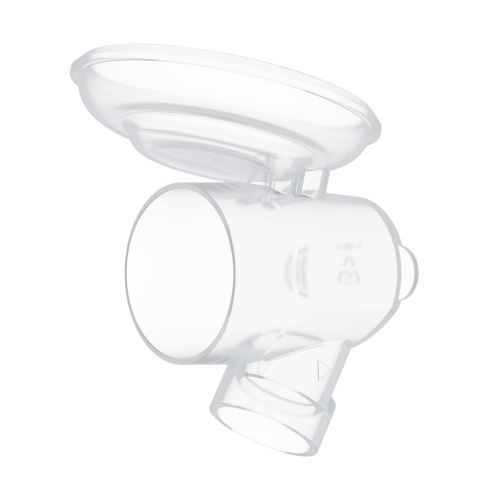
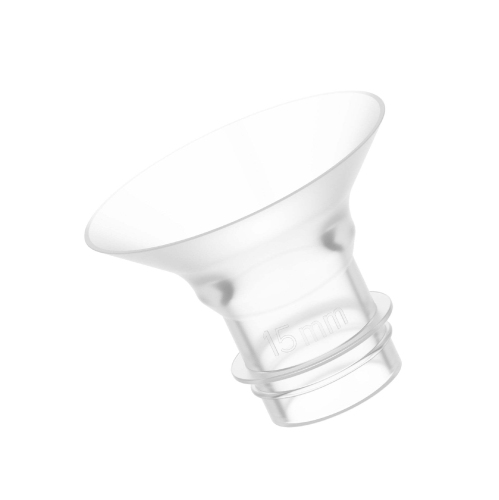
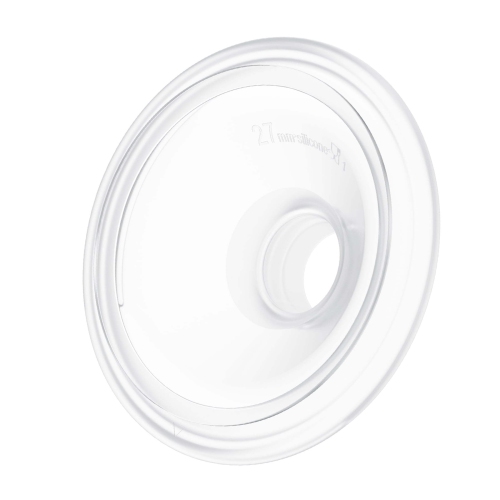
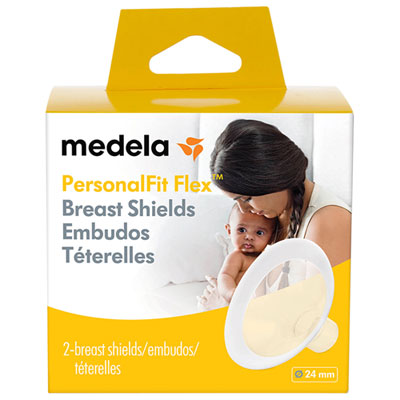
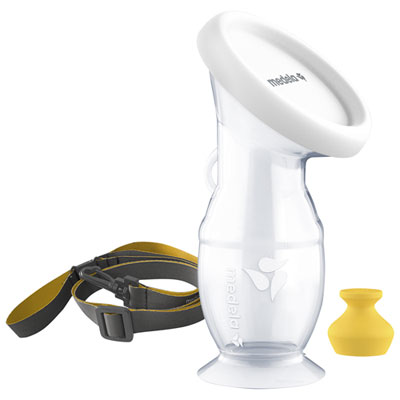
Breast shields are feeding accessories used during breastfeeding or pumping, with different designs serving different purposes. A nipple shield is a thin, flexible cover worn over the nipple during a breastfeed, while a breast pump shield, also called a flange, fits against the breast and connects to a pump. Understanding that distinction helps match the accessory to the feeding routine. Nipple shields typically have a shaped tip with small openings that allow breast milk to pass through and a wider base that rests against the surrounding areola. Many are made from soft, transparent silicone, which makes the nipple’s position easier to see during placement. Some have a cut-out along the edge to leave more of the breast exposed for contact with the baby’s nose or chin. These breastfeeding shields may help certain babies maintain a latch when a parent has flat or inverted nipples, or when a baby needs additional support attaching to the breast. They are sometimes used when nipples are sore, but they do not resolve the underlying cause of pain or replace an assessment of feeding difficulties. A lactation consultant or another qualified healthcare professional can help determine whether a shield is appropriate and check that the baby is transferring milk effectively. Pump shields have a different role: their funnel-shaped opening and nipple tunnel help create the seal needed for expressing milk. They may be used during occasional pumping, regular expression at work, or a feeding routine that combines nursing and bottle-feeding. Neither type is interchangeable with a breast shell worn inside a bra or a nursing pad used to absorb leaks. For shoppers browsing Protective Shields, the intended use is an important distinction: a similar name or shape does not necessarily mean an accessory is suitable for breastfeeding, pumping, or contact with breast milk.
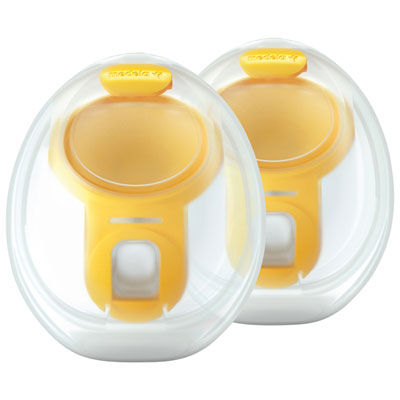
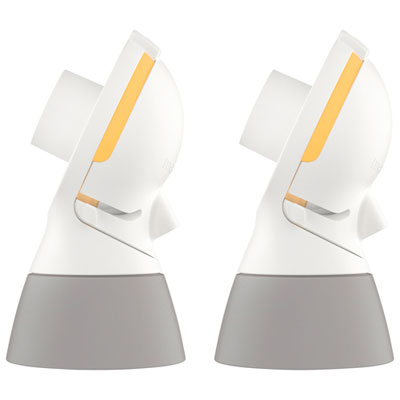
Material, shape, and fit all influence how a breast shield feels during use. Flexible silicone can conform to the breast, while pump flanges may use a more rigid plastic structure, sometimes paired with a softer insert or rim. Material information should clearly identify suitability for the intended feeding application, and any statement about composition or testing should come from the manufacturer rather than assumptions based on appearance. A transparent finish can make positioning easier to check, but softness alone does not establish a good fit. With a nipple shield, the nipple needs space within the tip without being pinched or rubbed, and the baby should take a deep mouthful of the breast and shield rather than suck only on the end. The base should sit securely without uncomfortable pulling. Shield sizing is not determined by bra size, and the baby’s mouth and feeding pattern also matter. A shield that appears comfortable for the parent may still need assessment if feeds become unusually long or the baby has difficulty staying attached. For pump shields, the nipple should move freely within the tunnel during expression without persistent rubbing, blanching, or pain. Excess breast tissue being drawn into the tunnel can also indicate that the size, positioning, or pump settings need attention. The two breasts may need different sizes, and fit can change over the course of a feeding journey. Measurements are useful starting points, but comfort and function during a feed or pumping session provide additional information. Pump compatibility deserves equal attention: a flange must work with the relevant connector, collection container, and pump system, and a similar-looking connection is not proof of compatibility. For someone expressing milk at a desk between meetings or preparing for an overnight feed, a secure, correctly matched assembly can make the routine less fiddly. For someone using a nipple shield while establishing breastfeeding, a shape that is straightforward to position may help with handling, although no design can guarantee a comfortable latch or adequate milk intake.
Care requirements affect the practical value of breast shields just as much as their shape. Milk can collect around openings, inside a nipple tunnel, or along the join between removable parts, so accessible surfaces and simple disassembly can make cleaning more manageable. Nipple shields and milk-contact pump parts generally need cleaning after each use, following the manufacturer’s directions and any additional advice from the baby’s healthcare team. Washing, sanitizing, and sterilizing are different processes; a dishwasher cycle, boiling water, or a steam unit is appropriate only when the accessory’s instructions permit it. Additional sanitizing precautions may be needed for babies who are premature, younger than two months, or have weakened immune systems. Clean hands, a dedicated wash basin where advised, and complete air-drying before storage help keep feeding accessories ready for their next use. A storage case can keep a dry shield separate from other belongings in a changing bag, but closing a damp shield inside a case can trap moisture. The case itself also needs regular cleaning. Durability depends on the material, handling, and permitted cleaning methods rather than thickness alone. Before use, shields should be checked for tears, cracks, rough edges, distortion, or other damage, with replacement guided by their condition and the manufacturer’s instructions. A damaged nipple shield or misshapen flange may no longer fit or function as intended. These accessories can be useful additions to a baby registry when the parent has identified the correct type and size; guessing at fit makes them less suitable as surprise gifts. Their role may also change over time. Nipple shields are often used as temporary feeding support, with follow-up to assess latch, milk transfer, the parent’s milk supply, and the baby’s weight gain. Persistent pain, nipple damage, fewer wet nappies than expected, or concerns about growth call for timely professional advice rather than a different accessory alone. The most useful breast shield is one that suits its specific purpose, fits the person using it, and can be cleaned and handled comfortably within an everyday feeding routine.
Material, shape, and fit all influence how a breast shield feels during use. Flexible silicone can conform to the breast, while pump flanges may use a more rigid plastic structure, sometimes paired with a softer insert or rim. Material information should clearly identify suitability for the intended feeding application, and any statement about composition or testing should come from the manufacturer rather than assumptions based on appearance. A transparent finish can make positioning easier to check, but softness alone does not establish a good fit. With a nipple shield, the nipple needs space within the tip without being pinched or rubbed, and the baby should take a deep mouthful of the breast and shield rather than suck only on the end. The base should sit securely without uncomfortable pulling. Shield sizing is not determined by bra size, and the baby’s mouth and feeding pattern also matter. A shield that appears comfortable for the parent may still need assessment if feeds become unusually long or the baby has difficulty staying attached. For pump shields, the nipple should move freely within the tunnel during expression without persistent rubbing, blanching, or pain. Excess breast tissue being drawn into the tunnel can also indicate that the size, positioning, or pump settings need attention. The two breasts may need different sizes, and fit can change over the course of a feeding journey. Measurements are useful starting points, but comfort and function during a feed or pumping session provide additional information. Pump compatibility deserves equal attention: a flange must work with the relevant connector, collection container, and pump system, and a similar-looking connection is not proof of compatibility. For someone expressing milk at a desk between meetings or preparing for an overnight feed, a secure, correctly matched assembly can make the routine less fiddly. For someone using a nipple shield while establishing breastfeeding, a shape that is straightforward to position may help with handling, although no design can guarantee a comfortable latch or adequate milk intake.
Care requirements affect the practical value of breast shields just as much as their shape. Milk can collect around openings, inside a nipple tunnel, or along the join between removable parts, so accessible surfaces and simple disassembly can make cleaning more manageable. Nipple shields and milk-contact pump parts generally need cleaning after each use, following the manufacturer’s directions and any additional advice from the baby’s healthcare team. Washing, sanitizing, and sterilizing are different processes; a dishwasher cycle, boiling water, or a steam unit is appropriate only when the accessory’s instructions permit it. Additional sanitizing precautions may be needed for babies who are premature, younger than two months, or have weakened immune systems. Clean hands, a dedicated wash basin where advised, and complete air-drying before storage help keep feeding accessories ready for their next use. A storage case can keep a dry shield separate from other belongings in a changing bag, but closing a damp shield inside a case can trap moisture. The case itself also needs regular cleaning. Durability depends on the material, handling, and permitted cleaning methods rather than thickness alone. Before use, shields should be checked for tears, cracks, rough edges, distortion, or other damage, with replacement guided by their condition and the manufacturer’s instructions. A damaged nipple shield or misshapen flange may no longer fit or function as intended. These accessories can be useful additions to a baby registry when the parent has identified the correct type and size; guessing at fit makes them less suitable as surprise gifts. Their role may also change over time. Nipple shields are often used as temporary feeding support, with follow-up to assess latch, milk transfer, the parent’s milk supply, and the baby’s weight gain. Persistent pain, nipple damage, fewer wet nappies than expected, or concerns about growth call for timely professional advice rather than a different accessory alone. The most useful breast shield is one that suits its specific purpose, fits the person using it, and can be cleaned and handled comfortably within an everyday feeding routine.
Top selling and popular products
-
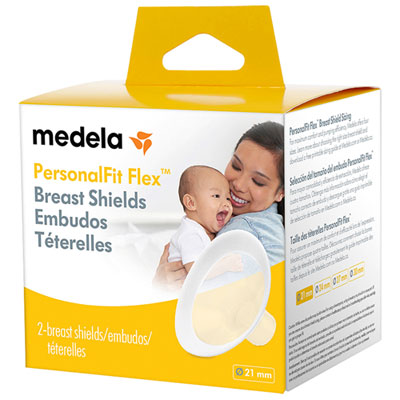 Your price for this item is $18.95
 -
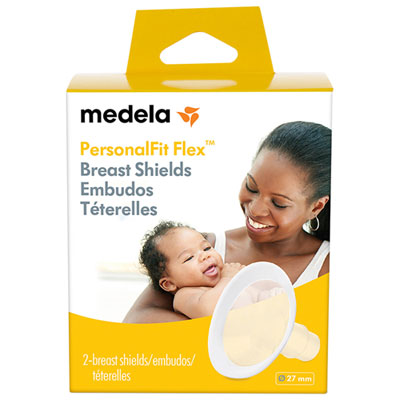 Your price for this item is $18.99
 -
 Your price for this item is $18.95
 -
 Your price for this item is $99.99
 -
 Your price for this item is $23.99
 -
 Your price for this item is $41.99
 -
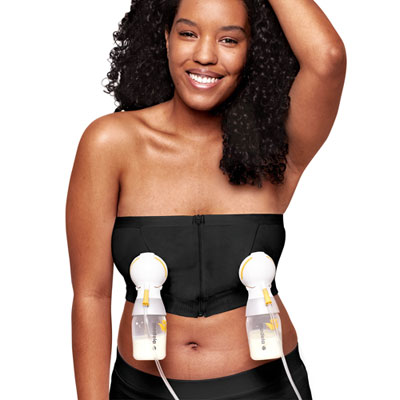 Your price for this item is $47.99
 -
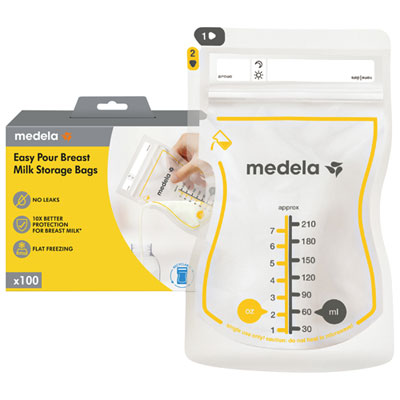 Your price for this item is $18.88
Discover more categories related to Breast Shields
Top Collections:
Pokemon Centers, Kindle Devices, Best Budget Office Chairs, Apple iPhones 16, Canon G7X Cameras, iPhone 15 Apple, Alarm Clock, Refurbished Apple Laptops, Flip Phones, Best Laptops for Writers
Some products may be subject to Environmental Handling Fees
(EHF) depending on your province.
Learn more about EHFs.