Screen Protection Glasses
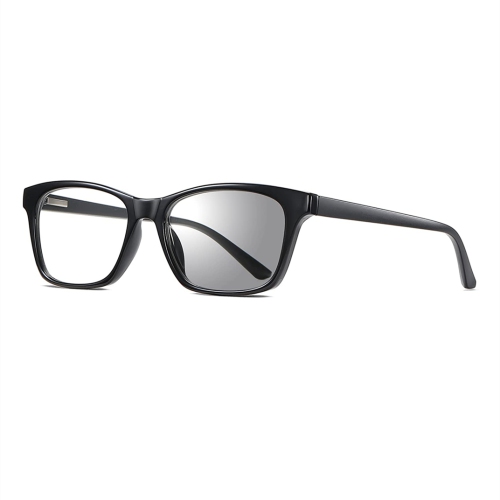
Shield your eyes from harmful blue light with our selection of screen protection glasses. Whether you're working long hours in front of a computer, binge-watching your favorite shows, or scrolling through your phone, these glasses are designed to reduce eye strain and improve overall comfort. Stay focused and protect your vision with our stylish and functional screen protection glasses, available in a variety of designs to suit your personal style.
Sort
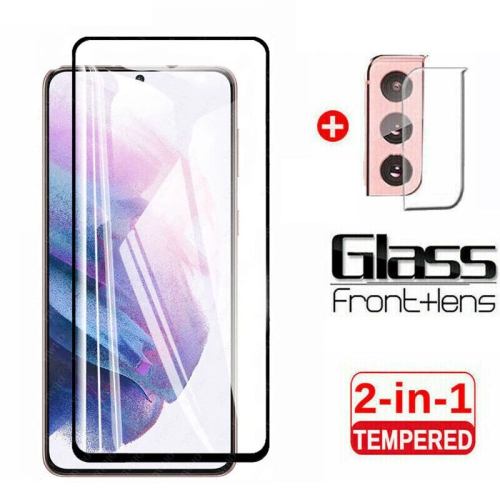
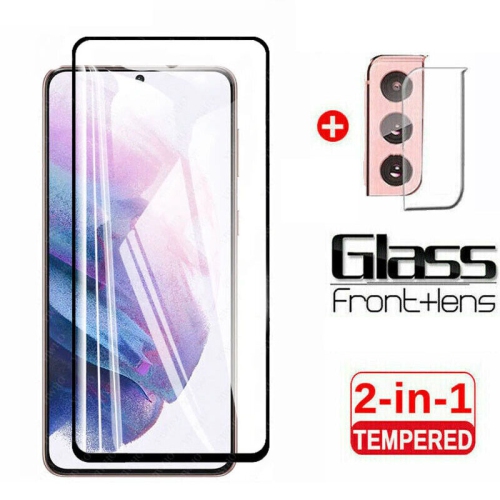
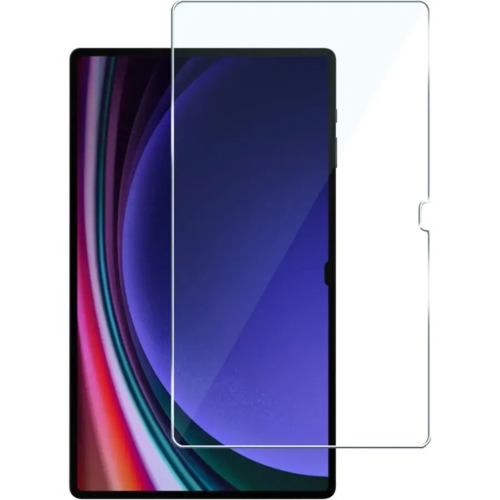
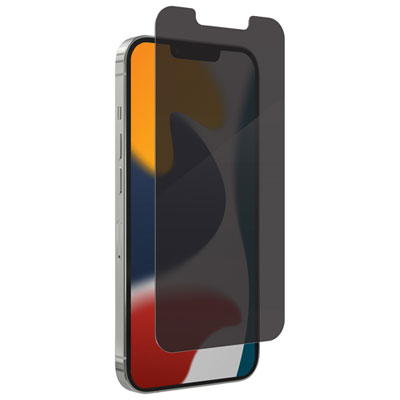
![DOME GLASS Whitestone Domesilk Janus Ultra-Thin Glass Screen Protector for Samsung Galaxy Z Flip 5 [HD Clarity, Full Protection] - 1 Pack](https://multimedia.bbycastatic.ca/multimedia/products/500x500/177/17725/17725015.jpeg)
![CC Topsave [1 Piece] Anti Light, Protect Your Eyes for Better Sleep Tempered Glass, 9H Hardness, Case Friendly for Iphone 12 Pro Max (6.7") In Blue](https://multimedia.bbycastatic.ca/multimedia/products/500x500/159/15952/15952726.jpeg)

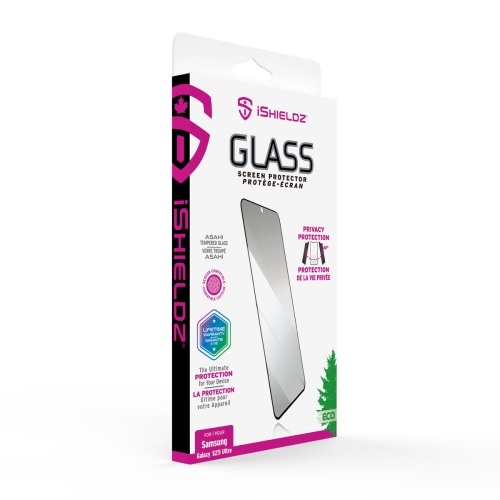
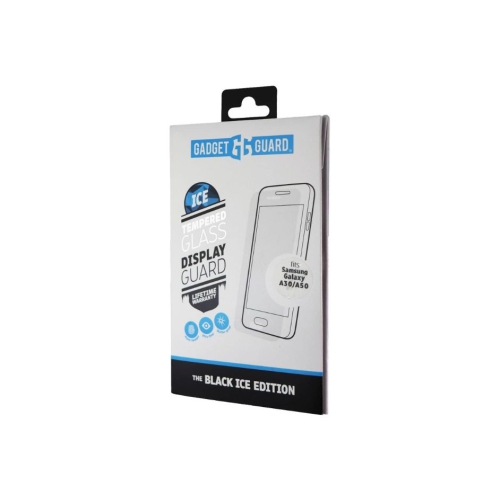
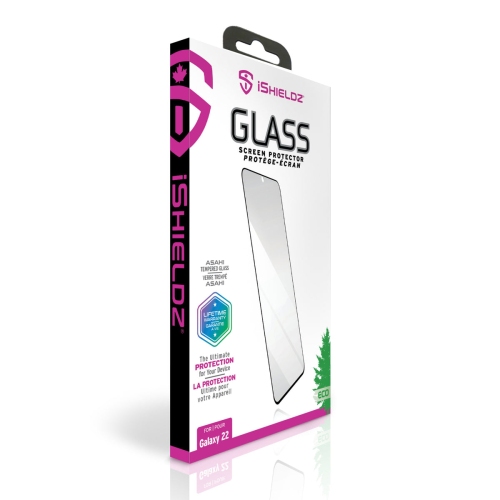
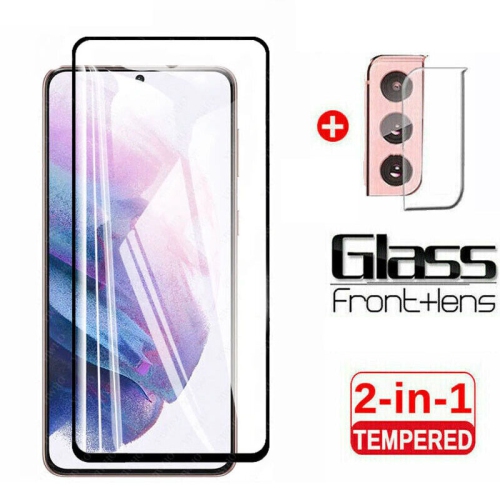
![CC Topsave [Case Friendly][1 Pieces] Flat Border Protection Durable Tempered Glass for Samsung Galaxy S22 6.1" In Black](https://multimedia.bbycastatic.ca/multimedia/products/500x500/159/15992/15992608.jpeg)
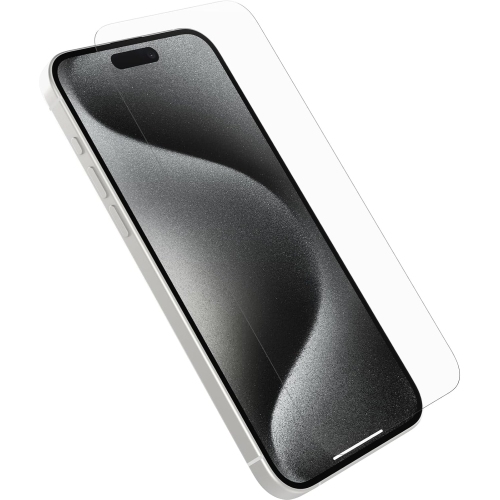
![SUPERSHIELD for Samsung Galaxy S22 Plus 5G Tempered Glass [HD Full Coverage] [Easy Installation] Scratch Resistant 9H Hardness Bubble Free Protective](https://multimedia.bbycastatic.ca/multimedia/products/500x500/162/16245/16245580.jpeg)
![CC Topsave [1 Piece] Anti Light, Protect Your Eyes for Better Sleep Tempered Glass, 9H Hardness, Case Friendly for Iphone 13 Mini (5.4") In Blue](https://multimedia.bbycastatic.ca/multimedia/products/500x500/159/15952/15952729.jpeg)
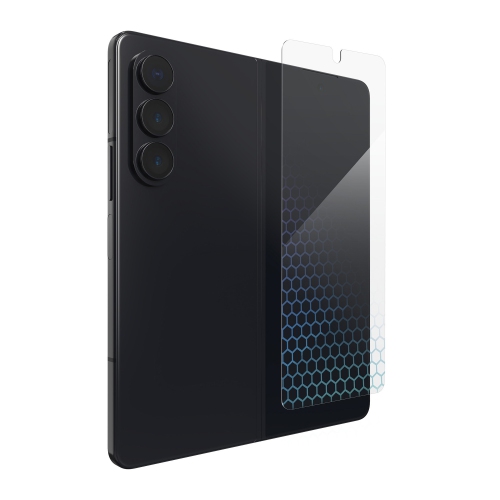
![CC Topsave [1 Piece] Anti Light, Full Sized Full Coverage Tempered Glass, 9H Hardness, Case Friendly for Iphone 13 Pro Max (6.7") In Blue](https://multimedia.bbycastatic.ca/multimedia/products/500x500/159/15952/15952731.jpeg)
![CC Topsave [1 Piece] Anti Light, Full Sized Full Coverage Tempered Glass, 9H Hardness, Case Friendly for Iphone 12, Iphone 12 Pro (6.1") In Blue](https://multimedia.bbycastatic.ca/multimedia/products/500x500/159/15952/15952727.jpeg)
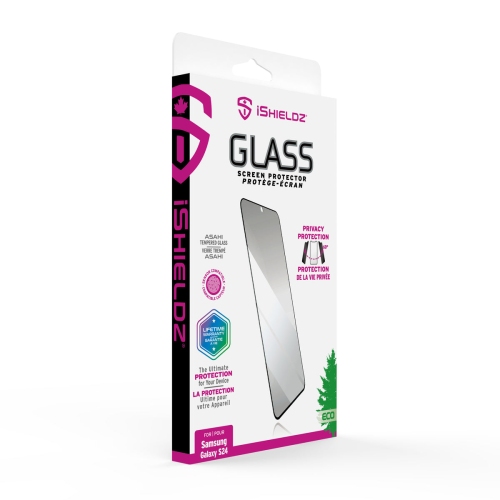
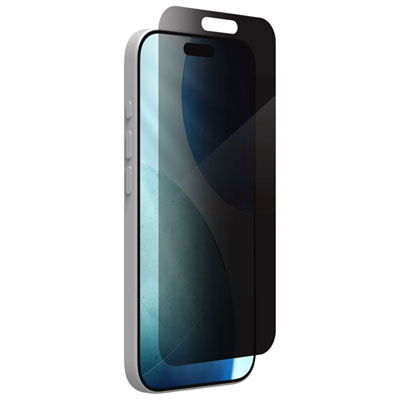
![CC Topsave [1 Piece] Anti Light, Protect Your Eyes for Better Sleep Tempered Glass, 9H Hardness, Case Friendly for Iphone 13 Pro Max (6.7") In Blue](https://multimedia.bbycastatic.ca/multimedia/products/500x500/159/15952/15952733.jpeg)
![CC Topsave [1 Piece] Anti Light, Full Sized Full Coverage Tempered Glass, 9H Hardness, Case Friendly for Iphone 12 Pro Max (6.7") In Blue](https://multimedia.bbycastatic.ca/multimedia/products/500x500/159/15952/15952732.jpeg)
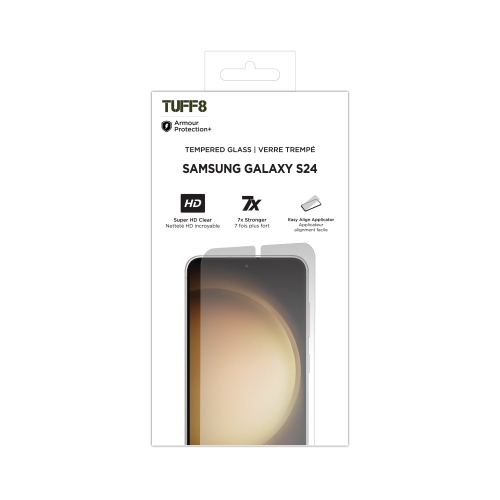
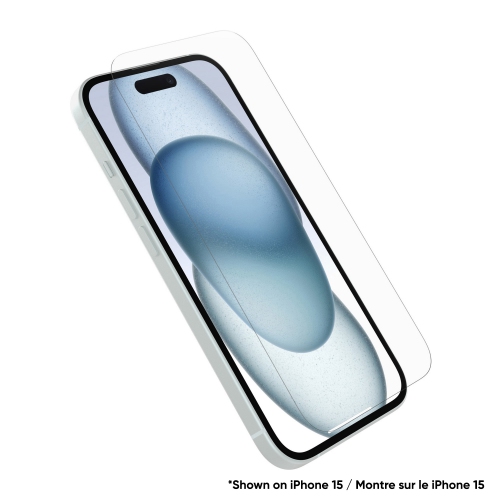
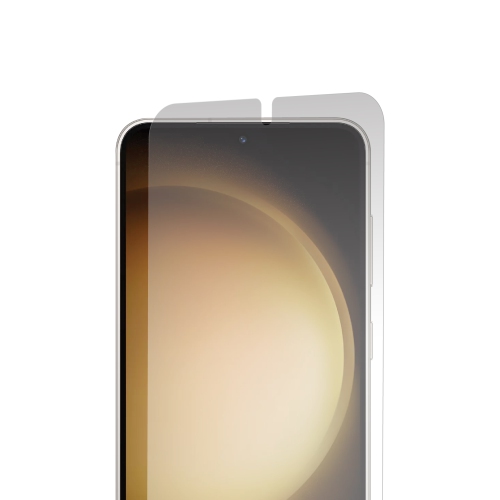
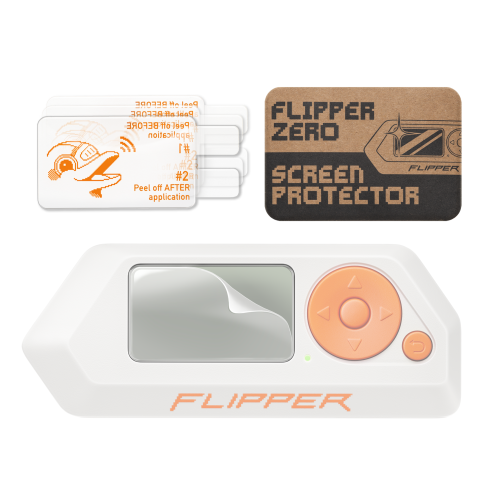
![CC Topsave [1 Piece] Anti Light, Protect Your Eyes for Better Sleep Tempered Glass, 9H Hardness, Case Friendly for Iphone 12, Iphone 12 Pro (6.1")](https://multimedia.bbycastatic.ca/multimedia/products/500x500/159/15952/15952728.jpeg)
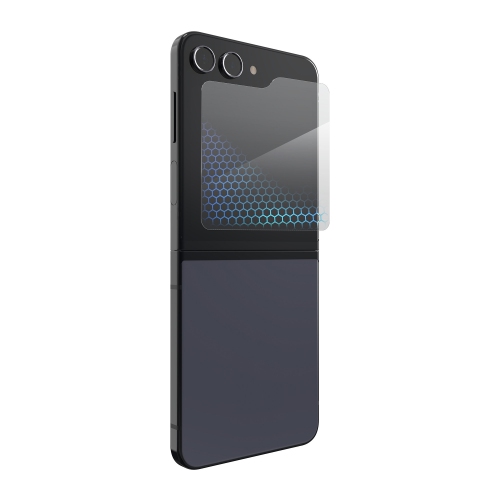
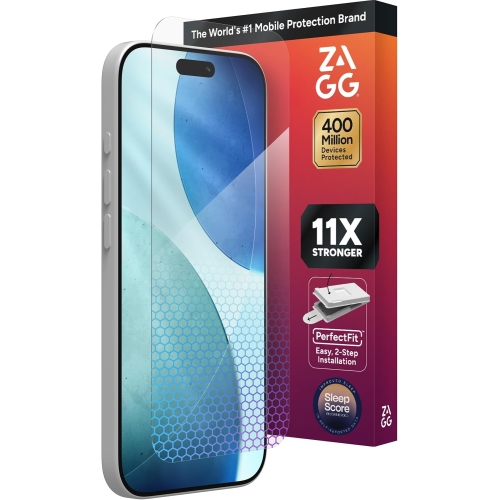
![CC Topsave [1 Piece] Anti Light, Full Sized Full Coverage Tempered Glass, 9H Hardness, Case Friendly for Iphone 13, Iphone 13 Pro (6.1") In Blue](https://multimedia.bbycastatic.ca/multimedia/products/500x500/159/15952/15952730.jpeg)
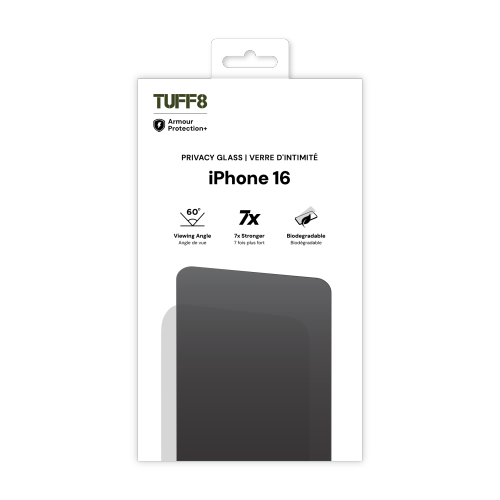
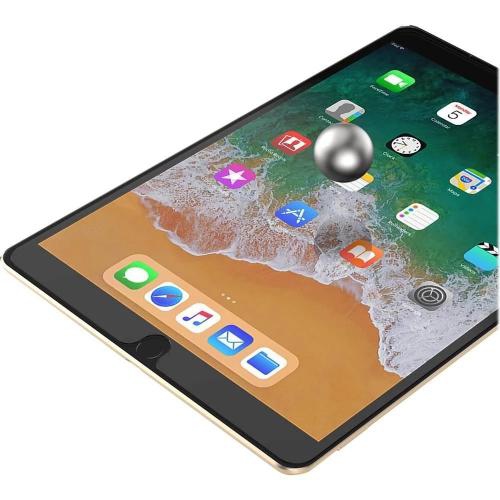
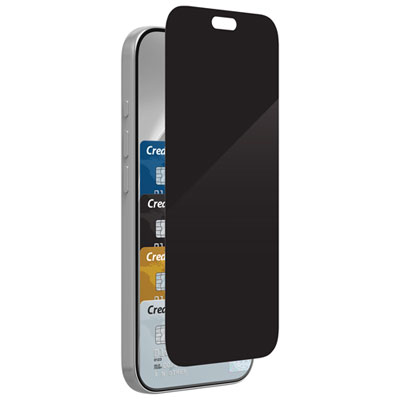
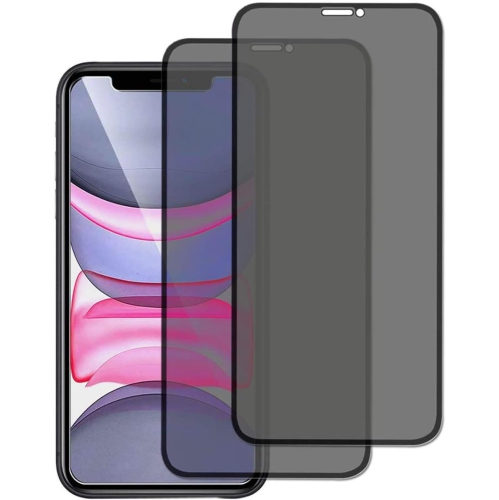
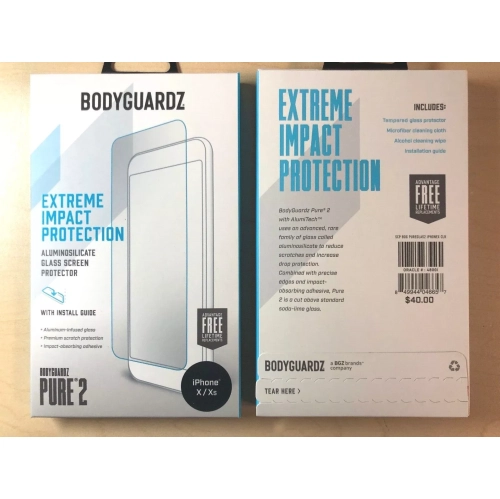
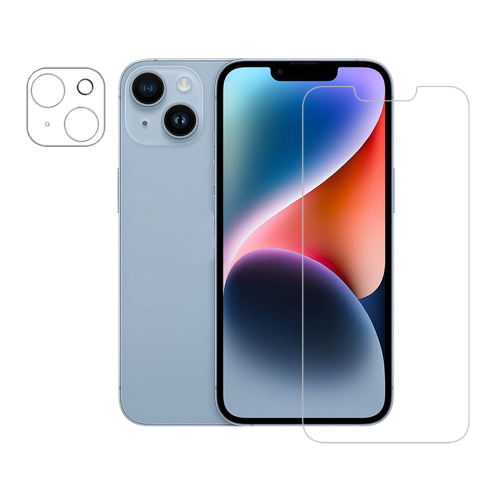
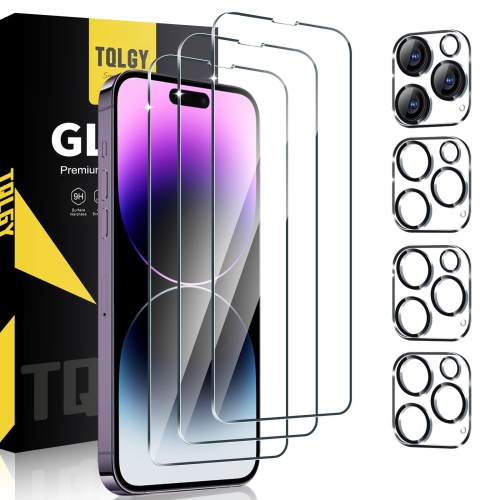
![GENERIC Glass Screen Protector for Iphone 14/13/13 Pro [6.1 Inch] Display 3 Pack Tempered Glass, Case Friendly](https://multimedia.bbycastatic.ca/multimedia/products/500x500/173/17388/17388210.jpeg)
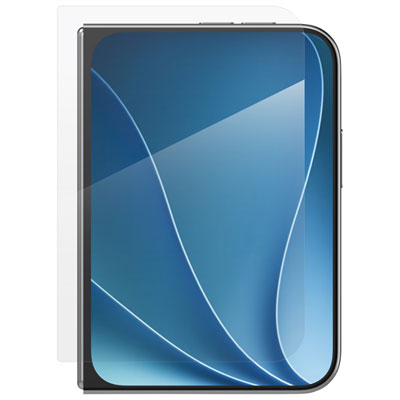
![CC Topsave [Case Friendly] Flat Border Full Cover Protection Durable Tempered Glass for Motorola Moto G Power(2021) In Black](https://multimedia.bbycastatic.ca/multimedia/products/500x500/155/15547/15547890.jpg)
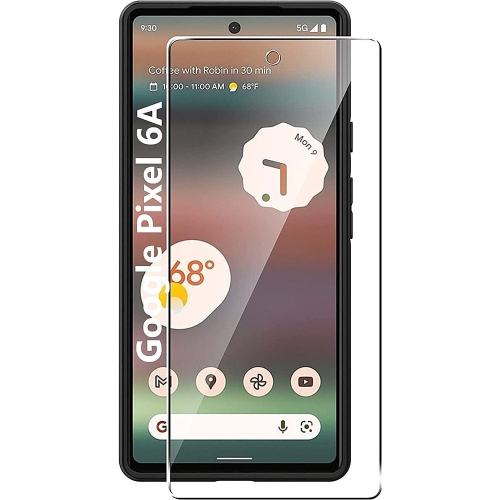
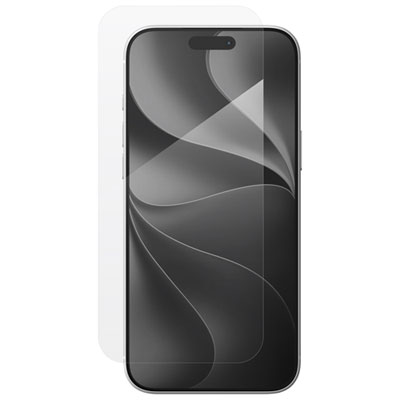
![CC Topsave [Case Friendly] Flat Full Cover Protection Durable Tempered Glass for Samsung S20 Fe(20)](https://multimedia.bbycastatic.ca/multimedia/products/500x500/150/15078/15078386.jpg)
![CC Topsave [Case Friendly]3D Curve Protection Durable Tempered Glass for Samsung S20 Plus](https://multimedia.bbycastatic.ca/multimedia/products/500x500/146/14691/14691350.jpg)
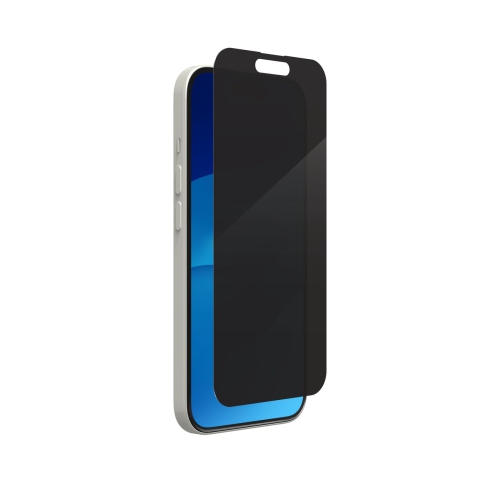
![GENERIC 3 Pack Glass Screen Protector for Iphone 14/14 Pro [6.1 Inch] Display Tempered Glass, Sensor Protection, Dynamic](https://multimedia.bbycastatic.ca/multimedia/products/500x500/199/19902/19902465.jpeg)
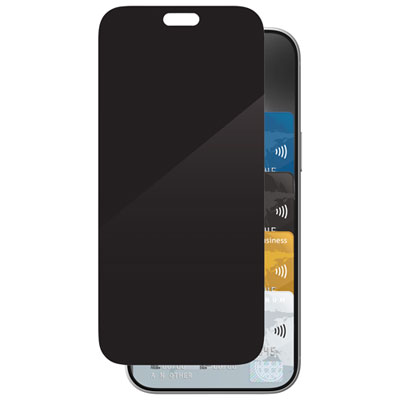
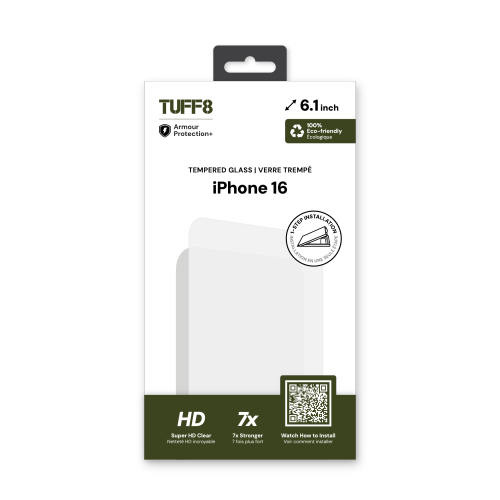
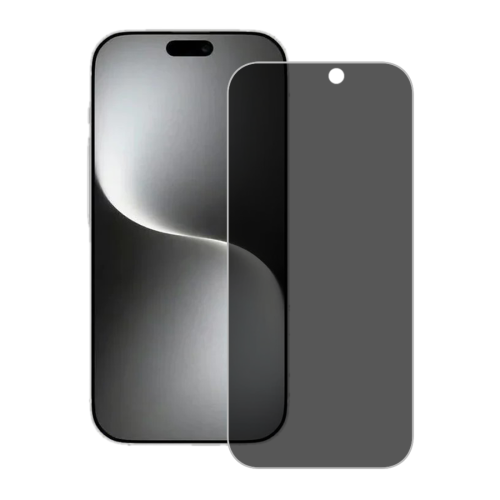
![CC Topsave [Edge to Edge Coverage] Full Protection Privacy Tempered Glass Apple for Iphone Xr(6.1"), Iphone 11(6.1")](https://multimedia.bbycastatic.ca/multimedia/products/500x500/146/14691/14691372.jpg)
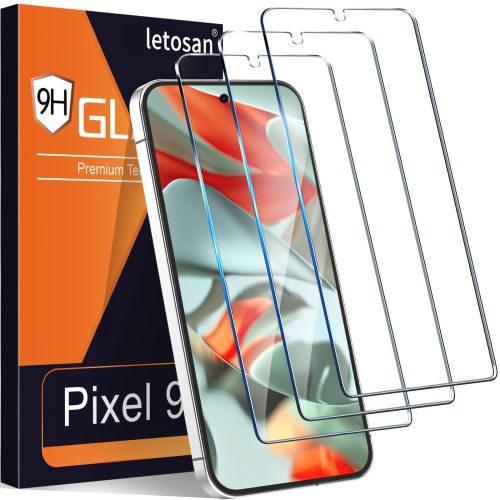
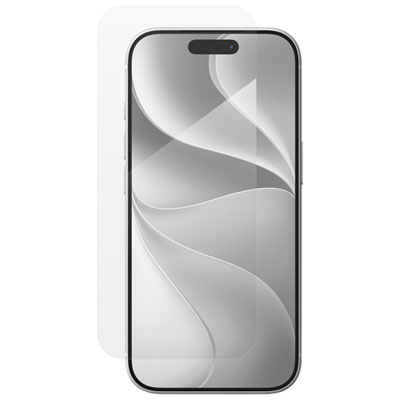
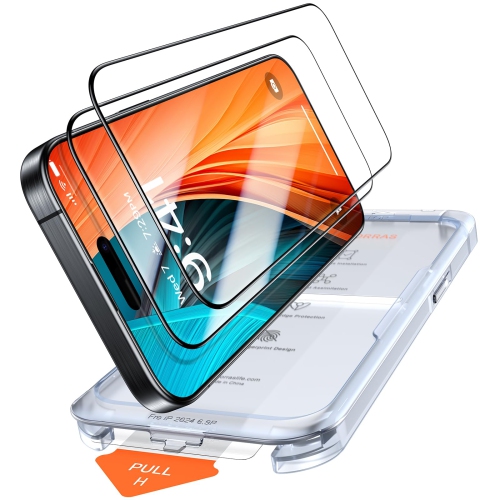
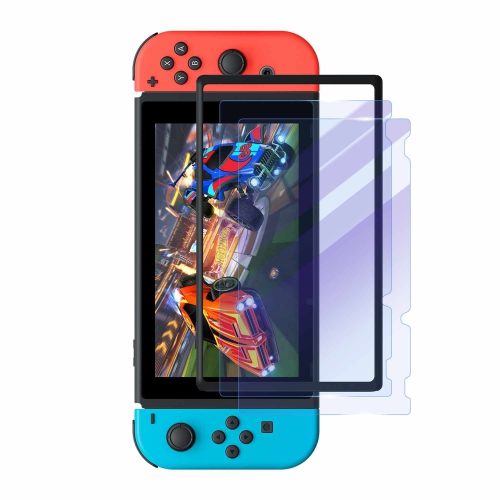
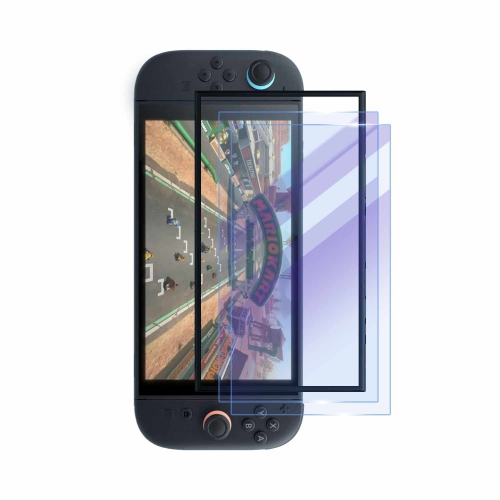
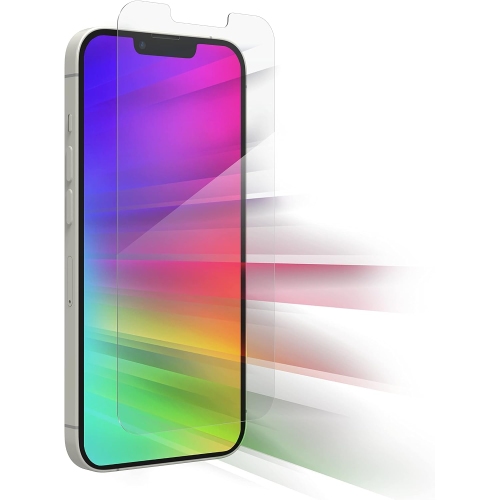
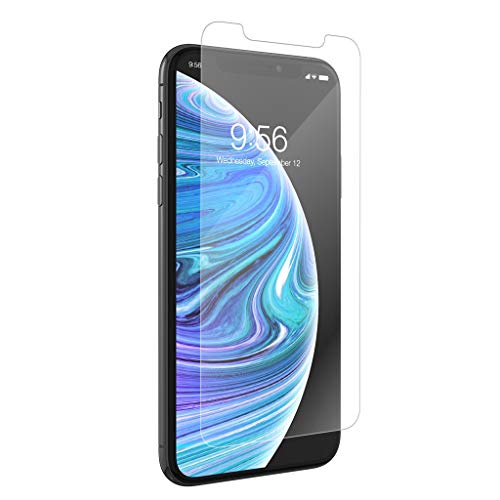
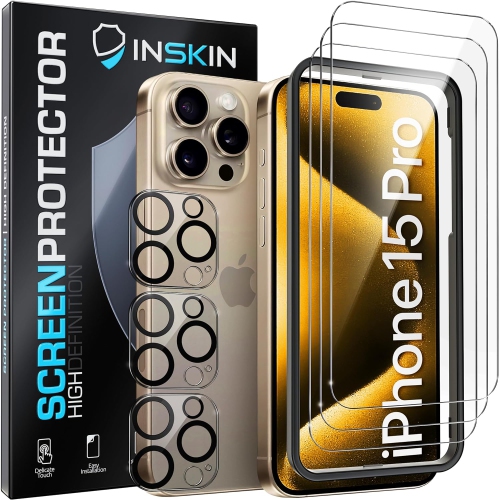
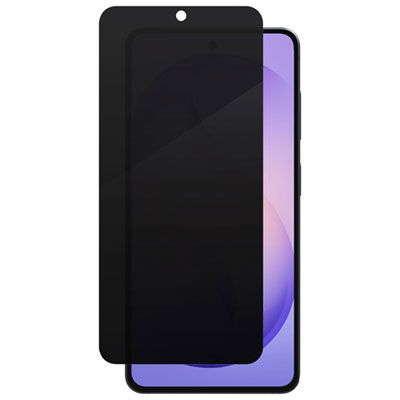
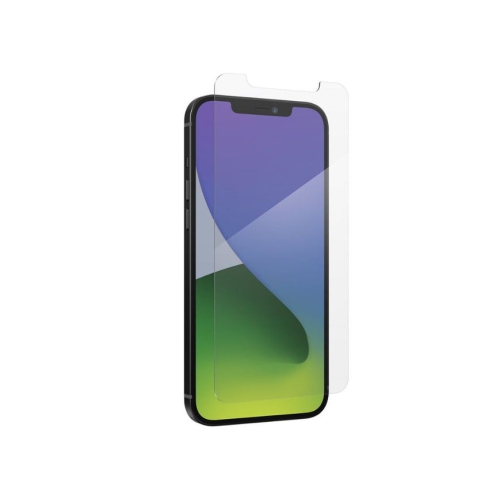
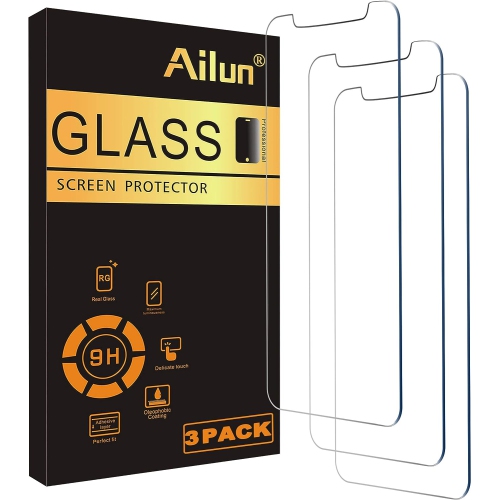
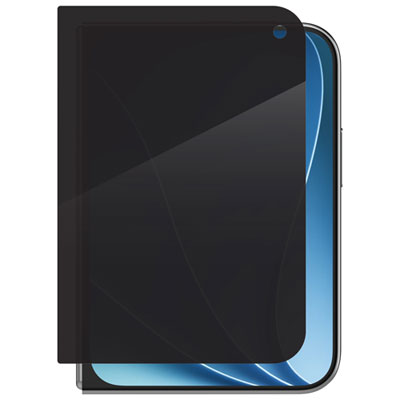
![DOME GLASS Whitestone Ez Glass Screen Protector for Galaxy Z Flip 5 [Full Coverage Tempered Glass Shield, Easy Install] - 2 Pack](https://multimedia.bbycastatic.ca/multimedia/products/500x500/177/17725/17725016.jpeg)
![ICM Topsave [Edge to Edge Coverage] Full Protection Durable Tempered Glass Apple for Iphone 14 Pro Max (6.7")](https://multimedia.bbycastatic.ca/multimedia/products/500x500/165/16529/16529985.jpeg)
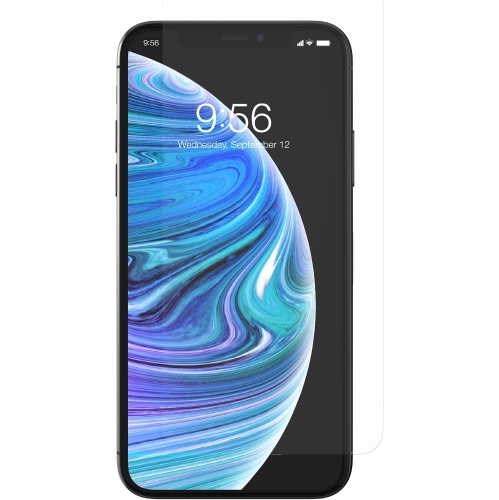
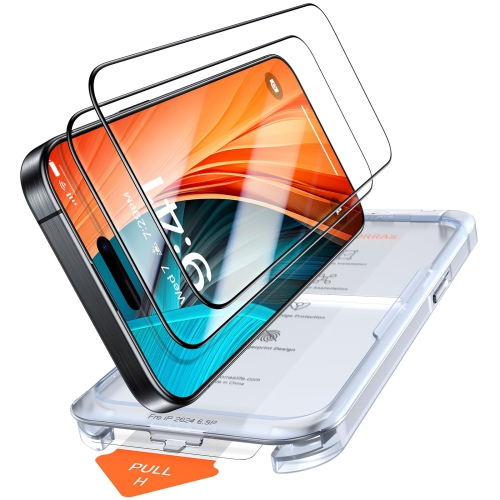
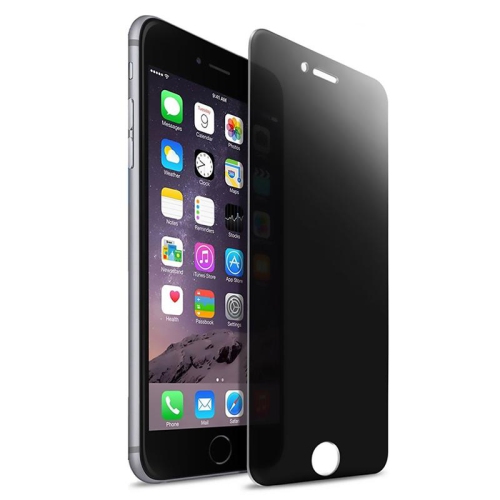
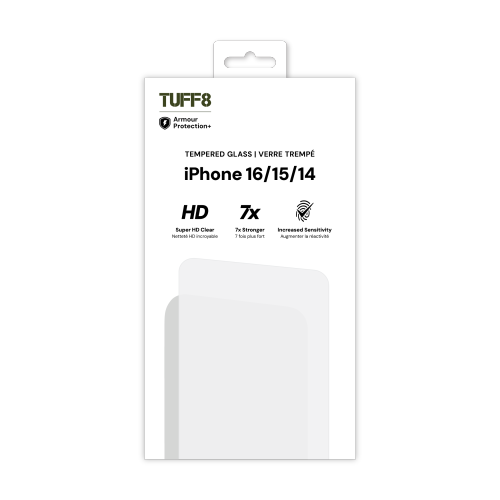
![CC Topsave [Case Friendly]3D Curve Protection Durable Tempered Glass Apple for Samsung S10 Plus](https://multimedia.bbycastatic.ca/multimedia/products/500x500/146/14691/14691359.jpg)
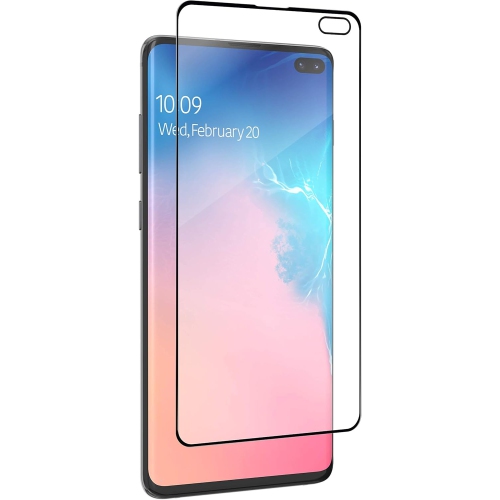
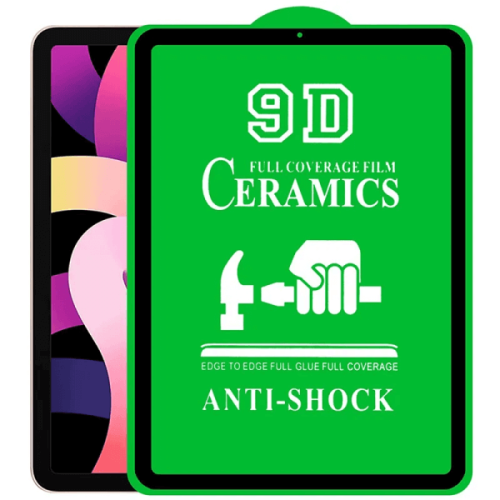
![CC Topsave [Case Friendly]3D Curve Protection Durable Tempered Glass Apple for Samsung S7 Edge](https://multimedia.bbycastatic.ca/multimedia/products/500x500/146/14691/14691365.jpg)

![ICM Topsave [Edge to Edge Coverage] Full Protection Durable Tempered Glass Apple for Iphone 14 Pro (6.1")](https://multimedia.bbycastatic.ca/multimedia/products/500x500/165/16502/16502317.jpeg)
![CC Topsave [Edge to Edge Coverage] Full Protection Durable Tempered Glass Apple for Iphone 7(4.7"), Iphone 8(4.7")](https://multimedia.bbycastatic.ca/multimedia/products/500x500/146/14691/14691377.jpg)
![CC Topsave [Case Friendly]3D Curve Protection Durable Tempered Glass Apple for Samsung Note8, Samsung Note9](https://multimedia.bbycastatic.ca/multimedia/products/500x500/146/14691/14691344.jpg)
![SUPERSHIELD [2 Pack] Apple Ipad 2 / 3 / 4 Tempered Glass Lcd Screen Protector Film Guard](https://multimedia.bbycastatic.ca/multimedia/products/500x500/162/16283/16283071.jpeg)
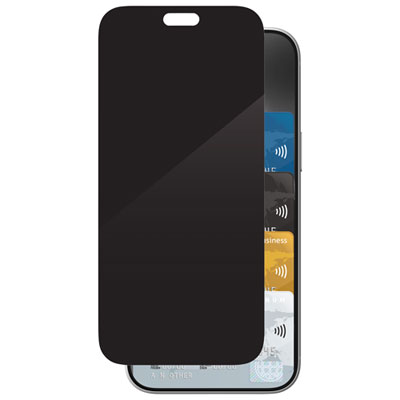
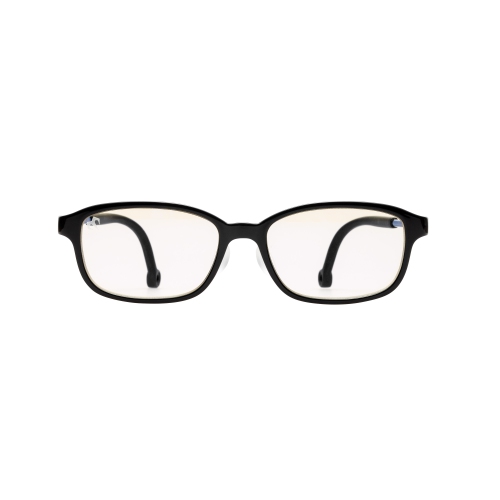
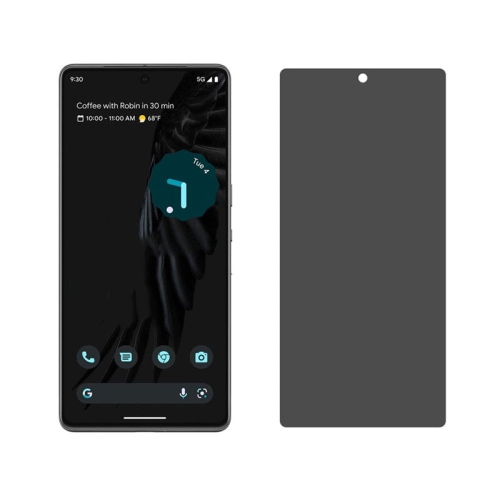
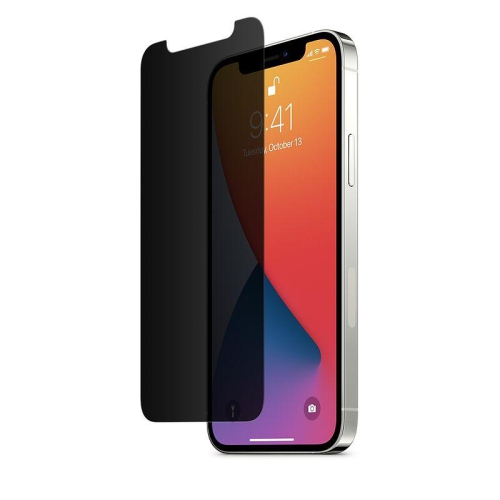
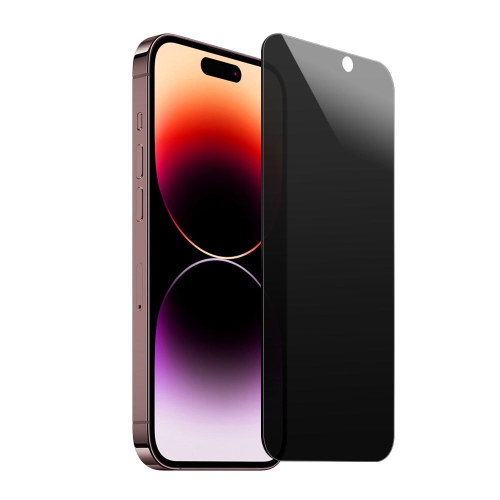
![ICM Topsave [Case Friendly] Full Protection Privacy Tempered Glass Apple for Iphone 14 (6.1")](https://multimedia.bbycastatic.ca/multimedia/products/500x500/165/16502/16502189.jpeg)

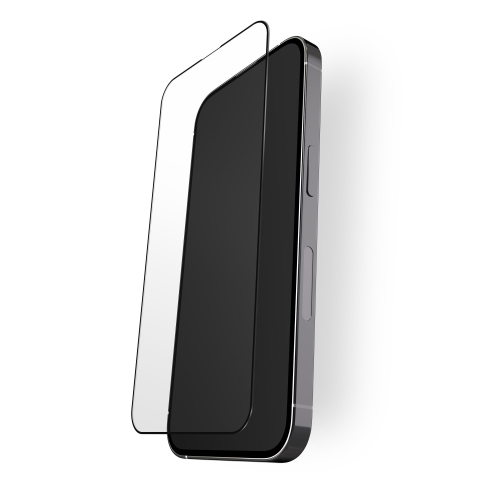
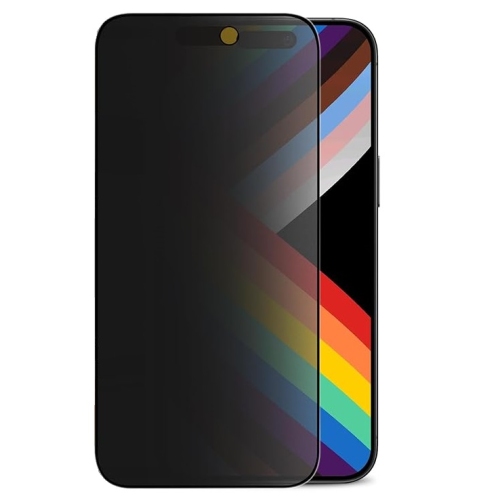
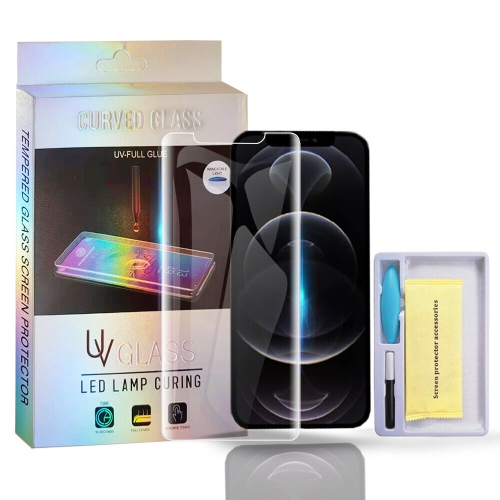
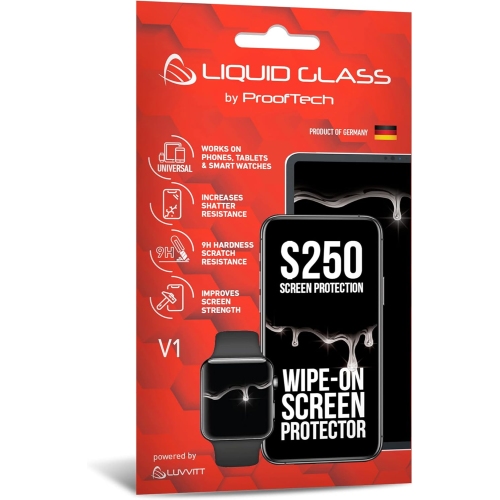
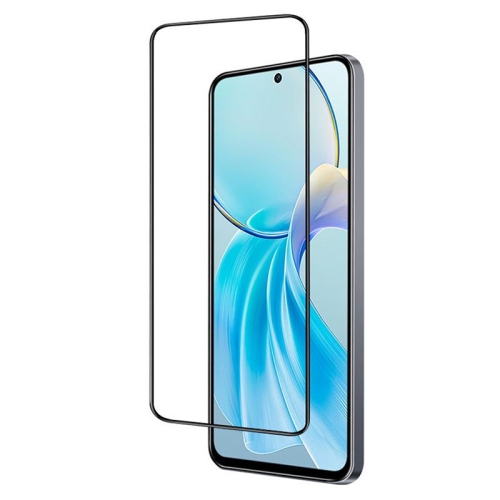
![SUPERSHIELD [1 Pack] Apple Ipad 2 / 3 / 4 Tempered Glass Lcd Screen Protector Film Guard](https://multimedia.bbycastatic.ca/multimedia/products/500x500/162/16283/16283072.jpeg)
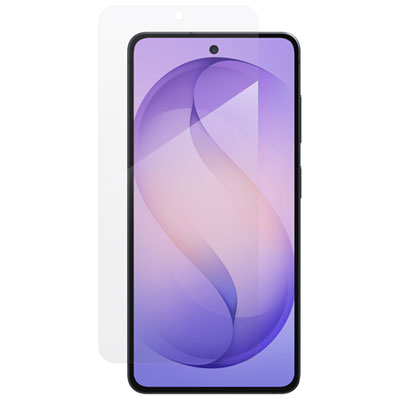

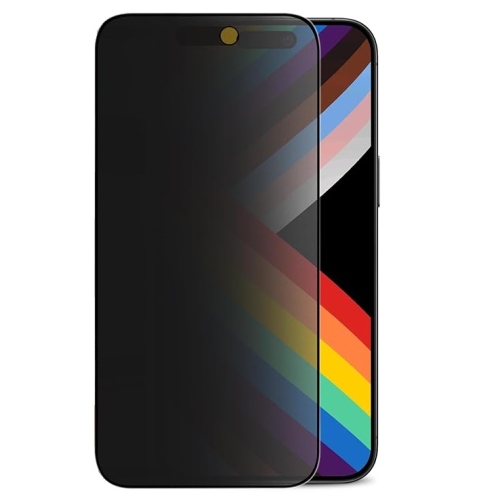
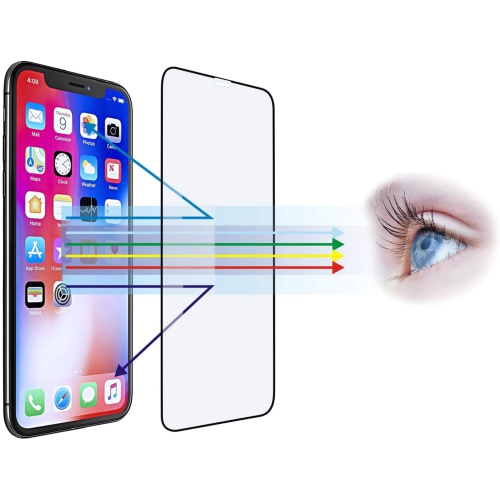
![GENERIC Tempered Glass Screen Protector [Glastr Ez Fit] Designed for Iphone 14 Pro [Case Friendly] - Sensor Protection /](https://multimedia.bbycastatic.ca/multimedia/products/500x500/195/19500/19500736.jpeg)
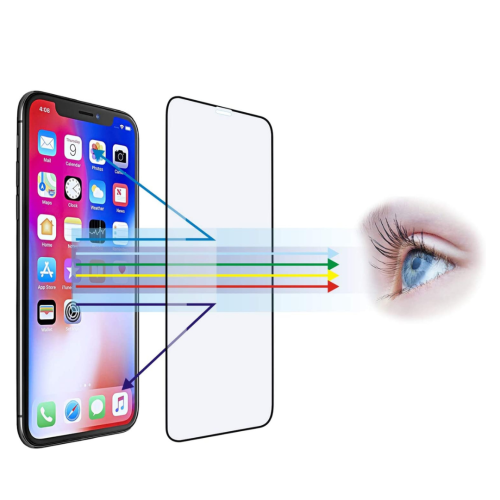
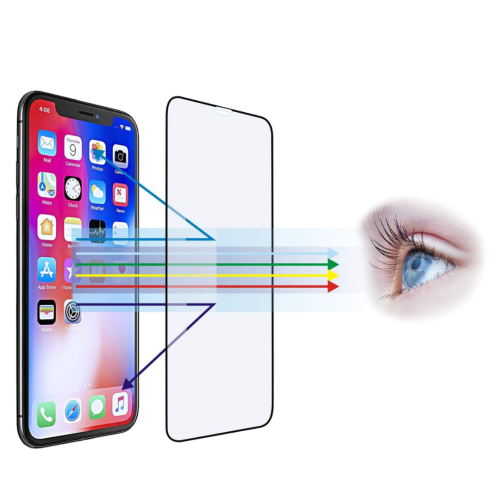
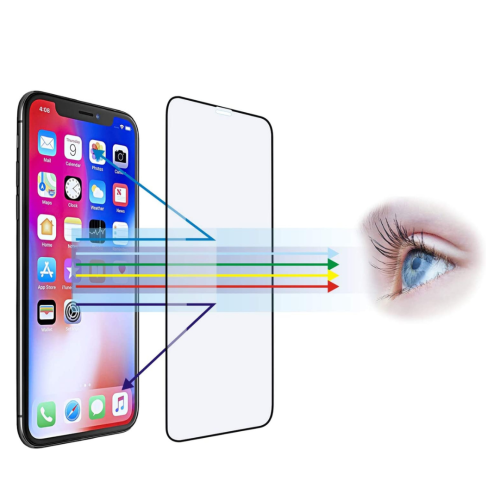
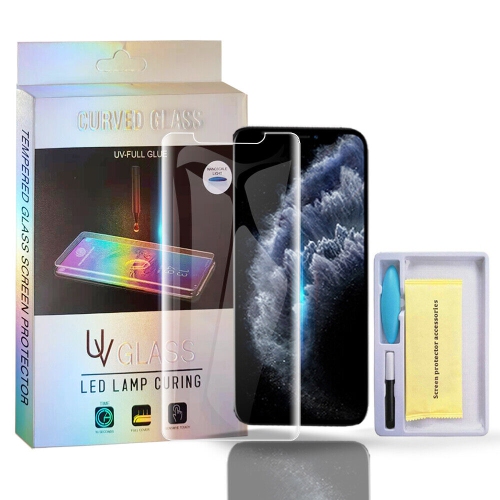
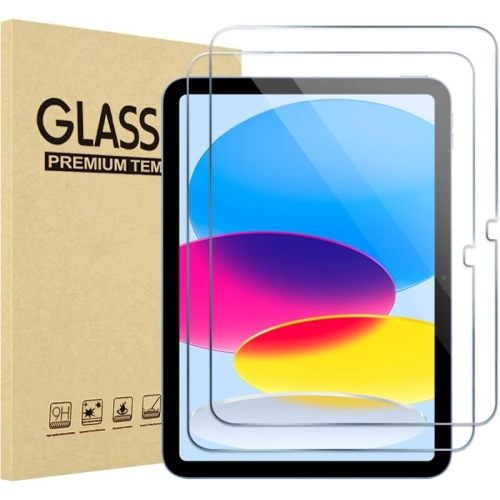
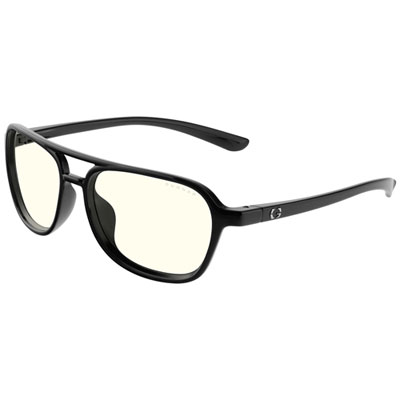
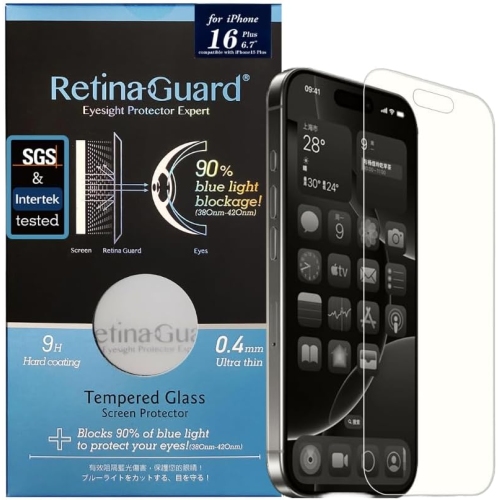
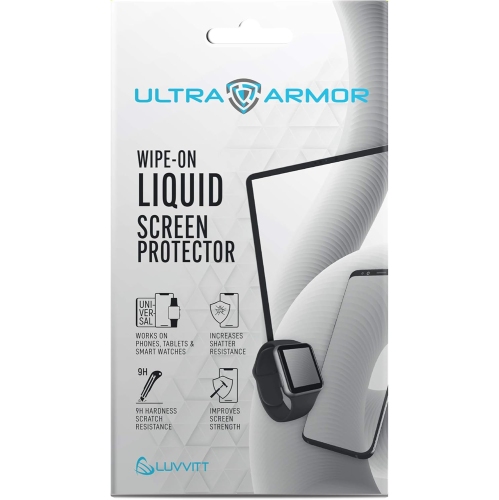
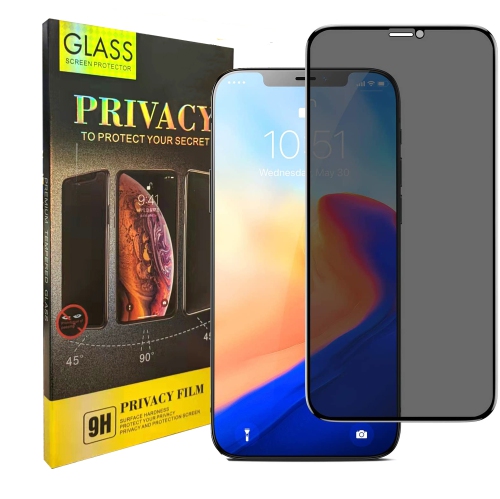
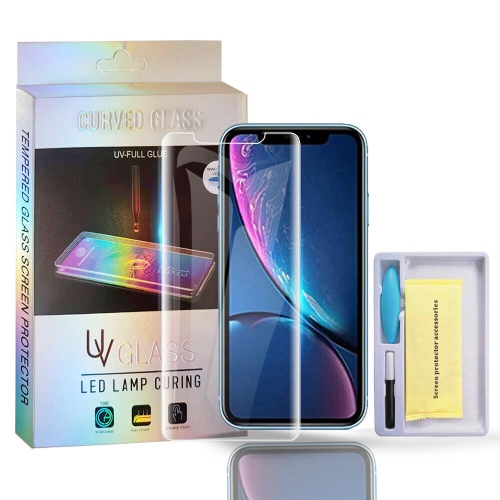
![GENERIC Anti-Blue Light Tempered Glass Screen Protector[2 Pack] for Ipad Air 3 & Ipad Pro 10.5"[Eye Care, Relieve Eye](https://multimedia.bbycastatic.ca/multimedia/products/500x500/198/19879/19879127.jpeg)
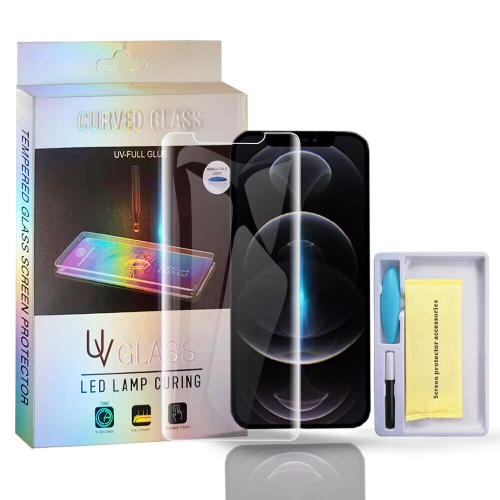
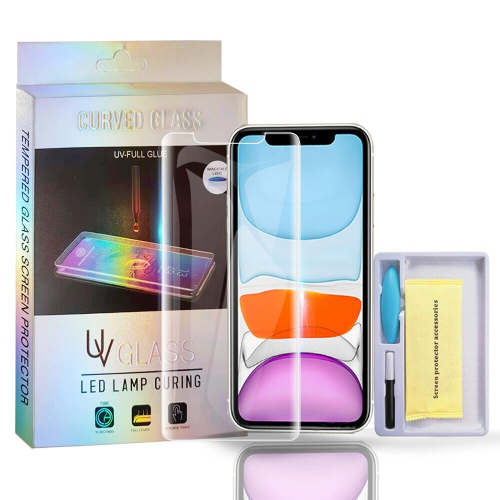

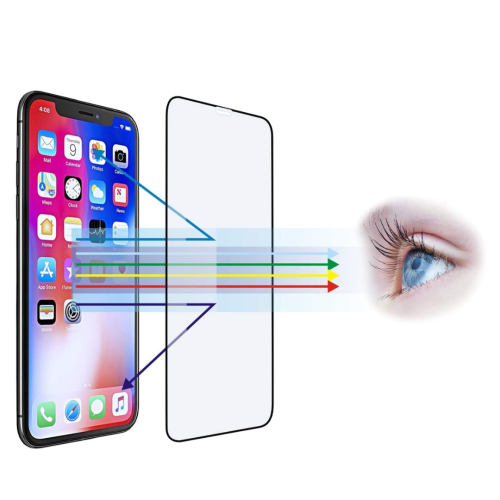
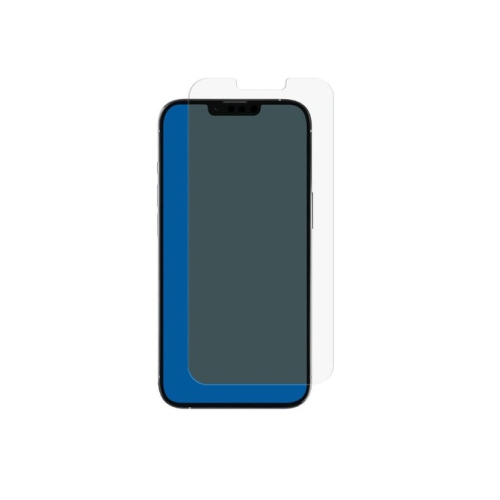
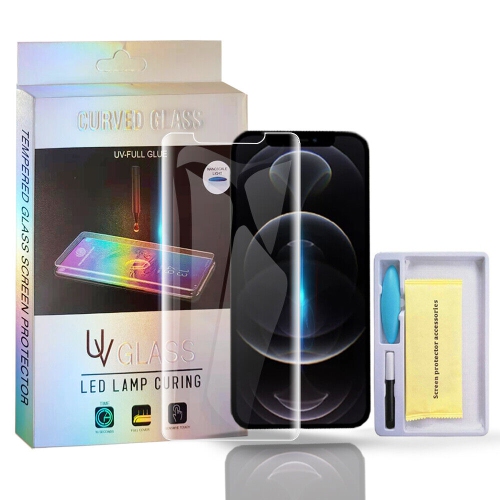
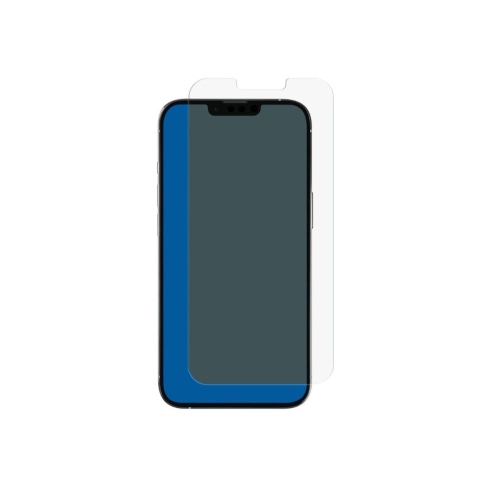
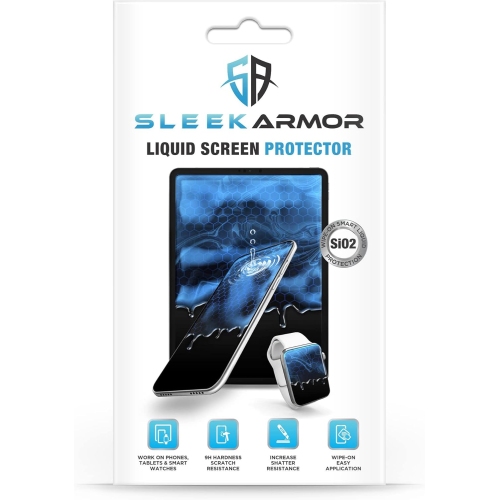
![SUPERSHIELD [ 3 Pack ] Samsung Galaxy S22 Ultra 5G Camera Lens Screen Protector Anti Scratch Tempered Glass Film Guard](https://multimedia.bbycastatic.ca/multimedia/products/500x500/162/16245/16245652.jpeg)
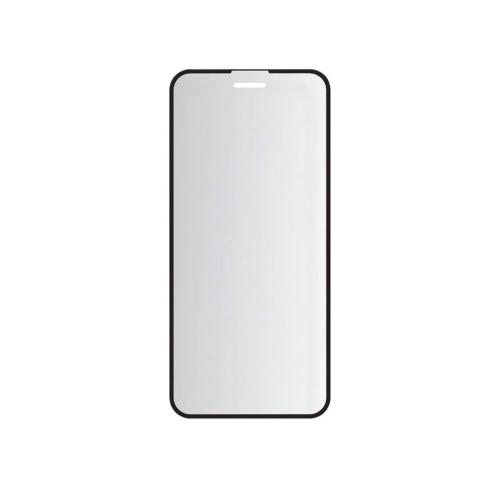
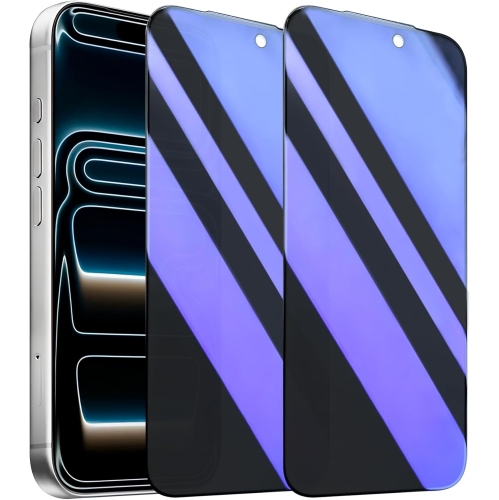
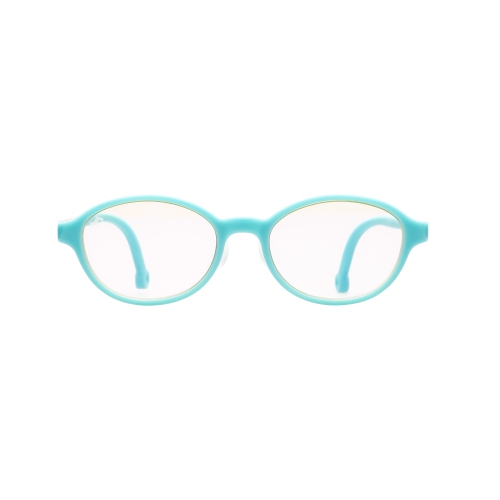
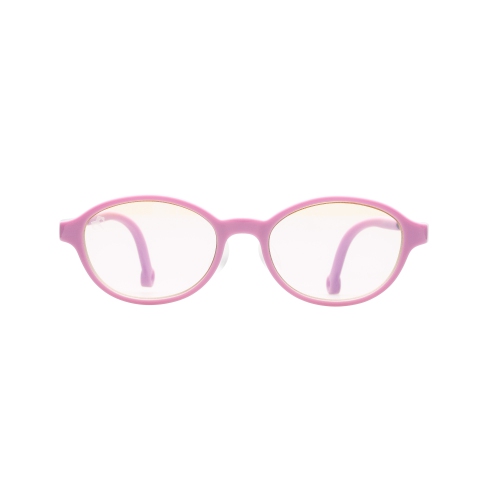
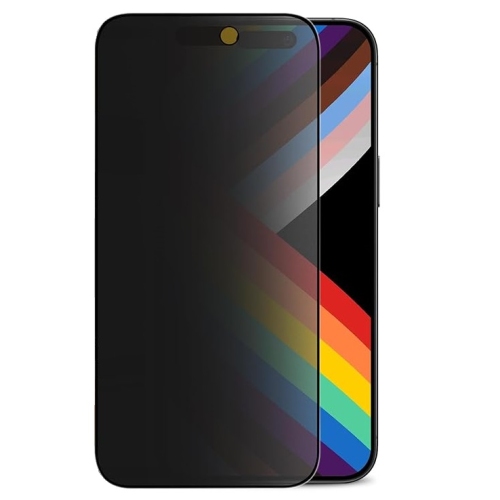
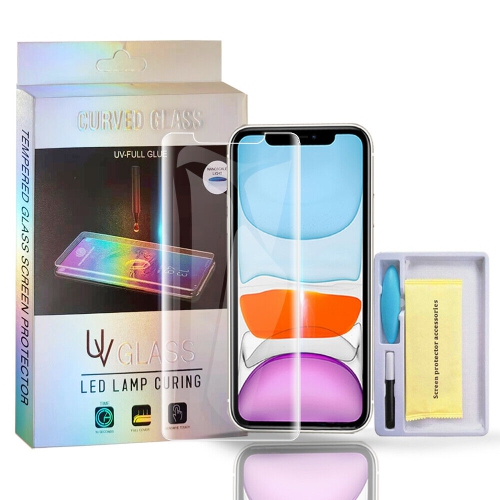
![GENERIC Screen Protector for Iphone 11 Pro Max, Iphone Xs Max, Anti-Blue Light Temper Glass Film [Eye Protection ]](https://multimedia.bbycastatic.ca/multimedia/products/500x500/195/19587/19587869.jpeg)
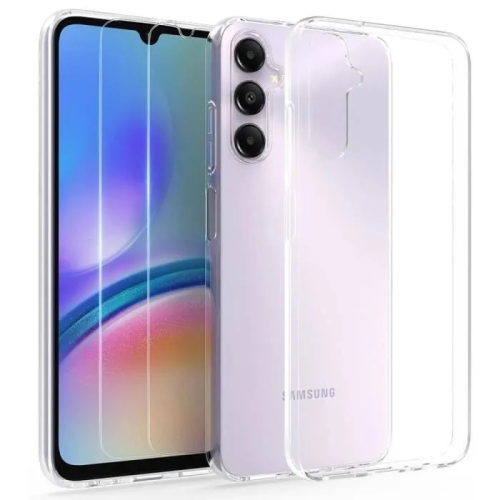
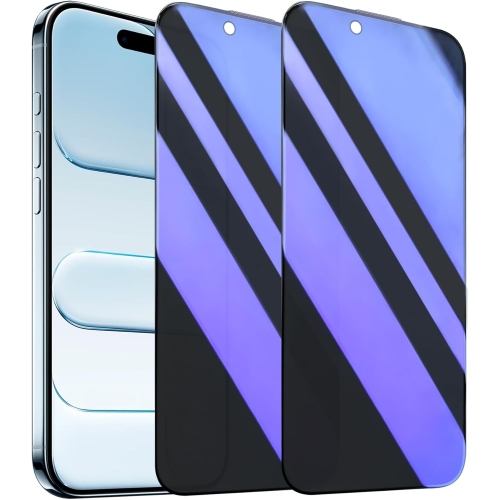
![SUPERSHIELD [ 3 Pack ] Samsung Galaxy S20 Camera Lens Screen Protector Anti Scratch Tempered Glass Film Guard](https://multimedia.bbycastatic.ca/multimedia/products/500x500/162/16283/16283727.jpeg)
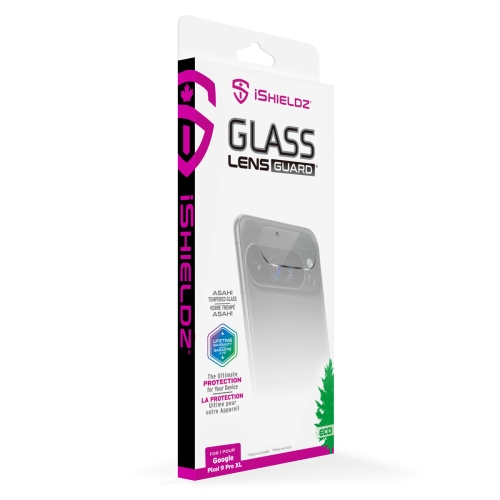
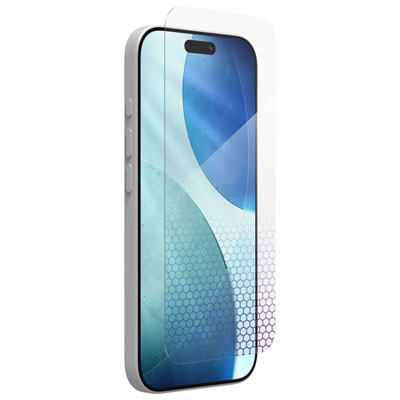
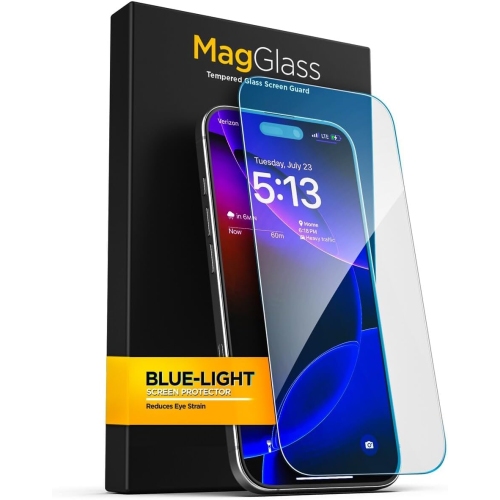
![SUPERSHIELD [ 3 Pack ] Samsung Galaxy S21 Camera Lens Screen Protector Anti Scratch Tempered Glass Film Guard](https://multimedia.bbycastatic.ca/multimedia/products/500x500/162/16283/16283691.jpeg)
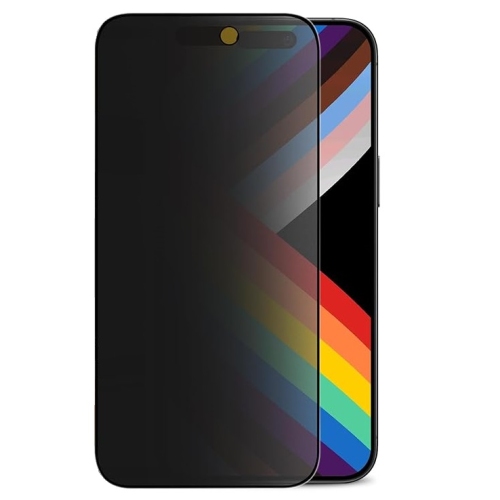
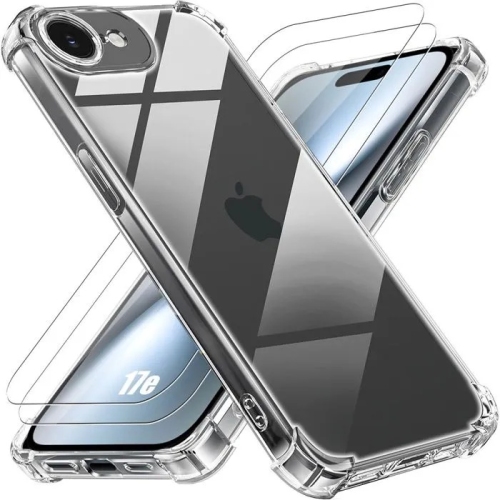
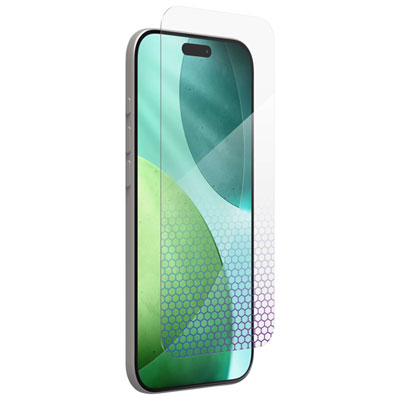
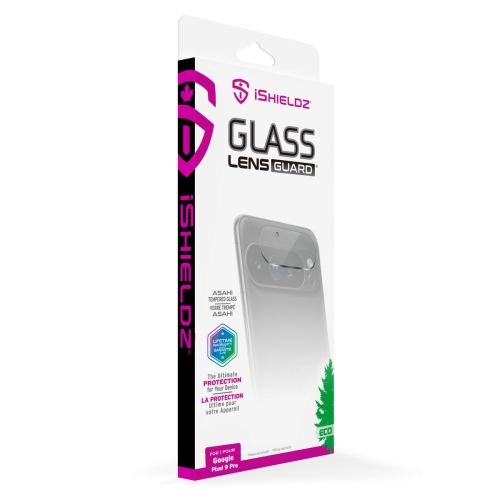
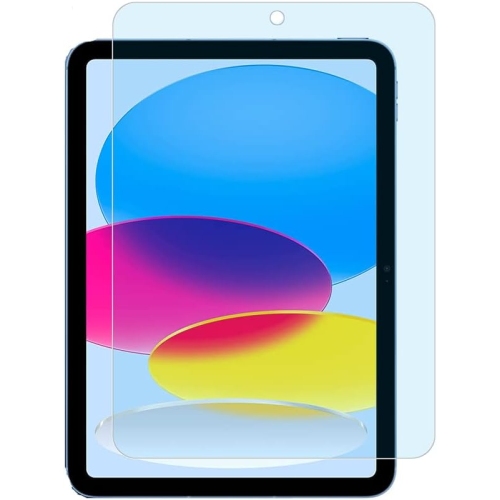
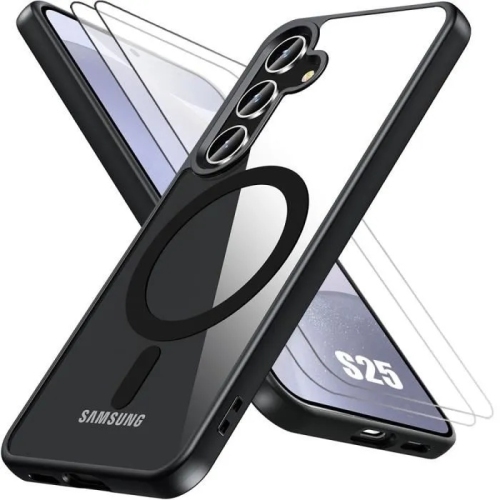
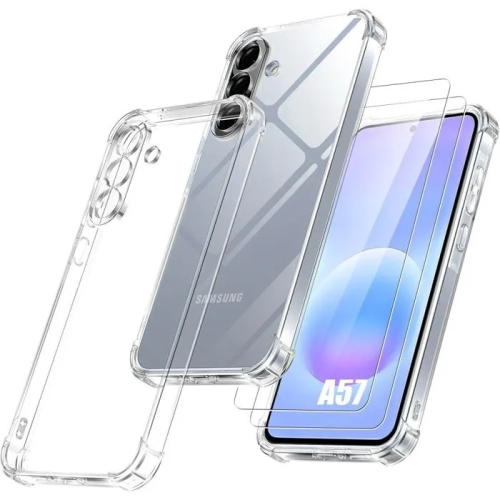
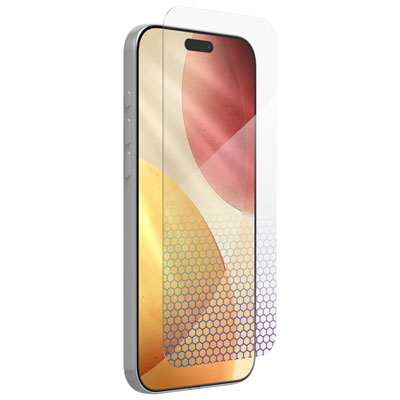
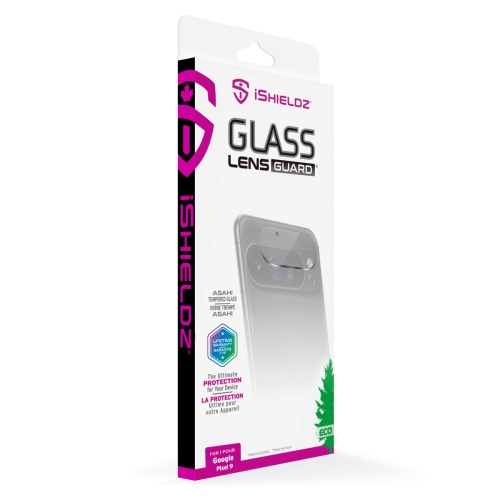
![SUPERSHIELD [ 3 Pack ] Apple Iphone 12 Pro Camera Lens Screen Protector Anti Scratch Tempered Glass Film Guard](https://multimedia.bbycastatic.ca/multimedia/products/500x500/162/16283/16283822.jpeg)
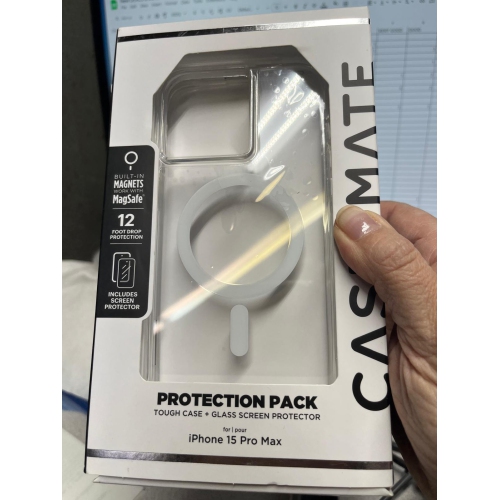
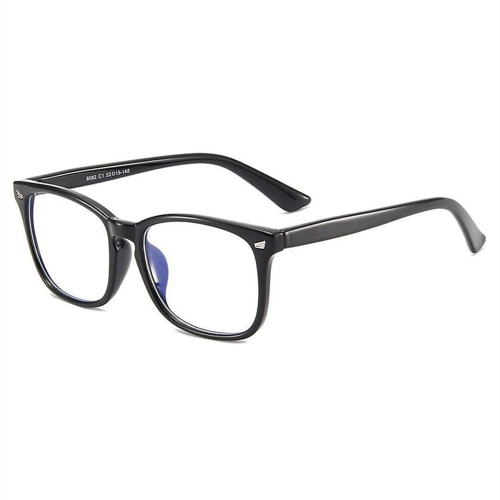
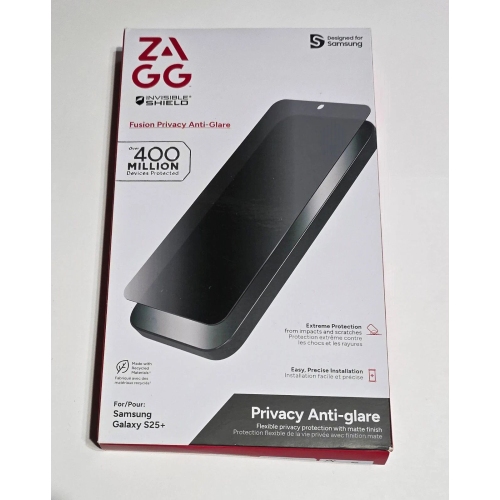
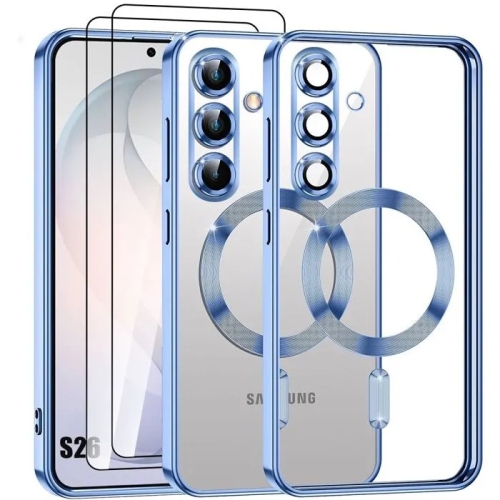
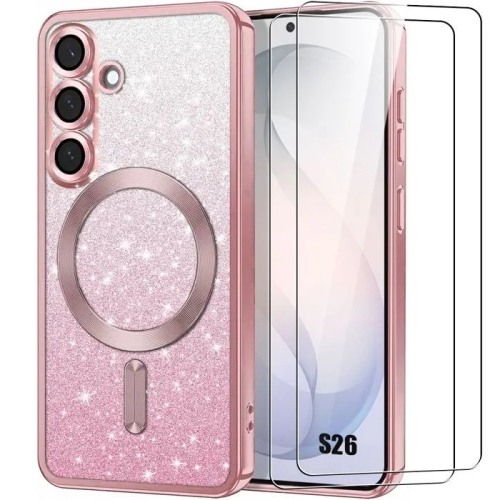
![SUPERSHIELD [ 3 Pack ] Apple Iphone 12 Pro Camera Lens Screen Protector Anti Scratch Tempered Glass Film Guard](https://multimedia.bbycastatic.ca/multimedia/products/500x500/162/16283/16283820.jpeg)
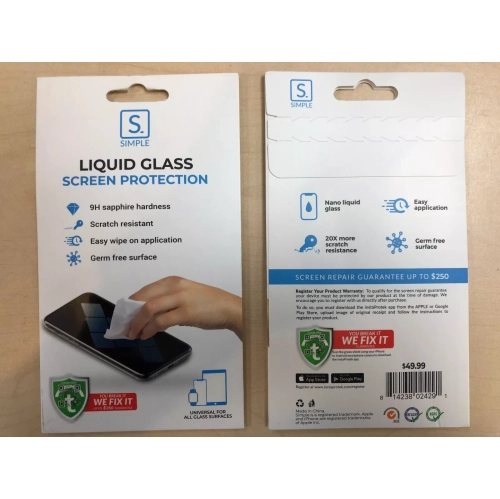
![SUPERSHIELD [ 3 Pack ] Apple Iphone 12 Mini Camera Lens Screen Protector Anti Scratch Tempered Glass Film Guard](https://multimedia.bbycastatic.ca/multimedia/products/500x500/162/16283/16283814.jpeg)
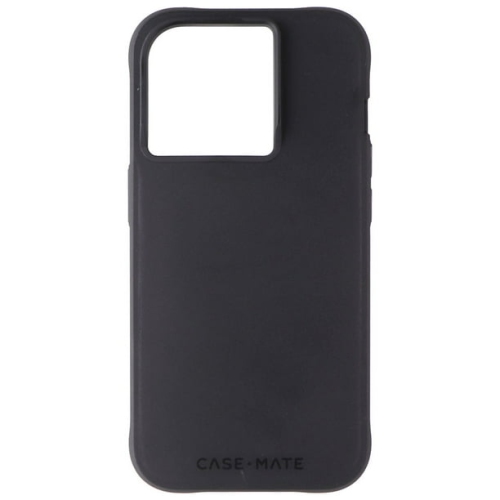
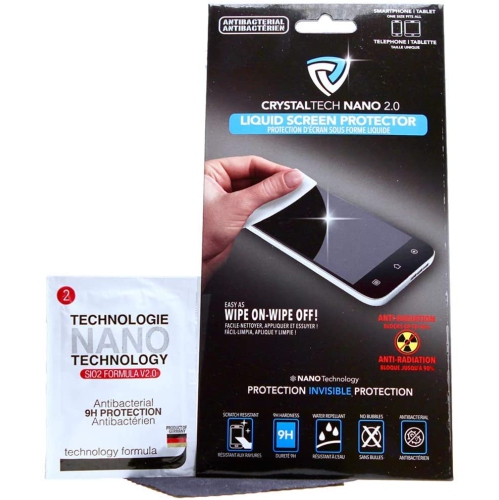
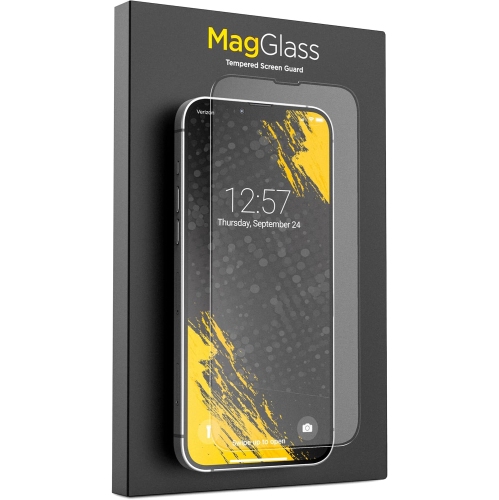
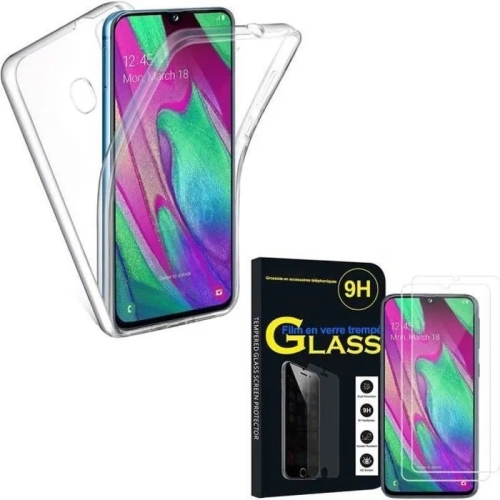
![SUPERSHIELD [ 3 Pack ] Samsung Galaxy S21 Fe Camera Lens Screen Protector Anti Scratch Tempered Glass Film Guard](https://multimedia.bbycastatic.ca/multimedia/products/500x500/162/16245/16245804.jpeg)
Comfort and clarity for every screen-filled day
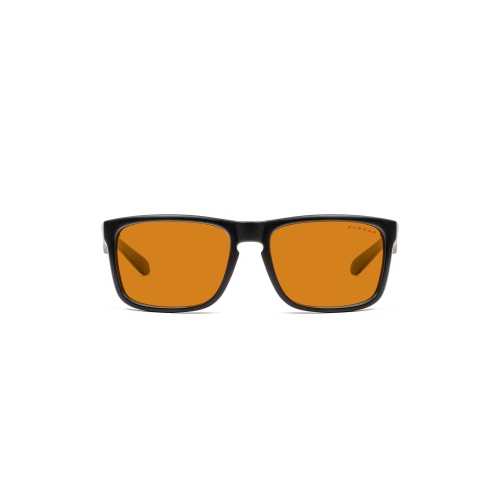
Screen protection glasses, also called blue light glasses or computer glasses, are designed for people who spend extended periods looking at digital displays and other sources of artificial light. Their specialized lenses can filter some high-energy visible (HEV) blue-violet light, commonly associated with wavelengths in the 400–455 nm range, emitted by phones, tablets, monitors, televisions and LED lighting. Many people wear them during long workdays, study sessions, gaming, streaming or evening browsing when their eyes begin to feel tired, dry or irritated. Digital eye strain can also involve blurred vision, headaches, difficulty refocusing between near and distant objects, and a general feeling of heaviness around the eyes. Screen protection glasses are not a replacement for regular eye examinations, prescription eyewear or good screen habits, but they can be a practical addition to a daily routine. Some wearers prefer them throughout the day, while others keep a pair at a desk or beside a gaming setup for periods of concentrated screen use. Lenses may be clear, lightly tinted or noticeably coloured, depending on the type of filtering and the wearer’s preference. A clear lens can suit an office, classroom or shared living space, while a subtle tint may appeal to someone who finds bright displays or overhead lighting uncomfortable. Since blue light exposure in the evening may affect the body’s natural melatonin cycle and make it harder for some people to settle into sleep, glasses with a stronger filtering effect may be useful during late-night screen use. Results vary from person to person, so comfort, personal preference and the advice of an eye-care professional remain important considerations.
Choosing the right pair begins with fit. Look for a frame that sits securely without pressing into the temples, sliding down the nose or leaving uncomfortable pressure behind the ears. A balanced frame should feel light enough for several hours of wear while remaining stable when the wearer looks down at a keyboard, leans forward to read or moves between a desk and a meeting. Lens width and bridge design can affect the field of view, and flexible or adjustable features may provide a more comfortable fit for different face shapes. People who already wear prescription glasses may want to consider screen protection lenses made with their prescription, or an option that fits comfortably over their everyday frames. For non-prescription users, check whether the lenses offer the desired level of blue light filtering and whether they include useful treatments such as anti-reflective coating. Reflections from a bright window, ceiling light or monitor can make a display feel more tiring, while an anti-reflective surface may help keep the image clearer and reduce distracting glare. Scratch-resistant treatments can also be helpful for glasses that travel between a home office, workplace, school bag or bedside table. Think about colour accuracy as well: photographers, designers, editors and anyone working with visual details may prefer lenses with minimal tint, while a warmer tint may be more appealing for reading or relaxed evening use. It is also worth considering lens size, frame durability, included storage and cleaning requirements, particularly if the glasses will be used away from home. For additional options suited to extended computer use, browse Computer Glasses for Eye Protection.
Screen protection glasses can be a thoughtful gift for students, remote workers, office professionals, gamers and anyone whose routine involves hours of digital reading or video calls. They are especially easy to pair with a desk, workstation or entertainment setup, since the recipient can keep them near a monitor and reach for them whenever a long session begins. A pair may also suit someone settling into a new school term, updating a home office during the cooler months or spending more evenings indoors with books, films and online activities. When choosing for someone else, a neutral frame shape, comfortable fit and clear or lightly tinted lenses are generally versatile choices. If the recipient wears prescription eyewear, confirm compatibility before purchasing, as non-prescription screen glasses may not provide the vision correction they need. The glasses work best alongside simple habits that give the eyes regular relief: follow the 20-20-20 approach by looking at something about 20 feet away for 20 seconds every 20 minutes, keep the screen at a comfortable distance, adjust brightness to suit the room and remember to blink regularly. Positioning a monitor so that windows and overhead lights do not reflect directly into the display can make a noticeable difference, while keeping the screen slightly below eye level may help reduce neck and eye discomfort. During long stretches of reading, switching between the screen and a distant view can feel like letting the eyes stretch after being held in one position. With the right fit, lens style and everyday setup, screen protection glasses can add comfort and convenience to work, learning and leisure without interrupting the way people use their devices.
Choosing the right pair begins with fit. Look for a frame that sits securely without pressing into the temples, sliding down the nose or leaving uncomfortable pressure behind the ears. A balanced frame should feel light enough for several hours of wear while remaining stable when the wearer looks down at a keyboard, leans forward to read or moves between a desk and a meeting. Lens width and bridge design can affect the field of view, and flexible or adjustable features may provide a more comfortable fit for different face shapes. People who already wear prescription glasses may want to consider screen protection lenses made with their prescription, or an option that fits comfortably over their everyday frames. For non-prescription users, check whether the lenses offer the desired level of blue light filtering and whether they include useful treatments such as anti-reflective coating. Reflections from a bright window, ceiling light or monitor can make a display feel more tiring, while an anti-reflective surface may help keep the image clearer and reduce distracting glare. Scratch-resistant treatments can also be helpful for glasses that travel between a home office, workplace, school bag or bedside table. Think about colour accuracy as well: photographers, designers, editors and anyone working with visual details may prefer lenses with minimal tint, while a warmer tint may be more appealing for reading or relaxed evening use. It is also worth considering lens size, frame durability, included storage and cleaning requirements, particularly if the glasses will be used away from home. For additional options suited to extended computer use, browse Computer Glasses for Eye Protection.
Screen protection glasses can be a thoughtful gift for students, remote workers, office professionals, gamers and anyone whose routine involves hours of digital reading or video calls. They are especially easy to pair with a desk, workstation or entertainment setup, since the recipient can keep them near a monitor and reach for them whenever a long session begins. A pair may also suit someone settling into a new school term, updating a home office during the cooler months or spending more evenings indoors with books, films and online activities. When choosing for someone else, a neutral frame shape, comfortable fit and clear or lightly tinted lenses are generally versatile choices. If the recipient wears prescription eyewear, confirm compatibility before purchasing, as non-prescription screen glasses may not provide the vision correction they need. The glasses work best alongside simple habits that give the eyes regular relief: follow the 20-20-20 approach by looking at something about 20 feet away for 20 seconds every 20 minutes, keep the screen at a comfortable distance, adjust brightness to suit the room and remember to blink regularly. Positioning a monitor so that windows and overhead lights do not reflect directly into the display can make a noticeable difference, while keeping the screen slightly below eye level may help reduce neck and eye discomfort. During long stretches of reading, switching between the screen and a distant view can feel like letting the eyes stretch after being held in one position. With the right fit, lens style and everyday setup, screen protection glasses can add comfort and convenience to work, learning and leisure without interrupting the way people use their devices.
Top selling and popular products
-
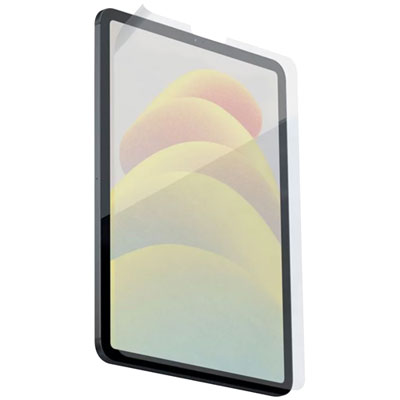 Your price for this item is $58.97
 -
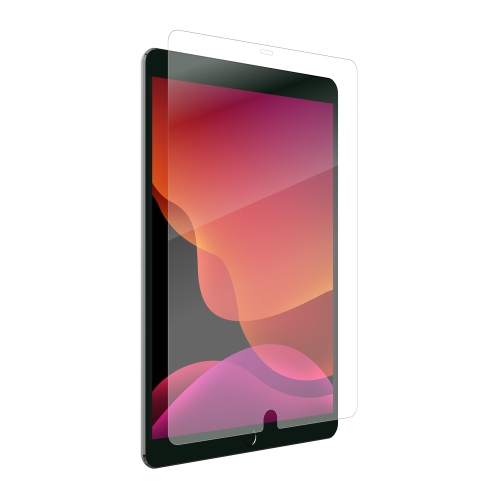 Your price for this item is $68.49
 -
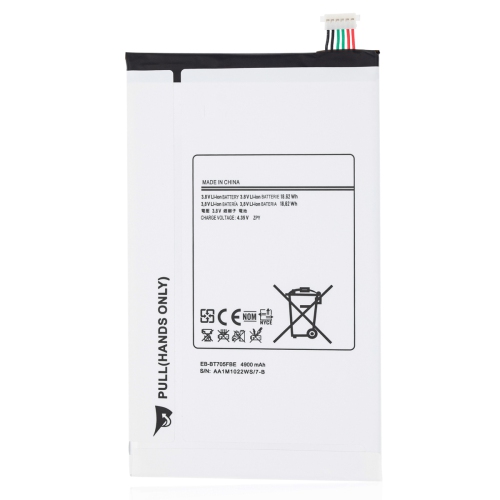 Your price for this item is $20.79
 -
 Your price for this item is $38.97
 -
 Your price for this item is $66
 -
 Your price for this item is $58.97
 -
 Your price for this item is $59.99
 -
 Your price for this item is $73
Discover more categories related to Screen Protection Glasses
Top Collections:
Pokemon Centers, Best Cameras for Sports Photography, Kindle Devices, Samsung Galaxy Phones, Canon G7X Cameras, Pokémon 30th Celebration Cards, Refurbished Apple Laptops, iPhone 15 Apple, Laptops for Students, Budget Smartphones
Some products may be subject to Environmental Handling Fees
(EHF) depending on your province.
Learn more about EHFs.