Fans for Kids
Fans for Kids are designed to help create a comfortable and enjoyable environment in any child's room or play area. With a variety of styles, sizes, and fun designs available, finding the perfect fan to suit your child's needs is simple. Whether you're looking to enhance air circulation during playtime or provide gentle comfort during bedtime, explore options that blend safety and functionality. Discover how Fans for Kids can add a refreshing touch to your home while keeping little ones cool and content all year round.
Sort




A breeze for one seat or the whole room
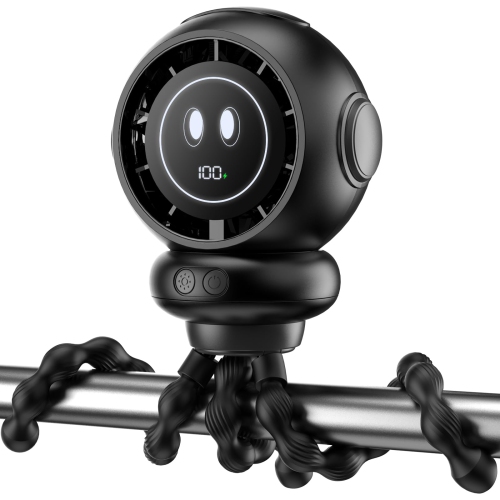
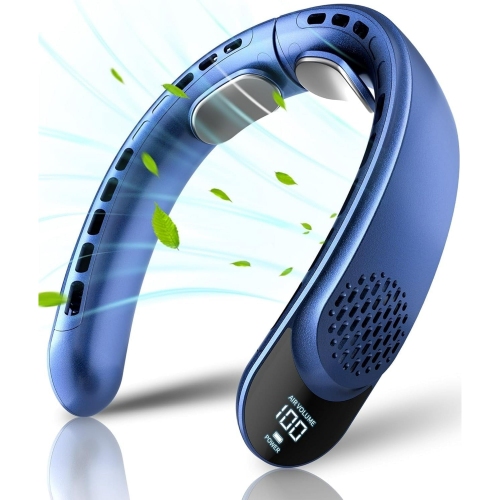
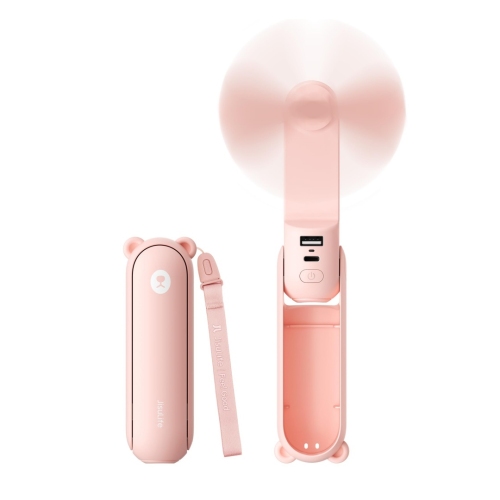
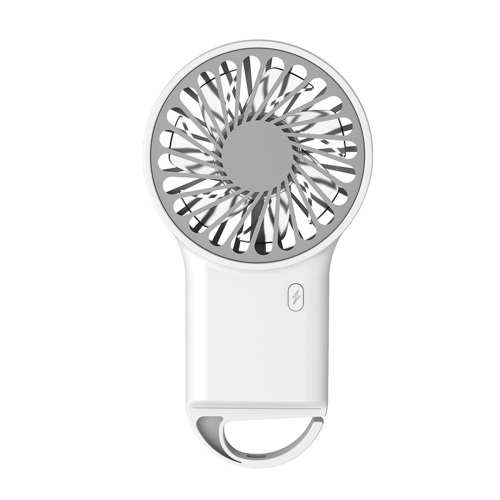
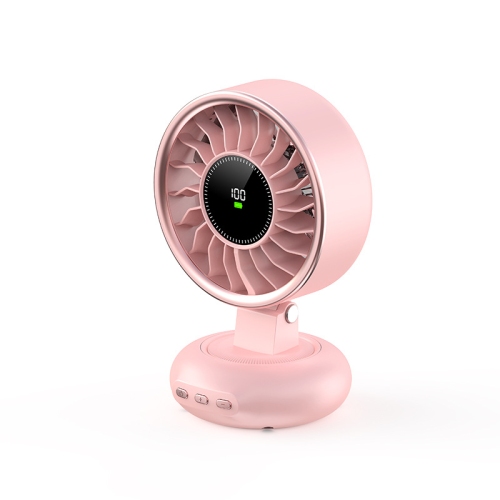
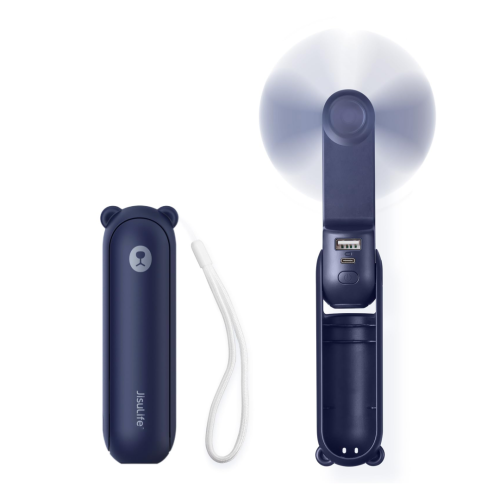
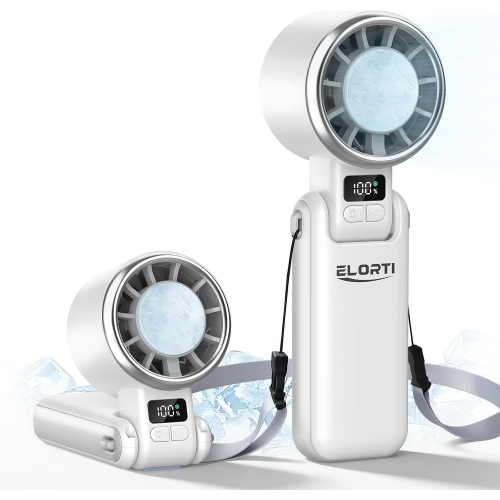
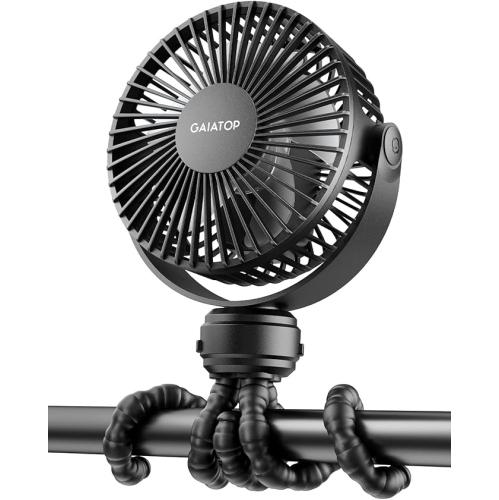
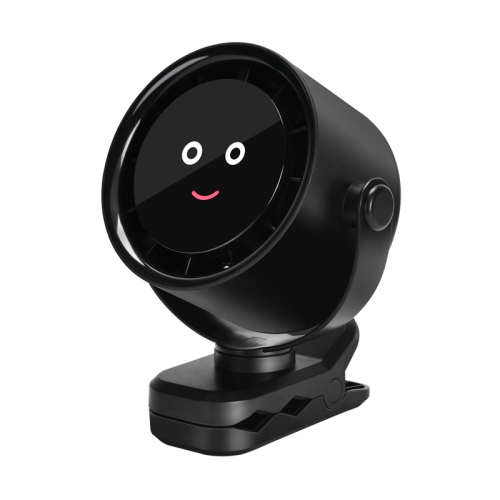
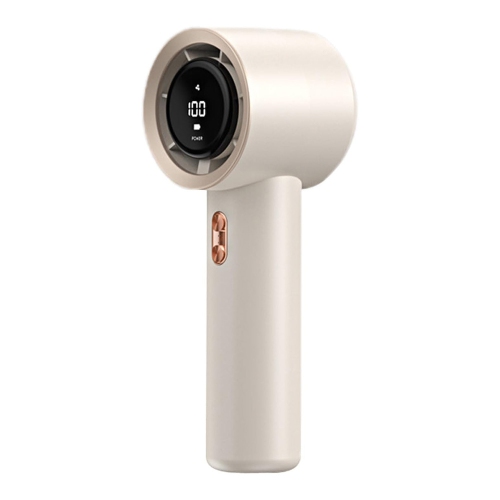
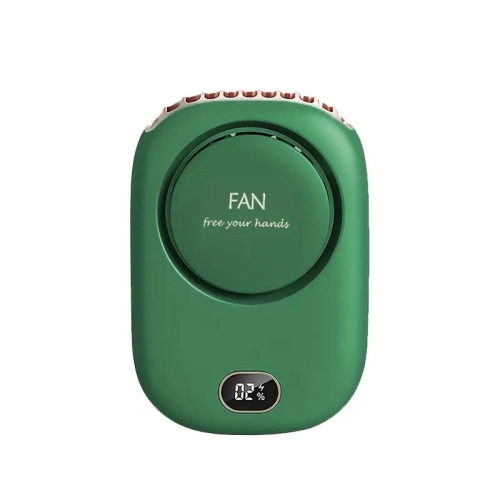
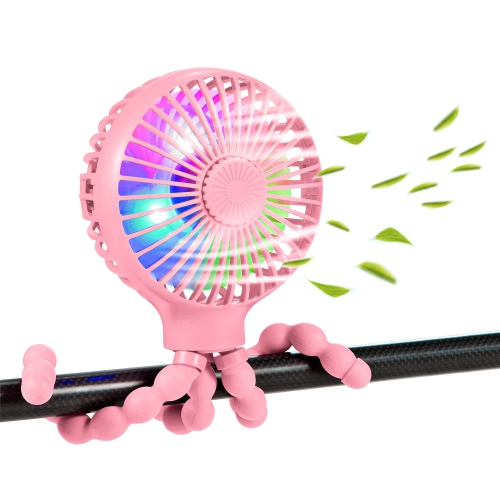
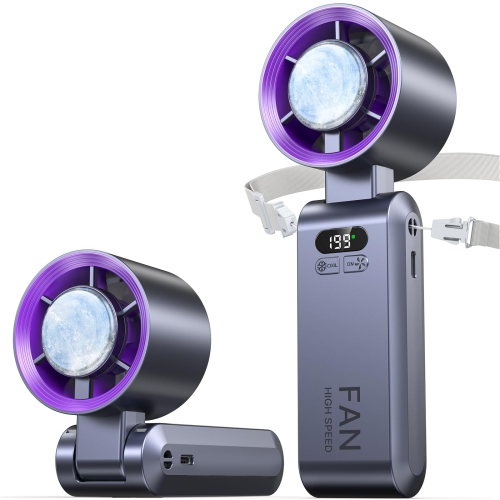
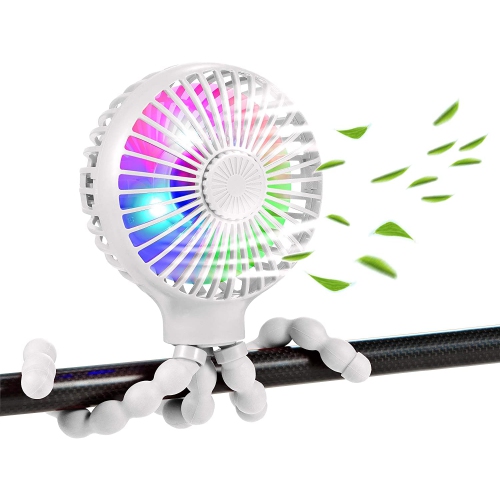
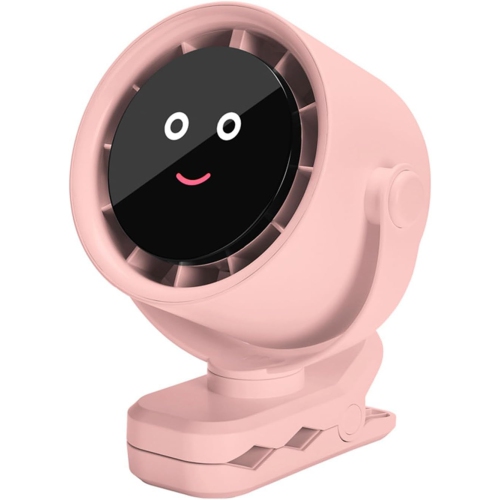
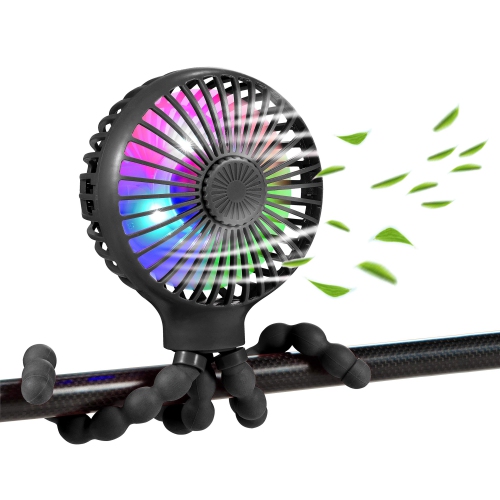
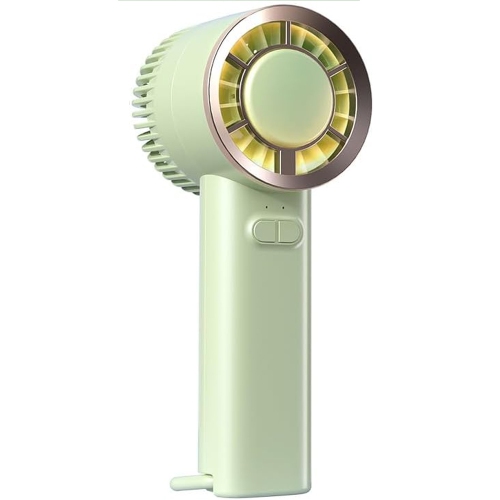
Fans for kids range from handheld and clip-on fans that move air around one person to tabletop, tower and ceiling fans that circulate air through a child’s bedroom or playroom. A handheld fan is easy to pack for a family outing, and an older child can angle it towards their face or arms while sitting down. A slim handle and a switch that’s easy to operate without changing grips can make a difference for smaller hands. A clip-on fan is useful when a desktop is already covered with pencils, paper and craft supplies. Attached to a sturdy shelf within its specified grip range, it can aim air across a homework spot without taking up space beside the lamp. The clip needs a flat, firm edge to hold securely; a rounded or unusually thick ledge may not give the jaws enough purchase. Portable fans offer a cooling sensation where the air reaches, but their smaller size makes them a better fit for personal use than for moving air across a shared room. Rechargeable styles can run without a cord attached, while models that take replaceable batteries are worth checking for a battery cover that fastens securely. A compact fan isn’t a toy, even if its colours or shape make it look like one. Handheld use is best suited to older children who can follow the product’s age and supervision guidance and keep fingers, hair and drawstrings away from the openings. For younger children, an adult can set up and operate a fan well out of reach, with charging cables and power cords secured away from play areas. Cribs and playpens aren’t suitable mounting points for clip-on fans, and a fan near an infant’s sleep space should stay out of reach and point away from the baby.
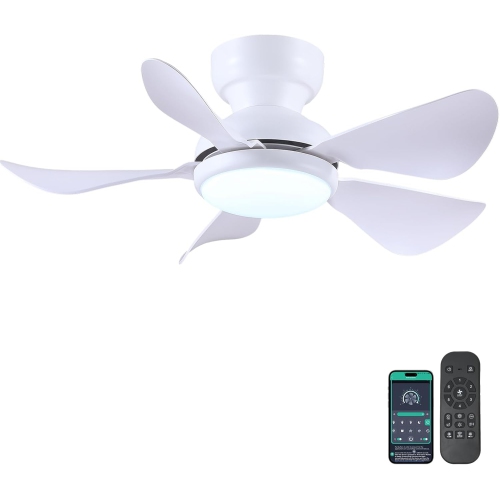
For a fan that will spend most of its time in one room, the furniture layout matters as much as the footprint. A tabletop fan on a stable surface can direct a steady stream of air across a reading chair, while a narrow tower fan can fit into a room with little spare floor space. A tower still needs a level spot clear of foot traffic, especially where children cross the room between beds or leave toys on the floor. Oscillation sweeps the airflow from side to side, which can be useful in a shared bedroom where a fan pointed straight ahead would reach only one bed. A fixed position can work better near a work surface where a passing gust would scatter loose sheets. The Fans for Bedrooms page is a natural place to compare room fans when airflow at bedtime matters more than portability. Multiple speed settings let an adult use a gentler setting for reading or settling down, and a timer can limit how long the fan runs after lights-out. A low setting isn’t always the quietest choice in practice: motor hum, vibration against a hollow surface and the sound of the fan turning can stand out once the room is quiet. Ceiling fans keep the floor and furniture clear, and themed designs can add colour or a playful blade pattern without taking up shelf space. Room size, ceiling height and the position of any bunk or loft bed matter more than the finish. Ceiling fans need proper support and installation, along with enough clearance that blades are well beyond reach from raised beds and nearby furniture.
Materials and construction matter most at the points that get handled often: the grip on a handheld fan, the hinge on an adjustable head and the spring on a clip. Moulded plastic can keep a portable fan light enough to carry, while metal components can add weight and rigidity to a base or stand. A broad base that sits flat is more useful in a busy playroom than a narrow stand that rocks when the controls are pressed. A securely fitted grille with closely spaced openings helps limit access to the blades, but it doesn’t replace safe placement. An adjustable head should hold its angle without sagging, and a clamp should stay put without marking the surface it grips. Dust and lint tend to collect on grilles and air intakes, particularly near rugs, bedding and soft toys. Smooth housings are easier to wipe down, and a cover designed to be removed for cleaning can make it easier for an adult to reach dust that settles behind the grille. Switch the fan off and disconnect it from power before cleaning, follow the manufacturer’s care instructions, and check the cord, clip and guard for wear if the fan is moved often. For a gift, the best fit depends on where the child will use it and who will set it up. An older child who likes to bring a small bag on outings may get more use from a light handheld fan than from one that stays in a bedroom. For a child setting up a homework space, a compact fan with an adjustable angle can make more sense, provided there’s a sturdy place for it to sit or clip on. For a younger child, a room fan chosen with a parent or caregiver keeps the controls and placement in adult hands.
Top selling and popular products
-
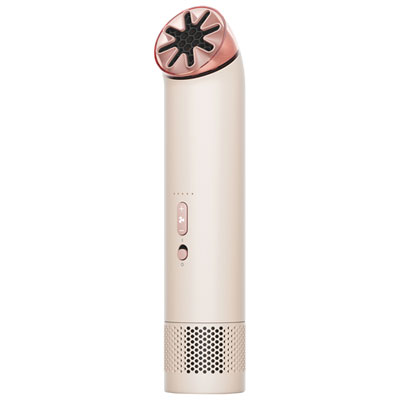 Your price for this item is $129.99
-
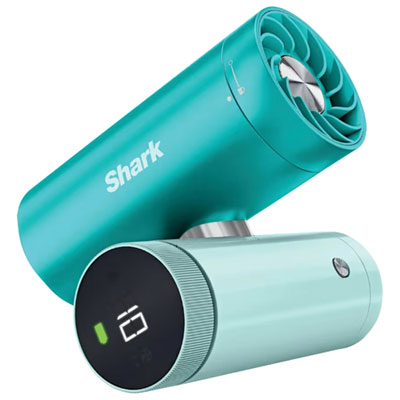 Your price for this item is $179.99
-
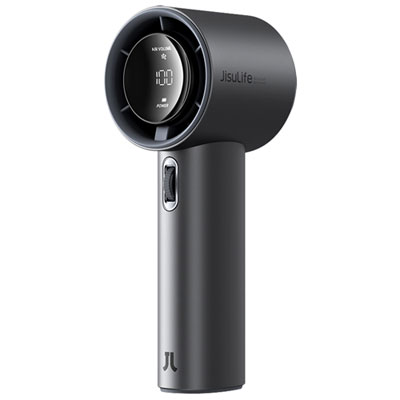 Your price for this item is $99.99
-
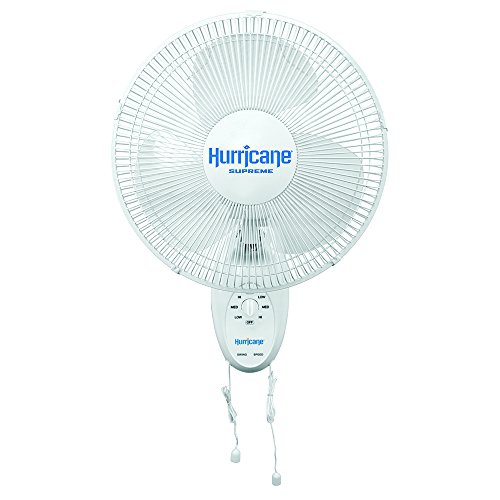 Your price for this item is $96.99
-
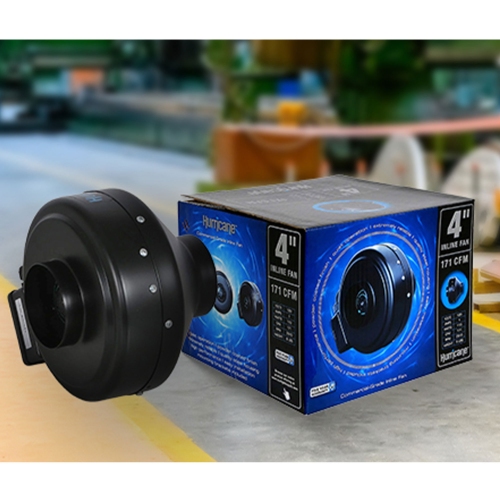 Your price for this item is $172.99
-
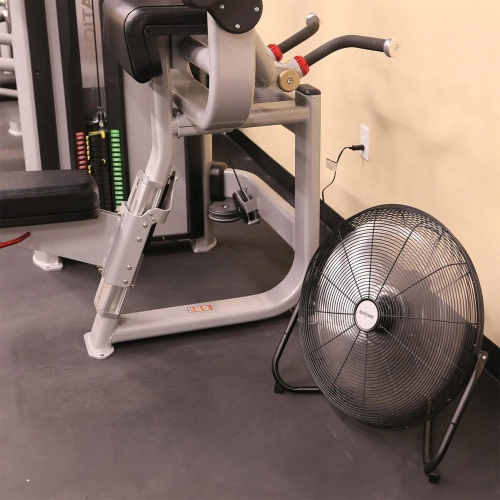 Your price for this item is $154.99
-
 Your price for this item is $134.99
-
 Your price for this item is $176.99
Discover more categories related to Fans for Kids
Top Collections:
Best Black Friday Deals This Year, Best Black Friday Deals On Electronics, Kindle Devices, Pokemon Centers, Best Black Friday Deals On Apple Products, Best Cameras for Sports Photography, Dyson Airwrap, Pokémon 30th Celebration Cards, Apple iPhone 17 Pro, Canon G7X Cameras
Some products may be subject to Environmental Handling Fees
(EHF) depending on your province.
Learn more about EHFs.