Food Mixer and Blenders
Elevate your kitchen experience with a versatile food mixer and blender, perfect for creating everything from smooth batters to delicious smoothies. Whether you’re preparing meals for the family or experimenting with new recipes, these essential appliances help streamline your food prep routine. Discover a wide selection of options designed to suit every cooking style and kitchen space. Find the ideal food mixer and blender to make meal preparation easier and more enjoyable.
Sort
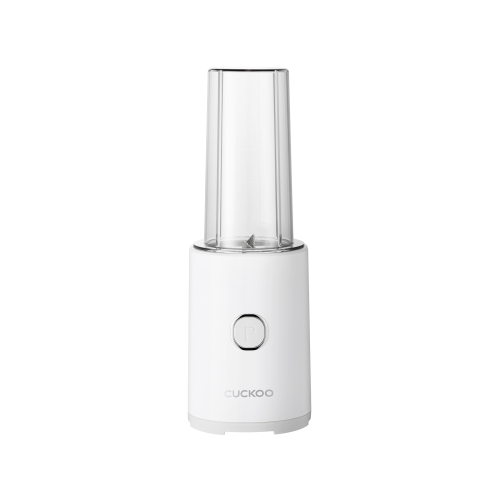
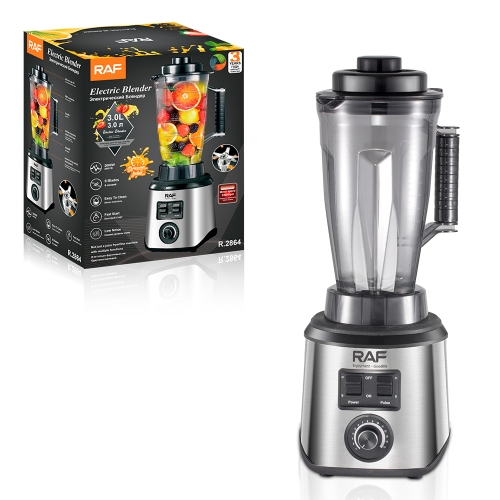
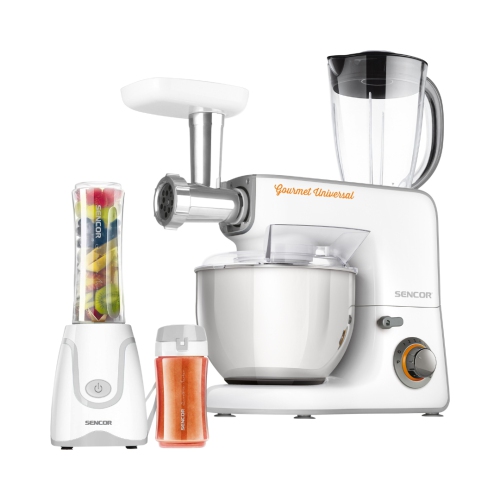
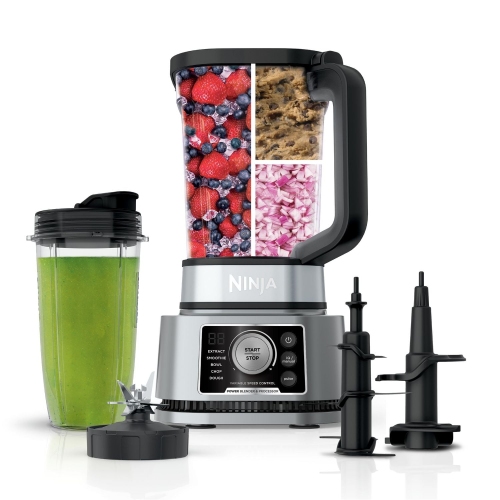
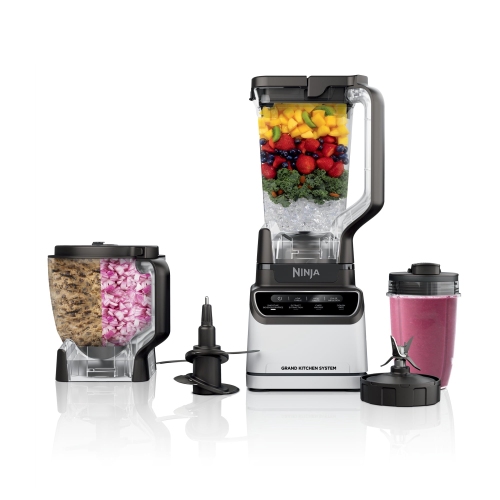
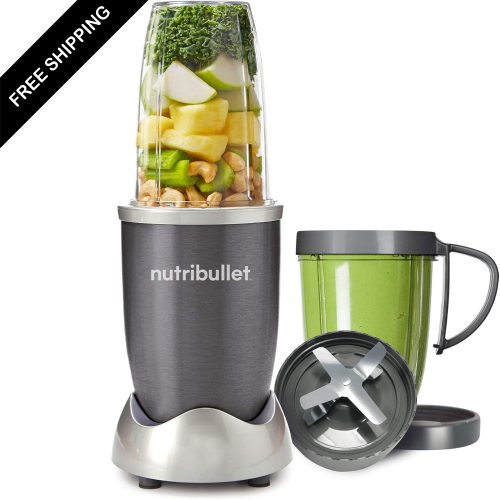
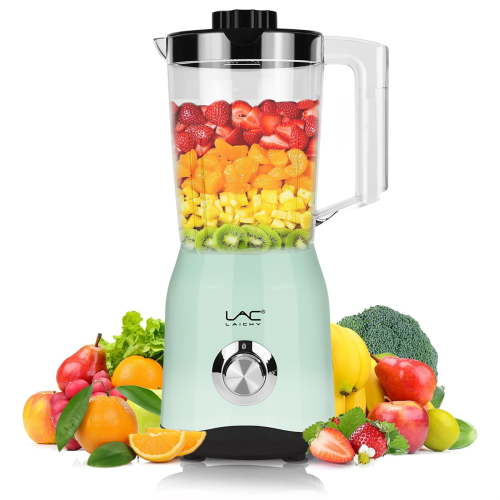
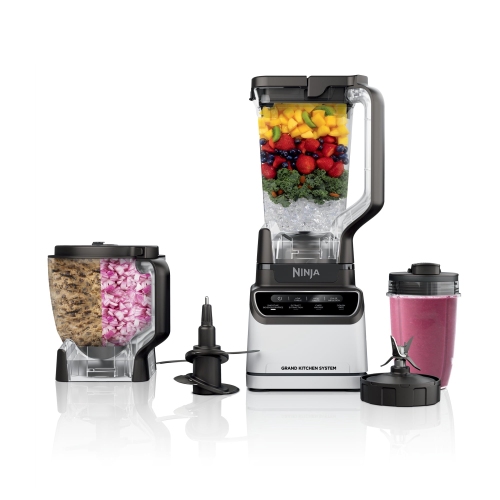
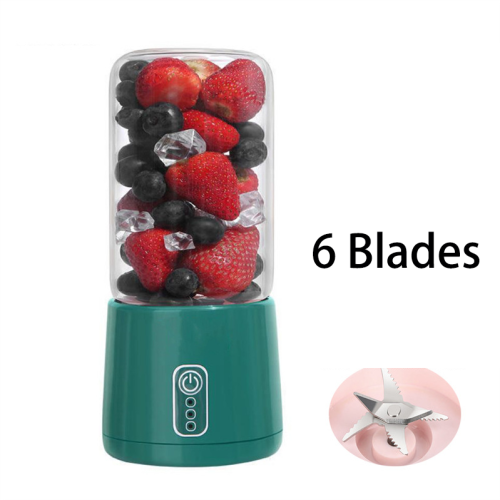
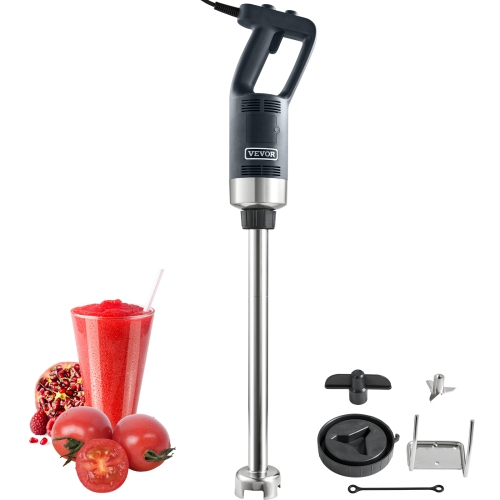
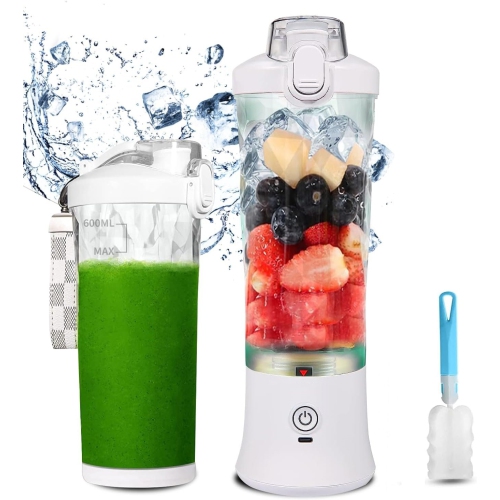
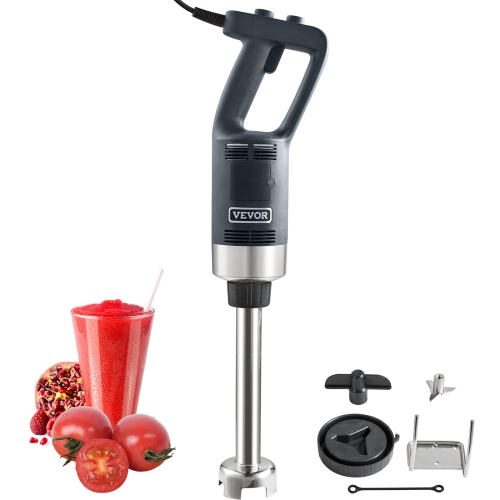
Why kneading dough and blending smoothies need different tools
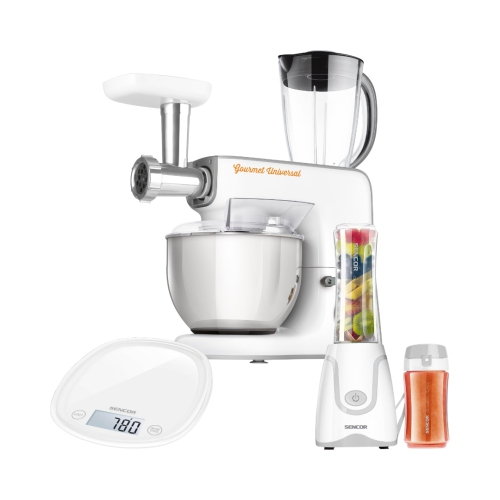
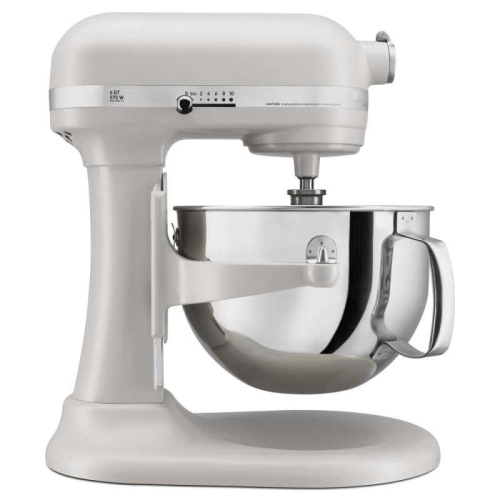
Food mixers and blenders take on different jobs in the kitchen: mixers beat, whisk and knead ingredients with rotating attachments, while blenders use fast-moving blades to break ingredients down into drinks, sauces and purées. A mixer brings butter and sugar together for cake batter, whips cream into soft peaks and, with a suitable dough attachment, works flour and liquid into bread dough. A blender turns fruit and liquid into a smoothie or cooked vegetables and stock into a smooth soup. That distinction matters because the tools are not generally interchangeable; a blender is not a substitute for a mixer when a recipe calls for folding, creaming or kneading. Hand mixers suit smaller batches and bakers who prefer a compact appliance that can move between mixing bowls. Their handheld design makes it easy to work around the bowl, although the user supports the motor throughout the task. Stand mixers hold the bowl and attachment in place, leaving hands free to measure ingredients or prepare a baking pan while mixing continues under supervision. They are especially useful for repeated baking tasks, but batch limits and suitable dough types vary by model. Flat beaters generally handle cake batters and cookie mixtures, whisks incorporate air into lighter mixtures, and dough hooks work suitable bread and pizza doughs. Attachment compatibility is specific to the mixer, so an accessory needs to match the appliance rather than simply look similar. Bowl capacity also deserves attention beyond its stated volume: a large bowl can accommodate a bigger batch, but the attachment still needs to reach the ingredients effectively when whipping a small amount of cream or beating a few egg whites. For frequent bakers, the right combination of capacity, accessible controls and manageable weight can make the difference between an appliance used regularly and one left in a cupboard.
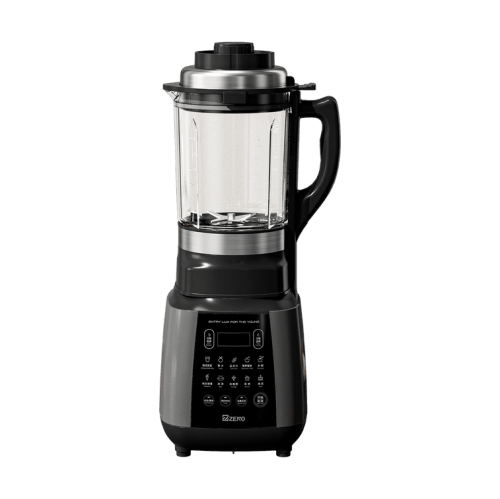
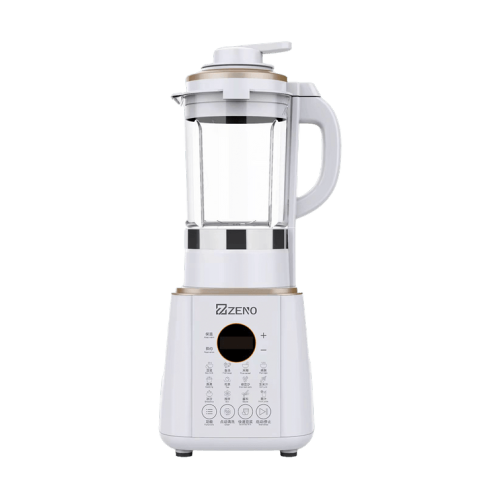
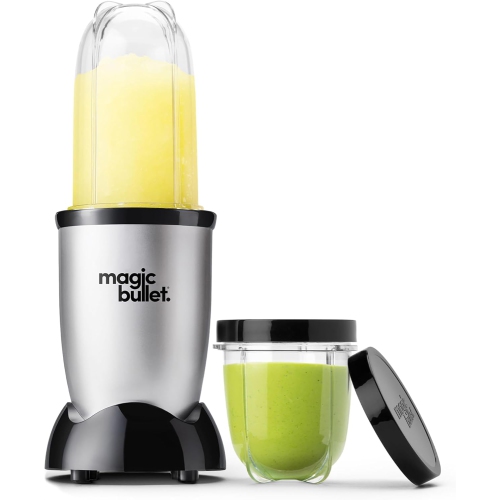
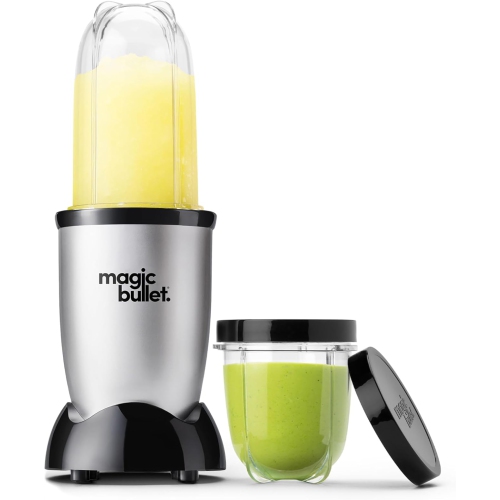
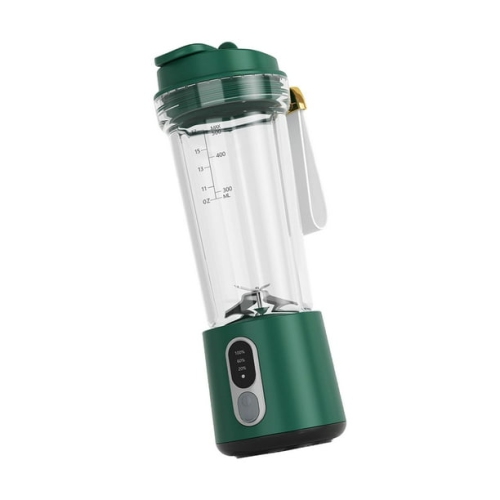
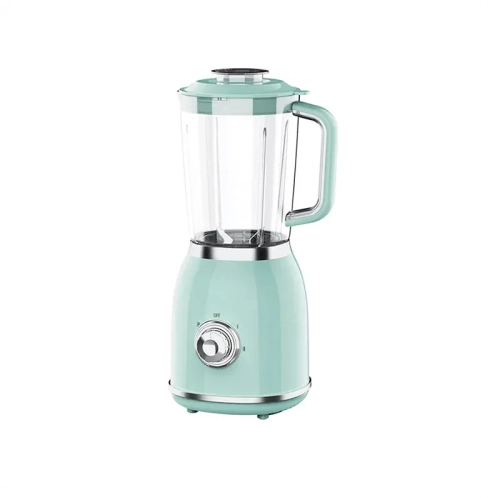
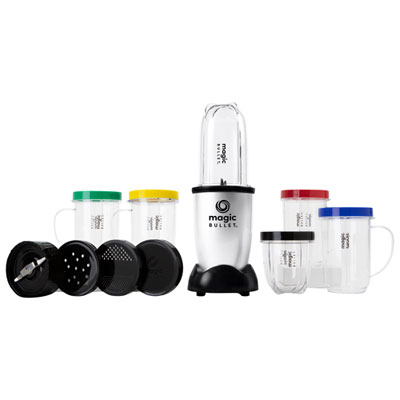
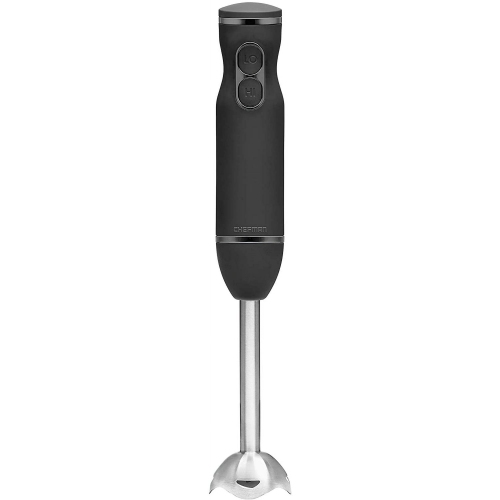
Blenders cover a different range of everyday preparation, from a breakfast smoothie to salad dressing, hummus-style dips and fruit sauces, depending on the appliance and recipe. Full-size countertop blenders provide a jug for shared servings, while personal blenders use smaller cups suited to individual portions. Some personal blending cups can also serve as drinking containers when fitted with a compatible lid, reducing the number of vessels involved in a busy morning. Immersion blenders bring the blade directly into a suitable pot, jug or beaker, making them useful for puréeing soup or blending a small quantity of sauce without transferring everything into a countertop jug. The blending head needs enough depth to remain submerged, and suitable containers help limit splashes. Texture depends on more than motor wattage alone; blade design, container shape, ingredient proportions and operating limits all affect the result. Thick mixtures may need a specific loading order, enough liquid to circulate, or a compatible tamper designed for use with the lid in place. Frozen fruit, ice and fibrous vegetables place different demands on a blender, so those ingredients belong only in appliances rated to handle them. Pulse controls provide short bursts for adjusting texture, while variable speeds offer more control when moving from a coarse mixture towards a smoother finish. Preset programs can simplify repeated tasks, although ingredient quantities still matter. Hot blending requires particular care: only containers and lids specifically approved for hot ingredients should be used, with the maker’s filling and venting directions followed closely. Sealed personal blending cups should not be assumed suitable for hot liquids. For households making both single servings and larger batches, container sizes and minimum blending quantities can be just as important as maximum capacity. A wide jug may accommodate a generous batch, yet a smaller vessel can be more practical for a little dressing or a smooth sauce intended for two plates.
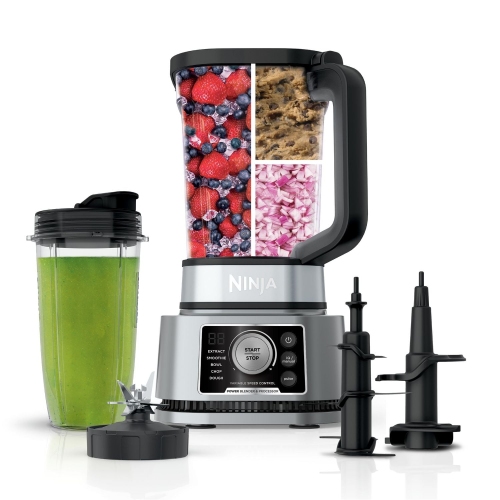
Materials, dimensions and cleaning requirements influence how comfortably food mixers and blenders fit into a kitchen over time. Stainless steel mixing bowls are typically sturdy and relatively light, while glass bowls allow a clear view of ingredients but add weight when lifting or pouring. Blender jugs may be glass or food-contact plastic, each with handling considerations: glass is heavier and can break if dropped, while plastic may develop scratches or retain strong food odours. Dishwasher suitability varies by component, including bowls, lids, seals and attachments, so care directions matter even when parts appear similar. A prompt rinse can keep batter or fruit pulp from drying onto surfaces, but sharp blades require careful handling, and motor housings should never be submerged. Removable seals and accessible lid openings can make routine cleaning easier when the design permits disassembly. For durability, useful details include a stable base, secure attachment connections and clear instructions for maximum run times and rest periods. Fit extends beyond the appliance’s footprint: a stand mixer may need room above it for a tilting head, and a blender jug needs clearance to lift away from its base beneath upper cupboards. Storage for beaters, dough hooks, cups and lids also helps keep the work surface usable. Combination appliances add another possibility for kitchens handling a broader mix of tasks. Food Processor Blenders bring blending together with food-processing functions through compatible bowls, blades or discs, although chopping, slicing and dough capabilities depend on the particular design. They can suit cooks who prepare smoothies alongside chopped vegetables, dips or other meal components, without making a dedicated mixer unnecessary for every baking task. As gifts, mixers and blenders are most useful when matched to established habits: regular bread making, an interest in baking, daily smoothies or cooking for a household. Thoughtful sizing and straightforward upkeep help these appliances earn their place in everyday food preparation.
Top selling and popular products
-
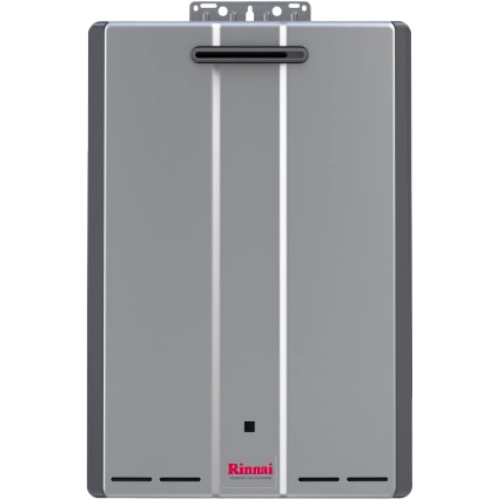 Your price for this item is $2545.05
-
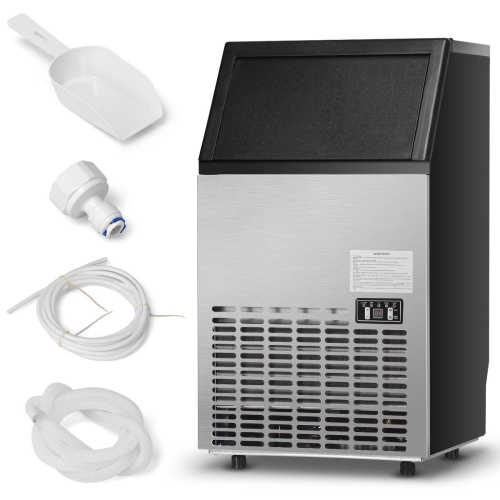 Your price for this item is $477.99
-
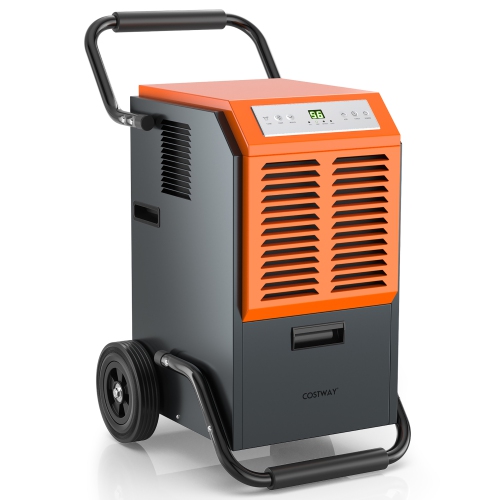 Your price for this item is $560.99
-
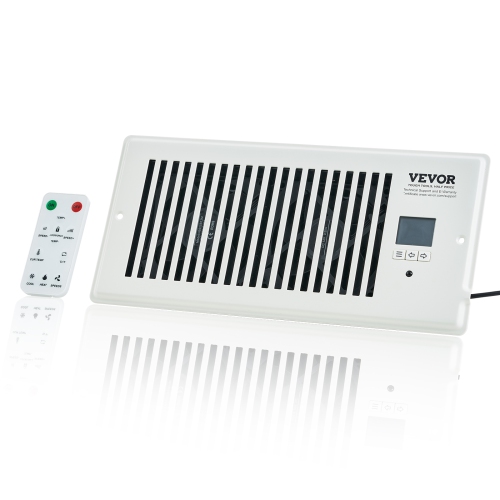 Your price for this item is $53.91
-
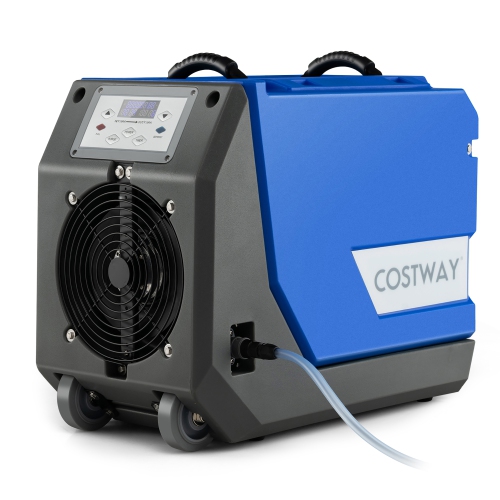 Your price for this item is $769.99
-
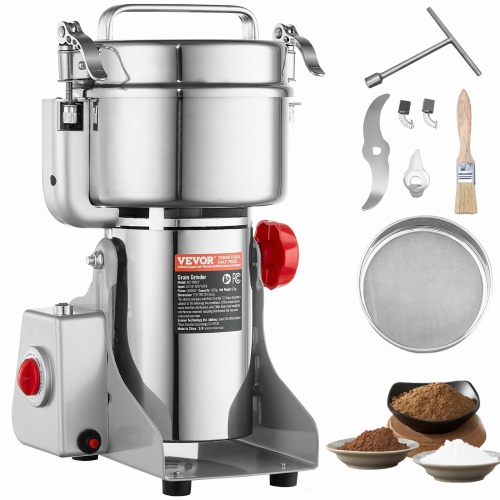 Your price for this item is $104.9
-
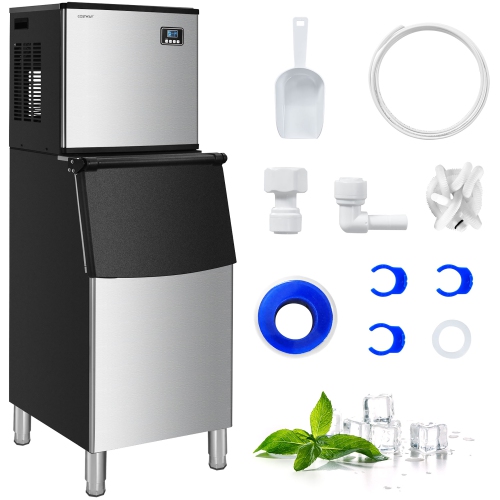 Your price for this item is $1549.99
-
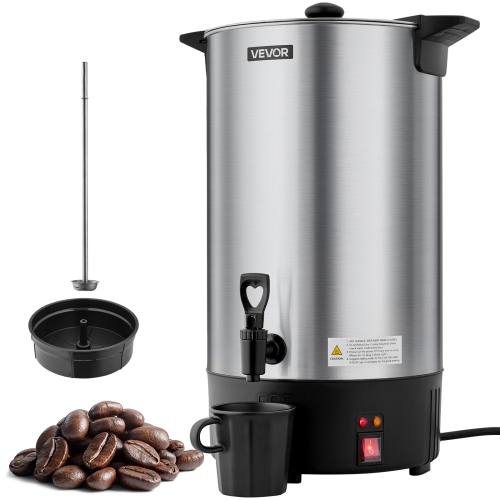 Your price for this item is $125.9
Discover more categories related to Food Mixer and Blenders

Top Collections:
Best Black Friday Deals This Year, Best Black Friday Deals On Electronics, Kindle Devices, Pokemon Centers, Best Black Friday Deals On Apple Products, Best Cameras for Sports Photography, Dyson Airwrap, Pokémon 30th Celebration Cards, Apple iPhone 17 Pro, Canon G7X Cameras
Some products may be subject to Environmental Handling Fees
(EHF) depending on your province.
Learn more about EHFs.