Mixers for Cake-Making
Elevate your baking game with the perfect mixer for cake making, designed to transform your kitchen into a hub of creativity and culinary delight. Whether you're whipping up a classic vanilla sponge or experimenting with decadent chocolate layers, a reliable mixer is your essential partner in achieving consistently smooth batters and fluffy textures. Discover options that blend power and precision, making every baking session a breeze as you create mouthwatering masterpieces for any occasion.
Sort




Why mixing control matters more than top speed
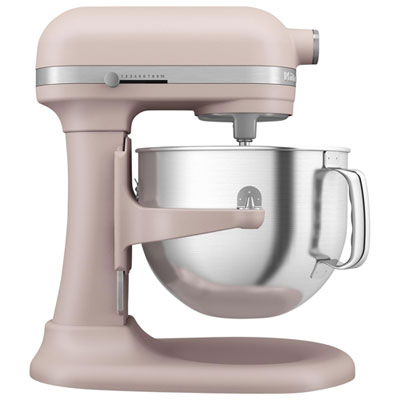
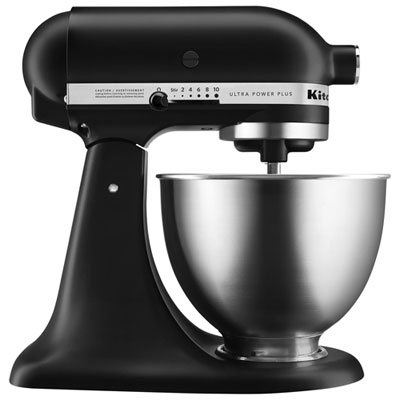
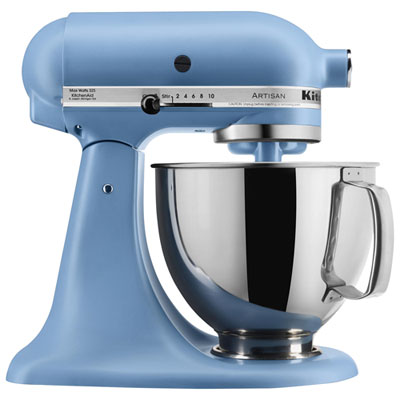
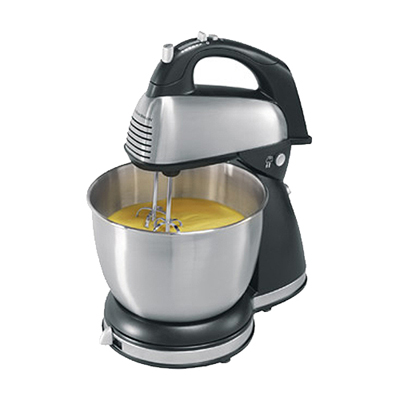
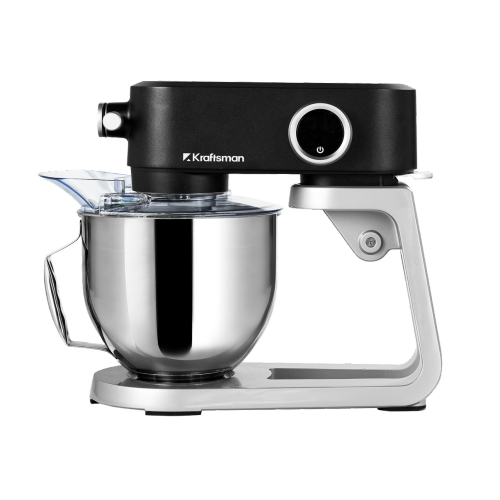
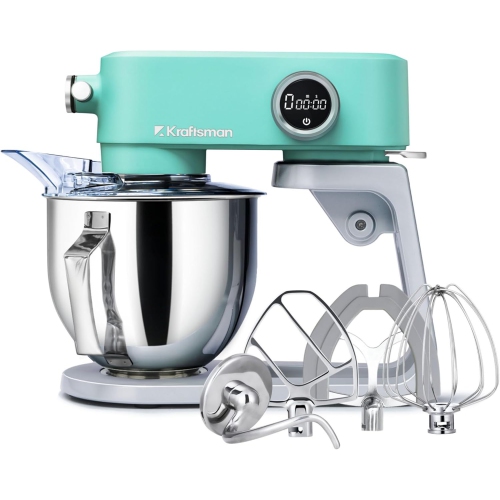
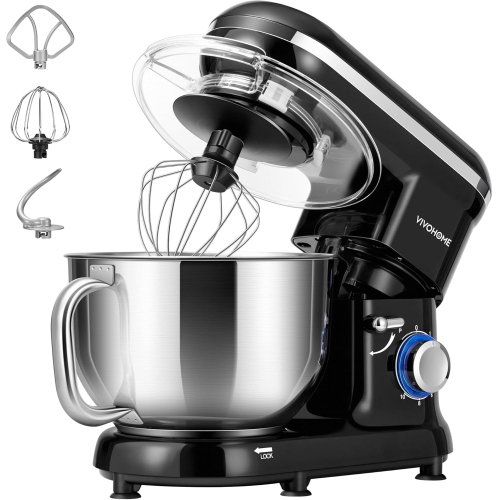
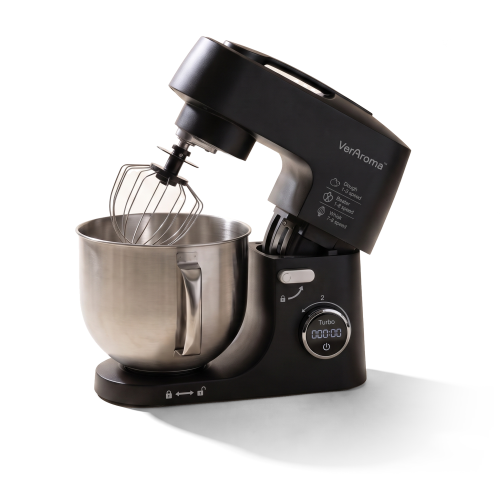
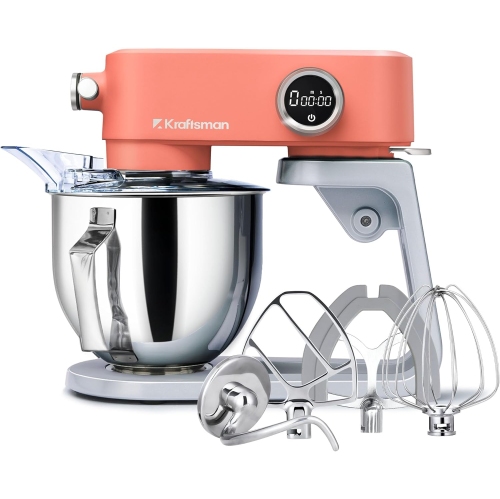
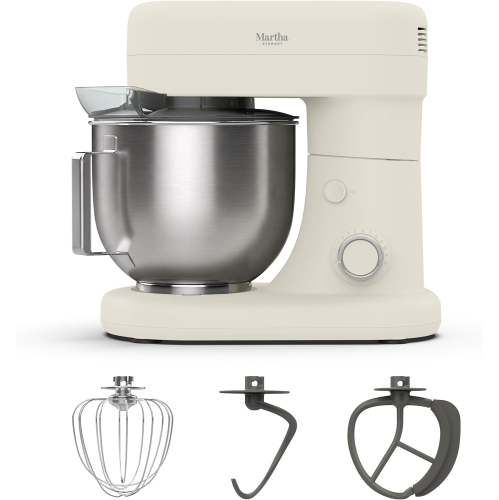
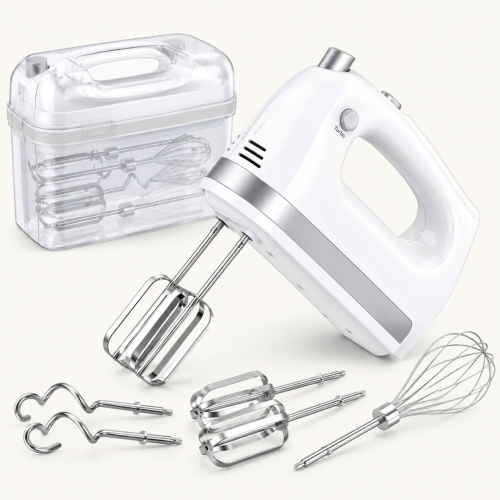
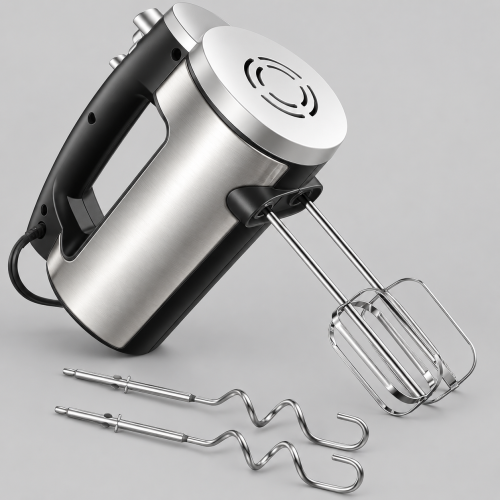
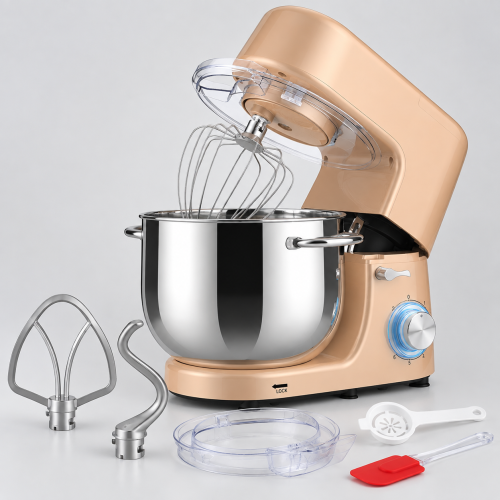
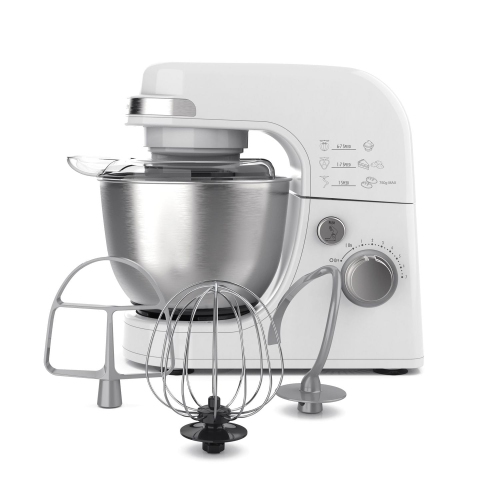
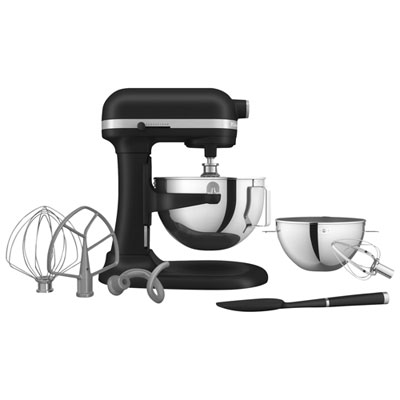
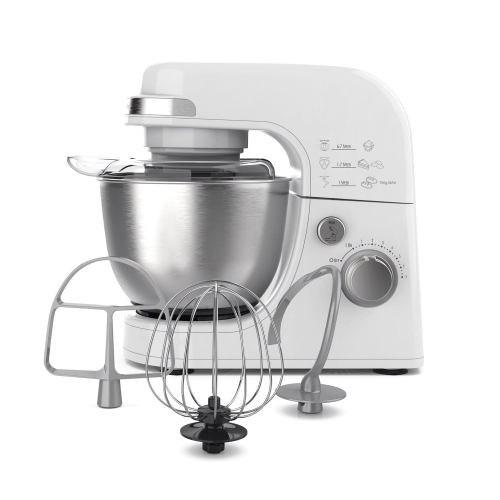
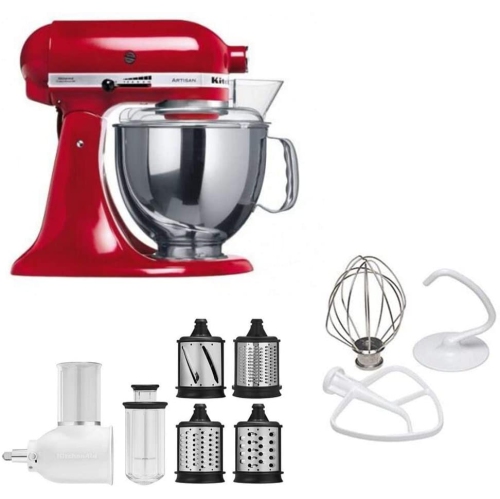
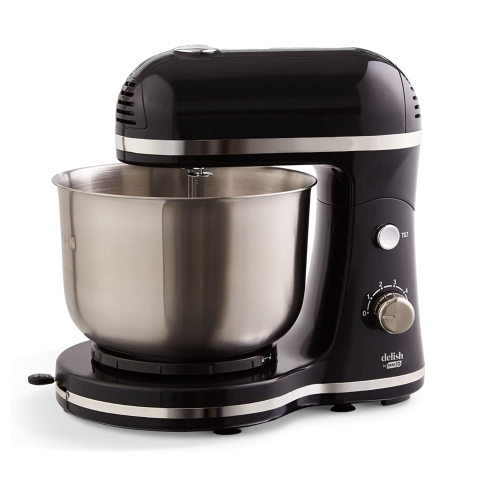
Mixers for cake-making help combine ingredients evenly, cream butter and sugar, and whip the airy toppings that finish a homemade cake. The most suitable type depends on the size and frequency of the baking, the thickness of the mixture, and how much hands-on control the baker prefers. Hand mixers suit smaller batches, quick sponge batters, and kitchens where cupboard space matters. Their handheld design makes it easy to move the beaters around a bowl, and they can work with different bowl sizes when there is enough room for the beaters to turn freely. Stand mixers hold the bowl in place and move an attachment through the ingredients, leaving both hands free to measure vanilla, add eggs gradually, or prepare a cake pan. They are particularly useful for frequent baking, larger batches, and longer mixing tasks, although capacity and permitted mixing times vary by model. Neither format is automatically better for every cake: a compact hand mixer can be practical for an occasional birthday cake, while a stand mixer may be a better fit for someone regularly making layered cakes and buttercream. The attachments matter as much as the format. Flat beaters or paddles are commonly used for creaming and mixing cake batter, while whisk attachments are intended to incorporate air into suitable mixtures, such as whipped cream or egg whites. Hand mixers often use paired beaters for everyday mixing, with additional attachments depending on the design. A dough hook serves a different purpose and is not a substitute for a cake-batter attachment. For delicate recipes, a mixer may handle the initial whipping or creaming, with a spatula used to fold in flour or beaten egg whites. That distinction is especially relevant for cakes that depend on trapped air for their rise. Once flour is added to many conventional cake batters, mixing only until the recipe’s ingredients are incorporated helps avoid a tougher texture. A useful mixer therefore offers control, not simply a high top speed.
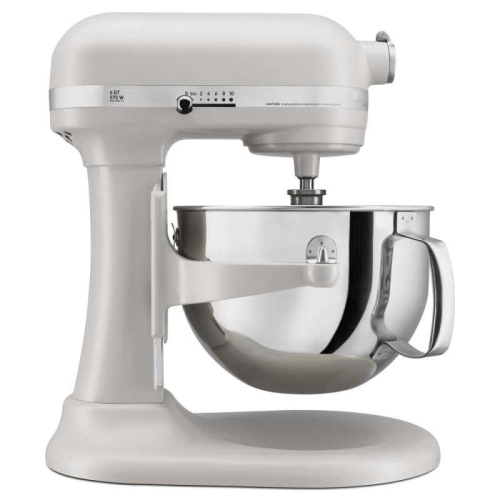
Bowl capacity is an important consideration, but the stated volume does not tell the whole story. Cake batter needs space to move without spilling, and a bowl’s maximum capacity is not necessarily its recommended working capacity. A large bowl can accommodate generous batches, yet a very small quantity of egg white or cream may sit below an attachment’s effective reach. Someone who bakes a single small cake at a time may value reliable small-batch performance more than the largest bowl. For stand mixers, the bowl shape, attachment clearance, and manufacturer’s batch recommendations help establish what the machine is designed to handle. A tilt-head arrangement can provide convenient access for attaching a beater and scraping the bowl, while a bowl-lift arrangement raises the bowl into its working position; both require enough clearance for their moving parts. On a countertop beneath cupboards, that clearance can be just as important as the mixer’s footprint. Speed settings also influence everyday use. A gentle starting speed helps contain loose flour and icing sugar, while gradual increases give more control when moving from combining ingredients to beating a mixture. Motor wattage alone is not a complete measure of mixing ability, since attachment design, gearing, and the demands of the recipe also affect performance. For hand mixers, handle shape, balance, overall weight, and the placement of controls can make several minutes of beating more comfortable. A secure resting position and an accessible beater-release control are useful details when pausing to scrape the bowl. Materials bring their own practical differences. Stainless steel bowls are durable and comparatively light, while glass bowls allow a view of the mixture through the sides but are generally heavier. A pouring handle or spout can make transferring batter into a narrow pan easier. Attachment materials and finishes vary, so suitability for acidic ingredients, dishwasher cleaning, and repeated use should be checked in the care information. Splash guards can help contain ingredients during mixing, but they do not replace appropriate batch sizes or a slow start.
Everyday convenience extends beyond the time spent mixing. Removable attachments, accessible bowl edges, and uncomplicated controls make a mixer easier to use when the countertop also holds measuring cups, cake pans, and cooling racks. Even when an attachment reaches much of the bowl, occasional scraping may still be needed to bring butter or dry ingredients into the mixture; the motor should be stopped before a spatula goes near moving parts. Cleaning is generally easier before batter dries onto beaters and around attachment joints. The motor housing should be unplugged and wiped as directed rather than immersed, and bowls and accessories should only go in the dishwasher when their care instructions permit it. Coated attachments need gentle handling to help prevent chips, while glass bowls benefit from protection against knocks and sudden temperature changes. Keeping beaters together and storing accessories where their surfaces will not rub against sharp utensils helps preserve their condition between baking sessions. Storage arrangements matter, too: a hand mixer can tuck into a cupboard, while a heavier stand mixer may be more convenient in a dedicated countertop position with nearby access to an outlet. A mixer that stays on display also becomes part of the kitchen’s appearance. Neutral finishes can blend with other appliances, while Red Mixers for Baking bring a distinct colour accent to a frequently used work area. Appearance can add enjoyment, but the strongest match remains a machine that suits the baker’s recipes, available space, and comfort with handling the bowl and attachments. For a gift, those habits offer useful clues: a new baker making simple snack cakes may appreciate straightforward controls and compact storage, while an enthusiastic layer-cake baker may value capacity and attachment flexibility. Housewarmings, weddings, and birthdays can all be fitting occasions when baking is already a favourite pastime. With suitable capacity, manageable handling, and regular care, a mixer can become a familiar part of preparing everything from a simple vanilla cake to a carefully filled celebration centrepiece.
Top selling and popular products
-
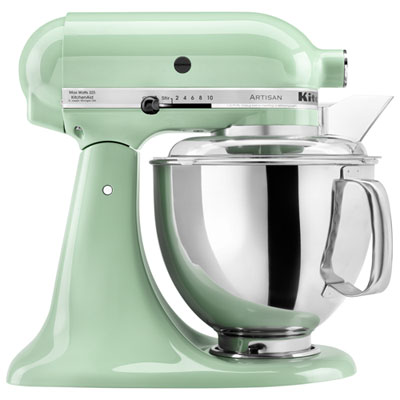 Your price for this item is $379.98
-
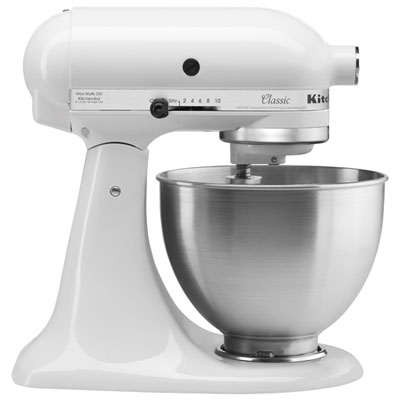 Your price for this item is $299.99
-
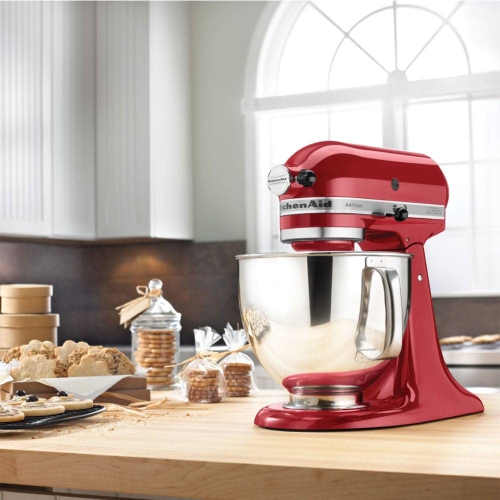 Your price for this item is $949.05
-
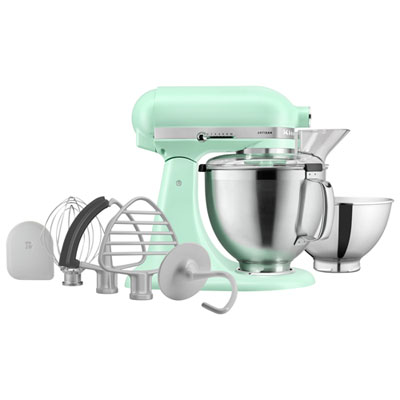 Your price for this item is $544.99
-
 Your price for this item is $399.99
-
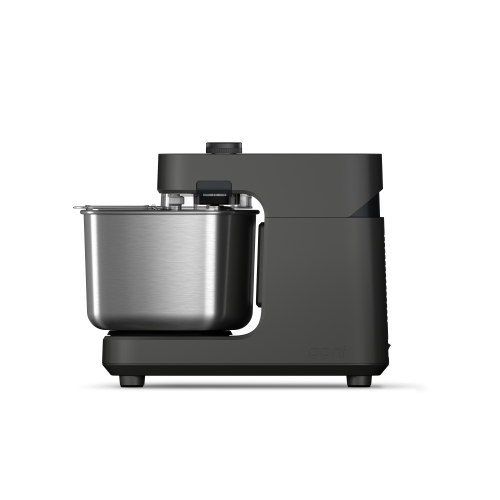 Your price for this item is $1099
-
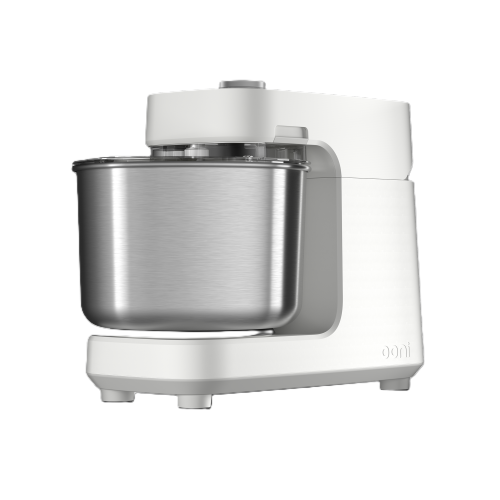 Your price for this item is $1099
-
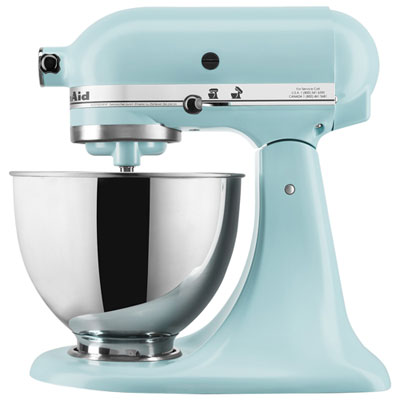 Your price for this item is $499.99
Discover more categories related to Mixers for Cake-Making
Top Collections:
Best Black Friday Deals This Year, Best Black Friday Deals On Electronics, Kindle Devices, Pokemon Centers, Best Black Friday Deals On Apple Products, Best Cameras for Sports Photography, Dyson Airwrap, Pokémon 30th Celebration Cards, Apple iPhone 17 Pro, Canon G7X Cameras
Some products may be subject to Environmental Handling Fees
(EHF) depending on your province.
Learn more about EHFs.