Food Warming Trays
A Food Warming Tray is the perfect addition to any kitchen or dining area, making it easy to keep meals at the ideal serving temperature for family gatherings, parties, and everyday dinners. Whether you’re hosting a holiday feast or enjoying a casual get-together, these versatile trays help ensure your favorite dishes stay warm and ready to enjoy. With a variety of sizes and styles available, finding the right Food Warming Tray to suit your needs is simple and convenient. Explore options designed to enhance your entertaining experience and keep food deliciously warm for every occasion.
Sort

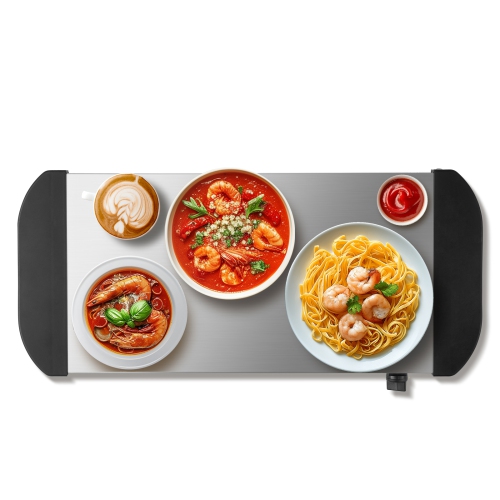
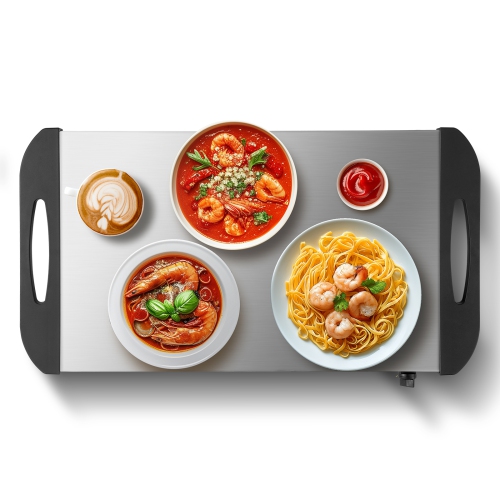
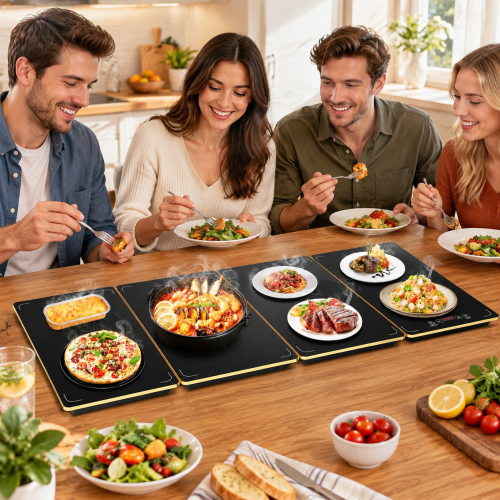
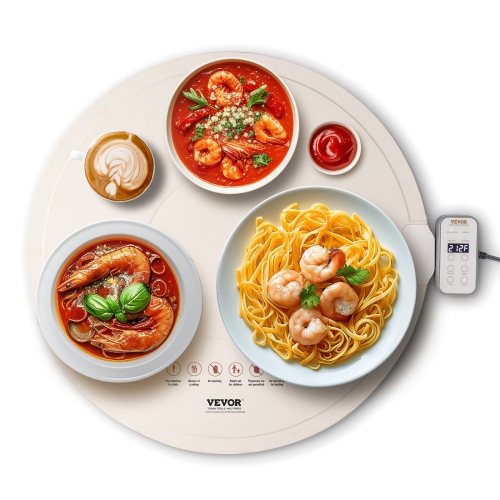
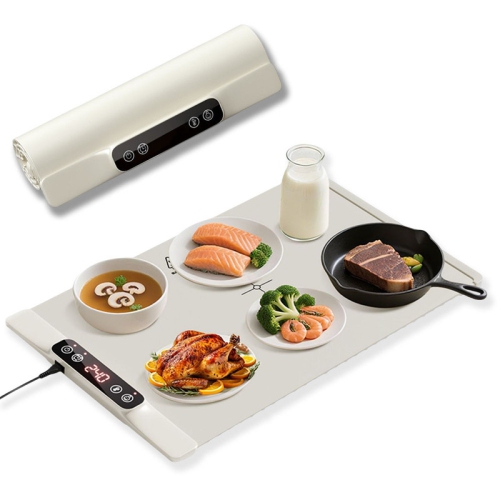
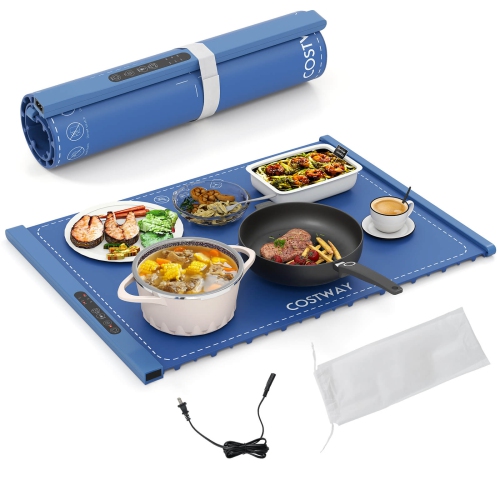
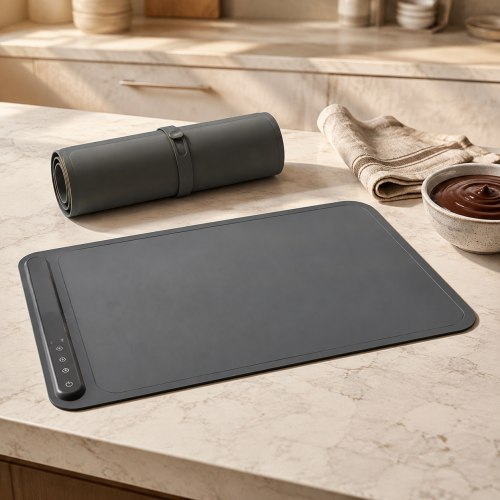
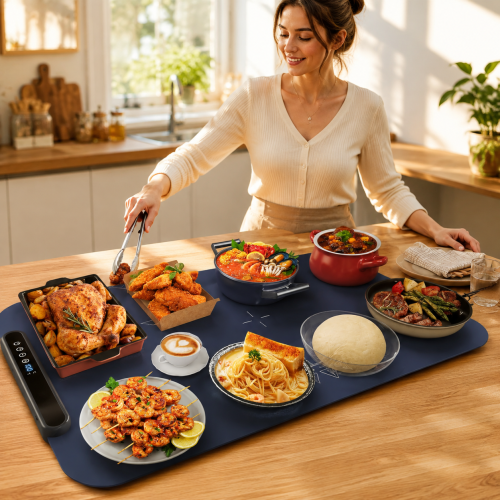
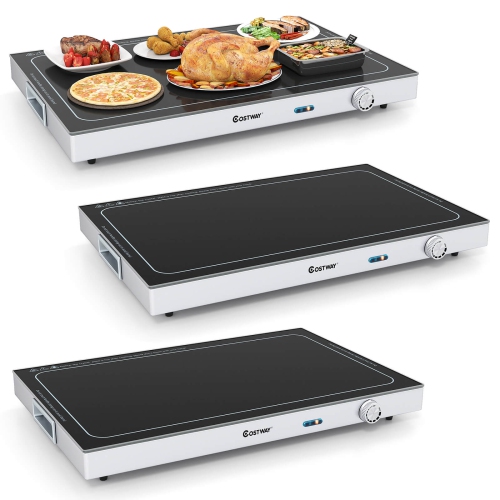
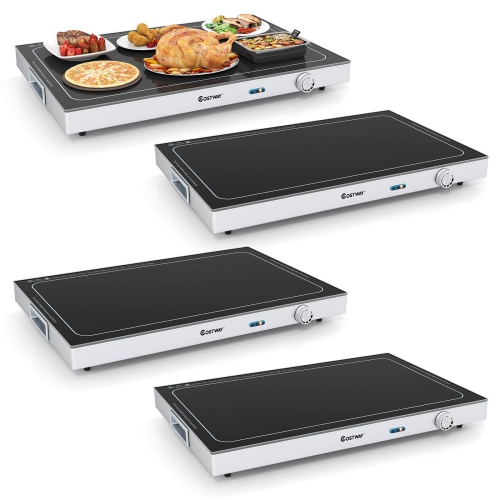
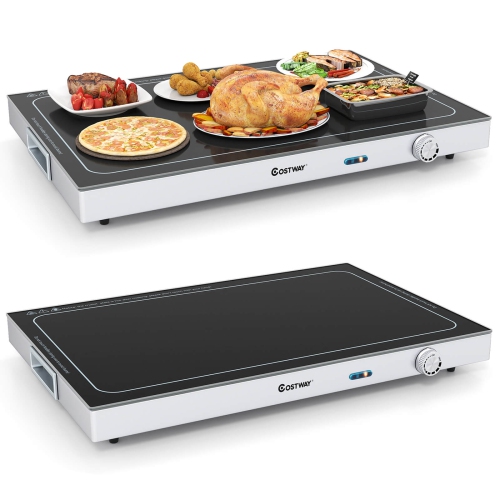
Meals stay warm while the oven stays free
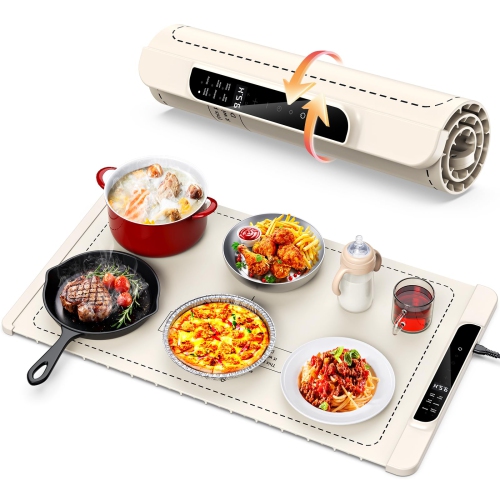
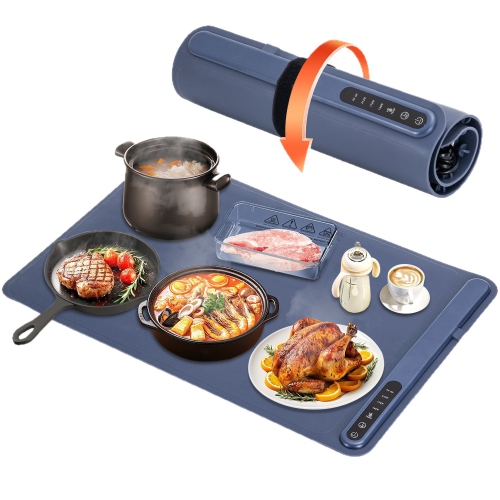
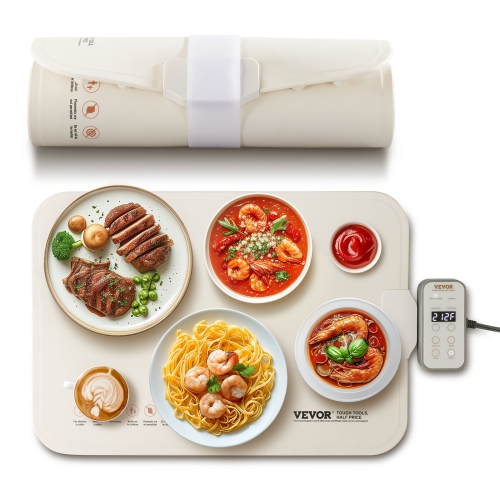
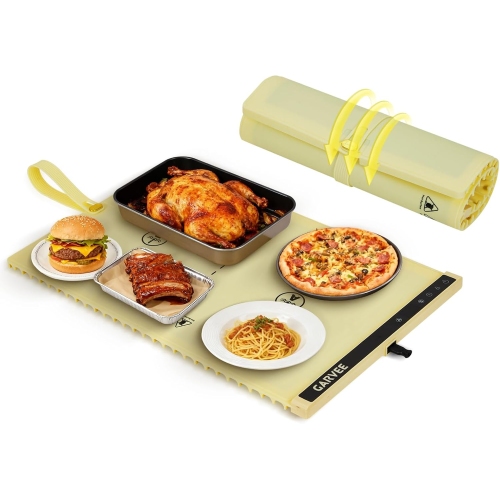
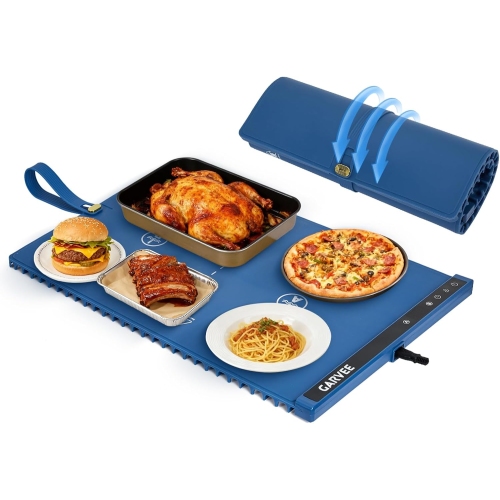
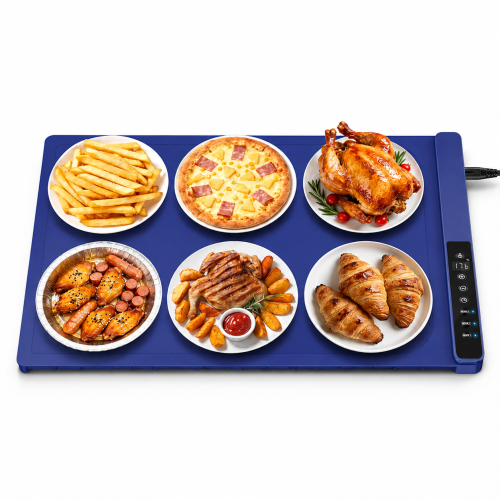
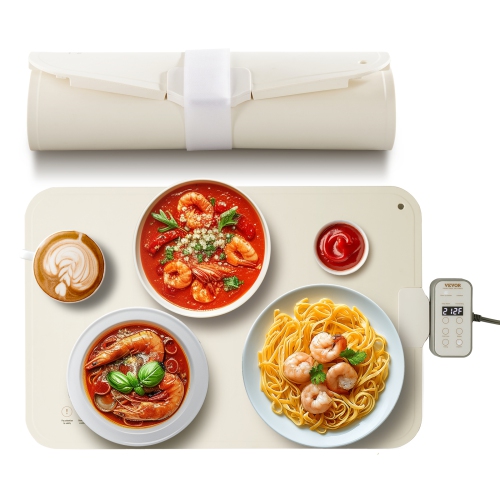
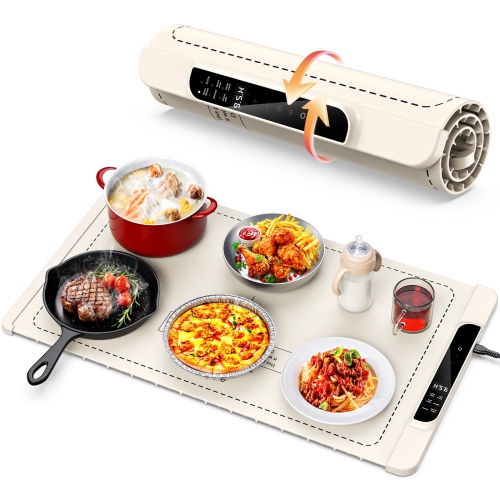
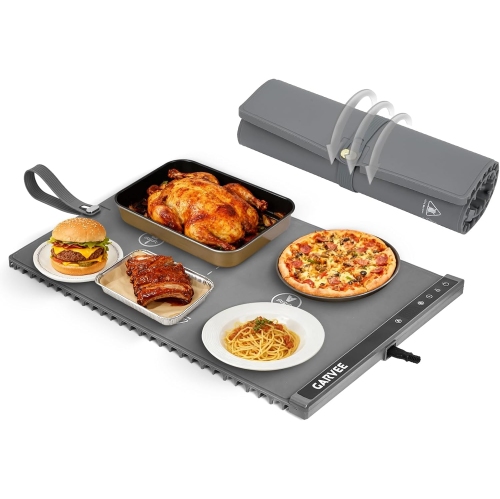
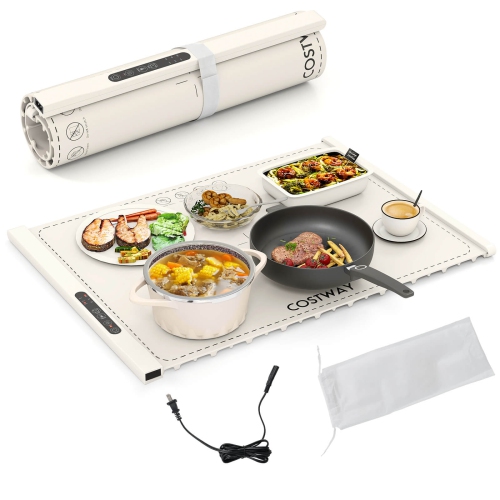
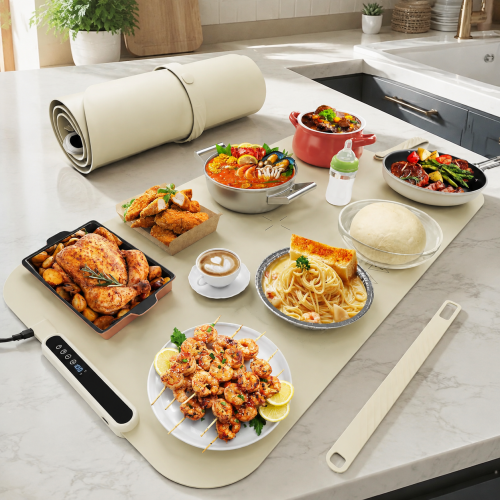
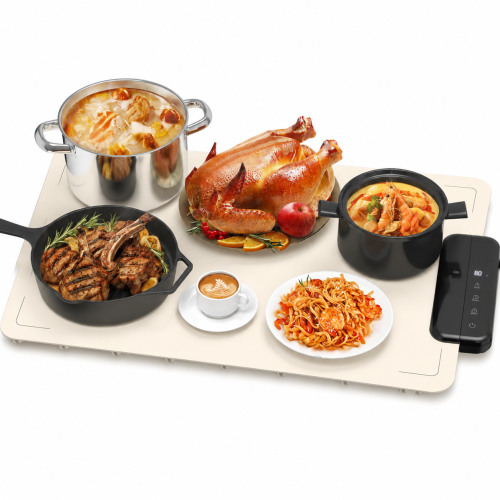
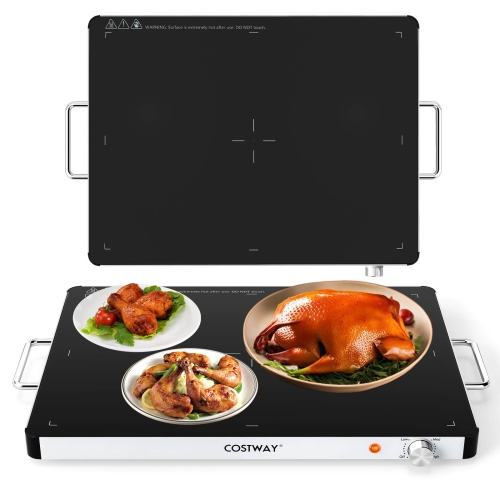
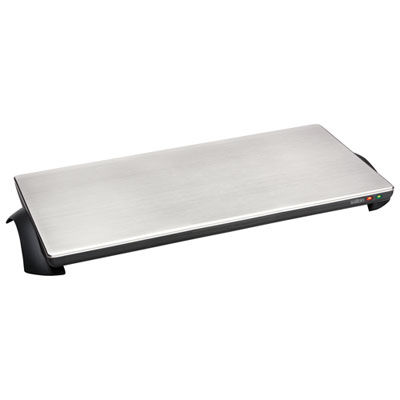
Food warming trays keep cooked food warm during serving, making them useful for shared meals, buffet tables, brunches, and gatherings where guests help themselves at different times. Unlike a cooking appliance, a warming tray is generally intended to maintain the heat of food that has already been cooked and brought to a safe serving temperature. Its heated surface supports compatible serving dishes, leaving the oven free for the next course and allowing vegetables, casseroles, and other favourites to stay close to the table. A flat electric warming tray offers flexibility for arranging different dish shapes, while a buffet server typically includes separate food pans held within a heated base. Some designs combine these functions, with removable pans that reveal a warming surface underneath. Flexible warming mats offer another format, although dish compatibility, placement requirements, and storage methods vary by design. Plug-in trays provide heat while connected to an outlet; cordless designs that require preheating retain warmth for a limited period rather than heating continuously away from their base or power source. Adjustable controls can help accommodate different serving needs, but a control setting alone does not confirm the temperature of the food. For safe hot holding, food should remain at 60°C or above, checked with a food thermometer rather than judged by steam or the warmth of the plate. Cold leftovers should be reheated using an appropriate cooking appliance before being transferred to a tray intended only for warming. The distinction matters when a meal stretches from the first serving to a second helping: the tray supports the serving stage, not every stage of preparation. For a household juggling several dishes or guests arriving at different times, that extra heated space can make the meal feel less rushed. A covered casserole can remain ready beside a dish of vegetables, with serving utensils within reach and less need to carry food back and forth from the kitchen.
Materials and construction influence how a food warming tray fits into everyday use. Stainless steel is common in warming surfaces and buffet pans because it is durable and generally straightforward to clean, though finishes can still scratch when abrasive pads or unsuitable cleaners are used. Tempered-glass surfaces provide a smooth platform for serving dishes, but they still require careful handling and protection from impacts or sudden temperature changes. Silicone warming mats may offer flexible storage, provided the design allows rolling or folding and has cooled fully beforehand. Across these formats, the important fit is between the appliance, the serving dishes, and the space around them. A tray’s overall dimensions can be larger than its usable heated area, so both measurements matter when accommodating a rectangular baking dish or several smaller bowls. Dish bases should sit securely within the supported area, with no unstable overhang, and the dish material must be approved for use with the warming surface. Oven-safe does not automatically mean suitable for every electric tray. Flat-bottomed dishes generally make better contact than deeply recessed or footed bases, although the appliance’s compatibility requirements take priority. On a buffet server, pan depth and capacity affect portion sizes and how easily guests can reach the food; removable lids can help retain moisture between servings. Handles, raised edges, stable feet, accessible controls, and clear power indicators also shape the serving experience. Heat-resistant handles may make handling easier, but they are not a reason to move a loaded tray while hot. Placement calls for a level surface that meets the appliance’s heat-resistance requirements, with ventilation clear and the cord routed away from walkways and table edges. After use, disconnecting the power and allowing the tray to cool makes cleanup safer. Detachable pans may have different washing requirements from the electrical base, which should not be immersed unless explicitly designed for it. Gentle cleaning, thorough drying, and storage without heavy objects pressing against glass, controls, or flexible heating surfaces help protect the appliance between gatherings.
Food warming trays are especially practical when a meal has more than one pace. At a weekend brunch, one group might be ready for eggs and potatoes while another is still pouring coffee; at a family dinner, side dishes may reach the table before the main course is carved. A warming surface gives those dishes a designated place without turning the kitchen into a holding area. For hosts planning a buffet-style spread, Warming Trays for Parties can help keep the serving area organized without tying up extra oven space. The most useful arrangement depends as much on the menu as on the guest count. Several small dishes allow different foods to stay separate, while a larger compatible casserole dish may suit a meal centred on one main recipe. Smaller batches replenished from properly held food can be easier to manage than filling every pan to the top, and leaving room for utensils helps guests serve themselves without reaching across hot dishes. Foods also respond differently to prolonged heat: sauces may thicken, delicate vegetables can soften, and crisp coatings may lose their texture under a lid. Covers can reduce drying for suitable dishes, but they do not replace temperature checks or make every food suited to extended holding. A warming tray works best as part of a planned serving arrangement rather than as a place to leave a meal indefinitely. For frequent hosts, larger households, or home cooks who enjoy bringing several dishes to the table together, it can become a useful addition alongside everyday bakeware and serving pieces. It can also make a thoughtful housewarming or wedding gift for someone who enjoys entertaining, particularly when its size suits their kitchen and storage space. Compact proportions, manageable weight, and uncomplicated care often matter just as much as serving capacity when the tray needs to move from a cupboard to the dining table and back again.
Top selling and popular products
-
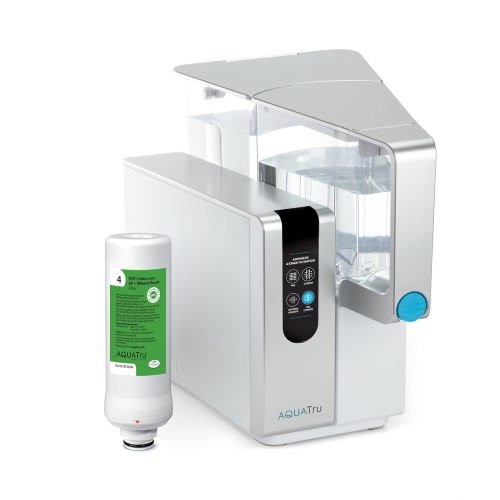 Your price for this item is $684.88
-
 Your price for this item is $744.71
-
 Your price for this item is $515.91
-
 Your price for this item is $325
-
 Your price for this item is $543.42
-
 Your price for this item is $299
-
 Your price for this item is $620
-
 Your price for this item is $499.99
Discover more categories related to Food Warming Trays
Top Collections:
Best Black Friday Deals This Year, Best Black Friday Deals On Electronics, Kindle Devices, Pokemon Centers, Best Black Friday Deals On Apple Products, Best Cameras for Sports Photography, Dyson Airwrap, Pokémon 30th Celebration Cards, Apple iPhone 17 Pro, Canon G7X Cameras
Some products may be subject to Environmental Handling Fees
(EHF) depending on your province.
Learn more about EHFs.