Warming Trays
Elevate your entertaining experience with a Warming Tray, the perfect addition to any kitchen or dining setup. Whether you're hosting family gatherings, holiday celebrations, or casual get-togethers, these convenient solutions help keep dishes at just the right temperature. Explore a variety of sizes and styles designed to complement any space and make serving effortless. Find the ideal Warming Tray to ensure your meals are always ready to enjoy.
Sort

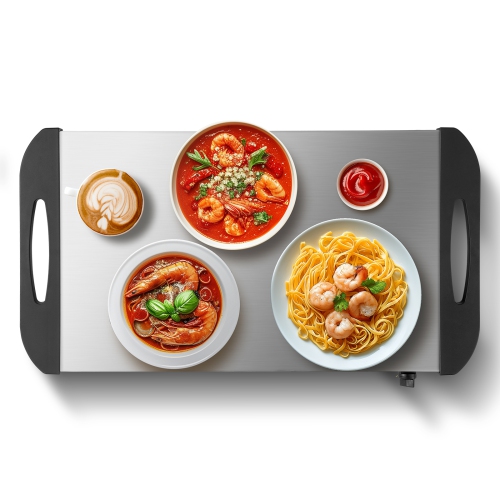
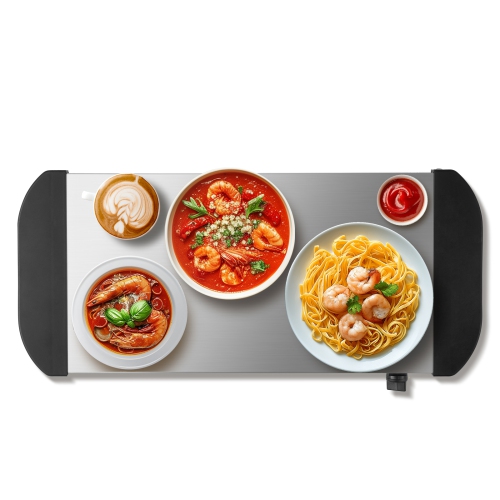
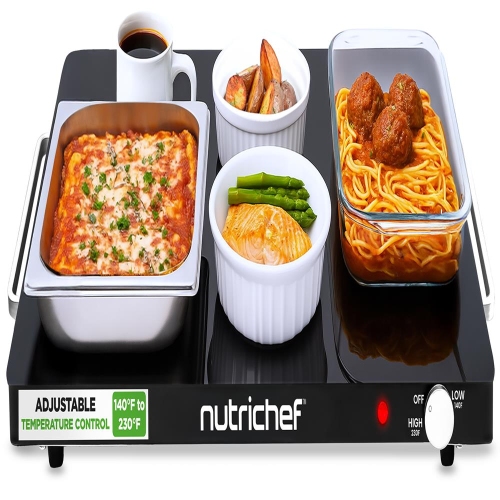
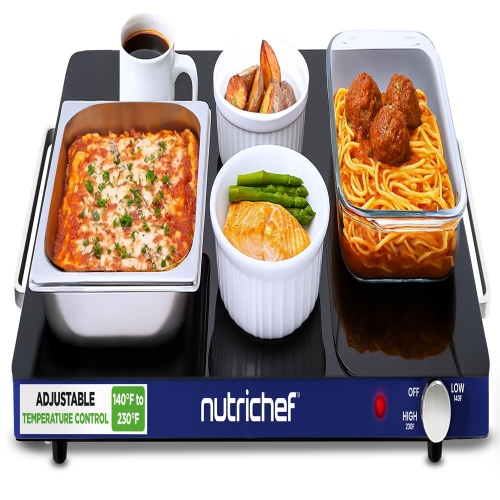
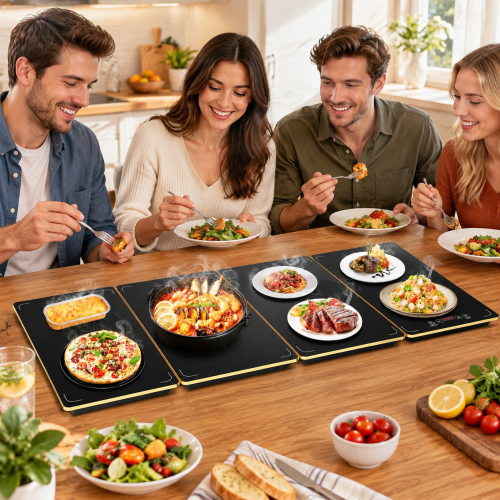
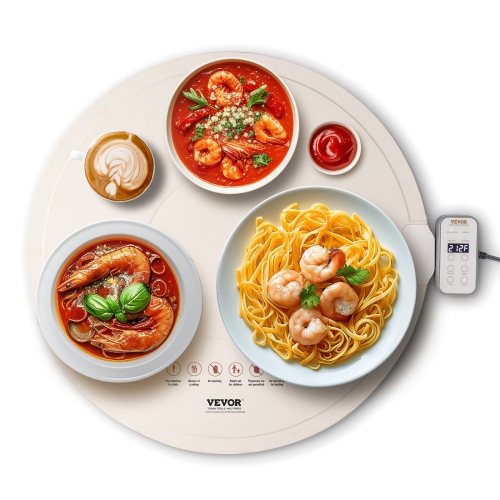
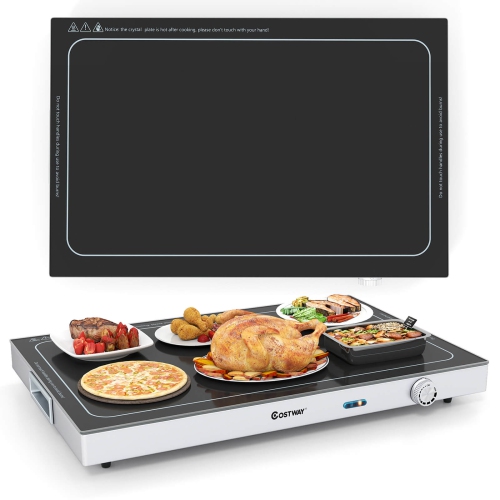
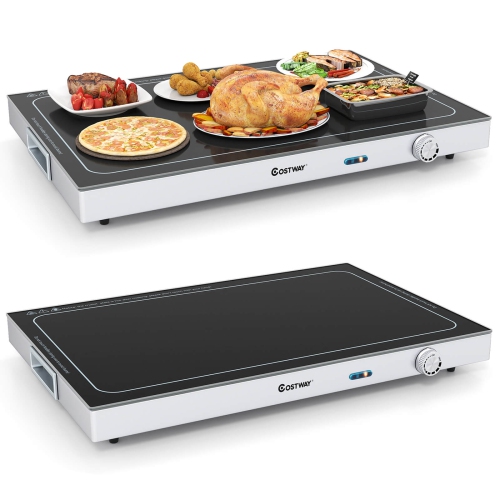
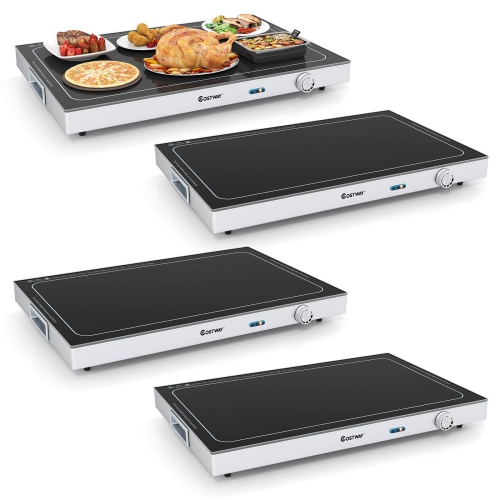
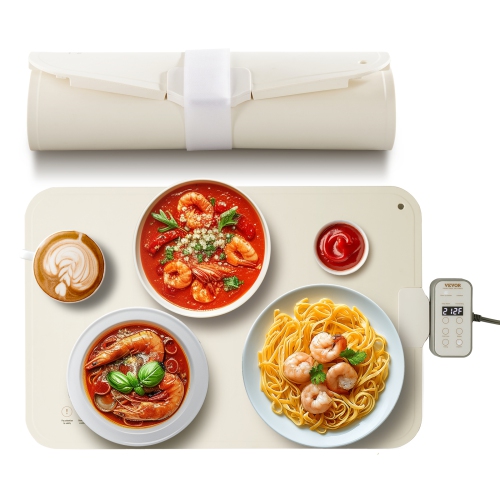
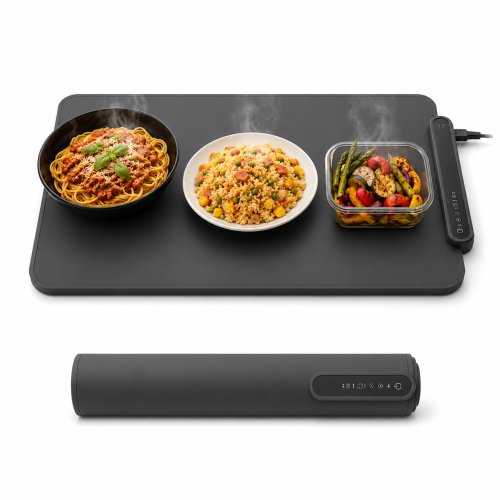
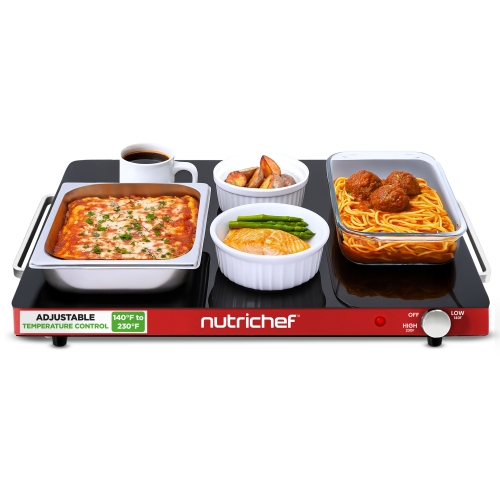
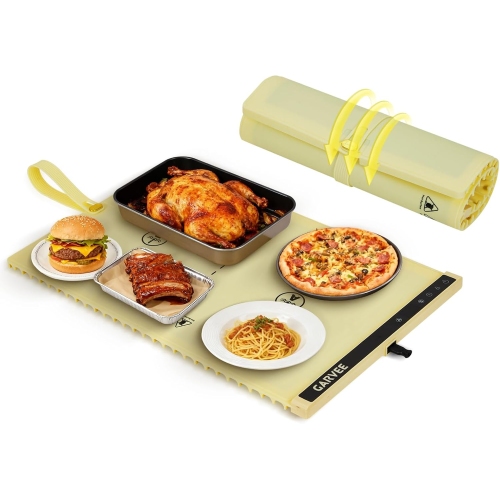
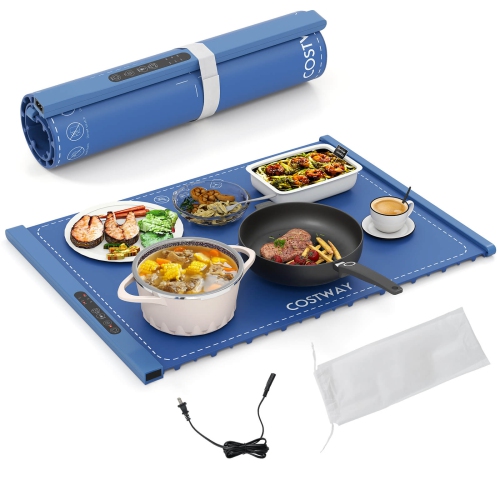
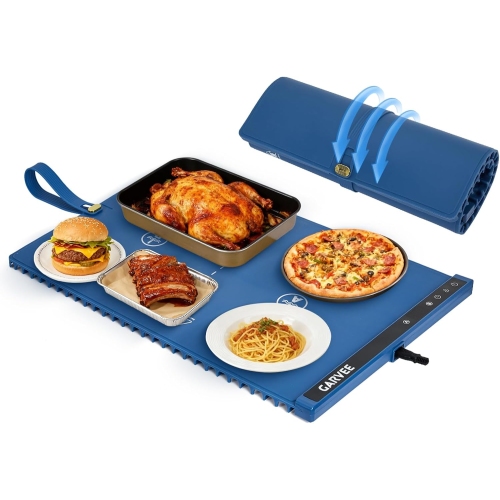
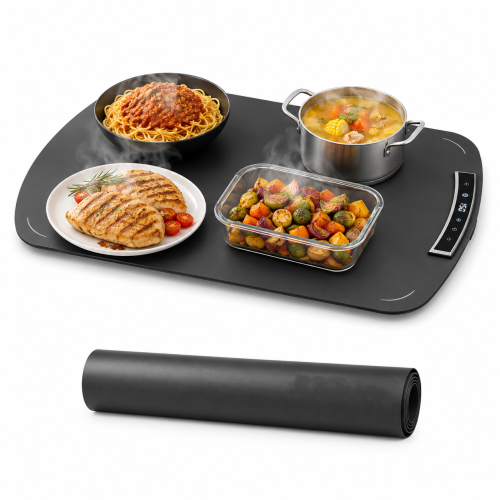
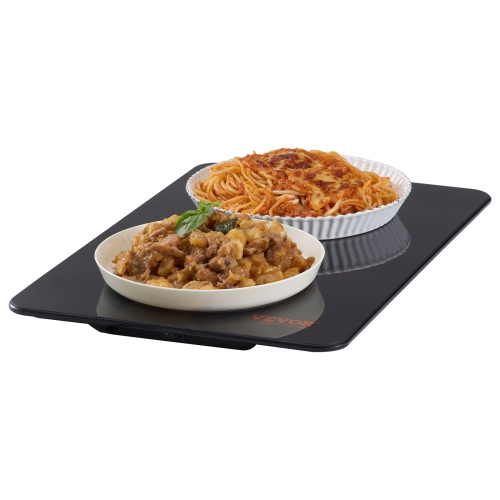
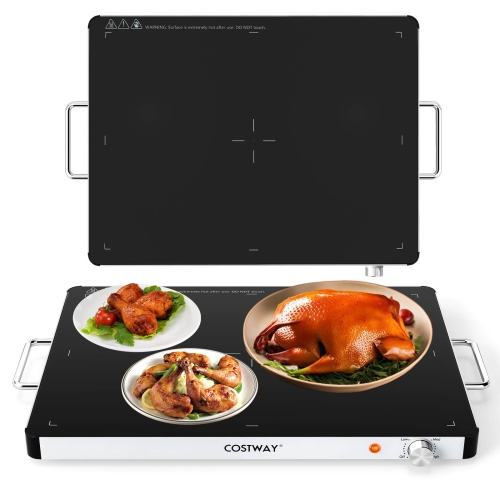
Food stays warm while everyone settles in
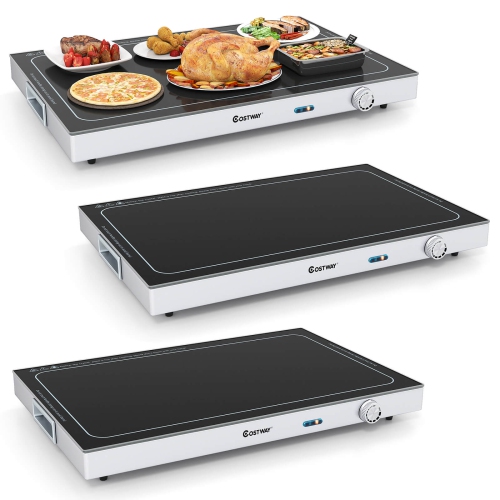
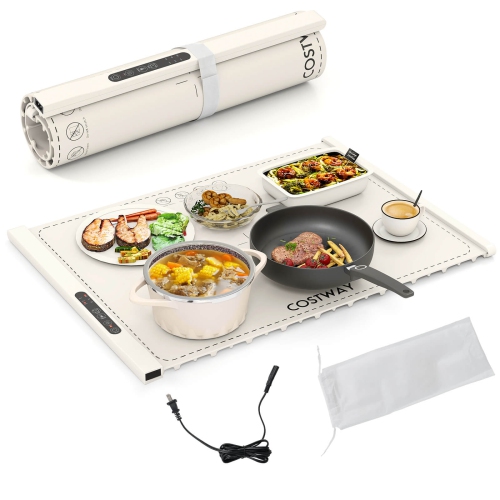
Warming trays keep prepared food warm during serving, giving meals a little more flexibility when dishes reach the table at different times. An electric warming tray typically provides a heated surface for compatible serving dishes, helping maintain the warmth of cooked food without taking up another burner on the stove. That makes it useful for a family dinner with several side dishes, a buffet where guests serve themselves, or a brunch with staggered arrivals. A casserole can stay on the serving table while the main course is being carved, and a dish of vegetables can remain warm while everyone settles in. Warming trays are generally intended for holding food that is already hot, rather than cooking raw ingredients or reheating food from the fridge. For safe hot holding, food should stay at 60°C or higher; a food thermometer checks the food itself, since the tray’s surface setting does not necessarily reflect the temperature inside a dish. Different designs suit different serving arrangements. A flat warming tray offers room for compatible cookware and serving vessels, while a buffet server typically includes separate pans that keep foods apart. Some buffet servers also have a warming base that can be used independently, where the manufacturer permits it. Adjustable heat controls offer flexibility for different dishes, while fixed-temperature designs provide a simpler setup. Indicator lights can show when the appliance has power or is heating, although their meaning varies by model. A lid on a compatible serving dish can help retain heat and moisture, particularly for rice, sauces, and other foods that can dry out during service. The most useful arrangement leaves food easy to reach without crowding several dishes together. For hosts managing a busy kitchen, the appeal is straightforward: more serving space outside the cooking area and less back-and-forth between the table and the oven. It also gives shared meals a more relaxed rhythm, with prepared dishes gathered in one accessible place.
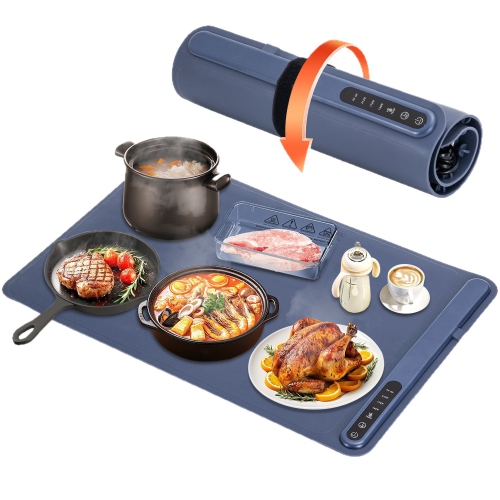
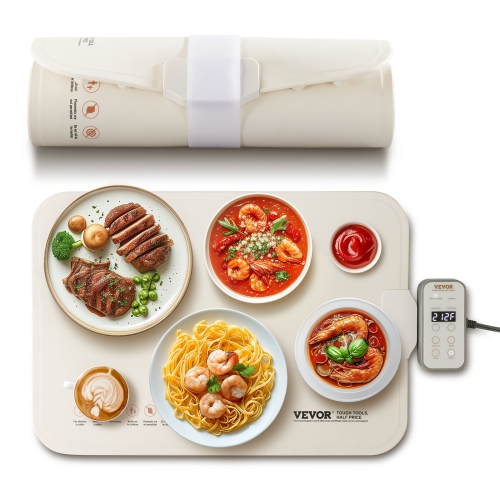
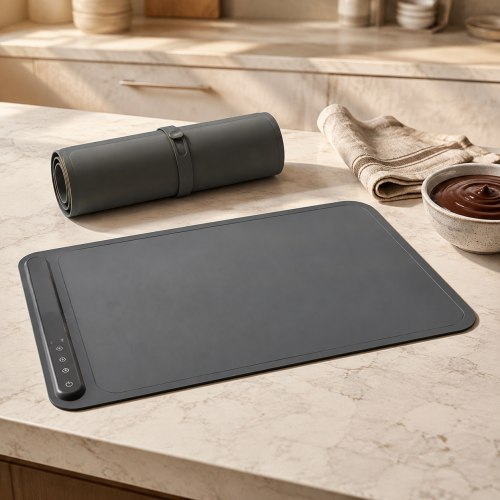
The fit of a warming tray depends on its usable heated area as much as its overall dimensions. A broad rectangular surface may accommodate a large baking dish, while a narrower tray can suit a small serving station or a table with limited depth. Dish handles, lids, and serving utensils take up room too, so the space around the food matters just as much as the footprint beneath it. Cookware compatibility is another important distinction. Depending on the appliance, suitable vessels may include certain metal, heat-resistant glass, or ceramic dishes, but suitability for an oven does not automatically mean a dish is appropriate for every warming surface. A stable, flat base helps a vessel sit securely, and the manufacturer’s directions determine which materials and sizes can be used. Unless a tray is expressly designed for direct food contact, food belongs in an appropriate dish rather than on the heated surface. Materials affect both handling and day-to-day care. Stainless steel housings can offer a sturdy finish that wipes clean, while glass warming surfaces provide a smooth platform but need protection from impacts and sudden temperature changes. Raised edges, secure feet, and handles positioned away from the hottest areas can make the appliance easier to use, although handles should never be assumed to stay cool. Flexible formats, including electric food warming mats, provide another way to arrange compatible dishes and may suit households that value compact storage; their surface requirements and cookware restrictions still need attention. Any warming appliance needs a stable, level, heat-resistant location with the clearances specified by its manufacturer. A dining table may require suitable heat protection, and a trailing cord should not cross a walkway or hang where a child could pull it. Access to an appropriate outlet also helps determine where the serving station can sit. These practical details make a difference in a compact kitchen, a shared dining space, or a buffet arranged along a counter.
For regular use, durability is about more than the appearance of the top surface. A solid frame, steady feet, securely attached handles, and controls that are easy to read all contribute to an appliance that feels dependable when serving dishes are being moved around it. Overall weight deserves consideration as well: a substantial tray may feel reassuring on the counter, but it still needs to be manageable when carried to storage after it has cooled. Removable buffet pans can simplify serving and cleanup, while a flat tray may be easier to store vertically if its instructions allow that position. Cleaning requirements vary with the construction. The appliance should be switched off, unplugged, and allowed to cool before cleaning, and an electrical base should not be immersed in water. A soft cloth and an approved mild cleaner are often suitable for the exterior, while abrasive pads can damage finishes or scratch glass. Removable pans and lids should go in the dishwasher only when identified as dishwasher-safe. Spills are easier to manage when serving dishes leave enough room for a spoon rest, and sauces are less likely to reach controls when ladles have a clear resting place. Thorough drying before storage, gentle handling of the cord, and protection from heavy objects help preserve the appliance between meals. Warming trays can be useful gifts for people who enjoy hosting, couples setting up a shared home, or families whose meals regularly involve several dishes served together. The best match reflects how that household actually eats: a compact tray for a couple of side dishes serves a different purpose from a larger buffet arrangement for frequent gatherings. Storage space, lifting comfort, and the recipient’s existing cookware are just as relevant as serving capacity. Whether used for a birthday dinner, a potluck, or an unhurried weekend meal, a well-matched warming tray supports a welcoming table without asking the oven to do all the holding.
Top selling and popular products
-
 Your price for this item is $684.88
-
 Your price for this item is $744.71
-
 Your price for this item is $515.91
-
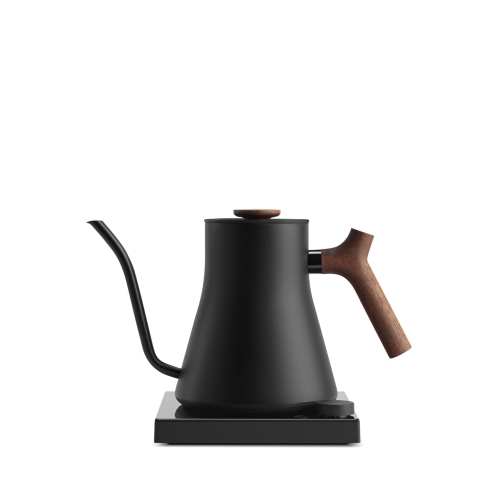 Your price for this item is $325
-
 Your price for this item is $543.42
-
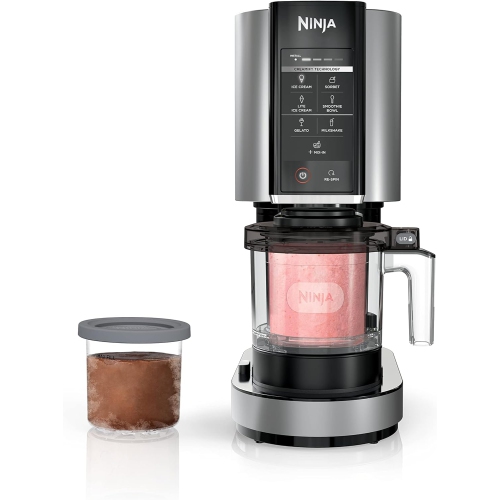 Your price for this item is $299
-
 Your price for this item is $620
-
 Your price for this item is $499.99
Discover more categories related to Warming Trays
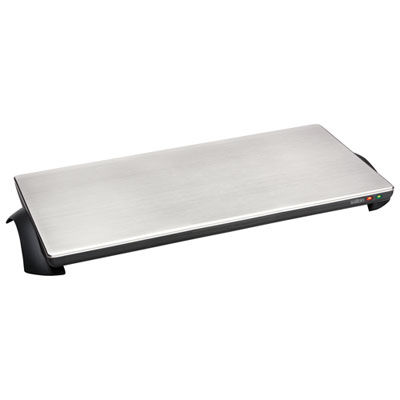
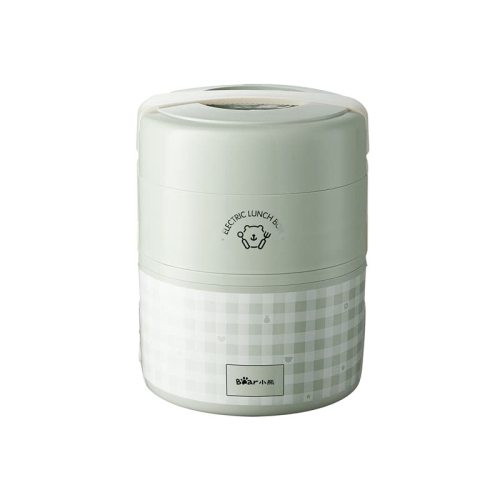
Top Collections:
Best Black Friday Deals This Year, Best Black Friday Deals On Electronics, Kindle Devices, Pokemon Centers, Best Black Friday Deals On Apple Products, Best Cameras for Sports Photography, Dyson Airwrap, Pokémon 30th Celebration Cards, Apple iPhone 17 Pro, Canon G7X Cameras
Some products may be subject to Environmental Handling Fees
(EHF) depending on your province.
Learn more about EHFs.