French Door Refrigerators With Dual Ice Makers
French Door Refrigerators With Dual Ice Makers offer a stylish and functional addition to any kitchen, combining modern design with advanced convenience. These refrigerators are designed to provide ample storage space and easy access to fresh foods, while the dual ice makers help ensure you always have plenty of ice on hand for entertaining or everyday use. Explore a wide selection of French Door Refrigerators With Dual Ice Makers to find the perfect fit for your home and enjoy both organization and reliability in your kitchen.
Sort
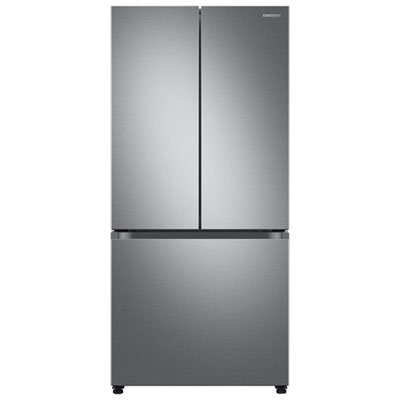

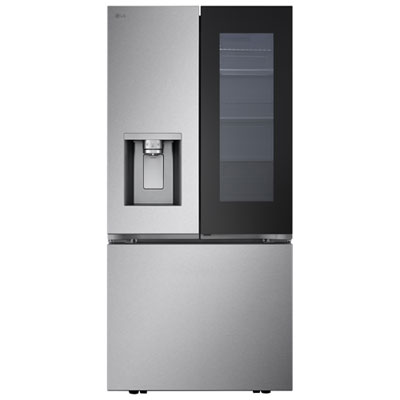


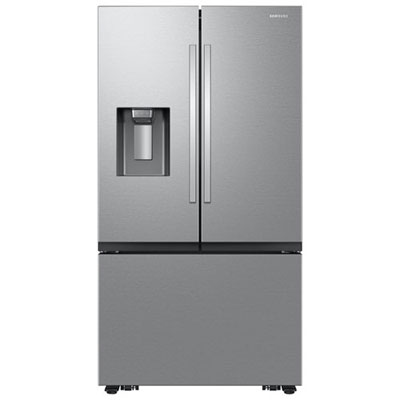
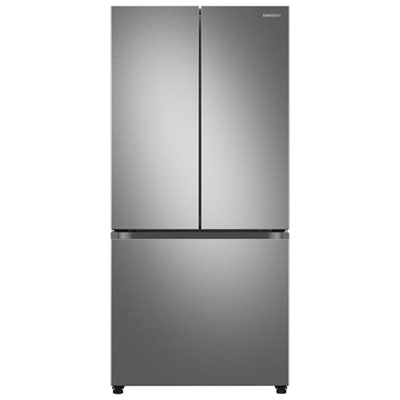
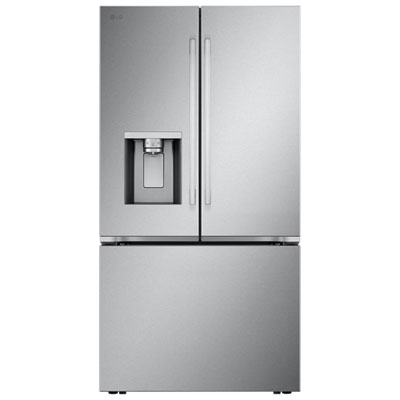
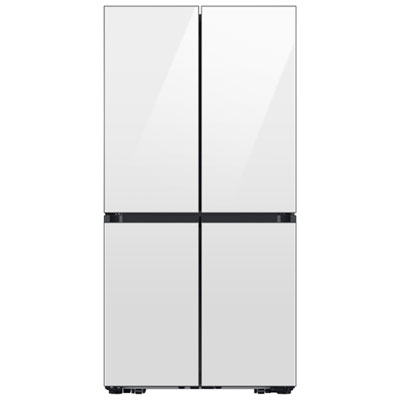
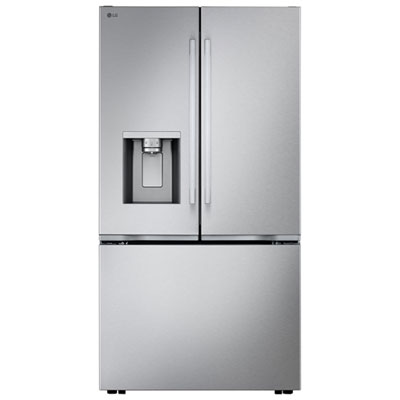
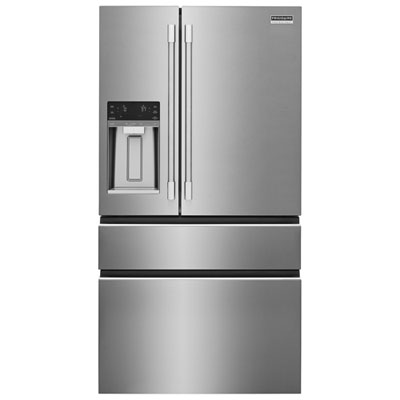

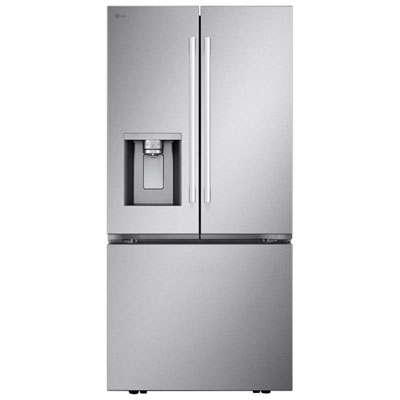
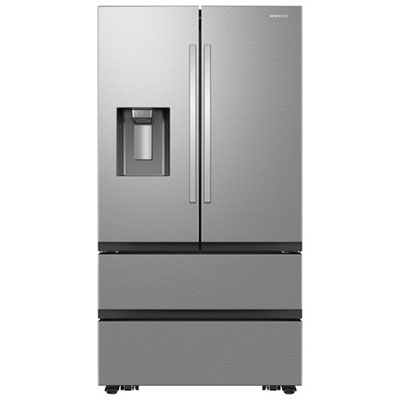
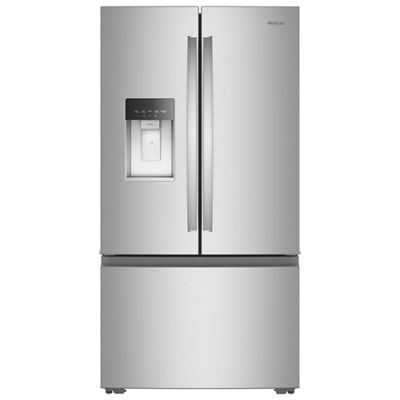
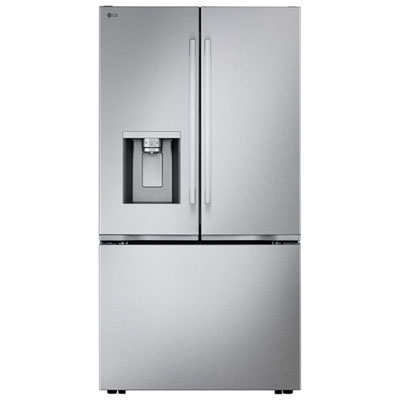




Everyday ice access with a reserve for guests
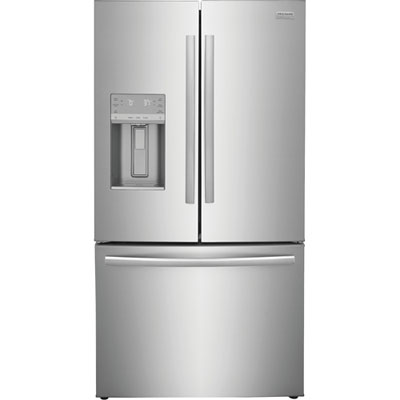
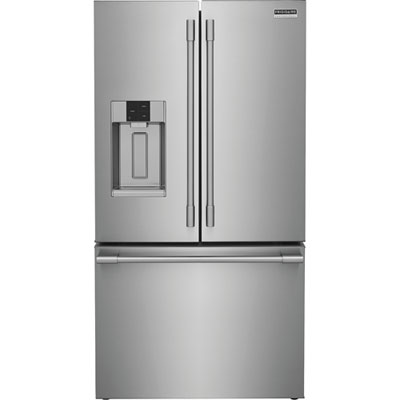
French door refrigerators with dual ice makers combine wide, side-by-side refrigerator doors with two ice-making units, giving households more flexibility for everyday drinks and larger gatherings. A common configuration places one ice maker in the refrigerator compartment or door, often connected to an external dispenser, and a second in the freezer below. Other designs arrange both ice makers within the freezer, so the location and dispensing method depend on the appliance. The practical advantage is a separate supply for filling a water glass and replenishing a pitcher, serving bowl, or several drinks at once. A family can use the dispenser throughout the day while keeping a reserve in the freezer bin for dinner guests. Two ice makers do not automatically mean twice the output of every single-maker refrigerator: combined production depends on the design, operating conditions, water supply, and settings. Daily ice production and ice storage capacity are also different measurements. Production describes how much ice the appliance can make over a stated period, while storage capacity describes how much the bins can hold before production pauses. Both matter when several people regularly fill large drink bottles or help themselves to ice during a meal. Ice shape can vary between the two makers, with some configurations producing conventional cubes in one location and smaller pieces or larger specialty shapes in the other. A dispenser offering both cubed and crushed ice does not, by itself, mean the refrigerator has two ice makers; crushed ice may simply be made from the same cubes. French door refrigerators with dual ice makers are especially useful where demand is frequent rather than occasional, although their extra ice-making hardware takes up space that might otherwise hold food. The balance between accessible ice, reserve capacity, and usable storage is therefore more meaningful than the number of ice makers alone. For households that entertain regularly, a generous reserve can reduce repeated trips for ice without requiring a separate countertop appliance or a dedicated ice machine.
The French door layout brings its own advantages beyond ice production. Wide refrigerator shelves can accommodate serving platters, baking dishes, and food storage containers, while lower freezer drawers keep frozen ingredients separate from fresh groceries. Adjustable shelves and door bins help organize tall bottles, condiments, and lunch supplies, but the position of an ice-making compartment can affect how those spaces work. An in-door system may leave more central shelf space open, whereas an ice-making assembly inside the fresh food compartment can occupy part of an upper shelf area. A freezer ice bin similarly shares space with frozen meals and bulk groceries. Usable dimensions matter as much as the total capacity figure, particularly for households that regularly store pizza boxes, large casserole dishes, or wide trays. Counter-depth refrigerators generally sit closer to surrounding cabinetry for a more integrated appearance, while standard-depth designs extend farther into the room and often provide more interior space. Neither description replaces the appliance’s actual measurements. A suitable fit accounts for cabinet opening width, height beneath overhead cupboards, depth including handles, and the clearance needed for doors and drawers to open fully. A nearby wall or kitchen island can limit access even when the refrigerator fits neatly into its opening. Delivery routes also deserve attention, including exterior doorways, hallways, stair turns, and lift dimensions in apartment buildings. Dual ice-making systems generally require a connection to a suitable household water supply, with the necessary line, shut-off access, and pressure specified by the manufacturer. Plumbing location can influence installation, especially when replacing a refrigerator that did not make ice. Where separate controls are provided, the secondary maker can be switched off when less ice is needed. That does not necessarily make its compartment suitable for food storage; removable bins and permitted storage arrangements vary by design. A well-matched layout leaves enough room for groceries, comfortable movement through the kitchen, and straightforward access to both ice supplies, rather than prioritizing a larger capacity figure that does not suit the room.
Materials, finishes, and everyday care also shape how comfortably a dual ice maker refrigerator fits into household routines. Stainless steel and coated finishes offer different appearances, while fingerprint-resistant surfaces can make frequently handled doors easier to maintain. Finish names alone do not indicate how a surface should be cleaned; the approved method matters because abrasive pads and unsuitable cleaners can damage coatings. Handles should feel secure, drawers should move smoothly, and shelves should be easy to reposition and remove for cleaning. Spill-containing shelf edges can help keep a leaking container from affecting the shelves below, while accessible door seals make crumbs and sticky residue easier to remove. For the ice-making system, clean water and routine maintenance support consistent performance. Filters need replacement at the intervals specified for the refrigerator, and ice bins benefit from periodic cleaning using the recommended method. Ice can absorb odours from poorly wrapped freezer food, making sealed food storage important even when the refrigerator is otherwise clean. Long periods without use can leave cubes clumped together, so emptying and refreshing the bin as directed helps keep the supply manageable. Ice should never be loosened with a sharp utensil that could damage the bin or nearby components. The sounds of water filling, a brief motor cycle, and cubes dropping into a bin are normal parts of operation, though their prominence varies with placement and kitchen acoustics. In an open-plan home, that operating sound may matter alongside dispenser height and ease of reaching the freezer drawer. Households comparing layouts can also explore French Door Fridge Ice Makers for related refrigerator options. Dual ice makers are a practical match for shared households, families filling several drink bottles, and hosts who want ice within easy reach while serving food. The most useful combination brings together suitable ice output, enough room for groceries, a comfortable kitchen fit, and components that are straightforward to clean and care for over time.
Top selling and popular products
-
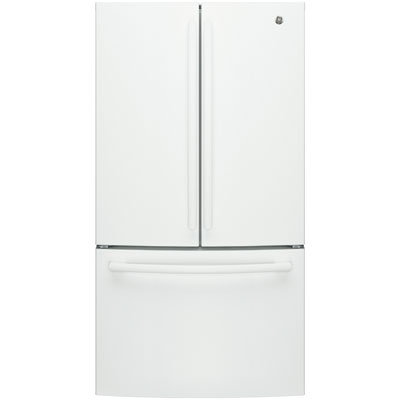 Your price for this item is $1899.99
-
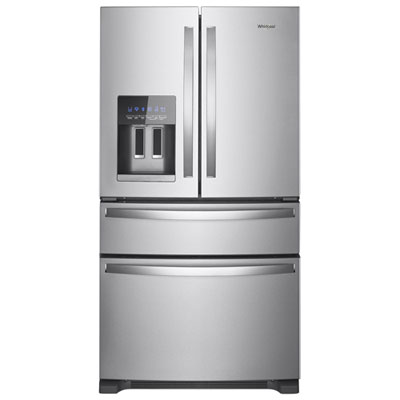 Your price for this item is $2999.99
-
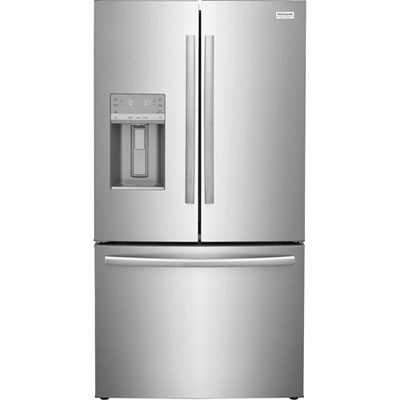 Your price for this item is $2499.99
-
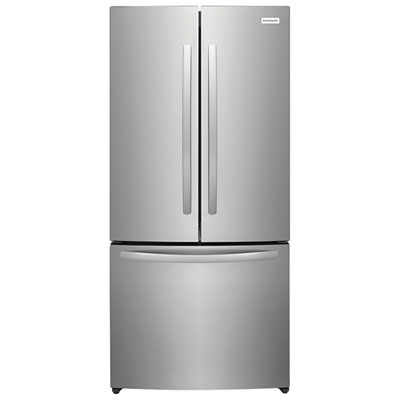 Your price for this item is $1599.99
-
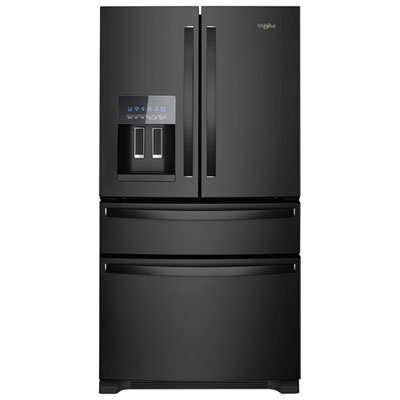 Your price for this item is $2949.99
-
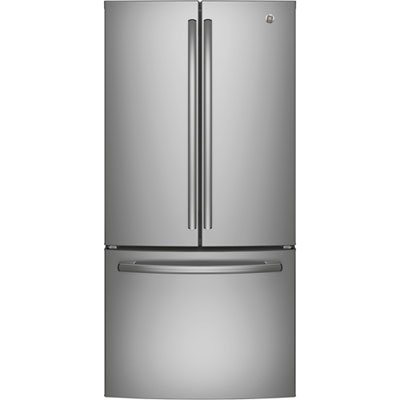 Your price for this item is $1699.99
-
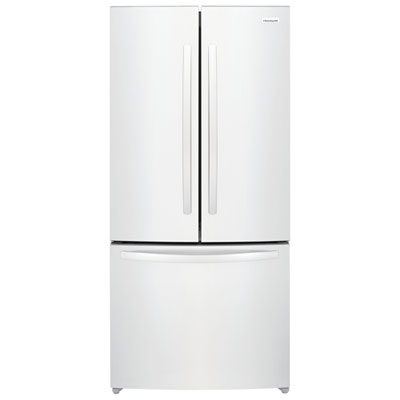 Your price for this item is $1599.99
-
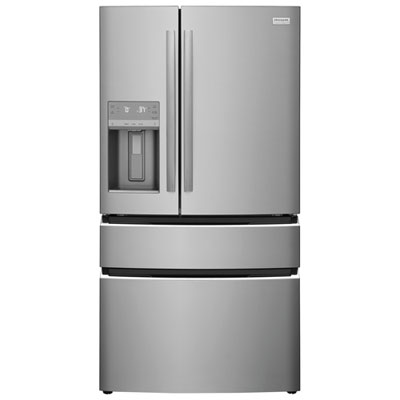 Your price for this item is $2799.99
Discover more categories related to French Door Refrigerators With Dual Ice Makers

Top Collections:
Pokemon Centers, Best Cameras for Sports Photography, Kindle Devices, Samsung Galaxy Phones, Canon G7X Cameras, Pokémon 30th Celebration Cards, Refurbished Apple Laptops, iPhone 15 Apple, Laptops for Students, Budget Smartphones
Some products may be subject to Environmental Handling Fees
(EHF) depending on your province.
Learn more about EHFs.