White French Door Refrigerators With Ice Maker And Water Dispenser
The refrigerator is one of the most important appliances in your kitchen. It's where you keep all your food cold so it doesn't spoil, and it's also where you store drinks and leftovers. These fridges have a lot of space, are easy to clean, and look good in your kitchen. But the best thing is these fridges have an ice maker and water dispenser. Here are some French door refrigerators with ice maker and water dispenser available today.
Sort
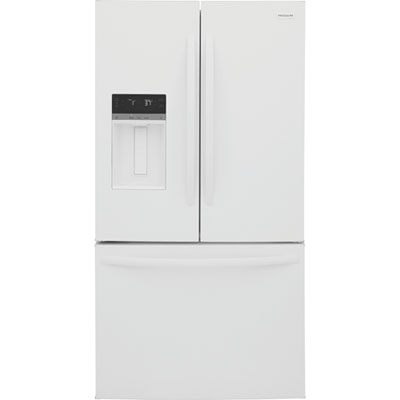
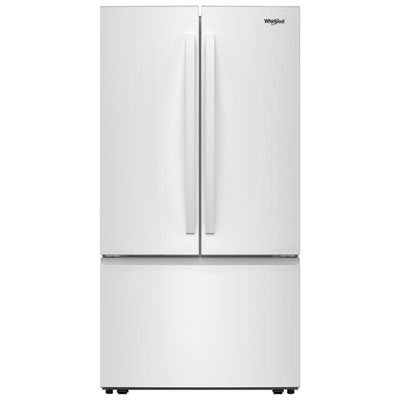

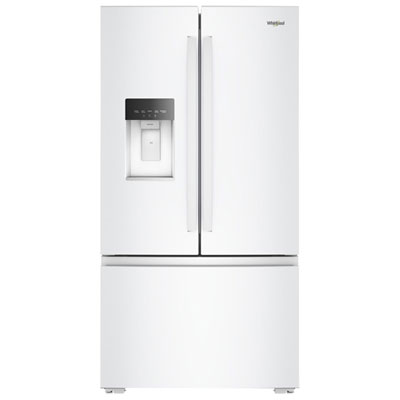
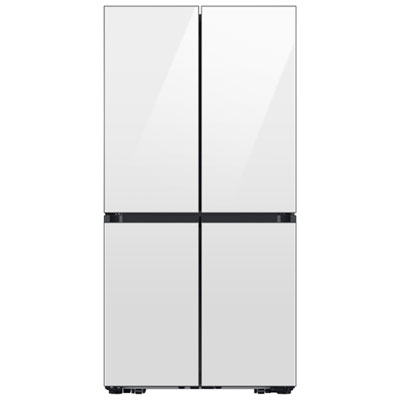
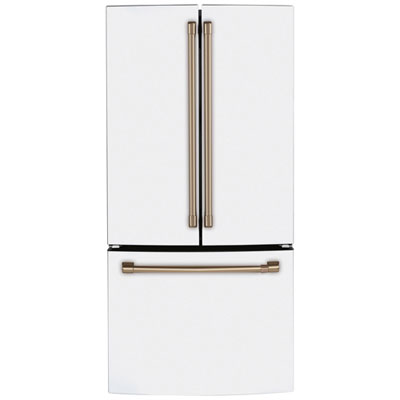
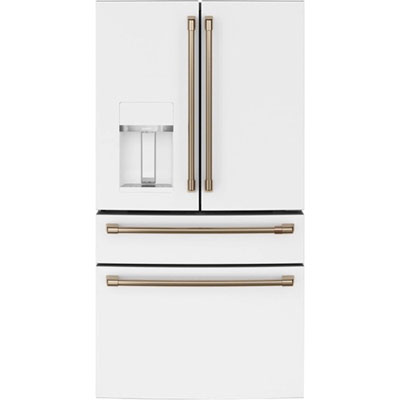
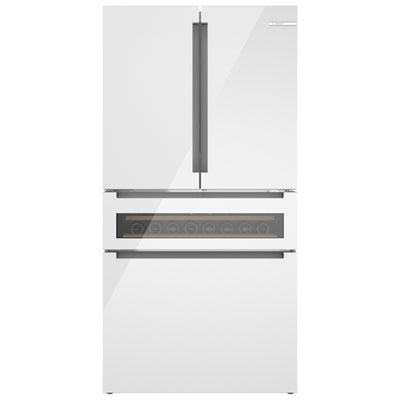
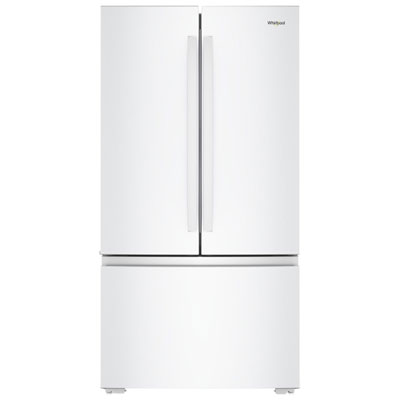
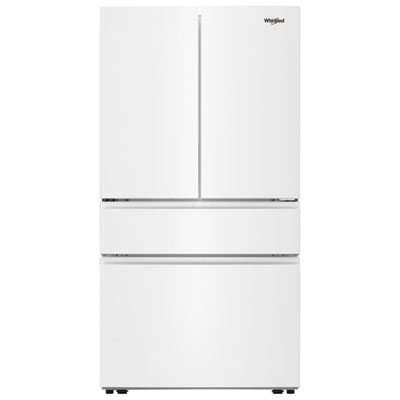
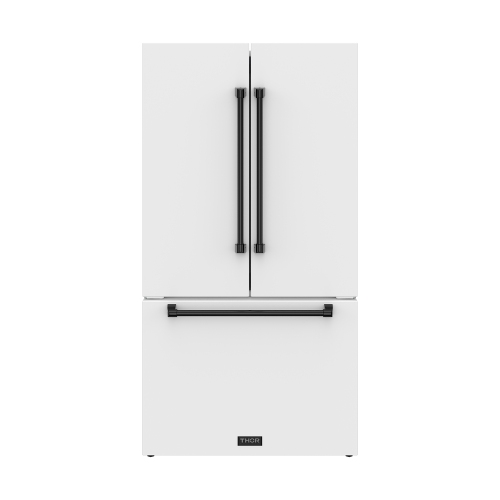
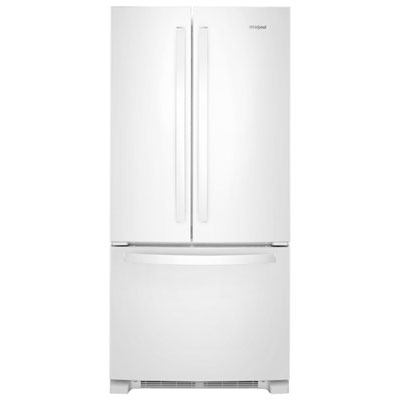
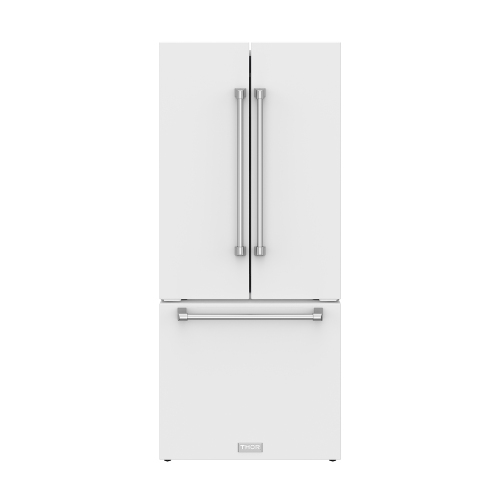
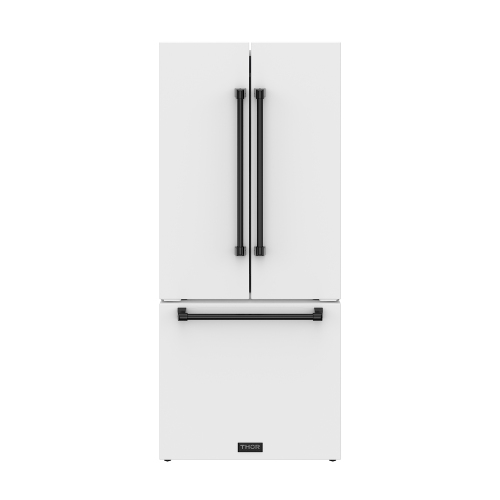
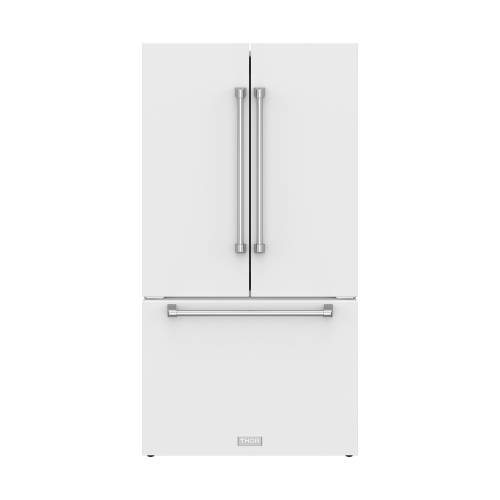
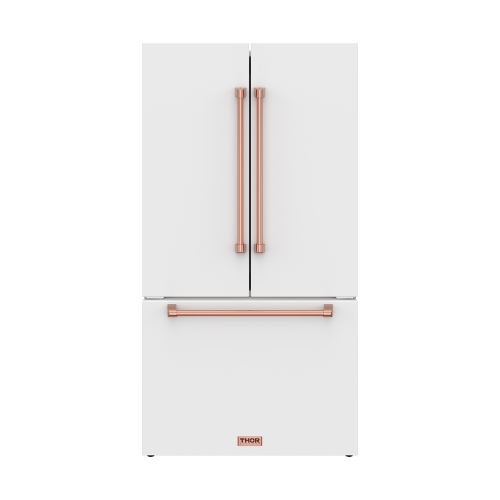
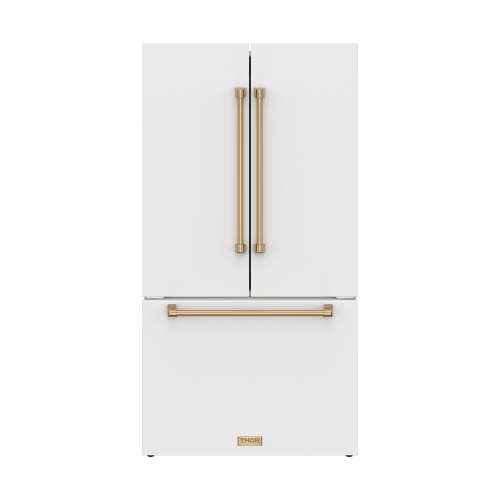
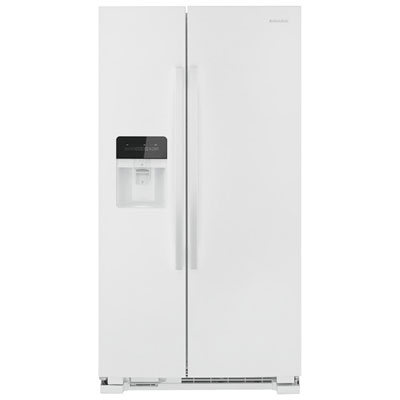
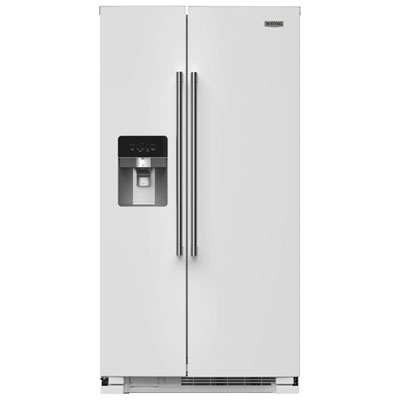
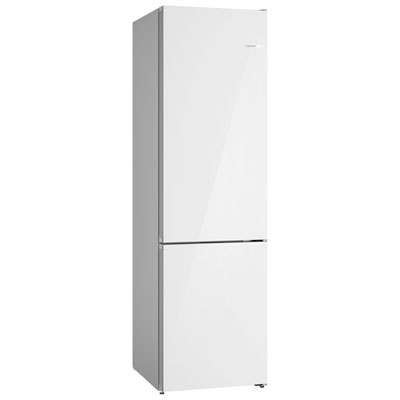
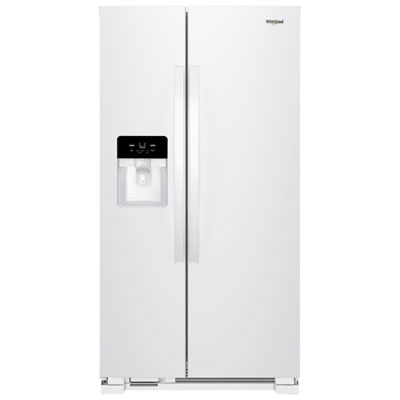


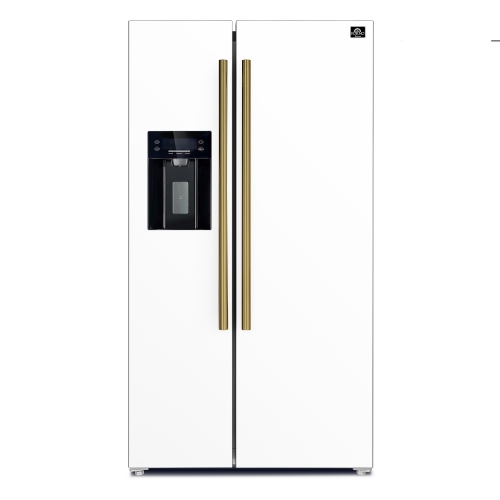
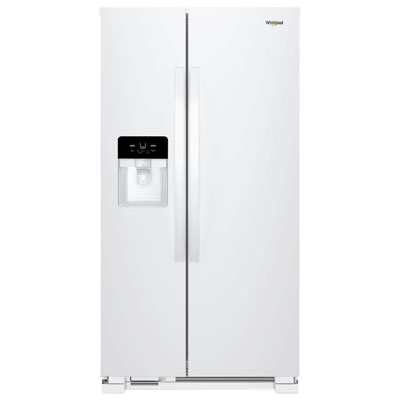

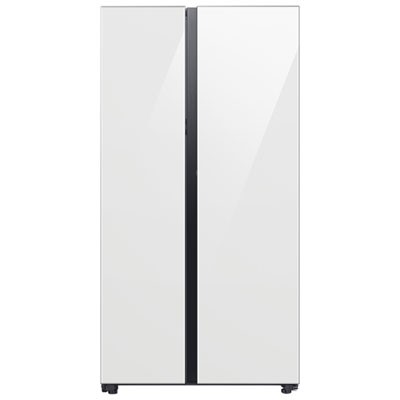

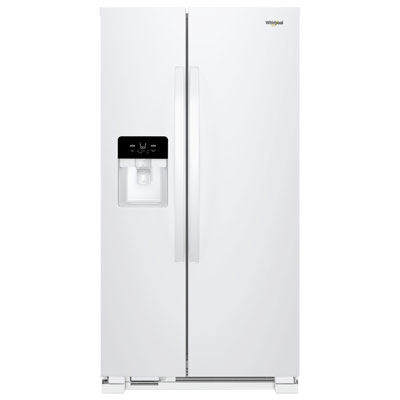
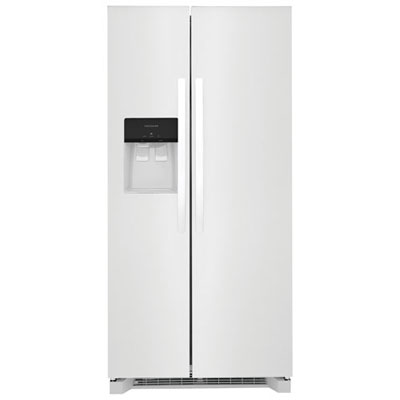

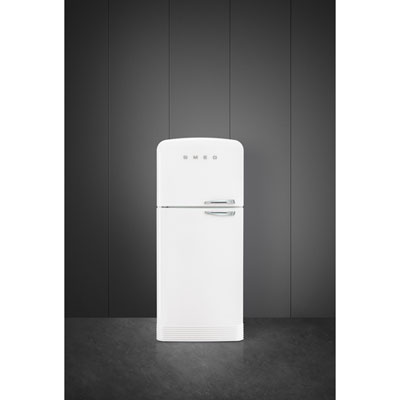

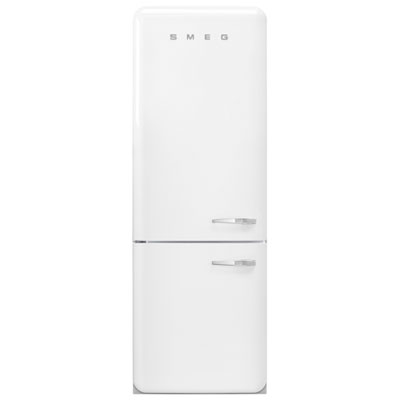
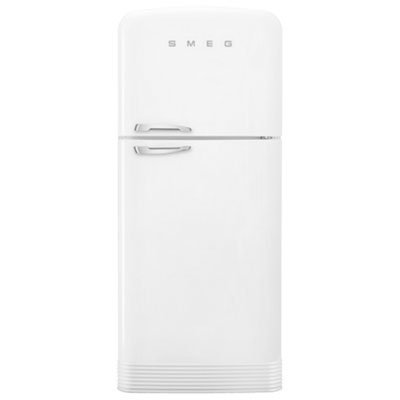
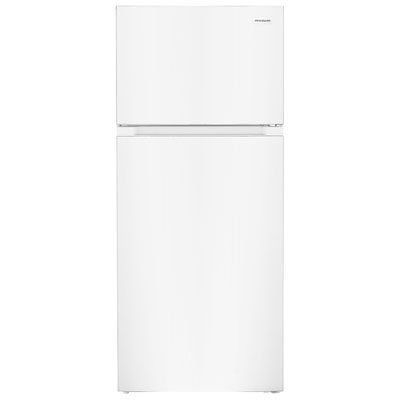
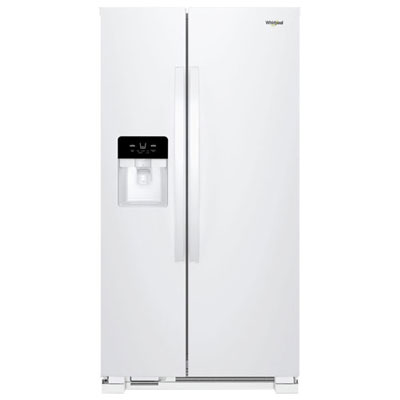
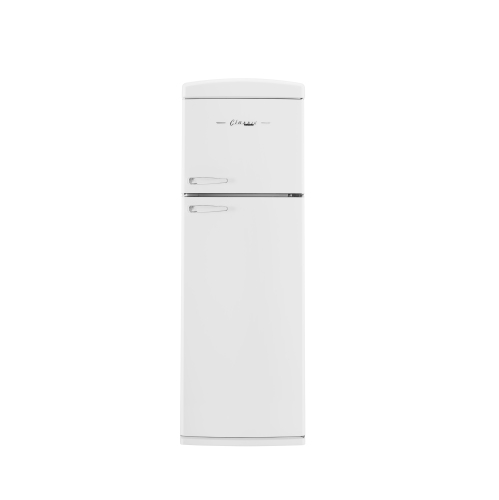
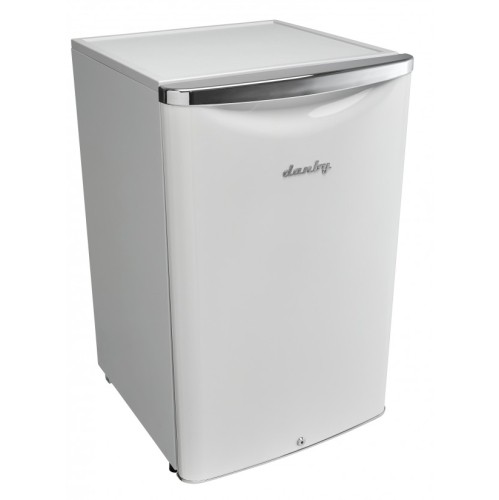
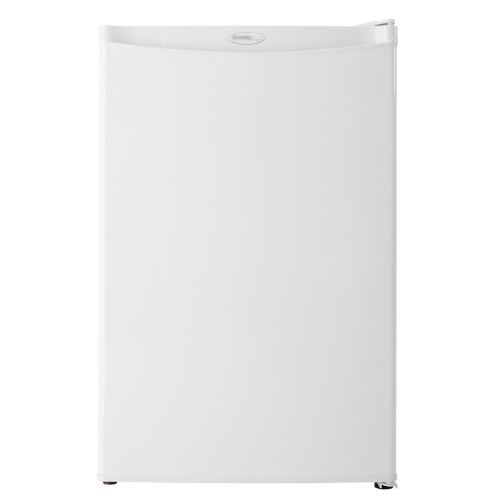
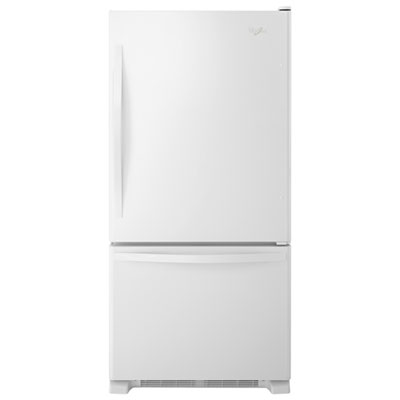
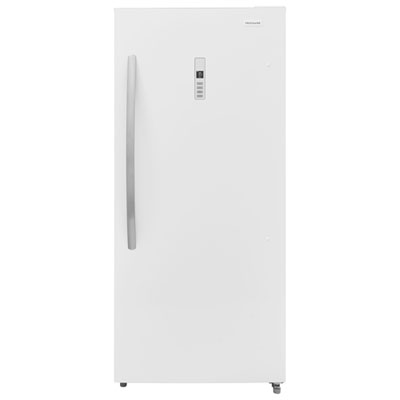
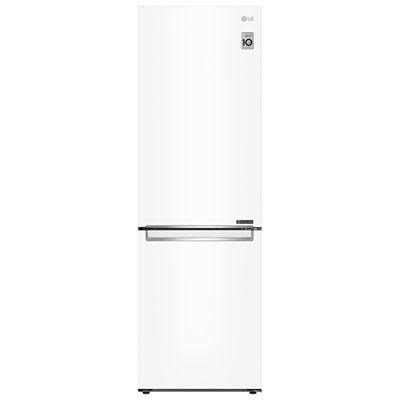
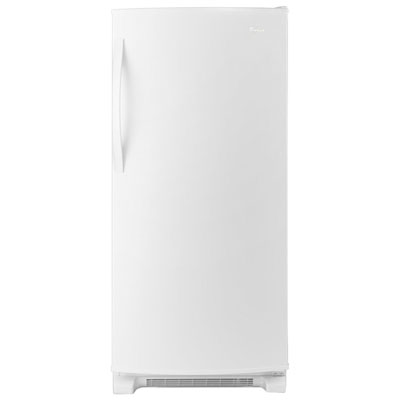
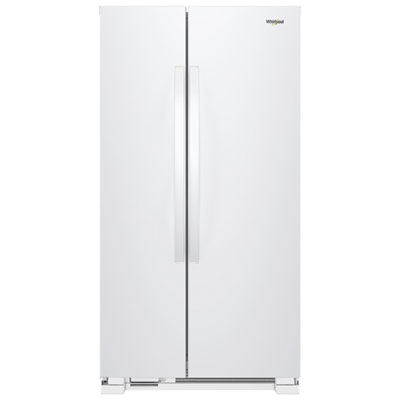
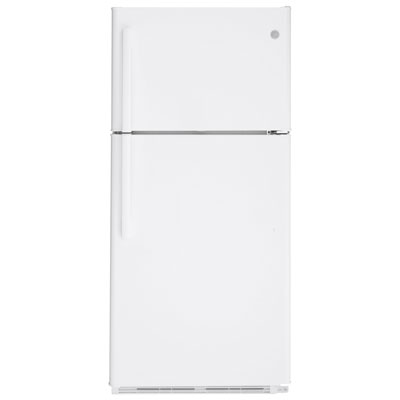
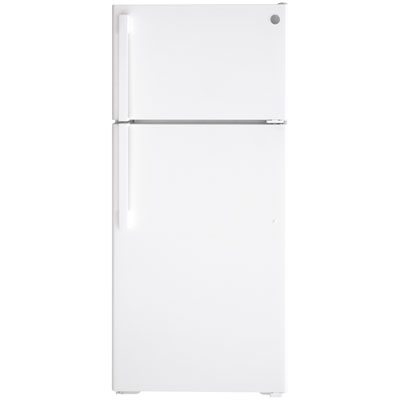
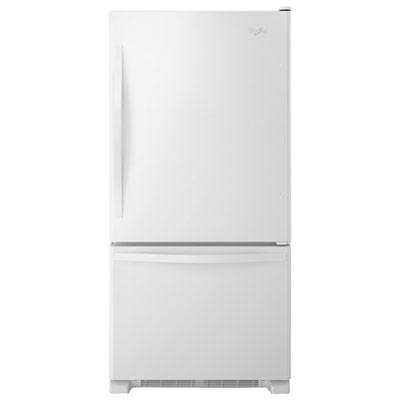

Dispenser placement makes a difference in daily routines
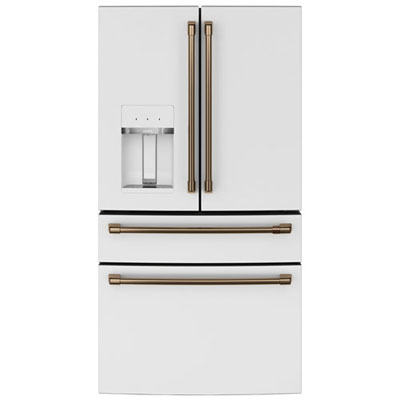
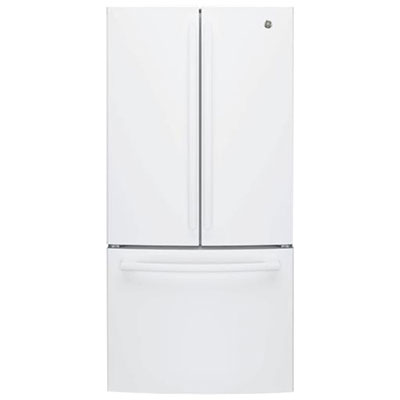
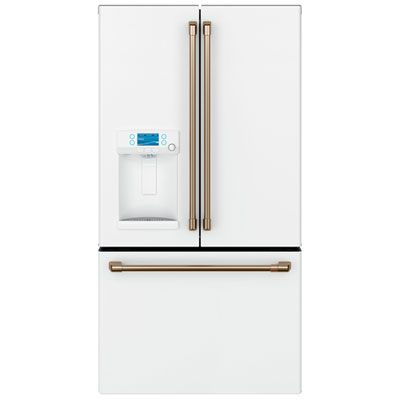
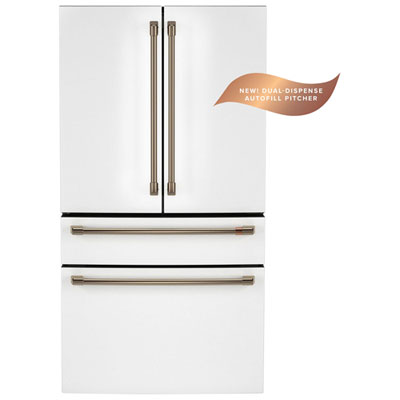
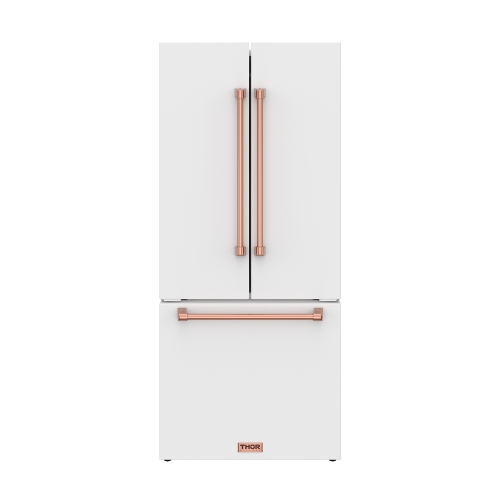
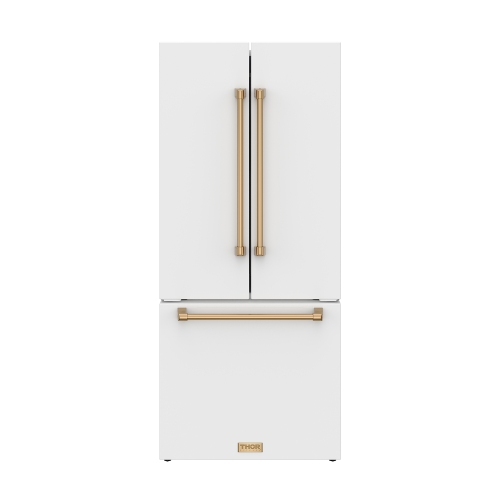
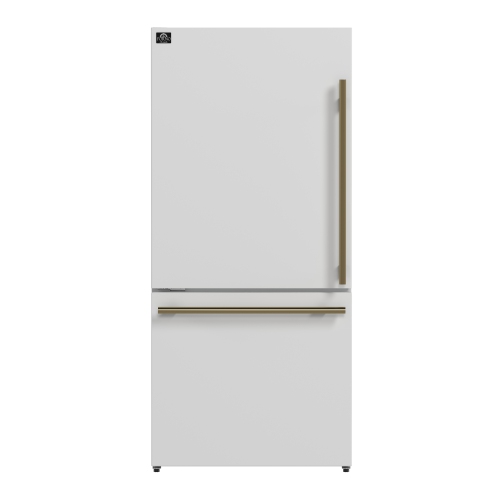
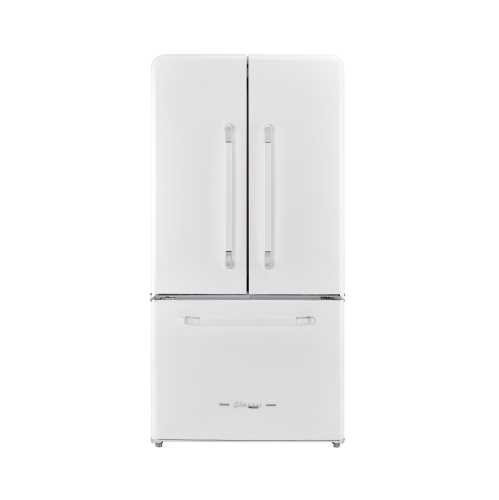
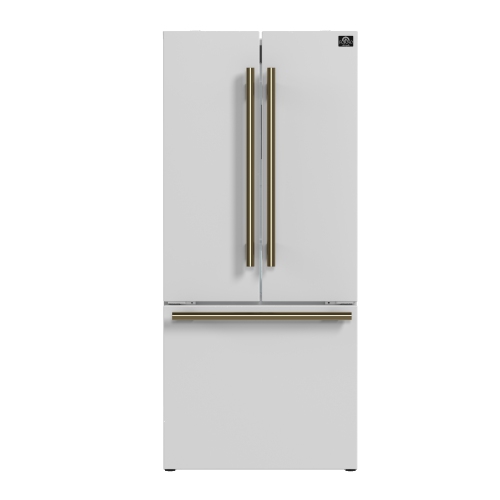
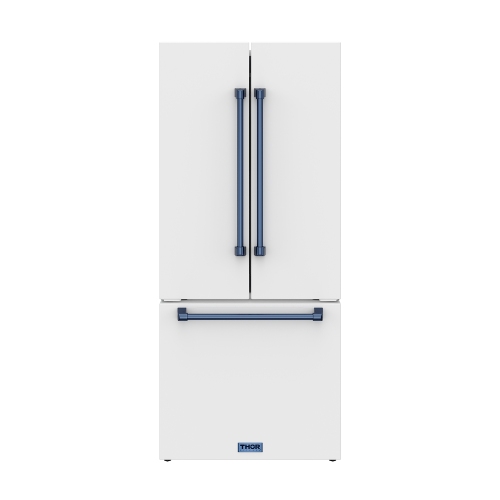
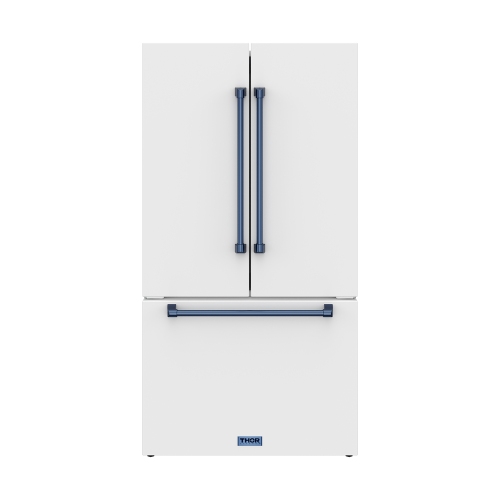
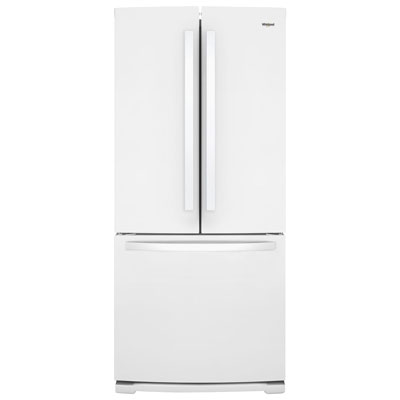
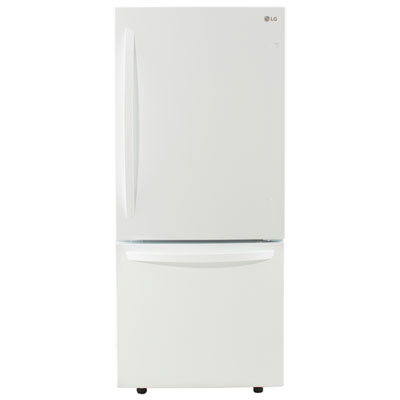
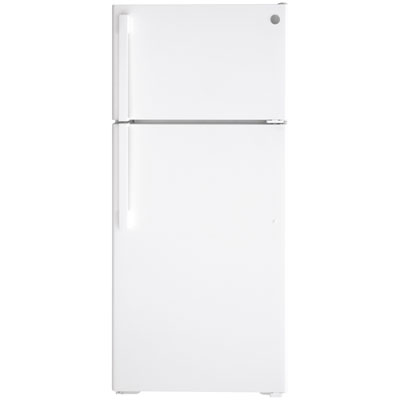
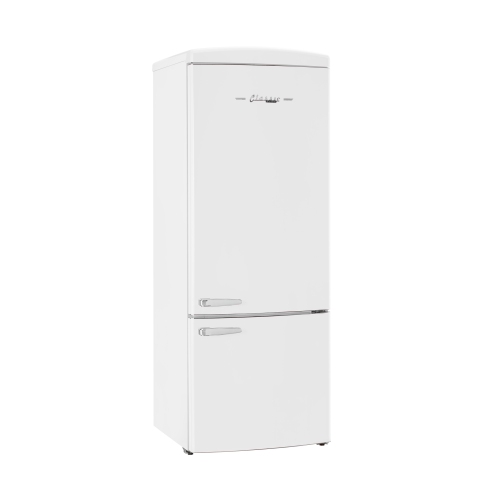
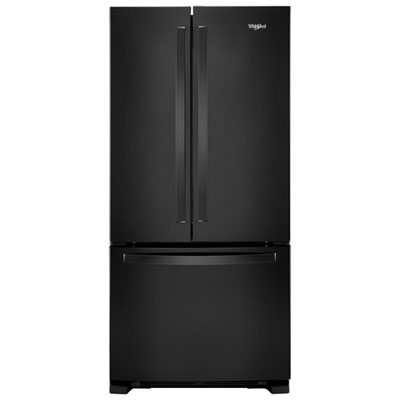
White French door refrigerators with an ice maker and water dispenser combine a bright, neutral finish with wide fresh-food storage and convenient access to chilled water and ice. The French door layout typically places two side-by-side refrigerator doors above a lower freezer, keeping frequently used ingredients close to eye level. Opening both doors reveals a broad storage area that can accommodate a serving platter, a baking dish of leftovers, or several containers of prepared lunches, depending on the interior dimensions and shelf arrangement. White works comfortably alongside painted cabinetry, pale countertops, and natural wood, while offering a softer contrast against darker kitchen finishes. For households replacing an older white appliance, it can also help maintain a coordinated look without changing the rest of the kitchen. Within this category, the location of the water dispenser matters as much as the finish. An internal dispenser keeps the front doors visually simple but requires opening the refrigerator to fill a glass. An external dispenser provides access through the door, although its housing may take up space inside the refrigerator. An ice maker does not necessarily mean there is an ice dispenser on the door: many configurations produce ice automatically and store it in a freezer bin for scooping. Households that prefer dispensing ice directly into a glass can also explore Refrigerators With Ice Dispenser, while checking each configuration for its water dispenser location and finish. Filtered water is another feature to verify rather than assume, since filtration systems and their capabilities differ. For everyday use, these details shape small but frequent routines, from filling a reusable bottle before work to collecting ice for drinks when friends visit. A dispenser opening that comfortably fits a favourite pitcher, easy-to-reach controls, and an accessible ice bin can matter more in daily life than a feature that rarely gets used. The most suitable arrangement depends on how the kitchen is used and whether a smooth door front or closed-door access is the greater priority.
Fit involves more than matching the refrigerator’s stated width to the gap between cabinets. Common nominal widths for French door refrigerators include 30-inch, 33-inch, and 36-inch sizes, but exact dimensions, ventilation requirements, and the choice of features vary. Measure the opening at several points, noting its height, width, and depth, then allow the clearances specified for the appliance. Baseboards, uneven flooring, overhead cupboards, and the position of the water connection can all affect placement. Depth deserves particular attention in a narrow kitchen: standard-depth refrigerators generally extend farther beyond the surrounding cabinetry, while counter-depth designs usually offer a shallower cabinet with less interior storage. Counter-depth does not necessarily mean fully flush, because the doors and handles may still project beyond the counter. Door swing and drawer access are equally important. A refrigerator may slide into its opening yet leave too little room beside a wall for a door to open far enough to remove a crisper drawer. The lower freezer also needs clearance to pull out without blocking an essential walkway or striking an island. Checking the delivery route, including exterior doors, hallways, stairs, and tight corners, helps avoid a difficult installation. Inside, capacity measured in cubic feet provides a useful starting point, but usable space depends on the shelves, bins, drawers, and ice-making components. Adjustable glass shelves can make room for a tall soup pot, while deep door bins may suit cartons and condiments. Full-width drawers can be useful for broad trays or grouped lunch ingredients, though they may require opening both refrigerator doors. Humidity-controlled crispers, where included, offer separate storage for produce, and divided freezer baskets can help keep vegetables, bread, and meal portions from becoming buried. A household that cooks several meals ahead may value uninterrupted shelf width; one that freezes larger batches may place greater importance on freezer access and the space remaining around the ice bin.
An automatic ice maker and plumbed water dispenser generally require a suitable potable cold-water connection, so installation planning should include an accessible shut-off valve, the specified supply line, and water pressure within the manufacturer’s stated range. A qualified installer can assess the connection where needed, particularly when the kitchen has not previously had a refrigerator water line. After installation, flushing the water system and discarding initial batches of ice may be required; the appliance instructions set out the correct process. Ice production is not unlimited, and the amount produced can change with freezer temperature, room conditions, and how often the doors are opened. For a busy household or a gathering during the cooler months, both the ice maker’s stated output and the storage bin’s capacity are worth considering. Routine care helps keep these features pleasant to use. Water filters need replacement at the specified interval, and dispensing outlets, drip trays, and removable ice bins need cleaning as directed. A filter’s purpose and certified performance should be checked in its documentation rather than inferred from the word “filtered.” Across the rest of the refrigerator, durability depends partly on construction and partly on everyday handling. White exterior finishes vary, so cleaning directions matter: a soft cloth and a manufacturer-approved cleaner are generally preferable to abrasive pads that may dull or scratch the surface. Spills are easier to manage before they dry around shelf edges, and glass shelves should be allowed to adjust in temperature before washing to reduce the risk of thermal shock. Door seals should remain clean and free of trapped crumbs so they can close properly. Keeping interior air vents unobstructed supports even cooling, while stable temperature settings help protect stored food; refrigerator compartments should generally be kept at 4°C or below and freezers at −18°C, with the appliance instructions informing control adjustments. Thoughtful loading also makes daily use easier: heavy containers sit securely on suitable shelves, frequently used foods stay within reach, and freezer baskets remain accessible. Together, a practical layout, a well-planned water connection, and straightforward maintenance make white French door refrigerators with ice makers and water dispensers suited to everyday meals, shared kitchens, and relaxed entertaining.
Top selling and popular products
-
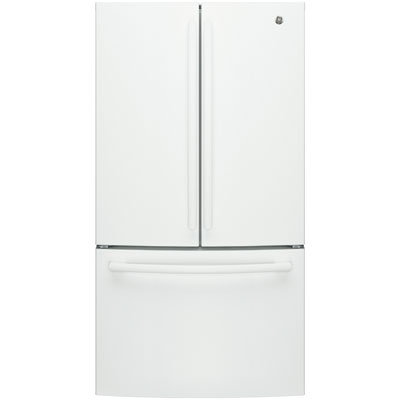 Your price for this item is $1899.99
-
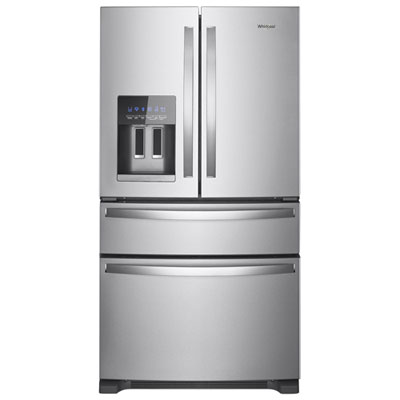 Your price for this item is $2999.99
-
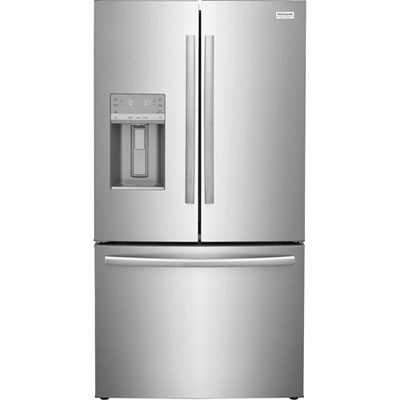 Your price for this item is $2499.99
-
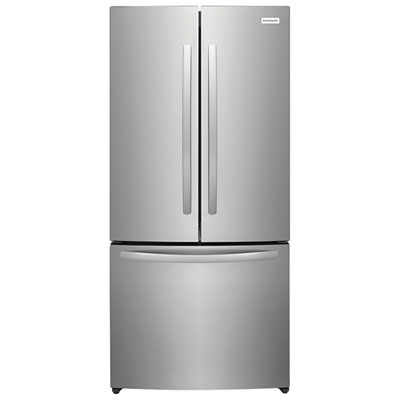 Your price for this item is $1599.99
-
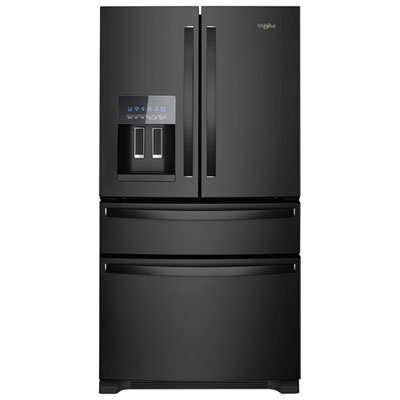 Your price for this item is $2949.99
-
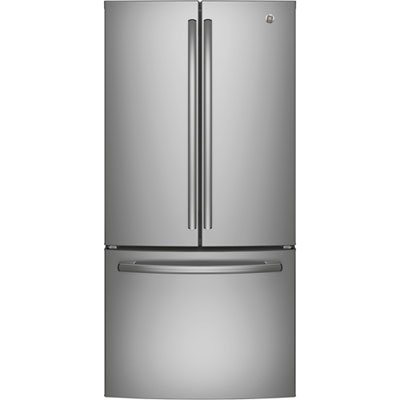 Your price for this item is $1699.99
-
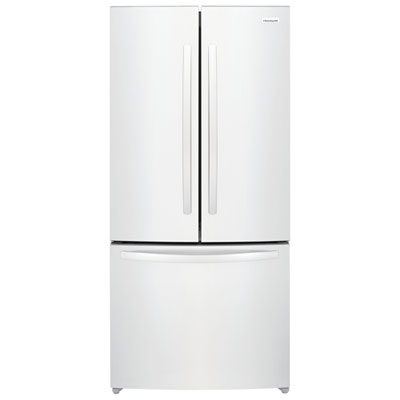 Your price for this item is $1599.99
-
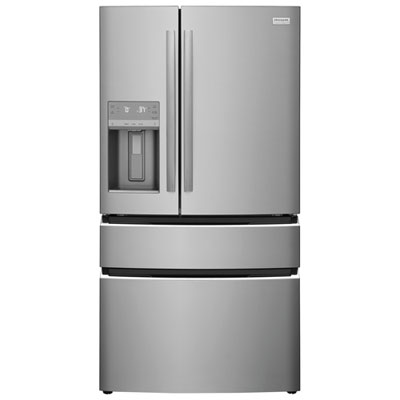 Your price for this item is $2799.99
Discover more categories related to White French Door Refrigerators With Ice Maker And Water Dispenser
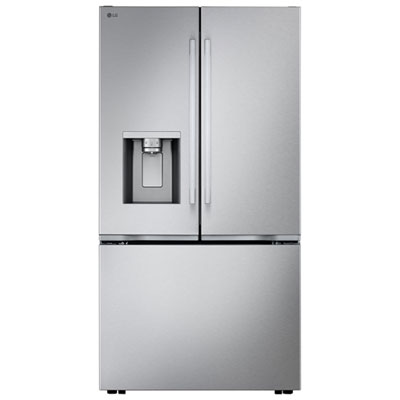
Top Collections:
Pokemon Centers, Best Cameras for Sports Photography, Kindle Devices, Samsung Galaxy Phones, Canon G7X Cameras, Pokémon 30th Celebration Cards, Refurbished Apple Laptops, iPhone 15 Apple, Laptops for Students, Budget Smartphones
Some products may be subject to Environmental Handling Fees
(EHF) depending on your province.
Learn more about EHFs.