French Door Wall Ovens
Elevate your kitchen with a French Door Wall Oven, the perfect blend of style and convenience for modern homes. This innovative appliance offers an impressive look that complements any kitchen design while making meal preparation more enjoyable. Whether you love to bake, roast, or entertain guests, a French Door Wall Oven brings both elegance and efficiency to your cooking space. Explore a wide selection to find the ideal fit for your culinary needs.
Sort

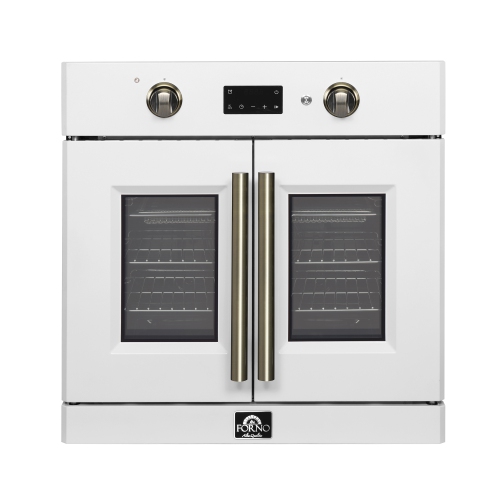
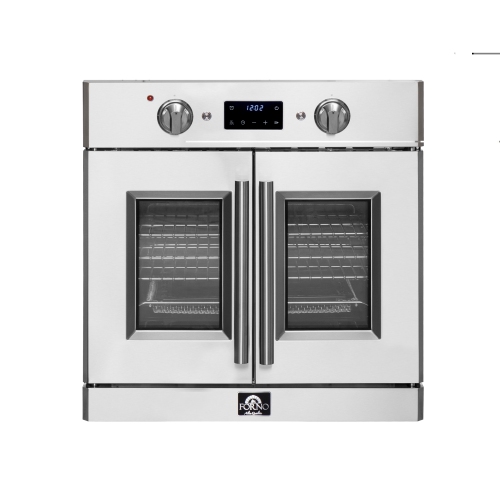


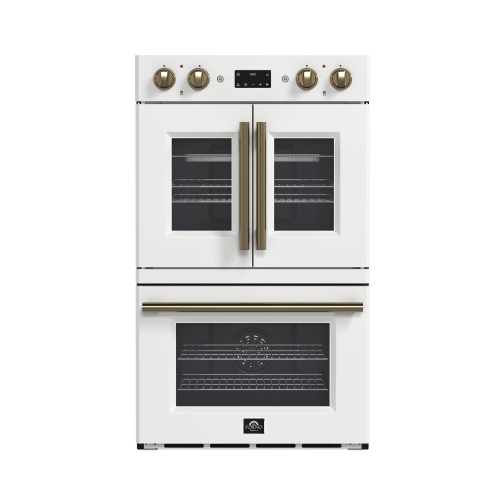

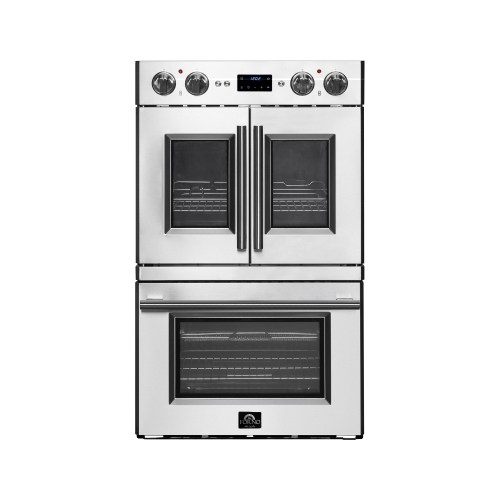
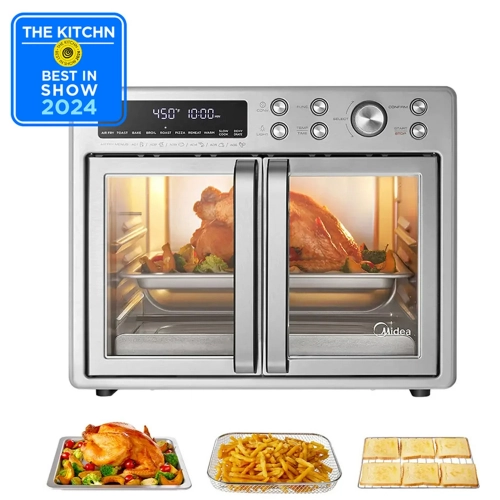
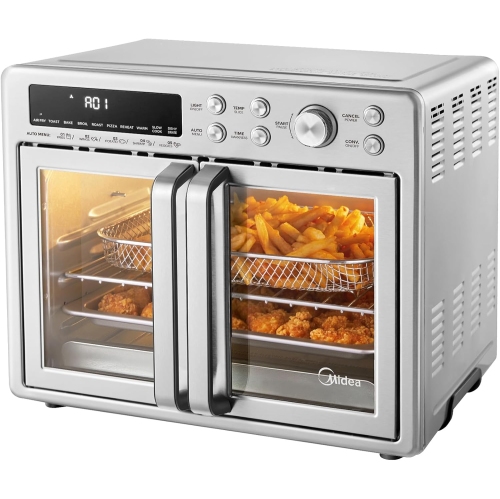
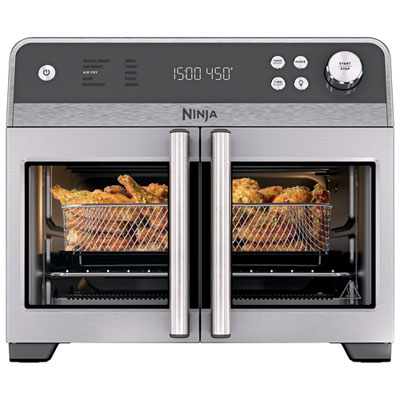
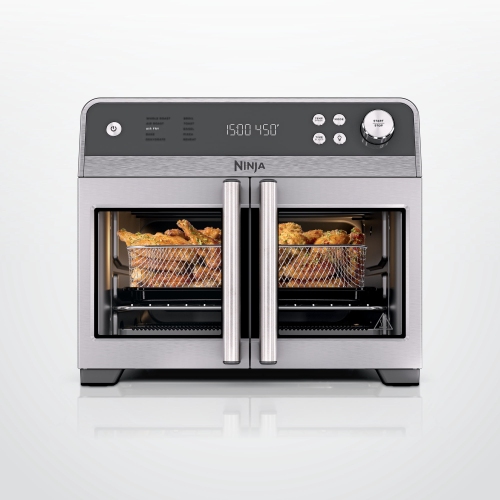
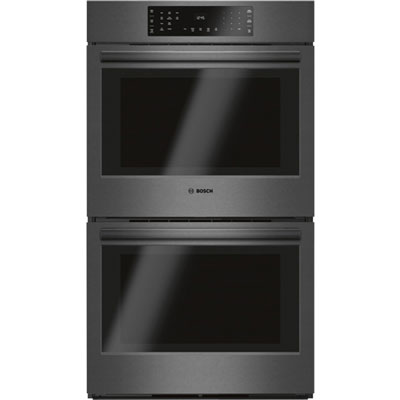
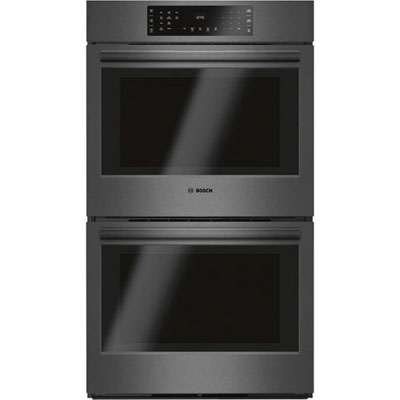


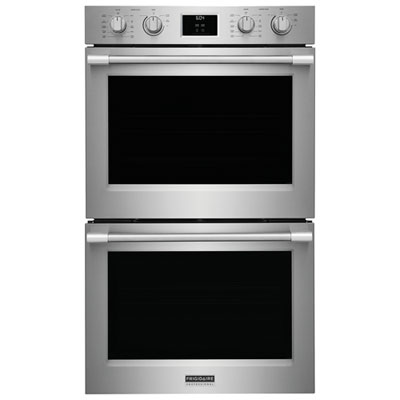
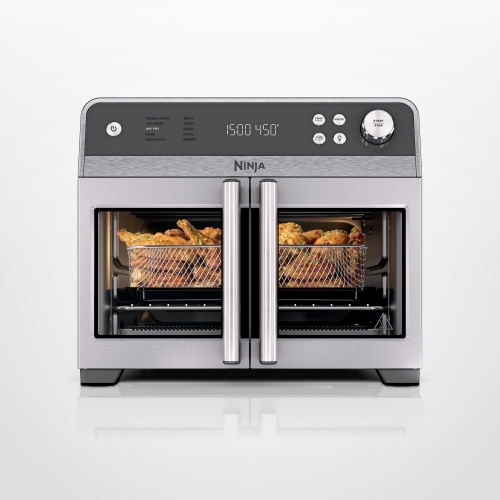
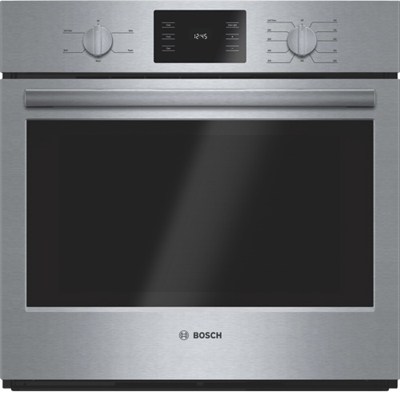
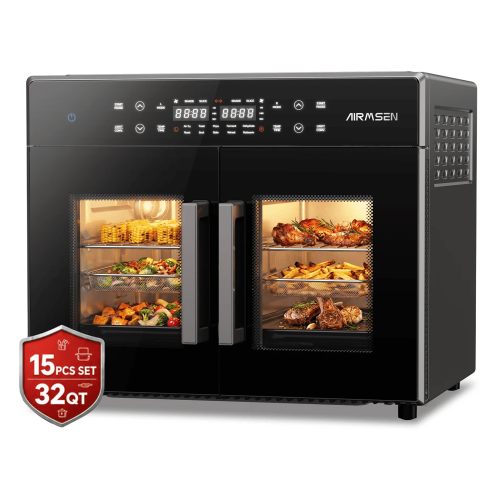


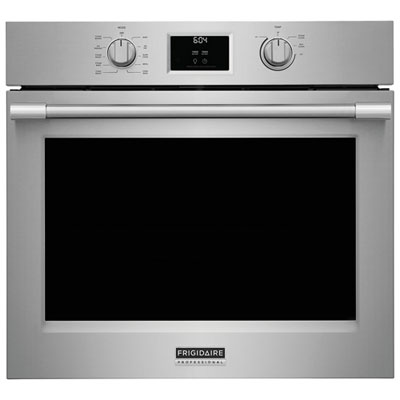

How split doors can make oven access easier
A French door wall oven is a built-in oven with two side-hinged doors that meet in the centre and open outward, rather than a single door that drops down. On models with a linked door mechanism, pulling one handle opens both doors together, making it possible to open the oven with one hand while holding a dish in the other. That linked action is worth distinguishing from independently operated doors, which may require separate movements. The divided opening also keeps a full-width horizontal door out of the space directly in front of the oven. This can make it easier to approach a rack, check a casserole, or reach for a roasting pan without leaning across an open drop-down door. Hot surfaces and cookware still require care, and comfortable access depends on installation height, rack position, and the surrounding kitchen layout. French door wall ovens suit kitchens where the oven is separate from the cooktop, allowing each appliance to be positioned around the way meals are prepared. An oven installed at a suitable height can bring everyday baking closer to a comfortable working level, while a separate cooktop leaves more flexibility for arranging drawers and preparation space. For someone who bakes bread regularly, prepares large family meals, or finds reaching across a conventional oven door awkward, the door arrangement can be a meaningful part of daily use. In a kitchen with an island opposite the oven, the split doors may also help preserve working room, although the actual door swing and required clearances must still match the space. A nearby heat-resistant landing area is useful for setting down a baking dish without carrying it across the kitchen. The appeal is practical as well as visual: paired handles and a symmetrical front give cabinetry a distinctive focal point, while the centre-opening design changes how the cook interacts with the oven throughout meal preparation. The best fit balances that appearance with unobstructed access, comfortable handle placement, and enough room to move cookware safely.
French door wall ovens can serve different cooking routines depending on cavity size, rack layout, and whether the installation includes one oven or two. A single oven may comfortably handle everyday dinners, weekend baking, and an occasional large roast, provided its usable interior dimensions accommodate the cookware involved. Capacity figures offer a starting point, but the width and depth between rack supports matter when fitting a broad roasting pan or a favourite baking sheet. Multiple rack positions give more flexibility for tall dishes and different distances from the heating elements. Extension racks, where included, can bring heavy cookware farther forward for easier handling, though their load limits and approved uses vary. Households that regularly prepare several dishes at different temperatures may find a two-cavity arrangement more useful than simply choosing a larger single cavity. The Double Wall Ovens category covers that broader format; a French door configuration may apply to one cavity rather than both, so the door layout remains an important distinction. Separate cavities can accommodate a roast and a delicate dessert without making both share the same temperature setting. Cooking features also shape everyday usefulness. Convection uses a fan to circulate heated air and can support more even cooking, but results depend on the oven design, recipe, cookware, and rack placement. Dedicated baking, broiling, proofing, or air-frying modes are model-dependent rather than standard features of French doors. Clear controls, readable displays, interior lighting, and a useful view through the windows can be just as valuable as an extensive menu of settings. Connected functions may allow monitoring or certain remote operations, but their requirements and limitations differ. For frequent cooks, the most useful combination is often straightforward: enough space for the pans already in the kitchen, racks that move smoothly under a sensible load, and controls that make routine adjustments easy. Door style improves access; it does not, by itself, determine cooking performance or guarantee more interior space.
Fit and construction deserve close attention because a wall oven becomes part of the cabinetry rather than standing independently on the floor. The stated appliance width is not the same as the required cabinet opening, and replacement projects may involve differences in cutout height, depth, support, and ventilation. A cabinet that held an older wall oven is not automatically suitable for a new French door design. Manufacturer installation dimensions establish the necessary clearances, including space for the doors and handles to move without striking adjacent cabinetry, a wall, or another appliance. French door configurations are most commonly associated with electric wall ovens, making the electrical supply and specified circuit requirements part of the fit assessment. Qualified installation helps address cabinet support, secure mounting, and electrical connections according to the appliance requirements and applicable local rules. Exterior finishes influence both appearance and upkeep. Stainless steel offers a familiar match for many kitchen appliances, while darker or coated finishes can create a different look; resistance to fingerprints, scratches, and cleaning marks varies by finish. Smooth handles, sturdy hinges, and a well-aligned door mechanism contribute to a reassuring feel through repeated use. For linked doors, consistent movement and an even closure are particularly relevant because the two sides work together. Inside, cooking residue is easier to manage when spills are addressed according to the care instructions rather than allowed to build up over repeated baking sessions. Self-cleaning and steam-assisted cleaning, where provided, use different processes and have different preparation requirements; neither should be assumed to eliminate every kind of residue. Racks, glazing, seals, and coated surfaces may each need different care, and some racks must be removed before certain cleaning cycles. Abrasive pads or unsuitable cleaners can damage finishes even when they appear sturdy. With an installation suited to the kitchen and care matched to its materials, a French door wall oven can provide comfortable access and dependable everyday usefulness, from a single tray of roasted vegetables to a carefully timed meal with several dishes.
Top selling and popular products
-
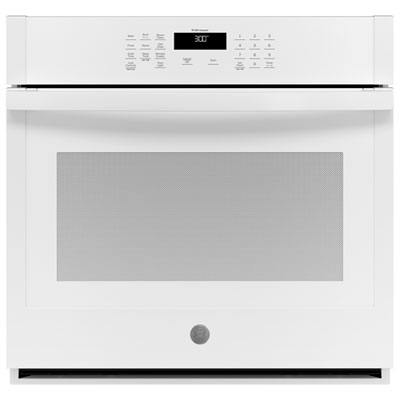 Your price for this item is $2369.99
-
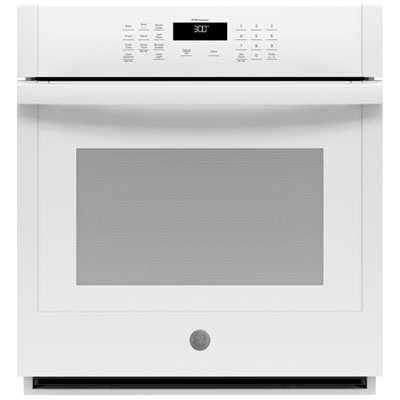 Your price for this item is $2249.99
-
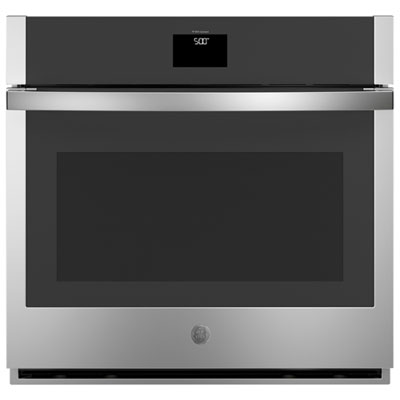 Your price for this item is $2369.99
-
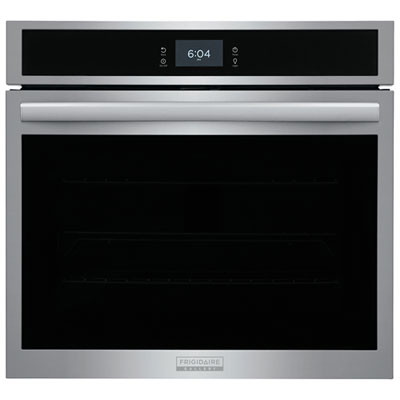 Your price for this item is $2199.99
-
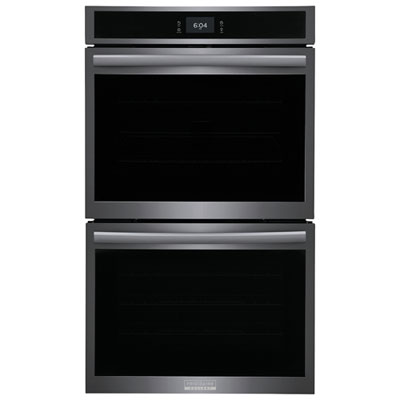 Your price for this item is $3699.99
-
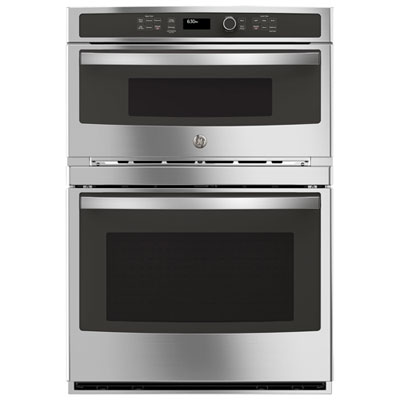 Your price for this item is $3749.99
-
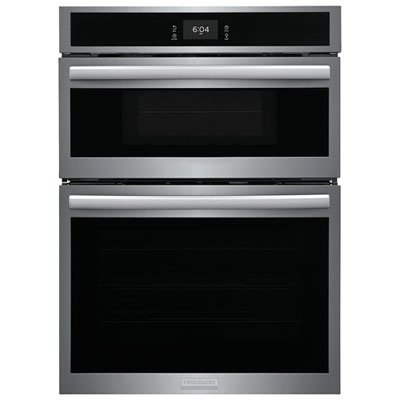 Your price for this item is $3699.99
-
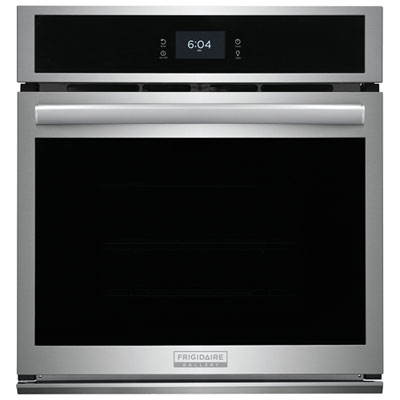 Your price for this item is $2199.99
Discover more categories related to French Door Wall Ovens

Top Collections:
Best Black Friday Deals This Year, Best Black Friday Deals On Electronics, Kindle Devices, Pokemon Centers, Best Black Friday Deals On Apple Products, Best Cameras for Sports Photography, Dyson Airwrap, Pokémon 30th Celebration Cards, Apple iPhone 17 Pro, Canon G7X Cameras
Some products may be subject to Environmental Handling Fees
(EHF) depending on your province.
Learn more about EHFs.