Fresh Laundry Scents
Experience the delightful sensation of freshly laundered fabrics with this collection of Fresh Laundry Scents. Elevate your laundry routine with a range of invigorating, clean, and long-lasting fragrances designed to leave your clothes smelling irresistibly fresh. Whether you prefer crisp linens, soothing florals, or citrus-infused aromas, we have the perfect scent to transform your laundry into a fragrant oasis. Explore this selection and discover the power of captivating scents that will linger on your clothes throughout the day.
Sort












Why fresh-smelling laundry is about more than fragrance
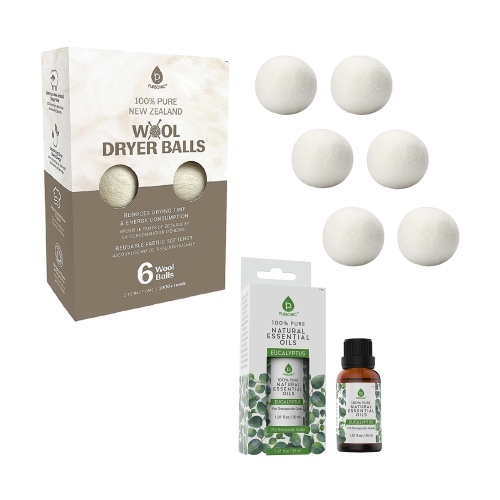
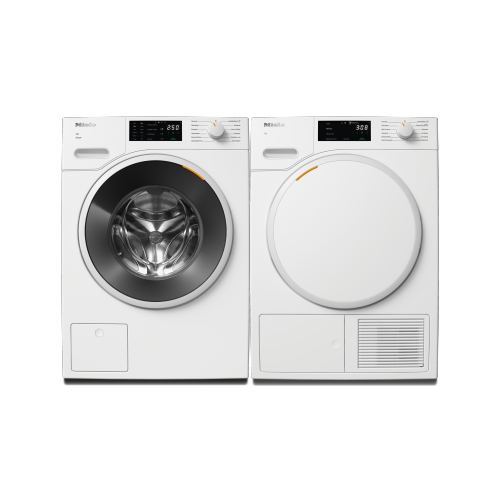
Fresh laundry scents bring together the crisp, airy character of clean linen, the softness of light florals, and the bright lift of citrus. In laundry care, these fragrances can appear in detergents, fabric softeners, scent boosters, and dryer sheets, with each category serving a different purpose. Detergent cleans washable fabrics, while scent boosters primarily add fragrance; fabric softeners and dryer sheets may add fragrance alongside fabric-conditioning or static-control benefits, depending on the formula. That distinction matters because a pleasant smell is not a substitute for removing perspiration, body oils, or other sources of odour. The familiar “fresh linen” impression is usually a fragrance blend rather than the scent of a single ingredient. It may suggest cotton sheets dried in moving air, a freshly pressed shirt, or towels folded straight from the dryer. Citrus notes can make that impression brighter, while delicate florals and soft musk notes can give it a rounder, more lingering finish. Some people prefer a barely noticeable trace on everyday clothing; others enjoy a more distinct scent when opening a linen cupboard or changing the bed. Fragrance strength and staying power vary with the formula, the amount used, the fabric, and the washing and drying process, so “long-lasting” does not mean the same result on every load. A scent that feels gentle on a cotton pillowcase may seem much stronger across a full set of bedding. During the cooler months, when heavier layers and household linens move through the wash more often, a consistent scent can become a familiar part of getting dressed or settling into a freshly made bed. The most useful distinction is between the fragrance character someone enjoys and the laundry-care function the fabric actually needs. A crisp scent can suit daily basics, while a softer floral profile may feel especially at home on washable bed linen, provided the care instructions allow the treatment.
Choosing among fresh-scented laundry products also involves the practical details of a household’s washing routine. Liquid, powder, and premeasured detergent formats differ in how they are measured, stored, and dispensed, and compatibility with the washing machine matters more than fragrance alone. High-efficiency machines need detergent labelled for that use, and dosage depends on the product directions, load size, soil level, and sometimes water hardness. Extra detergent does not necessarily create a fresher result: excess residue can leave fabrics feeling coated and contribute to lingering odours. Likewise, combining several fragranced laundry treatments can produce a heavier smell rather than a cleaner impression. Complementary notes may work well together, but a single scented stage is often enough for someone who prefers subtle fragrance. Fabric composition adds another layer of consideration. Cotton sheets, synthetic workout clothing, wool knitwear, and stretch garments do not all respond to the same treatments. Fabric softener can affect the absorbency of towels and the moisture-wicking performance of some athletic fabrics, while certain garment labels restrict its use altogether. Wool, silk, water-resistant finishes, and flame-resistant fabrics may require particular detergents or care methods. The garment label and laundry-product directions remain the clearest points of reference for protecting texture, fit, and performance. Direct contact with concentrated detergent or fragrance additives can also mark some materials, which makes correct dispensing important. Drying deserves equal attention: excessive heat can affect elastic, contribute to shrinkage, and change how a fragrance comes through after washing. Thorough drying before folding helps prevent the musty smell that can develop when damp towels or thick seams sit in a basket. These details influence the overall experience as much as the fragrance itself. A clean-smelling sweatshirt should still feel comfortable at the cuffs, a bath towel should still absorb water, and freshly washed bedding should feel pleasant against the skin rather than heavily coated. Freshness is most satisfying when scent, cleanliness, and fabric care work together without compromising the qualities that make those textiles useful.
Everyday use helps put fragrance preferences into perspective. Someone washing office clothing may want a restrained clean-linen note that does not compete with personal fragrance, while a household laundering sportswear may place greater importance on effective odour removal and fabric compatibility. Shared wardrobes, bedding, and towels call for consideration of everyone who uses them, particularly anyone who finds fragranced products uncomfortable. Fresh-smelling does not automatically mean gentle on sensitive skin, and a light scent is not proof that a formula is suitable for every user. Fragrance-free laundry care may be a better fit for some households; “unscented” and “fragrance-free” are not always interchangeable label terms, so the product information matters. For guest bedding, subtlety can make freshly laundered sheets feel welcoming without filling the room with perfume. For personal clothing, the ideal strength is often one that remains close to the fabric rather than carrying throughout a shared space. Anyone drawn to the airy, citrus, and soft floral side of laundry-inspired scent can also explore Fresh Fragrances for a broader sense of those fragrance families, while keeping each formula’s intended use in mind. Personal and home fragrances are not substitutes for laundry additives, and laundry products belong only in the applications described on their labels. Storage is another practical part of choosing a format, especially in homes with children or pets: concentrated products and laundry packets need secure storage in their original packaging, out of reach and sight. Beyond the wash itself, a well-maintained machine and dry, ventilated linen storage support a genuinely fresh result. Persistent mustiness can point to trapped moisture, washer residue, or fabric that has not dried fully, rather than a need for stronger perfume. Machine maintenance should follow the manufacturer’s directions, using suitable cleaning products without mixing cleaners. Taken together, thoughtful fragrance choice, compatible fabric care, and everyday washing habits give fresh laundry scents their appeal: a clean shirt ready for the day, a comfortable stack of towels, and bedding that smells as inviting as it feels.
Top selling and popular products
-
 Your price for this item is $19.99
-
 Your price for this item is $25.99
-
 Your price for this item is $22.99
-
 Your price for this item is $37.85
-
 Your price for this item is $25.99
-
 Your price for this item is $1472.99
-
 Your price for this item is $755.99
-
 Your price for this item is $547.99
Discover more categories related to Fresh Laundry Scents
Top Collections:
Pokemon Centers, Best Budget Office Chairs, Kindle Devices, Best Cameras for Sports Photography, Pokémon 30th Celebration Cards, Best Laptops for Writers, Canon G7X Cameras, iPhone 15 Apple, Best Cell Phones Under $300, Apple iPhones 16
Some products may be subject to Environmental Handling Fees
(EHF) depending on your province.
Learn more about EHFs.