Fridge Depth
Fridge depth is an important consideration when choosing the perfect refrigerator for your kitchen. Whether you’re looking to maximize space, achieve a seamless fit with your cabinetry, or find a model that suits your storage needs, understanding fridge depth can help you make the right choice. Explore a wide range of options designed to complement various kitchen layouts and lifestyles, making it easier to find the ideal refrigerator for your home.
Sort
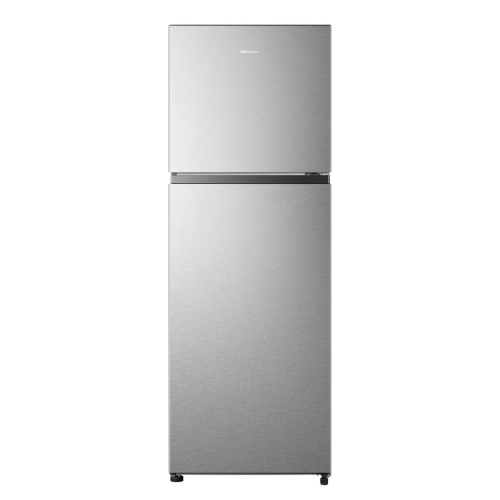
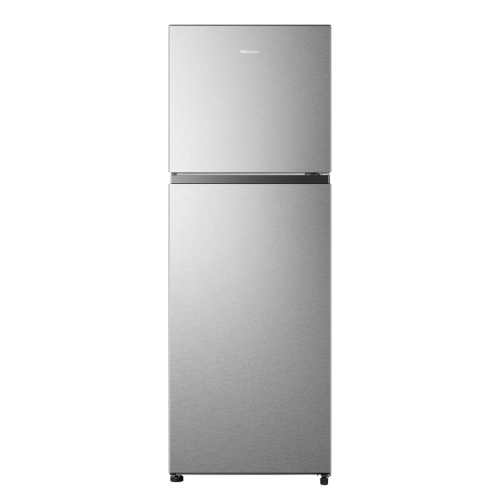
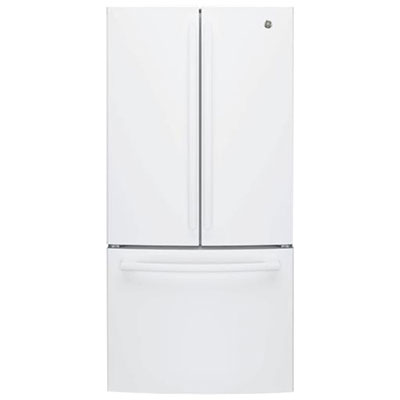
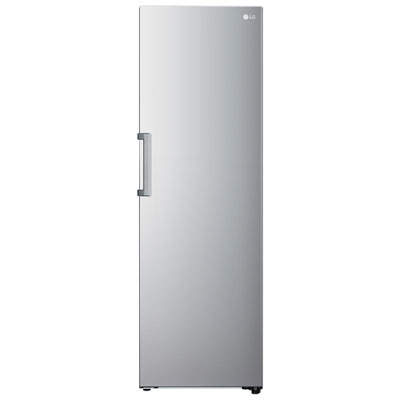
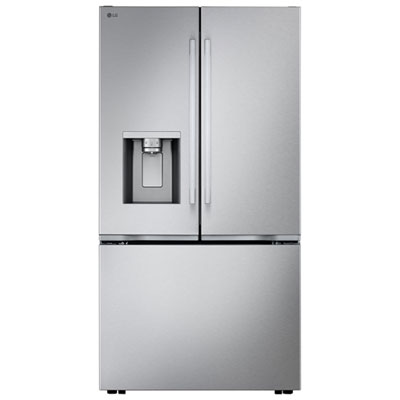
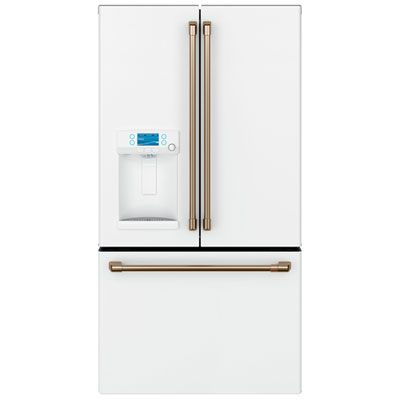
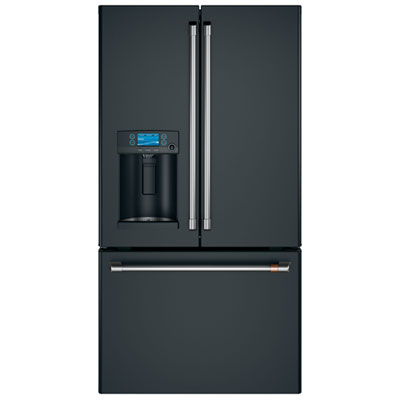

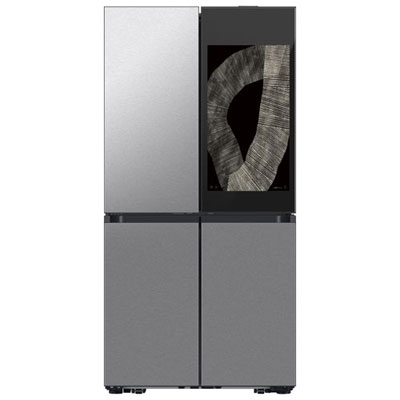
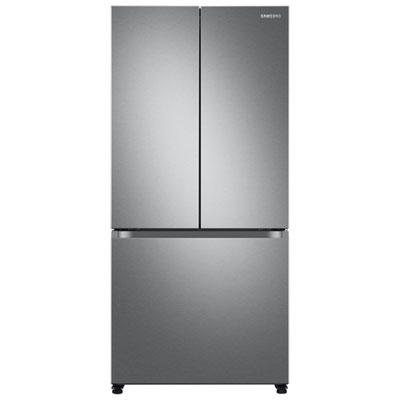
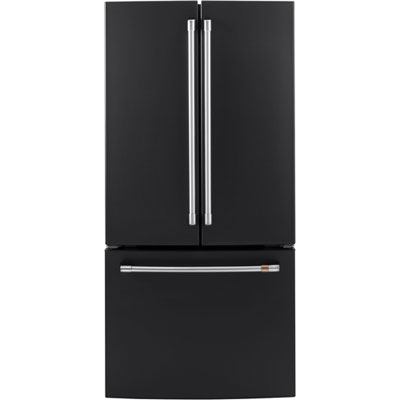

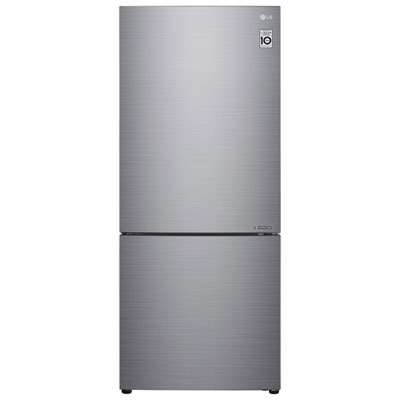
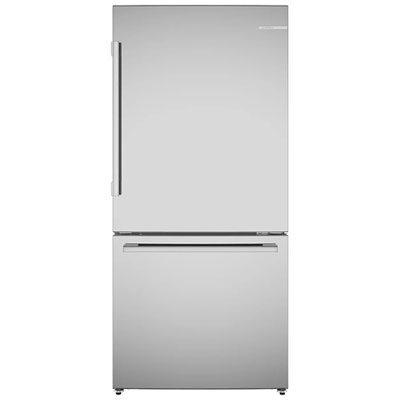


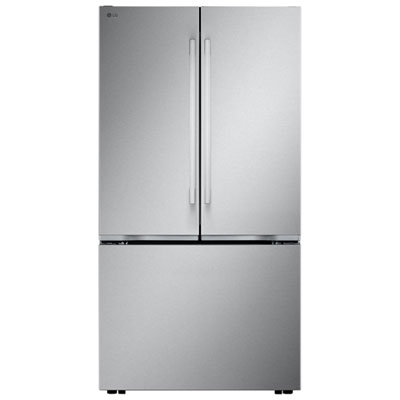
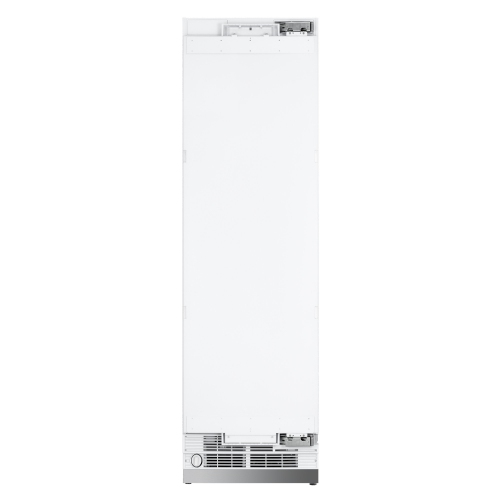
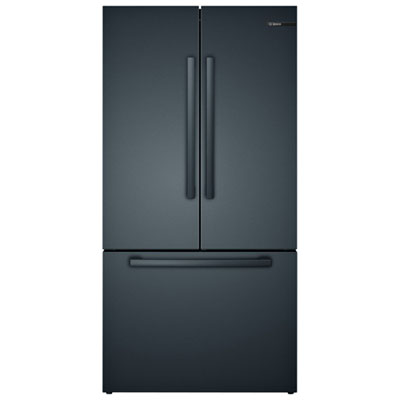
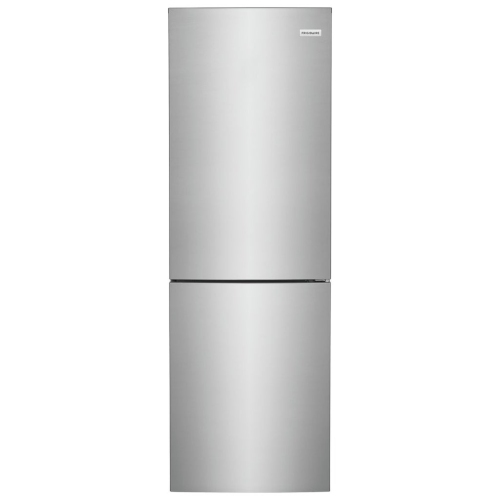


Cabinet dimensions and door clearance affect kitchen fit
Choosing the right fridge depth can make a noticeable difference to how your kitchen looks, feels and functions. Standard-depth refrigerators generally measure about 30 to 36 inches deep, while counter-depth models are usually about 24 to 30 inches deep, not including handles. A standard-depth refrigerator typically extends several inches beyond standard kitchen counters, which can provide valuable interior capacity for large households, frequent entertainers and anyone who likes to keep a well-stocked kitchen. A shallower design sits closer to surrounding cabinetry and can create a more streamlined appearance, particularly in an open-concept kitchen where the refrigerator is visible from the living or dining area. The best fit depends on more than the depth printed in a product description. Before comparing features, measure the available space from the back wall to the front edge of the surrounding counter, then check the opening’s height and width, including trim, baseboards and nearby cabinets. Leave room for ventilation according to the manufacturer’s requirements, since refrigerators need adequate airflow to operate properly. It is also useful to compare the usable interior capacity rather than relying on exterior dimensions alone. A refrigerator with a shallower cabinet may have a slightly different arrangement of shelves, drawers and door bins, while a standard-depth model may offer more room for tall containers, platters and larger grocery loads. Consider how your household actually shops and cooks: a family preparing meals for several days may value generous fresh-food and freezer storage, while someone with a smaller kitchen may prefer easier access and a less imposing profile. During the cooler months, when soups, baking ingredients and make-ahead meals may take up extra space, adjustable shelving and wide drawers can be especially convenient. These appliances are practical additions for homeowners updating a kitchen, renters replacing an aging unit where dimensions allow, and families setting up a new home. They can also be a thoughtful housewarming gift when the recipient has confirmed the required measurements, electrical setup and delivery access.
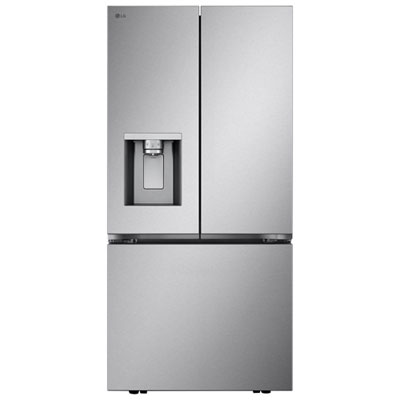
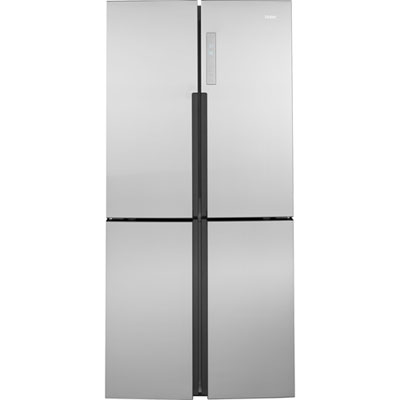
Depth should always be assessed with the doors closed and open. A refrigerator’s listed cabinet depth may not include the handles, hinges or doors, so the total front-to-back measurement can be greater than expected once everything is assembled. Check the specification details for closed depth with handles, closed depth without handles and maximum door-open depth whenever those measurements are provided. Many kitchens need roughly 40 to 50 inches of clearance in front of the refrigerator for the doors to open fully, though the exact amount varies by model, hinge design and door configuration. French-door and side-by-side layouts can be useful in tighter spaces because their doors may require less swing clearance than a single wide door, while bottom-freezer designs keep commonly used refrigerated foods at a convenient height. Pay close attention to the wall beside the refrigerator, since a door that opens toward a wall may not allow full access to shelves or drawers even when the unit technically fits the opening. Some models need extra space on one side for the door to swing past the cabinet, and the direction of the hinge may affect whether the refrigerator works comfortably in the room. Measure hallways, stairways, entry doors and turns from the delivery entrance to the kitchen as well; an appliance can fit the final space yet be difficult to move into it. If a flush, built-in look is a priority, compare Countertop Depth Refrigerators with standard-depth options while remembering that the shallower cabinet may offer less total storage. Counter-depth designs can help align the refrigerator body with counters and cabinetry, but the handles and doors may still project beyond the counter edge. Small differences in hinge placement, door thickness and handle style can affect the finished appearance, so review the complete dimensions rather than judging by the cabinet depth alone.
The way the refrigerator will be used should guide the final choice as much as the available space. Households that prepare large family meals, store bulk groceries or entertain regularly may appreciate the capacity of a standard-depth model, especially when the kitchen has enough room for the refrigerator to extend beyond the counters. A counter-depth style can be a strong choice for compact kitchens, apartment renovations and open layouts where clear walkways and visual proportion matter. It may also suit cooks who prefer to see and reach the contents easily instead of searching through a deep rear shelf. Look for adjustable glass shelves, full-width or humidity-controlled crisper drawers, well-organized door storage and freezer compartments that match your routine. Families with young children may appreciate accessible snack areas and spill-resistant shelving, while avid bakers may want room for mixing bowls, sheet pans and tall bottles. If the appliance will be used by someone with limited mobility, consider the shelf heights, drawer movement, lighting and ease of opening the doors. It is worth checking energy-use information, water and ice connections, filter requirements and the location of controls before ordering, as these details affect installation and everyday convenience. Finish and handle style can help the refrigerator coordinate with other appliances, but dimensions and layout should come first. A carefully measured fridge can improve traffic flow, make grocery unpacking less awkward and keep frequently used ingredients within easy reach. As the seasons shift and home cooking becomes part of more shared routines, the right balance of depth, capacity and accessibility can make the kitchen feel noticeably more comfortable. Compare the listed dimensions, interior arrangement, clearance requirements and installation details together to find a refrigerator that fits both the room and the way you live.
Top selling and popular products
-
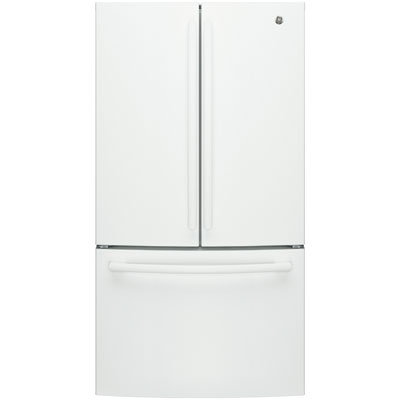 Your price for this item is $1899.99
-
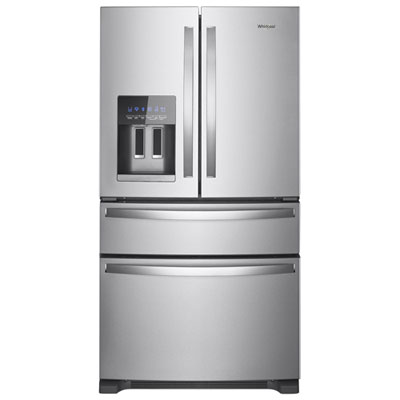 Your price for this item is $2999.99
-
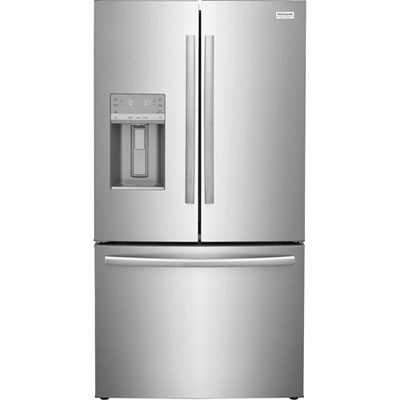 Your price for this item is $2499.99
-
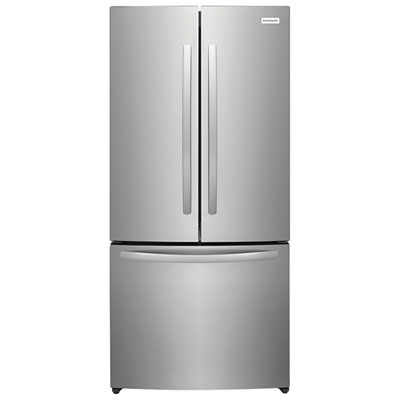 Your price for this item is $1599.99
-
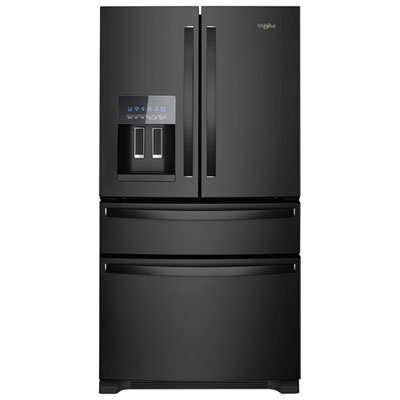 Your price for this item is $2949.99
-
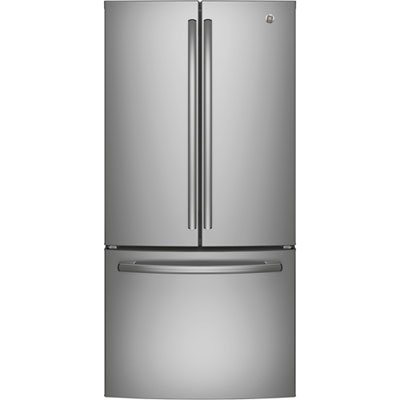 Your price for this item is $1699.99
-
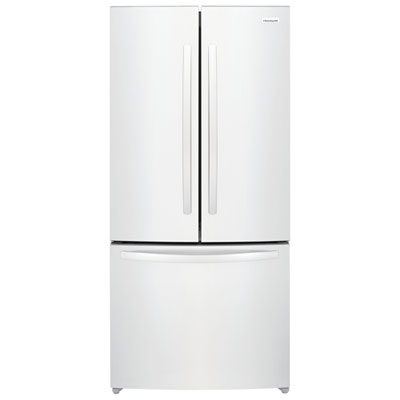 Your price for this item is $1599.99
-
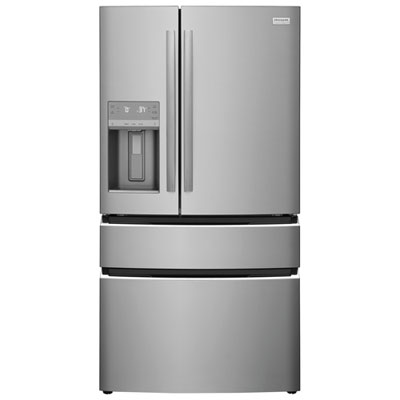 Your price for this item is $2799.99
Discover more categories related to Fridge Depth

Top Collections:
Pokemon Centers, Best Cameras for Sports Photography, Kindle Devices, Samsung Galaxy Phones, Canon G7X Cameras, Pokémon 30th Celebration Cards, Refurbished Apple Laptops, iPhone 15 Apple, Laptops for Students, Budget Smartphones
Some products may be subject to Environmental Handling Fees
(EHF) depending on your province.
Learn more about EHFs.