Fridge Size
Fridge Size plays a key role in finding the perfect fit for your kitchen and lifestyle. Whether you’re outfitting a spacious family home or a cozy apartment, choosing the right dimensions ensures your refrigerator meets both your storage needs and available space. Explore a wide selection of fridge sizes to match your daily routine, meal prep habits, and design preferences, making it easier to keep food fresh and organized.
Sort
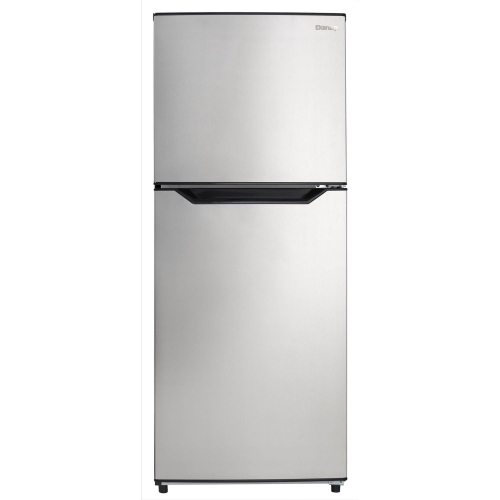
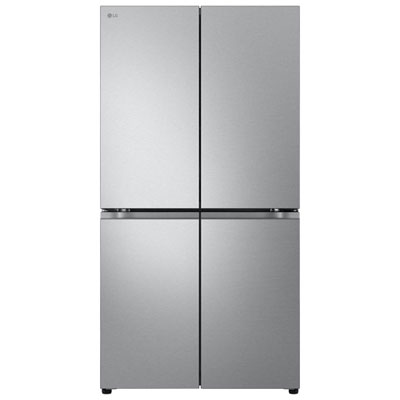
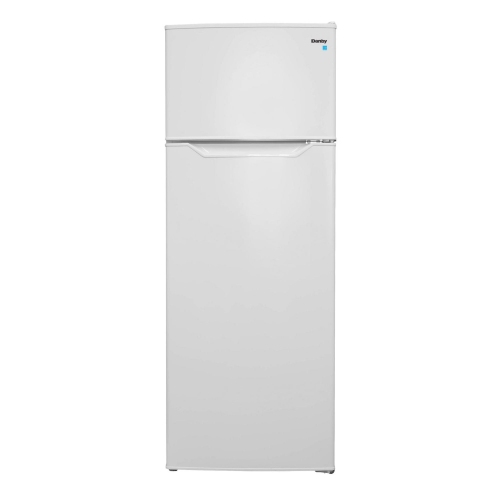
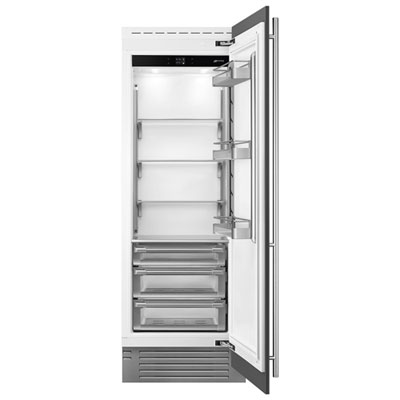
Why fridge fit goes beyond the cabinet opening
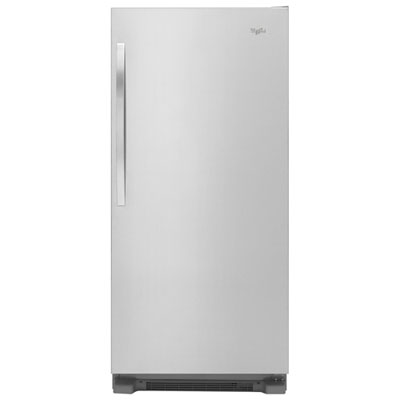
Fridge size describes both the space a refrigerator occupies in the kitchen and the amount of food it can hold inside. Standard full-size refrigerators typically measure about 28 to 36 inches wide, 61 to 72 inches high, and 26 to 35 inches deep, although dimensions vary by style and design. These ranges are useful for narrowing a selection, but the listed measurements and installation requirements for an individual refrigerator determine whether it will fit. Exterior dimensions are usually given in inches or centimetres, while storage capacity is commonly expressed in cubic feet. A larger capacity does not always mean a wider appliance: additional height or depth can create more storage within a similar footprint. For a replacement fridge, the cabinet opening is only part of the picture. Clearance beside the walls, room beneath an overhead cupboard, and space for ventilation all affect the fit. A refrigerator that slides into an opening may still be difficult to use if its door cannot swing far enough to let the crisper drawers pull out. Handles can also project into a walkway or come close to an island, particularly in a galley kitchen. Comparing fridge depth helps distinguish the cabinet measurement from the total depth with doors and handles, as well as the extra room needed when a door is open. Counter-depth refrigerators generally have shallower cabinets than standard-depth designs, creating a closer alignment with surrounding cabinetry, but their doors and handles may still extend beyond the counter. The route into the kitchen matters, too. Doorways, stair landings, tight corners, and lift openings can limit the size that can be delivered, even when the kitchen opening is generous. Where floors or surrounding cupboards are uneven, measurements taken at several points give a more realistic picture of the usable space. Manufacturer-specified clearances remain essential rather than being treated as optional space around the appliance.
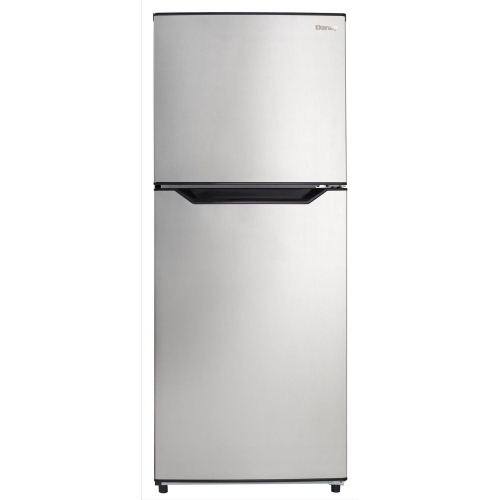
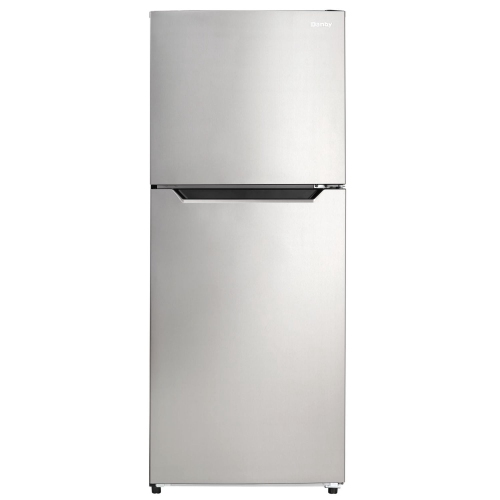
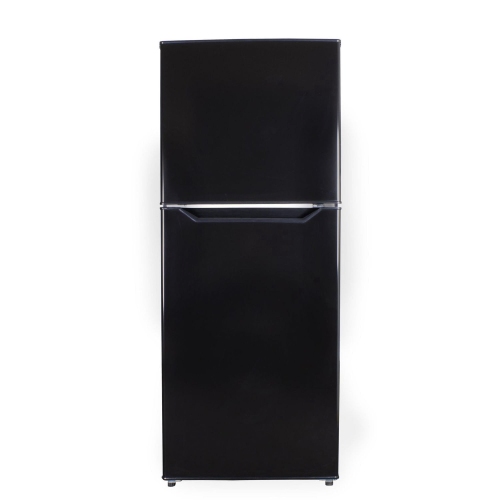
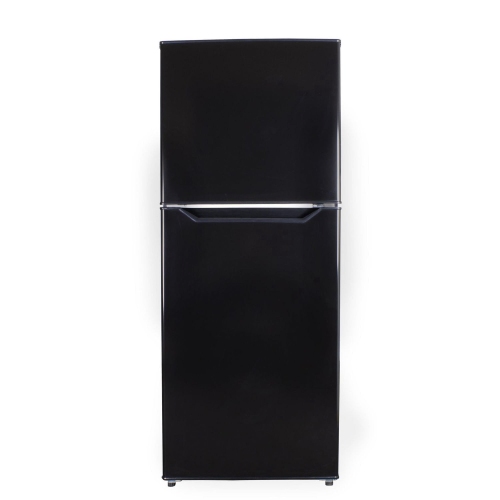
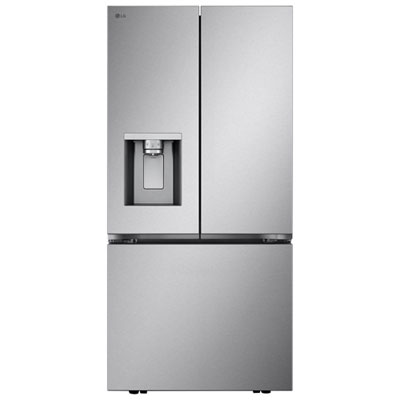
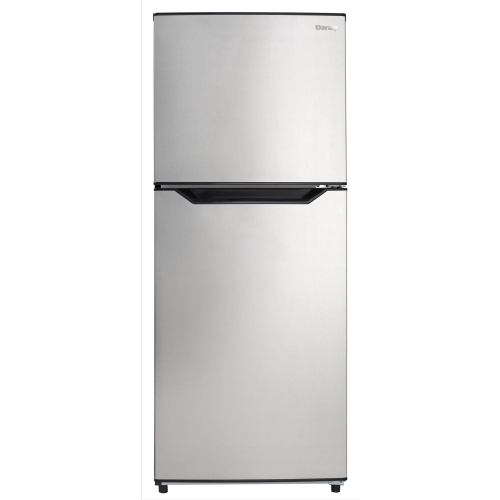
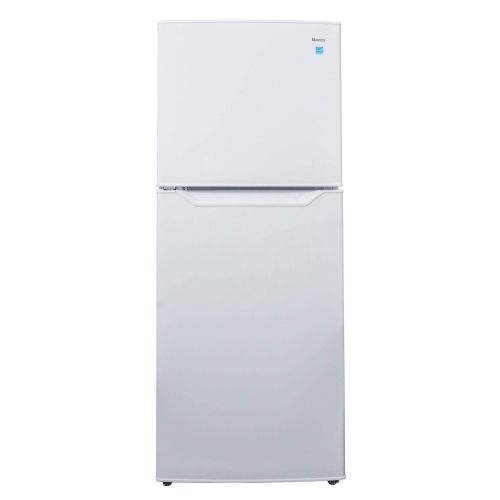
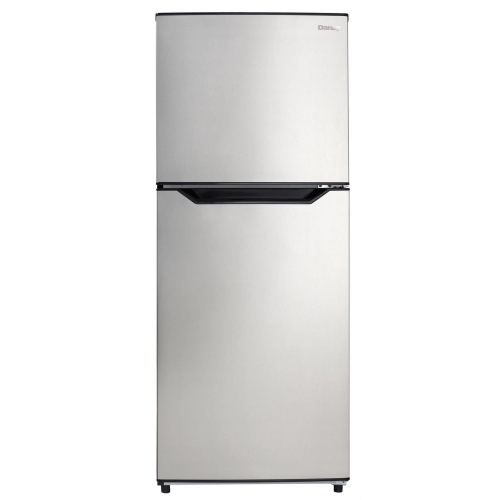
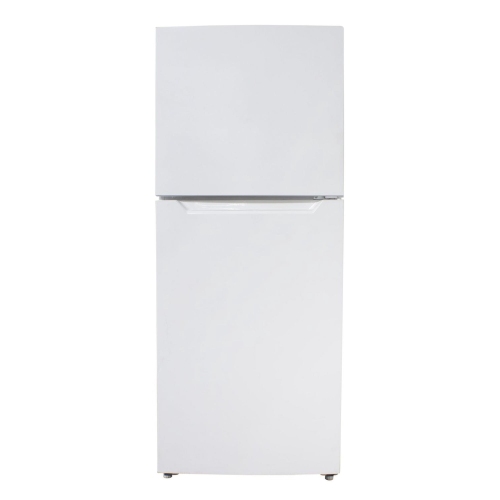
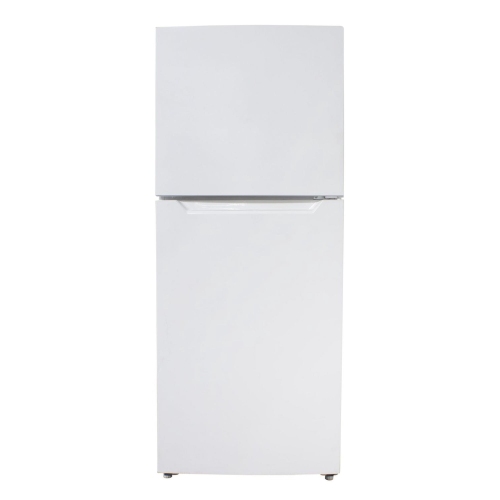
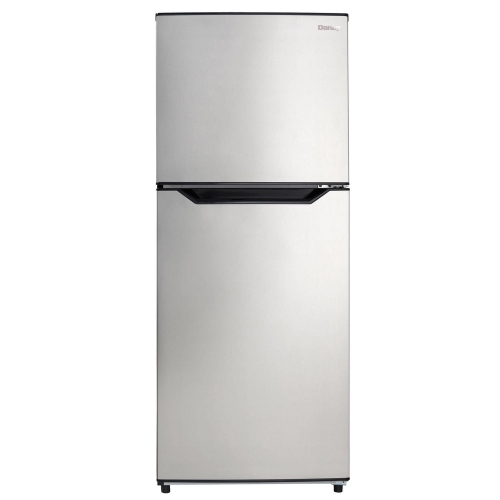
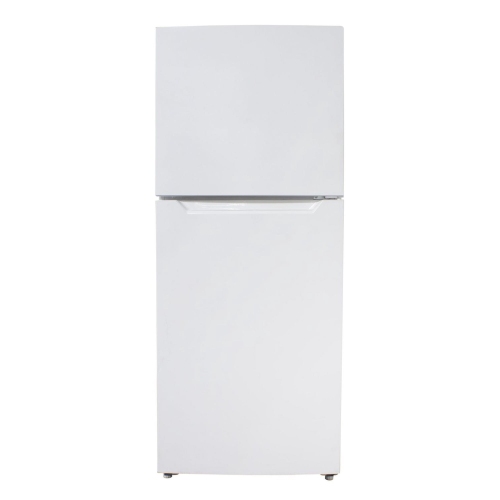
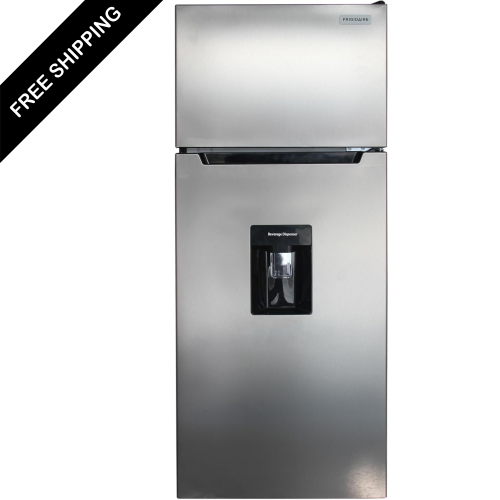
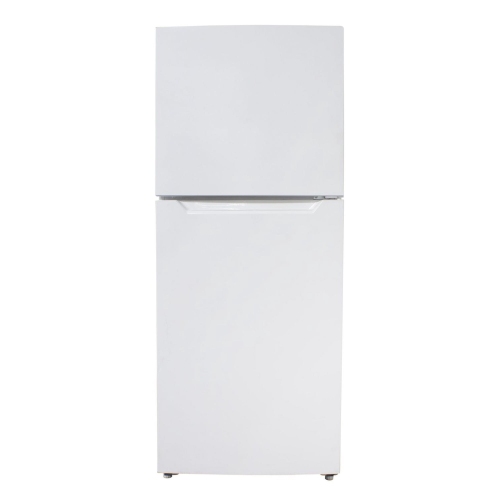
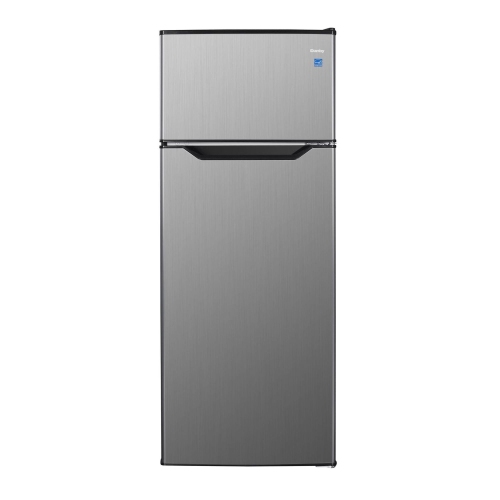
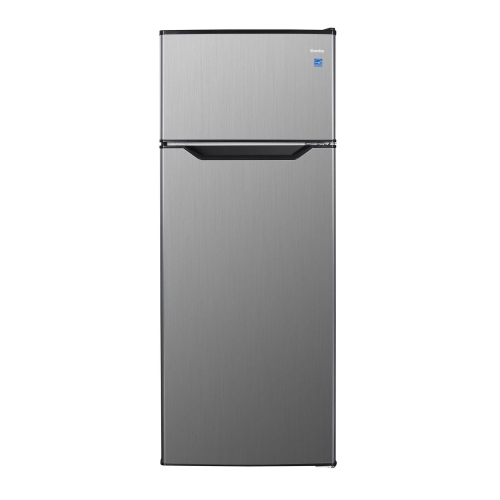
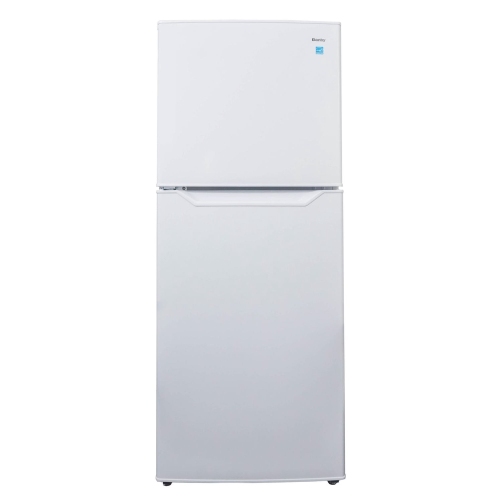
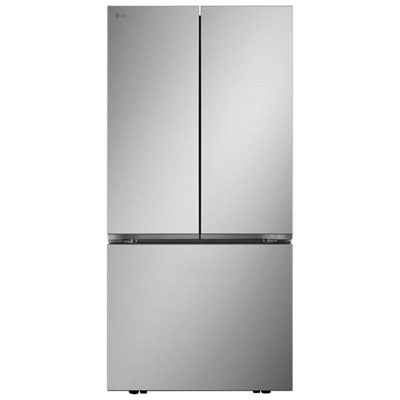
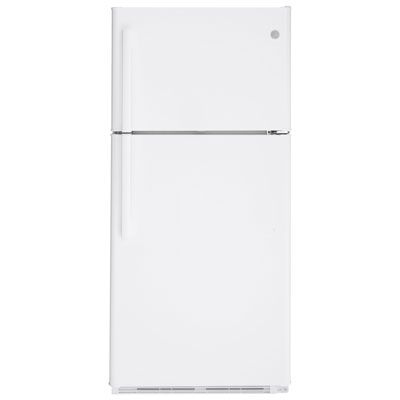
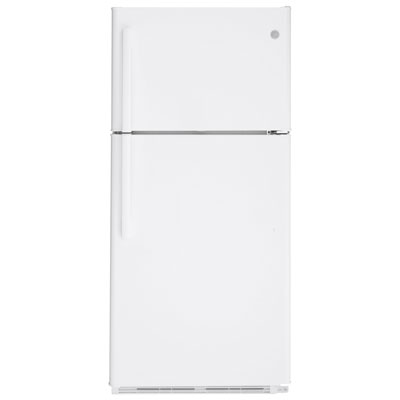
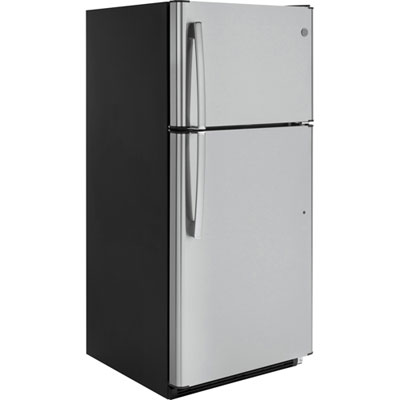
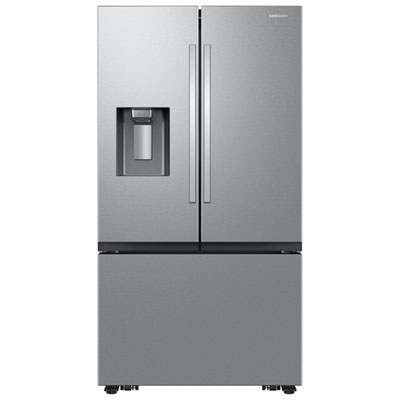
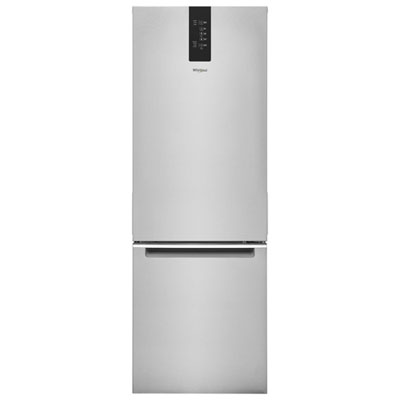
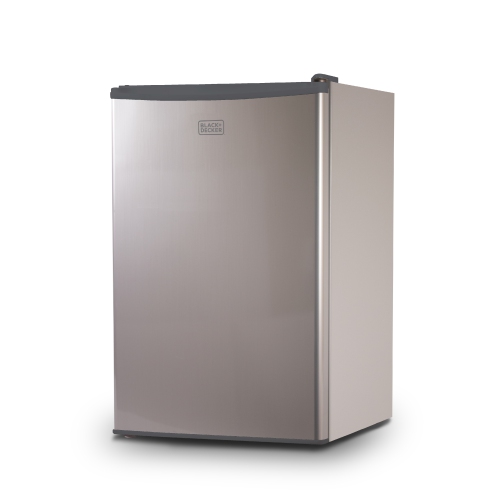
Refrigerator styles use that space differently, so the best fridge size depends on the layout as much as the overall measurements. Top-freezer refrigerators commonly fall around 28 to 33 inches wide and 61 to 67 inches high. Their familiar arrangement suits many smaller kitchens, with frozen food above the fresh-food compartment and a single main door below. Bottom-freezer refrigerators place more frequently used fresh food higher up, while frozen food sits in a lower drawer or compartment. These designs often measure roughly 29 to 36 inches wide and 67 to 70 inches high, though there are exceptions outside those ranges. French-door refrigerators combine two upper doors with freezer storage below, often within widths of about 29 to 36 inches and heights of 68 to 71 inches. Their broad fresh-food shelves can be useful for a casserole dish, a large serving platter, or several meal-prep containers arranged side by side. The narrower upper doors generally need less swing space than a single door of comparable total width, but the lower freezer drawer still needs clearance in front. Side-by-side refrigerators place fresh and frozen compartments next to each other and commonly measure about 32 to 40 inches wide and 65 to 72 inches high. They offer access to both types of storage at several heights, although the narrower compartments can make wide trays harder to accommodate. Apartment-size refrigerators provide another option where a conventional full-size footprint is too large, while compact refrigerators suit more limited storage needs in spaces such as an office or a permitted residence room. Neither category has a single standard size, making actual dimensions more useful than the category name alone. A reversible door, where offered, can help a smaller refrigerator work with the direction of a kitchen entrance or nearby counter. Door reversal, hinge clearance, and drawer access are design-specific details, not features that can be assumed from the appliance’s width.
Interior capacity is most useful when it reflects how a household shops, cooks, and stores food. As a broad starting point, around 14 to 18 cubic feet may suit one or two people using a refrigerator as their main food storage, while roughly 18 to 24 cubic feet can suit many households of three or four. Larger households, bulk shoppers, and frequent hosts may prefer 25 cubic feet or more. These are flexible planning ranges rather than fixed requirements: someone who cooks most meals at home may need more room than a larger household that shops frequently and keeps fewer ingredients on hand. A separate freezer can also reduce the amount of freezer space needed within the refrigerator. Total capacity includes both fresh-food and freezer storage, so the split between them deserves attention. Adjustable shelves, door bins, and divided drawers influence whether that capacity works for tall milk containers, leafy greens, lunch boxes, or stacked leftovers. An ice maker or dispenser can occupy some interior space, and tightly packed shelves can restrict airflow. Shelf materials and finishes affect everyday care as well. Tempered-glass shelves provide a flat surface for smaller containers, while raised edges on some shelves help contain spills. Removable bins make crumbs and drips easier to reach, provided there is enough door clearance to take them out. Stainless steel, coated metal, and other exterior finishes have different cleaning requirements; following the care directions helps avoid scratches or damage to protective coatings. Durability also depends on everyday details such as sturdy shelf supports, smoothly moving drawers, and door seals kept clean and unobstructed. In a busy shared kitchen, comfortable access to commonly used food can matter more than a small increase in stated capacity. For a smaller household, a well-arranged interior may offer all the usable room needed without taking over the kitchen. A suitable fridge size brings those practical details together: enough storage for daily routines, dimensions that respect the room, and doors and drawers that remain easy to use.
Top selling and popular products
-
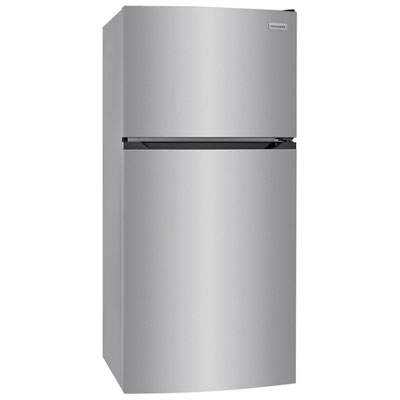 Your price for this item is $849.99
-
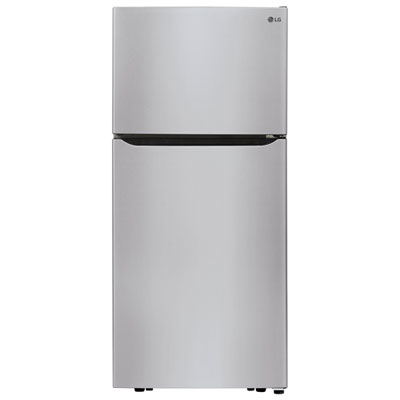 Your price for this item is $1149.99
-
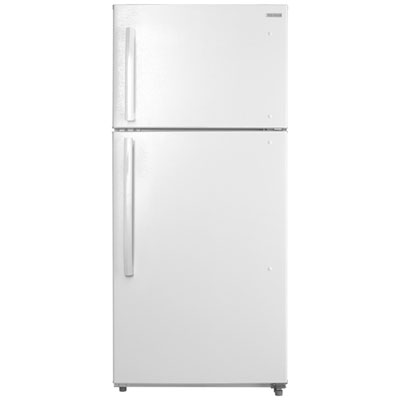 Your price for this item is $799.99
-
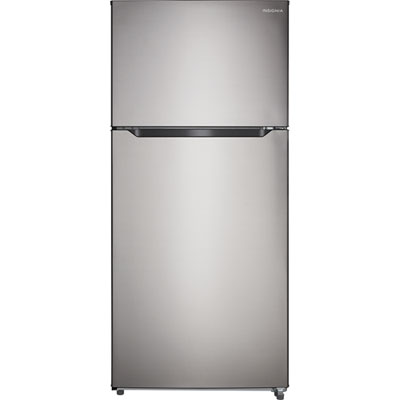 Your price for this item is $599.99
-
 Your price for this item is $849.99
-
 Your price for this item is $849.99
-
 Your price for this item is $899.99
-
 Your price for this item is $899.99
Discover more categories related to Fridge Size
Top Collections:
Pokemon Centers, Kindle Devices, Best Budget Office Chairs, Canon G7X Cameras, Apple iPhones 16, Samsung Galaxy Phones, Refurbished Apple Laptops, Laptops for Students, iPhone 15 Apple, Budget Smartphones
Some products may be subject to Environmental Handling Fees
(EHF) depending on your province.
Learn more about EHFs.