Fridge Ice Makers
Our selection of fridge ice makers provides the perfect solution for keeping your beverages chilled and your parties cool. Say goodbye to the hassle of constantly refilling ice trays and hello to effortless ice production at your fingertips. Whether you're hosting a gathering or simply enjoying a refreshing drink at home, these ice makers are designed to make your life easier. Explore our range of options to find the perfect fit for your fridge and elevate your cooling experience today.
Sort
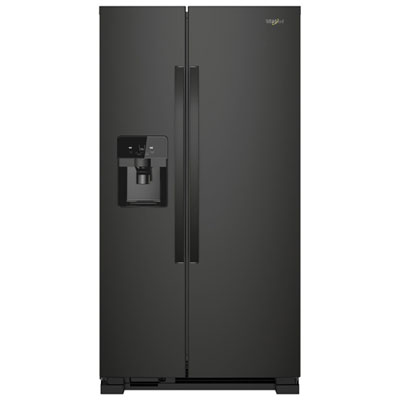
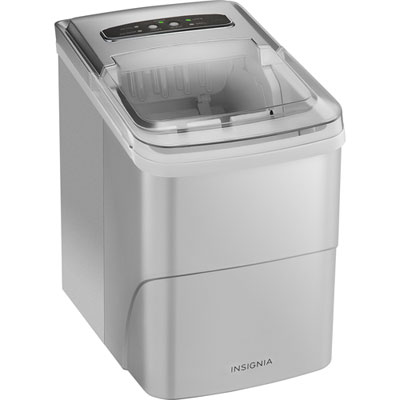
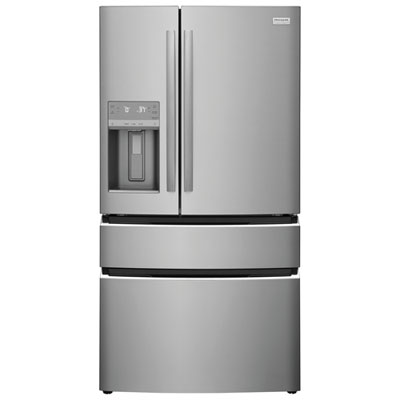
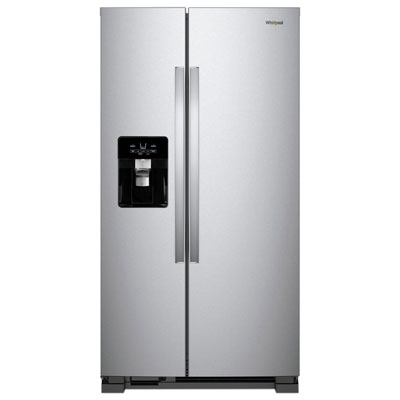
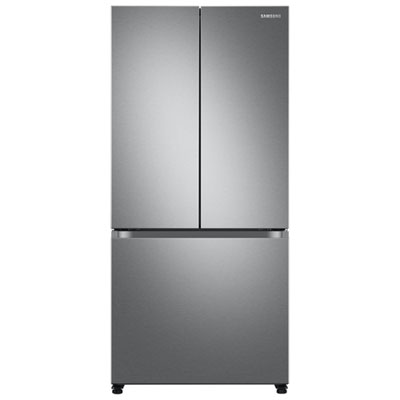
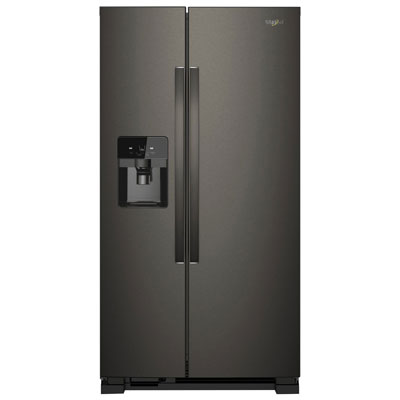
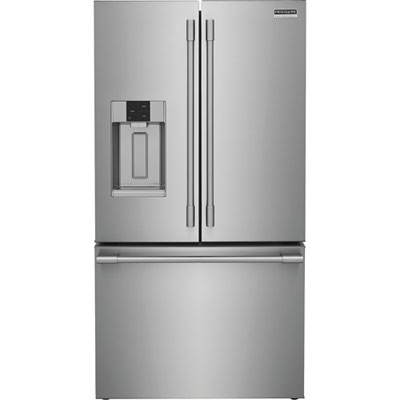
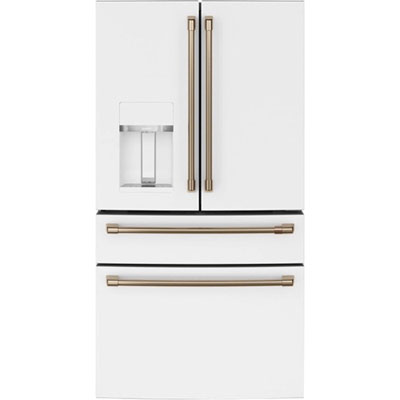
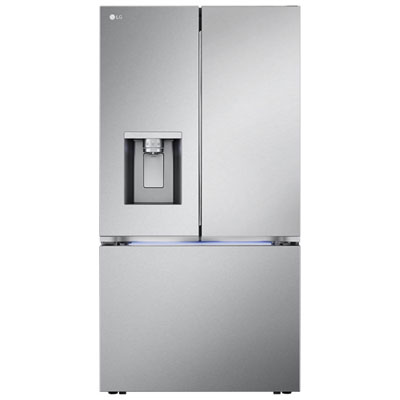
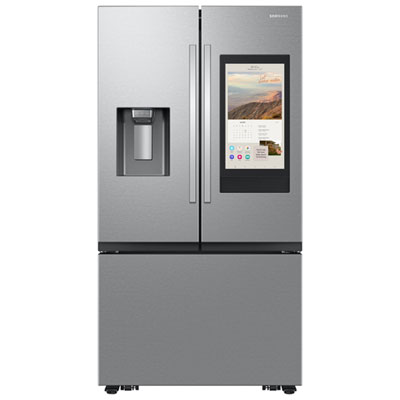
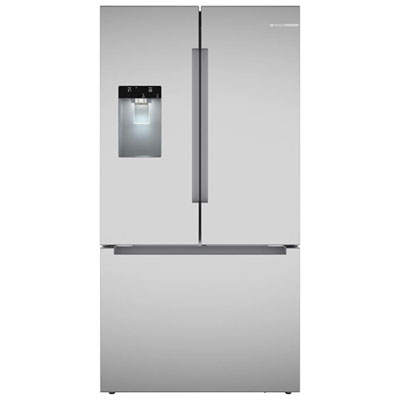
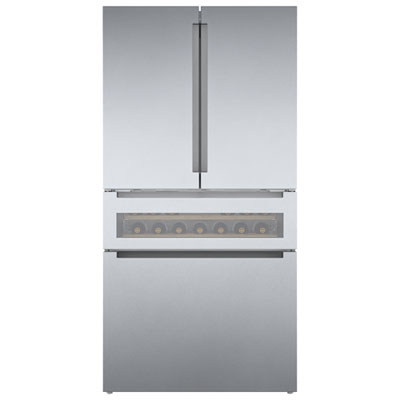
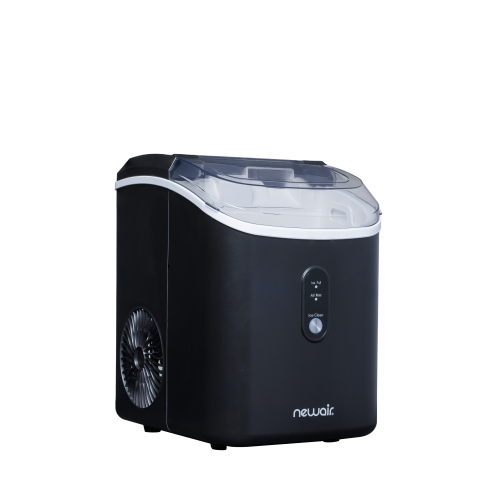
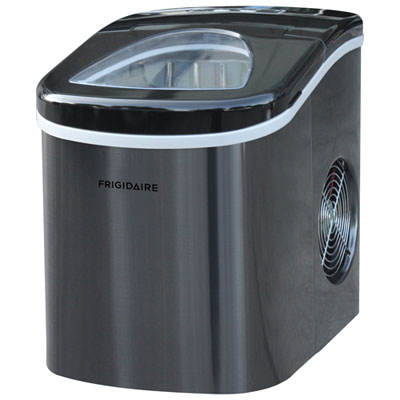
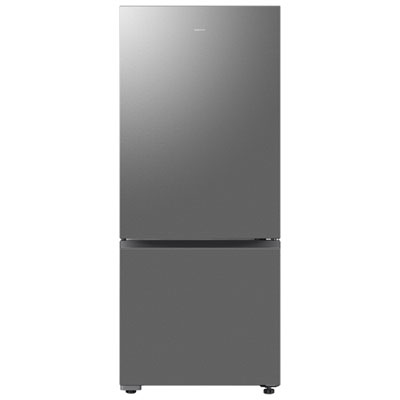
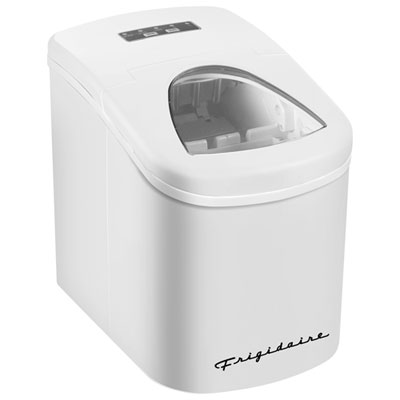
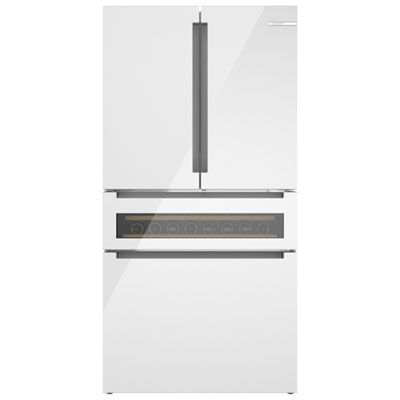
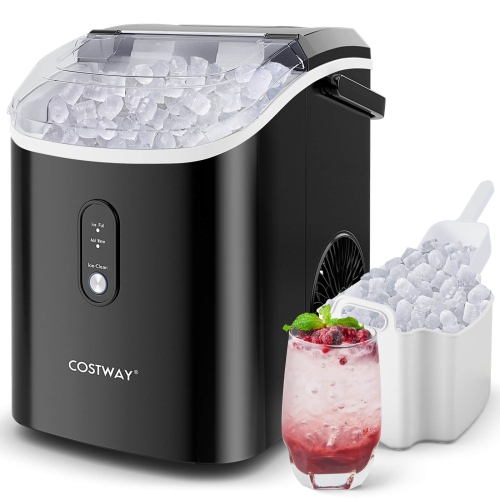
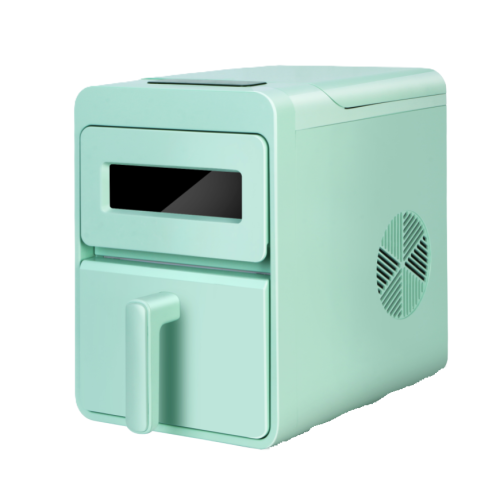
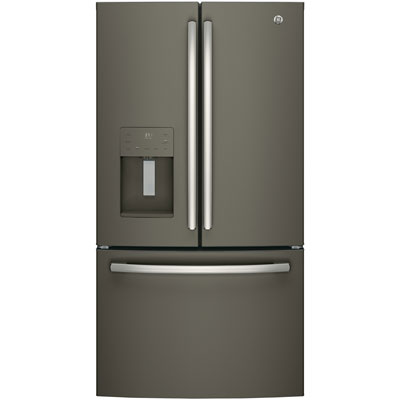
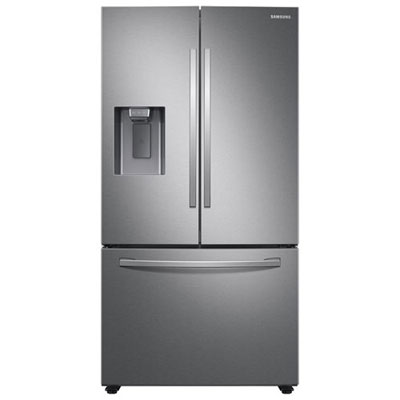
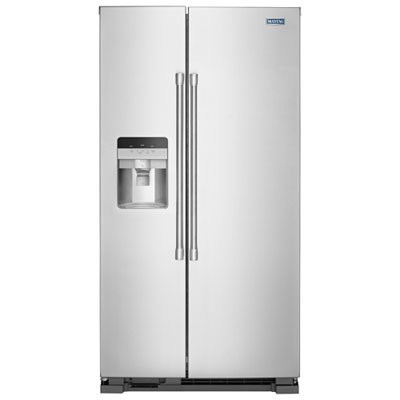
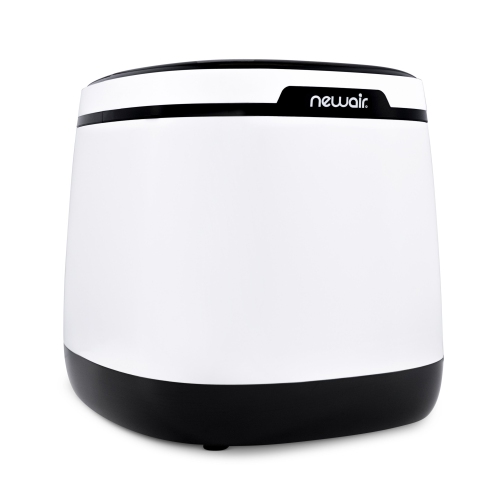
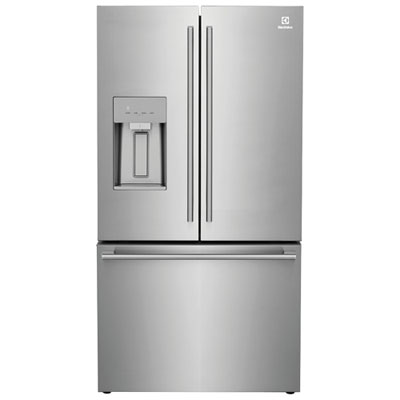
Reliable ice starts with the right setup and care
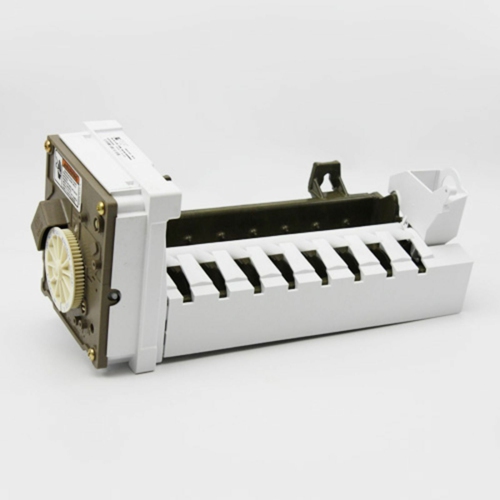
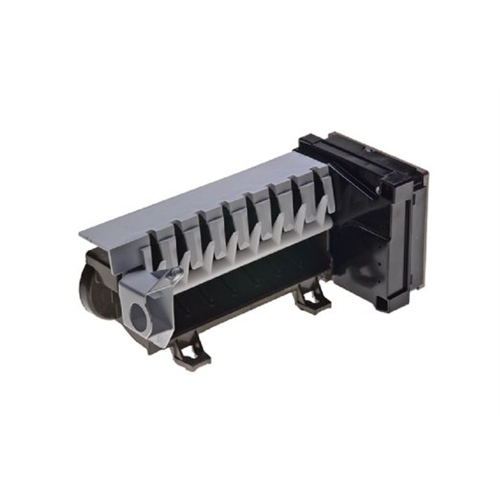
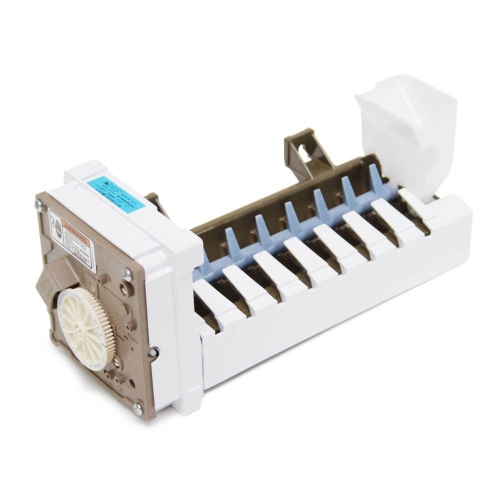
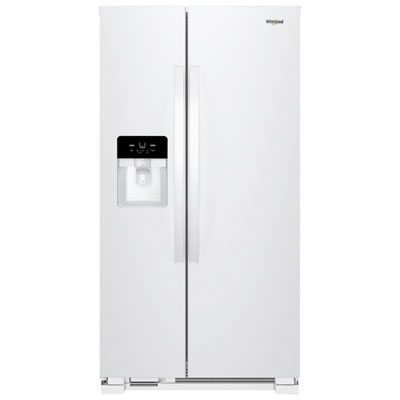
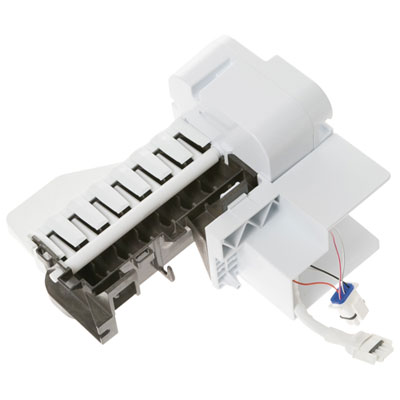
Fridge ice makers bring a steady supply of ice into the everyday rhythm of a kitchen, making it easier to fill water bottles, chill drinks, serve guests and keep a cooler ready for an outing. They are designed to work as part of a refrigerator’s freezing system, using a straightforward cycle that is largely automatic. A water inlet valve opens for a measured period and fills a mould, where the freezer temperature turns the water into ice. Once the cubes have frozen, a small heater briefly warms the mould so the ice can release, and a motorized arm or rotating ejector sweeps the cubes into a storage bin. The cycle repeats until the bin is full or a shut-off arm or electronic sensor detects that more ice is not needed. When comparing fridge ice makers, consider the type of ice you prefer, the amount of ice your household uses and the space available inside the freezer or refrigerator door. A standard single ice maker is often a practical choice for everyday use, while a dual ice maker can provide more capacity by producing ice in two areas, such as the freezer compartment and the refrigerator door. This arrangement can be helpful for busy households, frequent entertainers or anyone who likes to keep a generous supply on hand without filling the freezer with trays. Some refrigerators also offer specialty ice in distinctive shapes, including larger pieces that melt more slowly and can be well suited to chilled beverages. Storage-bin size, dispensing options, control settings and the location of the ice maker can all affect convenience. An ice maker positioned in the door may make it easy to access ice without opening the freezer, while a freezer-based system may offer more room for a larger supply. It is also worth checking that the ice maker is compatible with the refrigerator’s design, water connection and electrical requirements, particularly when selecting a replacement component or adding an ice-making function to an existing setup.
Water supply and installation details play an important role in dependable operation. Many fridge ice makers connect to the home’s cold-water line through a supply valve, so the line should be long enough to reach the connection without sharp bends, pinching or strain. A braided metal line is often selected for its flexibility and secure fit, and the supply valve should be fully open after installation. Before sliding a refrigerator back into place, check that the fittings are tight and inspect the connection for drips. Leaving enough clearance around the line makes it easier to examine later and helps prevent the tubing from being pressed against the wall or cabinet. A leak detector placed behind or near the refrigerator can provide an added alert if water collects where it is difficult to see. After the water is connected, the first batches of ice may be discarded to clear any residual taste or particles from the line, followed by a check that the cubes are forming properly and falling into the bin. The shut-off arm should be in the operating position, and an electronic ice sensor should be unobstructed. If an ice maker stops producing, common areas to check include the water supply, the position of the arm or sensor, the freezer temperature and the ice bin itself. A bin that is overfilled, incorrectly seated or blocked by clumped ice can prevent the system from dispensing or harvesting normally. Frost buildup, a frozen fill tube or an irregular water supply may also affect performance. For installation involving a new water line, built-in refrigerator connection or cabinetry adjustment, professional service can help ensure that the unit is level, secure and properly connected. Always follow the manufacturer’s instructions for the specific appliance or replacement unit, since connection points, controls and cleaning requirements can vary.
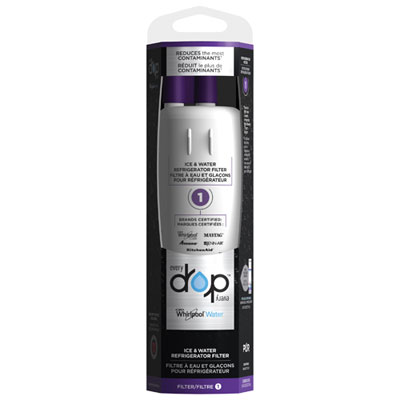
Regular care helps keep ice tasting clean and the mechanism working smoothly through warm days, family gatherings and the cooler months when a dependable supply is still useful for packed lunches, entertaining and everyday hydration. Empty and wash the ice bin at suitable intervals, then dry it completely before returning it to the refrigerator. Wipe away spills and residue around the dispenser area, and avoid using sharp tools to break apart frozen clumps, since they can damage the bin or nearby components. If cubes begin sticking together, emptying the bin and allowing the system to make a fresh batch can restore easy dispensing. Water quality can influence both flavour and maintenance, so households with hard water or noticeable odour may wish to review their refrigerator’s recommended filtration schedule. Replacement options can be found among Filters for Refrigerator Ice Makers, with the correct fit selected according to the refrigerator model and filter specification. Families with children may appreciate an accessible dispenser with simple controls, while hosts may value higher-capacity storage and fast access during gatherings. A fridge ice maker can also be a thoughtful practical gift for someone setting up a new kitchen, renovating a recreation room or replacing an older refrigerator component, particularly when the recipient enjoys cold drinks and entertaining. Whether the priority is basic cube production, a second source of ice or a more distinctive shape for serving, choosing a compatible system with the right capacity and connection requirements makes it easier to enjoy convenient ice without relying on trays that take up valuable freezer space.
Water supply and installation details play an important role in dependable operation. Many fridge ice makers connect to the home’s cold-water line through a supply valve, so the line should be long enough to reach the connection without sharp bends, pinching or strain. A braided metal line is often selected for its flexibility and secure fit, and the supply valve should be fully open after installation. Before sliding a refrigerator back into place, check that the fittings are tight and inspect the connection for drips. Leaving enough clearance around the line makes it easier to examine later and helps prevent the tubing from being pressed against the wall or cabinet. A leak detector placed behind or near the refrigerator can provide an added alert if water collects where it is difficult to see. After the water is connected, the first batches of ice may be discarded to clear any residual taste or particles from the line, followed by a check that the cubes are forming properly and falling into the bin. The shut-off arm should be in the operating position, and an electronic ice sensor should be unobstructed. If an ice maker stops producing, common areas to check include the water supply, the position of the arm or sensor, the freezer temperature and the ice bin itself. A bin that is overfilled, incorrectly seated or blocked by clumped ice can prevent the system from dispensing or harvesting normally. Frost buildup, a frozen fill tube or an irregular water supply may also affect performance. For installation involving a new water line, built-in refrigerator connection or cabinetry adjustment, professional service can help ensure that the unit is level, secure and properly connected. Always follow the manufacturer’s instructions for the specific appliance or replacement unit, since connection points, controls and cleaning requirements can vary.
Regular care helps keep ice tasting clean and the mechanism working smoothly through warm days, family gatherings and the cooler months when a dependable supply is still useful for packed lunches, entertaining and everyday hydration. Empty and wash the ice bin at suitable intervals, then dry it completely before returning it to the refrigerator. Wipe away spills and residue around the dispenser area, and avoid using sharp tools to break apart frozen clumps, since they can damage the bin or nearby components. If cubes begin sticking together, emptying the bin and allowing the system to make a fresh batch can restore easy dispensing. Water quality can influence both flavour and maintenance, so households with hard water or noticeable odour may wish to review their refrigerator’s recommended filtration schedule. Replacement options can be found among Filters for Refrigerator Ice Makers, with the correct fit selected according to the refrigerator model and filter specification. Families with children may appreciate an accessible dispenser with simple controls, while hosts may value higher-capacity storage and fast access during gatherings. A fridge ice maker can also be a thoughtful practical gift for someone setting up a new kitchen, renovating a recreation room or replacing an older refrigerator component, particularly when the recipient enjoys cold drinks and entertaining. Whether the priority is basic cube production, a second source of ice or a more distinctive shape for serving, choosing a compatible system with the right capacity and connection requirements makes it easier to enjoy convenient ice without relying on trays that take up valuable freezer space.
Top selling and popular products
-
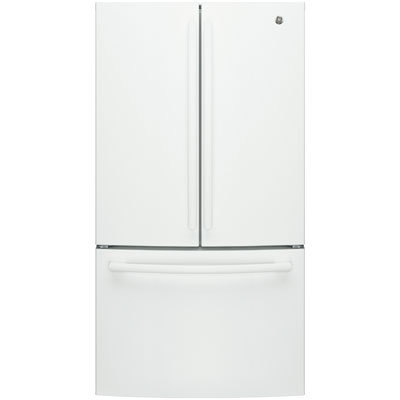 Your price for this item is $3299.99
 -
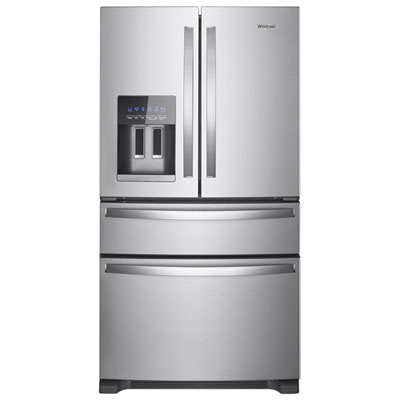 Your price for this item is $2999.99
 -
 Your price for this item is $2899.99
 -
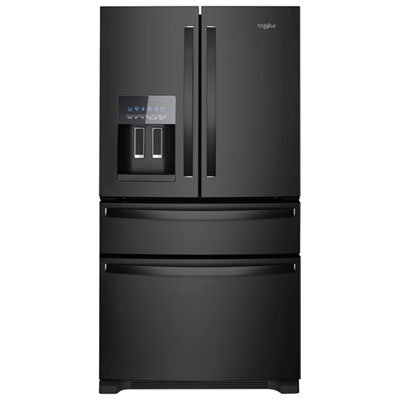 Your price for this item is $2949.99
 -
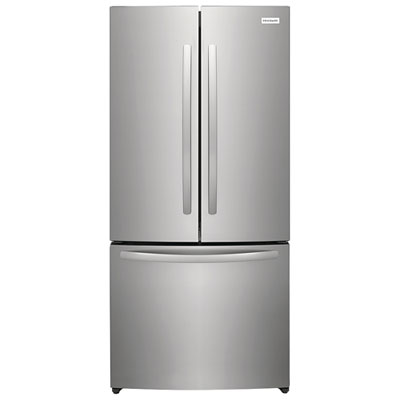 Your price for this item is $1599.99
 -
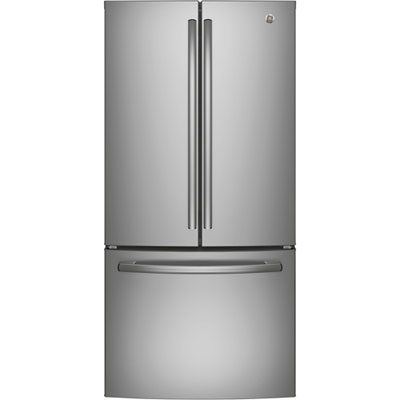 Your price for this item is $2399.99
 -
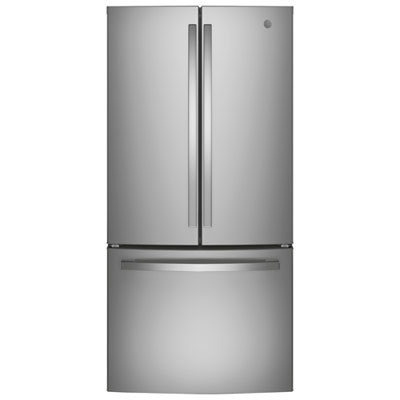 Your price for this item is $2499.99
 -
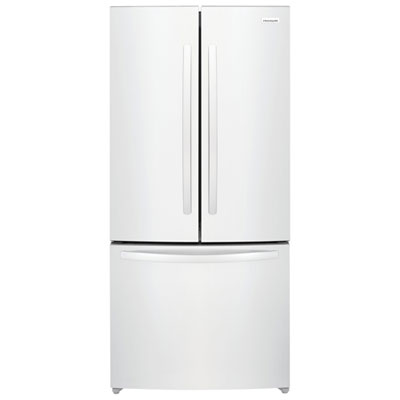 Your price for this item is $1949.99
Discover more categories related to Fridge Ice Makers
Top Collections:
Pokemon Centers, Kindle Devices, Best Budget Office Chairs, Apple iPhones 16, Best Laptops for Writers, iPhone 15 Apple, Canon G7X Cameras, Refurbished Apple Laptops, Alarm Clock, Motorola Razr Phones
Some products may be subject to Environmental Handling Fees
(EHF) depending on your province.
Learn more about EHFs.