Frigidaire Refrigerators With Ice Maker
Upgrade your kitchen with a Frigidaire Refrigerator With Ice Maker, designed to bring convenience and reliable performance to your home. Whether you're storing fresh groceries or keeping beverages cool, these refrigerators offer a practical solution for everyday needs. Enjoy the added benefit of built-in ice making capabilities, perfect for entertaining guests or enjoying a refreshing drink at any time. Explore a range of sizes and styles to find the ideal fit for your space and lifestyle.
Sort

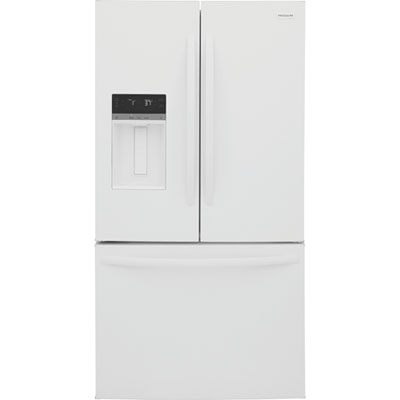
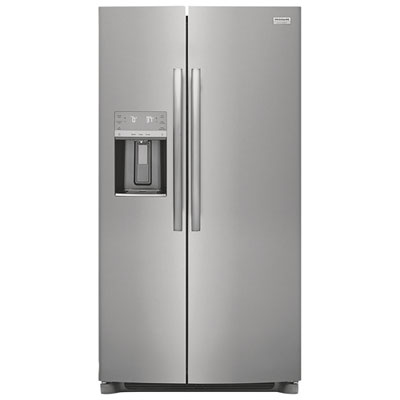
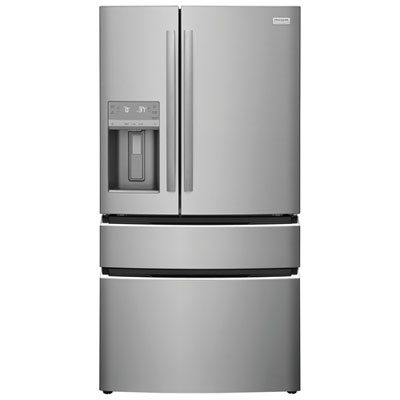
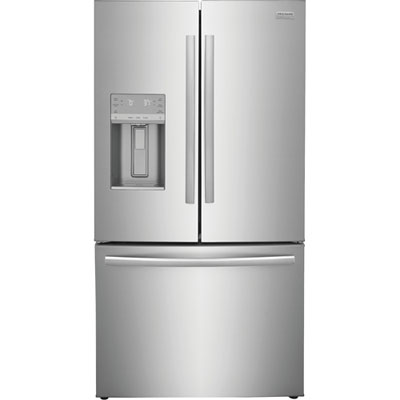
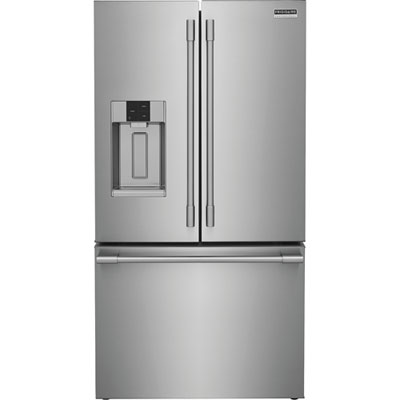

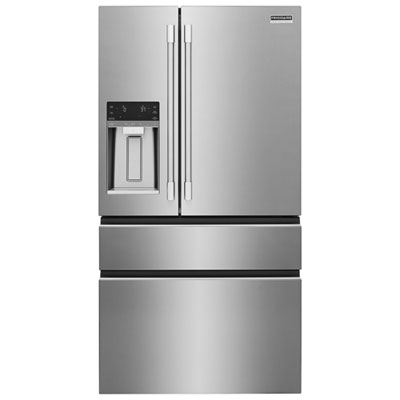
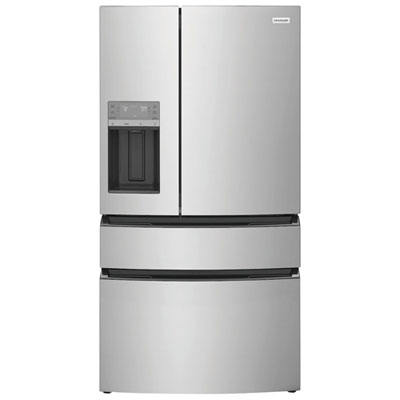
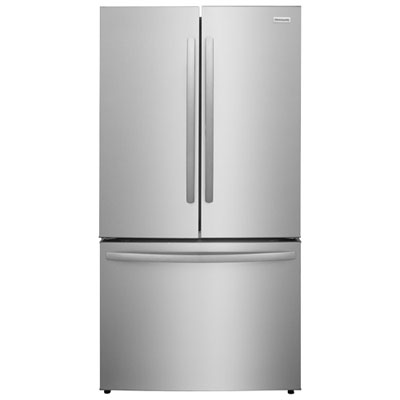
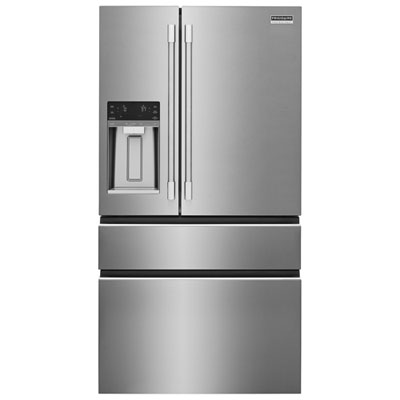
Everyday ice convenience starts with the right layout
Refrigerators with ice makers bring a useful everyday convenience to the kitchen, keeping ice ready for a glass of water, a reusable drink bottle or a pitcher shared around the dinner table. An automatic ice maker typically freezes water in a dedicated tray and releases the cubes into a storage bin, reducing the need to refill and balance separate trays among frozen groceries. The location of that bin makes a difference to daily use. A freezer-mounted ice maker may keep ice tucked behind a drawer or door, while other arrangements place the ice-making system closer to a dispenser. An ice maker does not necessarily include a water dispenser or through-the-door ice access, so the feature descriptions matter when comparing layouts. French-door refrigerators can offer wide shelves for serving dishes and groceries, with frozen food below; side-by-side layouts divide fresh and frozen storage vertically; and other configurations place the freezer above or below the refrigerator compartment. Each arrangement changes how someone reaches for ice, organizes frozen meals and loads larger containers. For a household filling several water bottles before school or work, easy access to the ice bin may matter more than a dispenser on the front of the door. For people who regularly serve drinks to guests, ice storage capacity and the stated production rate deserve a closer look. Production and storage are different measurements: a bin can hold only so much ice, even when the system can make more over a full day. Actual output also depends on installation, operating conditions and use, so a busy evening can draw down the supply faster than it is replenished. A removable bin can make it easier to transfer ice into a larger container, where that use is supported. For households that prefer dispensing ice directly into a glass, Refrigerators With Ice Dispenser offer another serving arrangement to consider alongside the refrigerator’s overall storage layout.
A refrigerator needs to fit both the kitchen opening and the way the room is used. Width, height and depth are only the starting measurements; handles, hinges, required ventilation spaces and the room needed to open doors or pull out drawers all affect the fit. A cabinet beside the appliance or a nearby wall can limit door movement, making it harder to remove a crisper drawer even when the refrigerator itself fits into the opening. Measuring the delivery route is equally important, especially in a home with narrow doorways, tight stair landings or a turn between the entrance and kitchen. Counter-depth designs generally project less into the room than standard-depth designs, but the doors and handles may still extend beyond the cabinetry. That distinction can matter beside an island or in a kitchen where more than one person prepares meals. Inside, usable space deserves as much attention as the total capacity figure. An ice bin, dispenser assembly or other components can occupy storage space, and their placement may affect whether a tall container fits on a particular shelf. Adjustable shelving, door bins and divided freezer storage can help accommodate grocery routines, from upright milk containers to flat packages of frozen food. Most automatic ice makers require a suitable potable water connection, making the location of the supply line part of installation planning rather than an afterthought. Connection requirements, water pressure and any filtration needs should match the appliance’s installation instructions. Exterior materials and finishes also influence everyday ownership. Stainless steel, painted surfaces and finishes described as fingerprint-resistant can have different cleaning requirements, and a finish that reduces visible marks is not necessarily scratchproof. Handles and door edges are frequent touchpoints, particularly in a busy family kitchen. Inside, shelf materials, drawer construction and accessible spill areas can make routine cleaning more manageable. Durability depends partly on appropriate use: shelves should remain within their stated load limits, drawers should move without being forced, and doors need enough clearance to operate without repeatedly striking nearby cabinetry.
Keeping an ice-making refrigerator working well involves the same regular care as other refrigerators, with a little extra attention to the water supply and ice compartment. When a water filter is fitted, its replacement schedule and approved replacement type should follow the manufacturer’s directions; not every refrigerator uses the same filtration arrangement. After installation, a filter change or an extended period without use, the instructions may call for flushing the system or discarding initial batches of ice. Allowing the appliance to complete its recommended startup process helps set realistic expectations, since a newly connected ice maker may not fill its bin immediately. The storage bin also benefits from periodic emptying and cleaning as directed. Ice left unused for a long period can clump together or pick up odours from uncovered food, so sealed food containers and a clean freezer help preserve its quality. A scoop, where suitable for the bin, can make serving easier without repeatedly handling the ice. Any scoop or utensil should be kept clear of moving ice-maker parts, and sharp tools should never be used to break apart ice inside the mechanism. If dispensing slows or stops, checking the troubleshooting instructions is a better starting point than forcing a lever or reaching into the assembly. Routine refrigerator care still matters: wipe spills promptly, clean door seals gently, keep required vents unobstructed and maintain the recommended operating settings. These habits support consistent cooling and help doors close properly. For a shared household, simple controls and an easy-to-reach bin can make daily use straightforward; for someone who frequently carries a pitcher or a larger drink bottle, the access opening and filling space may be more important. The most suitable refrigerator balances those small interactions with room for the groceries used every day. An ice maker adds convenience when its location, capacity and care requirements suit the household, without making fresh-food storage, freezer organization or movement around the kitchen less practical.
Top selling and popular products
-
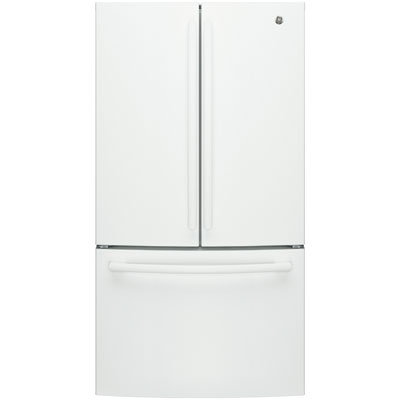 Your price for this item is $1799.99
-
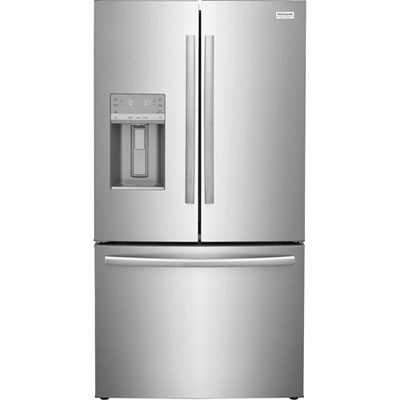 Your price for this item is $2499.99
-
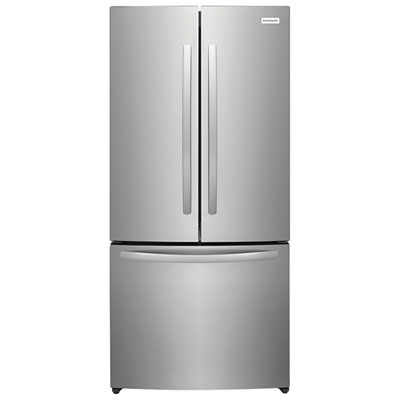 Your price for this item is $1499.99
-
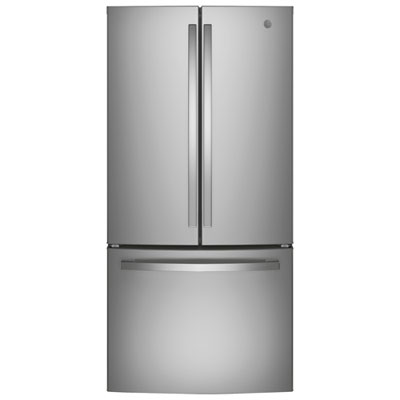 Your price for this item is $1749.99
-
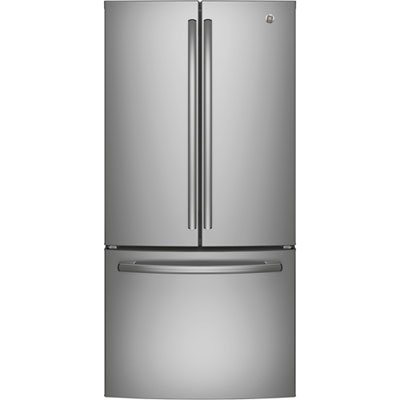 Your price for this item is $1599.99
-
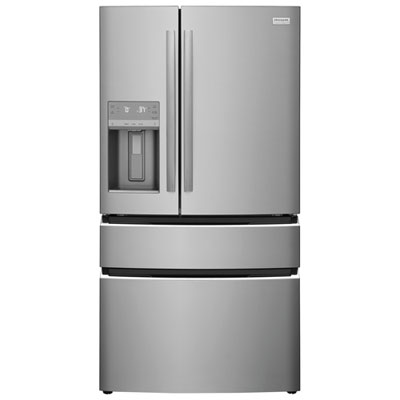 Your price for this item is $2799.99
-
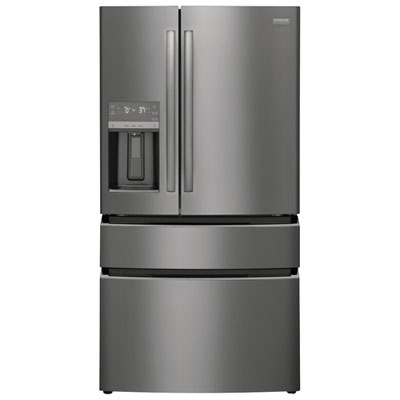 Your price for this item is $2899.99
-
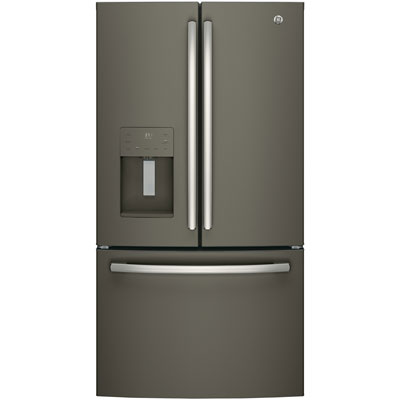 Your price for this item is $2149.99
Discover more categories related to Frigidaire Refrigerators With Ice Maker
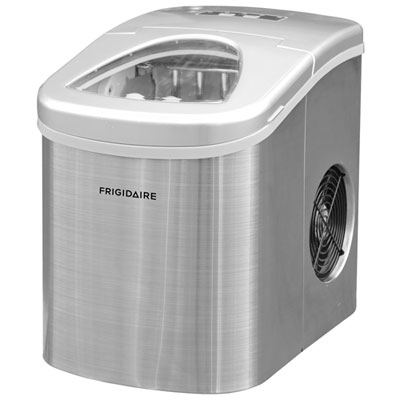
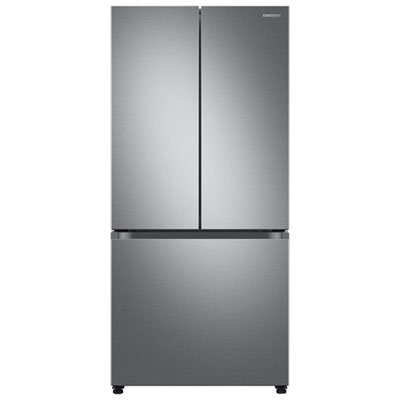
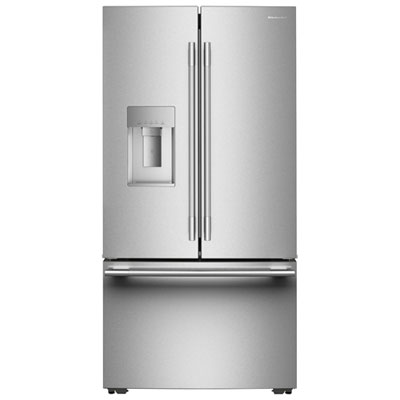
Top Collections:
Best Black Friday Deals This Year, Best Black Friday Deals On Electronics, Kindle Devices, Best Black Friday Deals On Apple Products, Best Budget Office Chairs, Best Cameras for Sports Photography, Dyson Airwrap, Canon G7X Cameras, Best Laptops for Writers, Samsung Galaxy Phones
Some products may be subject to Environmental Handling Fees
(EHF) depending on your province.
Learn more about EHFs.