Frigidaire Microwaves
If you're looking to upgrade your kitchen with a versatile and efficient appliance, this selection of microwaves offers a range of options to suit your cooking needs. Whether you're reheating leftovers, defrosting ingredients, or preparing a quick meal, a microwave can be a time-saving essential in almost any modern kitchen. With various sizes, power levels, and features available, finding the perfect microwave to complement your culinary routine is easy.
Sort
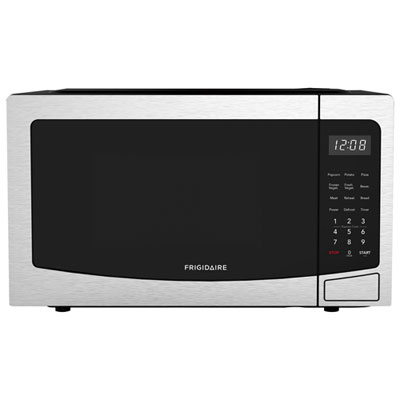
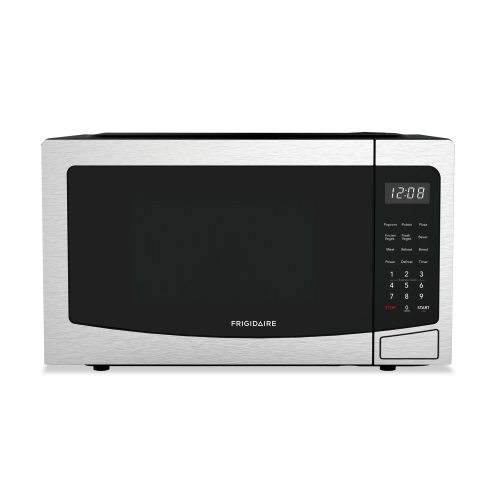
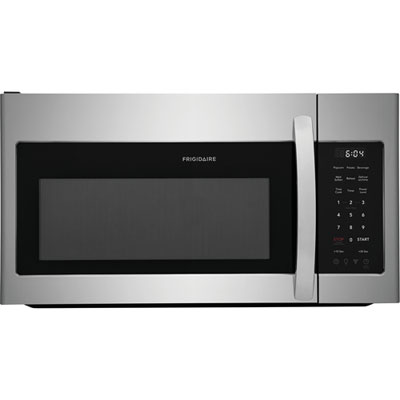
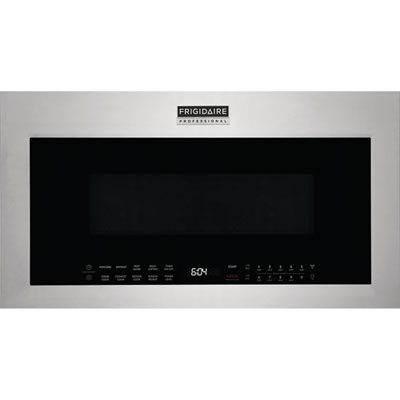
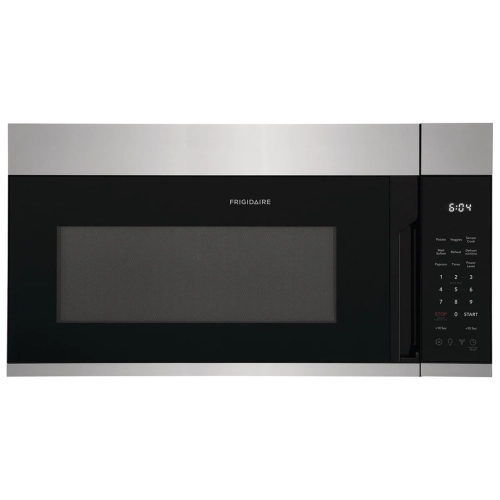
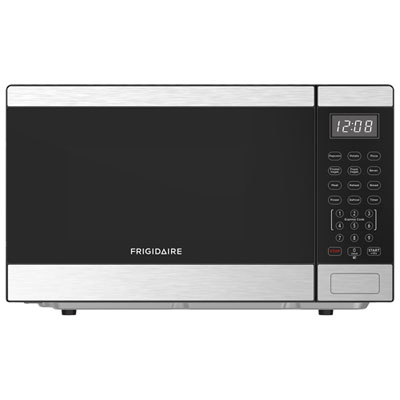
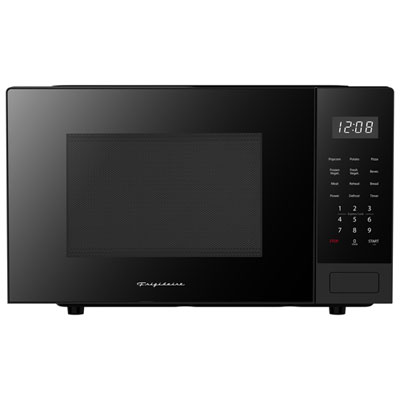
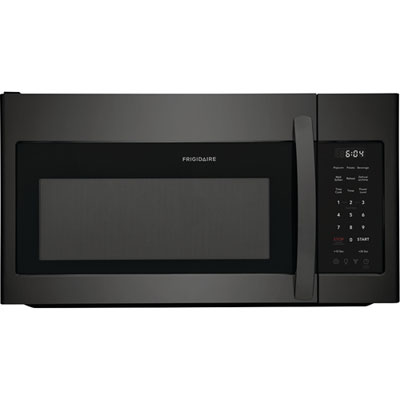
The right microwave fit goes beyond capacity
Microwaves make everyday kitchen tasks easier, from reheating a plate of pasta to softening butter for a batch of cookies. The right fit depends on how much space is available, what usually goes inside, and how the appliance will sit alongside the rest of the kitchen. Countertop microwaves offer a straightforward setup on a suitable level surface, making them practical for apartments, shared kitchens, and homes where a built-in installation is not needed. Compact designs leave more room for food preparation, while larger interiors can accommodate wider plates and bulkier microwave-safe dishes. Capacity alone does not tell the whole story: the shape of the cavity, turntable diameter, and door opening all affect whether a favourite casserole dish will fit comfortably. A rectangular container also needs enough clearance to rotate freely in a turntable model. Over-the-range microwaves combine cooking space with a ventilation system and cooktop lighting, freeing up the counter while placing the appliance above the range. Their suitability depends on cabinet dimensions, mounting requirements, cooking-surface clearance, and the ventilation configuration supported by the model. Built-in designs create a more integrated appearance within cabinetry, sometimes using a compatible trim kit specified for the appliance. A countertop microwave should not be enclosed in a cabinet unless its installation instructions expressly permit that arrangement. Across these formats, exterior measurements matter just as much as interior volume. Space for the door to swing open, access to the controls, required ventilation gaps, and a suitable electrical connection all contribute to a workable fit. Placement also affects everyday comfort. Lifting a hot bowl from above shoulder height can be awkward, whereas a stable position at a comfortable reach makes it easier to move food safely. For a replacement appliance, matching the existing opening is only part of the job; installation details and clearances still need to match the new unit’s requirements.
Cooking power and controls influence how a microwave feels to use day after day. Wattage describes cooking output, with higher-output models generally heating food faster than lower-output models under similar conditions. Actual results still depend on portion size, food density, starting temperature, and the shape of the container. A shallow dish of rice behaves differently from a deep bowl of stew, even when both use the same setting. Adjustable power levels allow gentler heating for tasks such as softening butter, melting chocolate, or warming foods that can toughen at full power. Timed cooking remains useful for familiar routines, while express-start controls simplify quick tasks when hands are busy preparing the rest of a meal. On models equipped with sensor cooking or sensor reheating, the appliance uses feedback such as moisture released by food to adjust operation, reducing some of the guesswork involved in reheating. Preset programmes provide shortcuts for designated foods, though portion limits and container instructions still matter. Defrost settings can help prepare frozen ingredients for cooking; foods with uneven shapes may need turning, separating, or shielding only as specifically permitted by the manufacturer. Defrosted meat, poultry, and fish should be cooked promptly. Some microwaves also offer convection cooking, which circulates heated air for baking and roasting, or an air-fry function designed to crisp suitable foods with the specified accessories. These capabilities vary by model and should not be assumed from the appliance’s size or appearance. Microwave-only heating does not produce the same browned surface as an oven, so combination functions serve a different purpose from basic reheating. A removable turntable supports everyday convenience, while any turntable-off setting should be used according to the appliance instructions. Clear displays, readable buttons, interior lighting, and a door handle or release button that feels comfortable can be more valuable in daily use than a long list of programmes. For a busy household, the most useful controls are often the ones that make a familiar breakfast, lunch, or evening meal simpler.
Materials and finish shape both the appearance of a microwave and the effort needed to keep it looking tidy. Stainless steel finishes suit many contemporary kitchens, while painted finishes can blend with cabinetry or add contrast to a small appliance area. Resistance to fingerprints varies by surface treatment, so a metallic appearance does not necessarily mean a finish will hide smudges. For a kitchen with a more nostalgic look, Frigidaire Retro offers a related design direction to explore. Whatever the style, a microwave earns its place through practical details: an interior that is easy to wipe, a removable glass tray where fitted, and controls that remain legible through frequent use. Food splatters are easier to manage when cleaned promptly after the interior has cooled, using a soft cloth and a cleaner permitted by the manufacturer. Abrasive pads and harsh chemicals can damage finishes, and moisture should be kept out of vents and control openings. The door edges and contact surfaces also need to remain clean so the door closes properly. A damaged door, hinge, latch, or seal calls for assessment by a qualified service professional rather than continued use or a home repair. For over-the-range installations, grease-filter cleaning and any charcoal-filter replacement are additional care considerations; the correct routine depends on whether the unit vents outdoors or recirculates air. Ventilation performance should also suit the cooking setup, since a microwave ventilation system is not automatically a substitute for every range hood application. Inside the appliance, microwave-safe glass or ceramic dishes provide useful everyday options, provided they have no unsuitable metallic decoration. Plastics should be labelled for microwave use, and supplied metal racks belong only in the modes and positions the manufacturer allows. Loosely covering food with a suitable vented cover helps contain splatters, while stirring and allowing standing time can improve heat distribution. These practical details support frequent use, whether the microwave serves one person reheating lunch or a household preparing several dishes around different schedules. A well-matched appliance combines comfortable access, suitable capacity, straightforward controls, and care requirements that fit naturally into the kitchen routine.
Cooking power and controls influence how a microwave feels to use day after day. Wattage describes cooking output, with higher-output models generally heating food faster than lower-output models under similar conditions. Actual results still depend on portion size, food density, starting temperature, and the shape of the container. A shallow dish of rice behaves differently from a deep bowl of stew, even when both use the same setting. Adjustable power levels allow gentler heating for tasks such as softening butter, melting chocolate, or warming foods that can toughen at full power. Timed cooking remains useful for familiar routines, while express-start controls simplify quick tasks when hands are busy preparing the rest of a meal. On models equipped with sensor cooking or sensor reheating, the appliance uses feedback such as moisture released by food to adjust operation, reducing some of the guesswork involved in reheating. Preset programmes provide shortcuts for designated foods, though portion limits and container instructions still matter. Defrost settings can help prepare frozen ingredients for cooking; foods with uneven shapes may need turning, separating, or shielding only as specifically permitted by the manufacturer. Defrosted meat, poultry, and fish should be cooked promptly. Some microwaves also offer convection cooking, which circulates heated air for baking and roasting, or an air-fry function designed to crisp suitable foods with the specified accessories. These capabilities vary by model and should not be assumed from the appliance’s size or appearance. Microwave-only heating does not produce the same browned surface as an oven, so combination functions serve a different purpose from basic reheating. A removable turntable supports everyday convenience, while any turntable-off setting should be used according to the appliance instructions. Clear displays, readable buttons, interior lighting, and a door handle or release button that feels comfortable can be more valuable in daily use than a long list of programmes. For a busy household, the most useful controls are often the ones that make a familiar breakfast, lunch, or evening meal simpler.
Materials and finish shape both the appearance of a microwave and the effort needed to keep it looking tidy. Stainless steel finishes suit many contemporary kitchens, while painted finishes can blend with cabinetry or add contrast to a small appliance area. Resistance to fingerprints varies by surface treatment, so a metallic appearance does not necessarily mean a finish will hide smudges. For a kitchen with a more nostalgic look, Frigidaire Retro offers a related design direction to explore. Whatever the style, a microwave earns its place through practical details: an interior that is easy to wipe, a removable glass tray where fitted, and controls that remain legible through frequent use. Food splatters are easier to manage when cleaned promptly after the interior has cooled, using a soft cloth and a cleaner permitted by the manufacturer. Abrasive pads and harsh chemicals can damage finishes, and moisture should be kept out of vents and control openings. The door edges and contact surfaces also need to remain clean so the door closes properly. A damaged door, hinge, latch, or seal calls for assessment by a qualified service professional rather than continued use or a home repair. For over-the-range installations, grease-filter cleaning and any charcoal-filter replacement are additional care considerations; the correct routine depends on whether the unit vents outdoors or recirculates air. Ventilation performance should also suit the cooking setup, since a microwave ventilation system is not automatically a substitute for every range hood application. Inside the appliance, microwave-safe glass or ceramic dishes provide useful everyday options, provided they have no unsuitable metallic decoration. Plastics should be labelled for microwave use, and supplied metal racks belong only in the modes and positions the manufacturer allows. Loosely covering food with a suitable vented cover helps contain splatters, while stirring and allowing standing time can improve heat distribution. These practical details support frequent use, whether the microwave serves one person reheating lunch or a household preparing several dishes around different schedules. A well-matched appliance combines comfortable access, suitable capacity, straightforward controls, and care requirements that fit naturally into the kitchen routine.
Top selling and popular products
-
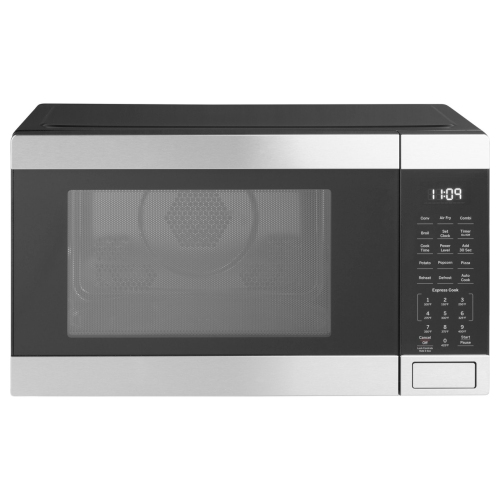 Your price for this item is $509.99
 -
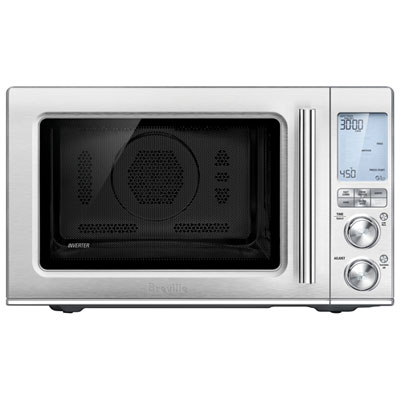 Your price for this item is $529.98
 -
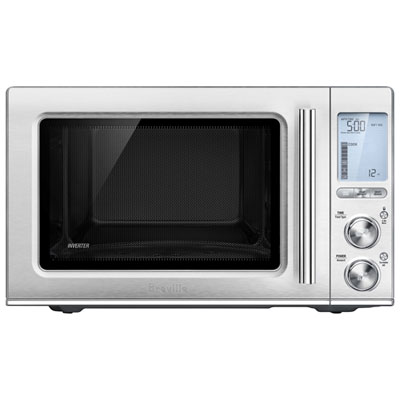 Your price for this item is $459.99
 -
 Your price for this item is $114.99
 -
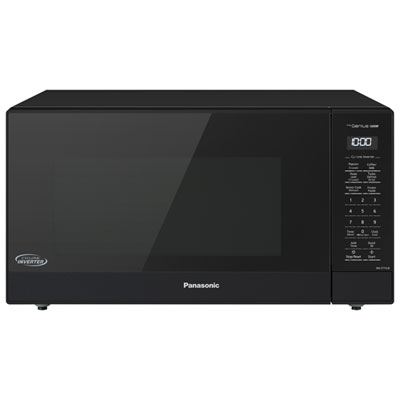 Your price for this item is $279.99
 -
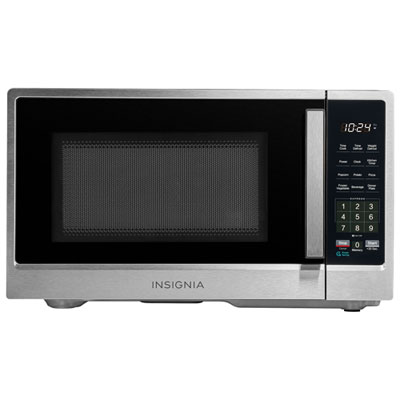 Your price for this item is $89.99
 -
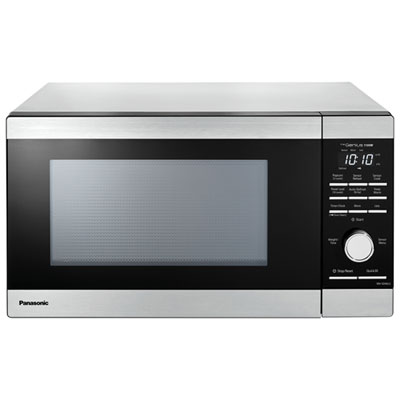 Your price for this item is $179.99
 -
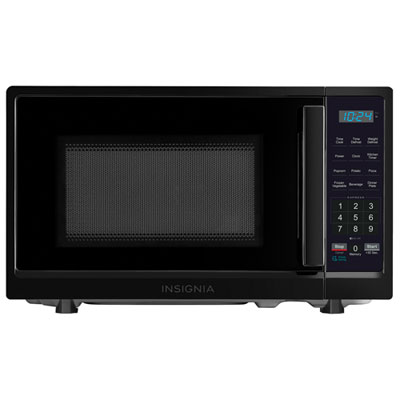 Your price for this item is $109.99
Discover more categories related to Frigidaire Microwaves
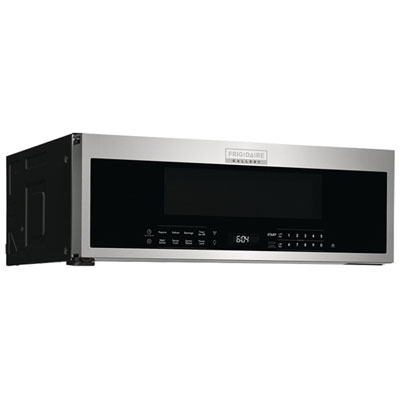
Top Collections:
Pokemon Centers, Kindle Devices, Best Budget Office Chairs, Apple iPhones 16, Best Laptops for Writers, iPhone 15 Apple, Canon G7X Cameras, Refurbished Apple Laptops, Alarm Clock, Motorola Razr Phones
Some products may be subject to Environmental Handling Fees
(EHF) depending on your province.
Learn more about EHFs.