Frigidaire Whirlpool

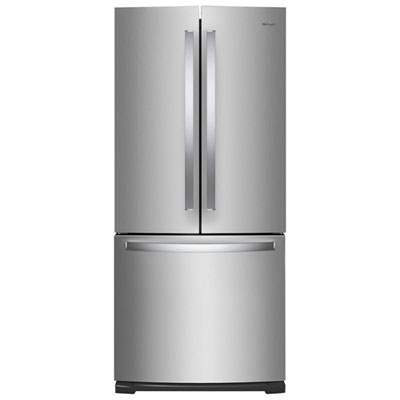
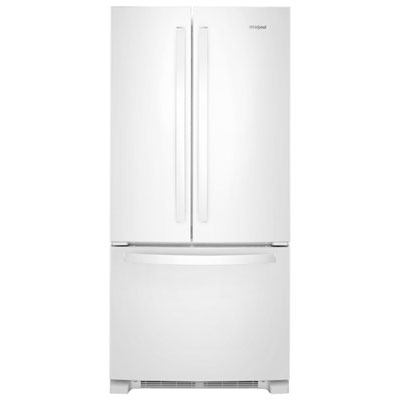
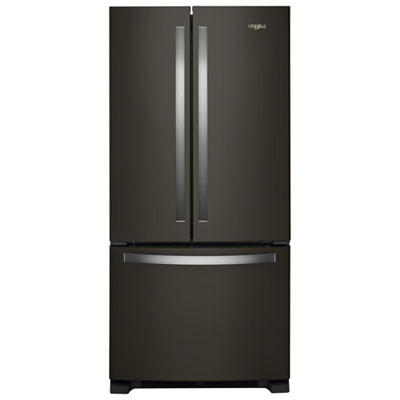
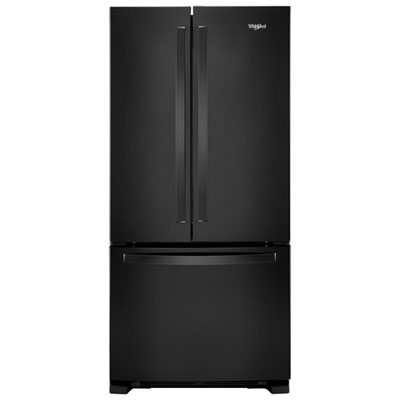
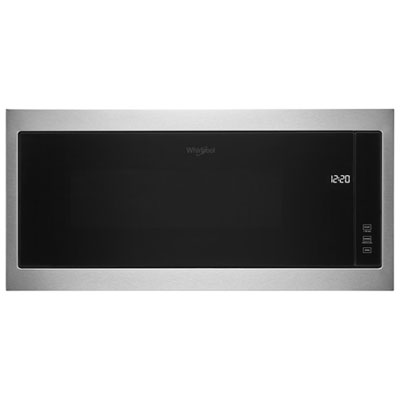
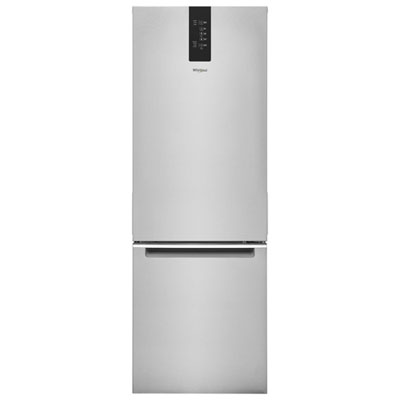
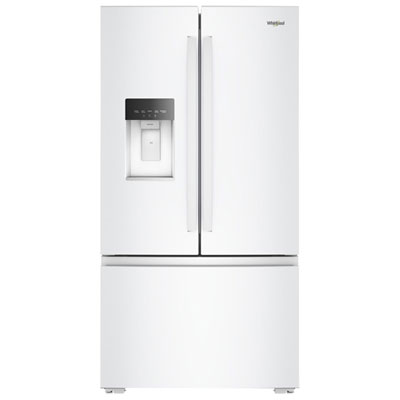
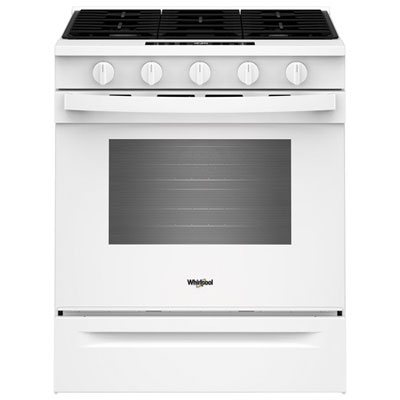
Compare Frigidaire and Whirlpool appliances to find the right fit for your home. Browse the selection and check product details for dimensions, capacity, features, and price to help narrow your choices based on your space, everyday needs, and budget.
Sort

Why appliance fit matters beyond capacity and features

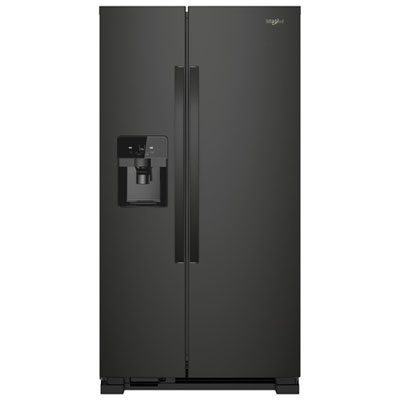
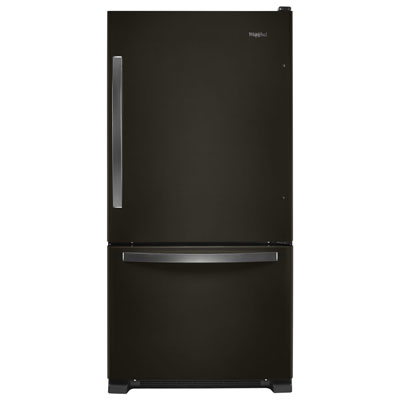
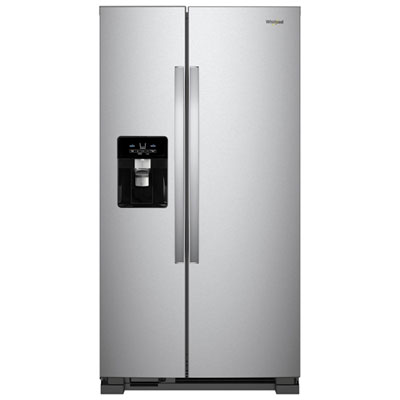
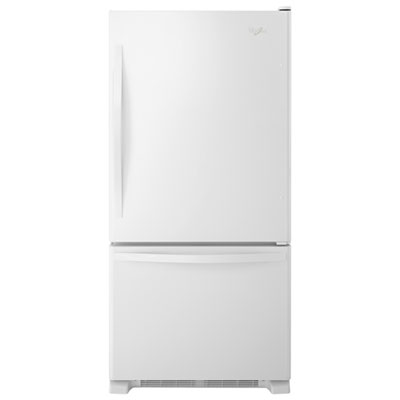
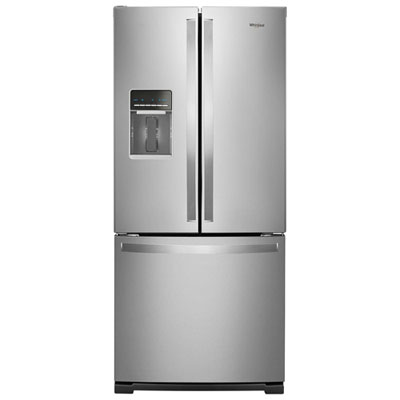
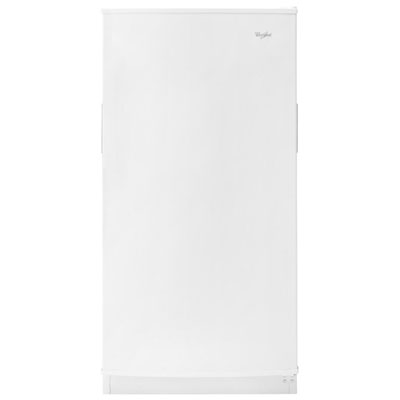
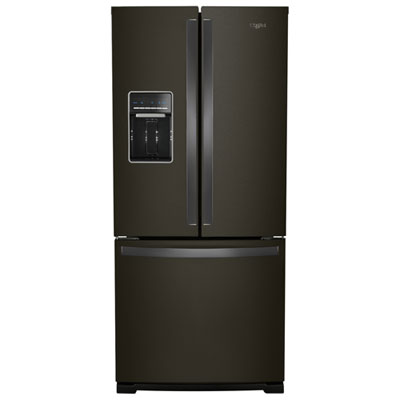
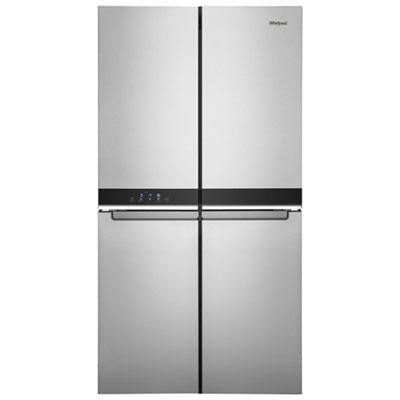
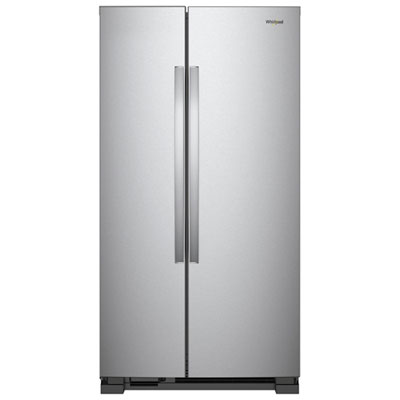
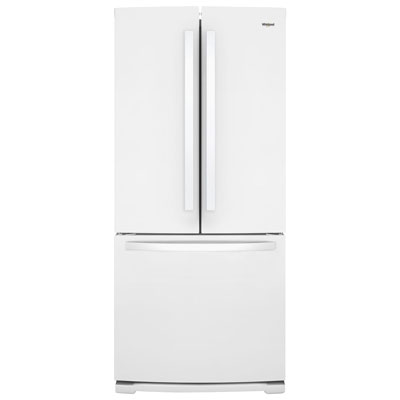
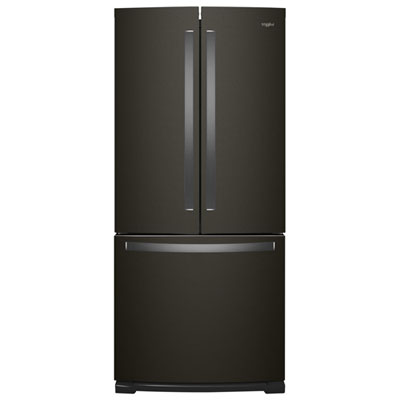
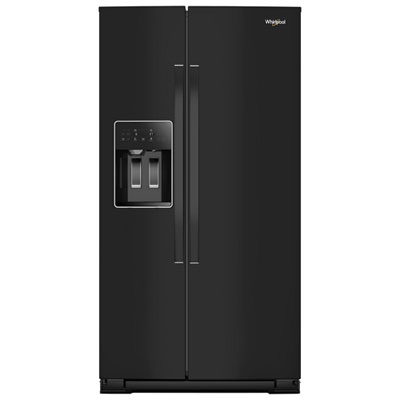
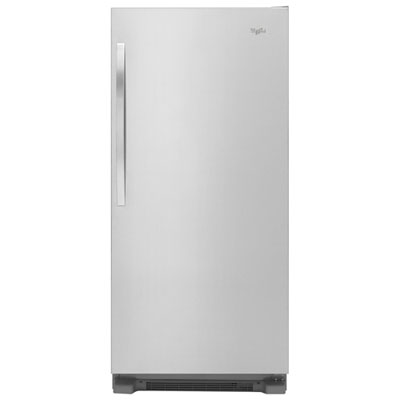
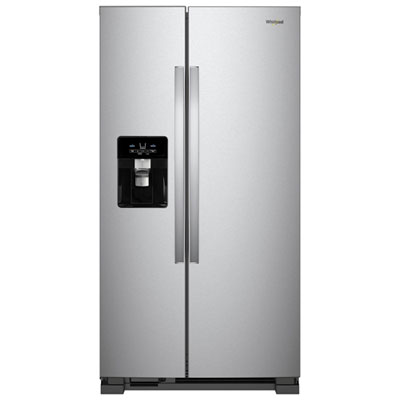
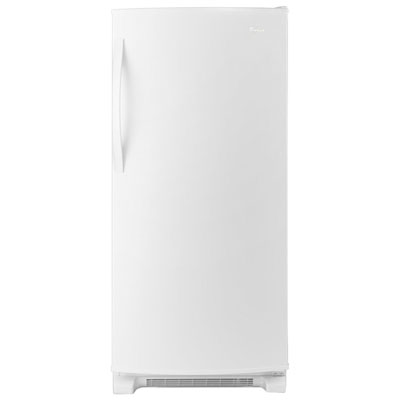
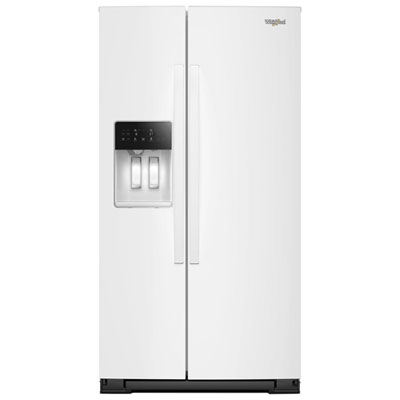
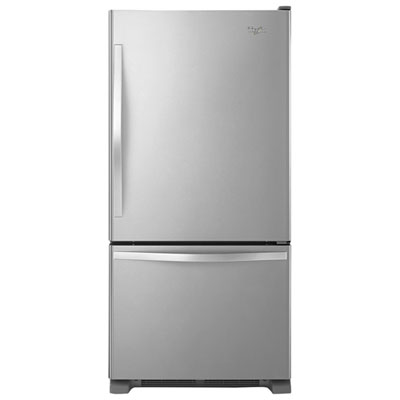
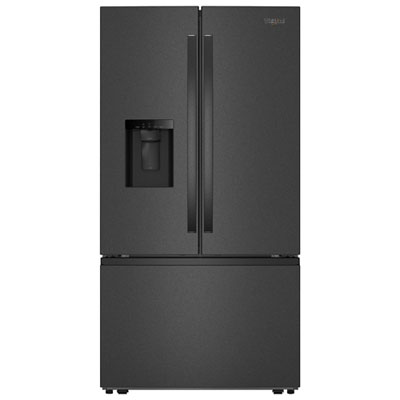
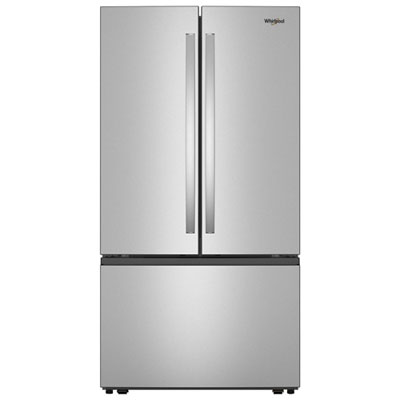
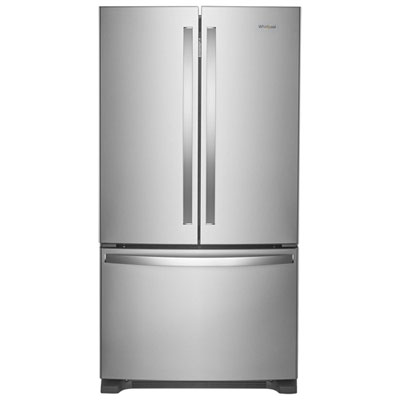
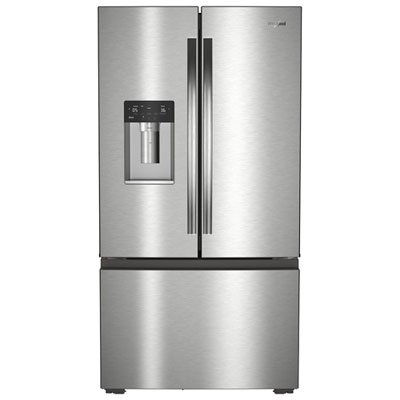
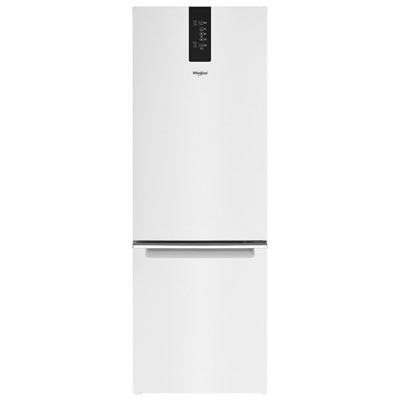
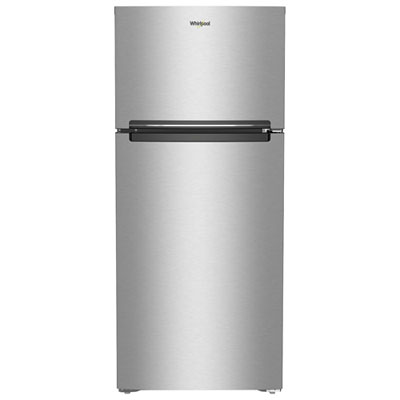
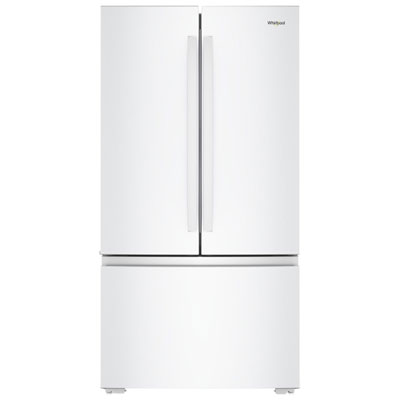
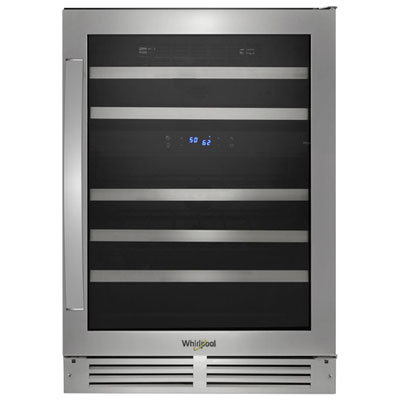
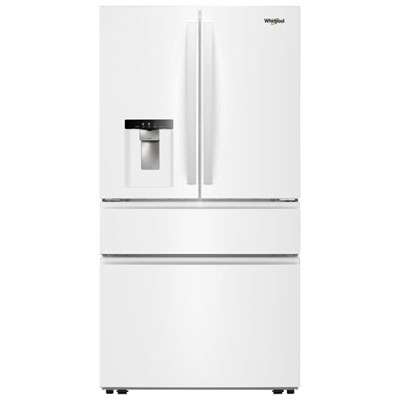
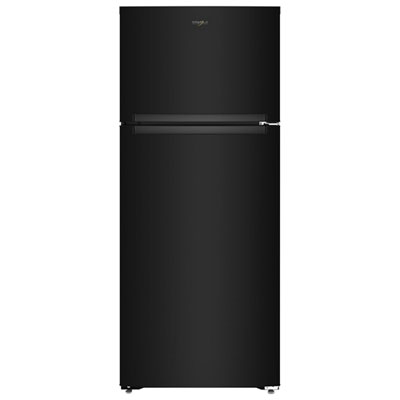
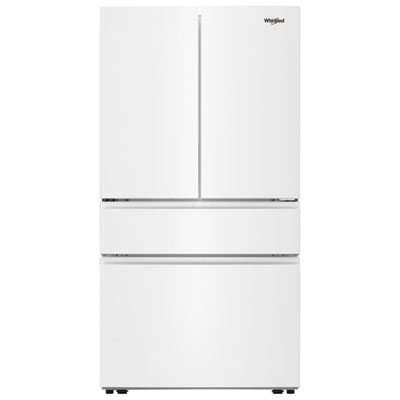
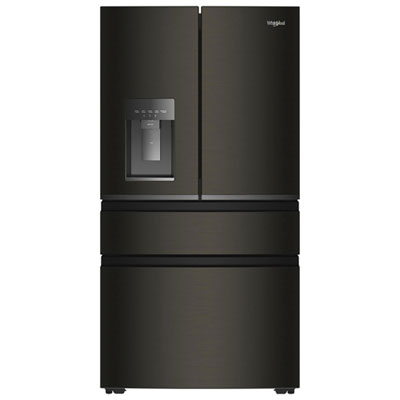
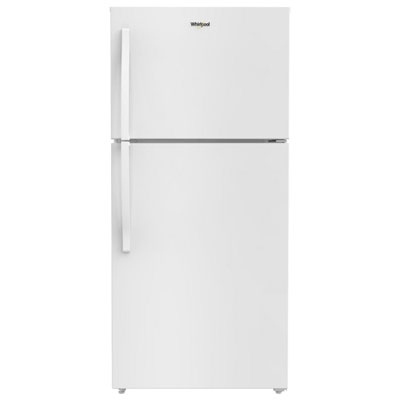
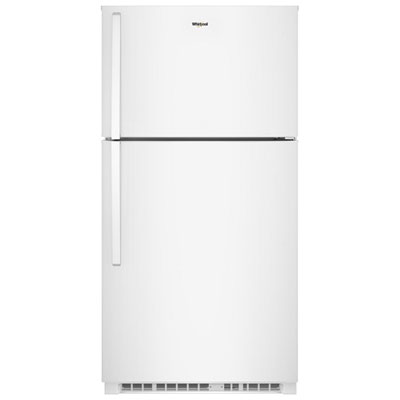
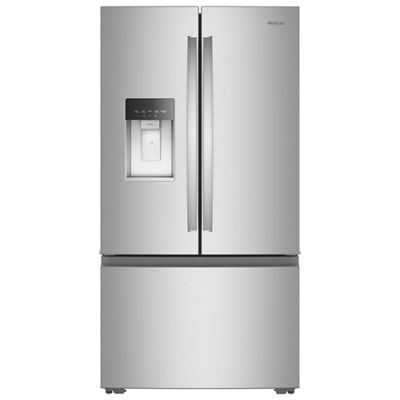
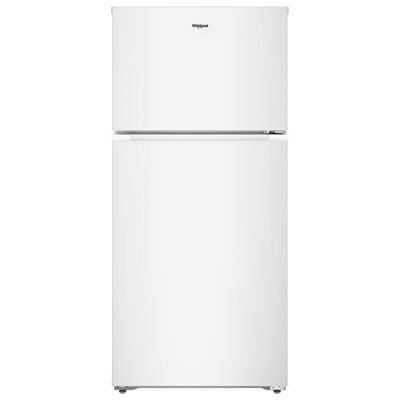
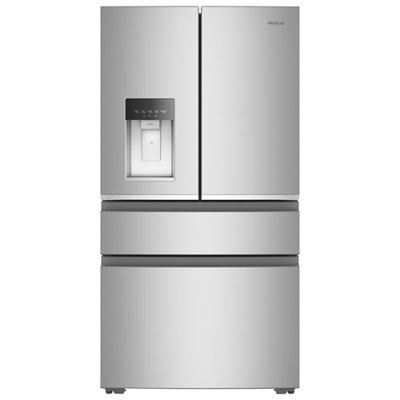
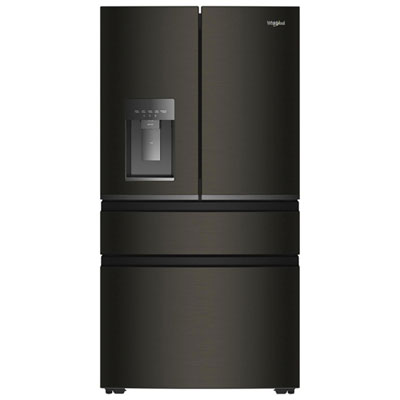
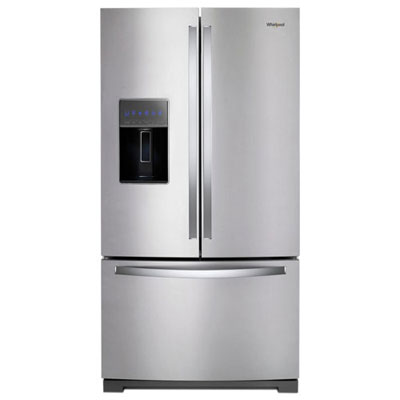
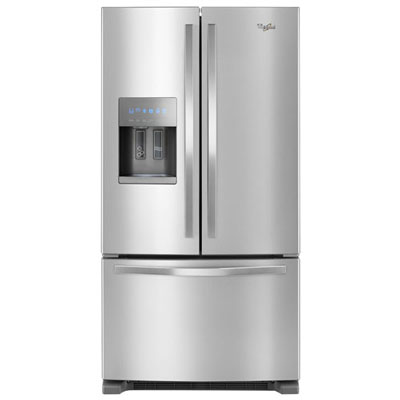
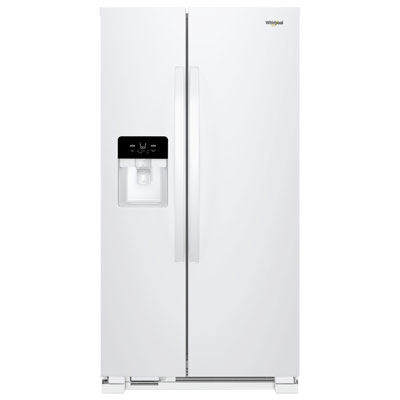
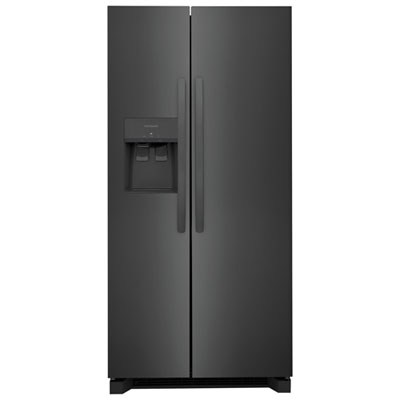
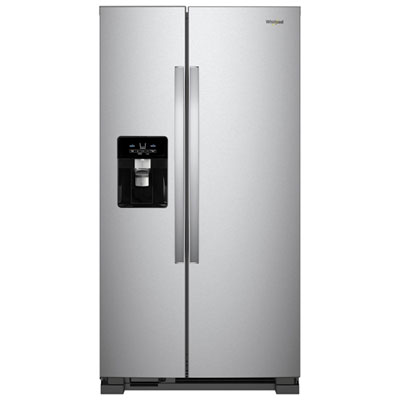
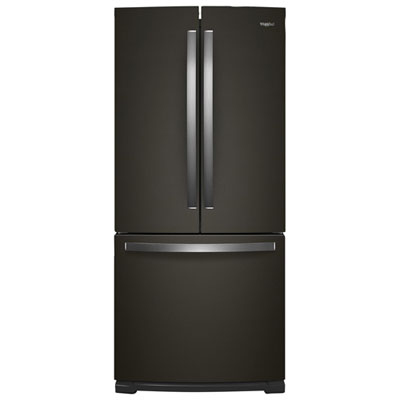
Household appliances shape the routines that keep a home running, from putting groceries away to clearing the last dinner plate and getting laundry ready for the next day. The most useful choices fit both the space and the way people live in it. A busy family kitchen may need room for large grocery trips, lunch containers, and dishes from several meals, while a smaller household may value a compact footprint and an interior that makes everything easy to see. Refrigerators illustrate how much the layout matters: adjustable shelves can accommodate a tall pitcher or a covered casserole, door bins keep frequently used condiments within reach, and separate drawers help organize fresh food. Freezer space deserves equal attention, especially for households that prepare meals ahead or keep bread, vegetables, and portions of meat on hand. Capacity alone does not tell the whole story; shelf depth, drawer access, and the space needed to open a door can affect everyday convenience just as much. In a narrow kitchen, a refrigerator door that opens against a wall may limit access to a drawer even when the appliance itself fits neatly into the opening. Measuring the available width, height, and depth, along with the clearance specified by the manufacturer, helps account for these details. The route into the home also matters, including entrance doors, stairways, corners, and lifts in multi-unit buildings. Finishes can influence how an appliance sits visually within a room. Stainless steel can complement metal hardware and sink fixtures, while painted finishes can blend with cabinetry or provide a clear contrast. Surface care varies by finish, so a soft cloth and a suitable cleaner are preferable to an abrasive pad that could leave marks. Inside, removable shelves and bins can make spills easier to manage. For someone furnishing a first apartment, updating a family kitchen, or replacing an appliance in a rental home, practical access and straightforward care often make more difference than a long list of features.
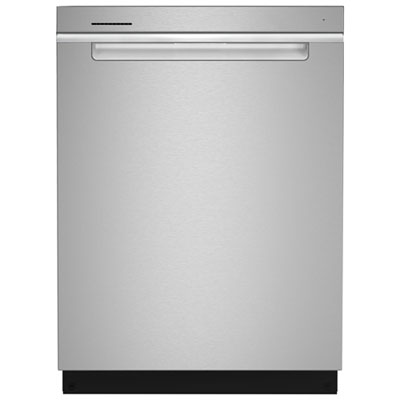
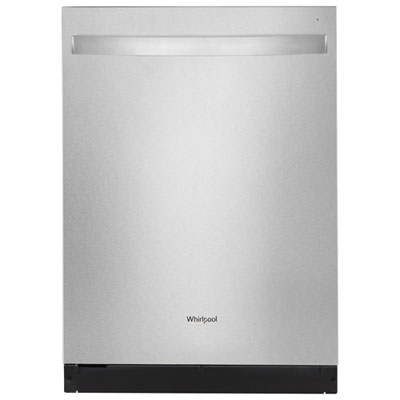
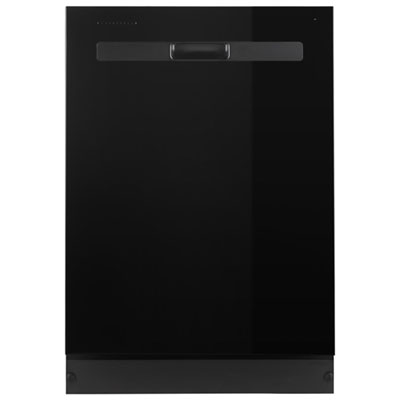
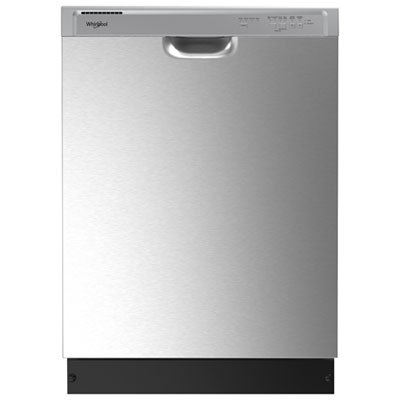
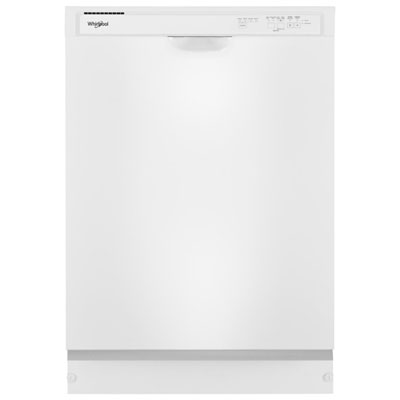
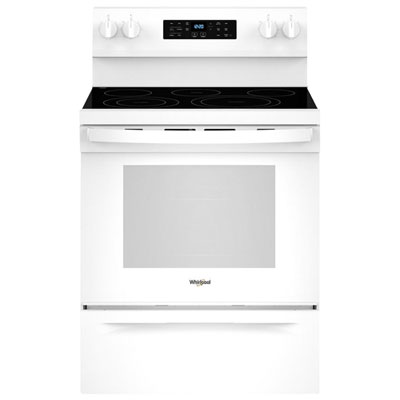
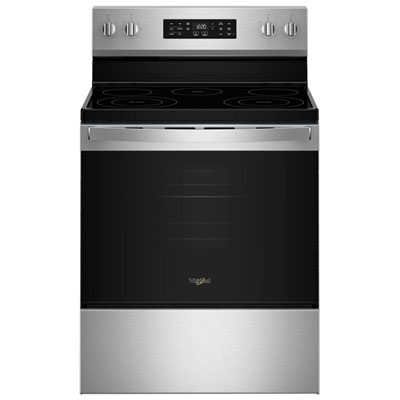
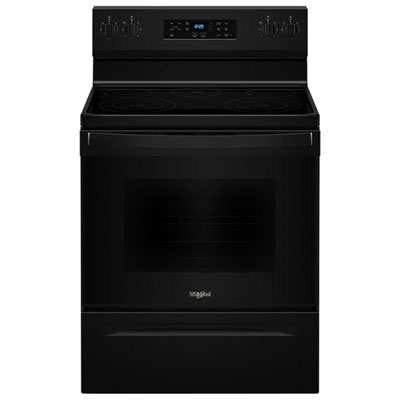
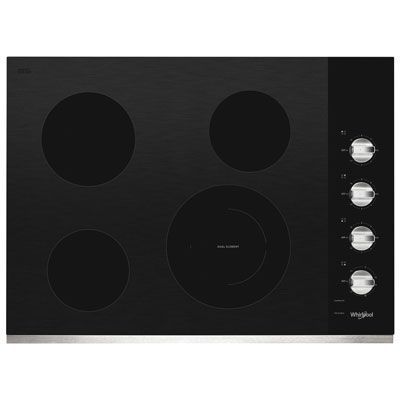
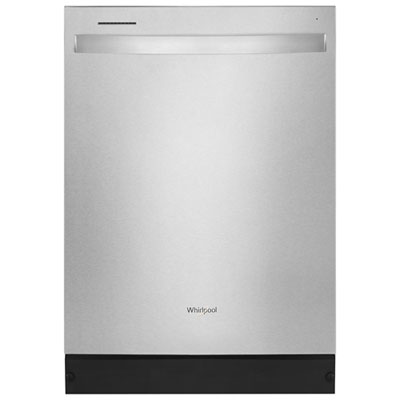
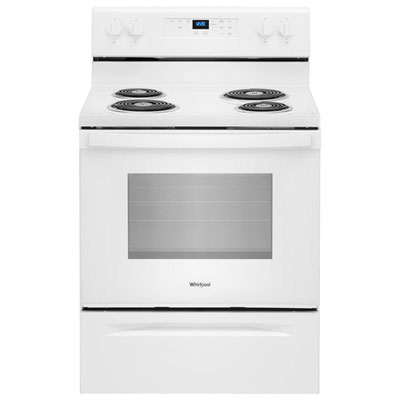
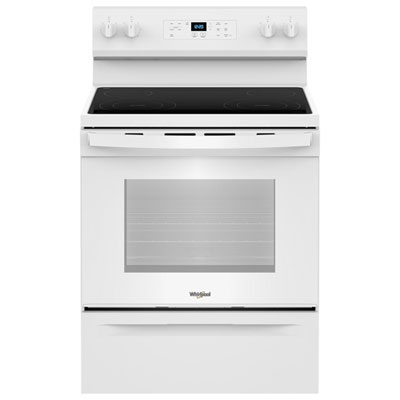
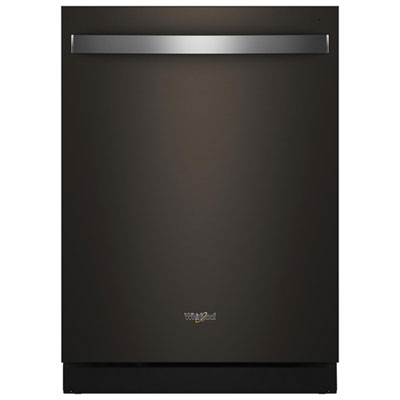
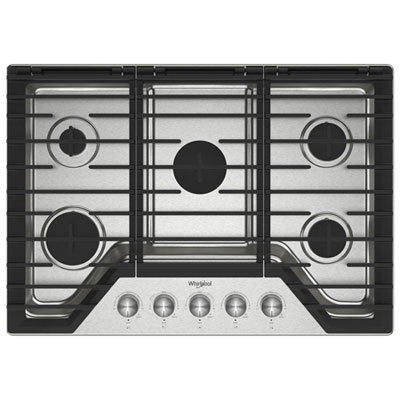
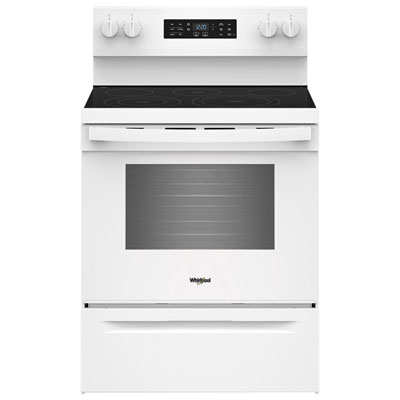
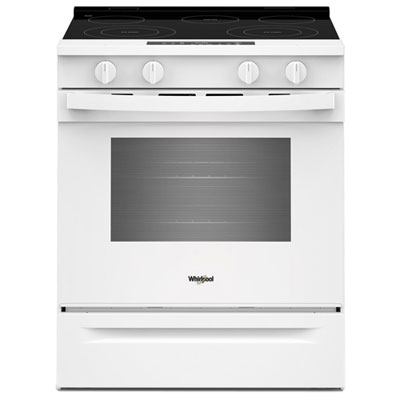
Cooking appliances and dishwashers have a similarly close relationship with the room around them. A range combines cooking and baking within one footprint, while a separate cooktop and wall oven allow those tasks to be positioned independently when the kitchen layout supports it. The right arrangement depends on cabinet openings, counter space, the existing electrical or gas connection, and any ventilation requirements. Installation specifications are especially important here: a nominal appliance width is not a substitute for the required cutout dimensions, clearances, or connection details. Appropriate professional installation can help ensure that the appliance is connected correctly and that surrounding surfaces have the necessary clearance. Everyday cooking habits also help clarify which features are useful. Someone who regularly prepares a main dish and several sides may appreciate a cooking surface with enough room to position pans comfortably, while a frequent baker may place more importance on oven capacity, rack positions, and access to large trays. Smooth glass cooking surfaces offer a continuous area to wipe down, though they require compatible cookware and care to avoid scratches. Grates and removable components have different cleaning needs, making the manufacturer’s care directions worth keeping close at hand. Dishwashers bring another set of practical details into the kitchen. Adjustable racks, folding supports, and utensil compartments can make it easier to arrange a mixture of plates, mugs, food containers, and serving dishes without crowding them. For a household that cooks most meals at home, usable rack space may be more meaningful than a capacity figure on its own. Clear access to the sink, nearby dish storage, and enough room for the dishwasher door to open help make loading and unloading less awkward. Sound ratings can also matter in an open-plan home where conversation, homework, or television shares space with the kitchen. Regularly cleaning the filter, checking spray arms for obstructions, and using detergent as directed help support consistent washing results. Glassware, cookware, and delicate finishes should always be checked for dishwasher suitability rather than assumed safe for every cycle.

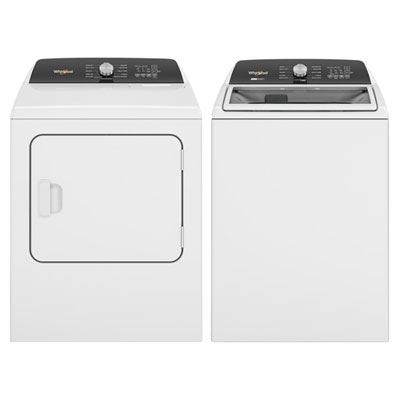
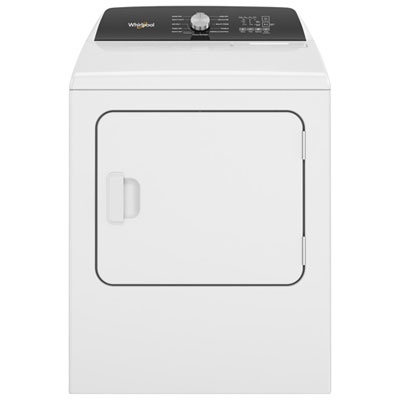
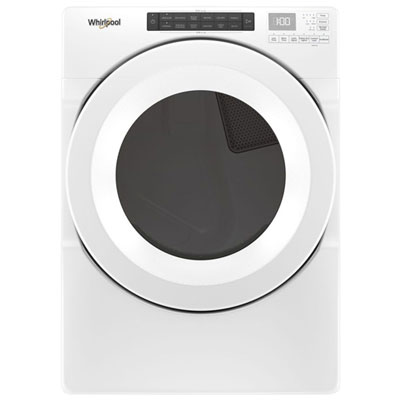
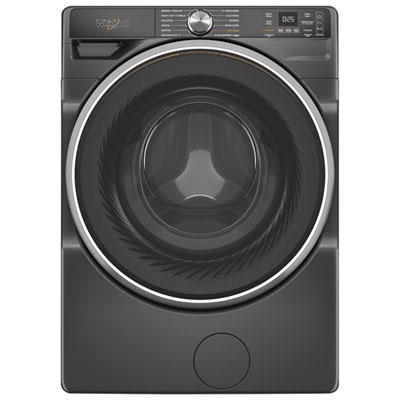
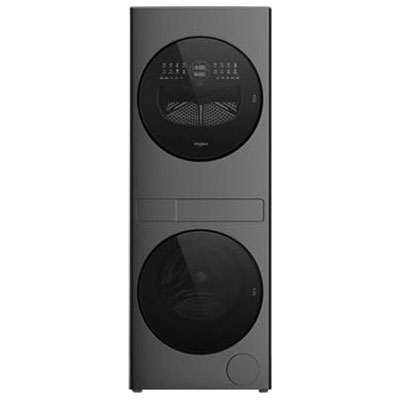
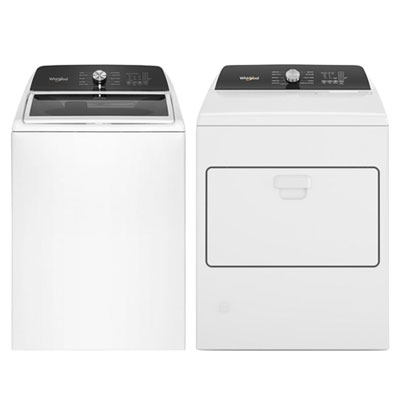
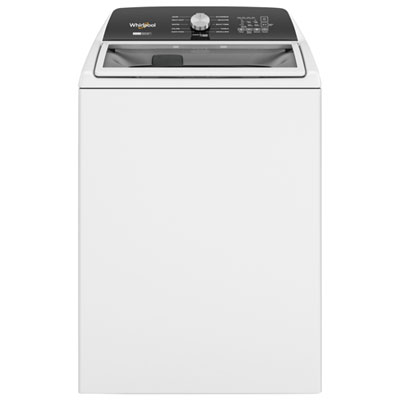
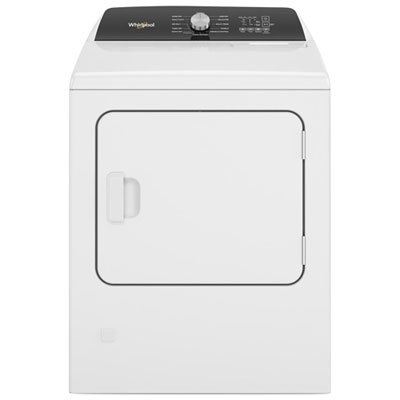
Laundry appliances need to suit the fabrics, load sizes, and physical space involved in a household’s routine. Work clothes, school uniforms, towels, bedding, and sportswear can each place different demands on a washer and dryer, so useful capacity is about more than fitting the largest possible load into a drum. There should be enough room for laundry to move as intended, and bulky bedding needs to be assessed against the appliance’s capacity guidance. A couple with limited laundry space may prefer a compact arrangement, while a larger household may prioritize a setup that handles frequent loads without making sorting, transferring, and folding cumbersome. Front-loading and top-loading washers also differ in how they are accessed. Reaching into a deep tub, bending to a low door, or moving laundry across a narrow aisle can affect comfort over years of use. Stacking can help make use of vertical space, but only appliances approved for that arrangement should be combined, using the specified stacking hardware. Side-by-side placement may leave room for a folding surface above or nearby, provided the layout and installation requirements allow it. Water connections, drainage, electrical supply, and dryer venting should be checked before choosing a configuration. Laundry tucked into a closet needs particular attention to door clearance and the ventilation requirements in the installation documentation. Materials and maintenance matter here as well: drum surfaces, door seals, detergent dispensers, and lint filters all have a role in regular care. Leaving a washer clean and following its recommended drying and maintenance routine can help manage residue and odours, while clearing a dryer’s lint filter and keeping the exhaust path properly maintained are important safety habits. Fabric care labels remain the best starting point for selecting wash and drying settings. For a focused view of options across everyday household tasks, Whirlpool Appliances brings cooking, food storage, dishwashing, and laundry needs into one place. Thoughtful attention to fit, access, and upkeep helps these hardworking appliances become a comfortable part of daily life.

FAQ

Some products may be subject to Environmental Handling Fees (EHF) depending on your province. Learn more about EHFs.