Full Size Dishwashers
Full Size Dishwashers are designed to handle the demands of busy kitchens, offering ample space for dishes, cookware, and utensils. Perfect for families or anyone who entertains often, these appliances help keep cleanup simple and efficient. Explore a wide selection of Full Size Dishwashers to find the ideal fit for your kitchen layout and lifestyle needs. With various styles and finishes available, upgrading your dishwashing routine has never been easier.
Sort

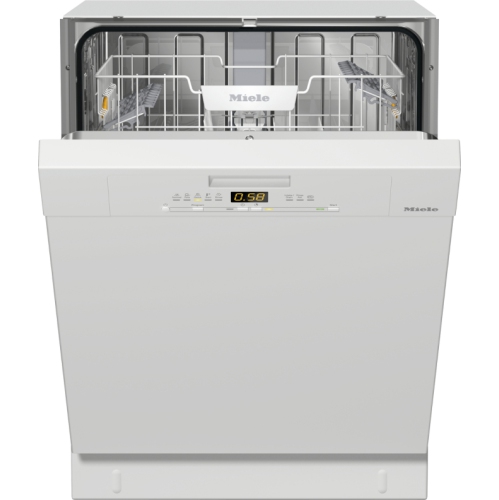
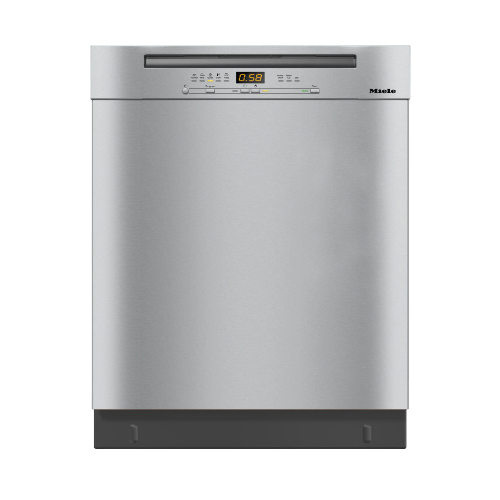

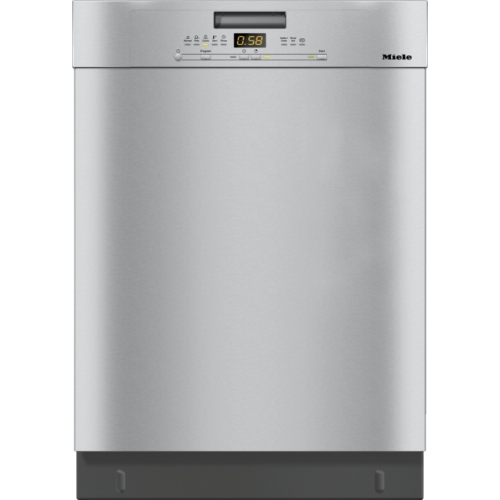


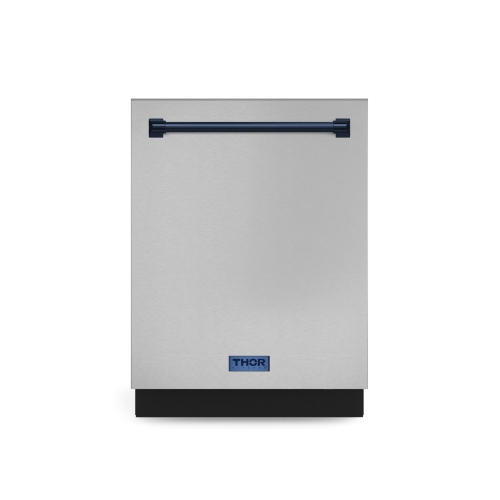



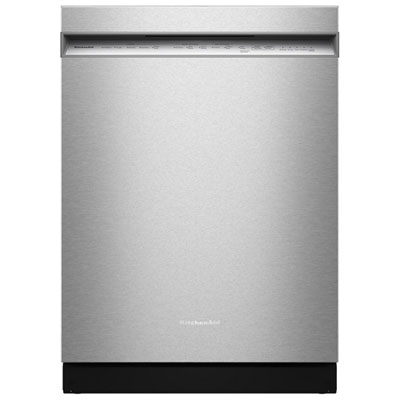
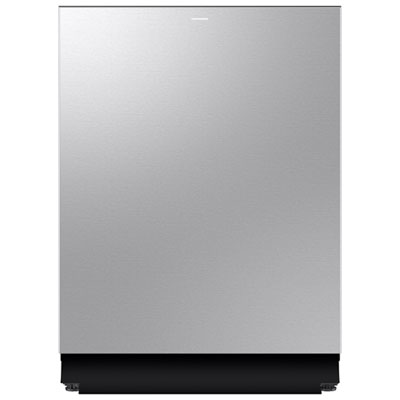

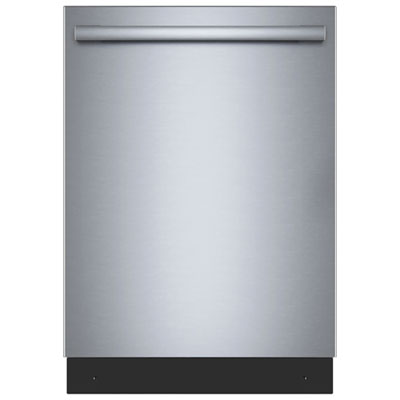


Dishwasher capacity is about more than place settings
Full-size dishwashers are typically designed for kitchen openings about 24 inches wide, with many models accommodating approximately 12 to 16 place settings. Exact dimensions and capacity vary, but this format generally provides room for dinner plates, bowls, glasses and cutlery, along with serving dishes or cookware arranged around them. A place-setting count is a useful comparison point rather than a promise about every load: deep cereal bowls, oversized mugs and a large pasta pot occupy space differently from matching tableware. Full-size dishwashers suit family kitchens, shared households and smaller households that cook frequently or prefer to run fewer, fuller loads. Their appeal is as much about handling awkward kitchenware as it is about the number of plates they hold. After a meal prepared from scratch, a spacious lower rack can accommodate a mixing bowl and saucepan alongside the dinner dishes, depending on their dimensions and loading instructions. Most full-size built-in dishwashers sit beneath the countertop, creating a permanent washing station close to the sink and dish storage. Fit involves more than width, however. The opening’s height and depth, the finished floor level and any pipes behind the appliance all affect installation. Door clearance matters, too, particularly in a galley kitchen or opposite an island where an open dishwasher can interrupt the walkway. Handle depth and the position of neighbouring cabinet doors can influence how comfortably the space works. Water supply, drainage and electrical connections must meet the appliance’s installation requirements and applicable local requirements. Some full-size dishwashers use a portable format rather than a built-in installation; these need suitable space and compatible connections as specified by the manufacturer. For kitchens where a standard-width appliance would take up too much room, Small Dishwashers provide an alternative worth comparing by dimensions and usable capacity. Whichever format suits the kitchen, checking the complete installation measurements helps avoid a door that cannot open fully or an appliance that projects farther into the room than expected.
The inside layout often makes the biggest difference to everyday convenience. Adjustable upper racks can create clearance for tall glasses above or larger plates below, while folding tines allow sections of the rack to accommodate wider bowls and baking dishes. A third rack adds a shallow loading area that may hold cutlery, utensils or small kitchen tools, depending on its design. This can free space in the lower rack, although tall mugs and stemware still need enough clearance beneath it. Households that regularly use reusable lunch containers may appreciate secure supports for lightweight pieces, while frequent bakers may find flexible lower-rack layouts more useful for mixing bowls and dishwasher-safe trays. Smooth rack movement and accessible adjustment mechanisms are practical details when loading a heavy assortment of dishes. Tub materials also differ. Stainless steel interiors resist staining and tolerate the heat used during normal operation, while plastic tubs provide another common construction option. Drying performance depends on the complete system, not the tub material alone. Rack coatings deserve attention because chips that expose the metal underneath can eventually lead to rust; keeping sharp edges from scraping the coating helps protect it. On the outside, stainless steel, coated finishes and panel-ready designs offer different ways to coordinate with cabinetry and other appliances. Fingerprint-resistant finishes can reduce visible smudges, but they still require cleaning with suitable products. Front controls keep settings easy to see, while controls along the top edge of the door create a less interrupted exterior when closed. Sound ratings are another useful comparison in open-concept homes, where the dishwasher may run within earshot of a dining table, television or work surface. Lower decibel ratings generally indicate quieter operation, although drainage sounds and the way the appliance is installed also affect what is heard. Insulation, door construction and a secure, level installation all contribute to how a dishwasher feels and sounds in daily use. These details can matter as much as a long list of wash programs when the appliance becomes part of the household routine.
Wash and drying features are most useful when they match the dishes a household actually uses. A normal program handles routine tableware, while heavier wash options are intended for more demanding loads within the manufacturer’s loading and care recommendations. Quick programs can help with lightly soiled dishes, but may have smaller load limits or different drying results. Sensor-based programs adjust aspects of the wash according to detected soil, and some full-size dishwashers include targeted spray areas for bottles, utensils or heavily soiled cookware. Such features do not make every object dishwasher-safe: wood, delicate decorations, certain metals and insulated drinkware may require handwashing according to their own care instructions. Drying systems vary as well. Heated drying, fan-assisted drying and automatic door-opening features work differently, and lightweight plastics often retain more droplets than ceramic plates or glass. Rinse aid can improve water sheeting and drying when used as directed. For reliable washing, scrape substantial food scraps into the appropriate waste container, leave space between nested bowls and position heavily soiled surfaces towards the spray. A cutting board or pan placed across a spray arm’s path can interfere with cleaning throughout the load. Detergent should be intended for automatic dishwashers; ordinary hand dishwashing liquid can produce excessive suds. Regular care is usually straightforward but important. Filters need attention at the intervals specified in the manual, spray-arm openings should remain clear, and door seals benefit from gentle cleaning to remove trapped residue. Where hard water leaves mineral deposits, suitable cleaning products or built-in water-softening features, where included, may help manage buildup. Leak-detection features can add reassurance, though their operation and coverage vary and they do not replace correct installation or routine checks. Keeping the appliance level, using the right detergent and addressing unusual noises or drainage problems promptly can help support dependable operation. With suitable capacity, practical rack space and care matched to its construction, a full-size dishwasher can handle the steady rhythm of breakfasts, packed lunches, home-cooked dinners and shared meals without making kitchen cleanup the centre of attention.
Top selling and popular products
-
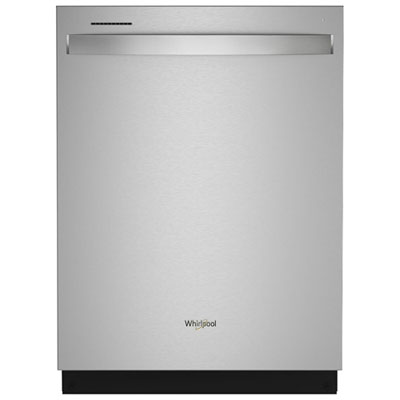 Your price for this item is $849.99
-
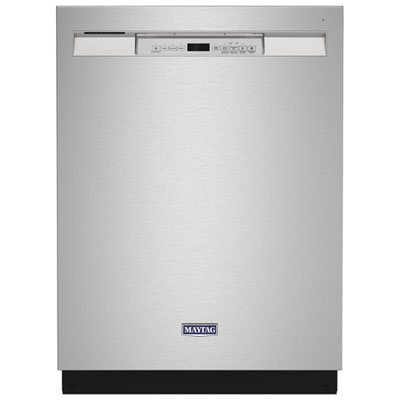 Your price for this item is $849.99
-
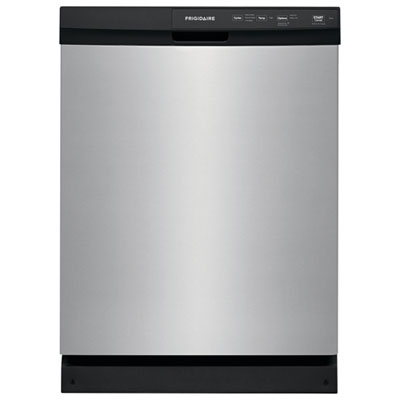 Your price for this item is $479.99
-
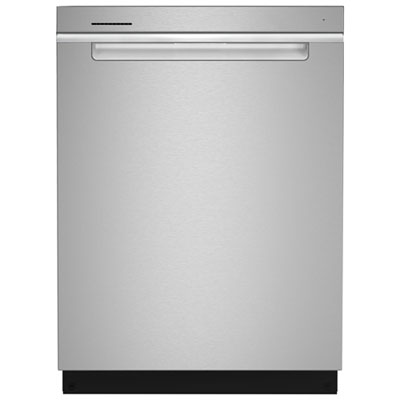 Your price for this item is $849.99
-
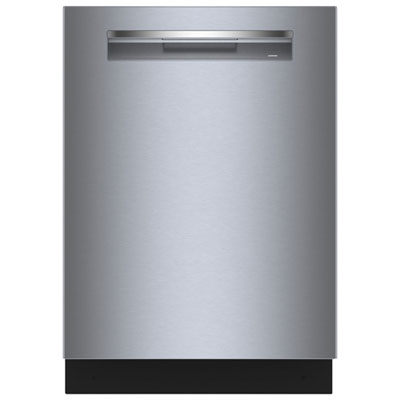 Your price for this item is $2449.99
-
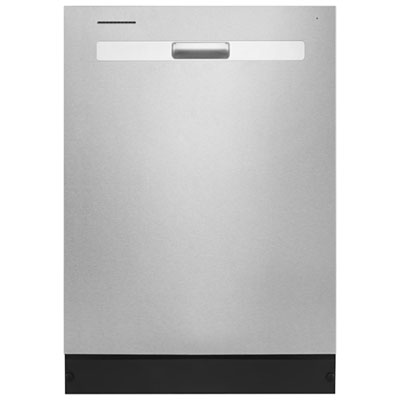 Your price for this item is $699.99
-
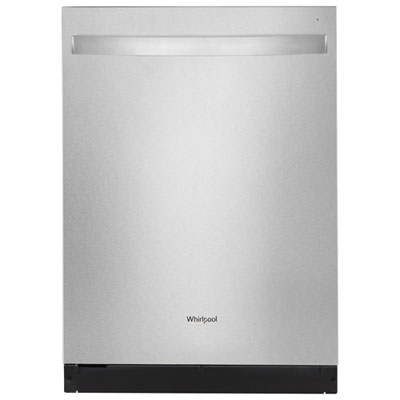 Your price for this item is $749.99
-
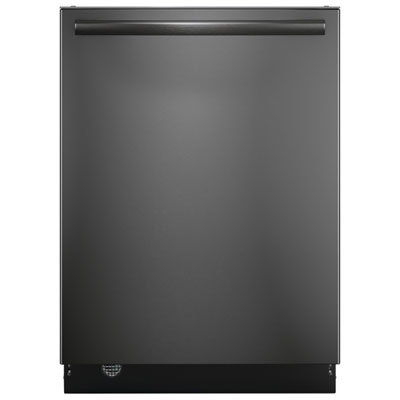 Your price for this item is $949.99
Discover more categories related to Full Size Dishwashers
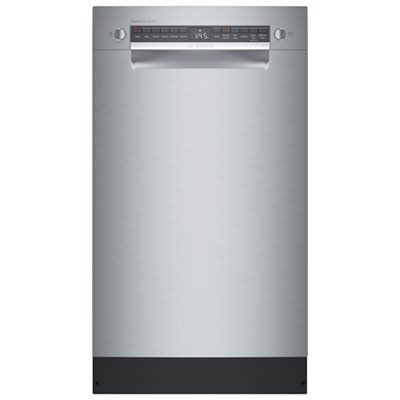
Top Collections:
Best Black Friday Deals This Year, Best Black Friday Deals On Electronics, Kindle Devices, Pokemon Centers, Best Black Friday Deals On Apple Products, Best Cameras for Sports Photography, Dyson Airwrap, Pokémon 30th Celebration Cards, Apple iPhone 17 Pro, Canon G7X Cameras
Some products may be subject to Environmental Handling Fees
(EHF) depending on your province.
Learn more about EHFs.