Large Dishwashers
Large Dishwasher options provide an ideal solution for busy households and those who love to entertain. With spacious interiors, these appliances help make cleanup after meals quick and efficient. Whether upgrading your kitchen or outfitting a new home, a large dishwasher offers the capacity needed for family-sized loads and frequent use. Explore a variety of models designed to fit seamlessly into your space while helping you tackle daily chores with ease. Find the right large dishwasher to suit your lifestyle and enhance your kitchen experience.
Sort






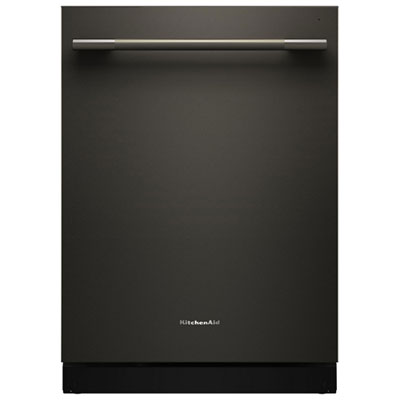

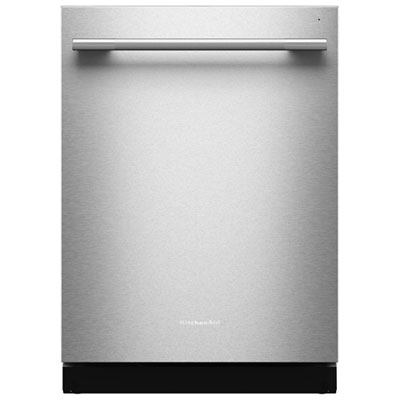


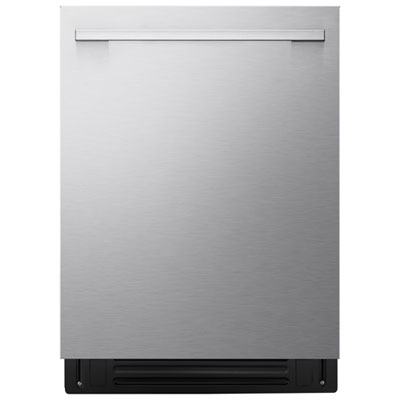
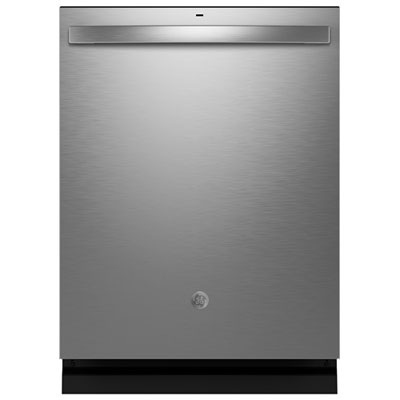
Why rack layout matters as much as capacity
Large dishwashers provide room for substantial daily loads, from breakfast bowls and lunch containers to dinner plates, cookware and serving dishes. Many high-capacity residential dishwashers are built for a standard 24-inch-wide opening, with interiors that accommodate around 14 to 16 place settings; some designs hold more. A place setting is a standardized collection of tableware, however, so that number does not describe exactly how many pots, mixing bowls or reusable containers will fit. Rack layout often matters as much as the stated capacity. Deep bowls need different spacing than flat dinner plates, and a wide casserole dish can occupy much of a lower rack. Adjustable upper racks, fold-down tines and removable cutlery baskets make it easier to arrange these mixed loads without crowding. A third rack adds a shallow loading area above the main racks, often suited to cutlery, small utensils or low-profile kitchen tools, depending on its shape. This can free up space below, although the extra level may affect clearance for tall glasses. Tall-tub construction provides more usable interior height, while an XXL designation may indicate a taller appliance that requires additional space beneath the countertop. These terms are not interchangeable across all manufacturers, making actual dimensions and rack measurements more useful than size labels alone. For households that cook most meals at home, the benefit is practical: fewer awkward decisions about whether the saucepan or the dinner plates get washed first. People who entertain, prepare meals in batches or share a kitchen with several adults may also appreciate flexible loading space. The Large Family Dishwashers collection is another relevant place to explore appliances for busy household routines. The most useful capacity is space that suits the dishes used every day, rather than a high place-setting count that depends on a loading arrangement a household rarely needs.
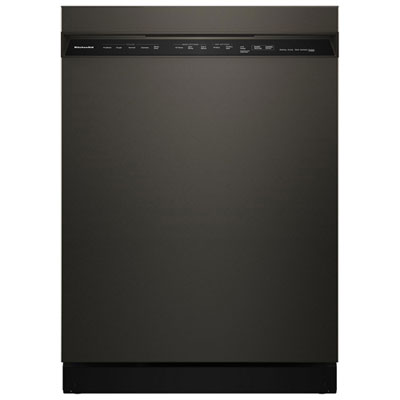
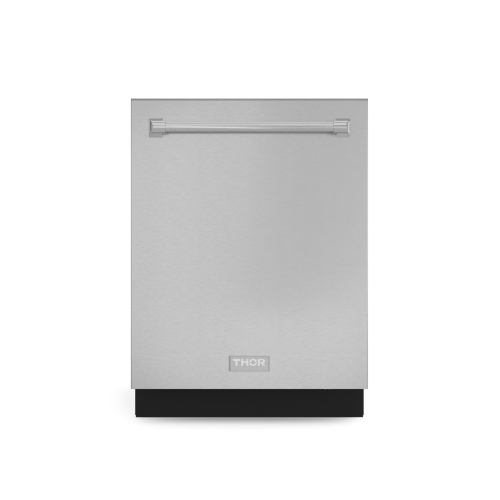
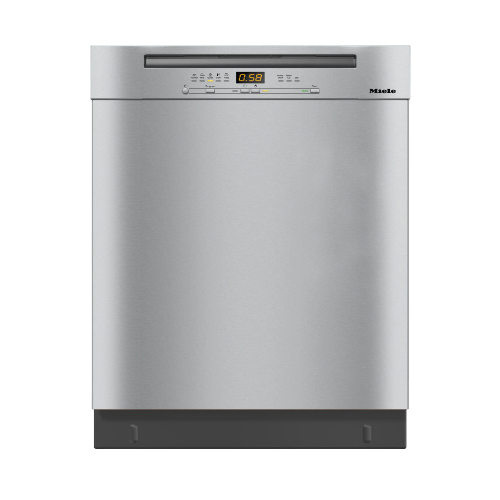
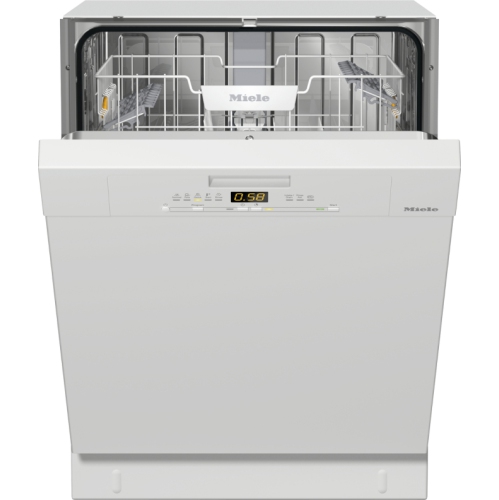
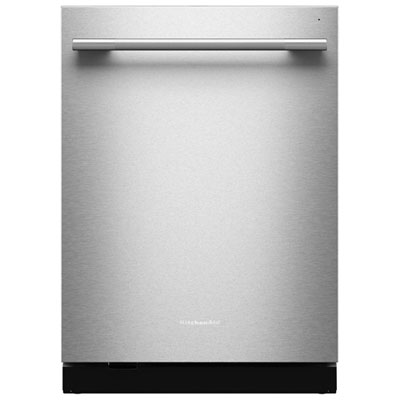
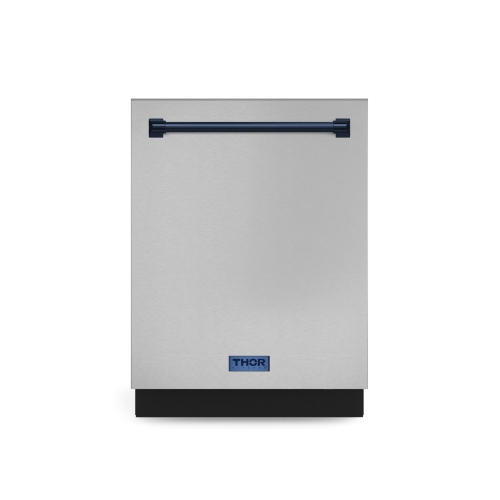
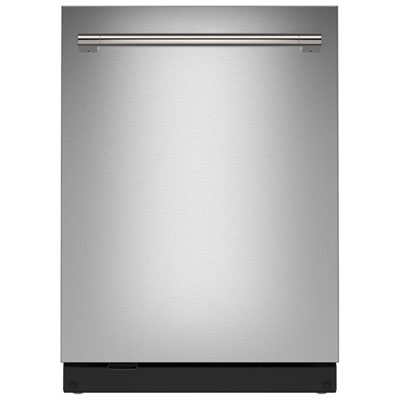
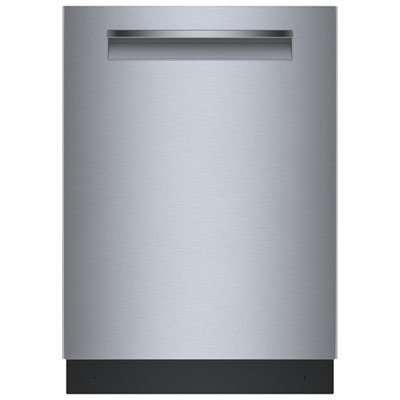
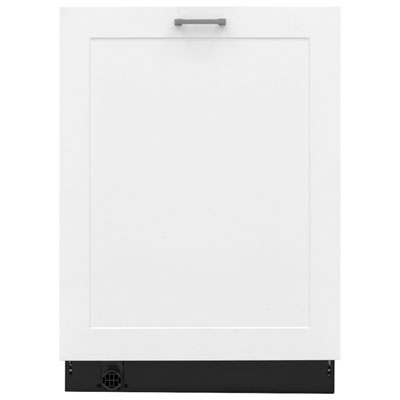
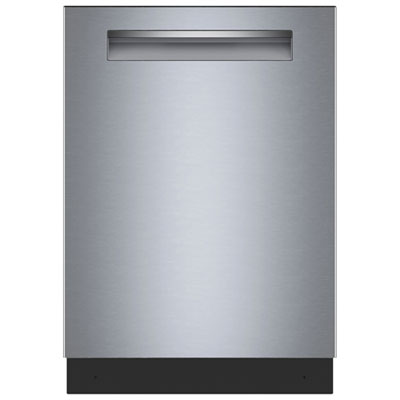
Fit involves more than the width shown in a dishwasher description. A nominal 24-inch built-in dishwasher is designed for a corresponding cabinet opening, but its exact width, height and depth still need to match the kitchen. Height should be measured from the finished floor to the underside of the countertop, particularly where new flooring has reduced the opening or created a raised edge in front of an existing appliance. Levelling feet provide adjustment within a specified range, not unlimited flexibility. Depth measurements should account for the door and handle, and the door needs enough clearance to open fully without striking an island, nearby cabinet or perpendicular drawer. There should also be room to stand beside the open appliance and pull out the racks comfortably. Water supply, drainage and electrical requirements vary, so installation arrangements need to match the appliance specifications and applicable local requirements. A qualified installer can assess connections and any cabinet changes needed for an extra-tall configuration. Inside the dishwasher, stainless steel tubs are valued for durability, resistance to staining and their ability to support condensation drying. Plastic tubs do not rust and remain a practical option, although staining and drying characteristics differ by design. Rack construction deserves attention too: smooth protective coatings help shield dishes from the metal underneath, while sturdy rollers and secure height-adjustment mechanisms support repeated loading. Exterior finishes range from stainless steel to black, white and panel-ready designs that accept compatible cabinetry panels. Fingerprint-resistant surfaces can make marks less noticeable but still need suitable cleaning. Noise is another consideration in open-plan kitchens. Published sound ratings in decibels allow comparisons, with lower figures indicating quieter operation under the stated test conditions. Concealed controls create a clean front, while visible displays or floor indicators can make it easier to tell whether a quiet dishwasher is running. Handle shape and control placement also affect everyday comfort, especially where bending or gripping is difficult.
Cleaning and drying features help determine how well a large dishwasher handles its full capacity. Sensor-based cycles adjust aspects of the wash according to detected soil levels, while intensive settings are intended for dishwasher-safe cookware with more stubborn food residue. A quick cycle can be useful for lightly soiled dishes, but it may have different loading limits or drying results than a longer program. Dedicated wash zones and targeted jets can help reach particular areas when dishes are positioned as directed; they do not make tightly nested bowls or blocked spray arms less of a problem. Sanitizing options, where provided, work under specified cycle conditions and should be understood according to the appliance’s stated performance rather than treated as a substitute for proper food handling. Drying systems also differ. Heated drying, condensation drying, fan assistance and automatic door opening each have their own operating requirements, and lightweight plastics may retain droplets even when ceramic plates feel dry. Automatic-opening doors need to be installed with the clearances and countertop protection specified by the manufacturer. Rinse aid often supports drying and reduces water marks, while hard-water settings or an integrated softener, where fitted, can help address mineral-related spotting. For everyday loading, dishes need separation so water reaches their surfaces, and tall utensils should not obstruct a spray arm. Large food scraps belong in the appropriate waste bin before loading; whether additional rinsing is necessary depends on the dishwasher and detergent instructions. Dishwasher-safe markings remain important, since extra capacity does not make delicate crystal, wooden utensils, cast iron or hand-finished pieces suitable for machine washing. Routine care includes cleaning the filter as directed, checking spray-arm openings and wiping the door seals, where residue can collect. Suitable dishwasher cleaner may also be needed to address grease or mineral buildup. With accessible filters, adaptable racks and a layout matched to everyday dishes, a large dishwasher can accommodate substantial loads while remaining straightforward to load, unload and maintain.
Top selling and popular products
-
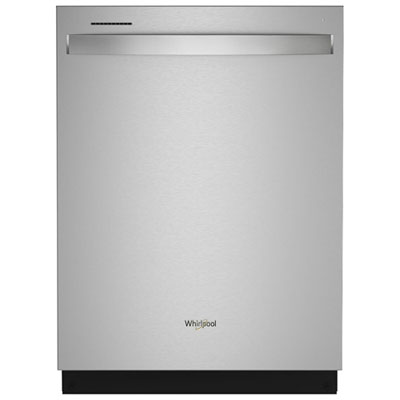 Your price for this item is $849.99
-
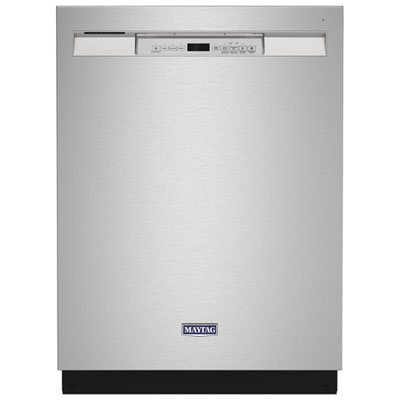 Your price for this item is $849.99
-
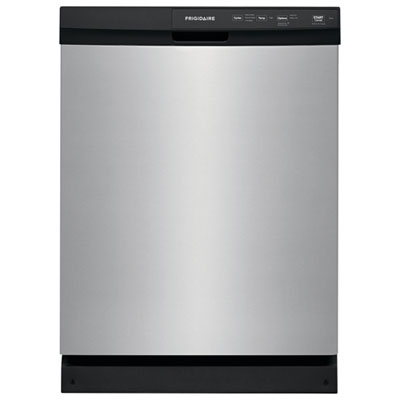 Your price for this item is $479.99
-
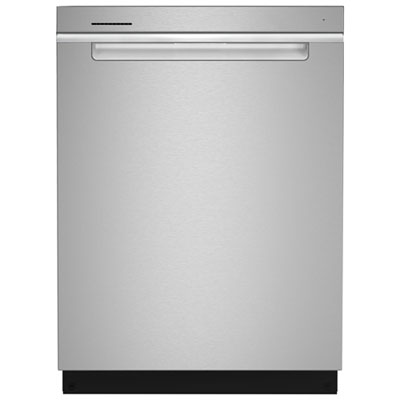 Your price for this item is $849.99
-
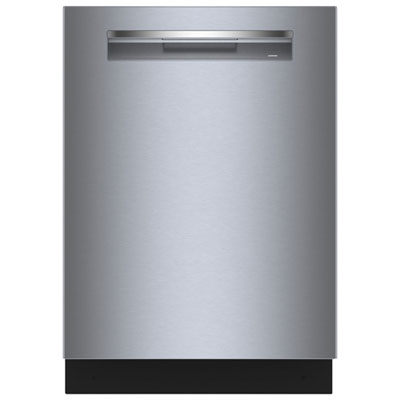 Your price for this item is $2449.99
-
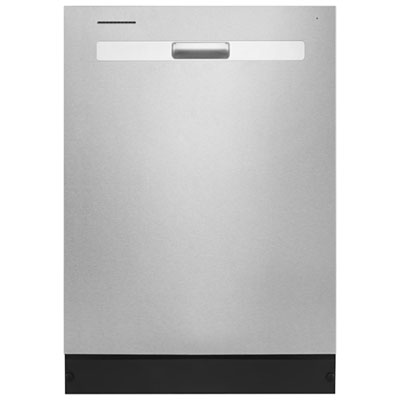 Your price for this item is $699.99
-
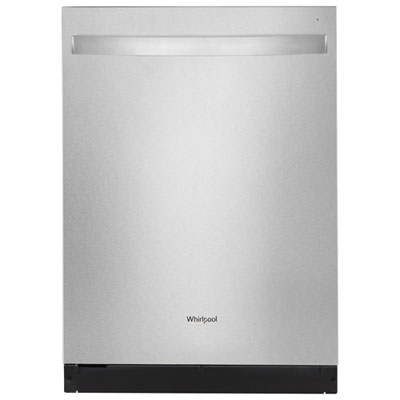 Your price for this item is $749.99
-
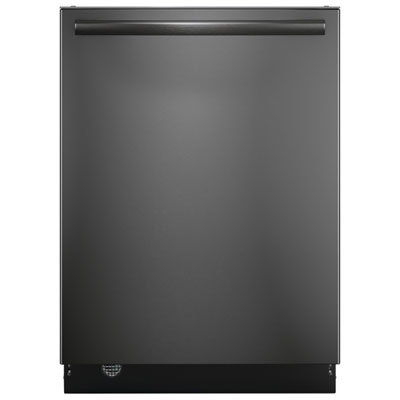 Your price for this item is $949.99
Discover more categories related to Large Dishwashers

Top Collections:
Best Black Friday Deals This Year, Best Black Friday Deals On Electronics, Kindle Devices, Pokemon Centers, Best Black Friday Deals On Apple Products, Best Cameras for Sports Photography, Dyson Airwrap, Pokémon 30th Celebration Cards, Apple iPhone 17 Pro, Canon G7X Cameras
Some products may be subject to Environmental Handling Fees
(EHF) depending on your province.
Learn more about EHFs.