Gas Clothes Washers
Looking for a powerful and efficient solution to tackle your laundry? Look no further than our selection of gas clothes washers. Designed to provide exceptional cleaning performance, these innovative appliances combine the convenience of a traditional washer with the energy-saving benefits of gas technology. With their high-capacity drums and advanced features, gas clothes washers offer a quick and effective way to keep your clothes fresh and clean. Whether you're dealing with tough stains or simply want to streamline your laundry routine, our range of gas clothes washers has got you covered. Explore our collection today and discover the perfect washer to meet your needs.
Sort
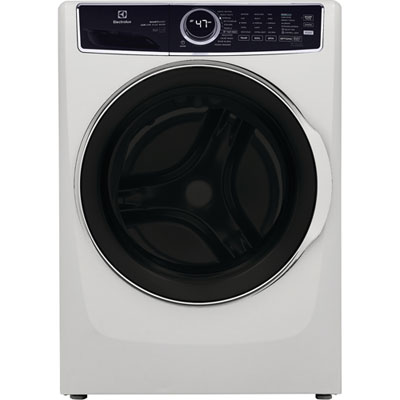
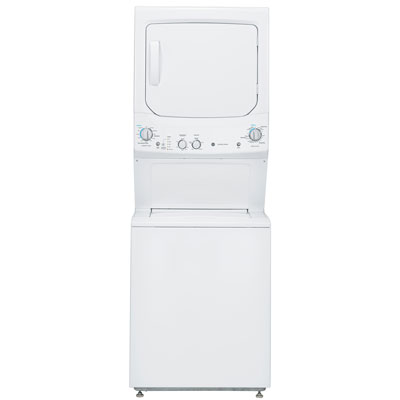
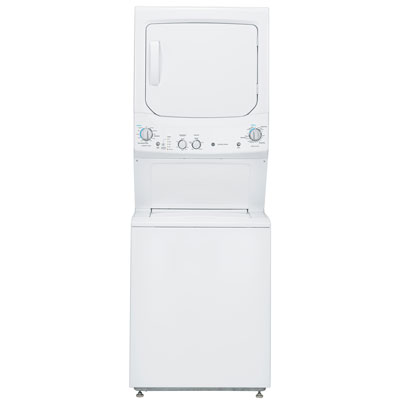
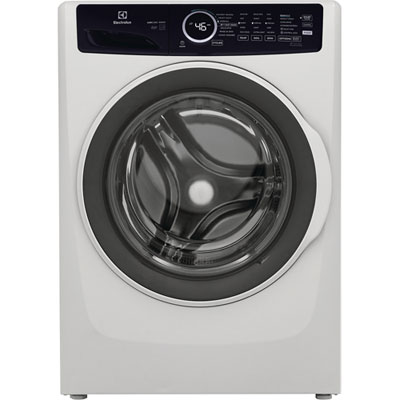
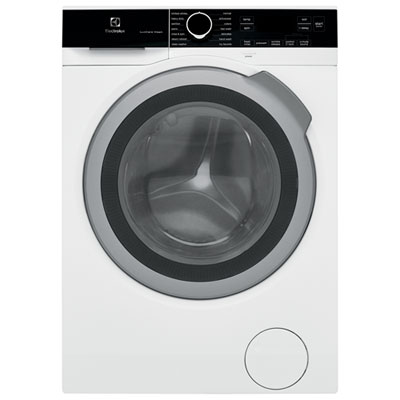
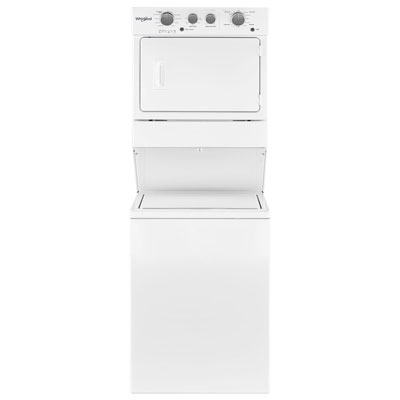
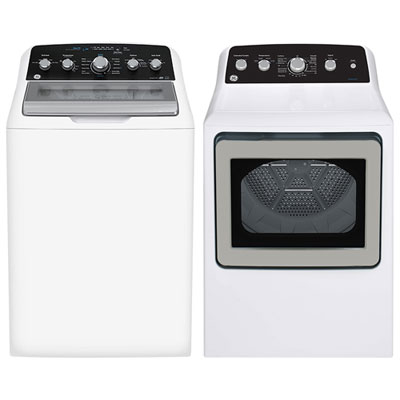
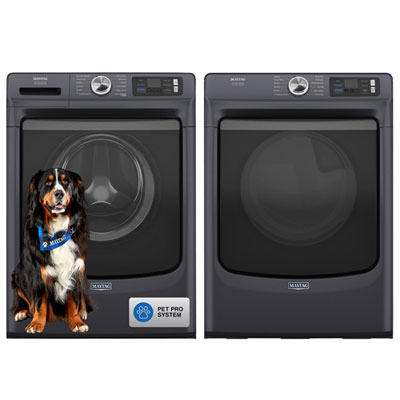
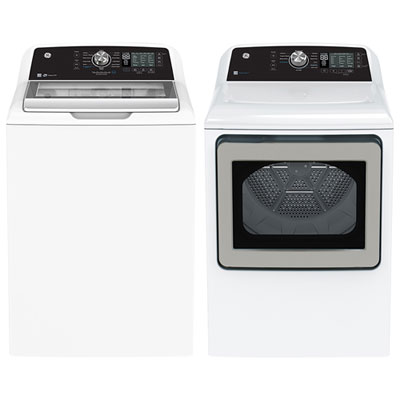
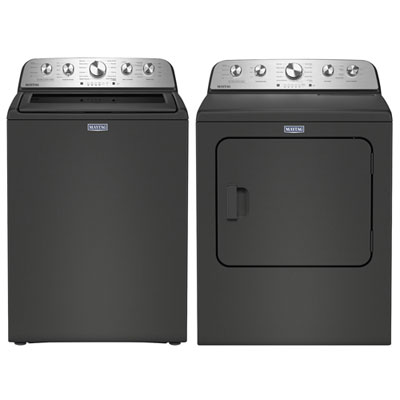
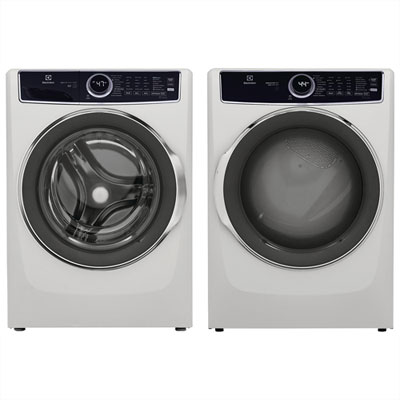
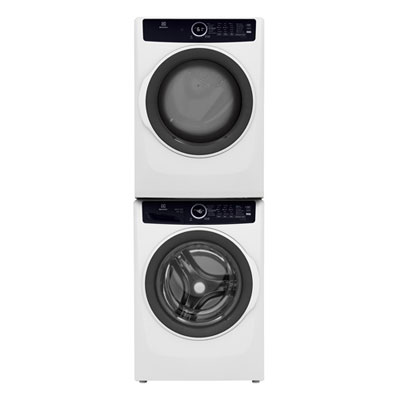
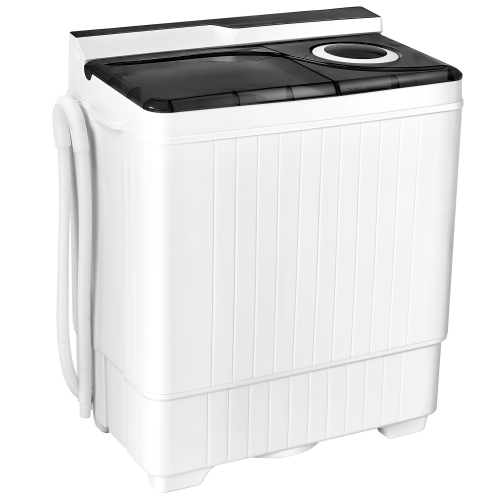
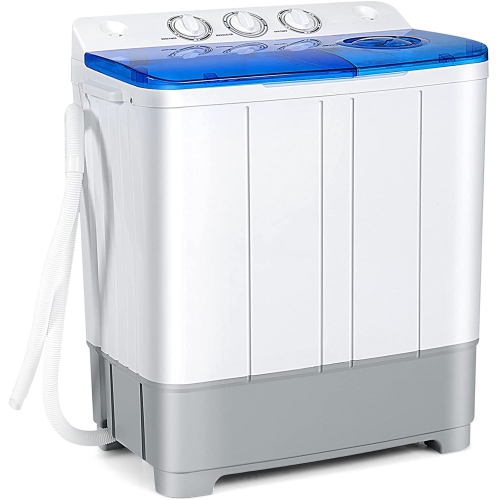
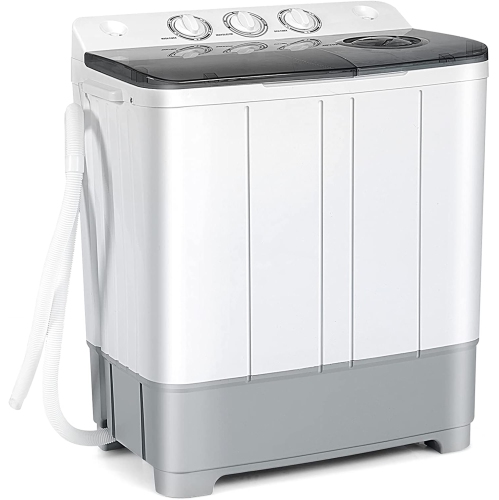
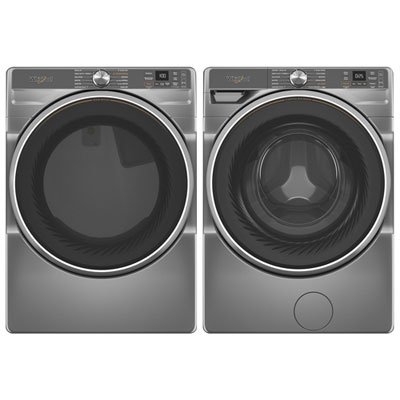
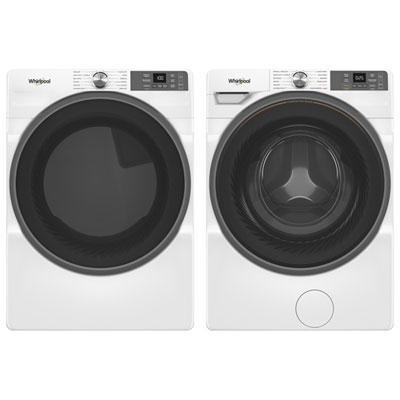
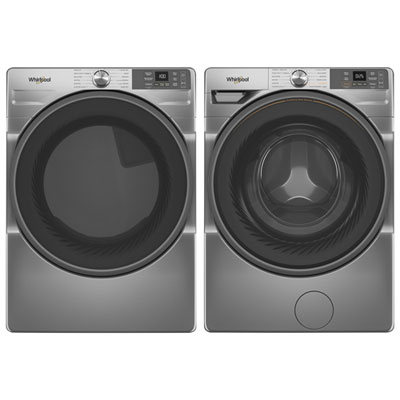
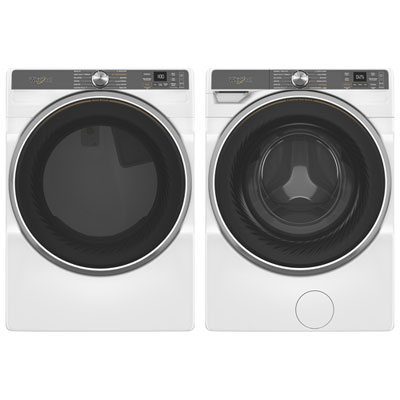
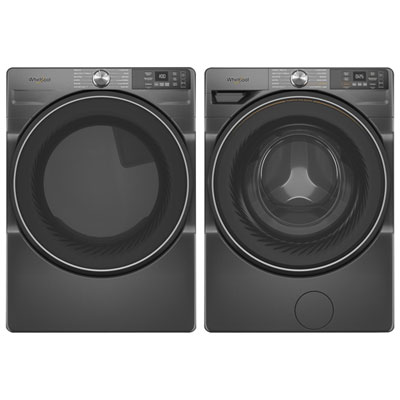
Gas laundry setups involve different fuel and installation needs
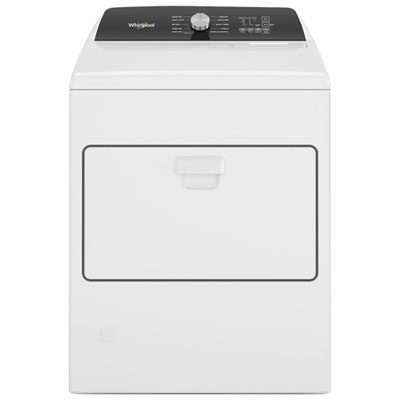
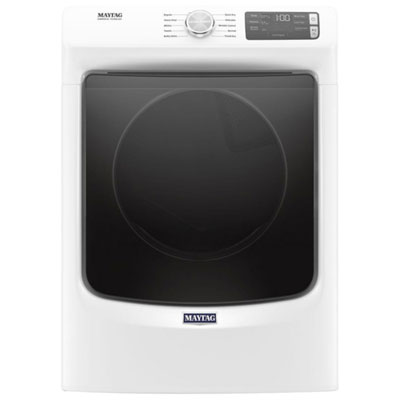
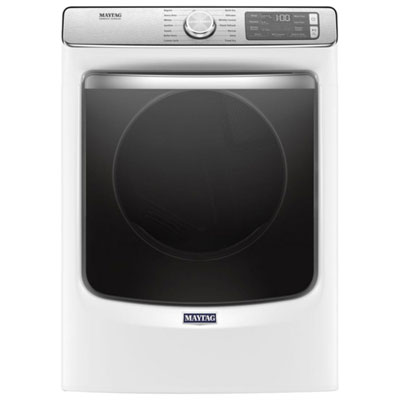
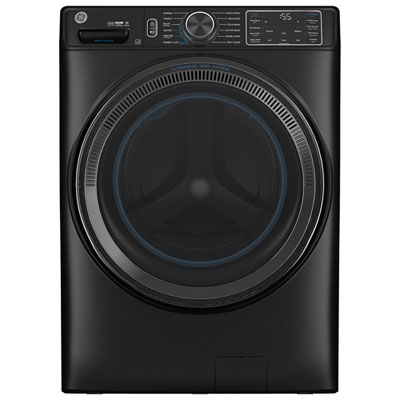
Gas clothes washers are often searched for by shoppers looking for a laundry appliance powered by gas, although the gas-powered appliance in a typical laundry pair is a clothes dryer. Clothes washing machines use water and mechanical action to clean fabrics, while gas dryers use natural gas or propane to heat air and remove moisture. This distinction is useful when comparing laundry products, especially if you are replacing an older pair, planning a renovation, or setting up a laundry area in a new home. A gas clothes dryer may be a practical choice for households that already have a suitable gas connection, while the accompanying washer is selected separately according to capacity, wash cycles, dimensions, and installation requirements. When browsing products described as gas clothes washers, check the specifications carefully to confirm whether the listing refers to a complete laundry pair, a gas dryer, or a washer-and-dryer set with different fuel requirements for each appliance. Gas dryers generally need a natural gas or propane supply, a compatible exhaust vent, electrical power for controls and drum operation, and enough clearance for ventilation and servicing. Installation should be completed according to local requirements by a qualified professional, since gas connections and venting need to be handled safely and correctly. Measure the laundry area from several points, including the doorway, hallway, stairwell, and final installation space, because a product that fits beneath a counter may still be difficult to bring into the room. Pay attention to door swing, rear clearance, vent direction, and whether the appliance can be stacked or placed beside its matching washer. These details become particularly important in compact laundry rooms, condos, apartments, and utility spaces where every inch matters. For smaller homes or secondary laundry areas, Compact Gas Clothes Dryers can offer a space-conscious alternative, provided the room has the required fuel connection and venting arrangement.
Capacity is another important consideration when choosing laundry appliances for everyday use. A smaller drum may suit one person, a couple, or a household that washes clothing frequently, while a larger capacity can make it easier to handle bedding, towels, winter layers, and family-sized loads without splitting everything into several cycles. Think about the items that regularly fill your hamper rather than choosing based only on the largest number on a specification sheet. Someone who washes work uniforms, sports clothing, or children’s clothing may value flexible cycle options and a quick-dry setting, while a household with delicate fabrics may place greater importance on low-heat options, timed drying, and careful temperature control. Moisture-sensing cycles can help stop a load when fabrics are dry, and wrinkle-reduction features can be useful when laundry cannot be folded immediately after the cycle ends. During the cooler months, a dependable laundry setup can be especially welcome when heavier garments, blankets, and damp outdoor layers begin to take longer to air-dry. A heated dryer can help keep laundry moving when indoor space is limited, while a washer with suitable cold, warm, and hot settings gives you flexibility for everyday clothing, linens, and heavily soiled items. Noise levels, control placement, drum lighting, reversible doors, and lint-filter access also affect how pleasant an appliance is to use day after day. For a household move, a first home, or a family replacing an aging laundry pair, these appliances can be a practical and appreciated purchase rather than a decorative gift. Before choosing, confirm the available fuel type, local installation rules, venting route, electrical requirements, dimensions, and manufacturer care instructions. It is also helpful to compare the total laundry setup as a pair, since a washer and dryer with similar capacity can reduce the need to divide loads and make the room feel more coordinated. Although gas pressure washers are also commonly discussed in search results for “gas washers,” they are outdoor cleaning machines designed for driveways, decks, vehicles, and other hard surfaces; they are not intended for washing clothing. For laundry, focus on gas clothes dryers, compatible washing machines, and the installation details that support safe, convenient fabric care.
Capacity is another important consideration when choosing laundry appliances for everyday use. A smaller drum may suit one person, a couple, or a household that washes clothing frequently, while a larger capacity can make it easier to handle bedding, towels, winter layers, and family-sized loads without splitting everything into several cycles. Think about the items that regularly fill your hamper rather than choosing based only on the largest number on a specification sheet. Someone who washes work uniforms, sports clothing, or children’s clothing may value flexible cycle options and a quick-dry setting, while a household with delicate fabrics may place greater importance on low-heat options, timed drying, and careful temperature control. Moisture-sensing cycles can help stop a load when fabrics are dry, and wrinkle-reduction features can be useful when laundry cannot be folded immediately after the cycle ends. During the cooler months, a dependable laundry setup can be especially welcome when heavier garments, blankets, and damp outdoor layers begin to take longer to air-dry. A heated dryer can help keep laundry moving when indoor space is limited, while a washer with suitable cold, warm, and hot settings gives you flexibility for everyday clothing, linens, and heavily soiled items. Noise levels, control placement, drum lighting, reversible doors, and lint-filter access also affect how pleasant an appliance is to use day after day. For a household move, a first home, or a family replacing an aging laundry pair, these appliances can be a practical and appreciated purchase rather than a decorative gift. Before choosing, confirm the available fuel type, local installation rules, venting route, electrical requirements, dimensions, and manufacturer care instructions. It is also helpful to compare the total laundry setup as a pair, since a washer and dryer with similar capacity can reduce the need to divide loads and make the room feel more coordinated. Although gas pressure washers are also commonly discussed in search results for “gas washers,” they are outdoor cleaning machines designed for driveways, decks, vehicles, and other hard surfaces; they are not intended for washing clothing. For laundry, focus on gas clothes dryers, compatible washing machines, and the installation details that support safe, convenient fabric care.
Top selling and popular products
-
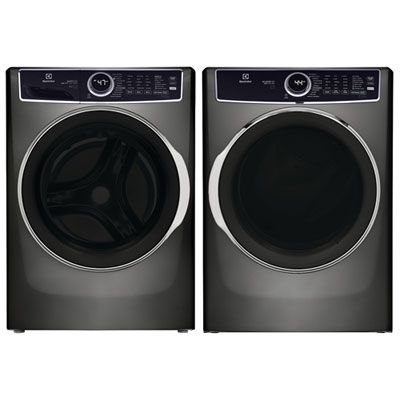 Your price for this item is $2359.98
 -
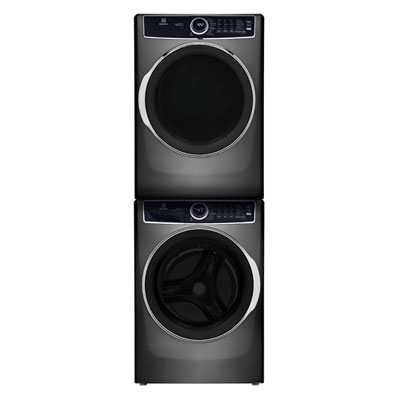 Your price for this item is $2407.97
 -
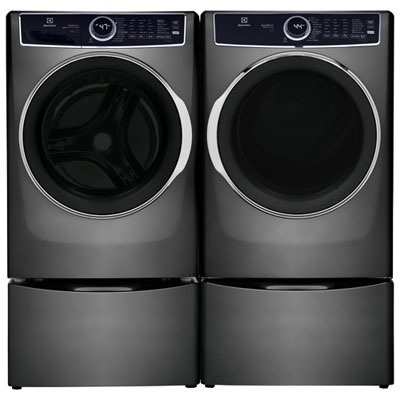 Your price for this item is $2659.96
 -
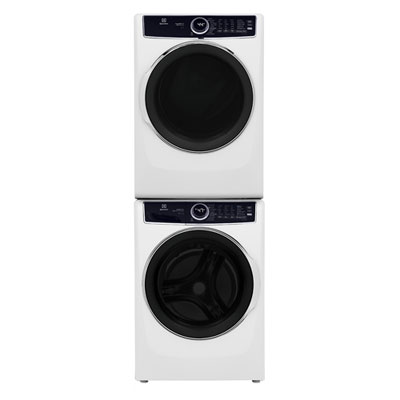 Your price for this item is $2547.97
 -
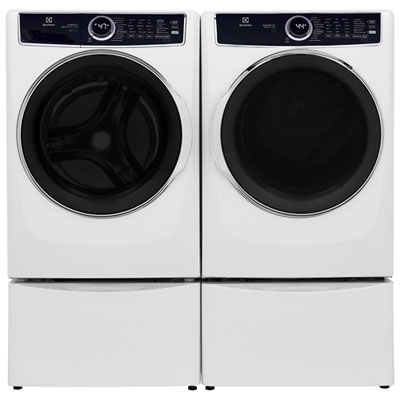 Your price for this item is $2799.96
 -
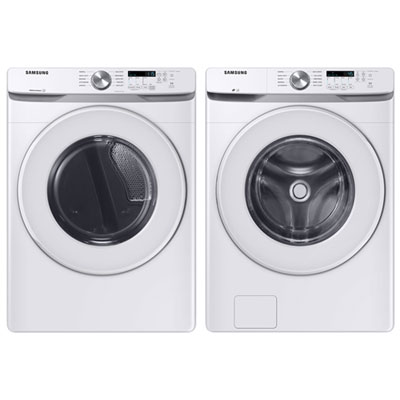 Your price for this item is $1891.98
 -
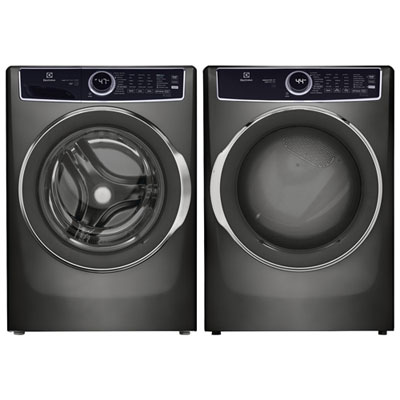 Your price for this item is $2342.98
 -
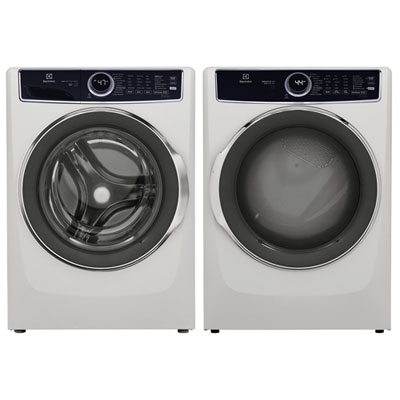 Your price for this item is $2149.98
Discover more categories related to Gas Clothes Washers
Top Collections:
Pokemon Centers, Kindle Devices, Best Budget Office Chairs, Apple iPhones 16, Best Laptops for Writers, iPhone 15 Apple, Canon G7X Cameras, Refurbished Apple Laptops, Alarm Clock, Motorola Razr Phones
Some products may be subject to Environmental Handling Fees
(EHF) depending on your province.
Learn more about EHFs.