GE Profile Ranges
Upgrade your kitchen with the GE Profile Range, designed to bring both style and performance to your cooking space. Explore a variety of options that blend seamlessly with modern kitchens while delivering reliable results for everyday meals or special occasions. Whether you’re preparing quick weeknight dinners or hosting family gatherings, the GE Profile Range offers versatility to fit your culinary needs. Discover the perfect addition to your home and enjoy an enhanced cooking experience.
Sort
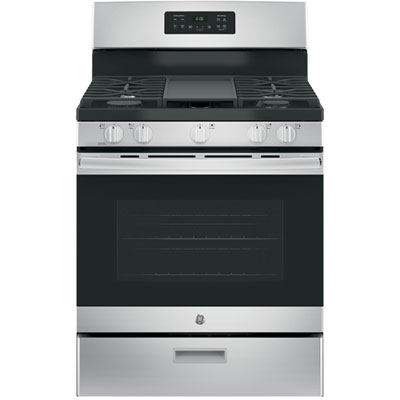
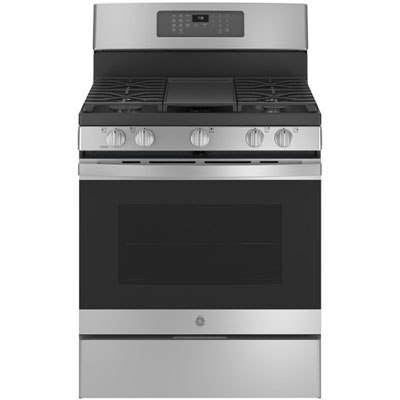
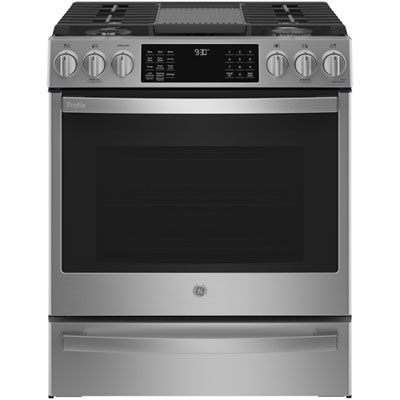
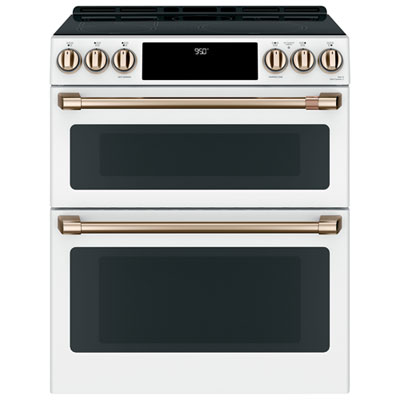
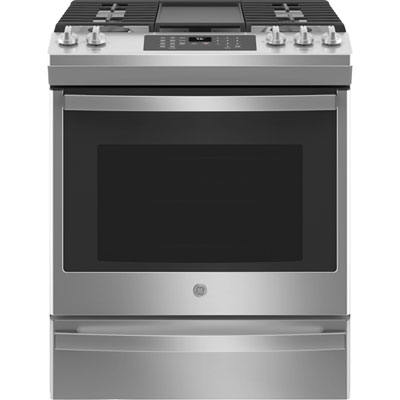
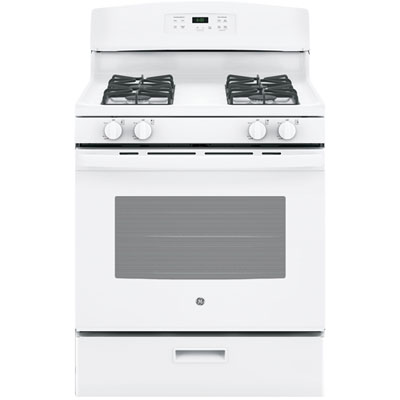
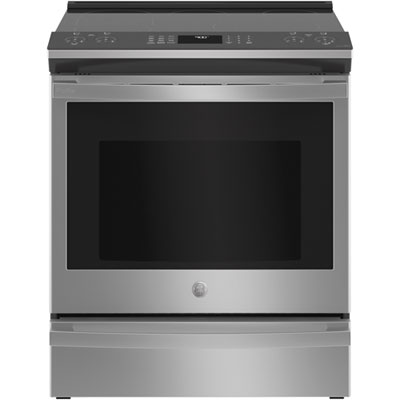

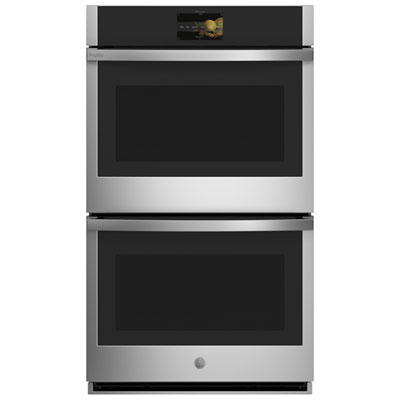
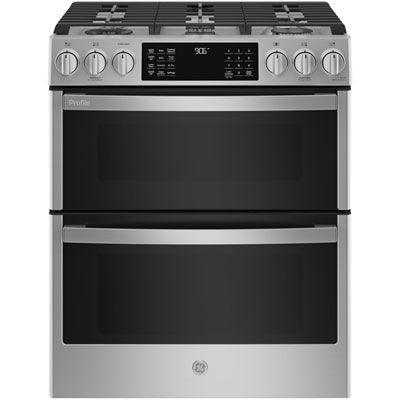

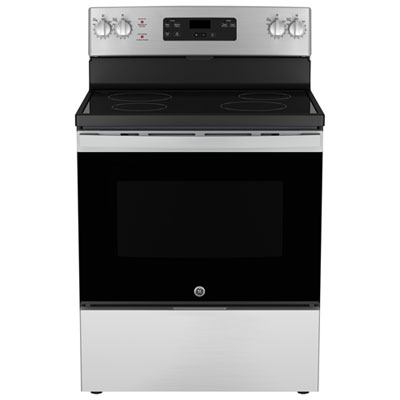
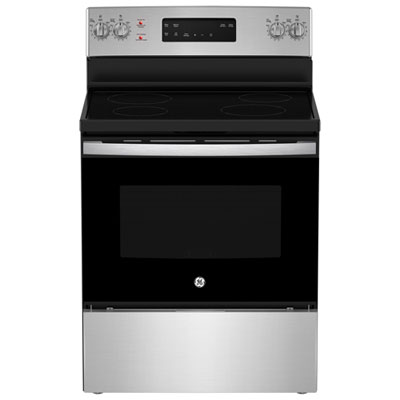
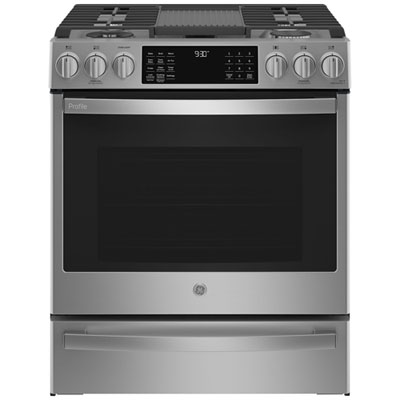
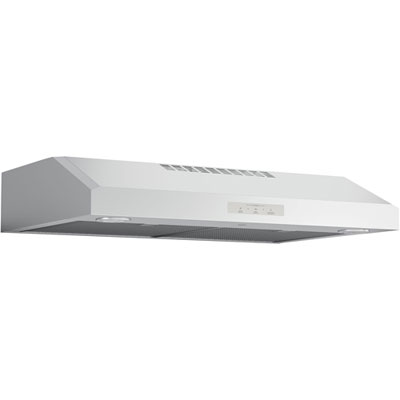
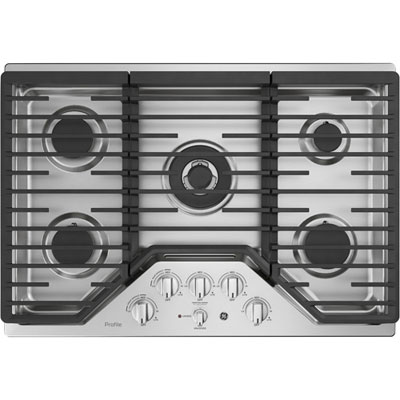
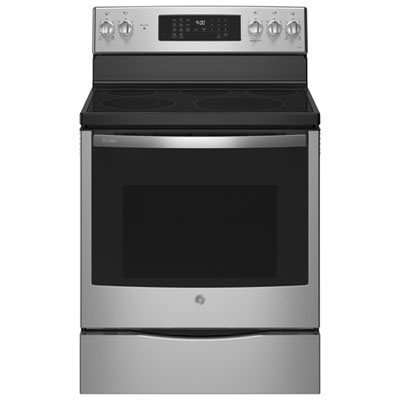
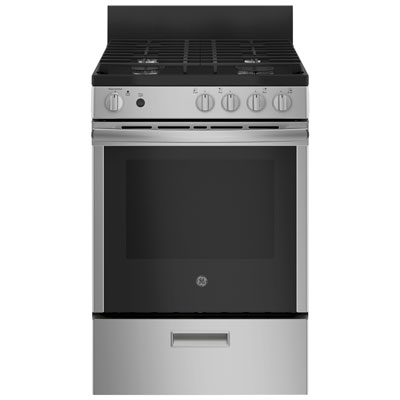
Cooking flexibility from gentle simmers to full roast dinners
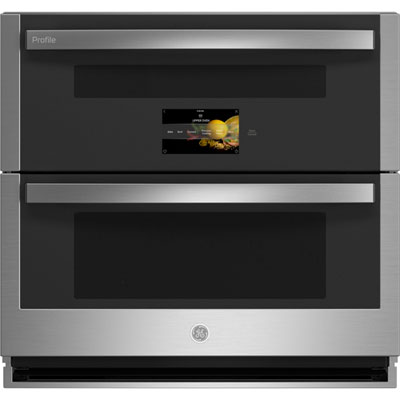
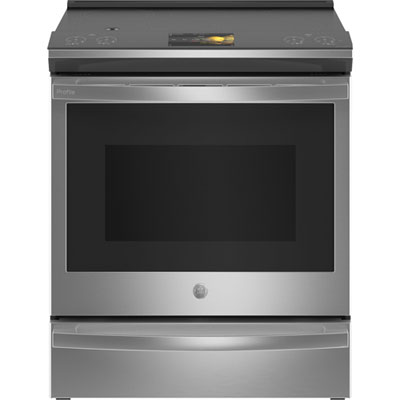
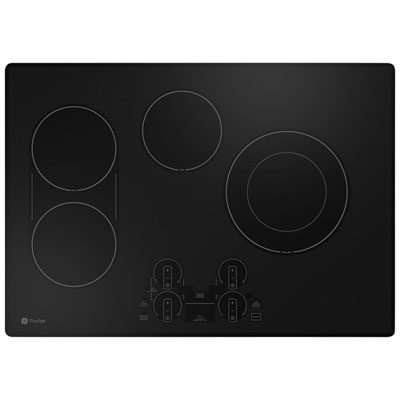
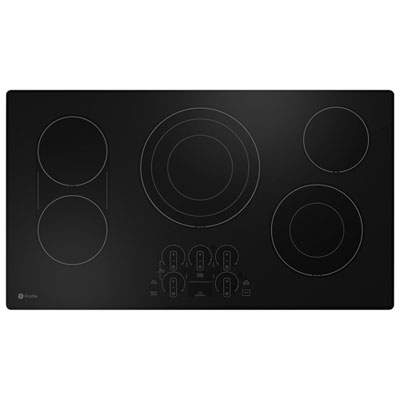
Premium kitchen ranges bring a cooktop and oven together in one appliance, creating a central place for everything from a quick breakfast to a full roast dinner. Their appeal lies in the balance of cooking performance, practical controls, and a coordinated appearance that fits naturally alongside cabinetry. Gas, electric, induction, and dual-fuel designs offer different ways to manage heat, so the right choice depends on both the kitchen’s connections and the meals prepared most often. Gas cooktops provide a visible flame and responsive adjustment, useful when moving from a lively boil to a gentle simmer. On designs with continuous grates, a heavy pot can slide between burners without being lifted, although the grates and nearby surfaces remain hot during use. Smooth-top electric ranges provide a flat cooking surface with radiant elements beneath the glass, pairing familiar operation with a streamlined look. Because radiant elements retain heat after being turned down, moving a delicate sauce to a cooler element can help prevent scorching. Induction cooktops heat compatible cookware directly through a magnetic field, offering fast heating and precise adjustments for tasks such as melting chocolate or bringing a large pot of pasta water to a boil. Their glass surfaces can still become hot from contact with cookware, so residual-heat indicators and normal precautions remain important. A magnet that adheres firmly to a pan’s base is a useful initial check for induction compatibility, though the cookware manufacturer’s specifications should also confirm suitability. Dual-fuel ranges pair a gas cooktop with an electric oven, appealing to households that prefer flame cooking on the surface and electric heat for baking. Across these designs, burner or element layout matters as much as overall power: a wide skillet, a stockpot, and a small saucepan need enough room to sit securely without crowding one another. For frequent cooks and busy households alike, that everyday working space can make meal preparation feel noticeably less cramped.
A range also needs to suit the physical layout of the kitchen, from the countertop opening to the space in front of the oven door. Slide-in designs typically place controls at the front and create a closely integrated appearance between surrounding cabinets, while freestanding designs generally have finished sides and may include a raised rear control panel. Installation details vary, and a slide-in style does not automatically mean that every edge will sit flush with an existing counter. Width, height, depth, required clearances, and the location of electrical or gas connections all deserve attention, especially when replacing an older appliance without changing the cabinetry. A nominal 30-inch range, for example, still requires checking against the manufacturer’s exact dimensions and installation requirements. Handle projection and the open oven door can affect a narrow aisle, while nearby drawers or cabinet doors need room to move freely. Gas appliances require a suitable supply connection, electric and induction ranges require the specified electrical circuit, and dual-fuel designs need both gas and electrical provisions. Qualified installation, an anti-tip bracket, and ventilation suited to the appliance and local requirements support safe daily use. Inside the oven, usable rack space is often more revealing than capacity alone. A household that regularly cooks with a large roasting pan may value generous interior width, while someone baking several trays of biscuits will appreciate flexible rack positions and adequate space for air to circulate. Double-oven configurations, where offered, can accommodate dishes at different temperatures, though each compartment’s dimensions should suit the cookware used most often. Exterior finishes also affect the kitchen’s character and upkeep. Stainless steel works comfortably with many cabinet colours, glass cooktops create a smooth visual line, and substantial metal handles offer a reassuring grip. Front controls can be convenient to reach, but their position is worth considering in homes with young children. Clear displays, readable markings, and controls that respond predictably are practical details that matter long after installation.
Cooking features become most useful when they support familiar routines rather than simply adding more settings. Convection ovens circulate heated air with a fan, helping promote more even cooking when racks and pans are arranged as directed. Some systems include an additional heating element around the fan; performance and cooking adjustments depend on the oven design and the dish. For a tray of roasted vegetables or several portions of baked fish, leaving space around the food helps moving air reach the surfaces. Air fry settings, where included, use strong airflow and high heat to encourage crispness with less oil than deep frying, but food spacing, tray choice, and batch size still influence the result. A no-preheat air fry function applies only to the modes and foods specified by the manufacturer, rather than eliminating preheating for every recipe. Temperature probes can help track the internal temperature of a roast without repeatedly opening the door, while warming functions can keep finished dishes ready as the rest of dinner comes together. Wi-Fi connectivity on equipped ranges may allow status checks, notifications, or selected oven adjustments through a compatible app; remote operation depends on the appliance’s supported functions and safety requirements. These conveniences can be especially helpful during the cooler months, when oven-baked meals and shared dinners become a regular part of the household rhythm. Lasting performance also depends on straightforward care. Wiping up spills once surfaces are safe to handle helps prevent baked-on residue, and glass cooktops need suitable cleaners and cookware with clean, smooth bases to limit scratching. Cast-iron grates, burner caps, stainless steel panels, and oven interiors each have their own cleaning requirements. Self-clean and steam-clean functions are not interchangeable, and racks or accessories may need removal before a cleaning cycle. Keeping vents unobstructed, checking door seals, and following the care instructions help protect everyday cooking performance. For a broader view of related cooking appliances, GE Stove Ovens offers another place to explore the category. The most satisfying range is one whose cooking surface, oven space, fit, and maintenance needs work comfortably with the household’s daily meals.
A range also needs to suit the physical layout of the kitchen, from the countertop opening to the space in front of the oven door. Slide-in designs typically place controls at the front and create a closely integrated appearance between surrounding cabinets, while freestanding designs generally have finished sides and may include a raised rear control panel. Installation details vary, and a slide-in style does not automatically mean that every edge will sit flush with an existing counter. Width, height, depth, required clearances, and the location of electrical or gas connections all deserve attention, especially when replacing an older appliance without changing the cabinetry. A nominal 30-inch range, for example, still requires checking against the manufacturer’s exact dimensions and installation requirements. Handle projection and the open oven door can affect a narrow aisle, while nearby drawers or cabinet doors need room to move freely. Gas appliances require a suitable supply connection, electric and induction ranges require the specified electrical circuit, and dual-fuel designs need both gas and electrical provisions. Qualified installation, an anti-tip bracket, and ventilation suited to the appliance and local requirements support safe daily use. Inside the oven, usable rack space is often more revealing than capacity alone. A household that regularly cooks with a large roasting pan may value generous interior width, while someone baking several trays of biscuits will appreciate flexible rack positions and adequate space for air to circulate. Double-oven configurations, where offered, can accommodate dishes at different temperatures, though each compartment’s dimensions should suit the cookware used most often. Exterior finishes also affect the kitchen’s character and upkeep. Stainless steel works comfortably with many cabinet colours, glass cooktops create a smooth visual line, and substantial metal handles offer a reassuring grip. Front controls can be convenient to reach, but their position is worth considering in homes with young children. Clear displays, readable markings, and controls that respond predictably are practical details that matter long after installation.
Cooking features become most useful when they support familiar routines rather than simply adding more settings. Convection ovens circulate heated air with a fan, helping promote more even cooking when racks and pans are arranged as directed. Some systems include an additional heating element around the fan; performance and cooking adjustments depend on the oven design and the dish. For a tray of roasted vegetables or several portions of baked fish, leaving space around the food helps moving air reach the surfaces. Air fry settings, where included, use strong airflow and high heat to encourage crispness with less oil than deep frying, but food spacing, tray choice, and batch size still influence the result. A no-preheat air fry function applies only to the modes and foods specified by the manufacturer, rather than eliminating preheating for every recipe. Temperature probes can help track the internal temperature of a roast without repeatedly opening the door, while warming functions can keep finished dishes ready as the rest of dinner comes together. Wi-Fi connectivity on equipped ranges may allow status checks, notifications, or selected oven adjustments through a compatible app; remote operation depends on the appliance’s supported functions and safety requirements. These conveniences can be especially helpful during the cooler months, when oven-baked meals and shared dinners become a regular part of the household rhythm. Lasting performance also depends on straightforward care. Wiping up spills once surfaces are safe to handle helps prevent baked-on residue, and glass cooktops need suitable cleaners and cookware with clean, smooth bases to limit scratching. Cast-iron grates, burner caps, stainless steel panels, and oven interiors each have their own cleaning requirements. Self-clean and steam-clean functions are not interchangeable, and racks or accessories may need removal before a cleaning cycle. Keeping vents unobstructed, checking door seals, and following the care instructions help protect everyday cooking performance. For a broader view of related cooking appliances, GE Stove Ovens offers another place to explore the category. The most satisfying range is one whose cooking surface, oven space, fit, and maintenance needs work comfortably with the household’s daily meals.
Top selling and popular products
-
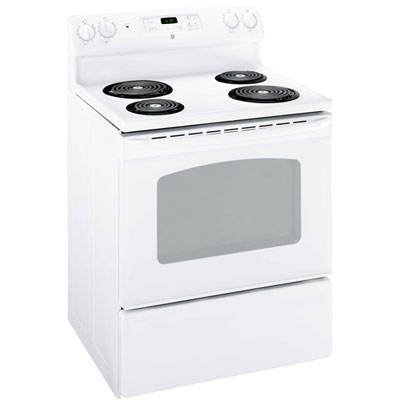 Your price for this item is $849.99
 -
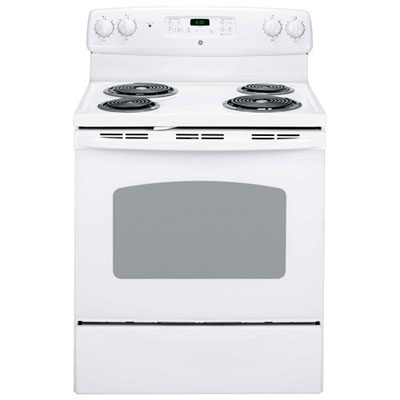 Your price for this item is $899.99
 -
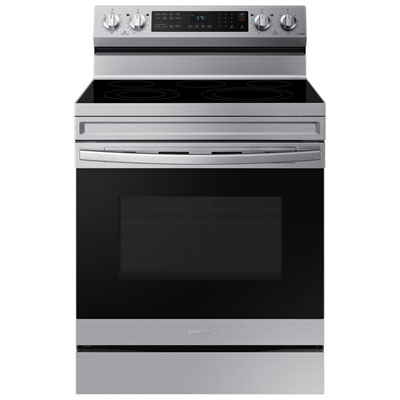 Your price for this item is $1195.99
 -
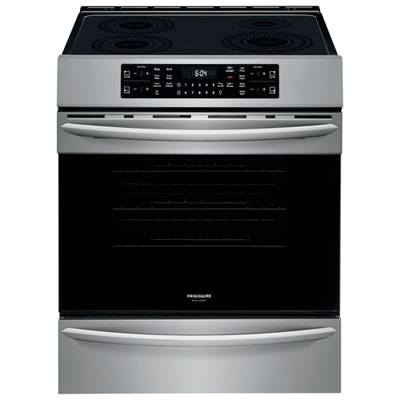 Your price for this item is $1649.97
 -
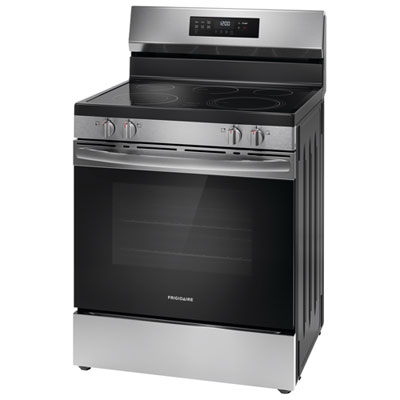 Your price for this item is $999.99
 -
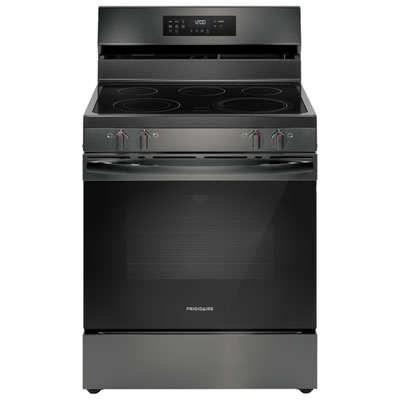 Your price for this item is $1449.99
 -
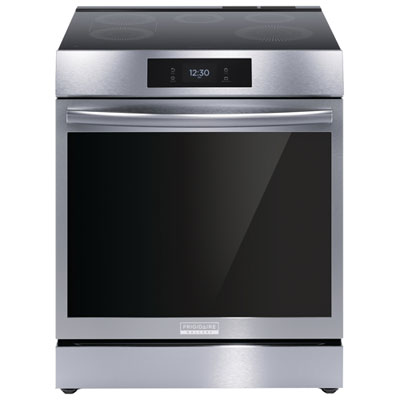 Your price for this item is $1999.99
 -
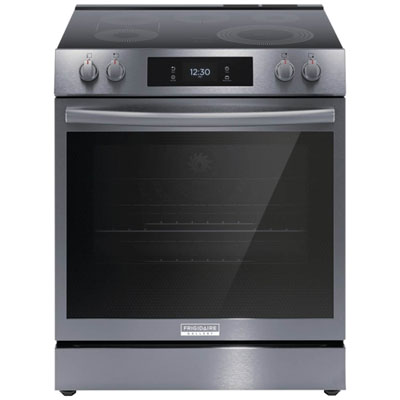 Your price for this item is $2049.99
Discover more categories related to GE Profile Ranges
Top Collections:
Pokemon Centers, Kindle Devices, Best Budget Office Chairs, Apple iPhones 16, Best Laptops for Writers, iPhone 15 Apple, Canon G7X Cameras, Refurbished Apple Laptops, Alarm Clock, Motorola Razr Phones
Some products may be subject to Environmental Handling Fees
(EHF) depending on your province.
Learn more about EHFs.