Glass Carafe
Elevate your kitchen or dining experience with a Glass Carafe, perfect for serving beverages in style. Designed to complement any table setting, these versatile carafes are ideal for water, juice, wine, and more. Whether you're hosting guests or enjoying a quiet meal at home, a Glass Carafe adds a touch of elegance and convenience to every occasion. Discover a variety of sizes and designs to find the ideal fit for your needs.
Sort




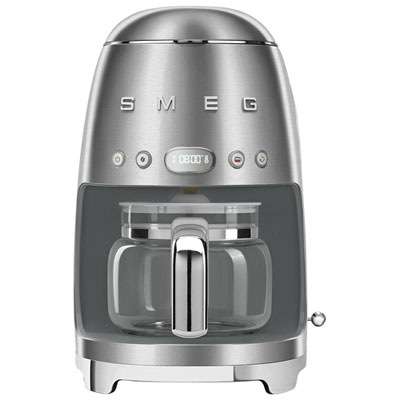
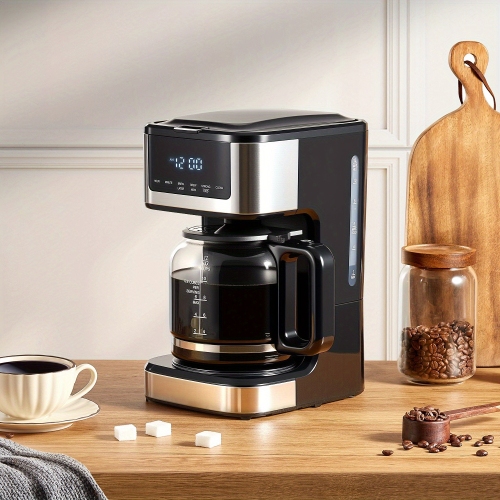
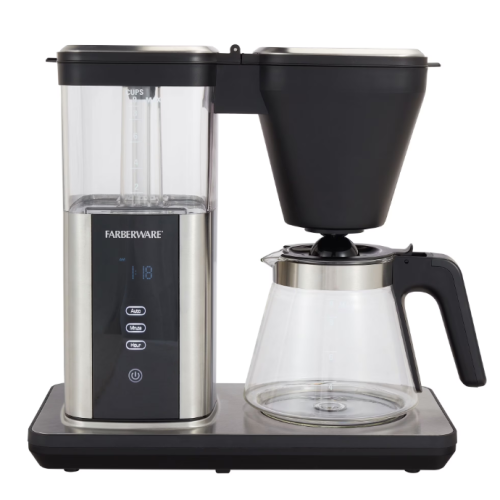
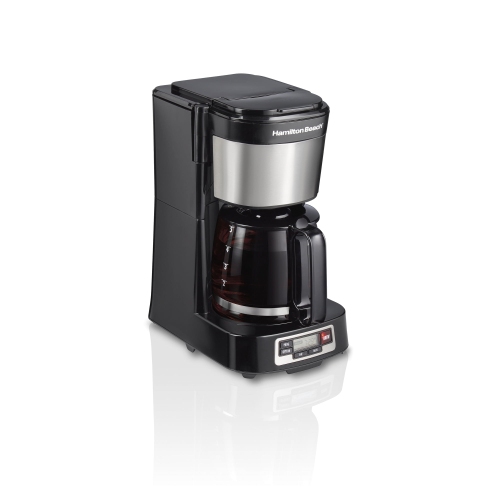

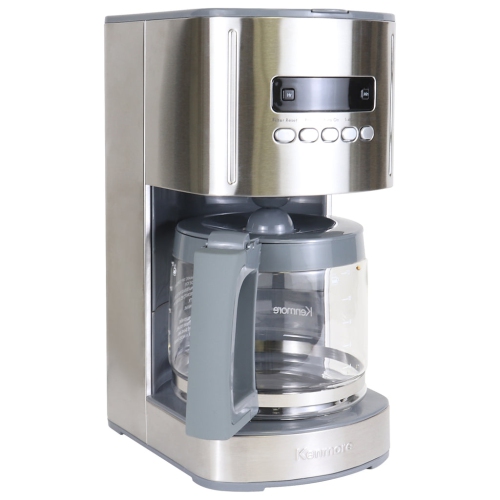
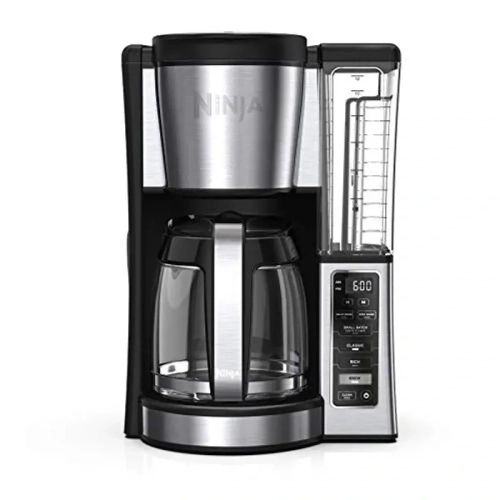
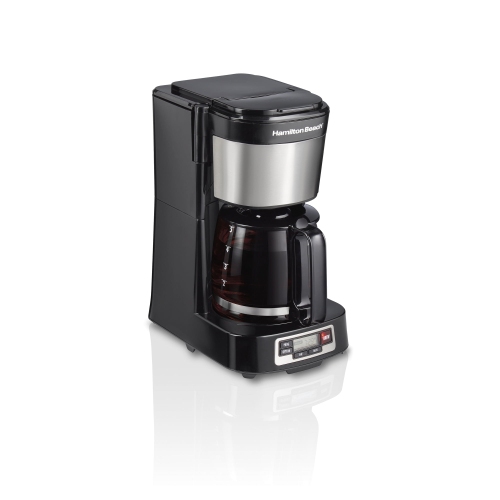
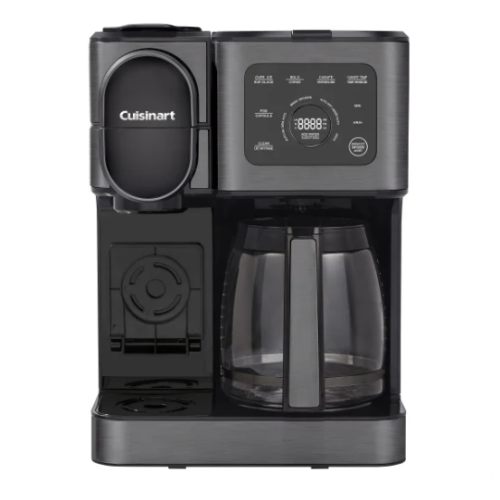
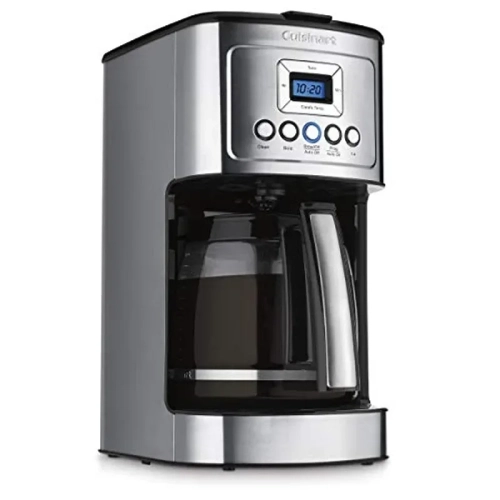
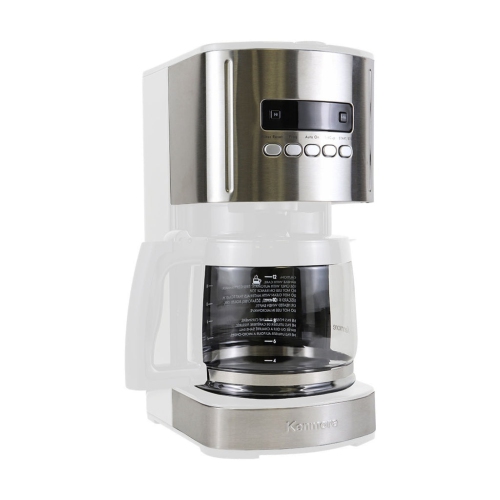
Why shape and balance matter with every pour
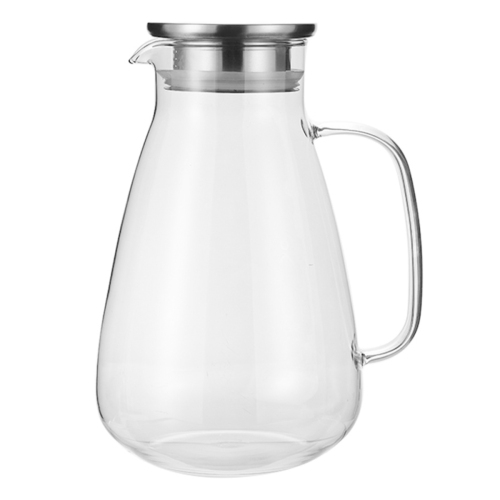
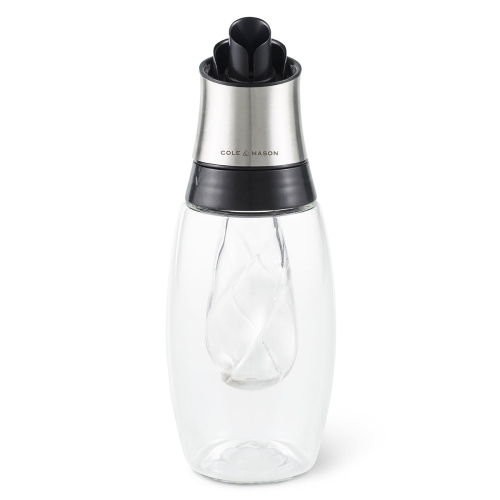
A glass carafe is a vessel for serving drinks such as water, juice, wine, or coffee, typically with a narrow neck and a wider body. Many traditional carafes have no handle or stopper, although designs with handles, lids, and pouring spouts are also common. Unlike a wine decanter, which is often shaped specifically to expose wine to air or help separate it from sediment, a carafe generally puts everyday pouring and serving first. Clear glass makes the contents visible, bringing the colour of juice, sliced citrus, or brewed coffee to the table without hiding how much remains. It also suits a wide range of dinnerware, from plain white plates to patterned stoneware. Shape has a practical role alongside appearance: a slender neck can offer a comfortable grip, while a broader base can add stability when the vessel is set down. A shaped rim or defined spout may help direct the stream, though pouring control also depends on the weight and balance of the filled carafe. Capacity is worth considering in terms of actual servings. A one-litre carafe holds approximately four 250 mL servings before allowing space for ice, fruit, or room below the rim. Smaller capacities can suit a bedside table or breakfast tray, while larger ones make sense for shared meals and meeting tables. Height and width matter just as much as volume when a carafe needs to fit beneath a refrigerator shelf, inside a door compartment, or on a crowded dining table. A low, rounded shape leaves more space beneath overhead shelving, while a tall profile takes up less table space. Lidded designs can help keep dust away from drinks between servings, but a lid is not necessarily leakproof or airtight. For carrying a carafe from the kitchen to another room, a comfortable grip and manageable filled weight are more useful than capacity alone. The best fit is a shape that feels natural to lift, pour, and return to its usual spot.
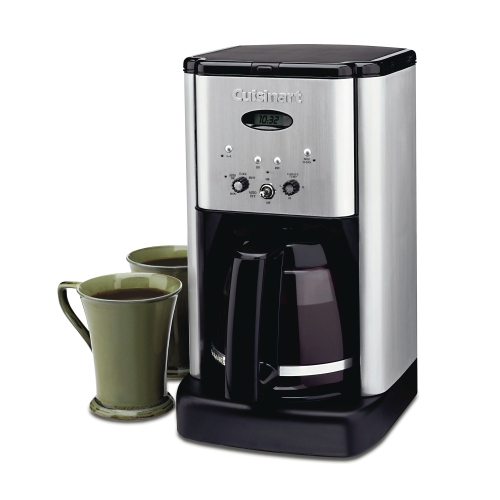
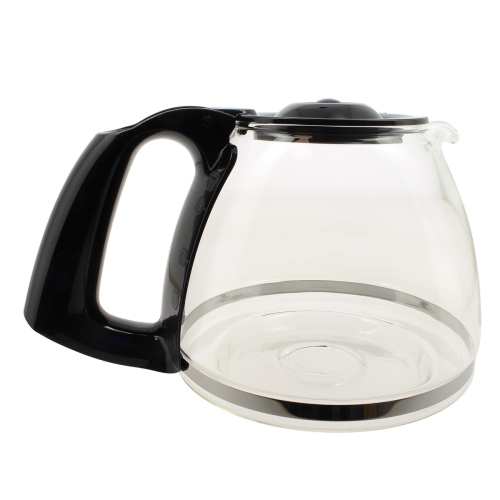
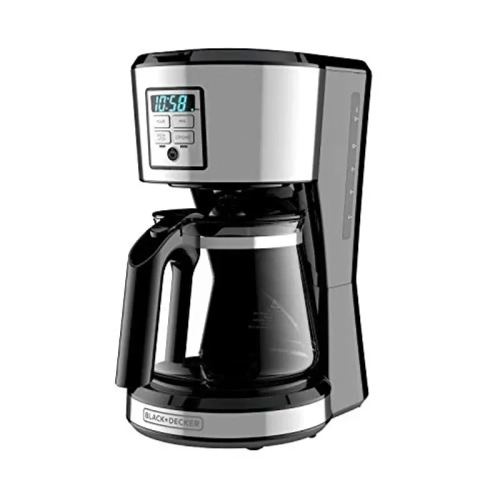
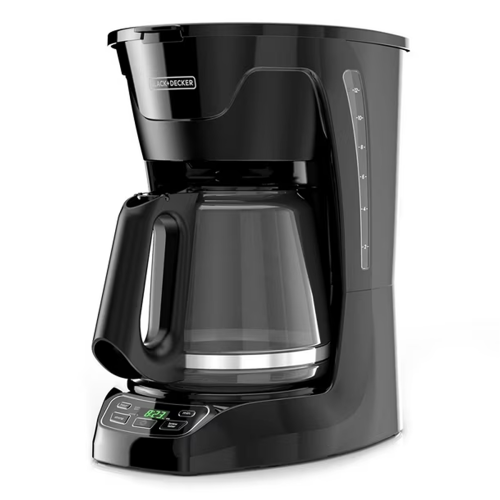
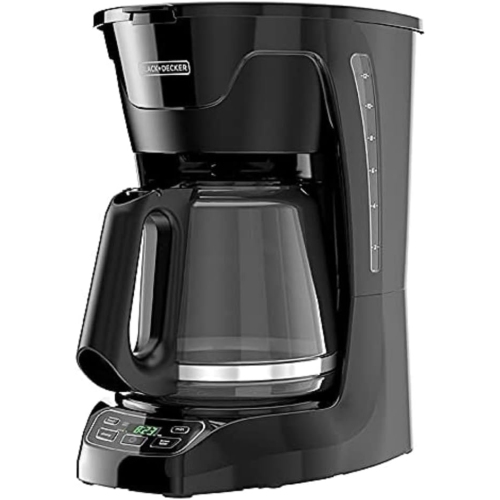
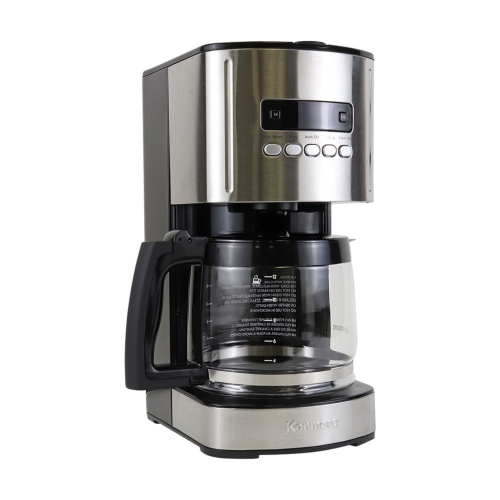
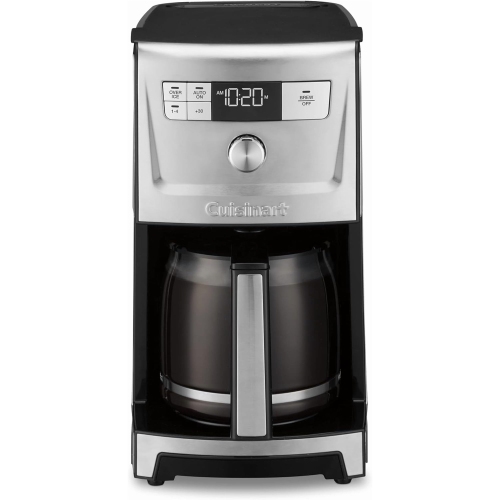
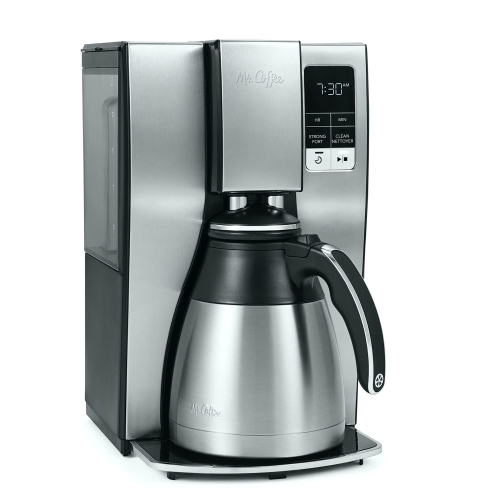
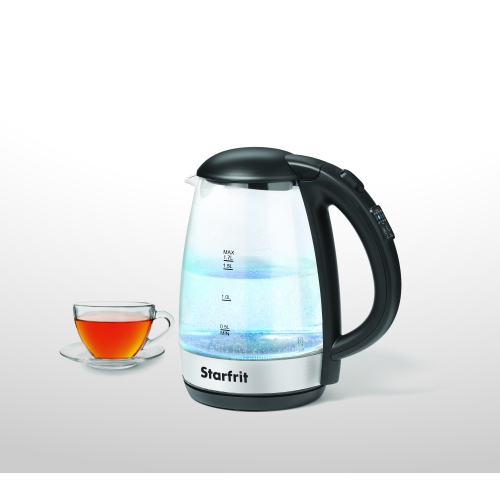
Material and construction determine how a glass carafe can be used, especially when hot drinks are involved. Ordinary serving glass should not be assumed suitable for boiling water, hot coffee, or sudden changes in temperature. Borosilicate glass generally tolerates temperature changes better than ordinary soda-lime glass, but the manufacturer's stated limits still govern safe use. A carafe intended for chilled water is not automatically a suitable replacement for a coffee maker jug, and even a heat-resistant vessel may not be approved for a stovetop, warming plate, or microwave. Replacement coffee carafes need a closer fit than their capacity alone suggests: the base shape, lid height, handle clearance, and connection with the brewer's drip mechanism can all affect operation. A universal-looking shape does not guarantee compatibility. For manually prepared coffee or tea, the opening also needs to accommodate the intended filter holder or brewing accessory securely. Alongside a separate serving vessel, Glass Electric Kettles offer a way to heat water for drink preparation; the carafe receiving that water must still be rated for the intended use. Everyday care is another meaningful difference between designs. A wide opening makes handwashing easier and gives better access to the bottom, where juice pulp or coffee residue can collect. Narrow necks may require a soft bottle brush, while removable lids can have seals or pouring inserts that need separate cleaning. Dishwasher suitability should be confirmed for both the glass body and any accompanying parts rather than assumed from the material. Gentle cleaning tools help avoid scratching the surface, and allowing all components to dry fully before storage helps prevent trapped moisture and lingering odours. Glass is non-porous, so thorough cleaning makes it well suited to switching between drinks, although lid seals can retain stronger aromas. Chips at the rim, visible cracks, or damage around a handle are reasons to stop using the vessel. Careful placement in the sink and cupboard also reduces knocks against taps, dishes, and neighbouring glassware.
The intended setting often makes the choice between glass carafes clearer than appearance alone. At a dining table, a balanced vessel that guests can pass comfortably is useful for keeping water within reach without adding a bulky jug beside the plates. For a breakfast spread, a carafe can hold juice while leaving the original carton off the table, and a clear body makes it easy to distinguish drinks when several are being served. On a bedside table, a compact footprint and a well-fitting cover may matter more than a generous capacity; placement away from the table's edge and electronic devices helps limit the consequences of an accidental spill. A home office or meeting space calls for similar attention to stability, particularly where papers and laptops share the work surface. For wine service, a simple open carafe can provide an unfussy presentation, but it should not be expected to perform exactly like a specialist decanter. Coffee drinkers may prefer a clearly marked capacity and an easy-to-hold handle when choosing a vessel designed for their brewing method. Surface details change the experience as well. Smooth, clear glass makes residue easy to spot, while ribbed, textured, or tinted glass can bring more visual interest to a table. Those details may make liquid levels less obvious, so function deserves a look alongside style. A substantial base can feel reassuring during pouring, but heavier glass adds weight before any drink is poured. For a housewarming or wedding gift, a versatile shape that works with different place settings is often easier to integrate than an ornate design with a single purpose. A carafe paired with compatible drinking glasses can create a cohesive serving arrangement without requiring an entirely new table setting. Storage is worth remembering, too: enough clearance around the neck and rim makes removal easier and helps protect vulnerable edges. With suitable capacity, comfortable handling, and care requirements that fit the household routine, a glass carafe can move naturally between everyday meals and occasions that call for a more considered table.
Top selling and popular products
-
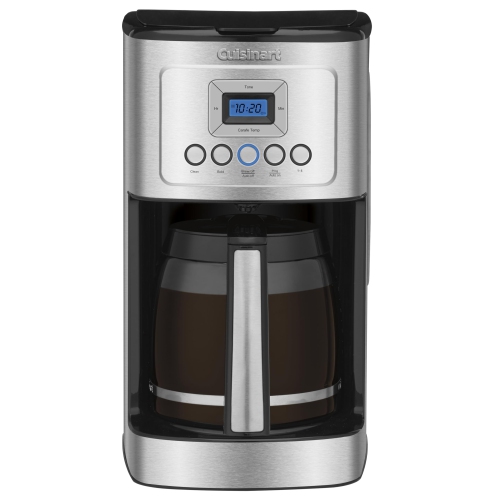 Your price for this item is $199.99
-
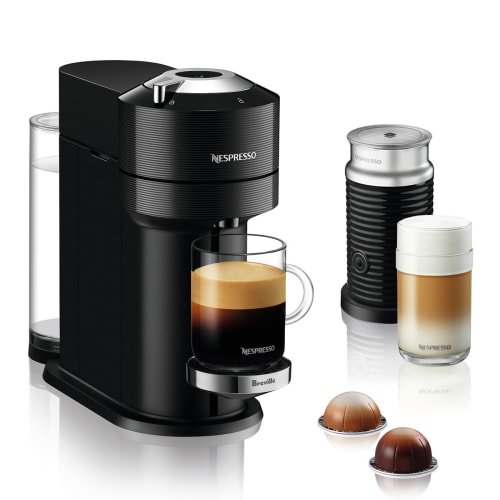 Your price for this item is $259.99
-
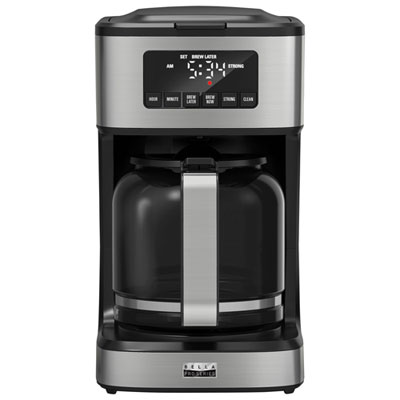 Your price for this item is $99.99
-
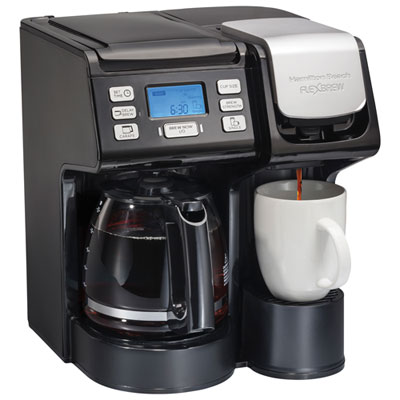 Your price for this item is $109.99
-
 Your price for this item is $399.99
-
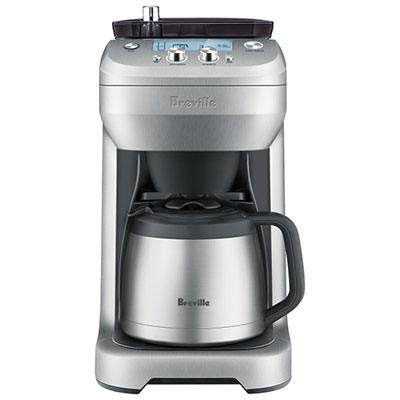 Your price for this item is $349.99
-
 Your price for this item is $99.99
-
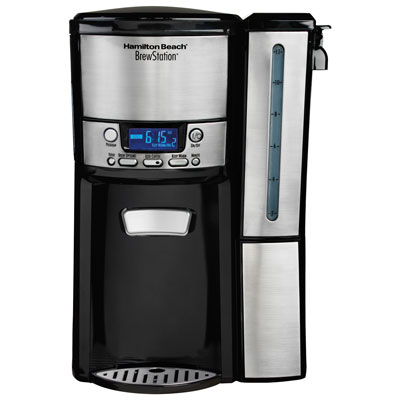 Your price for this item is $117.99
Discover more categories related to Glass Carafe

Top Collections:
Best Black Friday Deals This Year, Best Black Friday Deals On Electronics, Kindle Devices, Best Black Friday Deals On Apple Products, Best Budget Office Chairs, Best Cameras for Sports Photography, Dyson Airwrap, Canon G7X Cameras, Best Laptops for Writers, Samsung Galaxy Phones
Some products may be subject to Environmental Handling Fees
(EHF) depending on your province.
Learn more about EHFs.