Thermal Carafe Stainless Steel
Elevate your coffee and beverage experience with a Thermal Carafe Stainless Steel. Perfect for home, office, or on-the-go use, these carafes blend style and durability to keep your drinks at the ideal temperature. Explore a variety of sizes and designs to find the right fit for your daily routine. With their sleek stainless steel construction, these thermal carafes add a touch of modern elegance to any setting while offering reliable performance for everyday use.
Sort

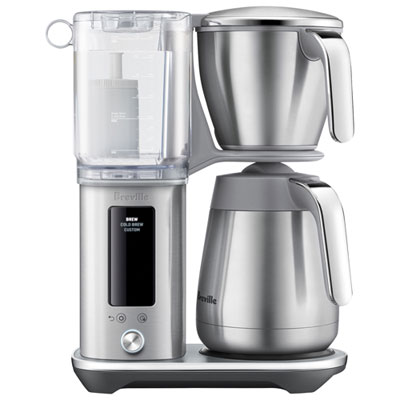
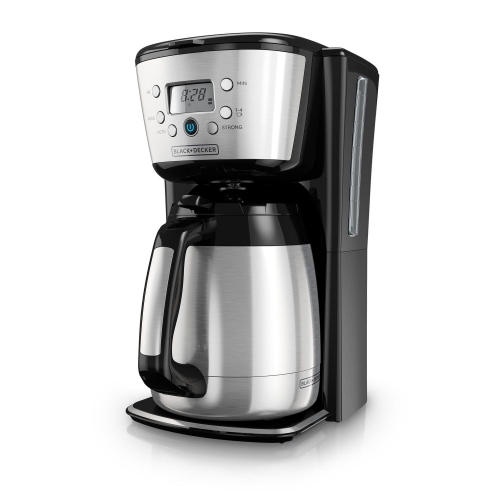
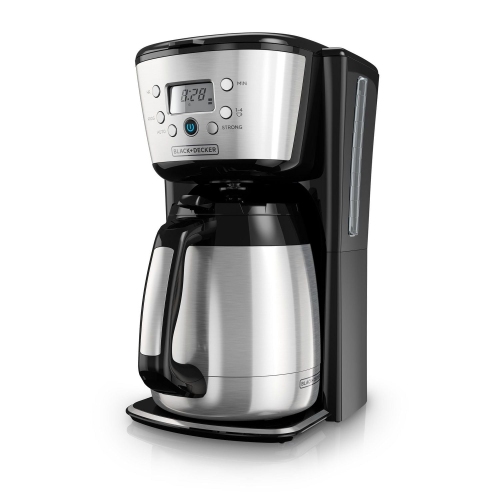

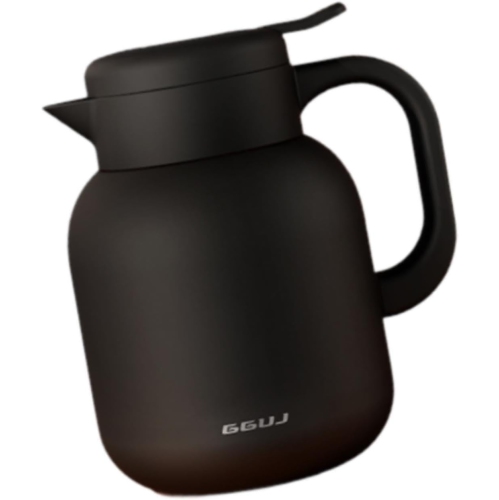
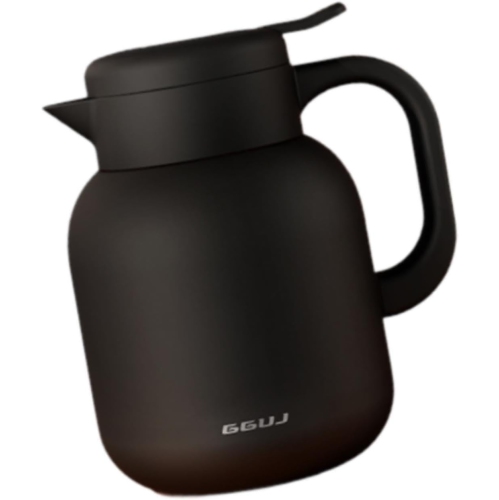
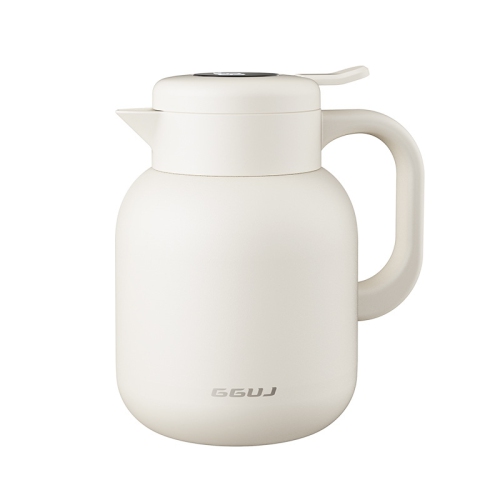
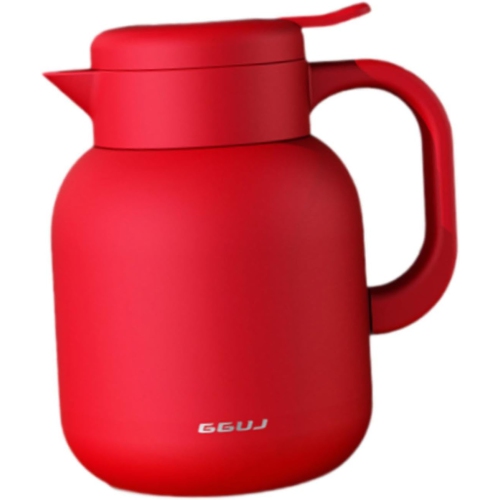
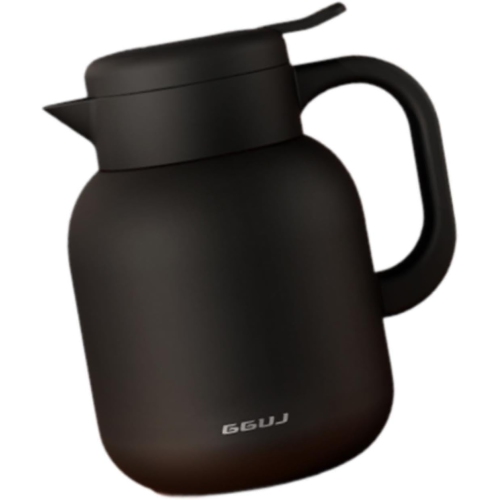
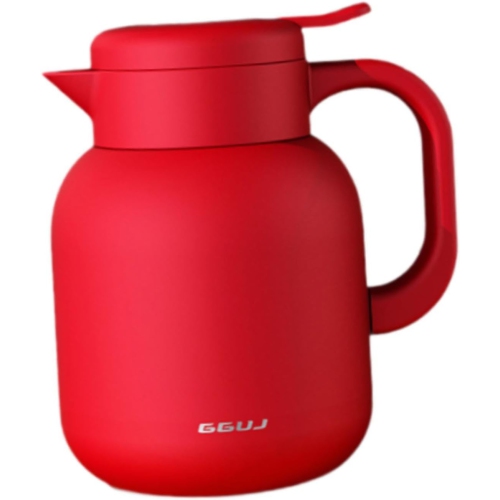
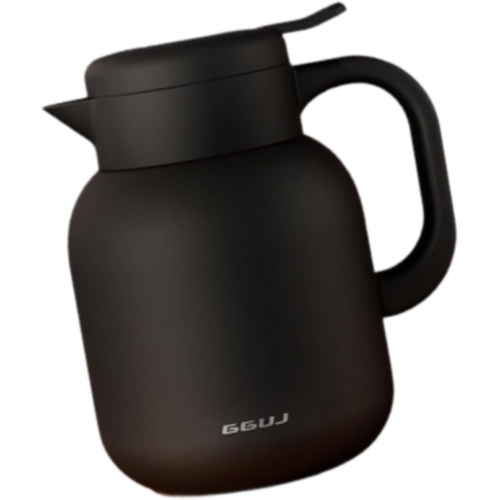
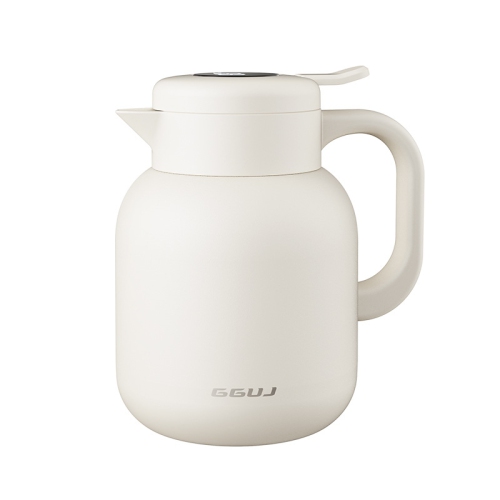
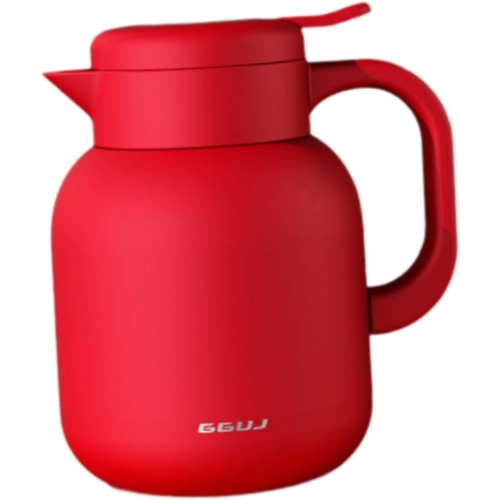
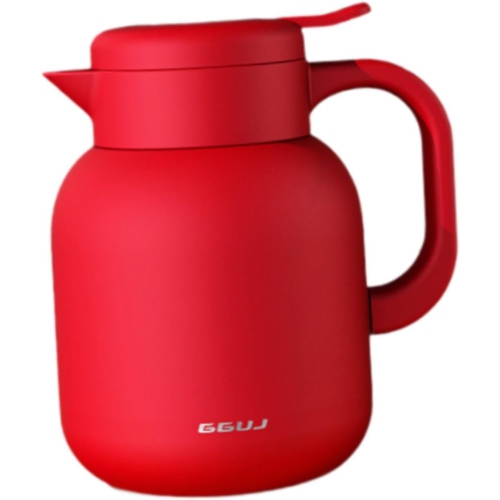
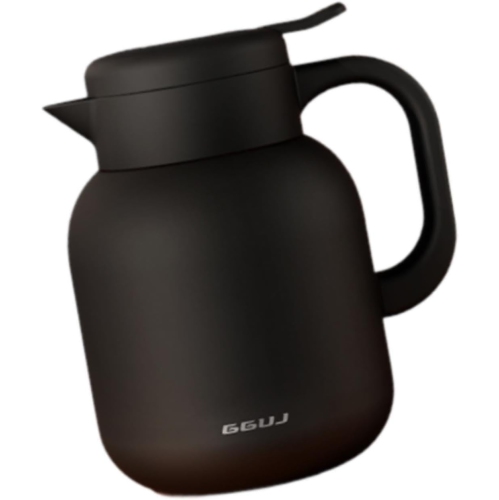
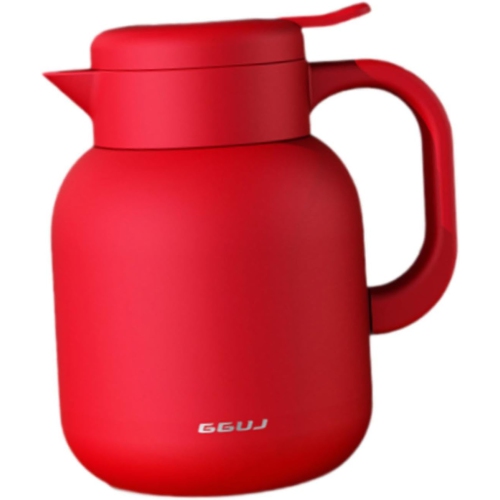
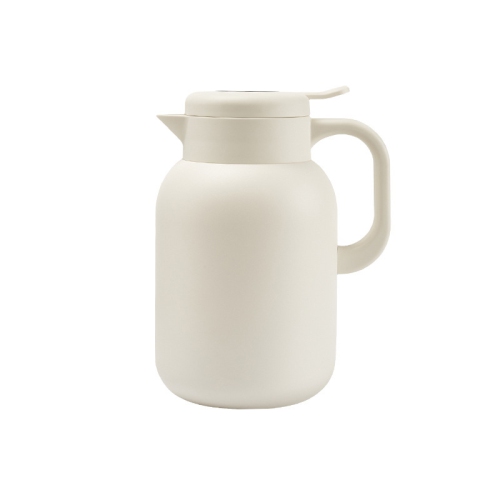
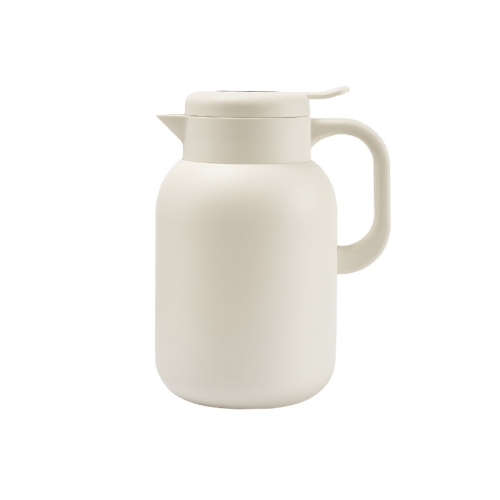
How insulation keeps drinks hot without a warming plate
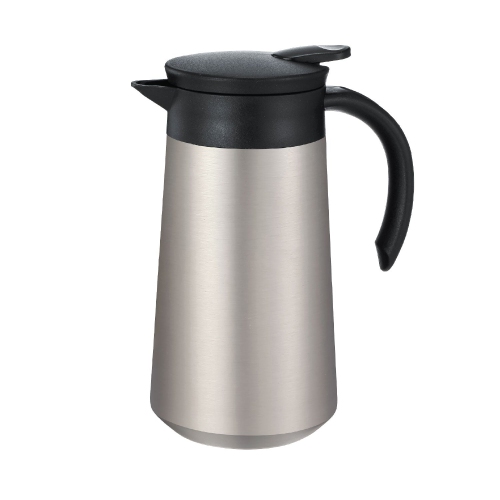
A stainless steel thermal carafe is an insulated serving vessel designed to keep coffee, tea, or water hot or cold without a warming plate or another external heat source. Many designs use double-wall vacuum insulation, with a sealed space between the inner and outer walls that reduces heat transfer. A well-fitting lid helps limit heat loss through the opening, allowing drinks to retain their temperature for several hours, depending on the carafe’s construction, starting beverage temperature, fill level, and how often it is opened. For coffee drinkers, this means a pot can move from the kitchen counter to the breakfast table without continuing to sit over direct heat. For tea drinkers, a carafe can hold hot water for successive cups without repeated trips to the kettle. Stainless steel is valued for its toughness and resistance to rust, although the material alone does not determine how well a carafe performs. An exterior made from stainless steel may surround either a stainless steel or glass liner, so the interior construction matters as much as the finish. A stainless steel liner avoids the breakage concerns associated with glass, while a glass-lined design requires more careful handling. Neither construction is immune to damage, and dents, drops, or a worn seal can affect function. Brushed finishes can make fingerprints less noticeable, while polished finishes have a brighter appearance on a dining table or serving tray. Preheating a suitable carafe with warm water before adding a hot drink, or chilling it before filling it with a cold drink, can help improve temperature retention when permitted by its care instructions. The body may feel relatively cool when holding a hot beverage, but the lid, spout, and escaping steam can still be hot. Thermal insulation slows temperature change; it does not actively heat a drink or guarantee the same performance under every condition.
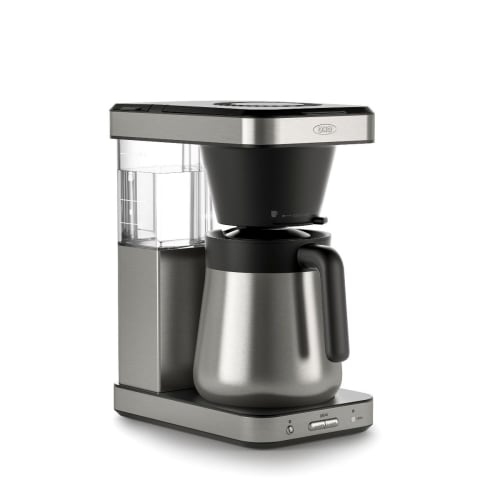
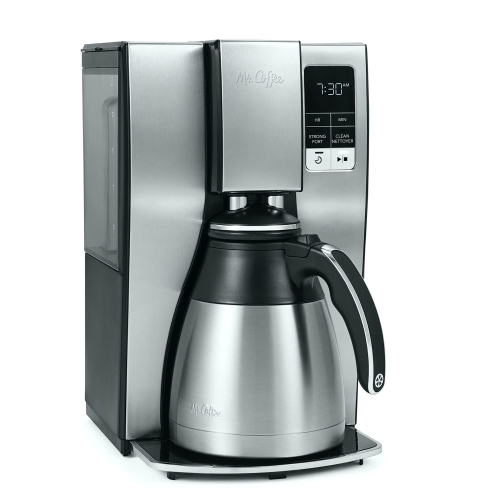
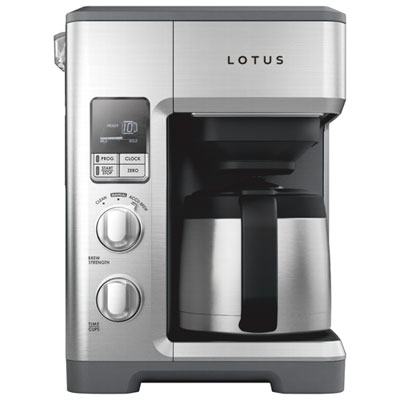
Capacity, pouring control, and everyday handling help determine how comfortably a stainless steel thermal carafe fits into a household or shared workspace. Common capacities range from about 1 litre to 2 litres, with smaller vessels suited to a few servings and larger ones useful for meetings, family breakfasts, or a table of guests. Serving counts depend on the cup: a 1-litre carafe holds roughly four 250 mL portions, but fills fewer oversized mugs. A larger capacity is not automatically the better fit, especially when a full vessel would be heavy to lift or much of the drink would remain unused. Handle shape, finger clearance, and balance become noticeable when pouring the last cup, when the carafe needs to tilt farther. A thumb-operated lever or push-button lid can make serving convenient, while a screw-top closure may require a different grip or an extra step before pouring. The important details are whether the flow is easy to control, whether the lid closes securely, and whether the spout leaves drips on the table. A lid designed for tabletop serving should not be assumed to be leakproof enough for carrying sideways in a bag. A broad, stable base is useful on a kitchen island or meeting table, and overall height matters if the carafe will sit beneath a cupboard or beverage dispenser. For use with a brewing appliance, compatibility is more specific than capacity alone: the lid opening, handle position, height, and contact with the brewer’s drip-stop mechanism may all matter. A standalone serving carafe is not necessarily a replacement for the vessel supplied with a coffee machine. Shoppers comparing brewing appliances alongside serving vessels can also explore Thermal Coffee Makers, which pair coffee preparation with an insulated carafe. For gifting, a manageable size and straightforward lid often matter more than an elaborate design. A thermal carafe can suit a frequent host, a tea enthusiast, or someone who likes to prepare coffee once and serve it through a leisurely breakfast.
Care and beverage choice have a direct effect on a thermal carafe’s usefulness over time. A wide opening makes it easier to reach the interior with a soft bottle brush, while removable lid components can make hidden surfaces easier to rinse. Coffee oils and tea deposits can collect around seals, inside spouts, and beneath pouring mechanisms, so cleaning only the visible interior may leave residue behind. Handwashing with warm water and a mild dish detergent is a common care approach, but dishwasher suitability varies by construction and should be confirmed before placing the body or lid in a machine. Abrasive pads can scratch finishes, and harsh cleaners may damage surfaces or seals. For lingering stains or odours, a baking soda soak may be appropriate if the manufacturer permits it; thorough rinsing helps prevent cleaning residue from affecting the next drink. Unless the care directions specifically allow immersion, avoid soaking the entire carafe, since water can enter spaces that are difficult to dry. Letting the cleaned vessel and lid dry separately before storage helps keep enclosed areas fresh. Using separate carafes for strongly flavoured coffee and delicate tea can also help reduce flavour carry-over. Carbonated drinks are generally unsuitable unless the vessel is expressly designed for them, because pressure can build beneath a closed lid. Thick drinks, loose tea leaves, and coffee grounds may interfere with narrow pouring passages, so brewing and straining before filling is often the more practical approach. For milk-based drinks, confirm suitability and follow food-safety guidance rather than treating insulation as a guarantee of safe holding temperatures; adding milk to individual cups can keep serving simpler. Inspect seals and lids periodically for cracks, wear, or changes in pouring performance, and use only compatible replacement parts when needed. Carrying the carafe upright, protecting it from hard knocks, and avoiding overfilling help preserve both handling and function. With a capacity that matches the occasion, a comfortable handle, and a lid that is easy to clean, a stainless steel thermal carafe can make serving drinks at a desk, dining table, or gathering more convenient.
Top selling and popular products
-
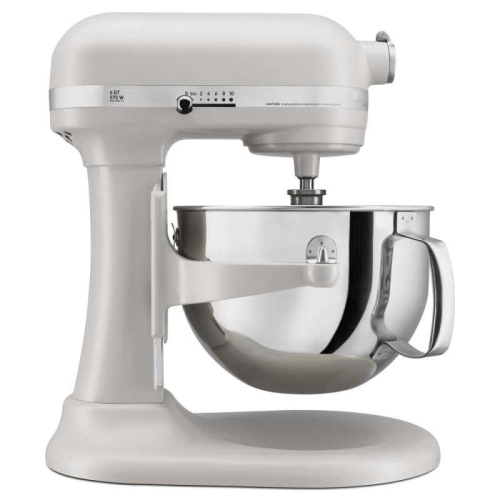 Your price for this item is $669.95
-
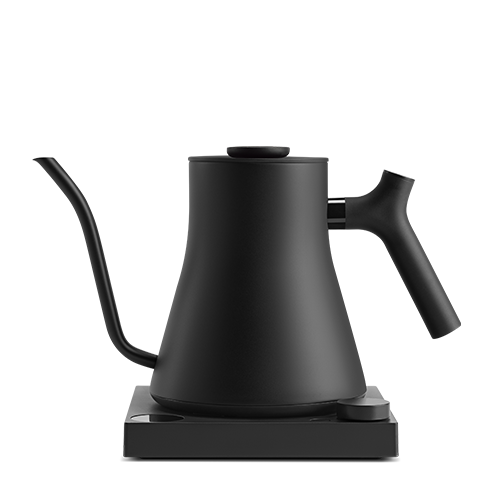 Your price for this item is $239
-
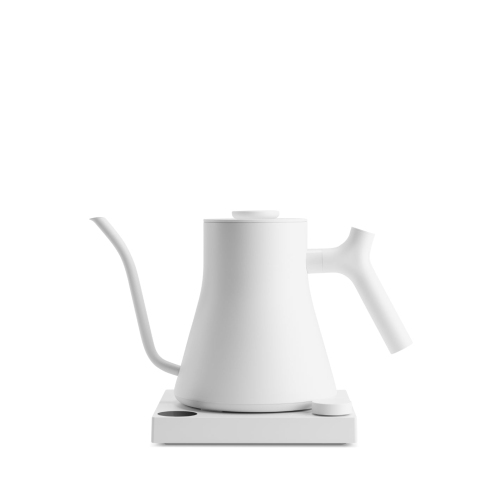 Your price for this item is $239
-
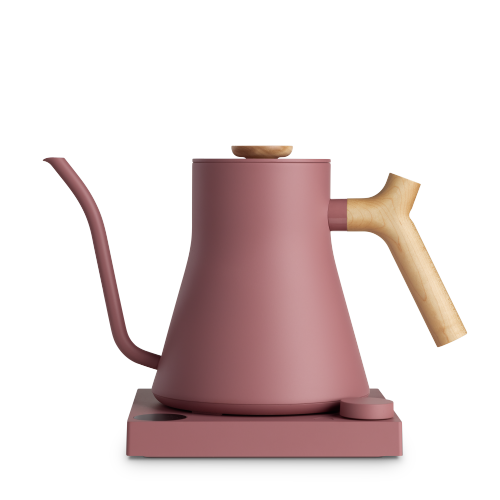 Your price for this item is $280
-
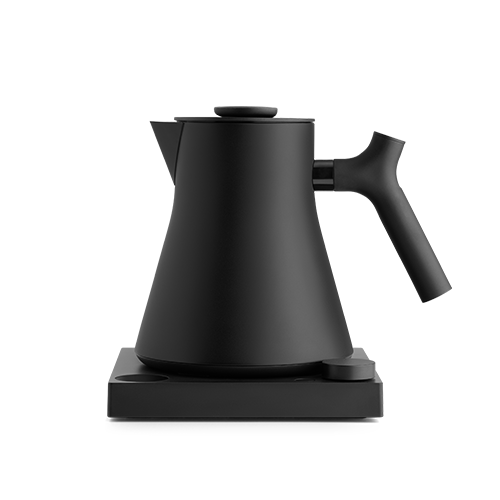 Your price for this item is $239
-
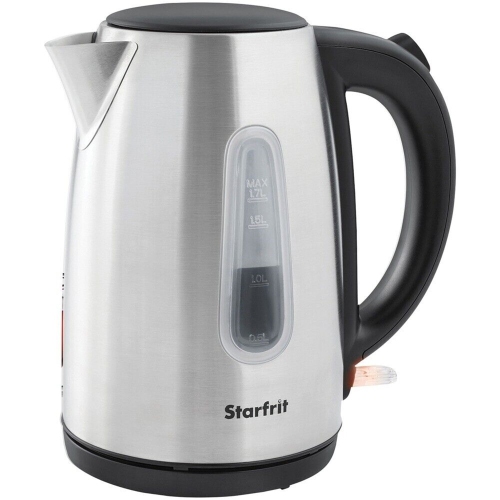 Your price for this item is $39.99
-
 Your price for this item is $41.98
-
 Your price for this item is $59.81
Discover more categories related to Thermal Carafe Stainless Steel
Top Collections:
Best Black Friday Deals This Year, Best Black Friday Deals On Electronics, Kindle Devices, Best Black Friday Deals On Apple Products, Best Budget Office Chairs, Best Cameras for Sports Photography, Dyson Airwrap, Canon G7X Cameras, Best Laptops for Writers, Samsung Galaxy Phones
Some products may be subject to Environmental Handling Fees
(EHF) depending on your province.
Learn more about EHFs.