Glass Top Electric Ranges
Upgrade your kitchen with a Glass Top Electric Range, designed to bring both style and convenience to your cooking space. These ranges offer a sleek, modern look that complements any decor while providing a smooth surface for easy cleaning. Whether you are preparing daily meals or entertaining guests, a glass top electric range delivers reliable performance and enhances the overall functionality of your kitchen. Explore a variety of options to find the perfect fit for your home and enjoy an effortless cooking experience every day.
Sort
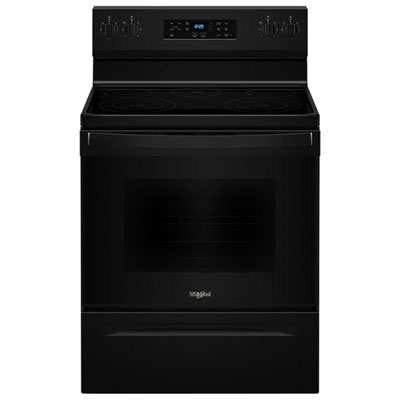

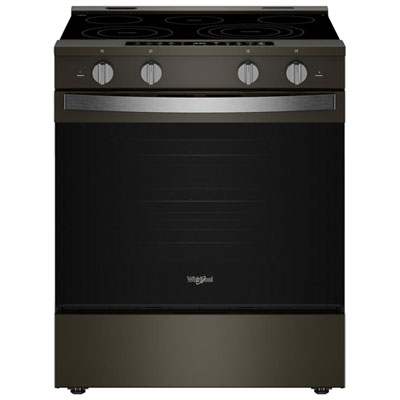
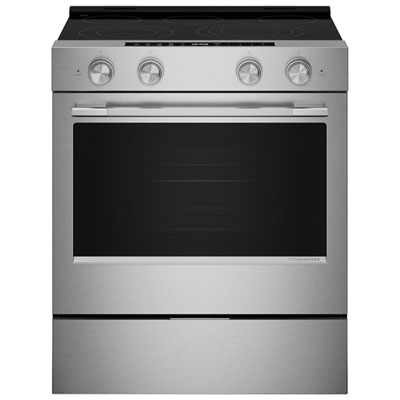
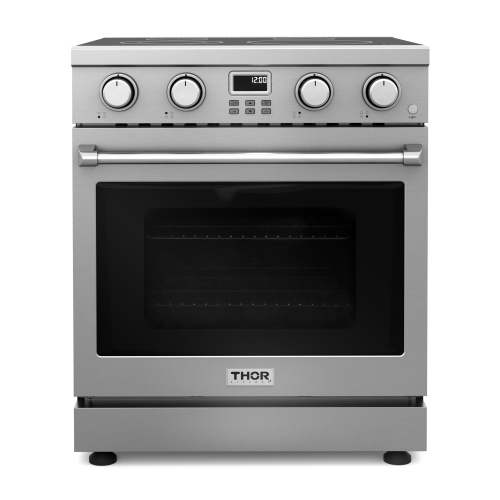
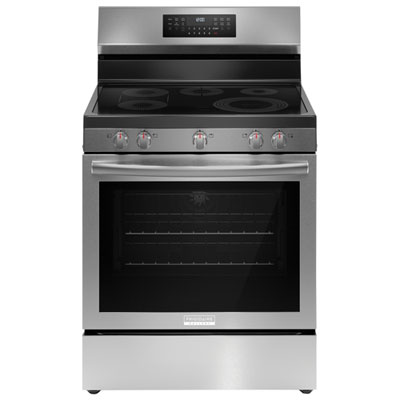
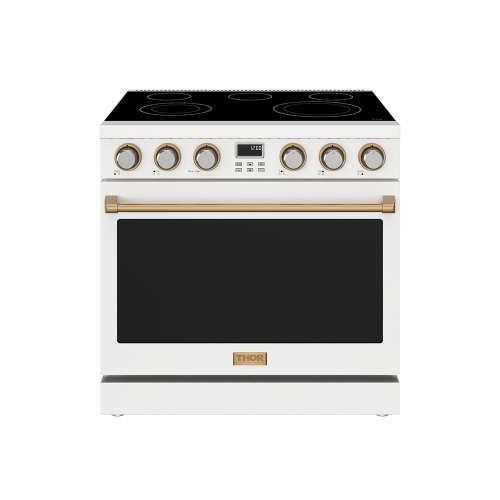
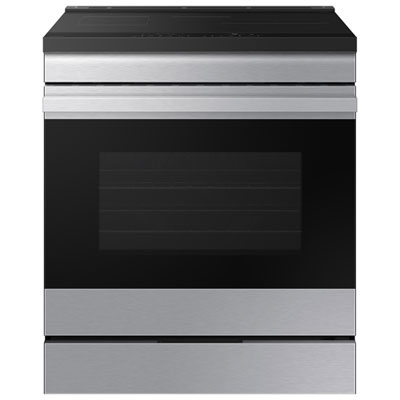
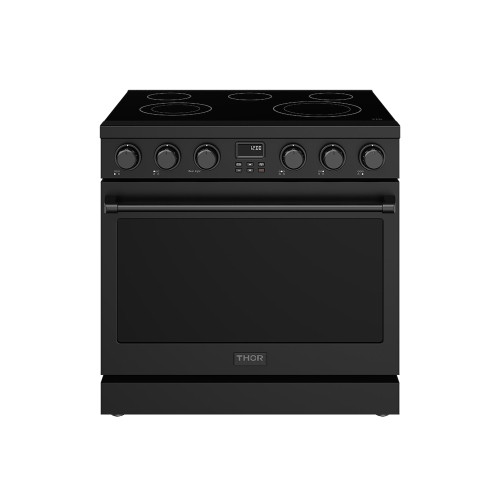
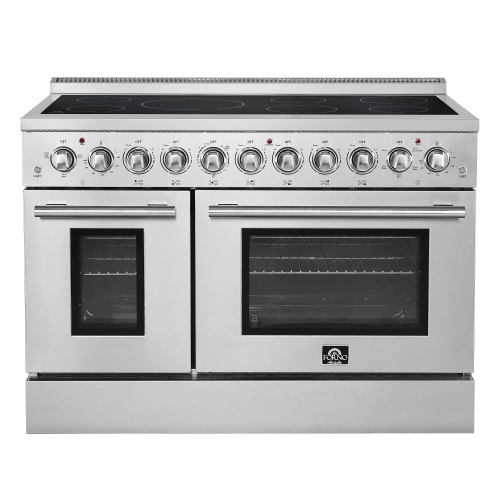
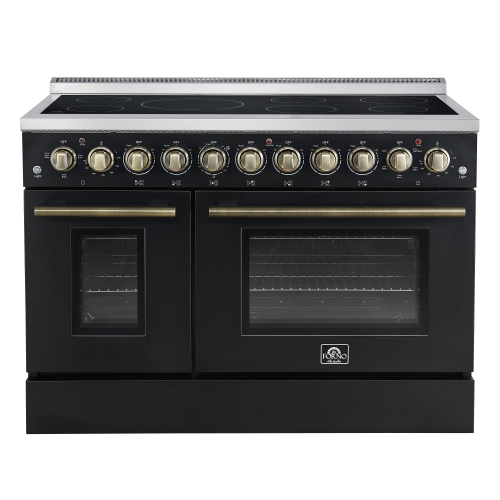
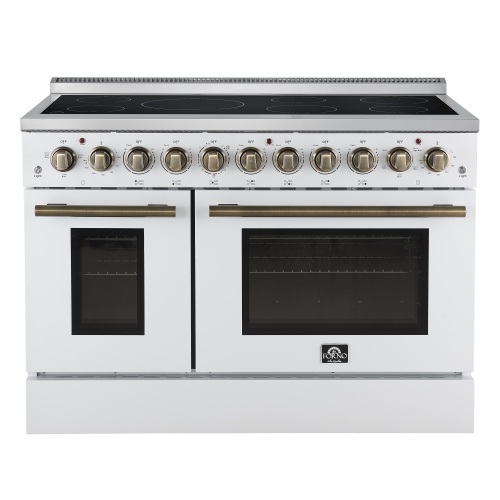
What’s beneath the glass matters for everyday cooking
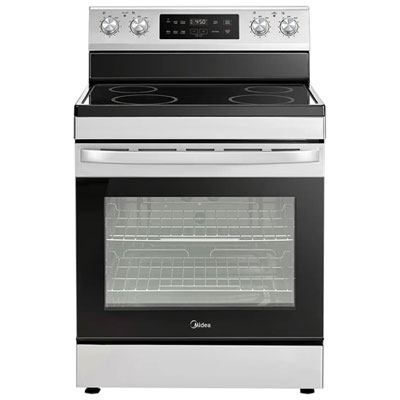
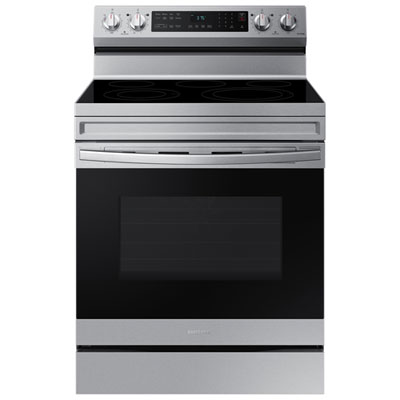
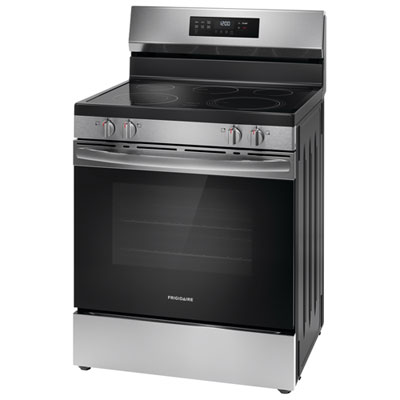
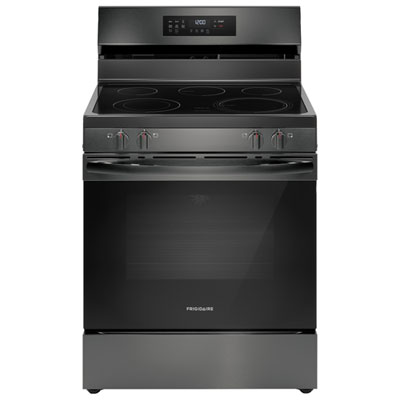
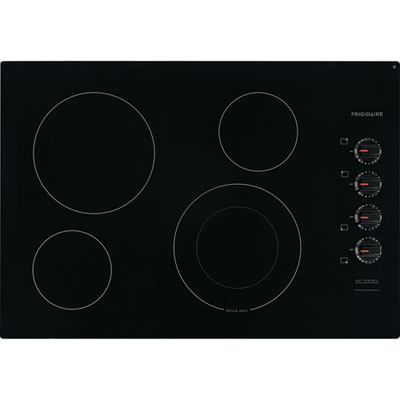
Glass-top electric ranges combine a smooth ceramic-glass cooktop with an electric oven in a single appliance. On a radiant model, heating elements beneath the glass transfer heat through the surface to the cookware above, leaving a flat cooking area without exposed coils or removable drip bowls. The result is a clean-lined appliance suited to everything from simmering soup to preparing a full meal with several pots on the go. Although induction ranges can also have glass surfaces, they use magnetic energy to heat compatible cookware directly; a glass top alone does not mean a range uses induction. Radiant electric ranges generally work with a broader selection of cookware materials, provided the bases are flat, smooth and suitable for the cooktop according to the manufacturer’s instructions. Element size and arrangement make a noticeable difference in daily cooking. A smaller element suits a saucepan of gravy, while a larger one better accommodates a wide skillet. Some models have expandable elements with selectable heating areas for different pan diameters, and certain layouts include a warming zone for holding prepared food at a serving temperature. These features vary by model, so the usable cooking space matters as much as the number of elements. A household that regularly cooks pasta alongside sauce and vegetables may value enough separation to keep pot handles from crowding one another. Radiant elements cycle on and off to maintain their selected heat level, and the glass retains heat after an element is switched off. That response differs from gas or induction cooking, particularly when moving from a vigorous boil to a gentle simmer. Hot-surface indicators help identify residual heat, but the cooktop should still be treated cautiously until it has cooled. Controls may use knobs, touch panels or a combination of both, with placement that affects visibility, reach and how easily settings can be adjusted around tall cookware.
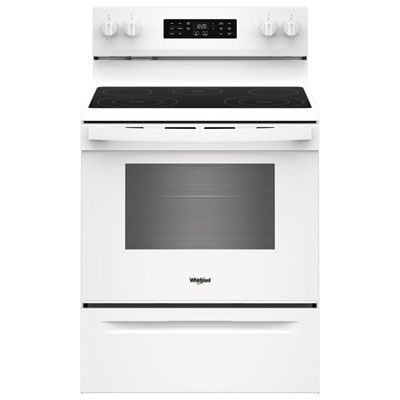
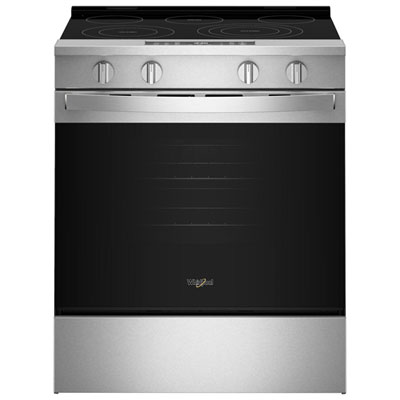
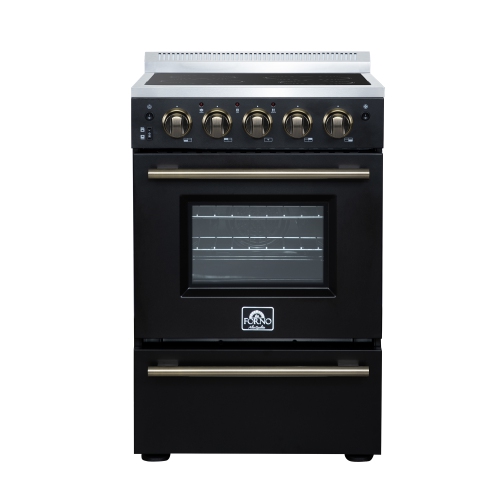
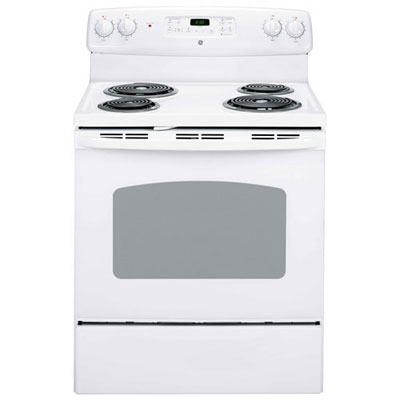
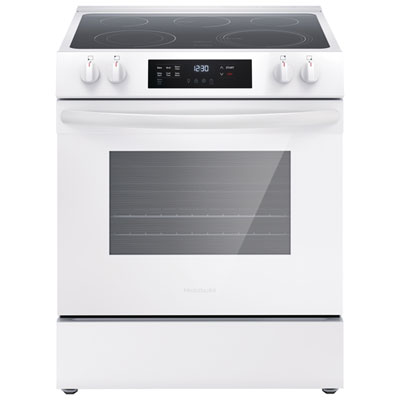
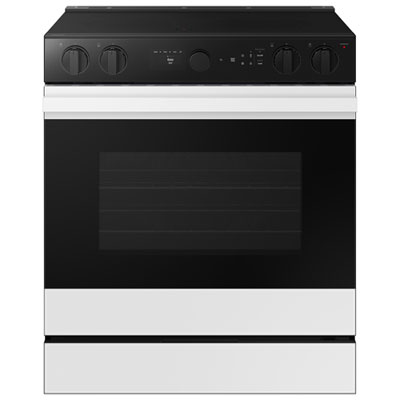
The right fit involves the entire appliance, not just the width of the cooking surface. A 30-inch glass-top electric range is a common choice for a standard kitchen opening, while narrower formats, including some 24-inch ranges, can suit smaller kitchens. Nominal size does not replace the appliance’s exact installation dimensions: width, height, depth, countertop position and the space needed behind the range all affect fit. The oven handle and open door also need clearance from an island, nearby cabinets and walking routes. Freestanding ranges typically have finished sides and often place controls on a raised rear panel. Slide-in ranges generally place controls at the front and are designed for a more integrated appearance between cabinets, although side finishes and countertop requirements vary. Neither format should be assumed to fit an existing opening without checking the installation specifications. Electrical requirements, receptacle position and any connection work need to match the appliance and applicable local requirements, with qualified installation where required. The specified anti-tip bracket is an important part of installation, helping secure the range against tipping when downward force is applied to an open oven door. Finish also shapes how the appliance sits within the kitchen. White Electric Ranges offer another direction for kitchens with light cabinetry, tiled backsplashes or other white appliances. Beyond appearance, oven layout deserves attention. Capacity figures provide a useful starting point, but interior dimensions and rack positions determine whether a favourite roasting pan, deep casserole dish or two baking sheets will fit comfortably. Convection-equipped ovens use a fan to circulate heated air, with performance and cooking adjustments depending on the oven’s design. Some ranges include air fry settings, specialized baking modes or divided oven configurations; the required accessories and operating instructions differ. A storage drawer can keep suitable bakeware nearby, while a warming drawer serves a different purpose and should not be assumed to be included simply because a lower drawer is present.
Ceramic glass provides a durable cooking surface for normal kitchen use, but it is not scratchproof or impactproof. Smooth-bottomed cookware helps protect the finish and maintain good contact with the heating area. A heavy cast-iron pan may be suitable when the range manufacturer permits it, though lifting rather than sliding it reduces the chance of marking the surface. Rough pan bases, grit trapped beneath cookware and a heavy object dropped from an overhead cupboard can damage the glass. The cooktop is not a substitute for a cutting board, and it should not be treated as extra storage space, especially while residual heat remains. Everyday care is usually straightforward when spills are addressed using the method specified for the appliance. Once the surface has cooled as directed, an approved ceramic-glass cleaner and a soft cloth can remove cooking residue without the abrasion of harsh scouring pads. Burnt-on deposits may require a cooktop scraper approved by the manufacturer, used at the instructed angle. Sugary spills and melted plastic require particular attention because they can damage the surface; the owner’s manual provides the appropriate removal procedure and precautions around hot glass. Cleaning features inside the oven also differ. Steam-clean and high-heat self-clean cycles are separate systems with different preparation, ventilation and rack-removal requirements, rather than interchangeable names for the same function. For busy households, practical details such as clear oven lighting, readable controls and racks that move smoothly can be just as valuable as additional cooking modes. Families preparing several dishes at once may favour a spacious cooktop and flexible rack positions, while someone cooking for one or two may place more value on a compact footprint and straightforward settings. A well-matched glass-top electric range supports those routines with the cooking space, oven flexibility and manageable care that suit the kitchen and the people using it.
Top selling and popular products
-
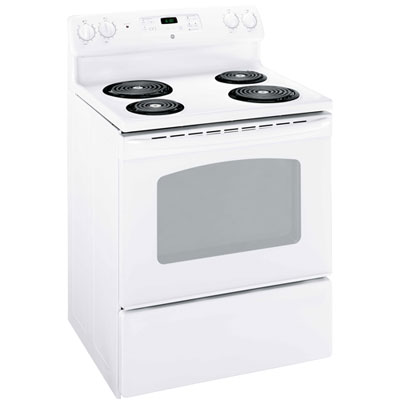 Your price for this item is $749.99
-
 Your price for this item is $799.99
-
 Your price for this item is $1199.99
-
 Your price for this item is $1199.99
-
 Your price for this item is $1399.99
-
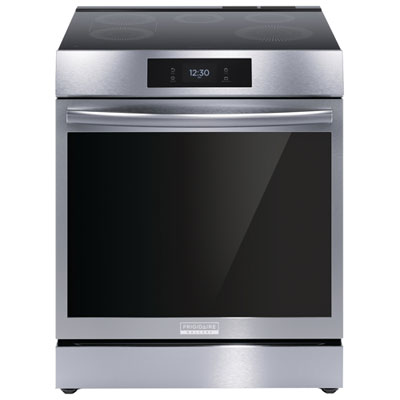 Your price for this item is $2199.99
-
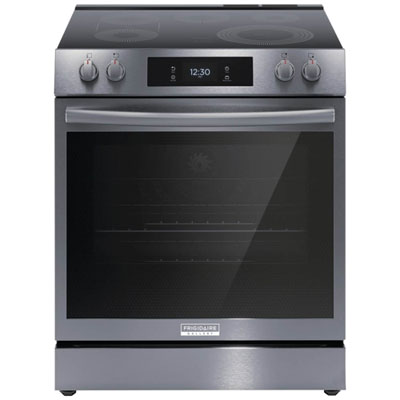 Your price for this item is $1899.99
-
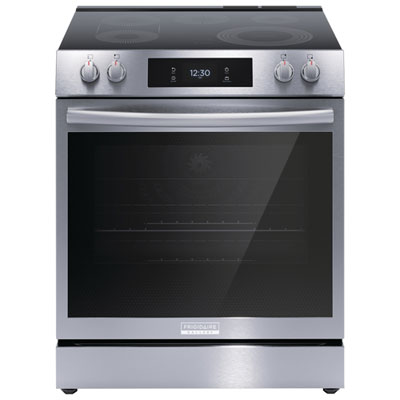 Your price for this item is $1799.99
Discover more categories related to Glass Top Electric Ranges

Top Collections:
Best Black Friday Deals This Year, Best Black Friday Deals On Electronics, Kindle Devices, Pokemon Centers, Best Black Friday Deals On Apple Products, Best Cameras for Sports Photography, Dyson Airwrap, Pokémon 30th Celebration Cards, Apple iPhone 17 Pro, Canon G7X Cameras
Some products may be subject to Environmental Handling Fees
(EHF) depending on your province.
Learn more about EHFs.