White Glass Top Electric Ranges
Elevate your kitchen's style and functionality with a white glass top electric range, where sleek design meets modern cooking convenience. Perfect for both seasoned chefs and culinary novices, these ranges offer an elegant aesthetic that seamlessly complements any kitchen decor. The pristine white finish paired with a smooth glass top not only enhances the visual appeal but also simplifies cleaning, making your cooking space more efficient and enjoyable. Explore our selection to find the ideal white glass top electric range that fits your lifestyle and cooking needs, transforming meal preparation into a delightful experience.
Sort
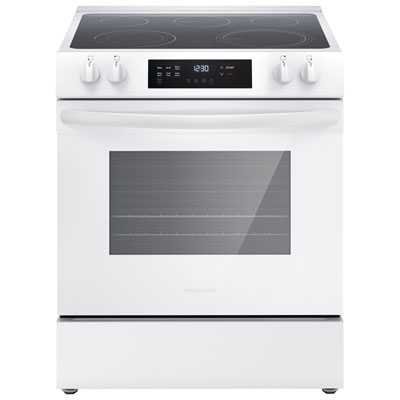
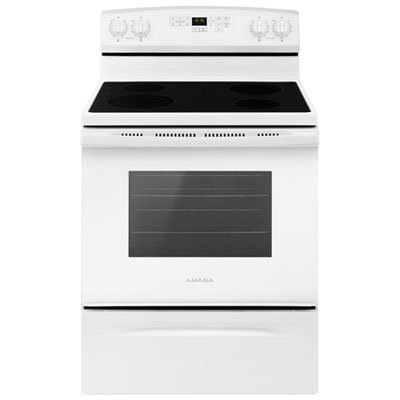
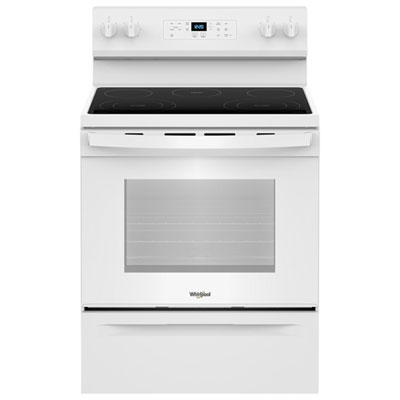
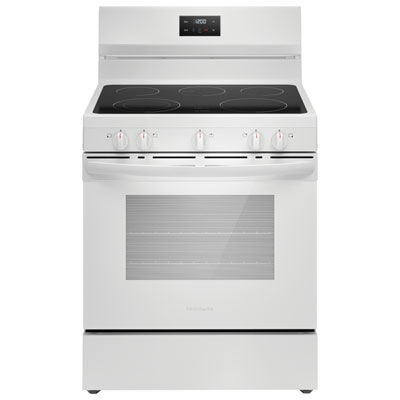

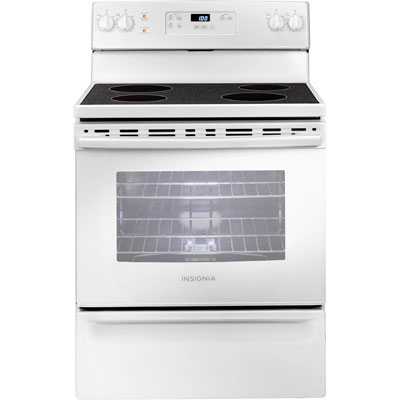
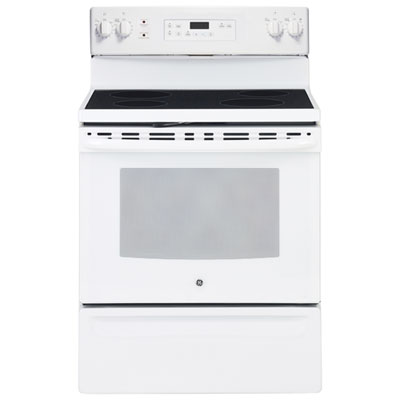
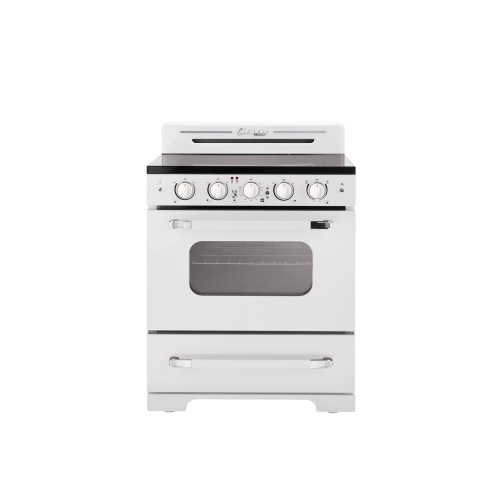
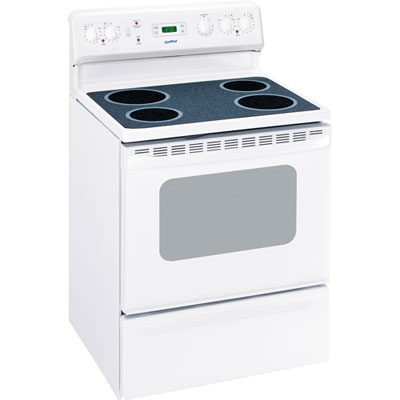
Why a white range can have a dark cooktop
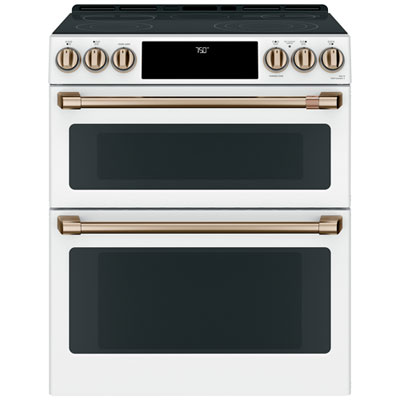
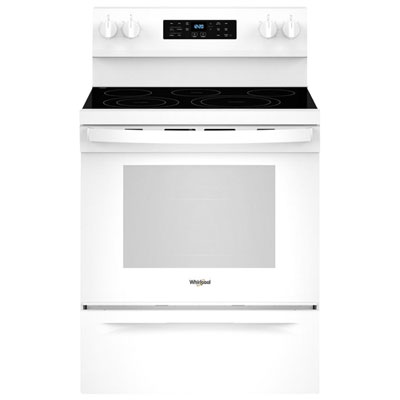
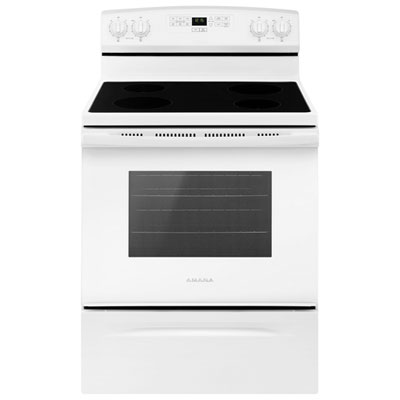
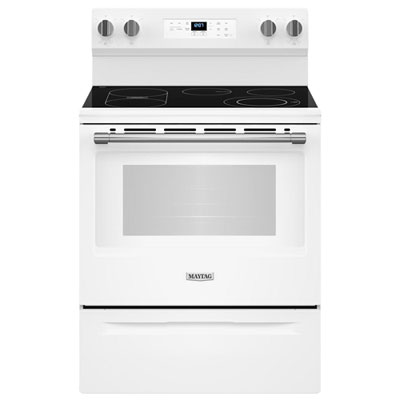
White glass top electric ranges combine an electric oven with a smooth ceramic-glass cooking surface and a white exterior finish. The white colour generally refers to the range’s body, door, or control panel rather than the cooktop itself, which may be black or another contrasting shade. This combination suits kitchens with white cabinetry, light countertops, or a mix of appliance finishes, bringing a clean, coordinated look without requiring every surface to match. Unlike an exposed-coil range, a glass top design places the heating elements beneath a continuous surface, leaving fewer raised edges to wipe around after cooking. Most conventional smooth-top electric ranges use radiant elements that transfer heat through the glass to the cookware above. Induction ranges can have a similar appearance but use a different heating method and require compatible magnetic cookware, so the heating type matters as much as the finish. For everyday cooking, the layout of the radiant elements helps determine how comfortably several dishes can come together. A small element can suit a saucepan of gravy, while a larger element accommodates a broad frying pan or a pot of pasta water. Depending on the model, dual or triple expandable elements offer selectable heating rings for different pan diameters, and a warming zone can help hold a finished dish while the rest of dinner cooks. Element wattage influences heating performance, although cookware, food quantity, and starting temperature also affect cooking time. Radiant elements cycle on and off to maintain the selected setting, and the surface retains heat after an element is switched off. These characteristics make responsive adjustments and attention to residual-heat indicators part of normal use. Within the broader selection of Glass Top Electric Ranges, white finishes offer a familiar kitchen look paired with a flat cooking surface, whether the range is used for quick breakfasts, batch cooking, or meals with several dishes on the go.
A range needs to fit both the kitchen opening and the way the household cooks. A nominal 30-inch width is common, but the appliance’s exact width, height, and depth should be checked against the space rather than inferred from its size category. Handle projection, the oven door’s open position, and clearance beside nearby drawers can all affect daily access. In a narrow kitchen, enough room to stand comfortably in front of the open oven matters when lifting a heavy casserole or sliding out a roasting pan. Freestanding ranges commonly have finished sides and a raised rear control panel, making them suitable for several placement arrangements. Slide-in designs often place controls at the front and create a closer visual connection with adjacent countertops, though side finishing and installation requirements vary. Front controls can reduce the need to reach over hot cookware, while their position also deserves consideration in homes with young children. The manufacturer’s cutout dimensions, required clearances, electrical specifications, and anti-tip bracket instructions are essential to a proper installation. Most full-size electric ranges require a dedicated 240-volt supply, and the existing connection should be verified by a qualified professional before replacement. Overhead ventilation also needs to meet the appliance’s installation requirements and the kitchen’s layout. Inside the oven, usable rack space can be more meaningful than capacity alone. A household that regularly prepares two trays of vegetables alongside a main dish may value multiple rack positions and room between shelves, while someone who bakes bread may prioritize an oven layout that accommodates a tall covered pot. Convection, where included, uses a fan to circulate hot air and can support more even cooking across suitable rack arrangements. Cooking times and temperatures may need adjustment from conventional recipes. Air fry settings, hidden bake elements, storage drawers, and warming drawers are other possible features, not standard equipment across every white smooth-top range. Clear controls, readable markings, an effective oven light, and racks that move smoothly can make just as much difference to everyday use as an additional cooking mode.
Materials and care play a large part in keeping a white glass top electric range looking tidy and working well. The ceramic-glass surface is designed to withstand normal cooking heat, but it is not scratchproof or immune to impact. Flat-bottomed cookware with clean, smooth bases makes good contact with radiant cooking zones and helps reduce the chance of marks caused by trapped grit. A pan that rocks on the surface or has a badly warped base may heat unevenly, while an undersized pan leaves part of a larger active element uncovered. Heavy cookware requires particular care: cast iron may be suitable when permitted by the range manufacturer, but it should be lifted rather than dragged, and its base should be free of rough residue. The cooktop should not double as a chopping board or a storage shelf for heavy objects that could fall onto it. For routine cleaning, allow the surface to cool as directed, then use a cleaner intended for ceramic-glass cooktops with a suitable soft cloth or pad. Abrasive powders, unsuitable scouring pads, and cleaners not approved for the surface can damage the finish. Burnt-on deposits may need a cooktop scraper used exactly as the manufacturer describes. Sugary spills and melted plastic need special attention because they can damage the glass; follow the appliance’s specific removal procedure rather than treating them like an ordinary cooled spill. On white exterior panels, prompt removal of food splashes helps preserve a neat appearance, particularly around handles and controls where fingerprints and cooking residue collect. Oven cleaning requirements also vary. Manual-clean interiors need hands-on cleaning with approved methods, steam-clean settings generally help loosen light soil, and high-heat self-cleaning cycles require their own preparation and precautions. Some racks must be removed before a cleaning cycle, so the appliance manual remains the reference for care. For households replacing an older white range, furnishing a first kitchen, or coordinating a renovation, this appliance style brings together a familiar finish, flexible stovetop cooking, and enclosed oven space. The most useful combination is one that accommodates the cookware already in regular use, fits the kitchen safely, and supports a cleaning routine that is practical after an ordinary meal.
A range needs to fit both the kitchen opening and the way the household cooks. A nominal 30-inch width is common, but the appliance’s exact width, height, and depth should be checked against the space rather than inferred from its size category. Handle projection, the oven door’s open position, and clearance beside nearby drawers can all affect daily access. In a narrow kitchen, enough room to stand comfortably in front of the open oven matters when lifting a heavy casserole or sliding out a roasting pan. Freestanding ranges commonly have finished sides and a raised rear control panel, making them suitable for several placement arrangements. Slide-in designs often place controls at the front and create a closer visual connection with adjacent countertops, though side finishing and installation requirements vary. Front controls can reduce the need to reach over hot cookware, while their position also deserves consideration in homes with young children. The manufacturer’s cutout dimensions, required clearances, electrical specifications, and anti-tip bracket instructions are essential to a proper installation. Most full-size electric ranges require a dedicated 240-volt supply, and the existing connection should be verified by a qualified professional before replacement. Overhead ventilation also needs to meet the appliance’s installation requirements and the kitchen’s layout. Inside the oven, usable rack space can be more meaningful than capacity alone. A household that regularly prepares two trays of vegetables alongside a main dish may value multiple rack positions and room between shelves, while someone who bakes bread may prioritize an oven layout that accommodates a tall covered pot. Convection, where included, uses a fan to circulate hot air and can support more even cooking across suitable rack arrangements. Cooking times and temperatures may need adjustment from conventional recipes. Air fry settings, hidden bake elements, storage drawers, and warming drawers are other possible features, not standard equipment across every white smooth-top range. Clear controls, readable markings, an effective oven light, and racks that move smoothly can make just as much difference to everyday use as an additional cooking mode.
Materials and care play a large part in keeping a white glass top electric range looking tidy and working well. The ceramic-glass surface is designed to withstand normal cooking heat, but it is not scratchproof or immune to impact. Flat-bottomed cookware with clean, smooth bases makes good contact with radiant cooking zones and helps reduce the chance of marks caused by trapped grit. A pan that rocks on the surface or has a badly warped base may heat unevenly, while an undersized pan leaves part of a larger active element uncovered. Heavy cookware requires particular care: cast iron may be suitable when permitted by the range manufacturer, but it should be lifted rather than dragged, and its base should be free of rough residue. The cooktop should not double as a chopping board or a storage shelf for heavy objects that could fall onto it. For routine cleaning, allow the surface to cool as directed, then use a cleaner intended for ceramic-glass cooktops with a suitable soft cloth or pad. Abrasive powders, unsuitable scouring pads, and cleaners not approved for the surface can damage the finish. Burnt-on deposits may need a cooktop scraper used exactly as the manufacturer describes. Sugary spills and melted plastic need special attention because they can damage the glass; follow the appliance’s specific removal procedure rather than treating them like an ordinary cooled spill. On white exterior panels, prompt removal of food splashes helps preserve a neat appearance, particularly around handles and controls where fingerprints and cooking residue collect. Oven cleaning requirements also vary. Manual-clean interiors need hands-on cleaning with approved methods, steam-clean settings generally help loosen light soil, and high-heat self-cleaning cycles require their own preparation and precautions. Some racks must be removed before a cleaning cycle, so the appliance manual remains the reference for care. For households replacing an older white range, furnishing a first kitchen, or coordinating a renovation, this appliance style brings together a familiar finish, flexible stovetop cooking, and enclosed oven space. The most useful combination is one that accommodates the cookware already in regular use, fits the kitchen safely, and supports a cleaning routine that is practical after an ordinary meal.
Top selling and popular products
-
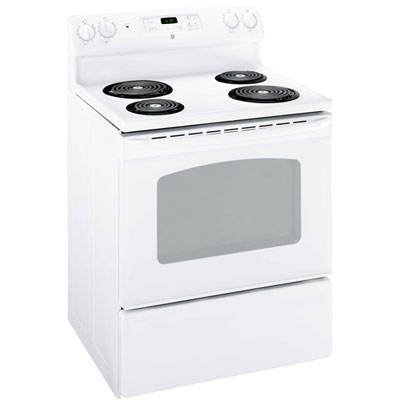 Your price for this item is $849.99
 -
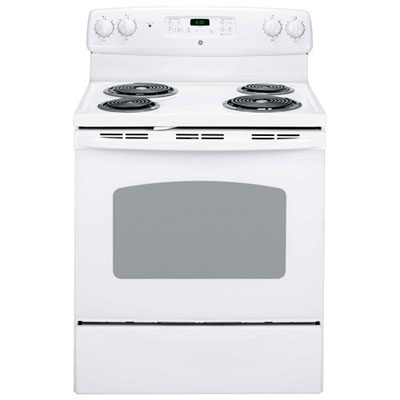 Your price for this item is $899.99
 -
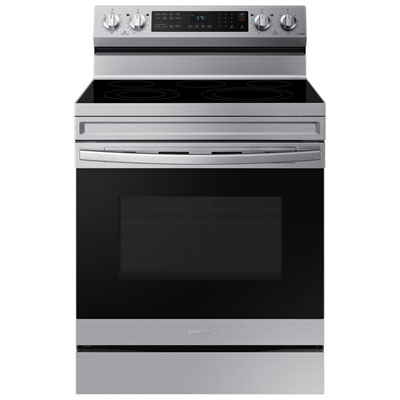 Your price for this item is $1195.99
 -
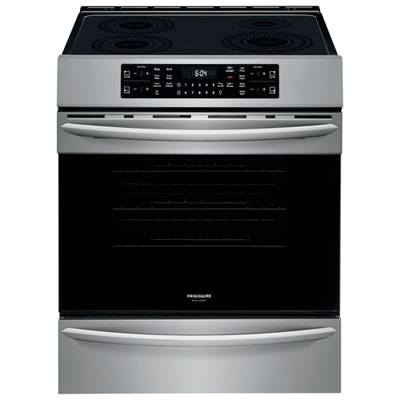 Your price for this item is $1649.97
 -
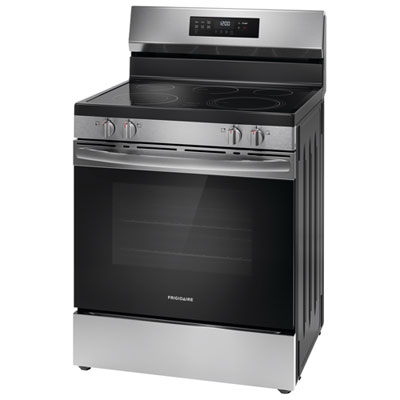 Your price for this item is $999.99
 -
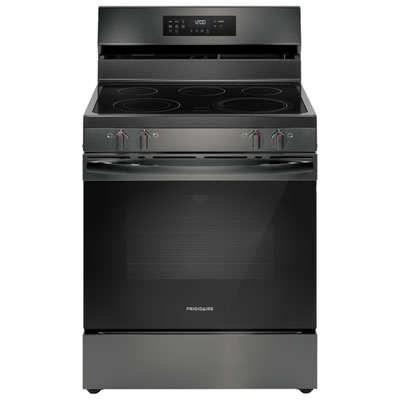 Your price for this item is $1449.99
 -
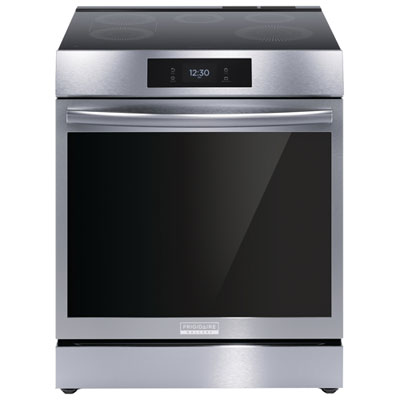 Your price for this item is $1999.99
 -
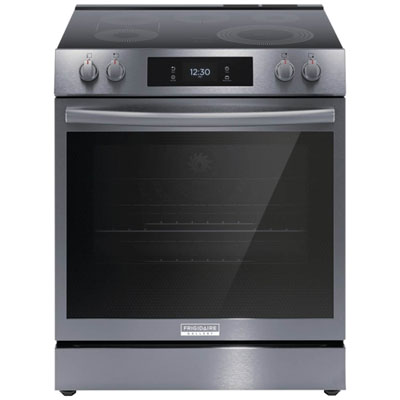 Your price for this item is $2049.99
Discover more categories related to White Glass Top Electric Ranges

Top Collections:
Pokemon Centers, Kindle Devices, Best Budget Office Chairs, Apple iPhones 16, Best Laptops for Writers, iPhone 15 Apple, Canon G7X Cameras, Refurbished Apple Laptops, Alarm Clock, Motorola Razr Phones
Some products may be subject to Environmental Handling Fees
(EHF) depending on your province.
Learn more about EHFs.