H13 True HEPA Filters
Our selection of H13 True HEPA filters offers advanced filtration technology to capture dust, allergens, pet dander, and other airborne particles with incredible efficiency. With a focus on delivering clean and fresh air, these filters are designed to provide you with a healthier living environment. Upgrade your air purification system today with our range of H13 True HEPA filters.
Sort
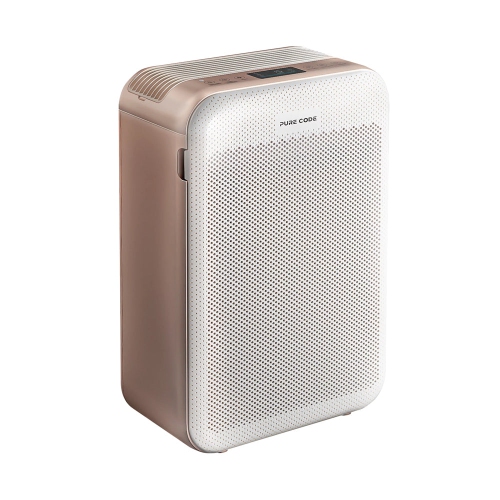


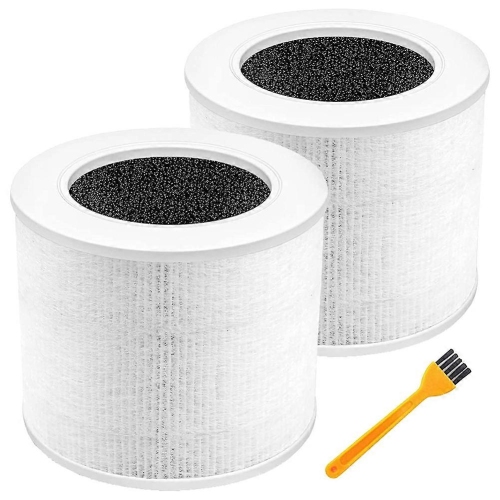
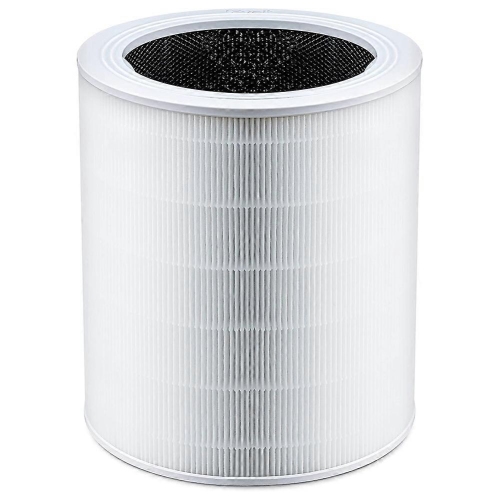
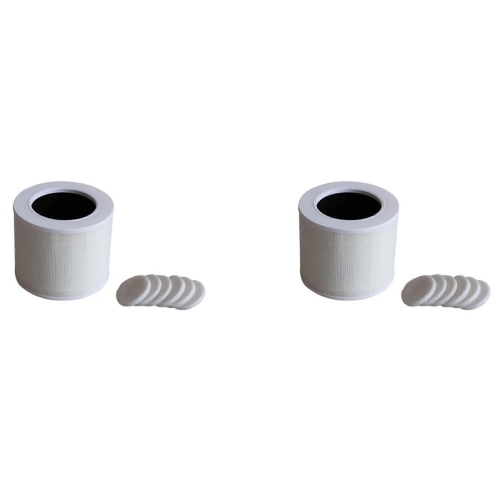


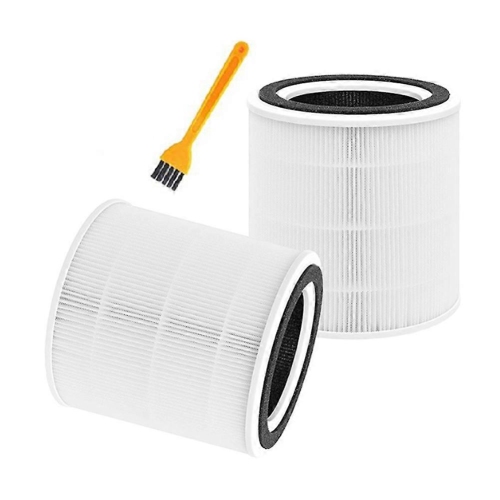
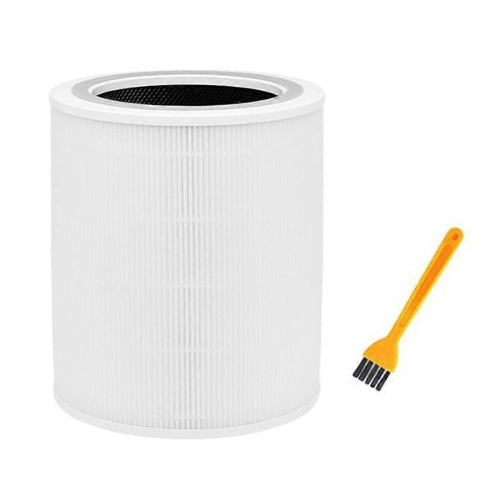
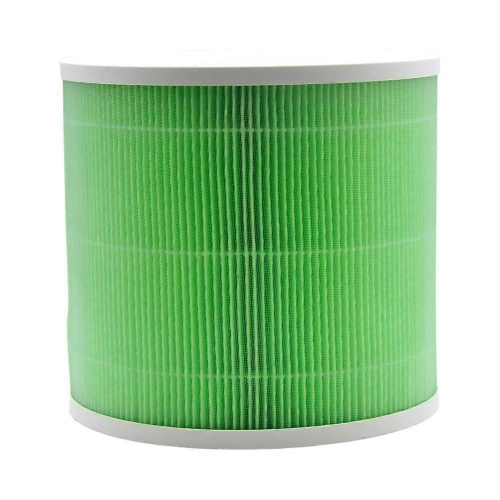

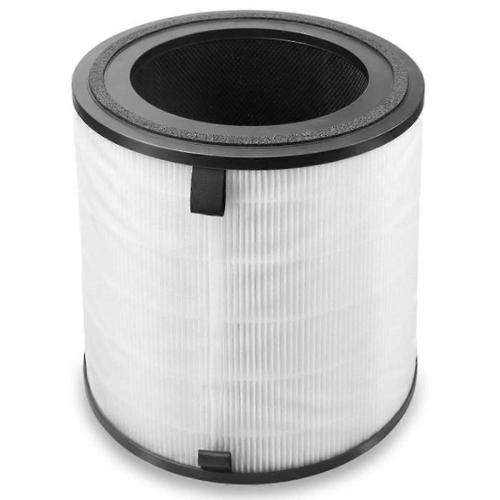

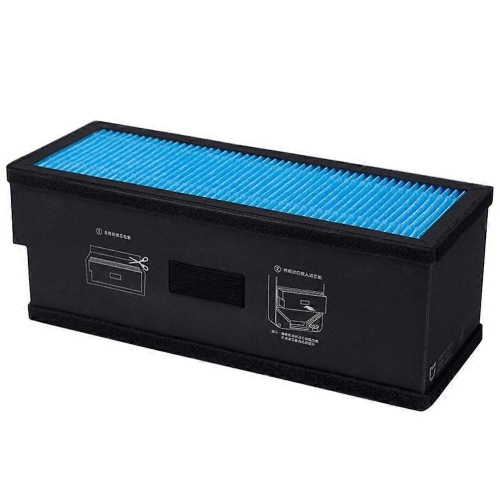
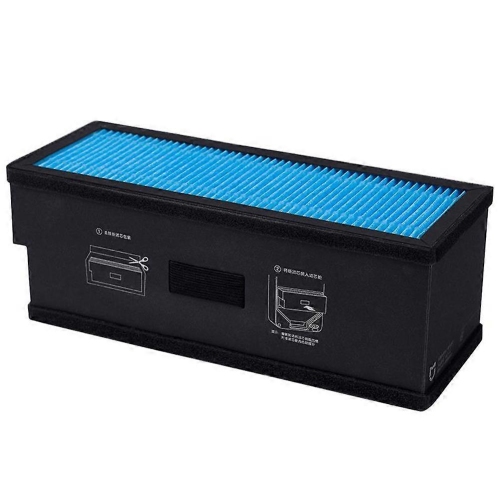
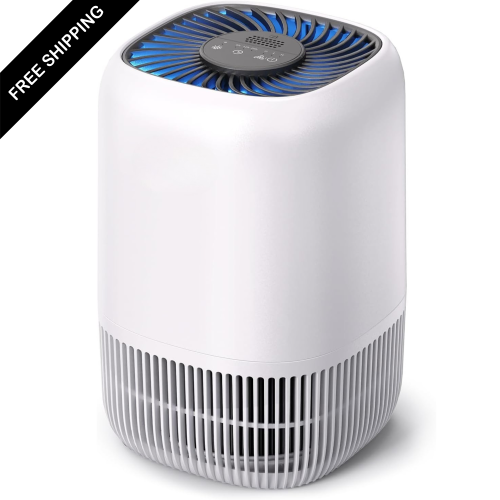
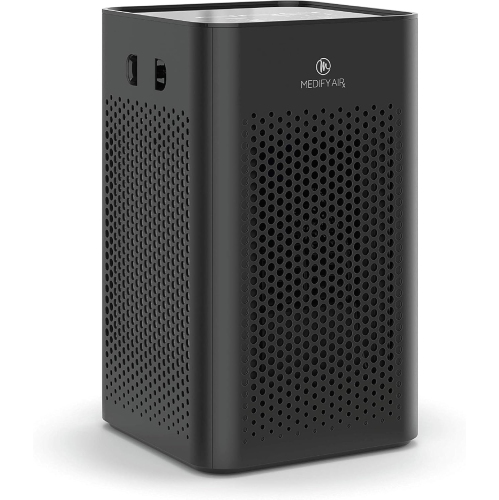

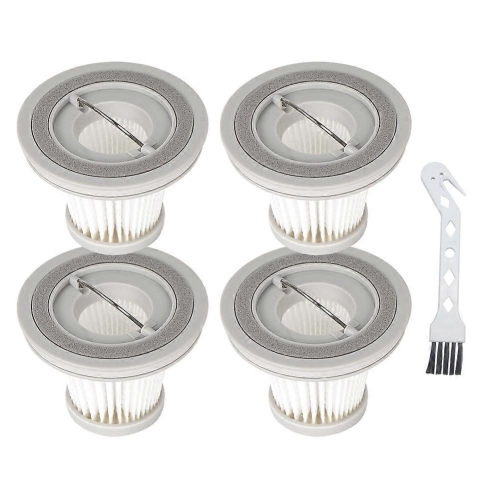

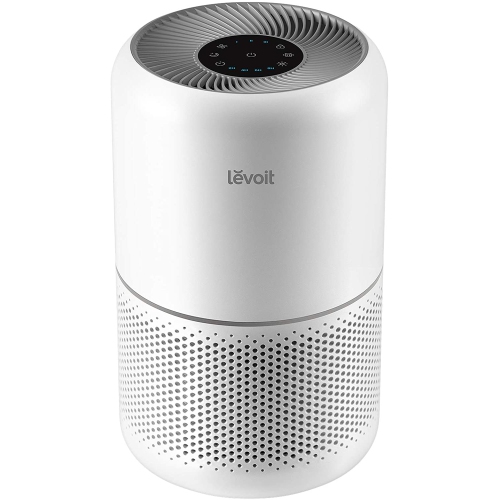
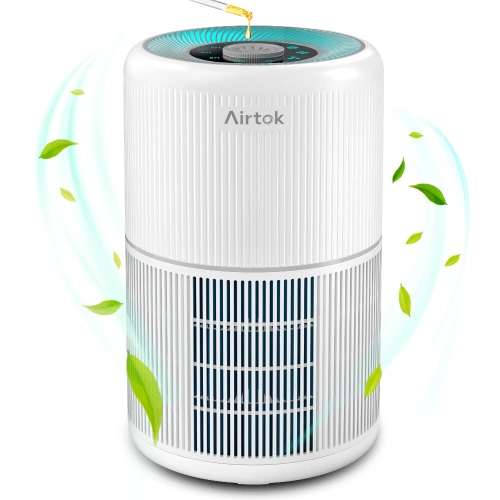
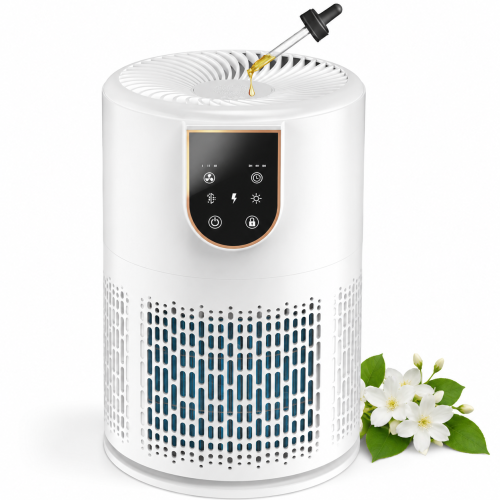


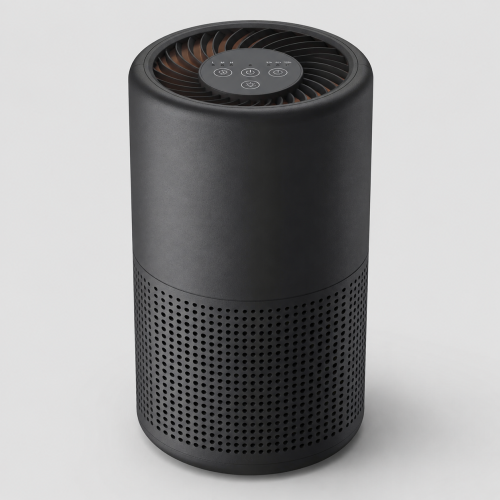
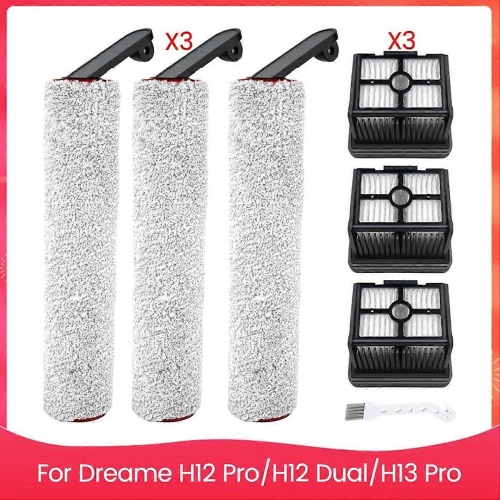

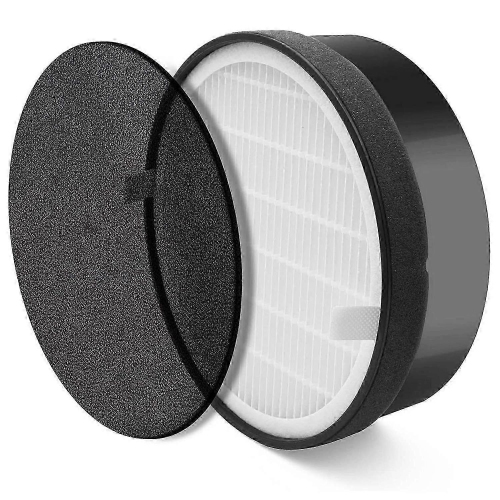
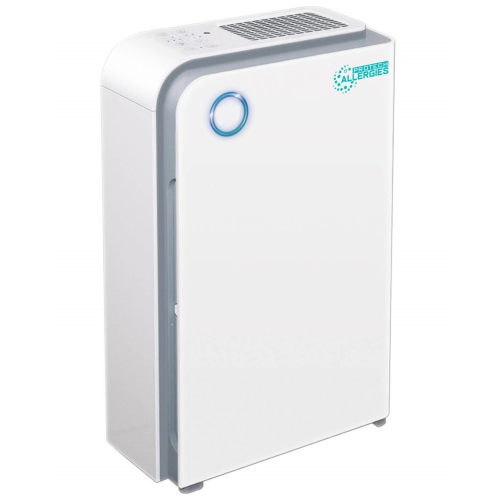

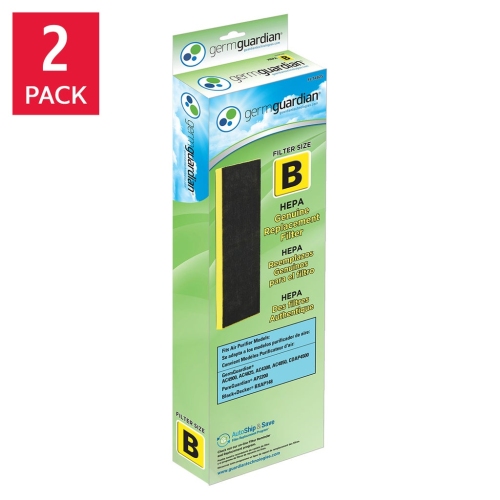
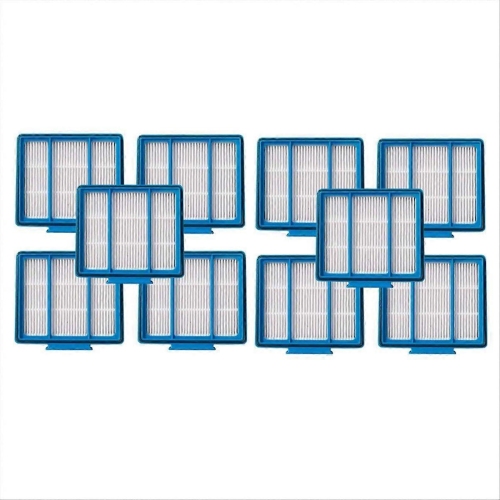
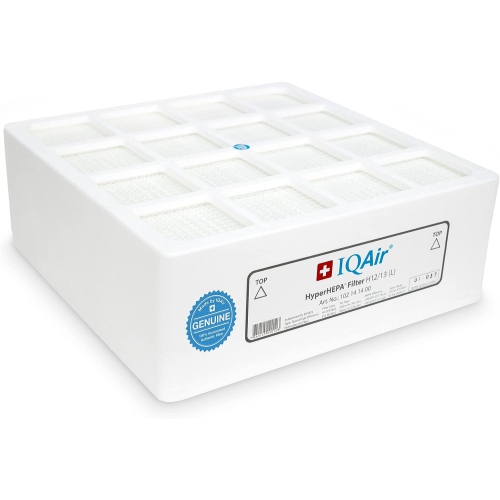

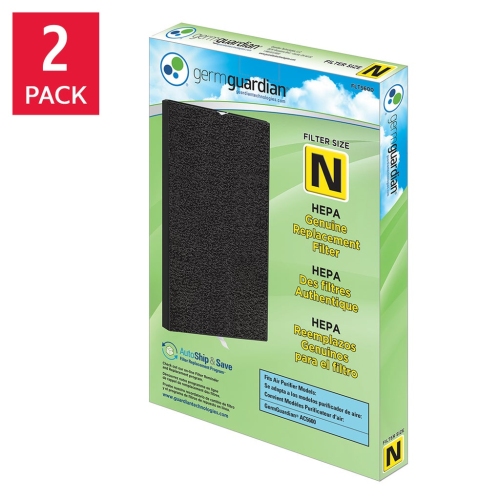


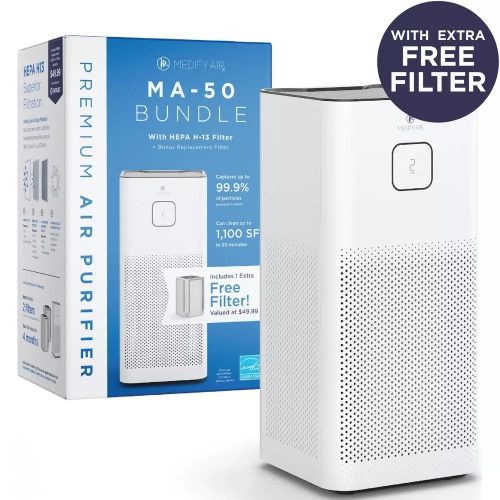
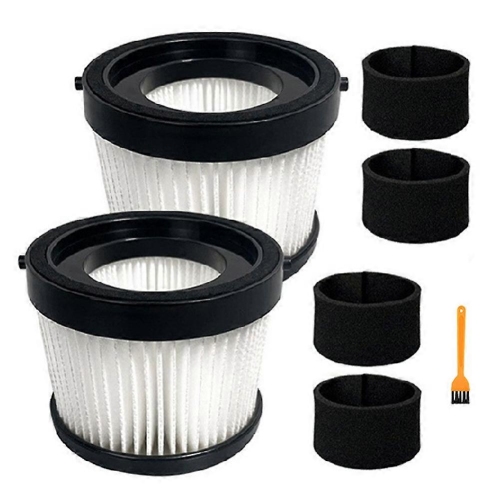
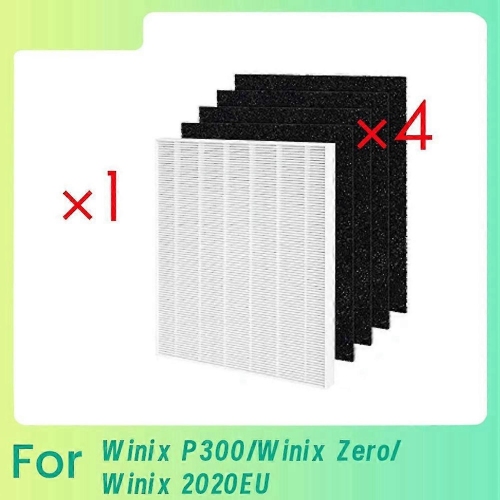

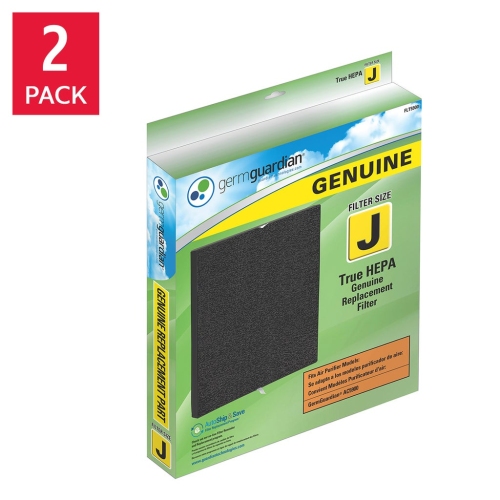







What particle capture ratings mean for everyday air filtration
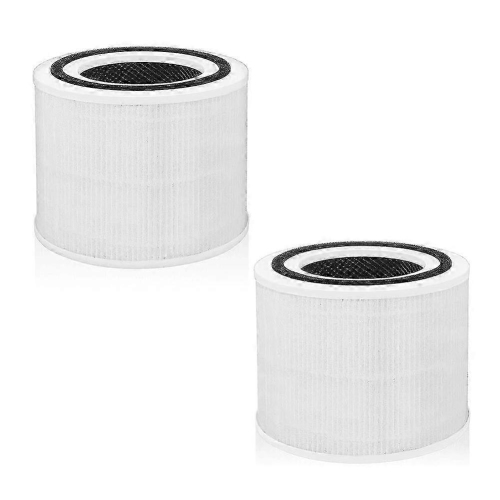
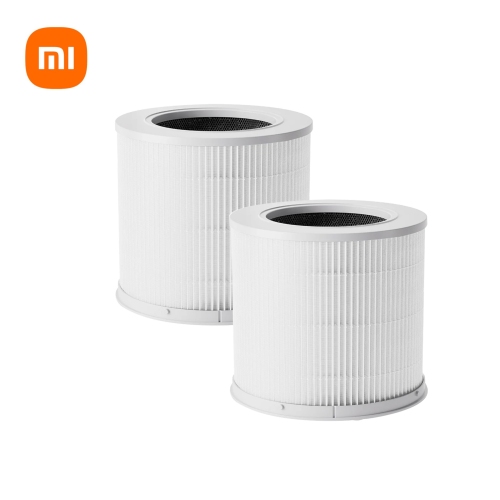
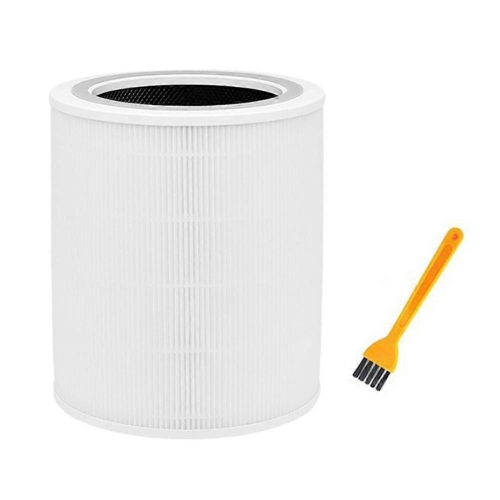
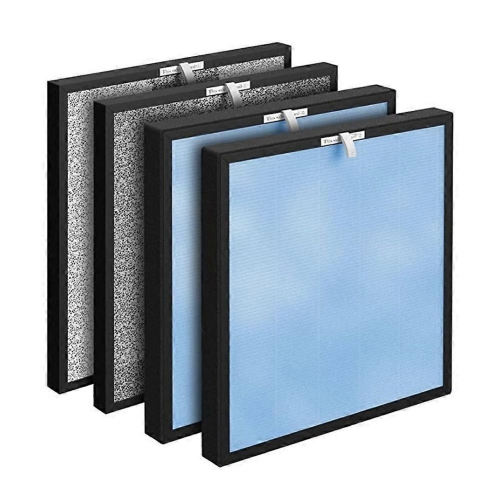
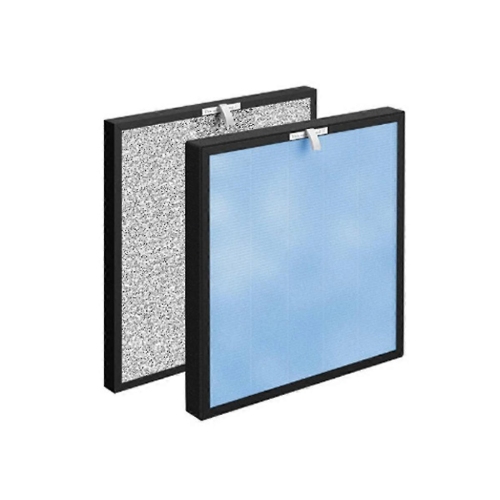
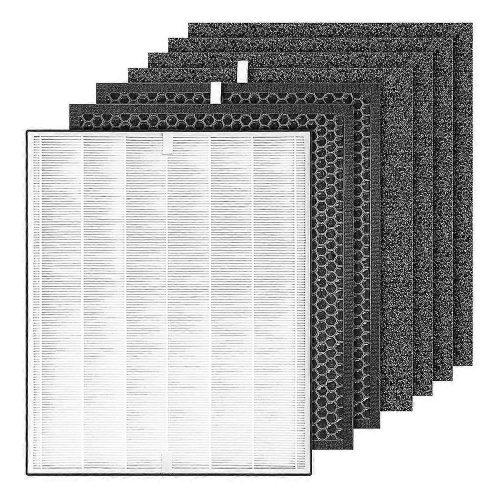
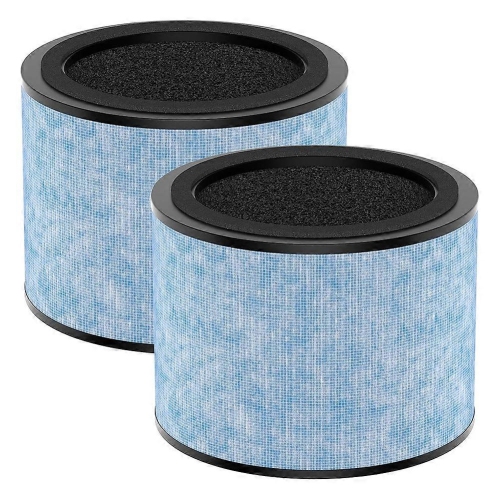
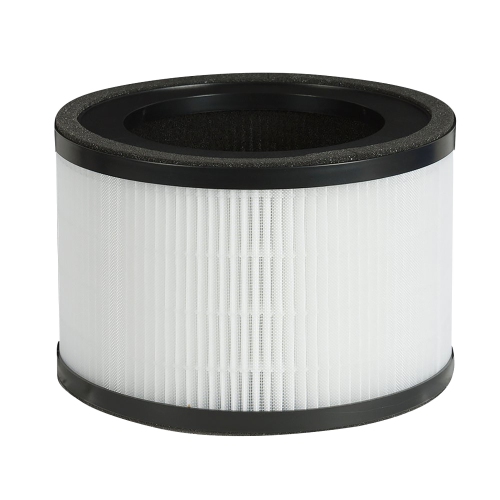
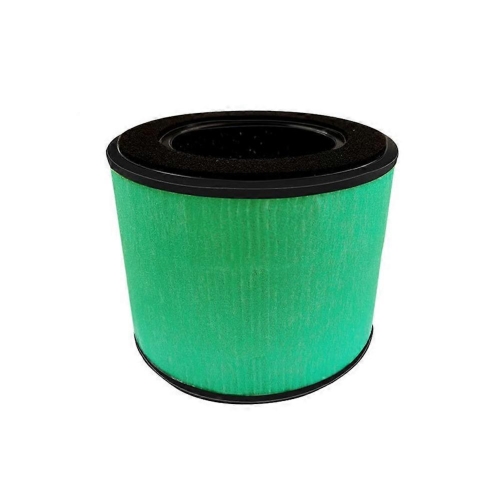
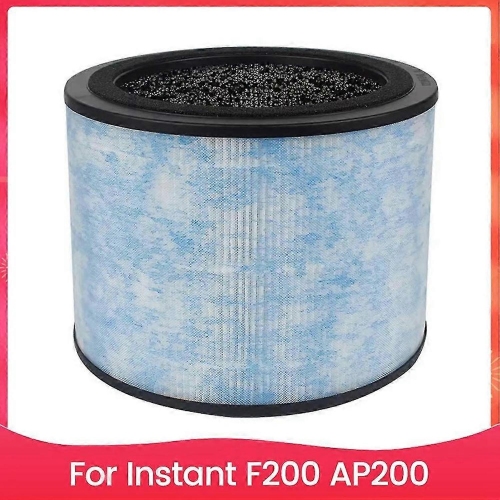
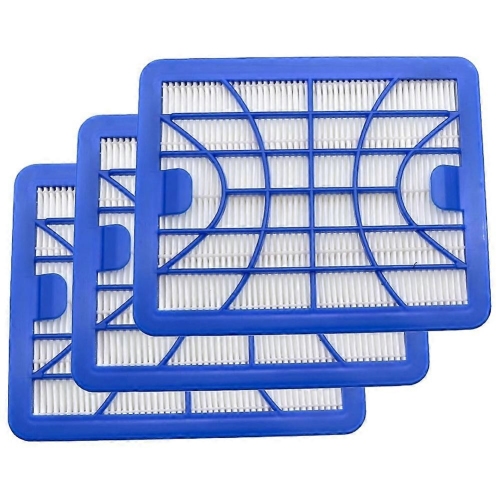
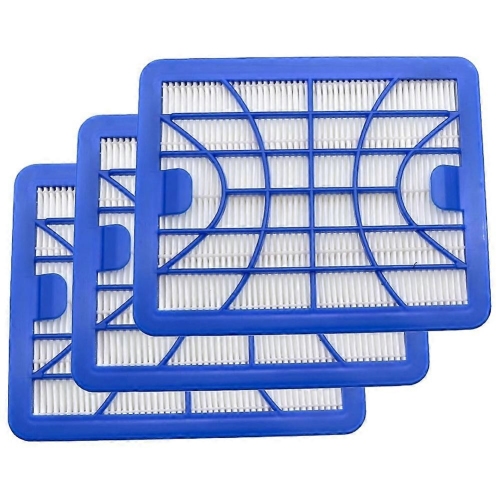
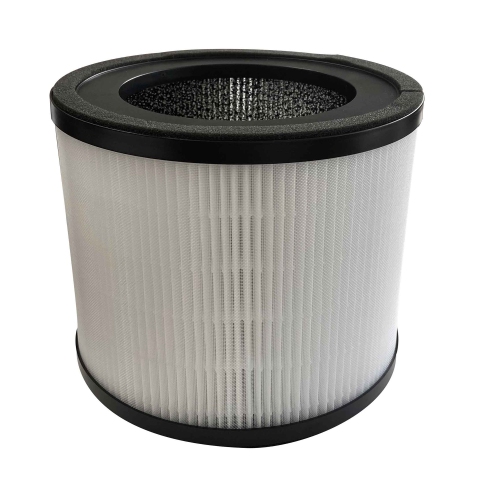
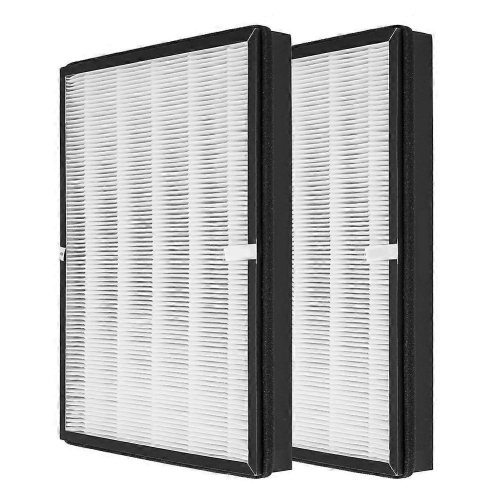
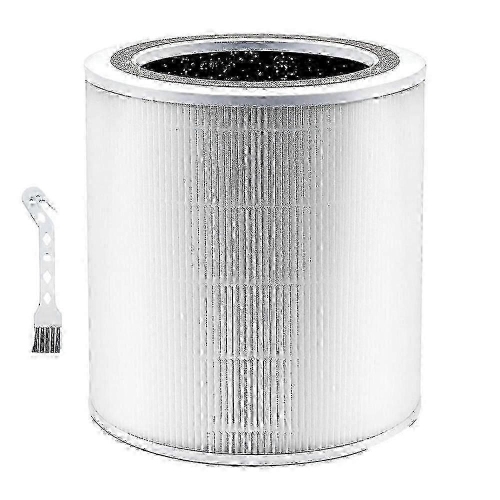
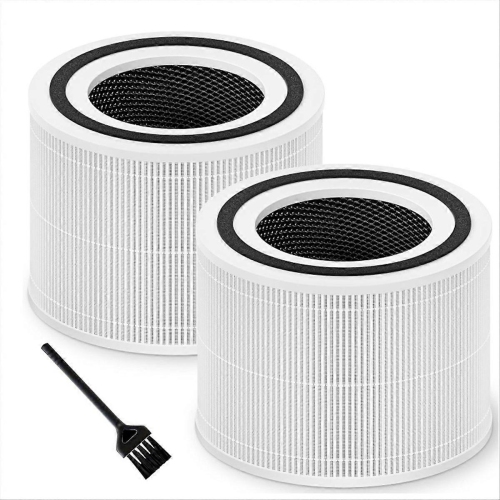
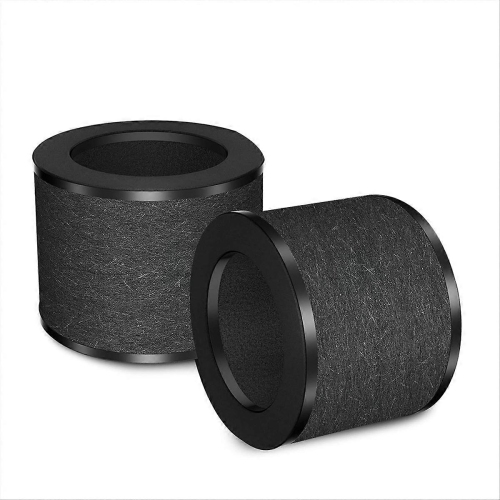
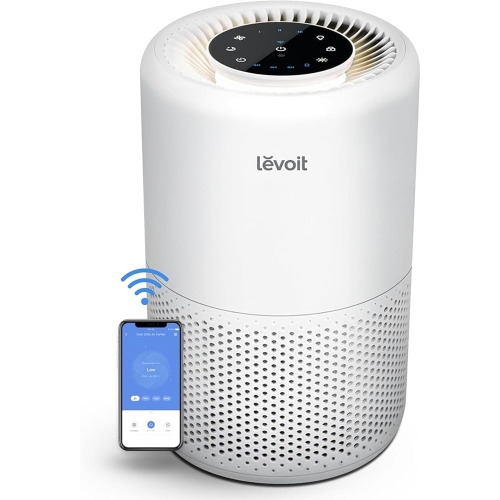
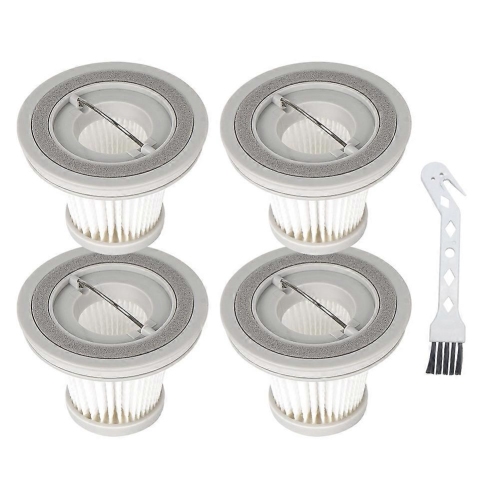
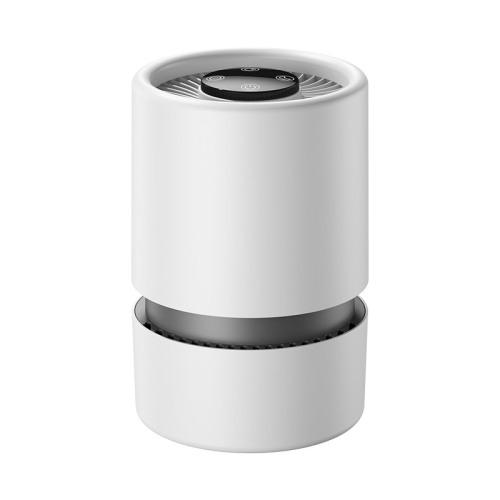
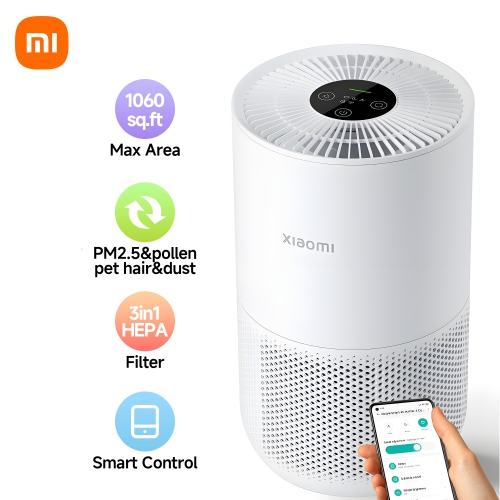
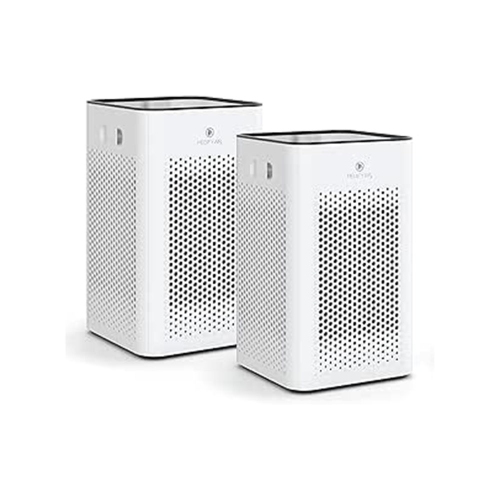
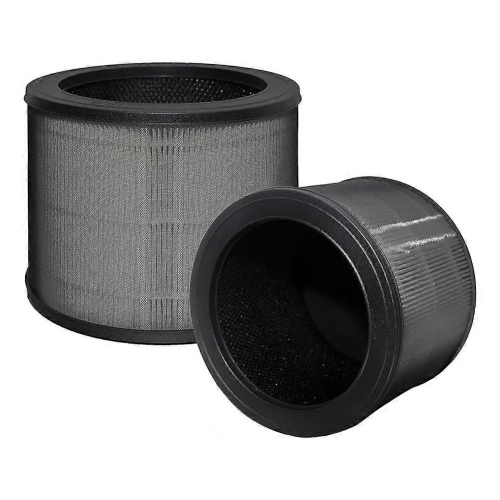
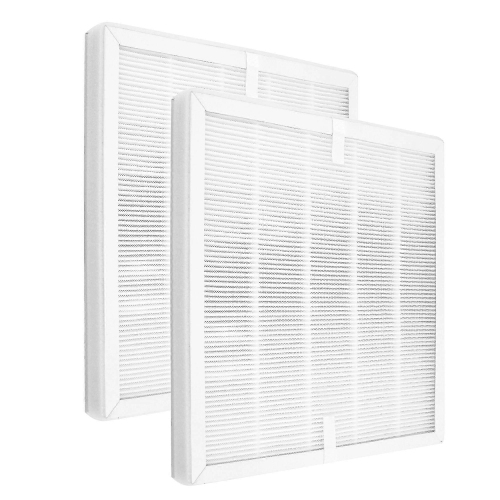
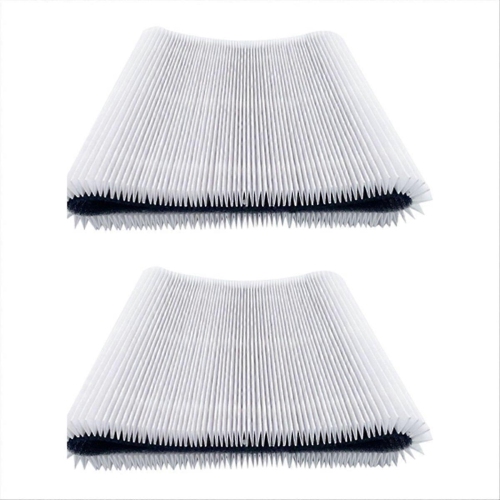
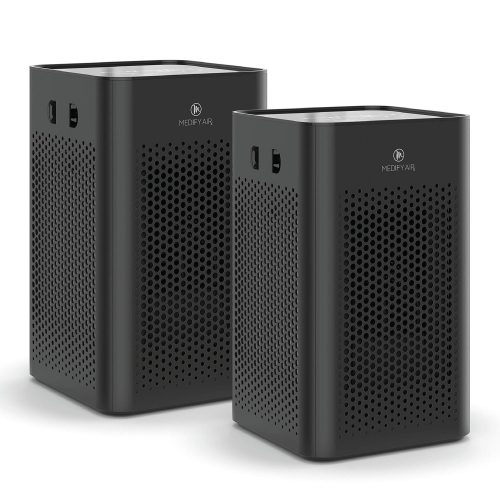
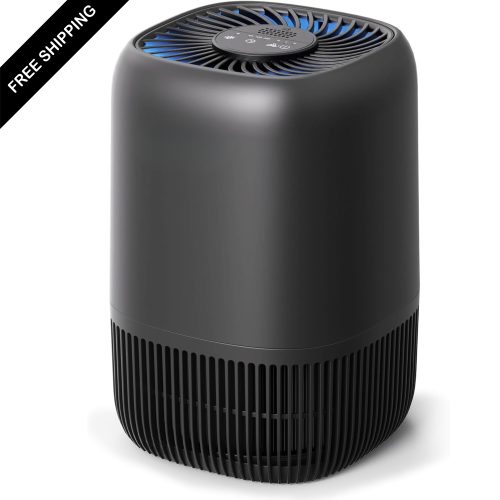
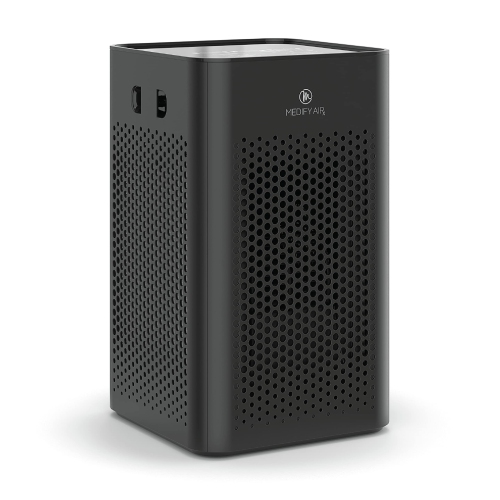
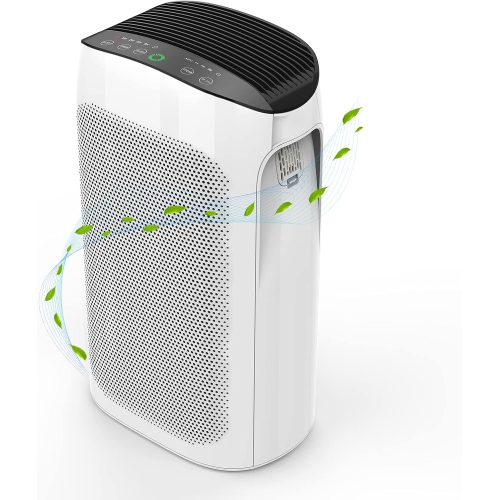
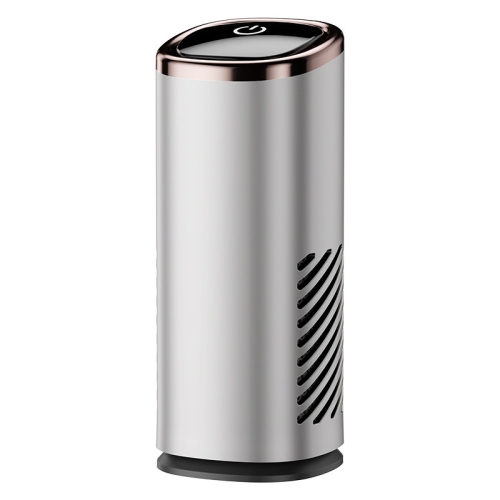
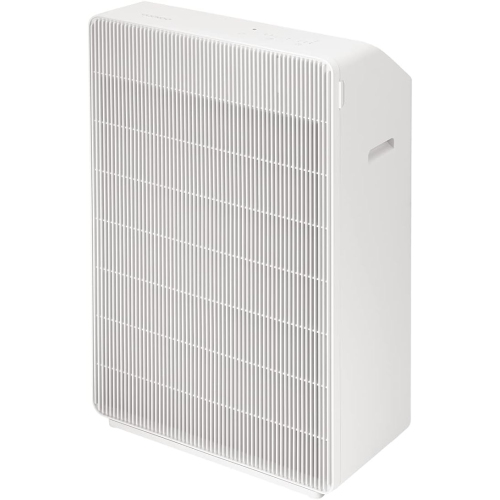
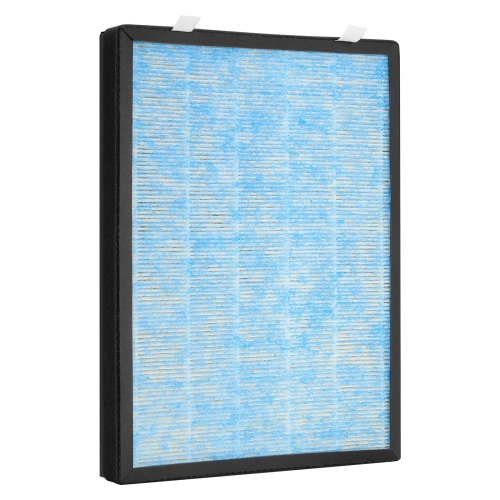
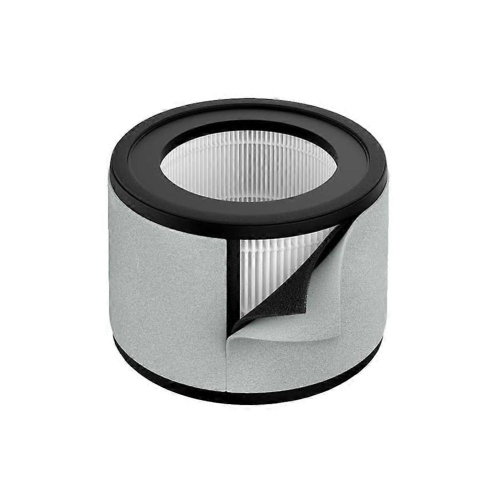
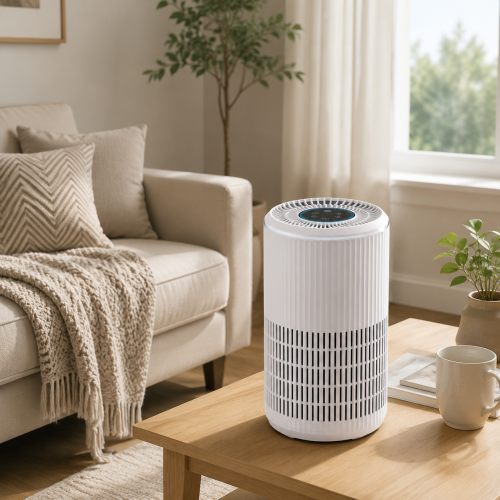
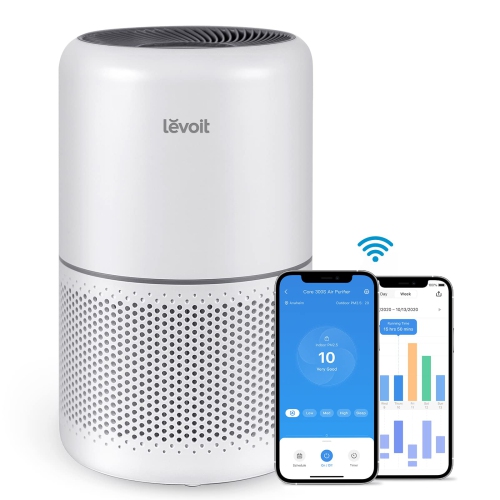
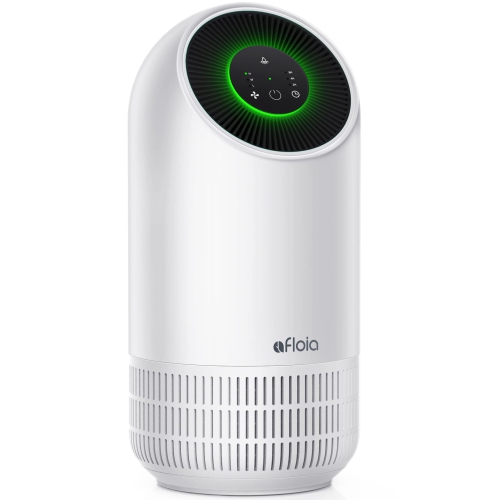
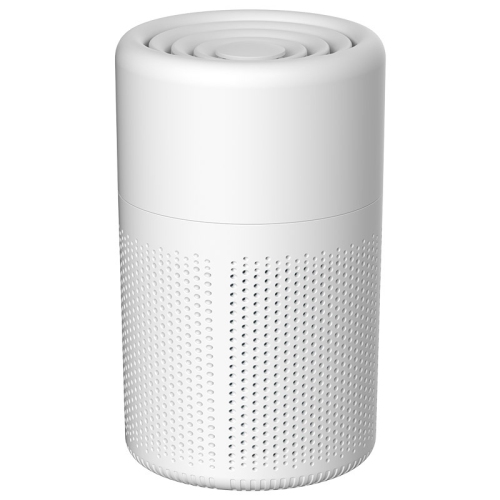
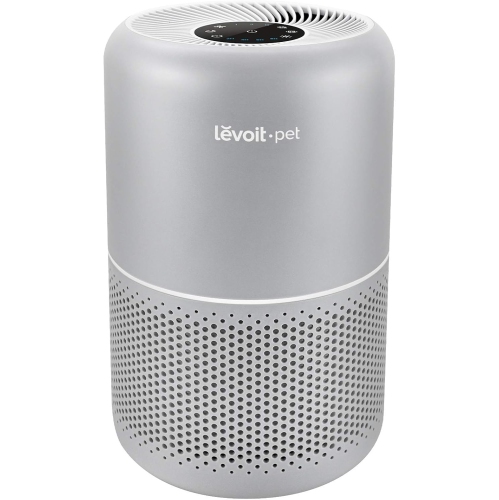
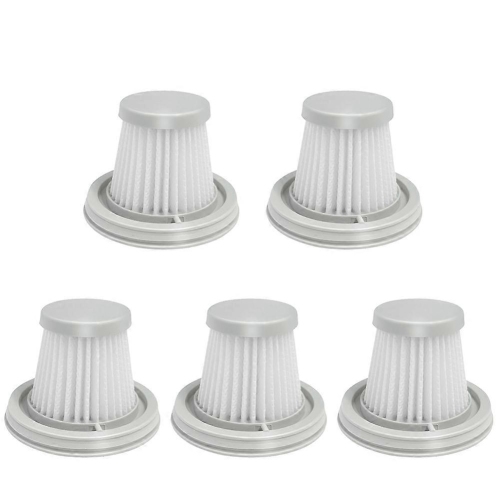
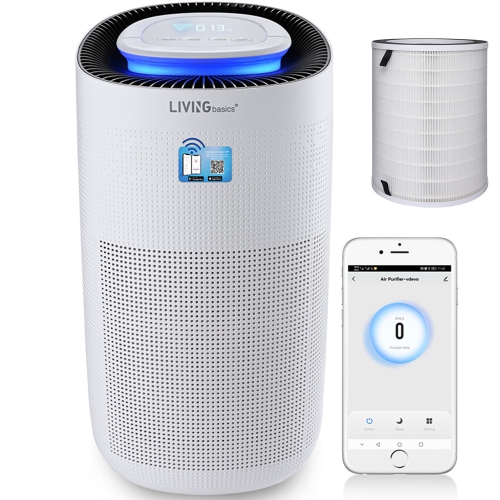
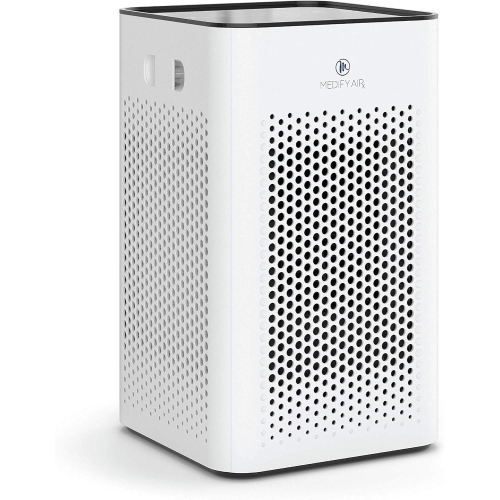
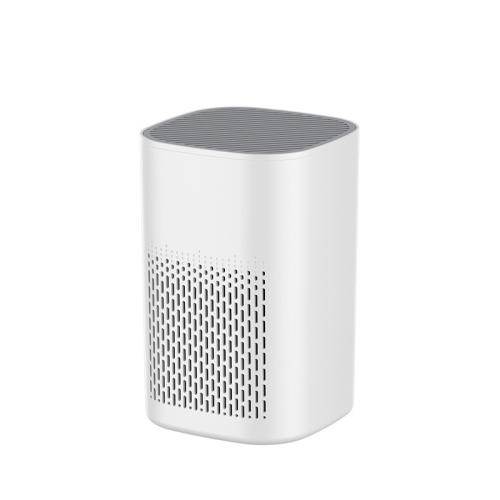
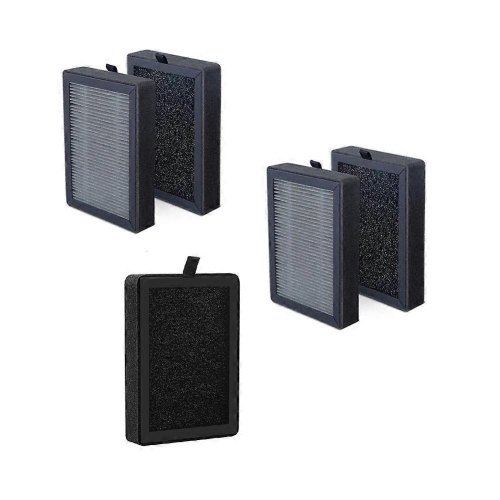
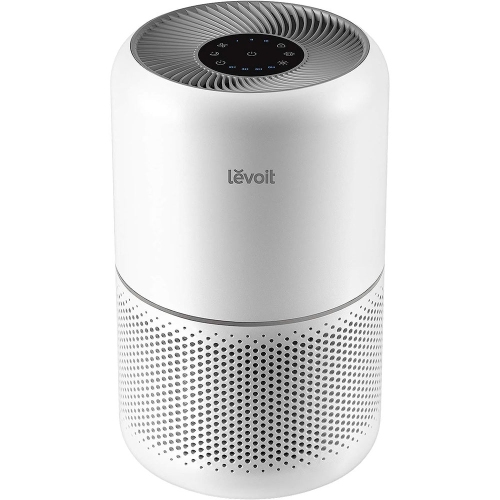
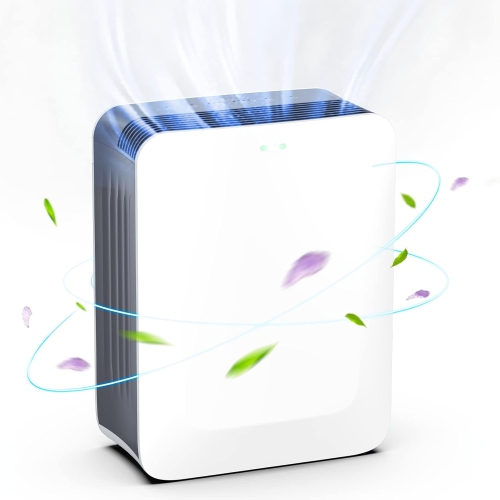
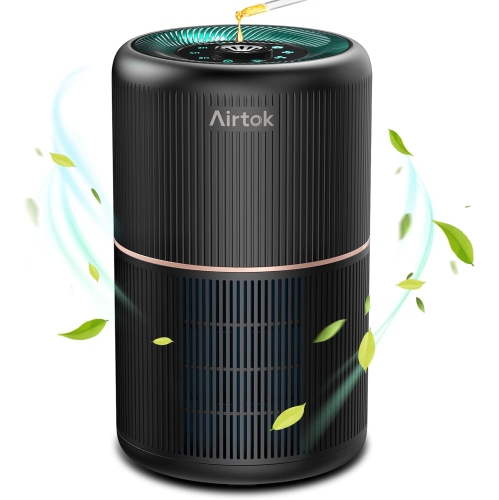
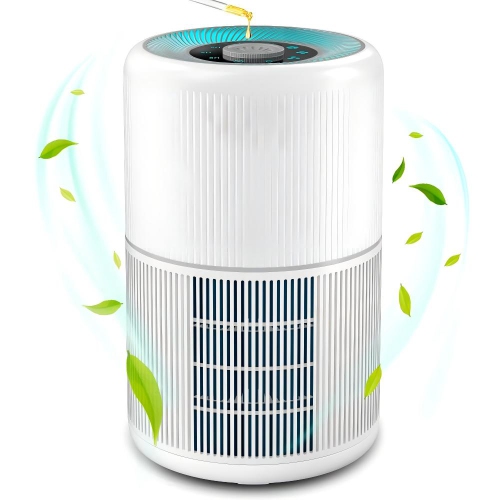
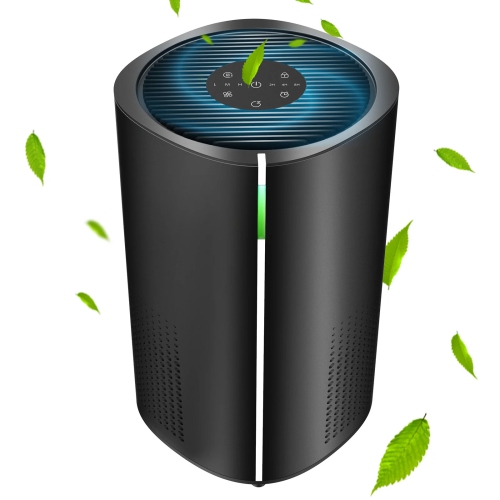
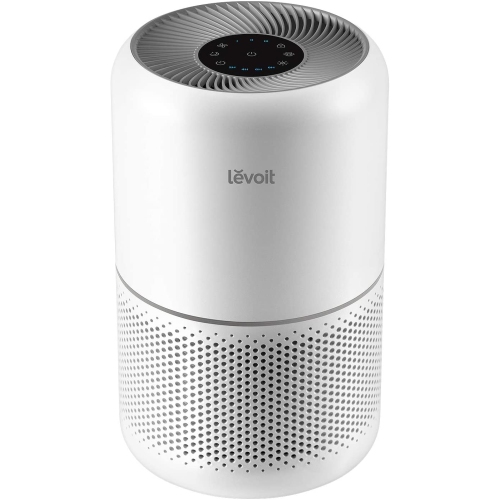
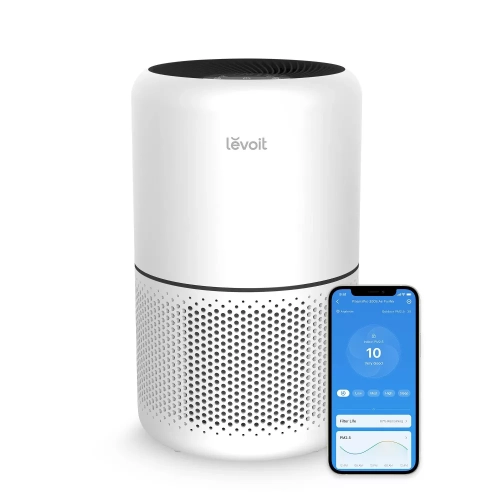
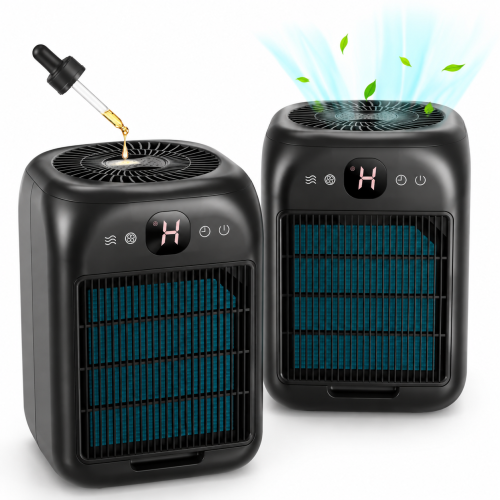
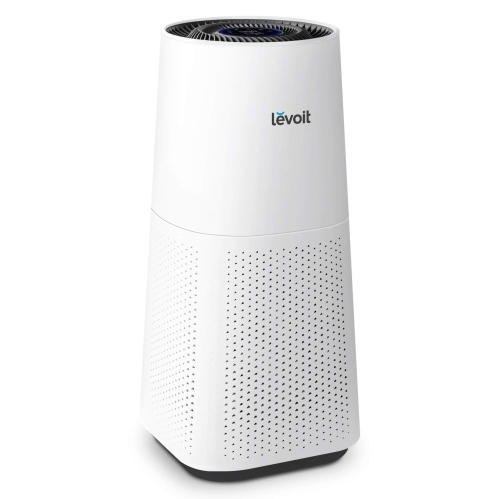
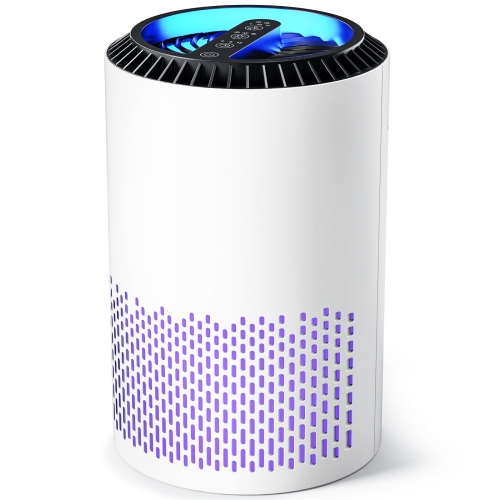
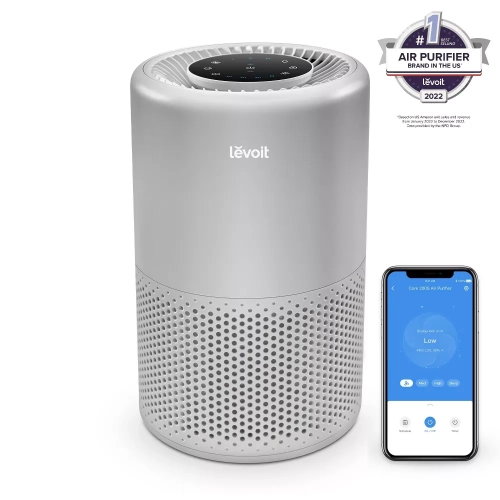
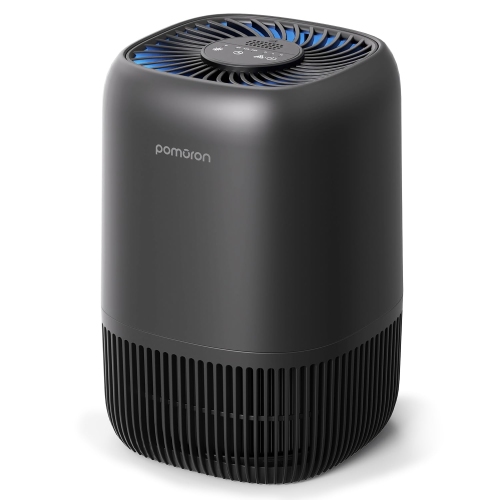
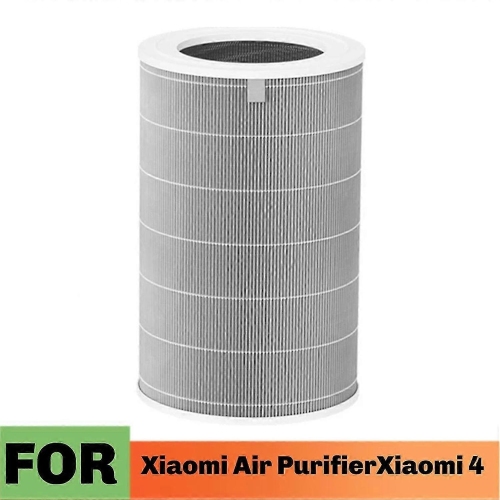
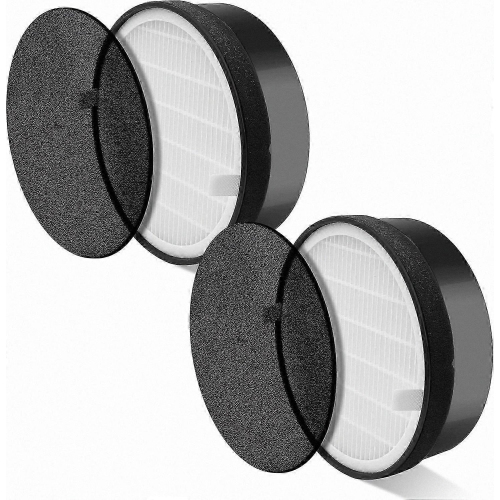
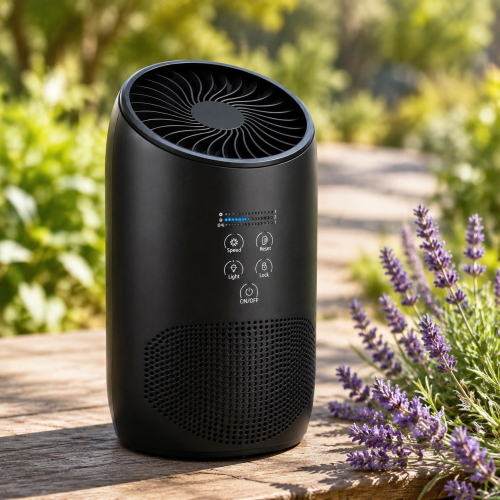
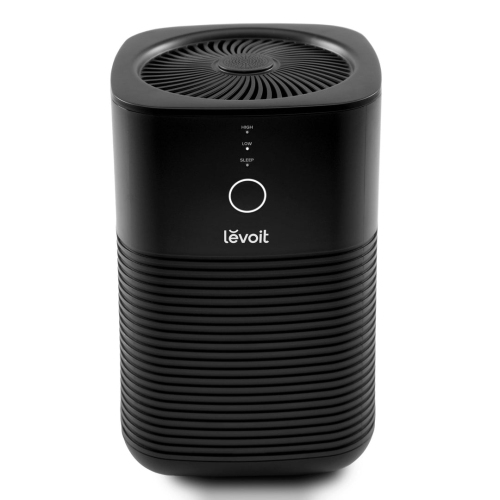
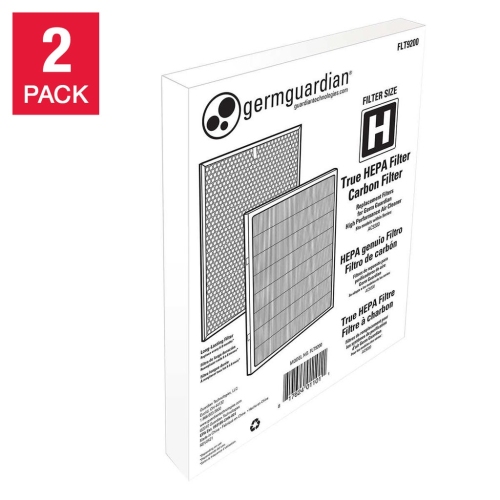
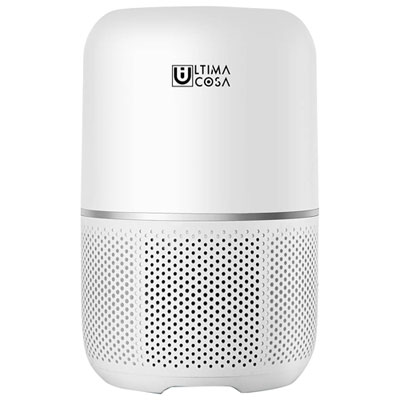
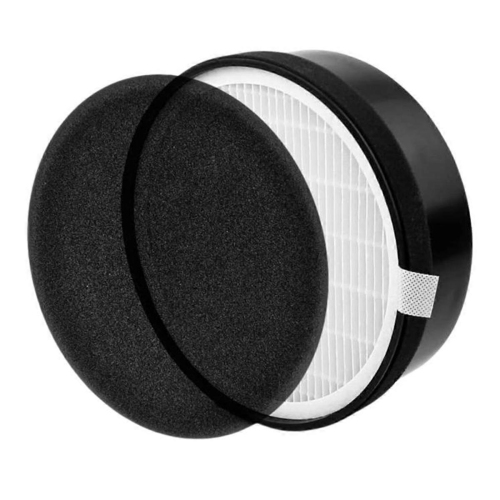
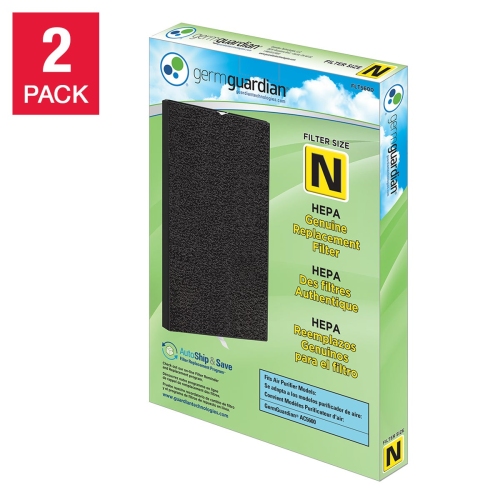
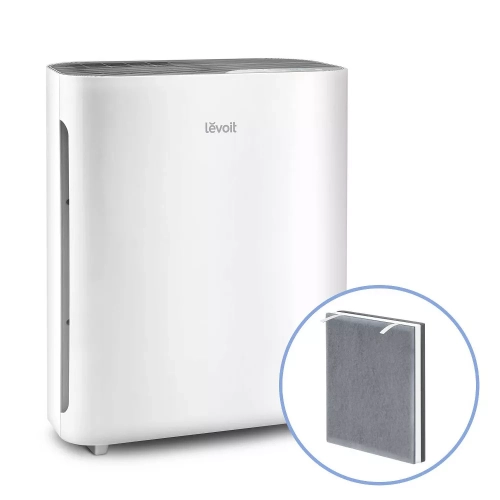
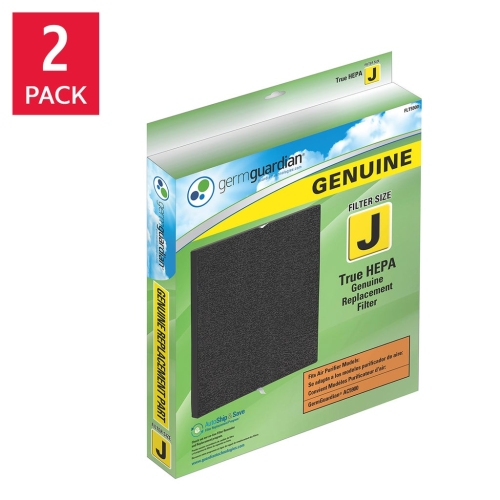
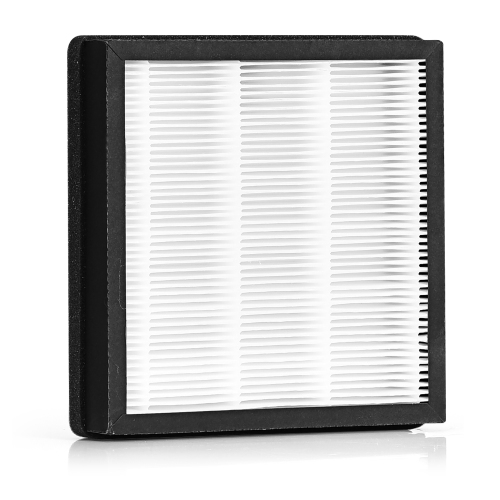
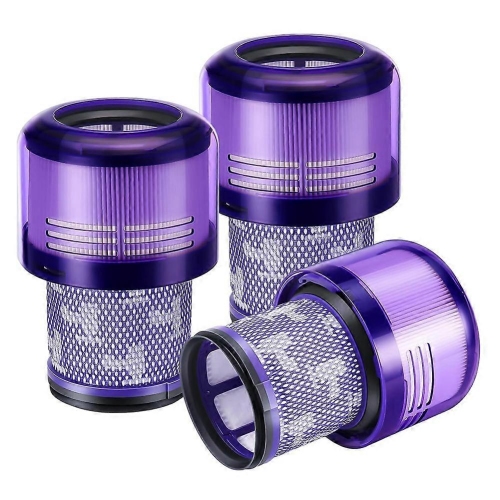
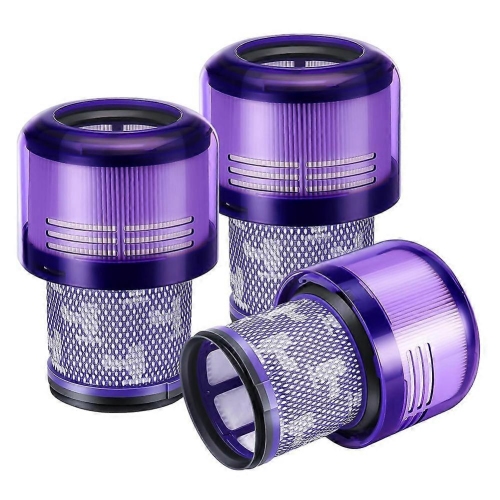
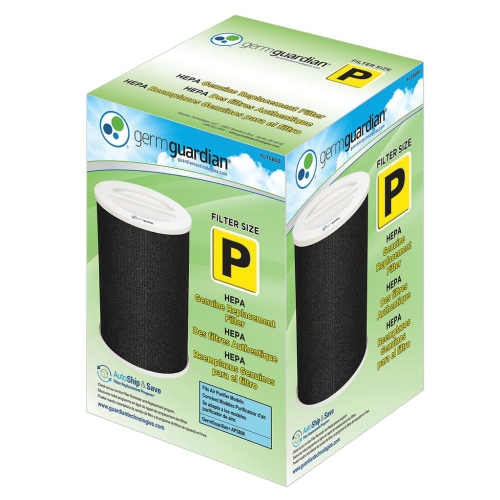
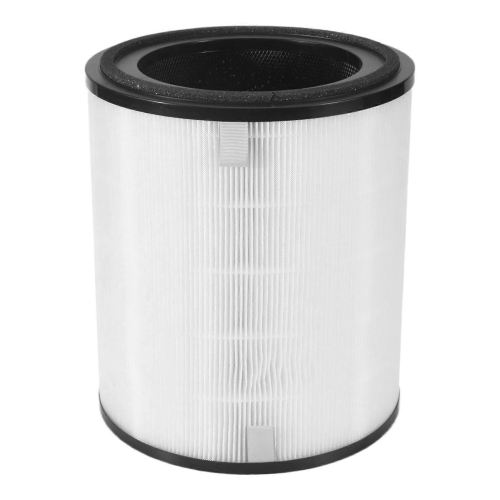
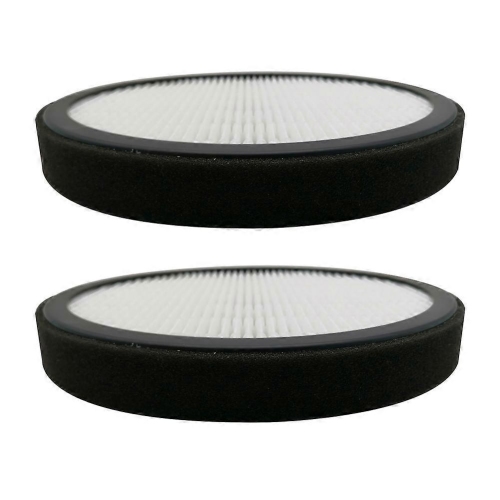
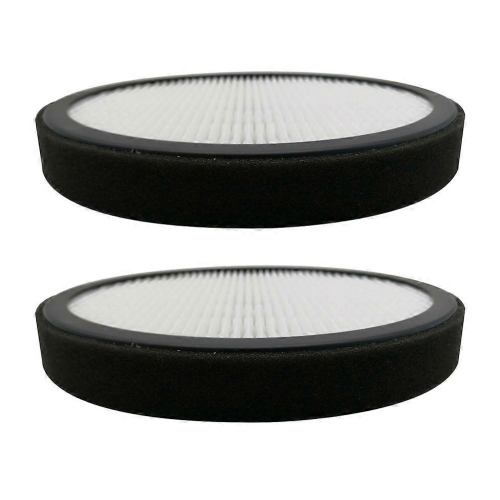
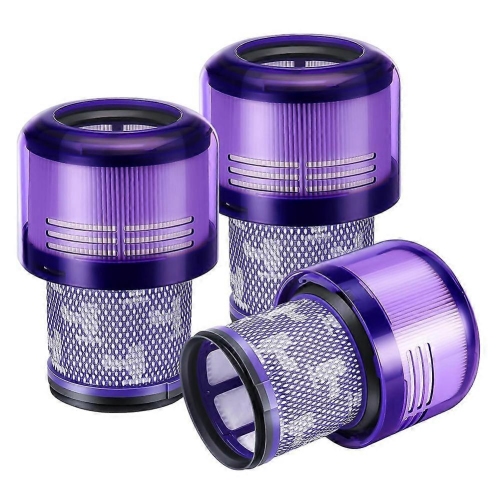
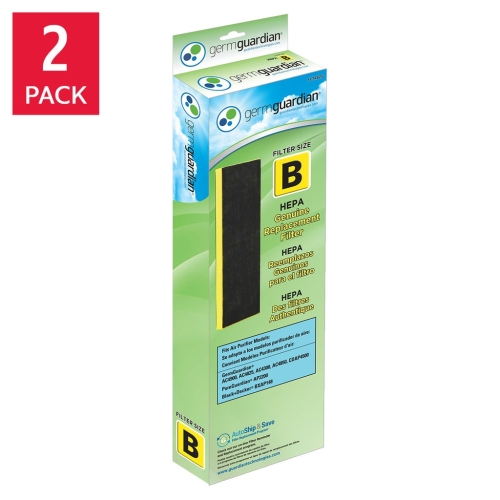
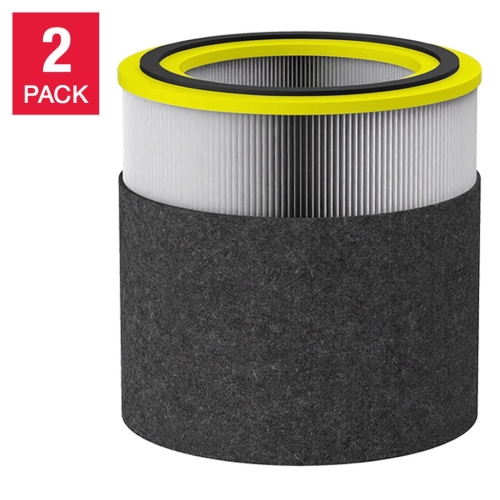
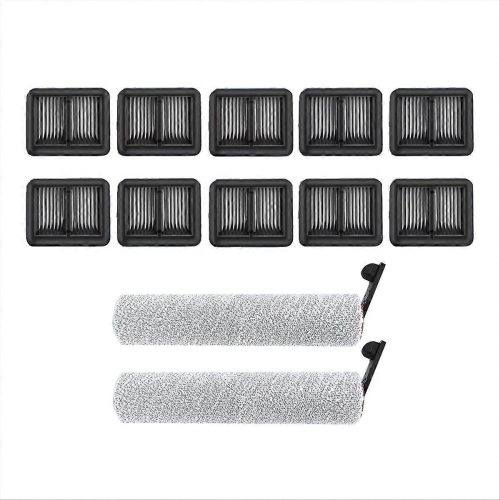
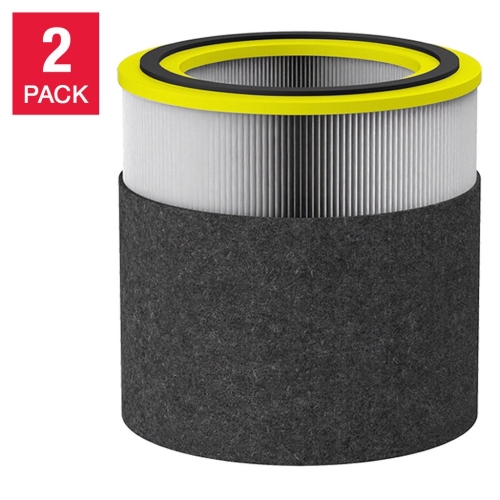
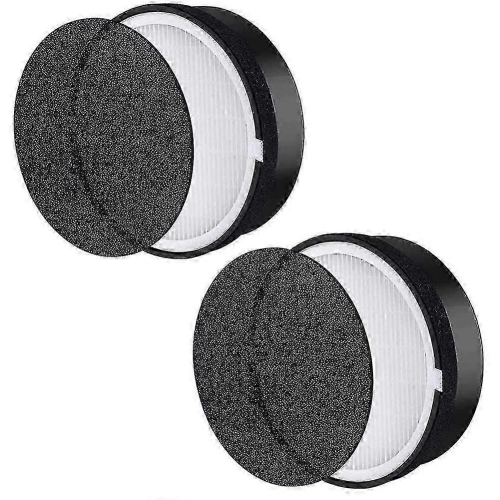
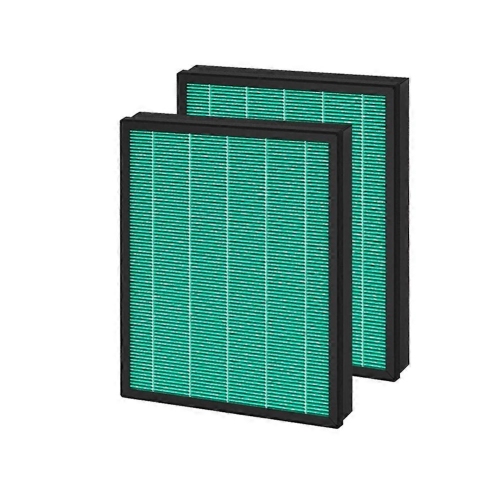
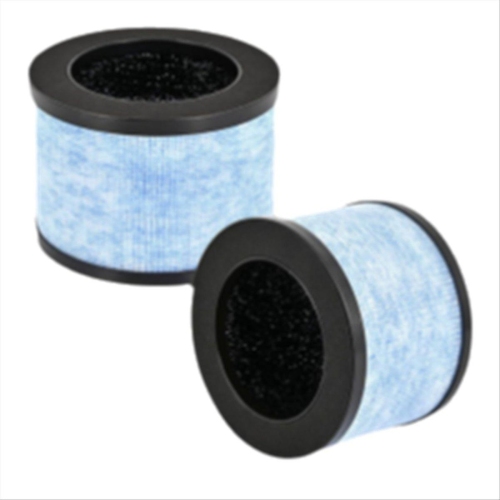
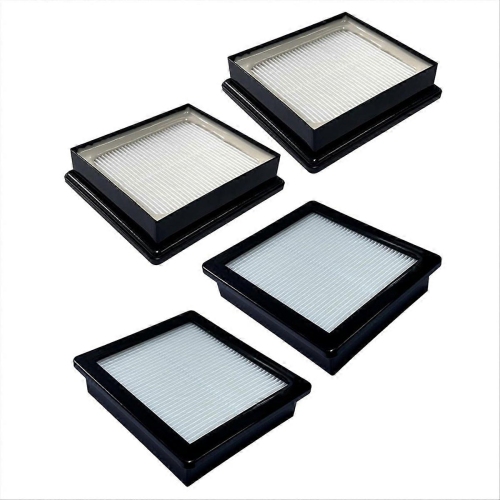
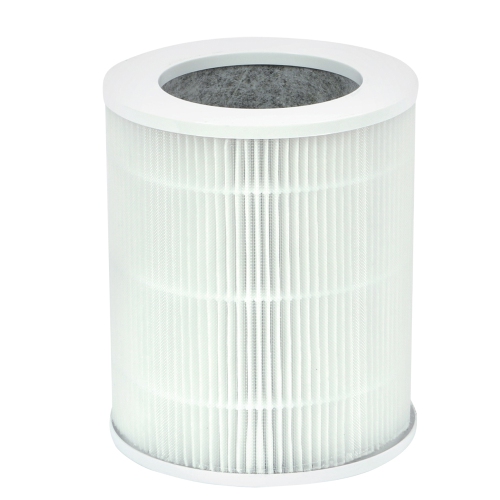
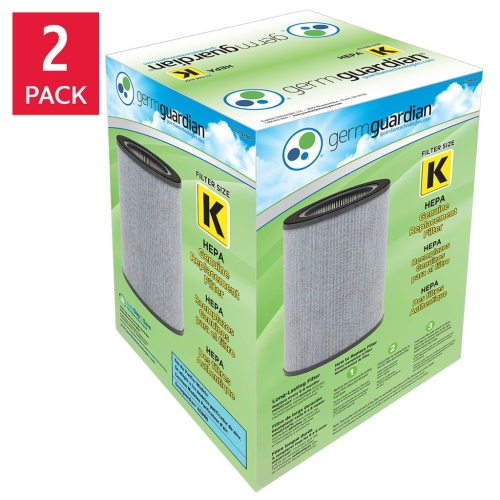
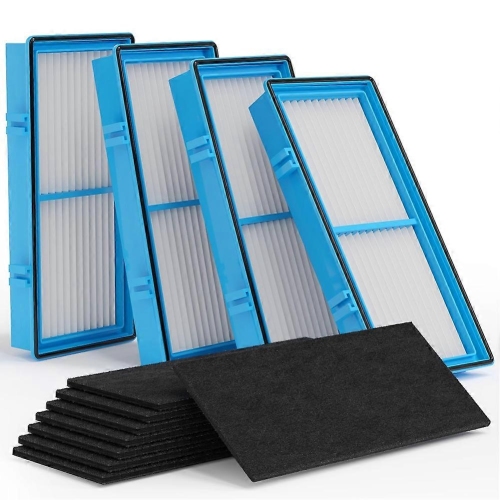
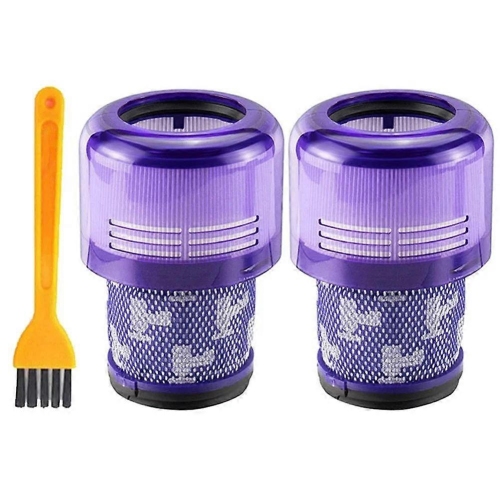
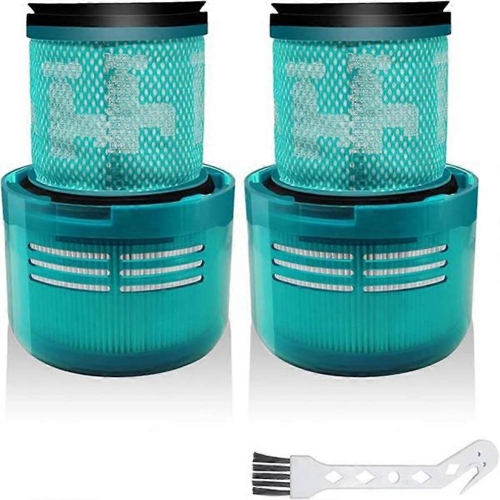
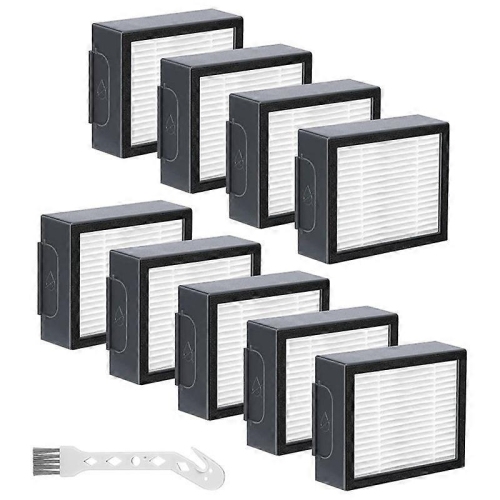
H13 true HEPA filters are high-efficiency particle filters used in compatible air purifiers to capture fine airborne material as air passes through a dense filtration layer. Under the EN 1822 standard, an H13 filter must achieve at least 99.95% overall particle capture at its most penetrating particle size—the size that is hardest for that filter to retain. This is different from the commonly quoted true HEPA specification of 99.97% capture at 0.3 microns, so the stated test standard matters when comparing filter descriptions. Neither figure means that a purifier removes the same percentage of particles from an entire room in one pass. Room size, airflow, operating time, filter fit, and the purifier’s construction all influence the results in everyday use. H13 filter media can capture airborne dust, pollen, pet dander, mould spores, and fine particles associated with smoke, although particles must reach the filter before they can be trapped. The material is typically arranged in closely spaced pleats, creating a large filtering surface within a relatively compact frame or cartridge. Depending on the design, the media may use fine glass fibres or synthetic fibres, supported by a frame and seals that help keep air moving through the filter rather than around its edges. These filters can be useful in bedrooms, home offices, and shared living spaces where compatible purifiers operate regularly. A household with a shedding cat, for example, may need filtration for both visible fur and much smaller airborne dander, while someone working beside a busy hallway may notice dust collecting despite frequent cleaning. Air filtration complements cleaning and appropriate ventilation; it does not remove dust already settled on a shelf or address the source of a mould problem. The broader selection of True Hepa Filters includes options with different constructions and compatibility requirements, making the filter’s specifications just as important as the HEPA wording on its label.
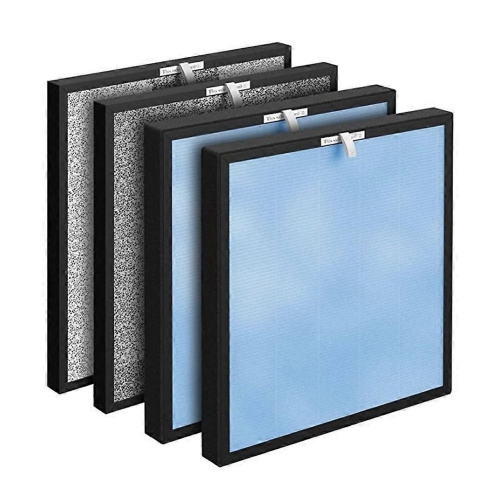
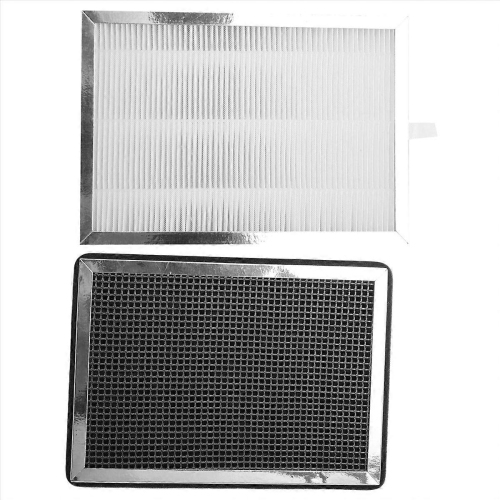
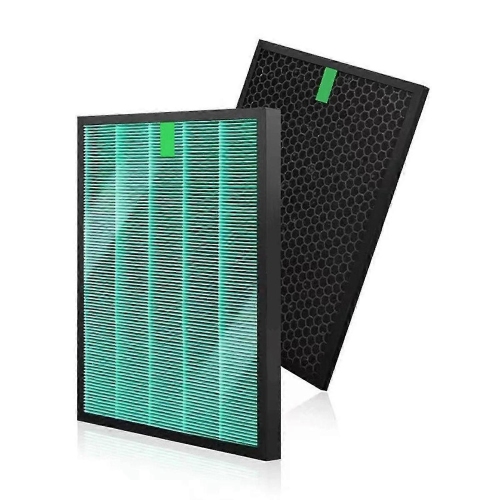
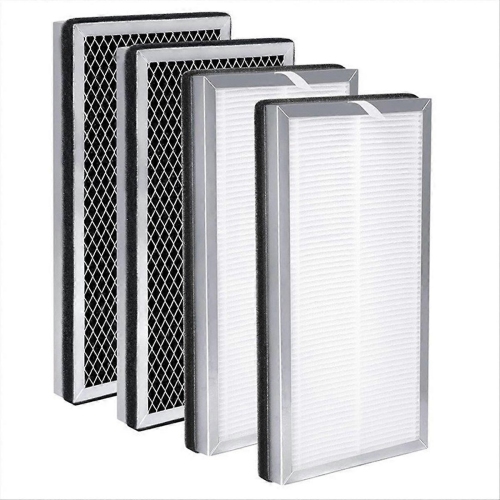
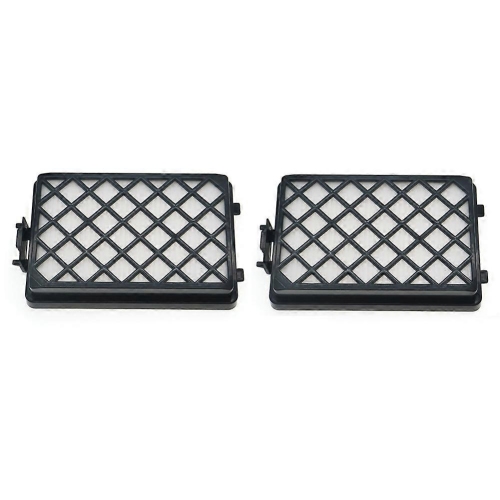
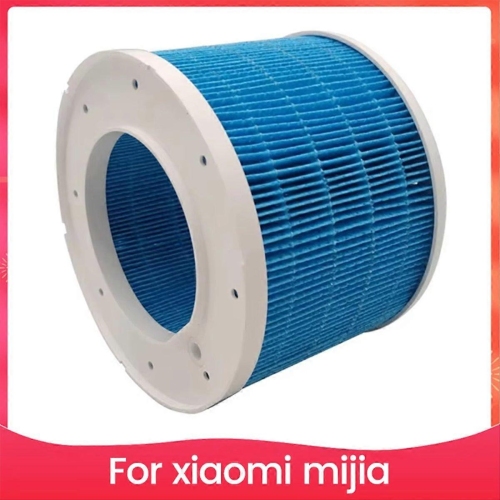
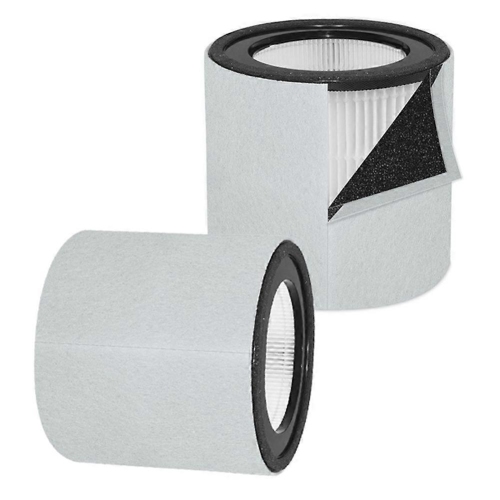
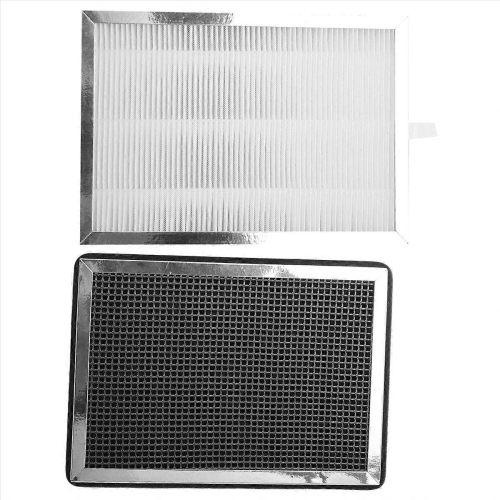
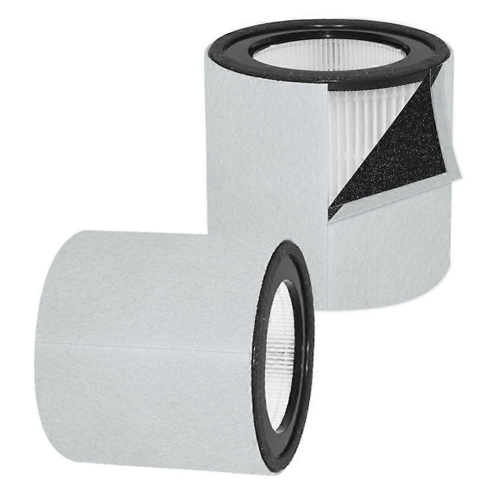
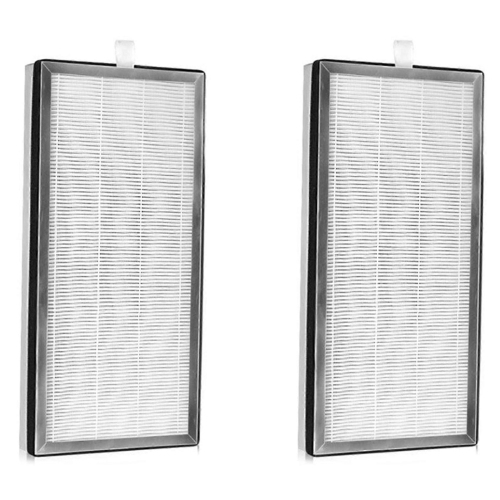
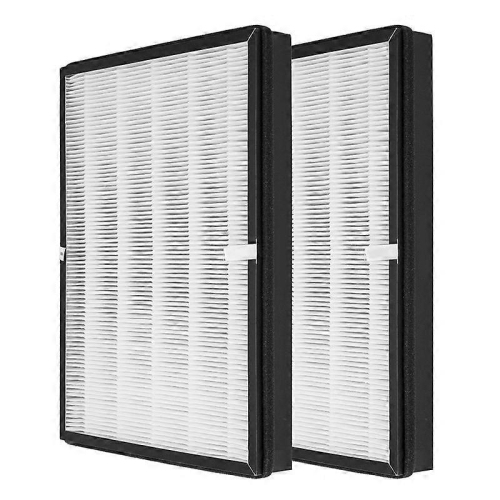
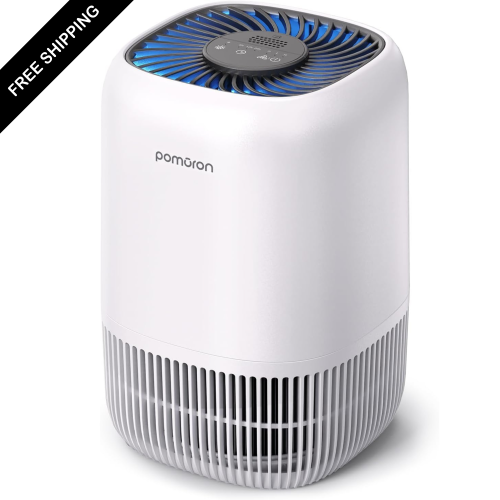
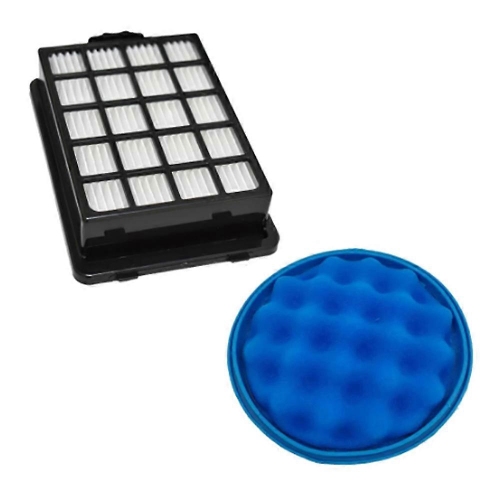
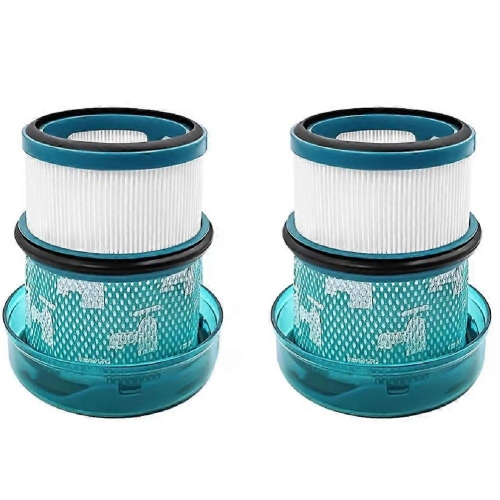
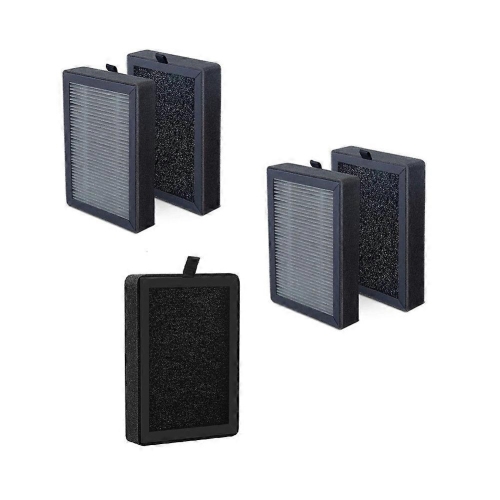
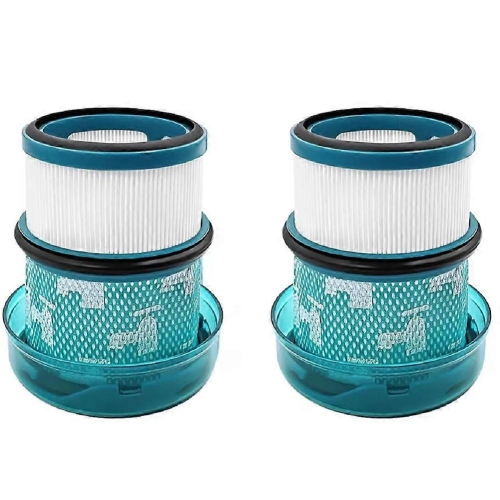
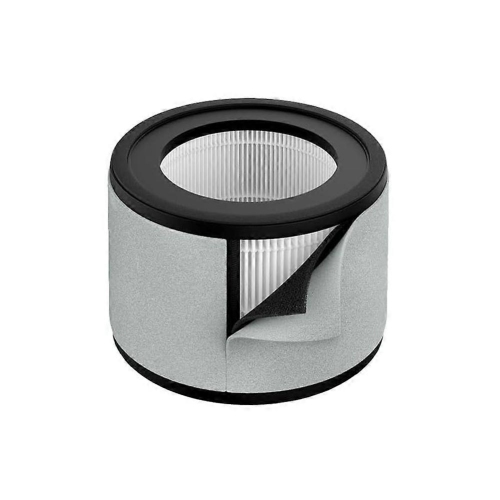
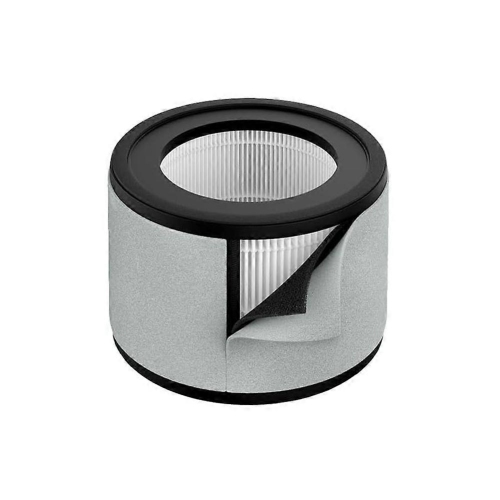
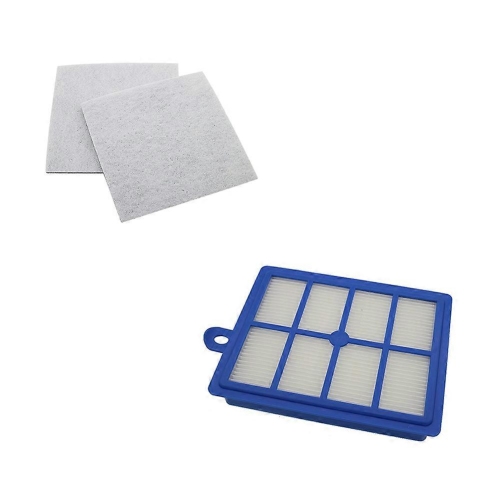
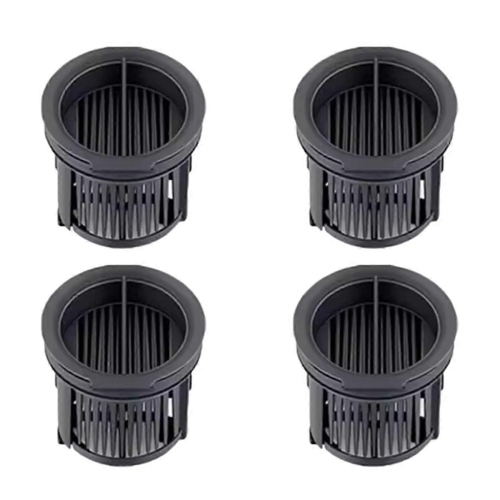
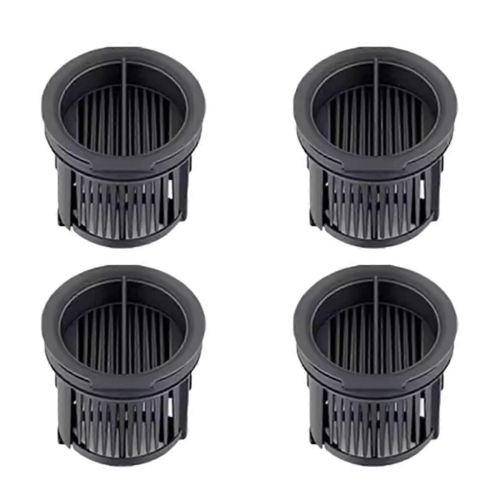
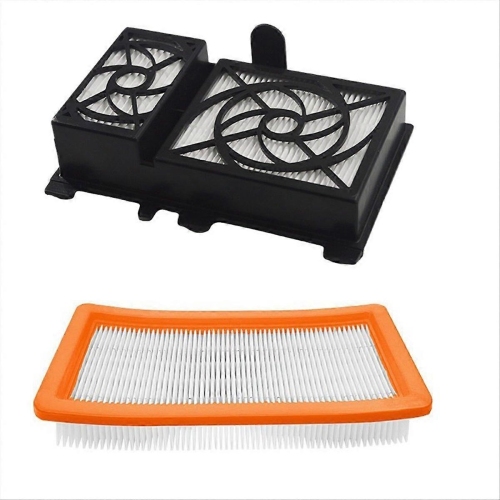
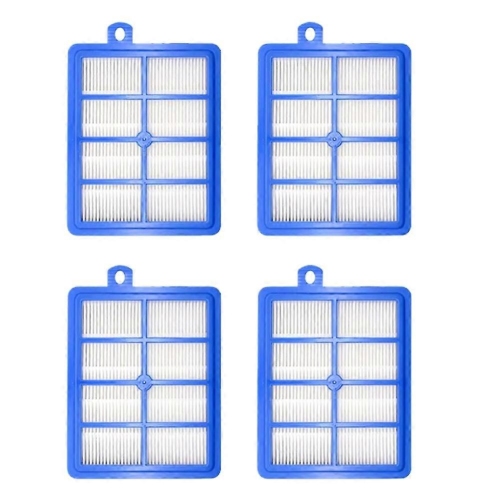
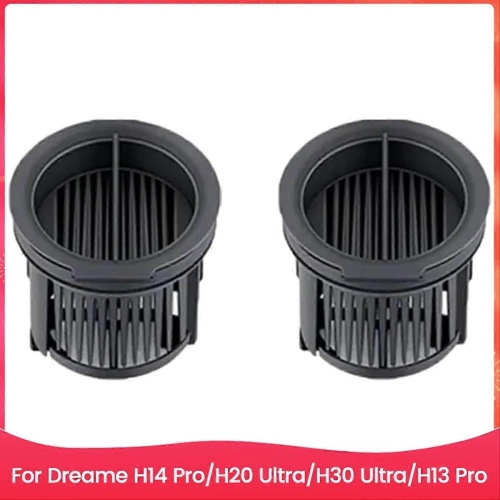
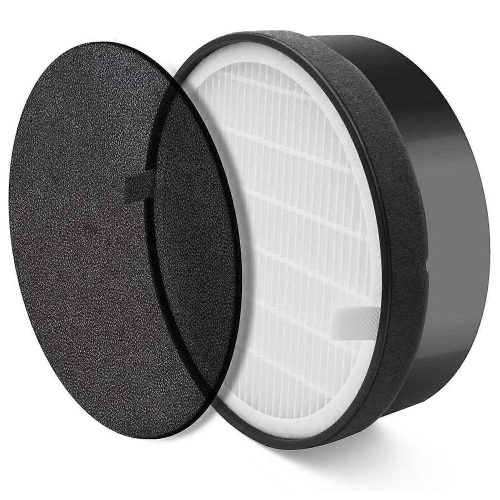
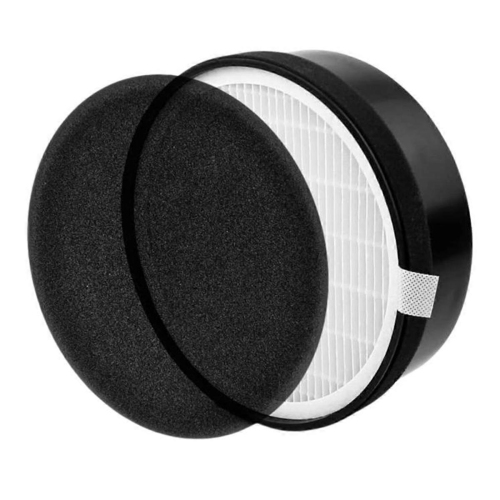
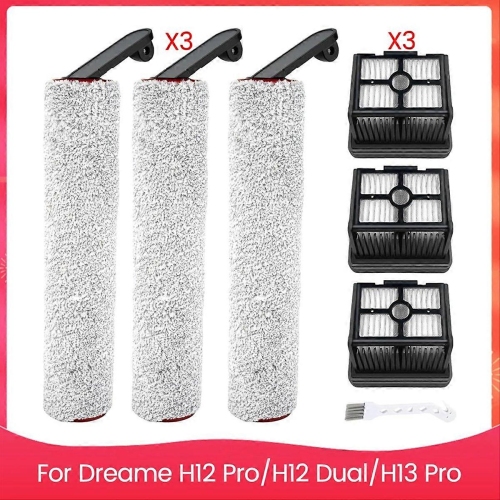
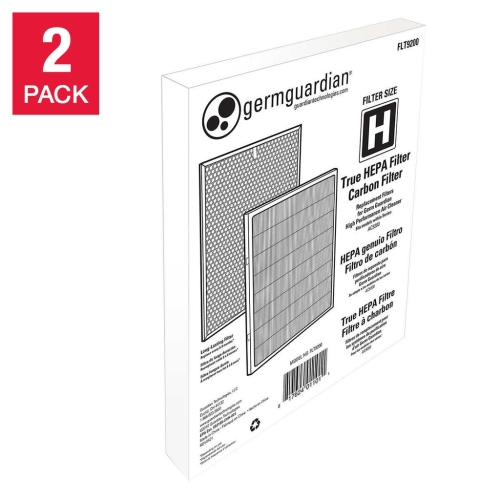
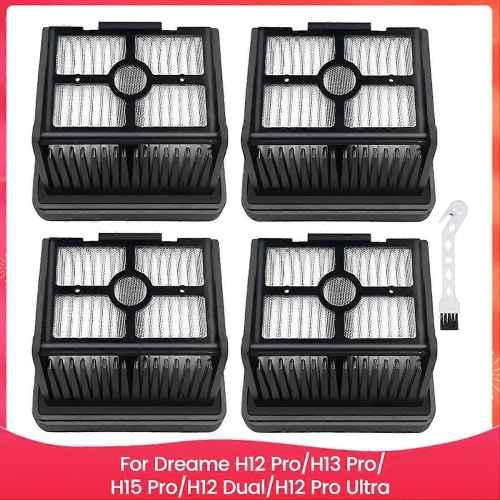
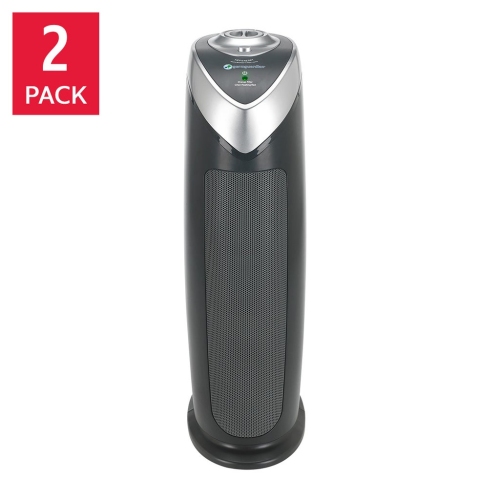
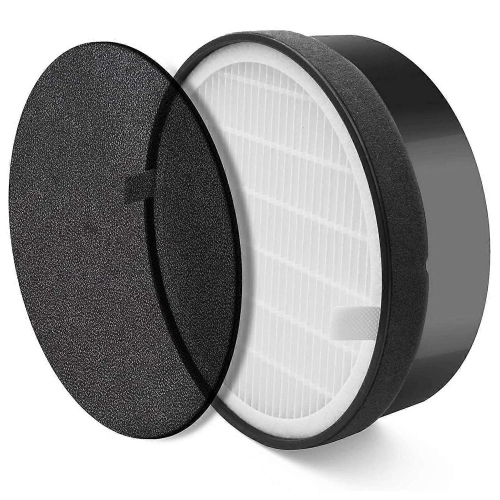
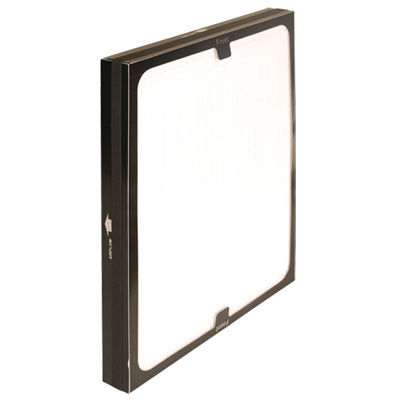
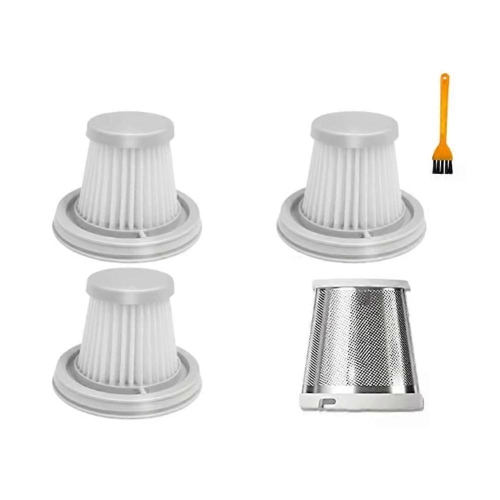
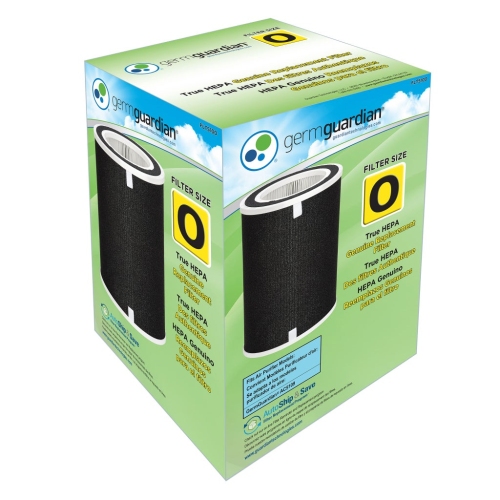
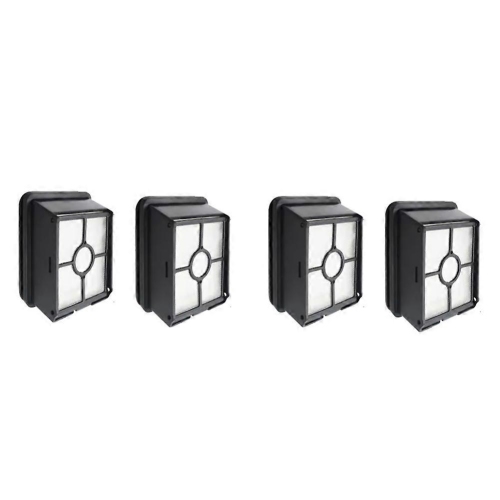
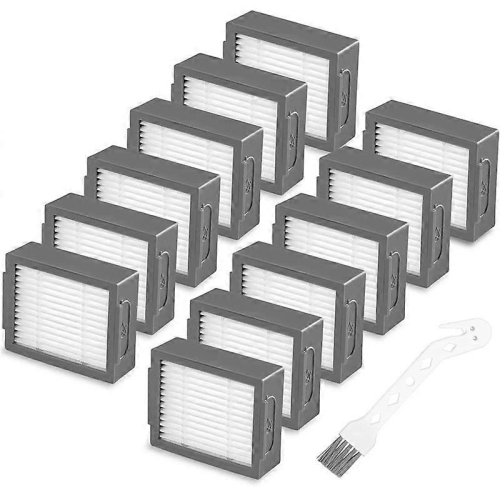
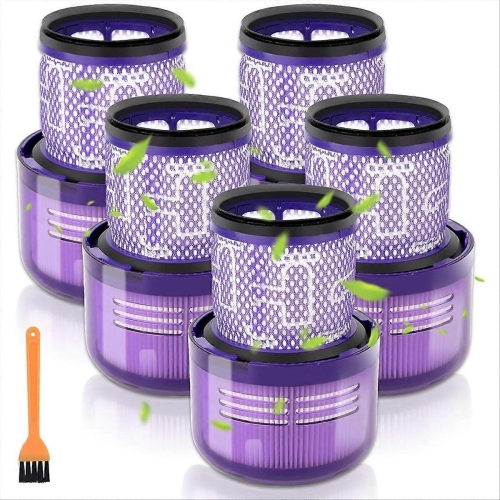
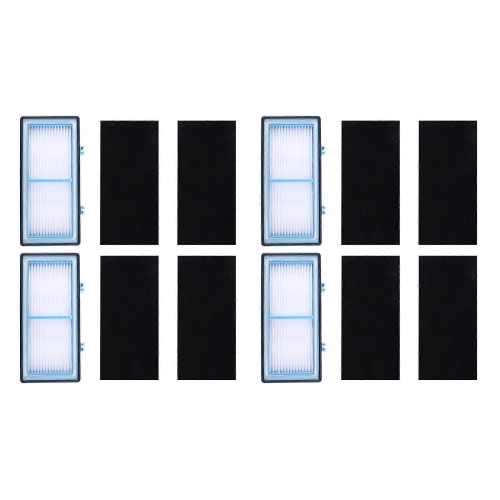
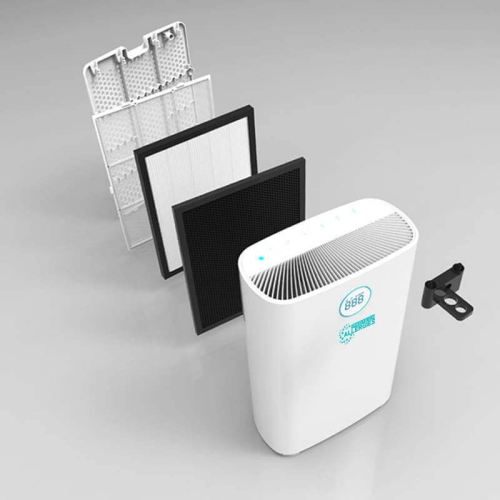
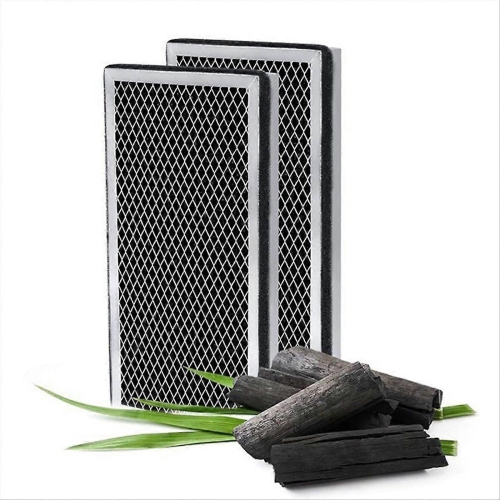
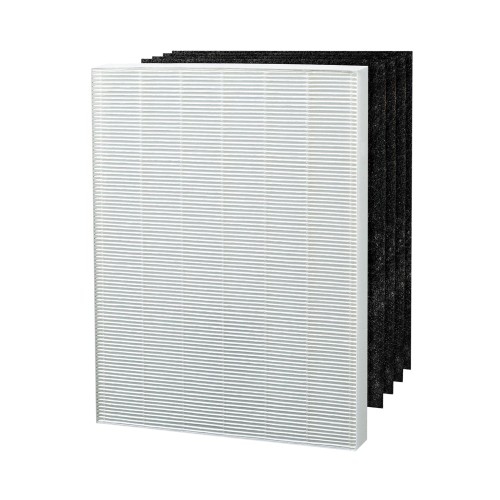
Compatibility is the starting point for choosing H13 true HEPA replacement filters. A cylindrical cartridge and a flat rectangular panel may contain similarly rated filter media, but they are not interchangeable. Height, width, depth, frame shape, gasket placement, and the position of any tabs or locking features determine whether a replacement seats correctly inside its intended purifier. Even a small gap can allow air to bypass the filtering layer, reducing the benefit of high-efficiency media. The purifier’s model number and the replacement filter reference in its manual provide a more dependable match than appearance alone. A filter that looks close in a photograph may have a different opening, seal, or airflow requirement. Many replacement assemblies combine several stages: a pre-filter catches larger debris such as lint and pet hair, the H13 layer captures fine particles, and an activated carbon layer helps reduce certain household odours and gases. These stages have different jobs. HEPA media does not remove gases simply because it captures very small particles, and activated carbon performance depends on the type and amount of carbon, the substances present, and how much contact they have with the media. A thin carbon-coated sheet should not be assumed to perform like a substantial bed of carbon granules. For a room near a kitchen, particle filtration and odour reduction may both be relevant, but neither replaces an externally vented range hood where one is needed. Air-cleaning filters also do not replace carbon monoxide alarms or correct a gas leak. The compatible purifier’s clean air delivery rate, often shown as CADR, and its recommended room size help put filter performance into context. A highly efficient replacement cannot turn a compact purifier into a suitable unit for a much larger space, and installing denser media than the appliance supports may restrict airflow rather than improve useful particle removal.
Care and replacement requirements are especially important because most H13 true HEPA filters are consumable components, not washable accessories. Unless the manufacturer explicitly identifies the HEPA element as washable, rinsing, soaking, or applying cleaning sprays can damage its fibres, adhesives, or seals. Scrubbing or vacuuming the pleated surface may also harm the media, even if the filter still looks intact afterwards. A separate pre-filter may have different care instructions and may be designed for gentle vacuuming or washing; if washing is permitted, it should be fully dry before reinstallation. Keeping that first stage clear of accumulated fur and lint helps maintain airflow to the finer filtration layers. Replacement timing varies with operating hours, fan speed, particle levels, and the amount of debris entering the purifier. A busy home with several pets can load a filter differently from a lightly used study, so a stated service life is an estimate rather than a universal schedule. Reduced airflow, persistent odours, visible damage, or a replacement alert can signal that attention is needed, though some alerts simply count elapsed operating time. Colour alone is not a reliable measure of remaining filter life: visible dust does not show every captured particle, and carbon can lose effectiveness without an obvious change in appearance. During installation, removing any protective packaging, checking the airflow direction where marked, and seating the cartridge firmly help the purifier work as intended. Power should be disconnected before opening the filter compartment, following the appliance’s instructions. Used filters are best handled gently and placed in a bag to limit the release of collected dust. Unused replacements should stay dry, protected from crushing, and sealed until needed, particularly when they include activated carbon that can absorb surrounding odours. For homes where the purifier runs every day, a well-fitting H13 replacement with clear care instructions offers a practical way to maintain the appliance’s intended filtration performance without relying on appearance or an efficiency claim alone.
Top selling and popular products
-
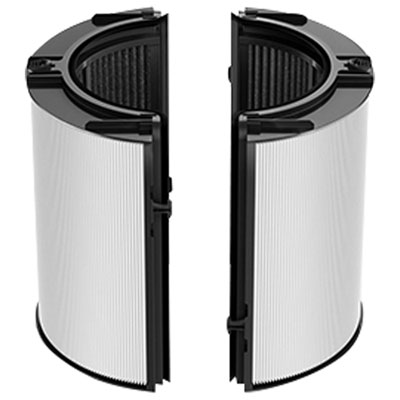 Your price for this item is $99.99
-
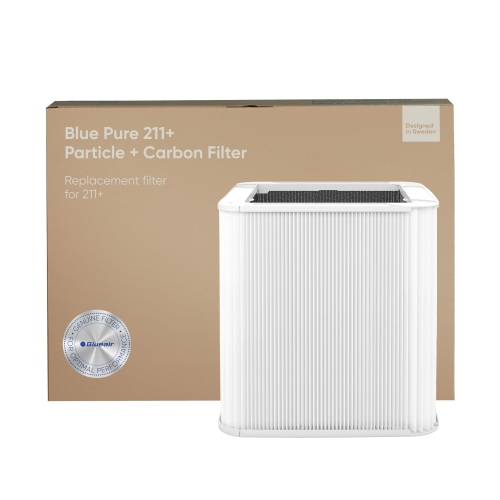 Your price for this item is $129
-
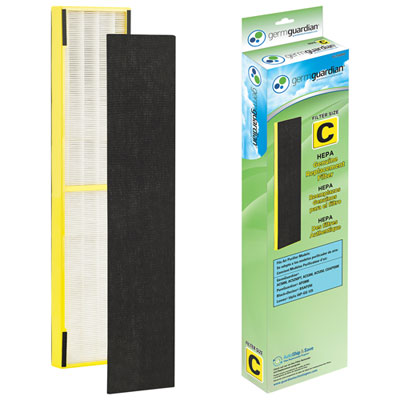 Your price for this item is $39.99
-
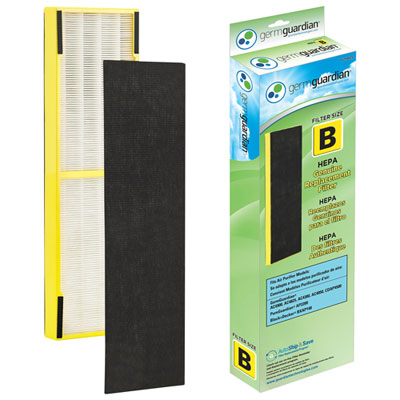 Your price for this item is $23.98
-
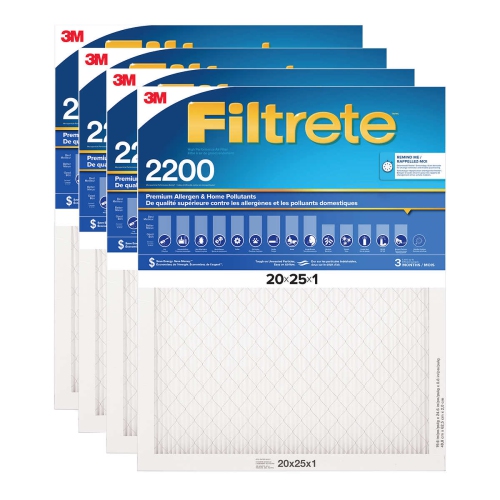 Your price for this item is $82.6
-
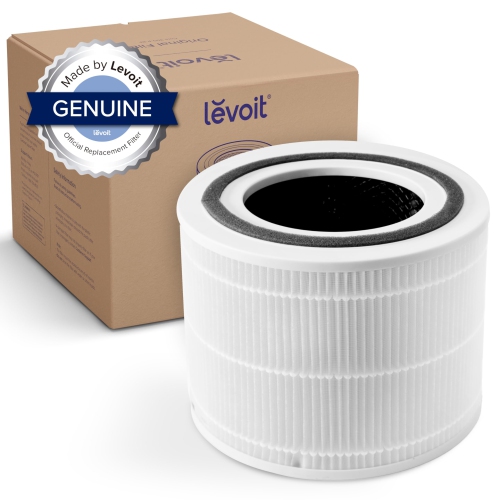 Your price for this item is $37.99
-
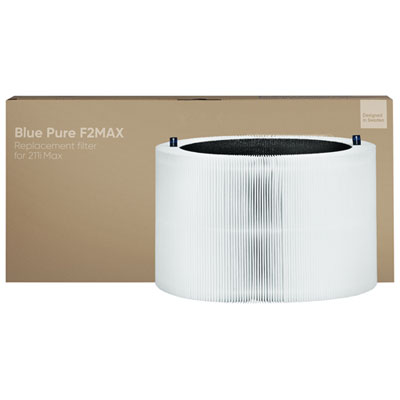 Your price for this item is $89.99
-
 Your price for this item is $59.99
Discover more categories related to H13 True HEPA Filters

Top Collections:
Pokemon Centers, Best Cameras for Sports Photography, Kindle Devices, Samsung Galaxy Phones, Canon G7X Cameras, Pokémon 30th Celebration Cards, Refurbished Apple Laptops, iPhone 15 Apple, Laptops for Students, Budget Smartphones
Some products may be subject to Environmental Handling Fees
(EHF) depending on your province.
Learn more about EHFs.