Hardwood Flooring Tools
Transform your space with the perfect hardwood flooring tools that ensure precision and ease in every step of your project. Whether you're a seasoned professional or a DIY enthusiast, having the right tools can make all the difference in achieving a flawless finish. From installation to maintenance, these essential tools are designed to help you tackle any task with confidence and efficiency. Explore a variety of options that cater to different needs and skill levels, ensuring your hardwood floors not only look stunning but also stand the test of time. Discover how the right tools can elevate your flooring experience and bring your vision to life.
Sort

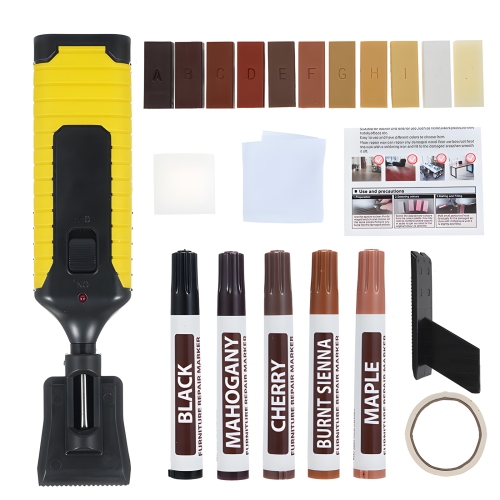
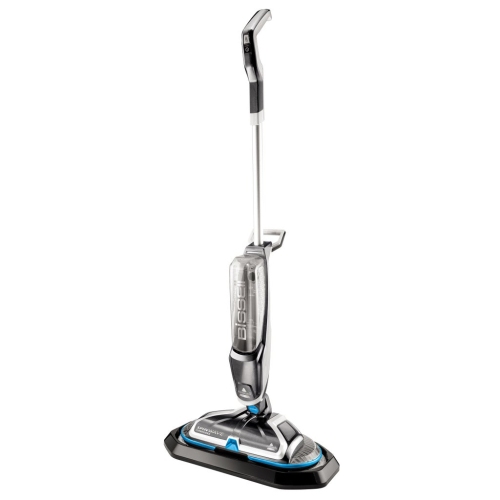
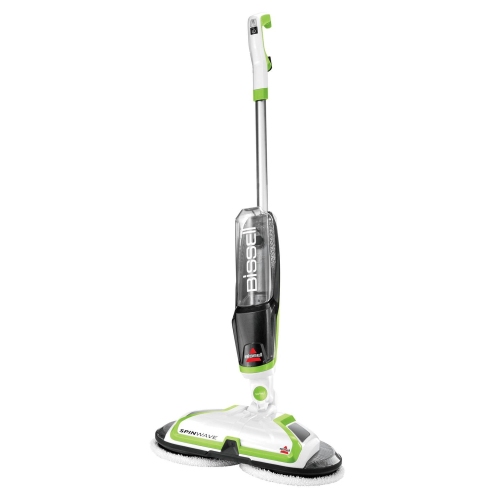
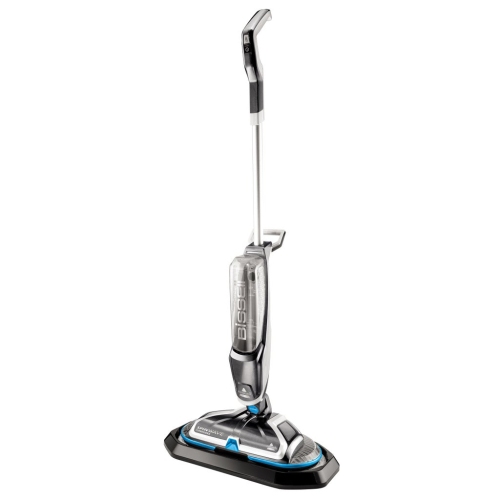




Tools for confident installation and a polished finish
Hardwood flooring tools bring together the measuring, preparation, cutting, fastening, and fitting equipment needed for a precise installation. Whether you are refreshing one room, finishing a basement living area, or taking on a larger renovation, the right tools can make each stage more controlled and comfortable. A tape measure helps with room dimensions and plank planning, while a chalk line creates a dependable reference for keeping the first rows straight. A moisture meter is also a valuable part of the preparation process, as it can help compare the moisture content of the subfloor and hardwood before installation begins. This information may help reduce the risk of movement, buckling, or gaps after the floor is in place. For layout work, flooring spacers help maintain a consistent expansion gap around walls, door frames, and other fixed surfaces. Hardwood naturally responds to changes in indoor humidity, so leaving the recommended space around the perimeter is an important part of achieving a lasting fit. A pry bar, scraper, and similar preparation tools can help remove old tack strips, staples, adhesive, or baseboards, giving new planks a cleaner surface to rest on. These practical tools are useful for experienced flooring installers, renovation professionals, and confident do-it-yourselfers who appreciate having dependable equipment close at hand when a project moves from planning to preparation.
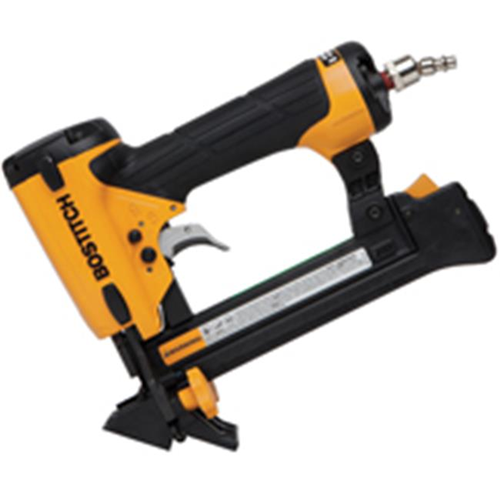
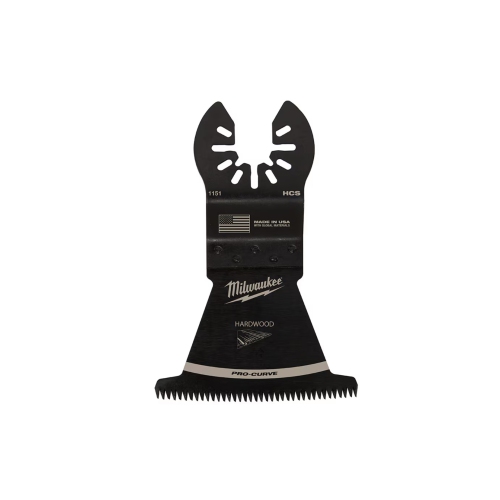
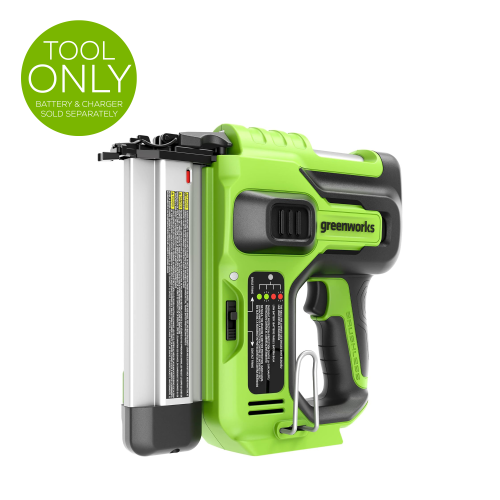
Cutting tools are selected according to the shape and scale of the work. A miter saw is well suited to making clean crosscuts for end pieces, transitions, and shorter sections, while a table saw can make accurate lengthwise cuts when planks need to meet a wall or another straight boundary. A jigsaw is helpful for curved or detailed notches around floor vents, pipes, corners, and doorways, where a straight cut alone cannot follow the required shape. An undercut saw can trim the bottom of a door jamb or baseboard, allowing flooring to slide beneath it for a more finished appearance instead of stopping around the frame. When using powered saws, the choice of blade, cutting capacity, visibility, and ease of adjustment can all affect control, particularly when working with dense boards or repeated cuts. Pneumatic installation equipment adds another important category to the assortment. Hardwood Floor Nailers and staplers are designed to drive fasteners through the tongue of a plank at the correct angle, helping secure boards while keeping the exposed surface clear of unnecessary marks. A compatible air compressor should provide steady pressure and sufficient capacity for the nailer or stapler being used. Checking hose connections, fastener compatibility, operating pressure, and the tool’s grip and balance before beginning can make repetitive installation work easier on the hands and more consistent from row to row.
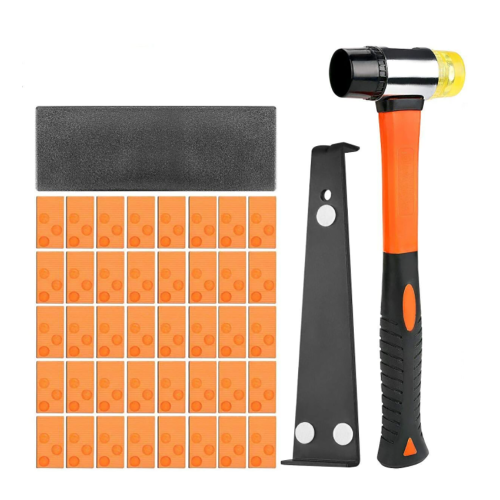
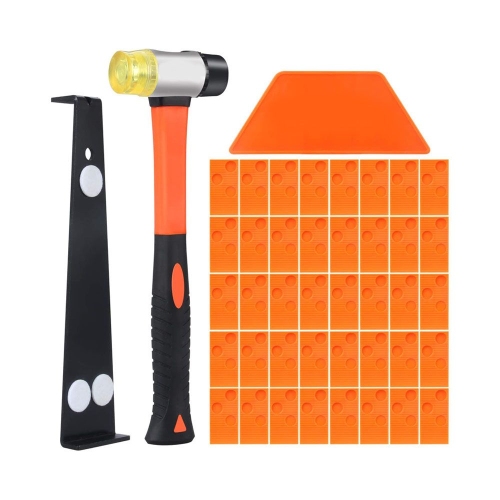
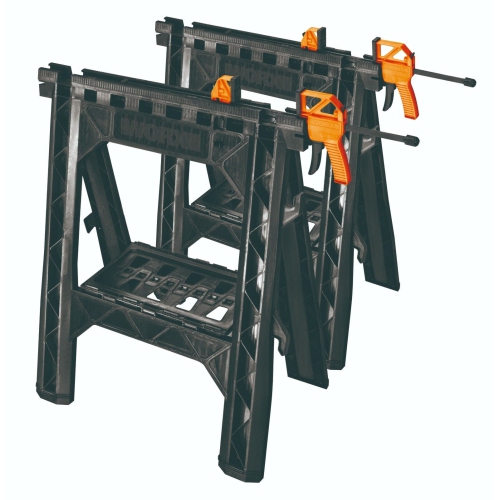
Manual fitting tools are just as important when boards need small adjustments, especially near walls and in the final rows where a powered nailer may not fit. A tapping block helps transfer gentle mallet strikes to the plank without damaging the tongue or finished edge, while a pull bar can close narrow gaps in areas with limited clearance. A flooring jack or ratcheting puller provides added leverage for bringing bowed boards into alignment and holding seams tight while they are fastened. A flooring mallet made from rubber or another protective material can help seat joints without leaving dents or scuffs on the wood surface. When choosing hardwood flooring tools, consider the flooring construction, plank thickness, installation method, room size, and frequency of use. A professional may prioritize durable materials, quick adjustments, and equipment suited to long workdays, while a homeowner completing a single room may prefer versatile tools that are straightforward to store and operate. It is also worth considering whether existing workshop equipment can support the project, including saw stands, clamps, extension cords, dust collection, protective eyewear, hearing protection, and an air compressor with the appropriate fittings. During the warmer and cooler parts of the year, indoor temperature and humidity can vary, making careful acclimation, measurement, and expansion planning especially relevant. With a well-matched selection of layout tools, saws, fastening equipment, and finishing accessories, hardwood flooring work can feel more organised from the first chalk line to the final carefully fitted board.
Cutting tools are selected according to the shape and scale of the work. A miter saw is well suited to making clean crosscuts for end pieces, transitions, and shorter sections, while a table saw can make accurate lengthwise cuts when planks need to meet a wall or another straight boundary. A jigsaw is helpful for curved or detailed notches around floor vents, pipes, corners, and doorways, where a straight cut alone cannot follow the required shape. An undercut saw can trim the bottom of a door jamb or baseboard, allowing flooring to slide beneath it for a more finished appearance instead of stopping around the frame. When using powered saws, the choice of blade, cutting capacity, visibility, and ease of adjustment can all affect control, particularly when working with dense boards or repeated cuts. Pneumatic installation equipment adds another important category to the assortment. Hardwood Floor Nailers and staplers are designed to drive fasteners through the tongue of a plank at the correct angle, helping secure boards while keeping the exposed surface clear of unnecessary marks. A compatible air compressor should provide steady pressure and sufficient capacity for the nailer or stapler being used. Checking hose connections, fastener compatibility, operating pressure, and the tool’s grip and balance before beginning can make repetitive installation work easier on the hands and more consistent from row to row.
Manual fitting tools are just as important when boards need small adjustments, especially near walls and in the final rows where a powered nailer may not fit. A tapping block helps transfer gentle mallet strikes to the plank without damaging the tongue or finished edge, while a pull bar can close narrow gaps in areas with limited clearance. A flooring jack or ratcheting puller provides added leverage for bringing bowed boards into alignment and holding seams tight while they are fastened. A flooring mallet made from rubber or another protective material can help seat joints without leaving dents or scuffs on the wood surface. When choosing hardwood flooring tools, consider the flooring construction, plank thickness, installation method, room size, and frequency of use. A professional may prioritize durable materials, quick adjustments, and equipment suited to long workdays, while a homeowner completing a single room may prefer versatile tools that are straightforward to store and operate. It is also worth considering whether existing workshop equipment can support the project, including saw stands, clamps, extension cords, dust collection, protective eyewear, hearing protection, and an air compressor with the appropriate fittings. During the warmer and cooler parts of the year, indoor temperature and humidity can vary, making careful acclimation, measurement, and expansion planning especially relevant. With a well-matched selection of layout tools, saws, fastening equipment, and finishing accessories, hardwood flooring work can feel more organised from the first chalk line to the final carefully fitted board.
Top selling and popular products
-
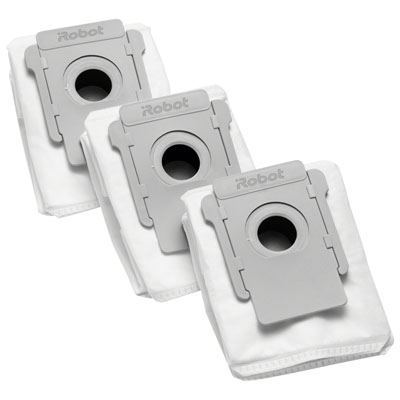 Your price for this item is $19.99
 -
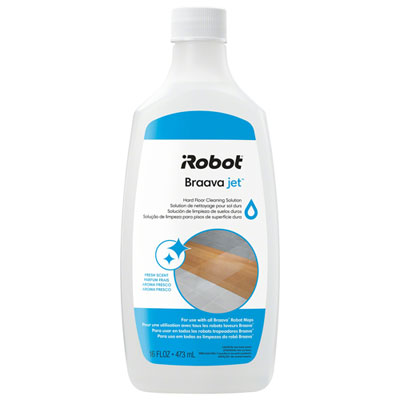 Your price for this item is $9.99
 -
 Your price for this item is $129
 -
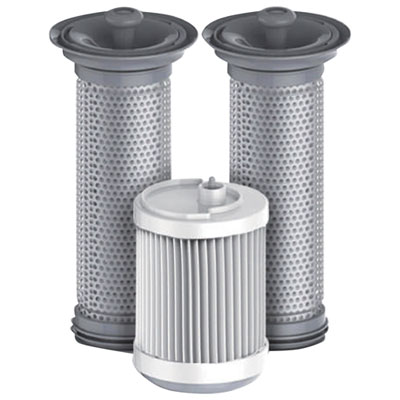 Your price for this item is $39.99
 -
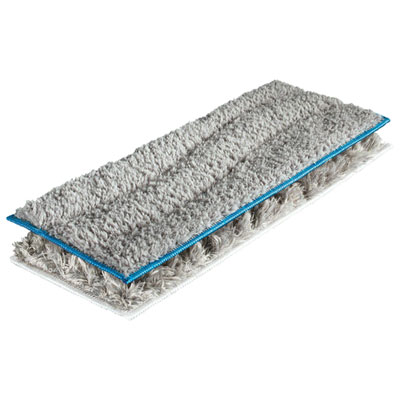 Your price for this item is $25.99
 -
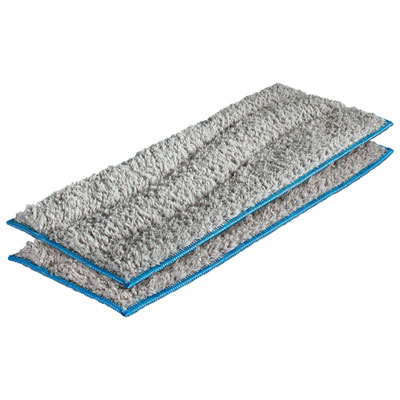 Your price for this item is $14.95
 -
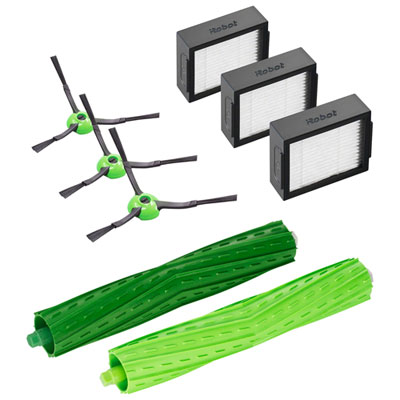 Your price for this item is $69.99
 -
 Your price for this item is $39
Discover more categories related to Hardwood Flooring Tools
Top Collections:
Pokemon Centers, Kindle Devices, Best Budget Office Chairs, Canon G7X Cameras, Apple iPhones 16, Samsung Galaxy Phones, Refurbished Apple Laptops, Laptops for Students, iPhone 15 Apple, Budget Smartphones
Some products may be subject to Environmental Handling Fees
(EHF) depending on your province.
Learn more about EHFs.